



Abstract

Introduction
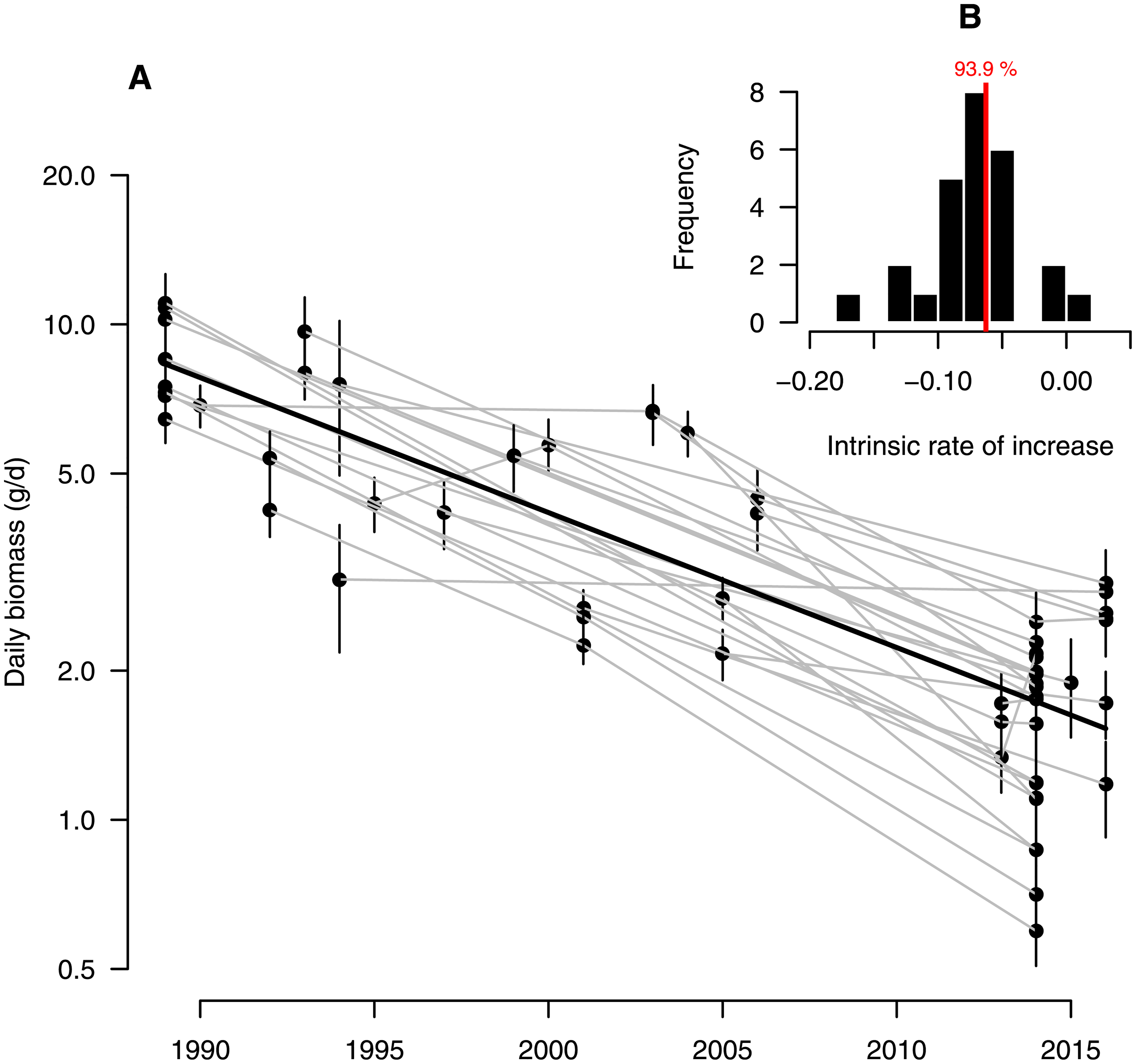
That there are now fewer insects than was the case a few decades ago is suggested, perhaps anecdotally, by the ‘windshield phenomenon’, where those on road trips have noticed that the windshield (windscreen) now seems to remain clear of insects even after having driven many miles, whereas it was once necessary to clean the glass free of them, as a matter of course. 1 In other aspects of everyday life, too, the absence of insects might appear as beneficial, for example, to not have flies buzzing around our homes and landing on food, or outdoor events not being beleaguered by wasps. However, such a superficial view fails to recognise the critical importance of insects in their various roles, particularly as pollinators, as essential members of food chains (being eaten by birds and fish, which are then hierarchically consumed by higher animals, including humans) and as key decomposers in natural systems. 2 Hence, a wholesale loss of insects is expected to impact dramatically and deleteriously on populations of various species, and ecosystems, across the globe, perhaps to a degree that has been heralded by the term ‘Ecological Armageddon’, 3 a phrase that circulated through the global media, following a 2017 study 4 made in Germany, which indicated that a decline in the biomass of flying insects had occurred by 76% in just 27 years, as sampled in nature reserves across the country (Figure 1). (The latter amounts to an average annual loss of 2.8% or a compound annual decline rate (CADR) of 5.2%.) From a 2018 study, 5 this time made in Puerto Rican rainforests, a decline of 98% was determined for ground-foraging and 78% for canopy-dwelling arthropods, over a 36-year period, which accords with respective average annual decline rates of 2.7% and 2.2% (hence, CADRs of 10.3% and 4.1%); in these same areas, the populations of birds, frogs and lizards were also noted to decline, as a result of their invertebrate food supply being lost. 5 Although there has been some call that caution should be exercised6,7 in extrapolating these results to mean that insects are being ‘wiped-out’, wholesale, across the world, it has been advocated 2 that the precautionary principle should apply, since the available evidence is already sufficient to warn that a serious problem may be underway, and this is not a prospect we can afford to ignore. 2 In March 2019, the Entomological Society of America, 8 while stating that a definite prediction of an imminent mass extinction of insects cannot be made, due to insufficient data, did describe as ‘very concerning’ the results of various studies which have reported significant declines in insect populations.
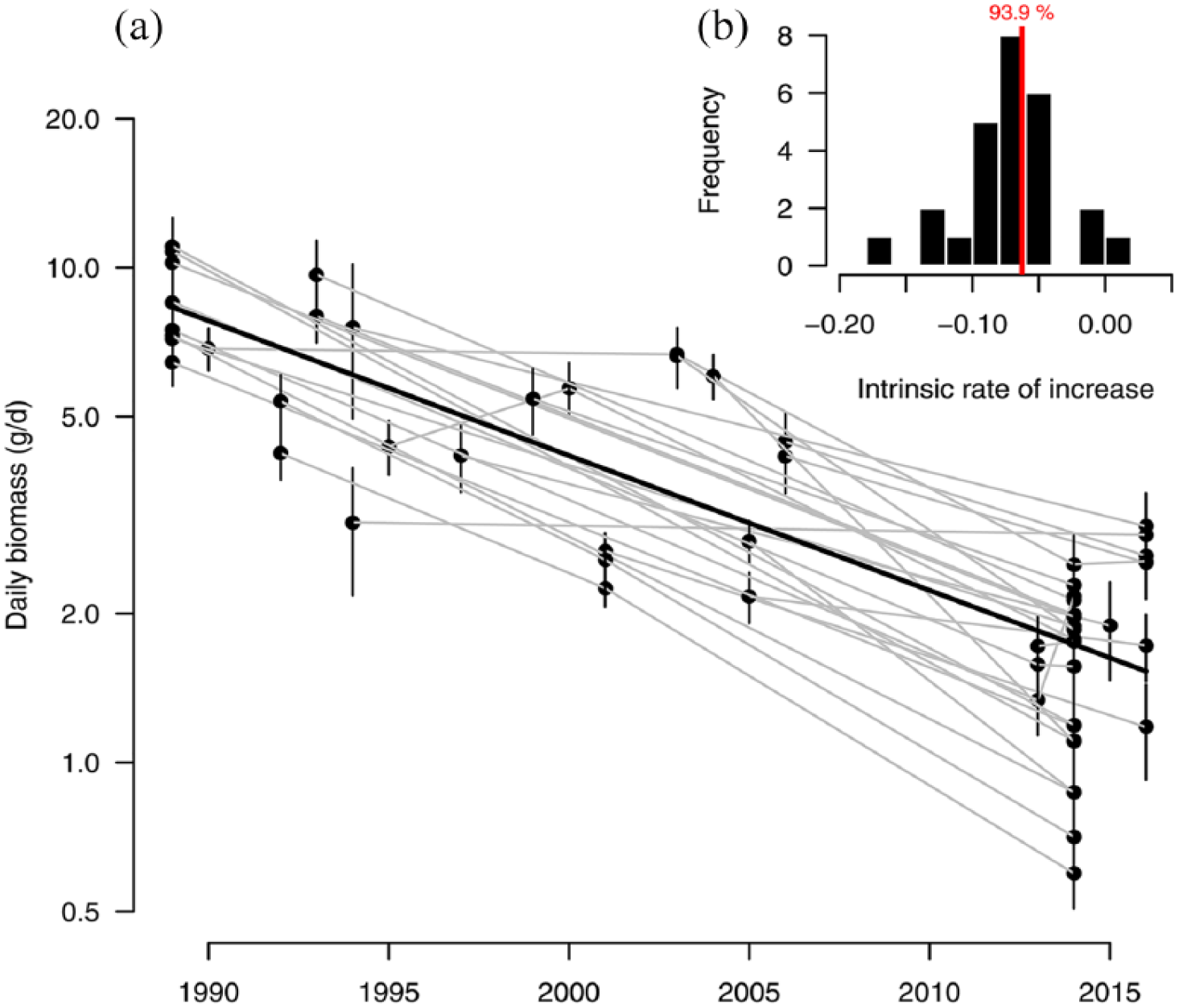
An annual decline of 5.2% in flying insect biomass found in nature reserves in Germany – about 75% loss in 27 years: (a) daily biomass (mean ± 1 SE) across 26 locations sampled in multiple years and (b) distribution of mean annual rate of decline as estimated based on plot specific log-linear models (annual trend coefficient = −0.053, SD = 0.002, that is, 5.2% compound annual decline rate) (https://upload.wikimedia.org/wikipedia/en/4/4a/Journal.pone.0185809.g004.PNG).
Further evidence
A comprehensive 2019 review 9 was published which surveyed 73 reports of declining insect populations from different global regions, with the aim to make a systematic evaluation of the underlying responsible factors. The results are startling in their indication that, due to their rapid rates of decline, overall, some 41% of insect species are under threat of extinction. It appears that the most greatly affected taxa are Lepidoptera (Figure 2), Hymenoptera (Figure 3) and Coleoptera (dung beetles; Figure 4), while four aquatic taxa (Odonata, Plecoptera, Trichoptera and Ephemeroptera) are at risk and have already lost a large proportion of their species. The authors note 9 that their review is ‘geographically biased’, because by far the majority of long-term studies have been made in industrialised nations of the northern hemisphere, and there is a relative paucity of data available from which to derive trends for tropical regions. 9 Although the current loss of global biodiversity is widely acknowledged as occurring at unprecedented rates 10 – afforded the term ‘Sixth Great Mass Extinction’ – it has been emphasised that attention so far has mainly been directed towards ‘charismatic vertebrates’, particularly mammals and birds, 11 and despite the pivotal and underpinning role that they play in the overall functioning and stability of global ecosystems,12 –14 insects have received comparatively scant attention. While noting 9 that there are no studies available for most Diptera (flies), Orthoptera (grasshoppers, locusts and crickets) and Hemiptera (cicadas, aphids, planthoppers, leafhoppers and shield bugs), it was concluded that major insect taxa began to decline in the early part of the 20th century, and that the process gained momentum during the 1950s to 1960s, to attain daunting levels during the past two decades. 9
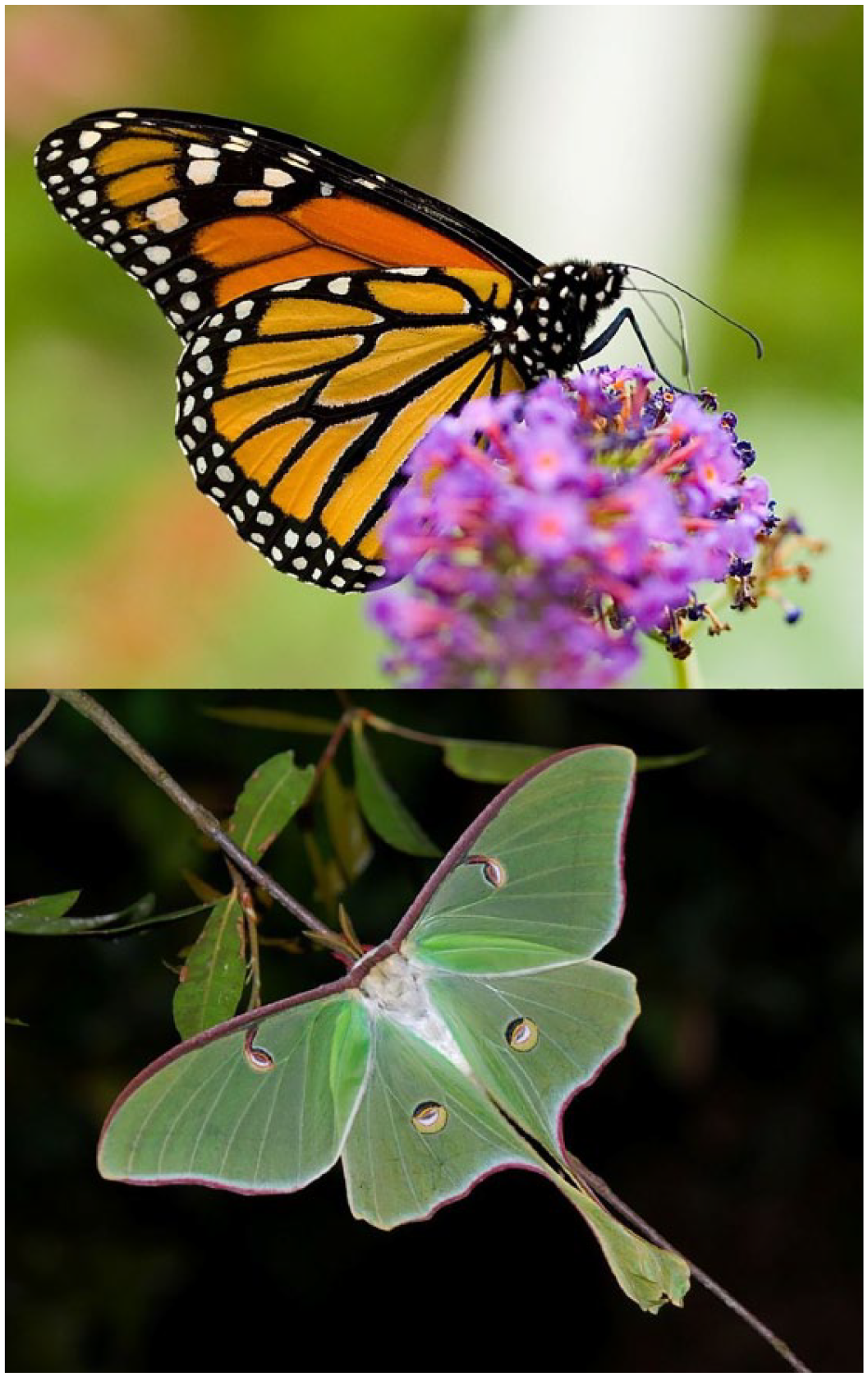
Monarch butterfly (Danaus plexippus) and luna moth (Actias luna), two common and widely recognised Lepidopterans (https://upload.wikimedia.org/wikipedia/commons/4/4b/Danaus_plexippus_%26_Actias_luna.jpg).

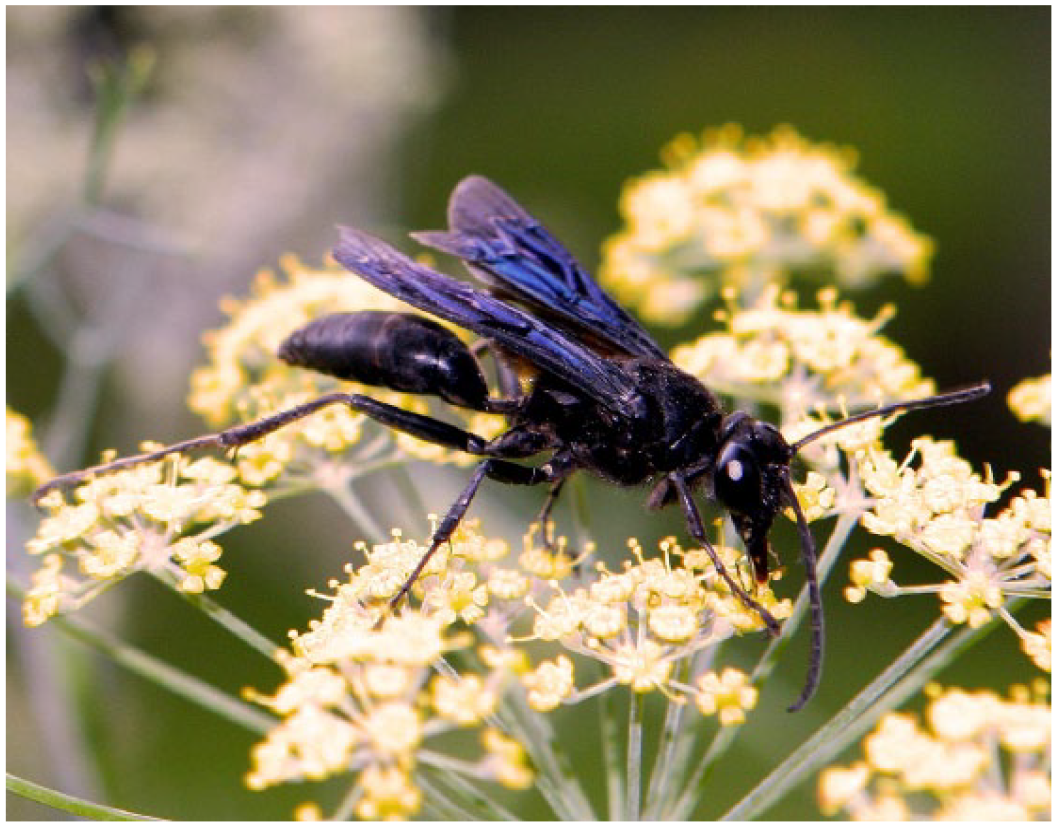
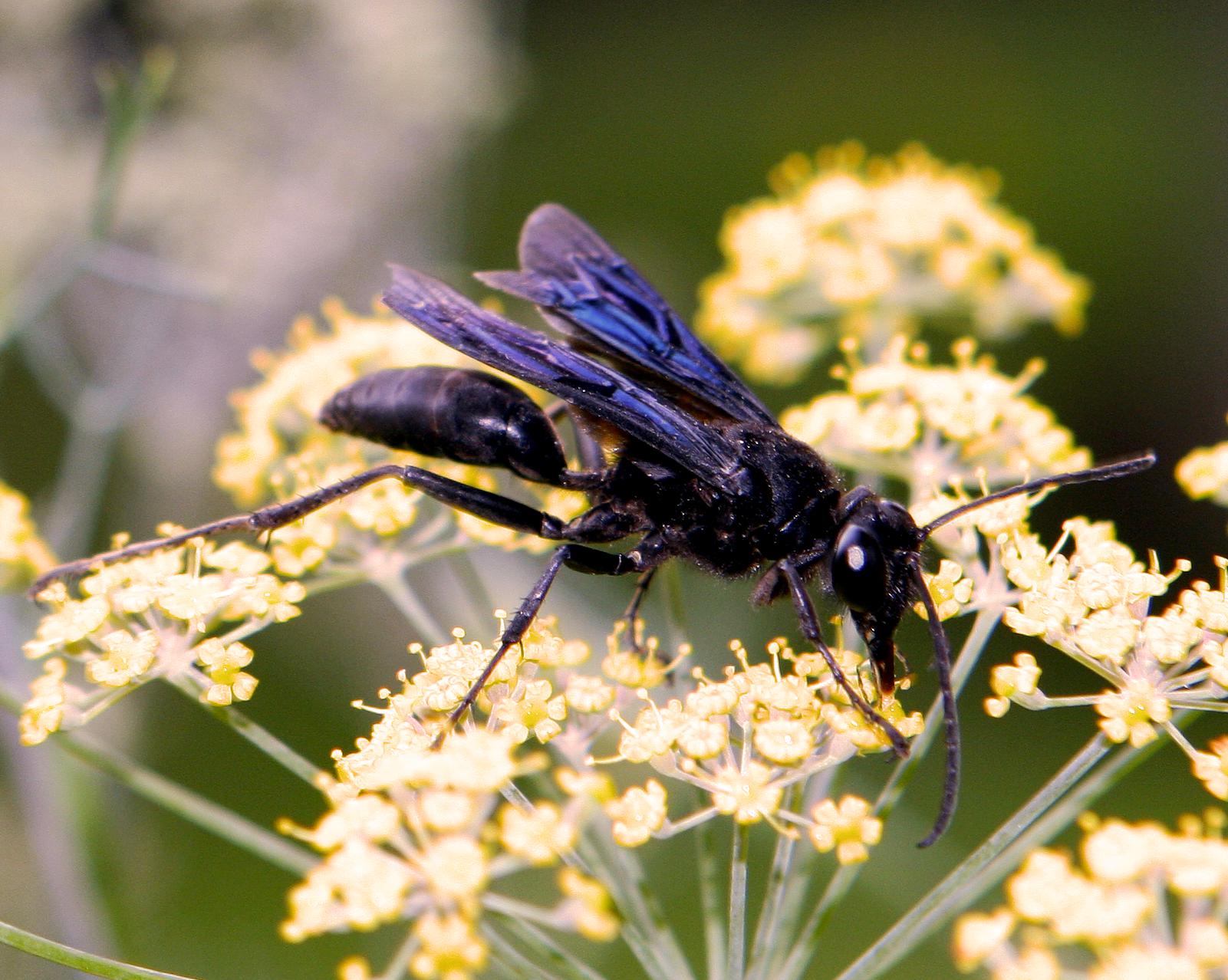
A digger wasp, Sphex pensylvanicus, a large black wasp native to North America, feeding on the nectar of a fennel flower (https://upload.wikimedia.org/wikipedia/commons/8/80/Sphex_pensylvanicus.jpg).
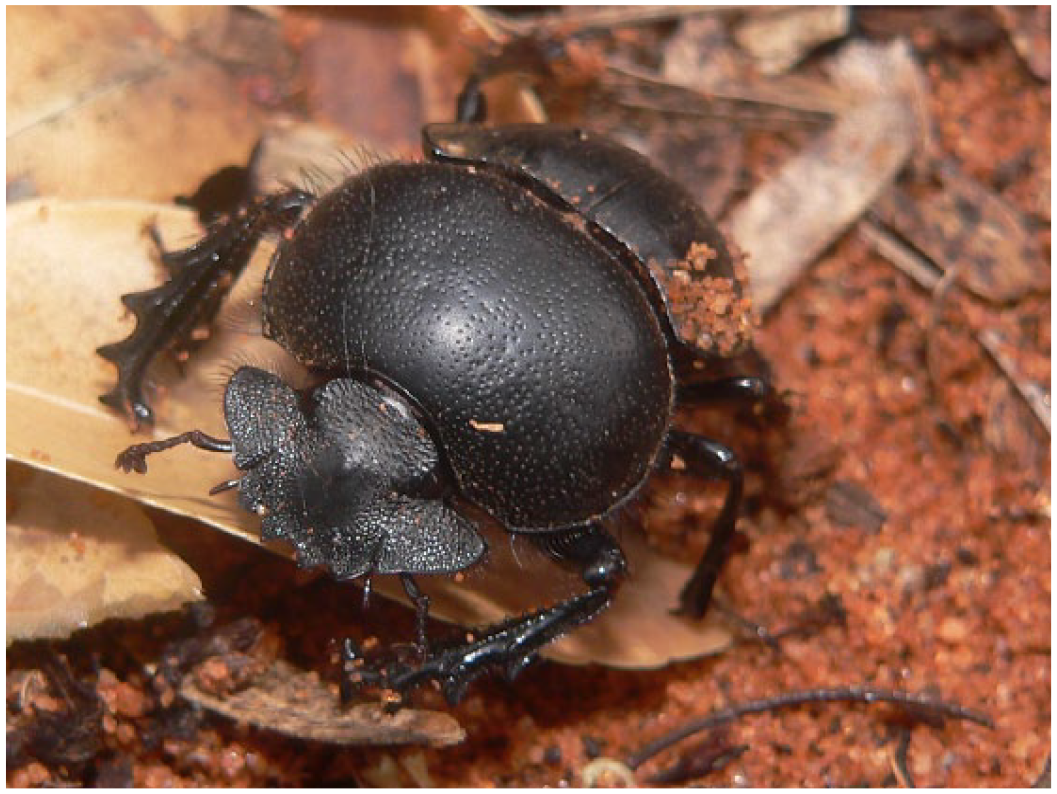
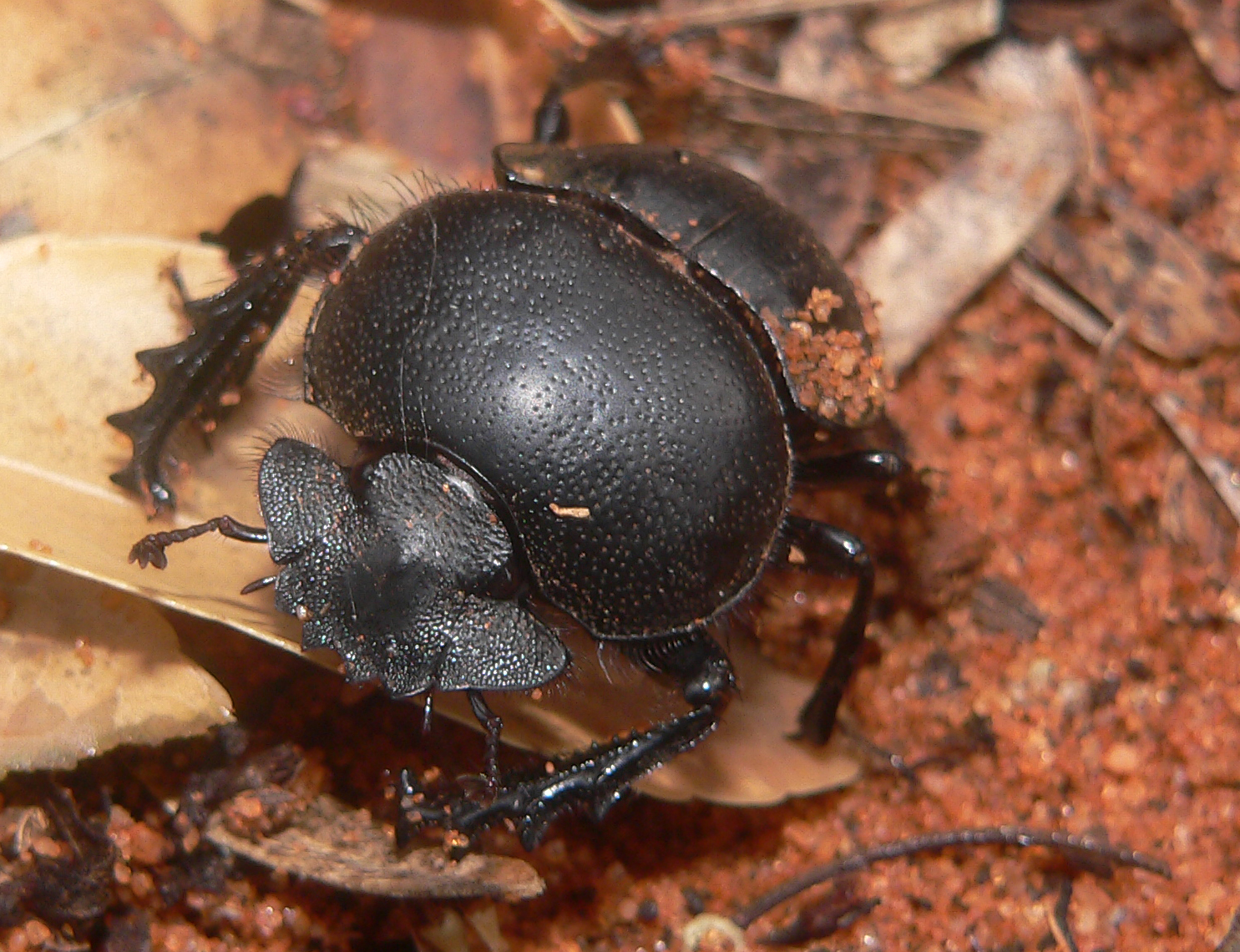
Dung beetle. Scarabaeus viettei, in dry spiny forest close to Mangily, Western Madagascar (https://upload.wikimedia.org/wikipedia/commons/c/cc/Scarabaeus_viettei_01.jpg).
It was estimated 9 that, at 41%, the current proportion of insect species in decline is double that of vertebrates, and that the extinction rate of insects (10%) is higher by a factor of 8 than that of vertebrates (1.3%), which is in accord with previous work. 15 At present, an estimated 31% of all insect species are ‘threatened’ with extinction, in the countries studied, while annually, around 1% of all insect species can be added to this list, leading to an overall annual decline in global insect biomass of 2.5%. Dung beetles in Mediterranean countries appear to be suffering the greatest biodiversity losses of all terrestrial taxa, with >60% of their species being in decline, of which a large proportion are considered threatened. The rate of decline of around half of all species of Coleoptera and Lepidoptera is greater than the annual average (2.1% and 1.8%, respectively). It appears that declines are greater still for aquatic insects, and it has been deduced that 33% of species per taxa are threatened, to be compared with a figure of 28% among terrestrial taxa, and that overall declines are not significantly different between tropical and temperate global regions, at close to 45% each. 9
Impact of insect declines
The overall evidence is that insects are becoming extinct far more rapidly than is the case for vertebrates. 9 However, primarily as a result of a scantiness of available historical data (e.g. in Australia and China, and in various subtropical and tropical countries), an underestimation of those host-associated species (such as specialist herbivores, pollinators, obligate parasitoids and parasites) that are lost through co-extinction of their host plant or animal,16,17 and a lack of comparative surveys having been made for multiple insect orders, it is not possible to make a fully accurate quantification of these rates. 9 Nonetheless, since the majority of species in all insect taxa appear to be undergoing some degree of decline, it has been concluded, not unreasonably, that the Earth is experiencing its most profound extinction event since the late Permian and Cretaceous periods. 18 Such a wholesale and pervasive loss of insects should not be ignored, because, of all the animal groups on Earth, they represent the most abundant and speciose, 9 and provide critical services within the planetary ecosystems, which may collapse catastrophically in the absence of taking necessary remedial action. Indeed, evidence that insect declines are driven by effects on traits that are common to all insects is provided by the fact that the phenomenon is not affecting merely species whose ecological requirements are limited (specialists), 9 for example, a need for specific plants as hosts (such as Coenonympha oedippus in bogs), ecological niches (e.g. roller dung beetles) or restricted habitats (like Bombus terricola in the United States), but also generalists 9 that had formerly been prevalent in many different countries (for instance, Aglais io in the Netherlands or Macaria wauaria in the United Kingdom).
It has been noted previously, 14 that, during the past few decades in North America and Europe, many insect taxa (including butterflies, ground beetles, wild bees, dragonflies, stoneflies and ladybirds) have suffered population declines, and that these are substantially greater than had been identified for plants or birds, with potentially far-reaching cascade effects throughout a number of global ecosystems. 14 Hence, the recent review supports and elaborates this impression. 9 Multiple insect communities are being modified towards assemblages that are species-poor, and dominated by generalists, 19 as a result of anthropogenic pressure, and the current loss of biodiversity and amendments in community composition are precursor events to extinction. 20 Susceptible species have also been observed to disappear from aquatic environments, and to become steadily substituted by (often non-native) tolerant versions, which jeopardises diversity in freshwater ecosystems. 21 As the number of insect species declines, a progressive and concomitant decrease in those ecosystem services that depend on insects is anticipated, and that the latter will increasingly be provided by a smaller number of species, which are less specialised. 22 The essential role played by insect biodiversity in the necessary operation of all ecosystems cannot be overstated, including such services as pollination, food resources, natural control of pests, decomposition and the recycling of nutrients, all of which are expected to be affected, in varying degrees, by insect declines. 9 As a further consequence of the disappearance of numerous insect species, a smaller number of species are seen to enlarge their distribution and to capture particular niches that have accordingly been made vacant. The majority of such occupying species, in terrestrial environments, are generalists, with broad ecological preferences (e.g. Bombus impatients, Plusia putnami, Laemostenus terricola and Hippodamia variegata), while those niches that arise, in aquatic environments, are filled according to specific ecological traits, which include how tolerant species are to pollutants (such as Sympetrum striolatum, Brachyptera risi and Potamyia flava), meaning that a greater uniformity and smaller species-composition diversity arise. 23 Although such substitution of species may assist the preservation of particular ecosystems, the degree to which an overall ecological resilience can thus be maintained by natural ecosystems is unknown. Since insects provide the fundamental basis of complex food webs, significant loss of their species can adversely influence the overall biomass content of entire ecosystems. 9
Cause of insect declines
Almost 50% of studies indicate that the leading cause of insect declines is habitat change, as indeed is true for the declines of birds and mammals. 9 At 26%, pollution is the second major stressor, while around 18% was attributed to a variety of ‘biological factors’, and only 7% of studies indicated that the insect losses were a result of climate change. It has long been known that the actions and progress of human civilisation are primary drivers of habitat change/degeneration; for example, in the 5th-century BC, the Greek historian, Herodotus, noted, 24 ‘Man stalks across the landscape and desert follows his footsteps’.
While the problems of soil erosion and land degradation remain,25,26 and have escalated in scale to become significant issues, the advance of global civilisation has required the repurposing of land for the provision of residences, the creation of transportation infrastructure, to undertake agriculture and to inaugurate industry, all with a concomitant loss of natural habitats.2,25 Changes in land use and the fragmentation of landscapes can be linked, with a high degree of certainty, to losses of Coleoptera, Lepidoptera and Hymenoptera, with agricultural conversion and intensification for food production being listed in 24% of the reports considered, and the use of pesticides in 13% of them. 9 Among other significant factors were ecological traits (13%), urbanisation (11%), use of fertilisers (10%), deforestation (9%) and alteration of wetlands/rivers (6%), while warming appears in just 5% of the reports. 9
A good correlation was obtained between declines of arthropods in tropical rainforests and climatic changes; 4 however, the 12 different factors that were considered potentially responsible for pervasive declines, over almost three decades, in insect biomass across nature reserves in Germany, could account for scarcely 20% of those actually measured, with no definite explanation being advanced for the remaining 80%. 4 However, it was inferred that synthetic pesticides were likely culprits for the year-on-year losses in insect biomass, although this was not studied directly. 4 In second place to habitat decline, as a driver of insect declines, is pollution, 9 in the form of synthetic pesticides and fertilisers (which are a central feature of modern, intensive agriculture), chemicals from factories and mining operations, leachates from landfill and sewage from urban environments. Intensive agriculture advantages particular crops (usually grown in monocultures) through the use of insecticides to control pests, and herbicides to eliminate other plants (weeds) that otherwise compete with them, along with fungicides to prevent infections from fungi taking hold. 27 Of these chemical inputs, the greatest toxicity, towards practically all insects and other arthropods, is from insecticides and to a lesser extent fungicides, while herbicides are not especially toxic. 28 Nonetheless, herbicides do act to lower the biodiversity of vegetation both within the fields of crops and in surrounding areas, as a consequence of drift and run-off, 9 and so those arthropod species that require wild plants may at least suffer a significant decrease in their numbers or they may disappear entirely. 29 Accordingly, of all the agronomic methods used, the practice of applying herbicides to croplands has caused the most severe impacts on insect biodiversity, and on plants, both in terrestrial and aquatic environments. 30 Light pollution has also been implicated 31 as a factor in insect decline, since those areas, where the declines were measured by Hallmann et al. 4 to be greatest, are proximate to densely populated urban areas, which have high levels of ‘artificial light at night’ (ALAN; Figure 5). The authors propose that this factor should be considered, along with the more usual suspects, for example, pesticide use, other chemical pollution, and degradation and fragmentation of habitats, in rationalising insect declines. 31
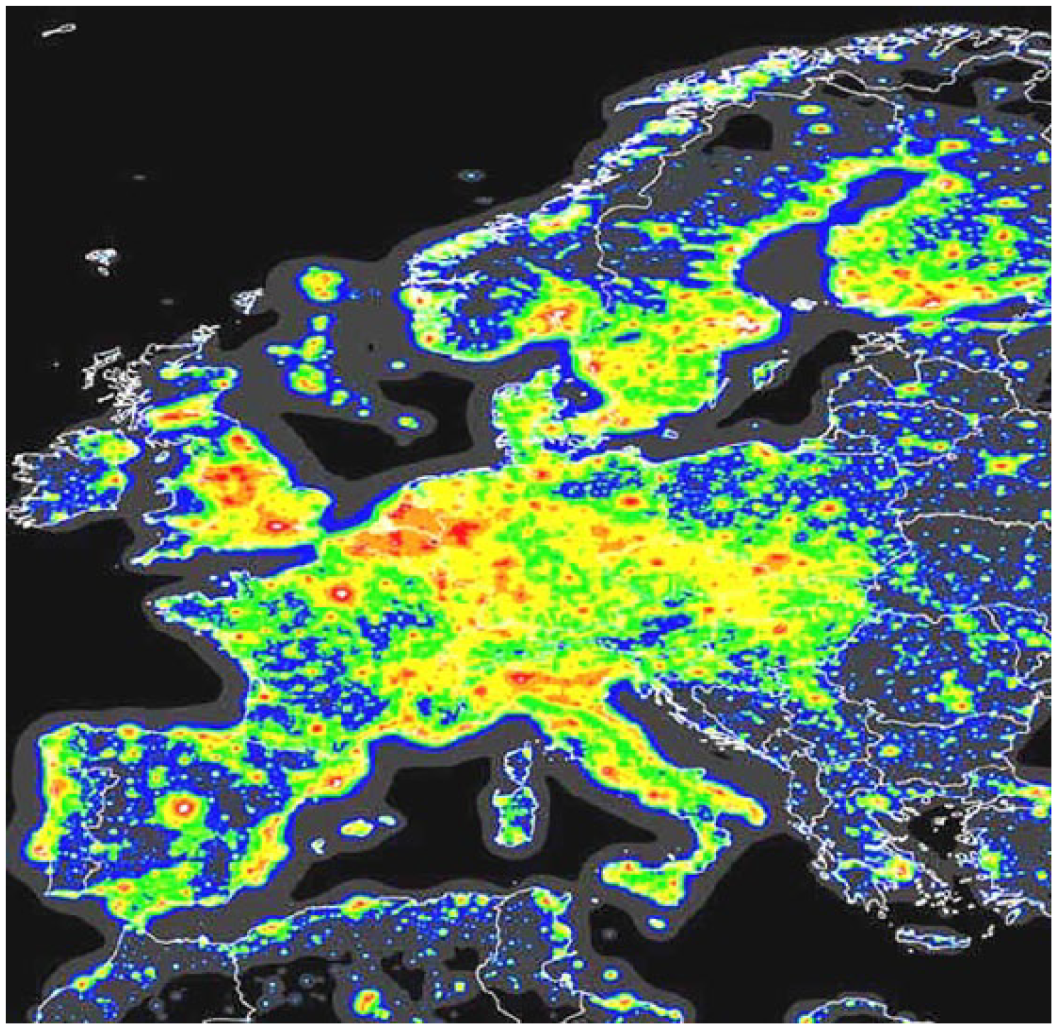
‘Skyglow’ – diffuse luminance of the night sky and a commonly noticed aspect of light pollution – over Europe (https://upload.wikimedia.org/wikipedia/commons/e/e3/Light_pollution_europe.jpg).

Effects of climate change
There is a school of thought that while the decline in butterflies and wild bee species is a result of global warming, 32 for insects in temperate regions, the prevailing warming trends might confer some benefits, as they attain greater thermal tolerance, so to enhance their development and abundance. 2 However, more limited thermal thresholds are typical for insects that live in tropical regions, which are accordingly more greatly affected by increases in temperature. Therefore, although the populations of certain butterflies in northern Europe have both increased 33 and expanded their geographical distributions,34,35 with certain species exhibiting altitudinal changes,36,37 it appears that around half of the insect species on Earth are actually in decline. 38 As a result of global warming, a restriction in the ranges of various species of dragonflies, stoneflies and bumblebees, which are adapted to cold climates and higher latitudes, has been noted, 39 along with adverse impacts on Mediterranean pollinators, such as the beetle Mylabris nevadensis, 40 and it is thought that a warming climate might urge mountainous insect species towards extinction. 41 The arthropod biomass in Caribbean island rainforests is also being diminished by climate change. 5
The effects of climate change were considered by the Intergovernmental Panel on Climate Change (IPCC), which, in its 2014 report, predicted an increased extinction rate for bees, butterflies and other pollinators, since bees were emerging earlier as a result of a warmer climate, but before flowering plants had become available. 42 However, there is little evidence, so far, for an overall drastic degree of such mismatch occurring, although it has been stressed that the issue is both variable and complex. 43 It has been shown 44 that climate change is driving plants polewards and upwards, but this migration is lagging behind the expanding warming front, in part as a result of the impediment of plant movement caused by unusual cold events. It is suggested that the range limits of plants, adapted for warm climates, are potentially determined by their physiological sensitivity to colder temperatures and that their poleward movement might be impeded by extreme cold events. A method is presented for quickly gauging the cold tolerance of plants, which might further be useful in choosing suitable species for horticultural management and urban landscape design. 44 From a modelling study, based on a very well-resolved empirical network of interactions between 1420 separate pollinator and 429 separate plant species, it appears to be the case that phenological shifts have been driven by climate change, over a 120-year period, and as a result, mismatches have indeed arisen between various flowering plants and their pollinators. 45 The prospect remains, however, that more generalist pollinator species may be able to change their plant hosts and so maintain pace with changes in the plant flowering-times. It is likely that pollinator species which are unable to migrate will experience their favourable climate space shrinking or being lost entirely, while those that can adapt to the changing climate may actually increase their range size. In summary, it appears that while pace is being kept by many plants and animals with recent climate changes, a significant number of species are falling out-of-phase; 46 nonetheless, there are too few reported empirical studies from which to draw broad conclusions regarding the direction and magnitude of such phenological shifts in plant–pollinator networks. 43
Possible ameliorative actions
Over the past few decades, many habitat specialists have disappeared as a result of modification of their environment by humans, and a smaller number of generalists have moved in, which are adapted to the artificial conditions that have developed. However, it is possible to partially remediate this situation by installing ‘green spaces’ in urban environments 2 – parklands, gardens, green corridors – so to provide shelter for both native and newly colonising species, including important pollinators such as Bombus spp. 47 and butterflies, for example, Lycaena phlaeas 48 and Aphantopus hyperantus. 48 Indeed, the restoration of habitat, along with the adoption of methods of regenerative25 – rather than intensive – agriculture, with far smaller inputs of agrochemicals is most likely the best way to avert catastrophic and inexorable declines in the future. Thus, the abundance of wild pollinators can be significantly increased by planting strips of flower and grassland at the edges of fields, 49 and if crops are grown as part of a rotation with clover, both the abundance and diversity of bumblebees are enhanced, with knock-on improvements in crop yields and the financial viability of a farm. 50 As well as encouraging pollinators, such strategies of ‘ecological engineering’ confer an additional benefit, in preserving those insects which are essential for controlling, naturally, many crop pests. 9 It is worth emphasising, however, that such means will only work if the employment of pesticides (primarily, insecticides and fungicides) is curbed to a bare minimum, allowing insect populations to recuperate and re-establish their services of ‘biological control’. 9 It has been concluded that since synthetic pesticides drive pest resistance, do not appreciably enhance crop yields, impair food safety and, in some cases, worsen farm revenue, to dramatically curtail their use would be no bad thing.51,52 Indeed, it has been demonstrated that similar or in some cases, better crop yields could be obtained using integrated pest management methods,25,53,54 and that biological control offers a cost-effective means to control agricultural crop pests, with the concomitant preservation of biodiversity both on-farm and beyond the field border. 55 The restoration of marshlands and improvement of water quality can be seen to be indispensable in recovering the biodiversity of insects in aquatic environments, and it may prove necessary to cleanse waters that are currently polluted, through the implementation of appropriate technology. 56 It has been deduced, 9 however, that it is essential to diminish contamination that is delivered by run-off, and from the leaching of toxic chemical agents, especially pesticides, to allow the necessary multitude of individual species to become re-established and provide critical ecosystem services, including the recycling of nutrients and the decomposition of detritus, furnishing food for fish and other aquatic animals and contributing efficacious predators of crop pests, aquatic weeds and vexatious mosquitoes. 9
Ecological intensification has been highlighted2,57 as a powerful remedial approach to the disruption of plant–pollinator communities and of the pollination process itself, which may occur when natural habitat is converted to agriculture, so that landscapes become homogenised, and populations less connected, while floral and nesting resources are eroded, and eventually, pollination services are impacted upon. 57 Through the adaptation of agriculture by methods of ecological intensification – intercropping, crop rotations, farm-level diversification and a curbing in the use of agrochemicals – biodiversity is promoted. 57 The combined application of methods to enhance and regenerate the fundamental ecological components, of soil, water and biodiversity, has been surveyed in an article, previously published in this journal, titled ‘The Imperative for Regenerative Agriculture’, 25 which further considers 25 how such regenerative practices might be usefully employed to grow food in urban environments (rather than on industrialised farms), where clearly, the preservation of adequate pollination would be critical. 25 In urban environments, road construction and the creation of other infrastructure cause the fragmentation (Figure 6) of initially extensive, natural landscapes, and the habitats they provide, into segments that may be too small to meet all the needs of pollinating species. Hence, a critical factor for maintaining an abundance of pollinators in urban environments is to establish wildlife corridors (Figure 7), so that different wildlife species can travel safely between the various landscape segments. 58
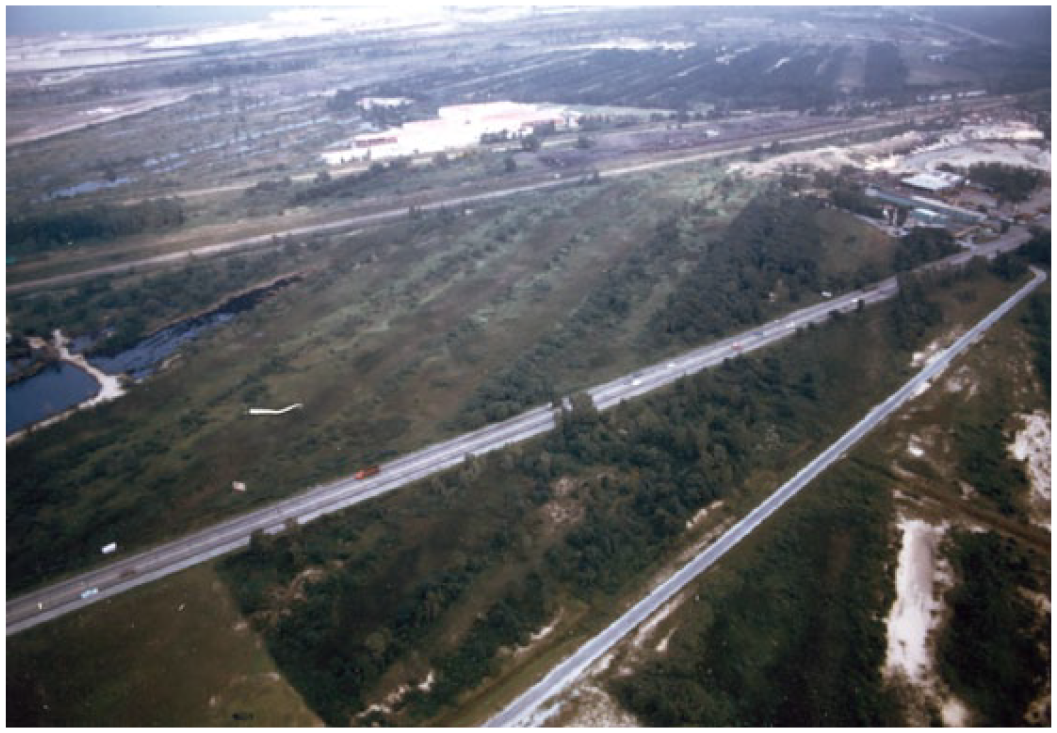
Habitat fragmentation. Indiana Dunes National Lakeshore, Indiana. Fragmentation of park land by urban areas, such as this highway, can create islands of natural ecosystems and can disrupt the natural movement of plants and animals (https://upload.wikimedia.org/wikipedia/commons/9/9e/Indiana_Dunes_Habitat_Fragmentation.jpg).

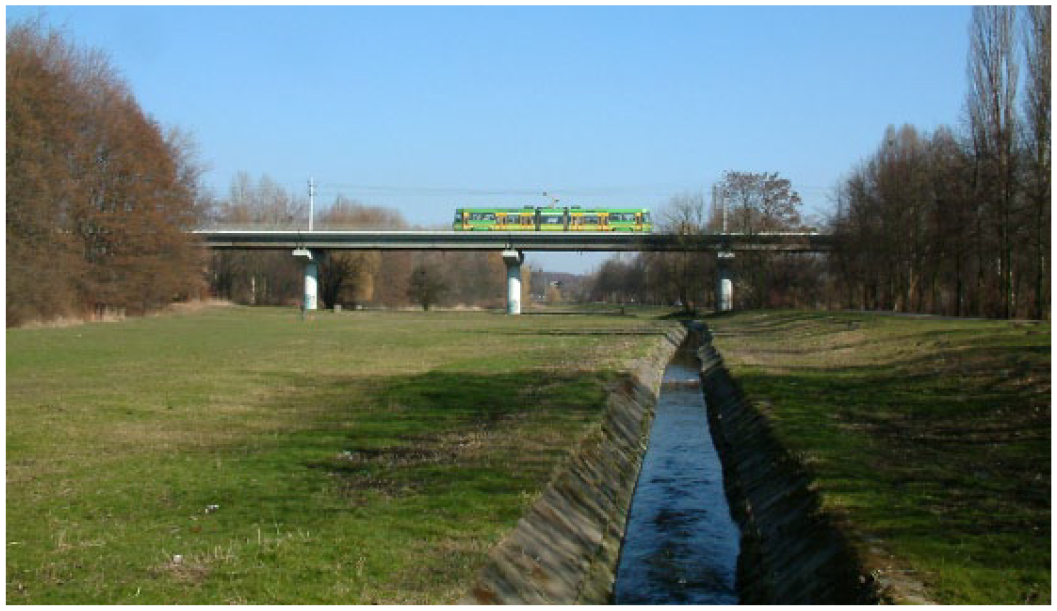
Wildlife corridor. Overpasses such as this one allow for traffic to continue for human convenience, while allowing wildlife to pass unharmed beneath from place to place (https://upload.wikimedia.org/wikipedia/commons/6/68/Estakada_ponad_Bogdank%C4%85_Pozna%C5%84.jpg).

Conclusion
Indications that the global biodiversity of insects is under threat are compelling. It is estimated that, at 41%, the current proportion of insect species in decline is double that of vertebrates, and that the extinction rate of insects (10%) is higher by a factor of 8 than for vertebrates (1.3%), which is in accord with previous work. 15 At present, an estimated 31% of all insect species are ‘threatened’ with extinction, in the countries studied, while annually, around 1% of all insect species can be added to this list, leading to an overall annual decline in global insect biomass of 2.5%. It appears that the rate of decline of around half of all species of Coleoptera and Lepidoptera is greater than the annual average (2.1% and 1.8%, respectively), while the greatest biodiversity losses of all terrestrial taxa are found for dung beetles in Mediterranean countries, with >60% of their species being in decline, of which a large proportion is considered threatened. Declines appear greater still for aquatic insects, where four major taxa (Odonata, Plecoptera, Trichoptera and Ephemeroptera) have already lost a considerable proportion of their species, and it has been deduced that 33% of species per taxa are threatened; this may be compared with a figure of 28% among terrestrial taxa, and that overall declines are not significantly different between tropical and temperate global regions, at close to 45% each.
It is significant that declines are apparent for many common and generalist types of insects, and so it is not merely specialists that are hosted in specific ecological niches are being lost. Since, in parallel, a small number of adaptable, generalist species have been observed to increase, which can inherit those niches that have been made available by the decline of other (often more specialist) species, an overall loss of biodiversity is indicated. The large declines in insect biodiversity that have occurred in aquatic environments within agricultural and urban settings have been offset by increases in those species that are more tolerant to pollutants, and generalists that can adapt to a range of diet and habitat. It appears that the main factor responsible for the decline of insect species is loss of natural habitat, due primarily to intensive (industrialised) agriculture and urbanisation, Changes in land use and the fragmentation of landscapes can be linked, with a high degree of certainty, to losses of Coleoptera, Lepidoptera and Hymenoptera, with agricultural conversion and intensification for food production being listed in 24% of the reports considered and the use of pesticides in 13% of them. Among other significant factors are ecological traits (13%), urbanisation (11%), the use of fertilisers (10%), deforestation (9%) and alteration of wetlands/rivers (6%), while just 5% of the reports address warming – the latter being of greatest significance in tropical locations, while affecting only a relatively small number of species in colder locations and in mountainous regions of temperate zones.
We may deduce, therefore, that the most effective way to avert catastrophic and inexorable declines of insect species in the future is to necessarily adopt methods of regenerative – rather than intensive – agriculture, with far smaller inputs of agrochemicals (pesticides and fertilisers), and undertake an active restoration of insect habitats. Such means may attenuate or even reverse current trends, and support the recovery of declining insect populations, along with the vital ecosystem services they provide. In addition, effective remediation technologies should be applied to purify polluted waters in both agricultural and urban environments. However, the current advance of agriculture is towards the creation of ever-larger farms, on which more intensive practices are employed, with a heavy use of agrochemicals and monoculture cropping; hence, no abatement of the major factors identified as being responsible for insect losses is indicated.
To obtain a complete picture of the degree to which a wholesale decline in insects is occurring across the world is very difficult, due to an insufficiency of geographically widespread and long-term data. Indeed, here is an example where citizen science data could be extremely useful. 59 Nonetheless, the central importance of insects in very many essential ecosystem services (e.g. pollination providing food for larger creatures, controlling pests and acting as decomposers) was stressed by the American biologist, researcher, theorist, naturalist and author, E.O. Wilson, 60 who noted, ‘If insects were to disappear, the environment would collapse into chaos’. Accordingly, and given the evidence already available, the precautionary principle would suggest this is not a prospect we can afford to ignore. However, the considerable challenges involved in respecting nature and its limits, both for society and conservation science, have recently been emphasised. 61
Footnotes
Acknowledgements
I thank Mr Peter Ruczynski from Reading Repair Cafe (Transition Town Reading) for providing invaluable technical support in the preparation of this manuscript.
Declaration of conflicting interests
The author(s) declared no potential conflicts of interest with respect to the research, authorship, and/or publication of this article.
Funding
The author(s) received no financial support for the research, authorship, and/or publication of this article.
Author biography
 ), which cover radiation chemistry, catalysis, zeolites, radioisotopes, free radicals and electron paramagnetic resonance spectroscopy, and, more recently, has developed into aspects of environmental decontamination and the production of sustainable fuels. He has given numerous radio and televised interviews concerning environmental issues, both in Europe and in the United States – including on BBC Radio 4’s Material World. Latest invitations include a series of international lectures regarding the impending depletion of world oil supply and the need to develop oil-independent, sustainable societies. He has published more than 250 peer-reviewed scientific articles and six books. He is also a published novelist, journalist and poet.