



Abstract
Green pest management is an environmental-friendly pest management that helps to control pests and reduces harmful use of pesticides. Pests like woodworms, longhorn beetles, fruit flies, spiders, termites and paper mites in the buildings degrade the carpets, leather, wood, cloth, food, utensils and so on. They can spread diseases, damage properties and contaminate food in our home. So, green pest management has been developed in buildings to avoid degradation and protect human health and surrounding environment. Green pest management is a relatively new concept. Its practices help to keep our building green. It includes sanitation, management, biological control, least toxic chemical pesticides and minimum use of chemicals and avoids killing of non-target species by spraying in target locations. Green Pest Control India Pvt Ltd in Borivali East, Mumbai; Herbal Pest Control Services in Bengaluru, Karnataka, India; Green Pest Management by Johnsons group in Hong Kong; Ehrlichs Green Pest control service in Pennsylvania; Eco Smart Technologies in United States; Green Pest Services Ecofriendly and Organic Pest Control at St. Lucie and Martin country and so on are providing service. This green pest management is also included in green building certification rating system for all sustainable buildings. This article describes the impact of pests on the environment and sustainable pest management practices in existing homes. It is an innovative service provider with a mission of creating a ‘happy community’ as we value and respect the various needs of our customers.
Keywords
Introduction
Green pest management (GPM) means that any pest management service that was performed only if it meets the standards and protocols of a recognized third-party certifying organization such as the NPMA (National Pest Management Association) green shield certified or Eco-wise certified. 1 Green pest management is also known as the technological advanced Integrated pest management2 and an integrated, multi-step approach that works on a different principle than the familiar chemically oriented pest control, which depends totally on the use of chemical applications that are sometimes toxic to people and their surroundings. According to Michael A. Deutsch, MS, BCE (entomologist), the GPM can create healthy environment and has its roots in Integrated Pest Management. 3 In order to reduce the impacts on man and environment, Green pesticides or natural pesticides can be used. Green pesticides are environmental-friendly and effective when compared to chemical pesticides. 4 , 5 They help to control ants, flies, cockroaches and insects and include maintenance of hygienic conditions and biological control.
There are five steps in GPM. They are Inspection, Harbourage, Exclusion, Judicious use of Pesticides and Monitoring: 6
Inspection. The pest professionals identify the existing pest and crack crevices. They uncover food resources, the presence of water sources and signs of existing pest activity and prepare a plan to control invasion.
Removal of food and harbourage. An unsuitable environment can be created to discourage pests and remove compost sites, garbage, leaky pipes, food and water sources accessible, pet food and so on.
Exclusion. They prepare a customized plan for controlling and eliminating the problems by the following: ban on unnecessary chemical hazards, vigilant efforts are made to remove seal point of entry in our home, identifying the situations like high-moisture areas, overhanging branches or debris piles that attract insects and provide pathways into our home.
Judicious usage of pesticides. Pesticides will be used only in the locations and quantities if necessary. Green pesticide products can be used to reduce toxicity.
Monitoring. Regular monitoring gives assurance that the houses become free from pests and also they can be identified before they become full blown infestations.
GPM and its need
Pesticides are used to kill different types of pests. Mosquitoes, which transmit dreadful diseases like West Nile fever, Yellow fever and Malaria, are killed by applying pesticides. They even kill wasps, bees or ants that produce allergies. Some of the studies revealed that insecticides can save animals from infections caused by parasites. DDT also plays a vital role in the eradication of malaria in the United states and Europe. 7 Kunicki (2001) said that application of DDT on the walls can avoid malaria. Recent policy statements by the World Health Organization have given stronger support to this approach. 8 But utilization of these pesticides causes delayed health effects. 9 Long-term exposure to pesticides causes non-Hodgkin lymphoma and leukaemia and hence they should be avoided. 10 Many studies revealed that natural pesticides or Green pesticides help to eradicate various problems. Some of the natural or microbial pesticides like entomopathogenic fungi, 11 viruses or nematodes are used to control pests.12,13 They are less toxic and can control the problems up to the maximum extent. GPM is a pest control strategy that sets pest action thresholds, monitors pest levels, takes steps to prevent pest problems and uses control methods that are organic (plant-based) materials or materials of natural origin. In order to curb the problems and attain sustainable development, Green pest services are required.
Impacts of pests
Excess population, poor hygiene, lack of proper drainage system, inadequate water facilities create habitat for number of vectors that spread diseases like Malaria, Filaria and Dengue. 14 Pests like dust flies, rodent, mites, flies, fleas, cockroaches, hornets and termites cause significant problems and affect the health and well-being. Cockroach causes asthma and allergies for residents. 15 It also carries Salmonella typhimurium, Entamoeba histolytica and Poliomyelitis virus, which leads to psychological emotional distress in some people. 16 Rodents carry bacteria that causes murine typhus and leptospirosis, which causes fever. Rats also damage buildings by chewing wires and produce fires. 17 Dust mites cause allergic reactions such as asthma, eczema and allergic rhinitis next to pollen grains. At least 45% of young people affected with asthma are allergic to house dust mites. In California, an insect called Indian meal moth (Plodia interpunctella) attacks cereals, whole grains, dried fruits and even pet foods. 18 According to CDC, Powassan, POW survey revealed that some ticks carry arthropod burn virus causing encephalitis and symptoms include fever, headache, vomiting, weakness, confusion, seizures and memory loss. Common flies in our area consist of house flies, bottle flies, cluster flies, fruit flies, stable flies, sand flies, horseflies and deer flies, which are biting flies and cause pain and itching. Insects like house flies, bottle flies and screw worms carry bacteria and spread dysentery, diarrhoea, typhoid fever and cholera. 19 Termites damage paper. Painful sensation and skin irritation are caused by some spiders. 20
Sustainable buildings
Green buildings are sustainable buildings or eco-friendly buildings. Green principles are applied in the buildings that help to improve human quality and environment. They use renewable energy resources to consume energy or installing more efficient lighting fixtures to reduce energy costs. Sustainable buildings use the natural materials or Green building materials from local sources and sustainable architecture. 21 , 22 Sustainable architecture is an essential factor to attain sustainable development and it not only integrates bioclimatic strategies but also the dimensions regarding social and economic impact of the building through out the different phases of its existence. 23 Efficient use of energy resources and materials used in sustainable buildings make the people live comfortably and do not cause pollution. 24 According to United states Environmental Protection Agency, Energy star building manual (EPA 2014) makes us use cost energy efficient technologies. Green buildings help to save 15%–30% on cleaning costs, 35% of energy and 20%–60% of water. Replacing chemicals with less harmful ones can make a difference in indoor air quality. Approximately there are 600 Green Product certifications present in the world and 100 are in use by the United States (Source – Building Green). 25 A total of 267 Green-certified buildings are there in India. These Green buildings reduce pollution and conserve energy and water. They save money, improve indoor air quality, reduce the production and manufacturing of products and also curb Green house gases. 26
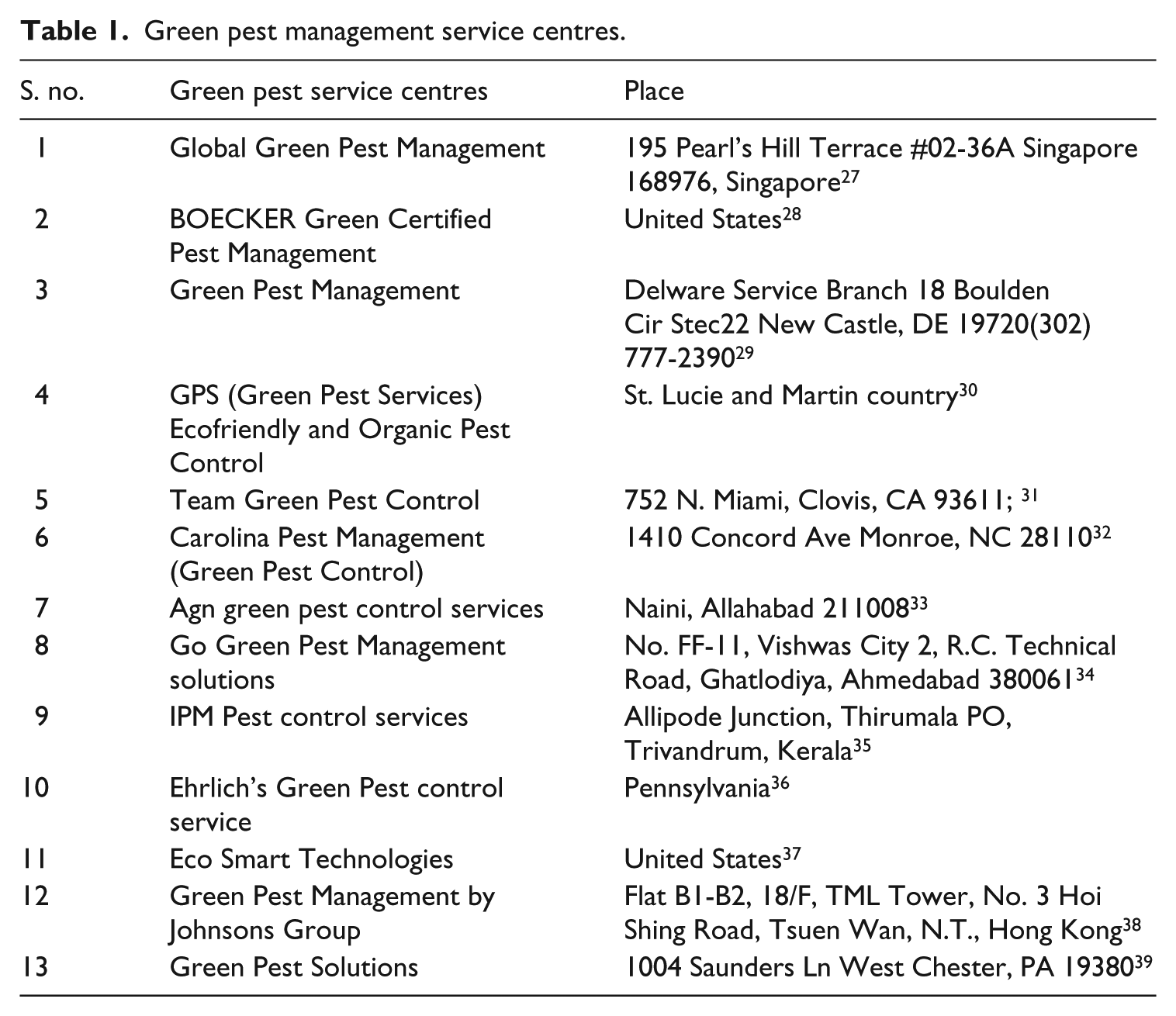
Figures 1–6 show the damages done by the pests if proper action is not taken to eradicate them. To control these pests, many pest control services all over the world are shown in Table 1.
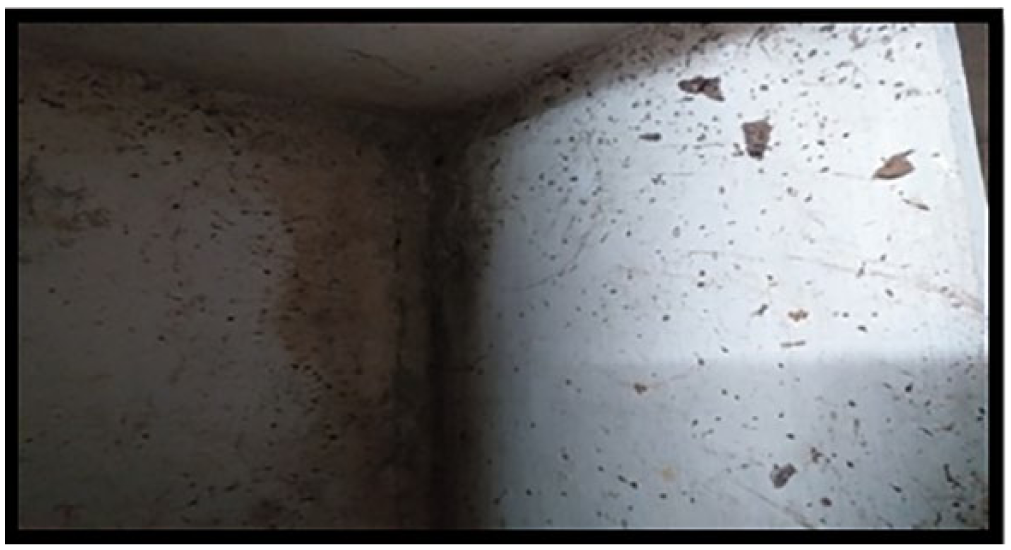
Damage caused by pests.
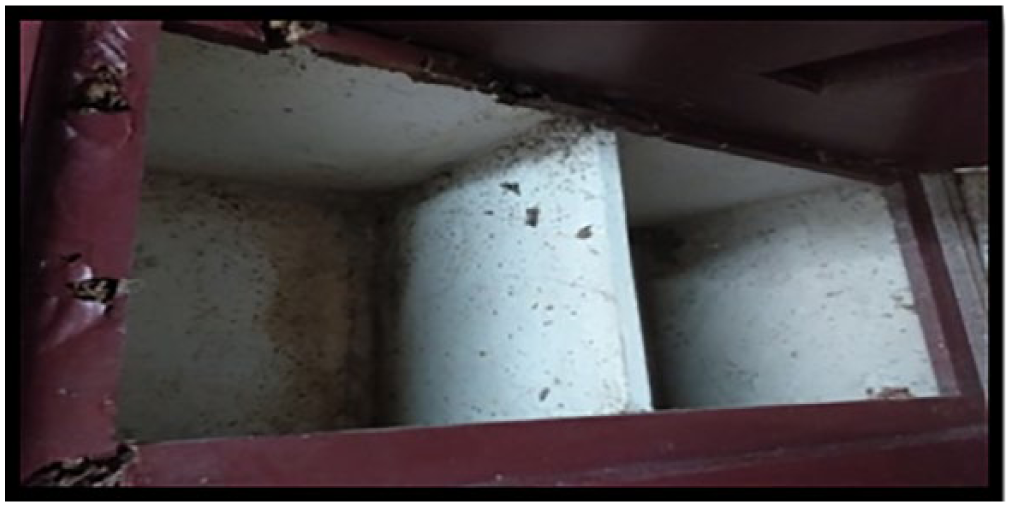
Damage to the wood.
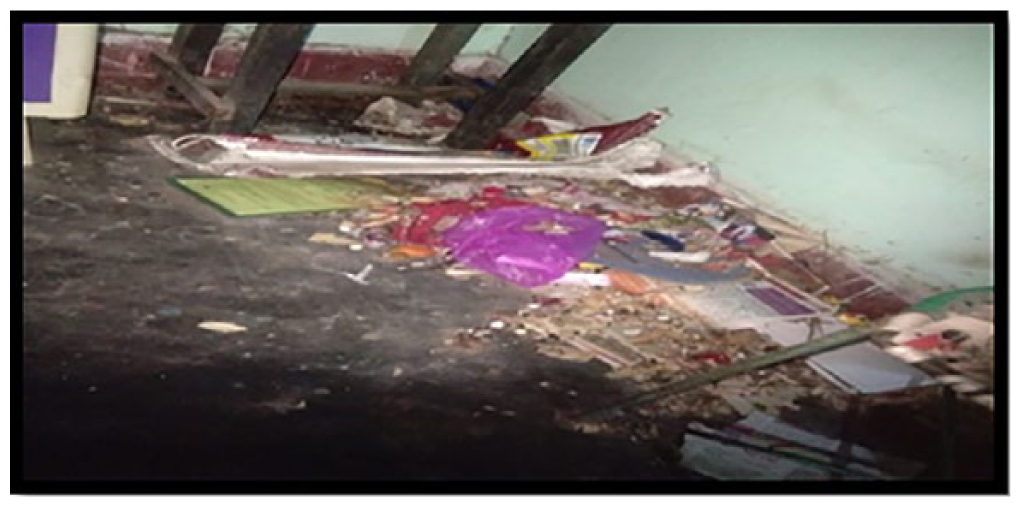
Damage caused by rats.

Mosquito biting.
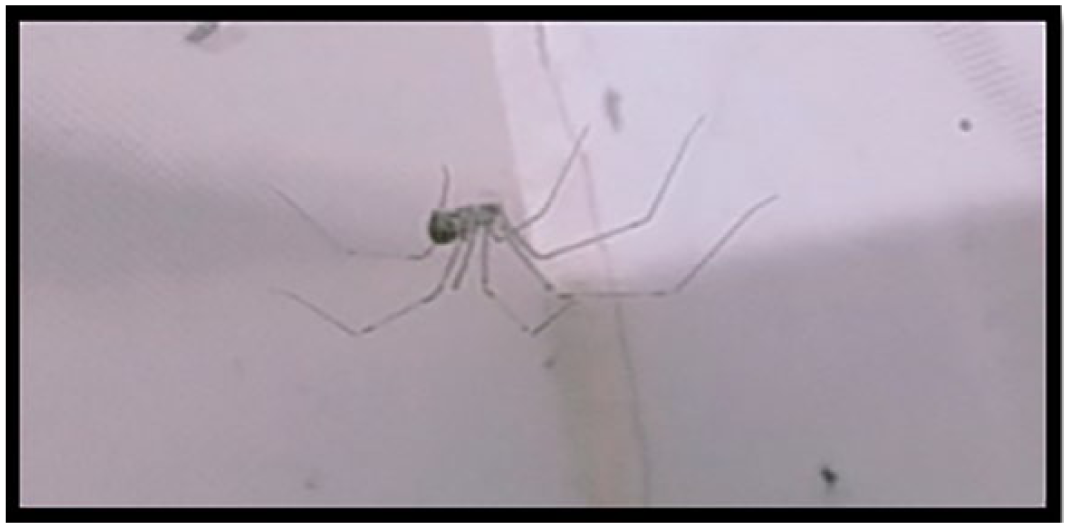
House spider.
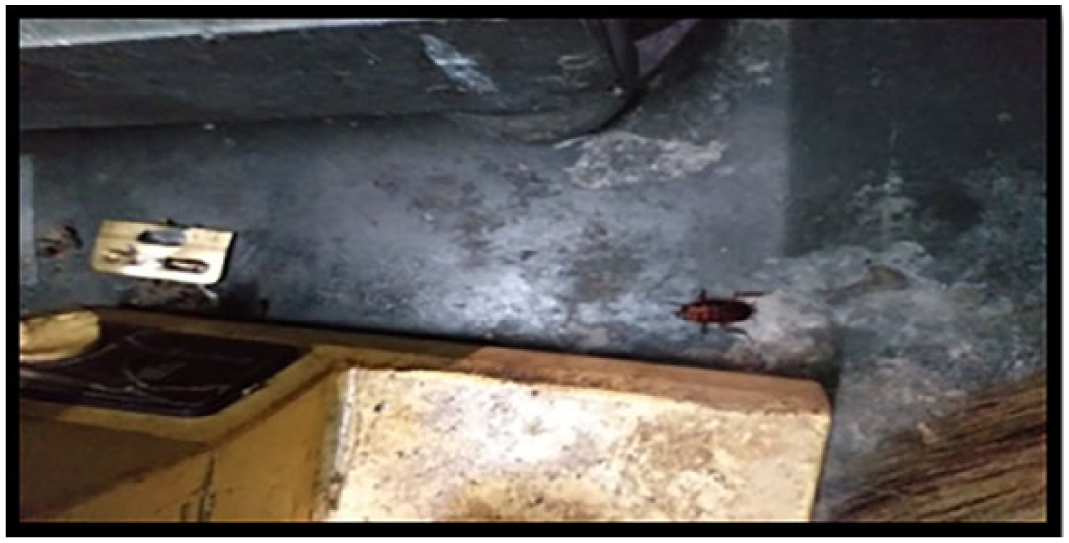
Cockroach in house.
Green pest management service centres.
GPM practices
In order to protect our environment, GPM practices were adopted all over the world. 40 Instead of pesticides, alternatives like plant-based pesticides can be used. 41 Green pesticides work successfully with the environmental components than synthetic pesticides. 42 Some of the homemade green pesticides are neem, nettles, Tansy Equisetum (Horsetail) and so on. Hundreds of insect pests can be killed using neem oil as insecticide. Tansy has also been cultivated and used for its insect repellent and in the worm warding type of embalming. 43 , 44 Essential oils extracted from some aromatic plants like rosemary, eucalyptus and Garden thyme, and menthol from various species of mint have pest control properties. 42 They play an important role of pest control in organic food production globally. 45 Citronella oil mix with water helps to control indoor pests in houses. Oil from the roots of Vetiver (Vetiveria zizanioides) has oxygenated sesquiterpenes. Vetiver oil shows antiparasitic activity that kills insects. 42 Oils of some plants like Artemisia vulgaris, Melaleuca leucadendra, Pelargonium roseum, Lavandula angustifolia, Mentha piperita and Juniperus virginiana are also effective against various insects and fungal pathogens. 46 Volatile oil of Mentha species or plant extracts and Securidaca longepedunculata stop the growth of stored grain pests.47–49 The fragrance from Orange and Cedar oils attracts towards the human and causes disruption to biological functions of termites and ants. In China usage of botanical pesticides is an ancient practice for example root extract of Stemona species control lice and burning dried leaves of Artemisia species repel fleas and mosquitoes. 50 Many plant species produce secondary metabolites which play a vital role in biological pest control and products of some 344 species kill mosquitoes. 51
For sustainable buildings, solar heating, Green roof deconstruction and plantation using alternative sources of energy are the best way to control pests. Other ways are keeping our kitchen clean, cleaning garbage regularly and proper storing of food. Non-toxic treatments like borax will work on some pests. 52 According to Dr. Bronner, a tea spoon of Peppermint soap to 1 gallon of water prevents all the insects and arachnids. 53 Mixing sugar with boric acid can get rid of Carpenter and Pharaoh ants. 54 Diatomaceous earth which is the mother nature insect eliminator can wipe out fleas. Sealed compost bins are used to control rats. Bora care is less toxic. It helps to control termites and prevents wood decay fungi and Algae. 55 Heating 120 F for several hours kills the beetles. Stink bugs can be avoided by application of tomato juice, borax and lemon. Application of alkaloids from the leaves of tomato plants with water and garlic is very easy and useful for us to kill the aphids. 56 Thermal heat remediation treatments are most effective to eliminate bed bugs without causing any damage to furniture, linens, beddings and carpeting. Thermal heat remediation treatments are most effective to eliminate bed bugs without causing any damage to furniture, linens, beddings and carpeting. 57
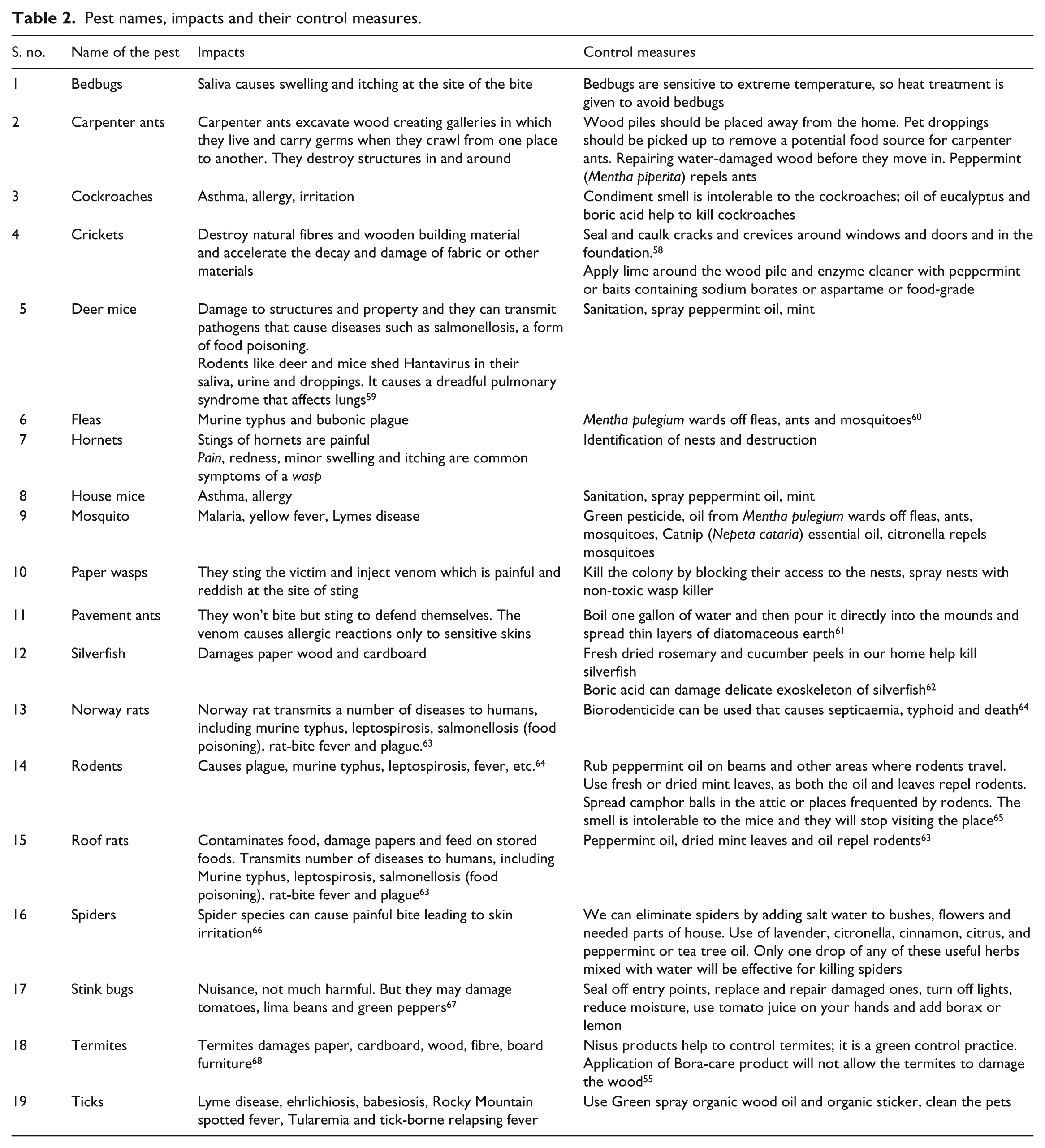
Table 1 shows some of the eco-friendly/natural or GPM services around the world. These services all over the world help to reduce infections and create sustainability in buildings (Table 2).
Pest names, impacts and their control measures.
Conclusion
More number of people were affected by different kinds of diseases due to pesticide utilization, so usage of GPM practices helps to improve health conditions of the people and make them survive. Till now, many Green pest services developed all over the world played a vital role in the elimination of household pests, but due to the lack of awareness on pesticide use, people are unable to follow. So, education and training materials help the people to adopt eco-friendly technologies. Maintenance of sanitation individually or natural substances are preferred. Many materials regarding GPM have been developed for the people and should be implemented all over the world.
Footnotes
Acknowledgements
I would like to thank Prof. Dr techn. Murthy Chavali Yadav for his assistance; my younger sister M.V.K. Srivasavi, MSc, PGDCA, for her support; and my beloved elder sister M.V.K. Sridevi for her inspiration. Sincere thanks to Head of the Department S&H Dr N. Srinivasu, VFSTR (Deemed to be University), and the Management.
Declaration of conflicting interests
The author(s) declared no potential conflicts of interest with respect to the research, authorship and/or publication of this article.
Funding
The author(s) received no financial support for the research, authorship and/or publication of this article.