




Abstract
Effective emotion regulation is essential for interpersonal contexts in which people need to prioritise prosocial motivations over self-protective motivations, such as forgiving someone after a transgression. However, people who grew up in emotionally invalidating home environments where their reactions were dismissed may struggle to appropriately respond to transgressions as well as experience difficulties with emotion regulation, including reactivity, inhibition and suppression. Across three correlational studies (Ntotal = 691) that examined forgiveness towards a partner’s transgressions (i.e., infidelity, Study 1; participant-generated, Studies 2-3), we found that people who reported that they grew up in emotionally invalidating environments were less forgiving, espousing less benevolence motivations (Studies 1-2), and more avoidance (Studies 1-3) and revenge (Studies 2-3) motivations after a transgression. Serial mediation models suggested that these associations may be explained by the indirect effects of negative emotional reactivity and lower self-control. People who experienced relatively greater emotional invalidation in childhood were less likely to forgive their close others for transgressions, in part because they experience more intense reactions to their negative emotions and are less able to engage self-control. This collection of studies provides important insights into how people who believe they have been invalidated by caregivers in the past feel about forgiving their partners in the present and further supports existing literature on the negative consequences of invalidating emotional environments on the self and emotional processes.
Our childhood environments profoundly impact our emotion regulation and self-view as adults. We learn from our caregivers how to respond to emotional situations and how to react to them (Denham, 2007; Miller et al., 2010) and these experiences can have lifelong implications. For example, having your emotional needs invalidated during childhood can lead to emotional and interpersonal dysregulation in adulthood (e.g. Braithwaite et al., 2011). Studies have indicated emotional invalidation during childhood, whereby a child is continuously criticised and dismissed by caregivers for expressing and communicating their thoughts and feelings (Linehan, 1993), is associated with the emotion regulation strategy of suppression (i.e. not expressing emotions; Krause et al., 2003) in addition to increased emotional reactivity (i.e., feeling negative emotions more intensely; Shenk & Fruzzetti, 2011).
Given the connection between childhood emotional invalidation and emotional regulation (e.g., emotional inhibition; emotional reactivity), emotional invalidation may also influence interpersonal behaviours, namely forgiveness. Forgiveness can be characterised as the expression of benevolent motivations towards a transgressor, and/or the inhibition of malevolent motivations including vengeance and the desire to withdraw and avoid that person (Worthington Jr. & Wade, 1999). With forgiveness being an emotional process (Ho et al., 2020), those who experience this dysregulation in adulthood as a result of emotional invalidation may struggle to overcome transgressions more positively. For instance, they may want to respond to a transgression by walking away from, or even seeking vengeance against the person who inflicted harm. With satisfying long-term relationships being characterised as the ability to inhibit selfish and self-protective impulses in order to prioritise prosocial motivations (Murray, 1999; Murray et al., 2006), it is vital to put personal impulses aside and behave in the best interest of the relationship by offering forgiveness (Finkel et al., 2002). Thus, we propose that emotional invalidation in childhood influences forgiveness in close relationships. We suggest that this could perhaps be due to the emotion dysregulation commonly associated with emotional invalidation in childhood.
The Impact of Emotional Invalidation in Childhood on Emotion Regulation
Early childhood experiences with primary caregivers are the first environments in which individuals learn to understand their emotions and its consequences (Denham et al., 2003). This is achieved not only through observation of caregivers (Denham, 2007), but also through experiences in which caregivers validate (or invalidate) their emotional experiences. In emotionally invalidating childhood environments, children are continuously criticised and punished by caregivers for expressing and communicating their thoughts and feelings, even when these reactions are contextually appropriate (e.g., crying after an injury; Linehan, 1993). Consequently, children in these environments develop a weakened sense of awareness of their own emotions and feel like they are not allowed to express them, leading to self-invalidation (i.e., dismissing and criticising one’s own emotional experiences; Lambie & Lindberg, 2016; Williams, 2010).
The consequences of these negative early emotional environments extend into adulthood. For example, people who grew up in emotionally invalidating environments struggle with emotion regulation strategies in adulthood compared to those with emotionally validating childhood environments (Hope & Chapman, 2019; Reeves, 2007). Furthermore, past research has shown that emotional invalidation in childhood is associated with heightened emotional reactivity (Shenk & Fruzzetti, 2011), such that they are more likely to feel caught up and carried away by both positive and negative emotional experiences. This emotional dysregulation also takes the form of chronic inhibition and suppression of emotions (Krause et al., 2003), often occurring as a consequence of their negative attitudes towards emotional expression and their belief that expressing emotions is something to be avoided (Haslam et al., 2012). However, despite recognising the important consequences emotional invalidation in childhood has on adult emotion regulation and functioning (Reeves, 2007), there is limited research examining the specific consequences for processes which shape healthy adult relationships.
Emotion Regulation and Forgiveness in Adult Relationships
Emotion regulation plays a critical role in supporting healthy adult relationships (English et al., 2013; Gross & John, 2003). Even in loving and supportive relationships, hurt feelings and disappointment are inevitable. To protect the relationship, one has to be able to override the self-protective motivations (such as avoidance or vengeance) that arise from these negative emotions, and instead prioritize reconnection with a partner following such transgressions (Cavallo et al., 2014; Murray et al., 2006). Forgiveness is one such prosocial behaviour that captures the willingness to forgo destructive responses—such as retaliation, resentment, and avoidance—in favour of more constructive responses such as benevolence (Ehteshamzadeh et al., 2011; McCullough, 2000, 2001; McCullough et al., 1997; Rusbult et al., 1991). Forgiveness is essential for long-term relationship success, contributing to greater trust and harmony (Exline & Baumeister, 2000), relationship satisfaction and commitment (Braithwaite et al., 2011; Worthington, 1998), and marital adjustment (Woodman, 1991).
This balance between constructive and destructive responses to transgressions means that forgiveness is heavily influenced by a person’s ability to recognise and regulate their emotions (Ho et al., 2020). Inhibiting the desire for vengeance or avoidance following a transgression requires self-control (Finkel & Campbell, 2001; Ho et al., 2024; Pronk et al., 2019) while simultaneously upregulating their experience of positive emotions in order to adopt benevolent motivations (i.e. empathy, compassion; Worthington Jr & Wade, 1999). Low self-control and inhibition makes people more inclined to act vengefully and resentfully, and less likely to behave from benevolent pro-relationship motives when they have experienced a transgression (Burnette et al., 2014). Forgiveness is also more challenging for people who experience strong emotional reactivity (Ercengiz et al., 2023), and those who struggle to inhibit their negative emotions (Berry et al., 2005).
Given that emotional invalidation in childhood is associated with emotional dysregulation processes in adulthood, including reactivity, and inhibition, people who have grown up in invalidating environments may struggle with forgiveness in their adult relationships. However, the association between emotional invalidation and forgiveness has not been explored in past research. Consequentially, there is a gap in the broader understanding of how emotional invalidation in childhood shapes the mechanisms which support healthy relationship functioning.
Current Research
The experiences people have in childhood have important implications for interpersonal wellbeing in adulthood. This should be particularly true for emotion regulation processes, which shape how people respond to situations in which people must prioritise prosocial motivations over more self-protective ones in their relationships, such as forgiveness. However, this association has not been previously investigated. The current research aimed to address the limitation in the extant literature by testing, across 3 cross-sectional studies, whether emotional invalidation is positively or negatively associated with forgiveness and the underlying emotion regulation mechanisms which support this association. Because forgiveness is a complex process that involves upregulating prosocial emotions (e.g., benevolence) while simultaneously downregulating destructive emotions (e.g., avoidance, resentment, vengeance), we had competing hypotheses as to whether the association between emotional invalidation in childhood and forgiveness would be positive or negative depending on whether it was driven by emotional inhibition or emotional reactivity.
Emotional invalidation in childhood is associated with emotional inhibition and suppression (Krause et al., 2003). Thus, although this may make it easier for people to inhibit their more destructive motivations such as avoidance and vengeance following a transgression, it may also inhibit their prosocial feelings of benevolence making forgiveness less likely. Similarly, emotional invalidation in childhood is also associated with emotional reactivity (i.e., more intense emotional reactions; Shenk & Fruzzetti, 2011) to interpersonal events and stressors. This means that people might feel hurt associated with transgressions more intensely, and for a longer period of time, than people who are less emotionally reactive. Consequently, this might lead someone with a history of emotional invalidation in childhood to prioritise self-protection motivations by endorsing avoidance and/or revenge following a transgression, rather than the more prosocially oriented motivations of benevolent forgiveness.
Specifically, we predicted that if emotional invalidation led to inhibition of destructive emotions, people may be able to experience more benevolence towards transgressors and therefore more forgiveness. By contrast, if emotional invalidation led to greater negative emotional reactivity that made it challenging to suppress negative motivations following a transgression, then people would express less forgiveness. The analytic strategy for each study was pre-registered. The pre-registration of the analytic strategy 1 , survey materials, aggregate data, and syntax can be found on the project repository on the Open Science Framework (OSF; https://osf.io/vyx3c). All studies reported in this paper received approval from the [Redacted for Peer Review] Ethics Sub-committee 3.
Study 1
Study 1 provided our initial test of whether emotional invalidation in childhood influences forgiveness in the context of infidelity, and further examined whether emotional reactivity, emotion regulation and self-control mediates this association.
Method
Participants
Three hundred and fifty-four participants aged 18 and older consented to take part in the study. Participants (M age = 30.960, SD = 13.682) were recruited from the departmental research participation subject pool, as well as via social media platforms (e.g., Facebook) between January and April 2023. Participants who were eligible for course credit (e.g., psychology students in the department) received 0.5 credits for participating. All others were uncompensated volunteers. Of the eligible participants, sixty-five were excluded from analyses for incomplete responses, for a final sample of 289 participants. Most participants were women (74%; 24% men; 2% other gender identity), white (80%; 9% Asian; 4% Black; 3% Mixed ethnicity), straight (86%; 4% gay/lesbian; 9% bisexual; 1% not listed) and in monogamous relationships (92%; 4% consensually non-monogamous; 4% other). Participants had been in a relationship for 8.43 years on average (SD = 9.75) and the highest percentage of participants were single (35%; 3% casually dating; 35% in a committed relationship; 5% engaged; 22% married).
Procedures
Descriptive Statistics and Correlations Study 1
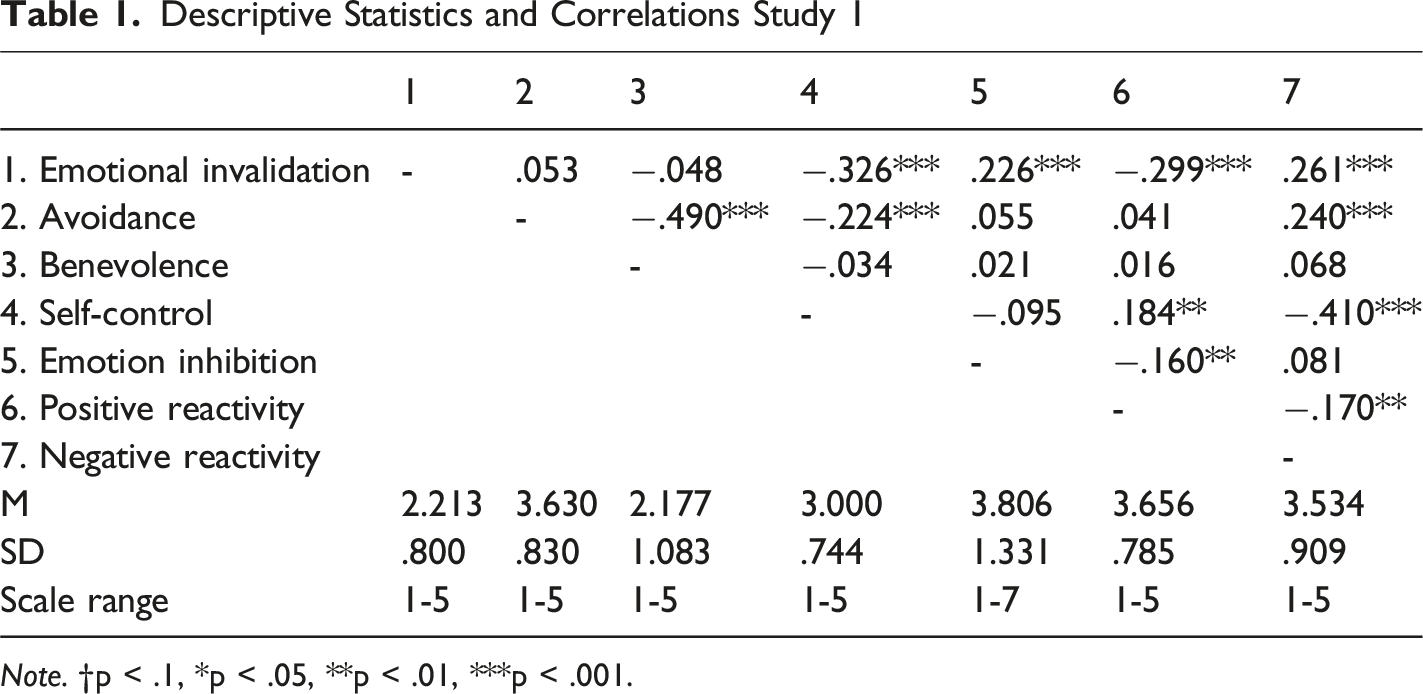
Note. †p < .1, *p < .05, **p < .01, ***p < .001.
Materials
Results
Model Coefficients Predicting Avoidance and Benevolence Study 1
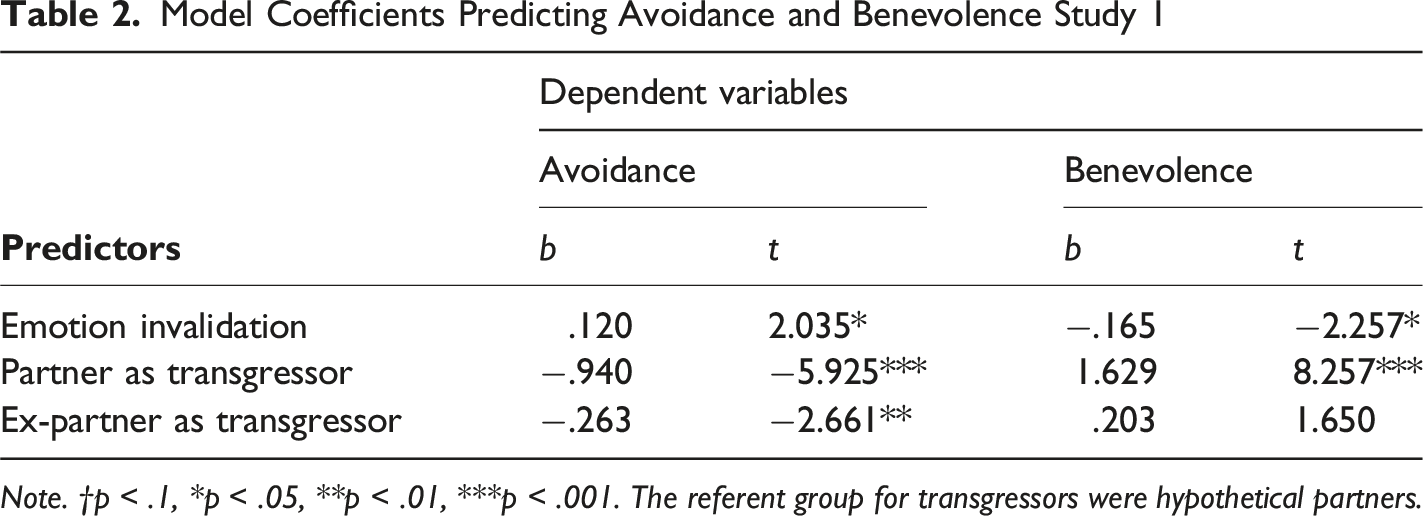
Note. †p < .1, *p < .05, **p < .01, ***p < .001. The referent group for transgressors were hypothetical partners.
Indirect Effects of Emotion Regulation
Consistent with past literature, emotional invalidation was significantly and positively correlated with emotional inhibition and negative emotional reactivity, and negatively correlated with self-control and positive emotional reactivity (ps < .001). In order to understand whether the observed negative association between emotional invalidation and forgiveness can be understood through differences in emotion processing, we tested for the indirect effects of emotional inhibition, positive and negative emotional reactivity, and self-control using Hayes PROCESS Model 4 (Hayes, 2017). The indirect effects were tested using the percentile bootstrapped estimation approach with 10,000 samples (Shrout & Bolger, 2002).
Both the indirect effects of self-control (β = .083 SE
bootstrapped
= .027, CI
bootstrapped
[.037, .142]), as well as negative reactivity (β = .072, SE
bootstrapped
= .024, CI
bootstrapped
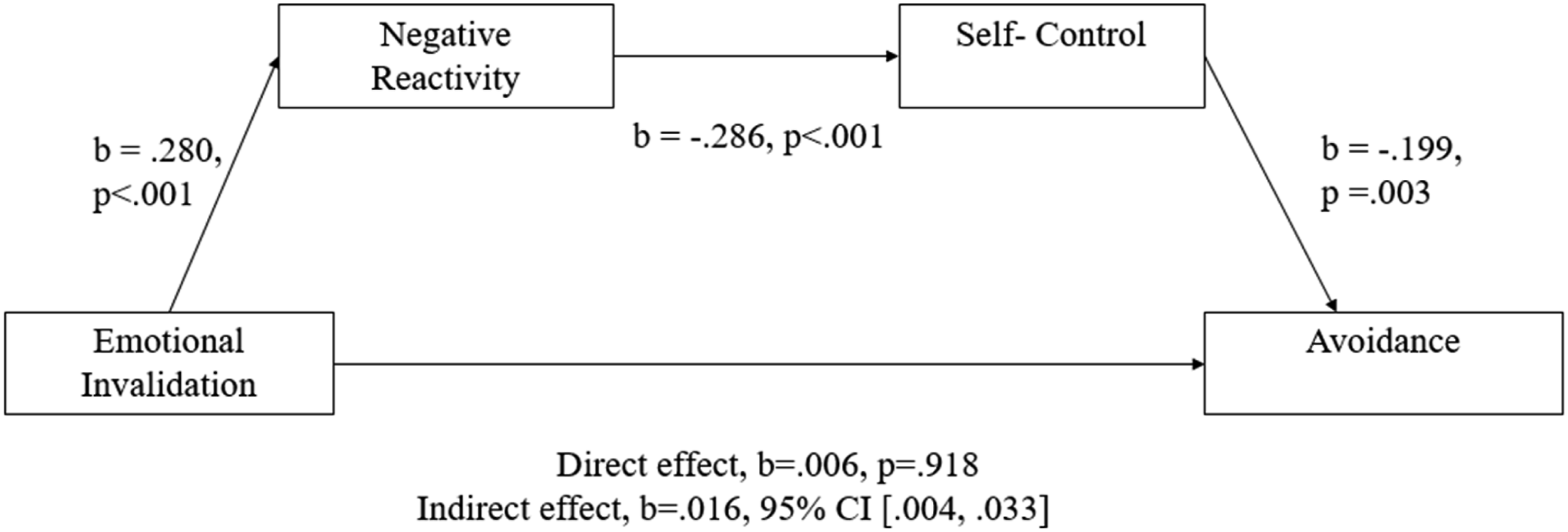
[.031, .124]), predicted resentment-avoidance motivations after an infidelity were significant. People relatively higher in emotional invalidation were more likely to experience negative emotional reactivity and less self-control, which made them more inclined to engage in resentment-avoidance motivations when imagining or recalling an infidelity (Figure 1a and 1(b)). Furthermore, serial mediation analyses using Hayes PROCESS Model 6 suggests that negative emotional reactivity contributes to lower self-control, thus contributing to greater resentment and avoidance motivations (β = .016, SE
bootstrapped
= .008, CI
bootstrapped
[.004, .033]; Figure 2). (A) Indirect association between emotional invalidation and avoidance motivations via self-control (B) Indirect association between emotional invalidation and avoidance motivations via negative reactivity Indirect associations between emotional invalidation and avoidance motivations via negative reactivity and self-control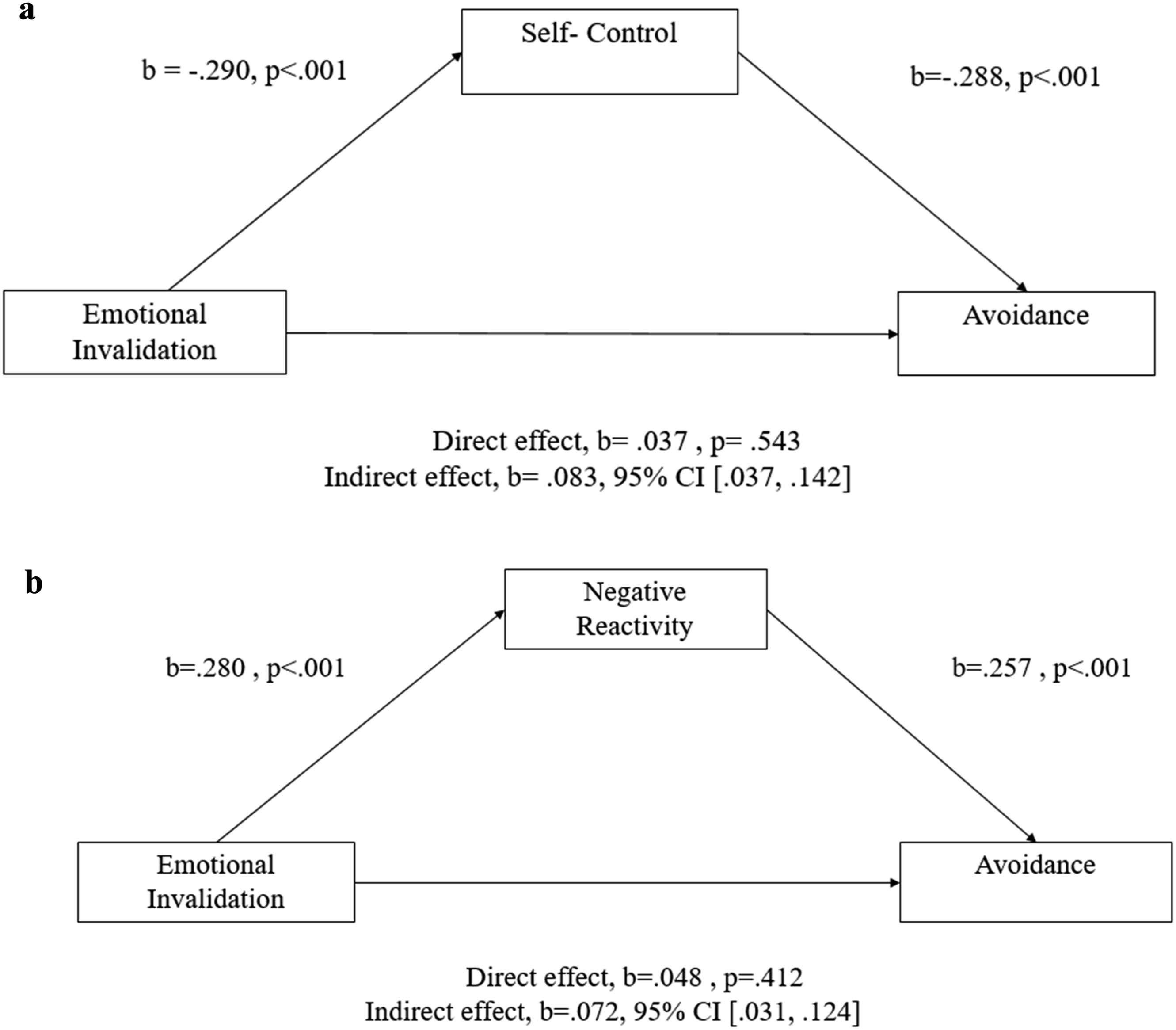
The indirect effects of positive reactivity were not significant, nor were the indirect effects predicting benevolence motivations (see Online Supplemental Materials [OSM]).
Study 2
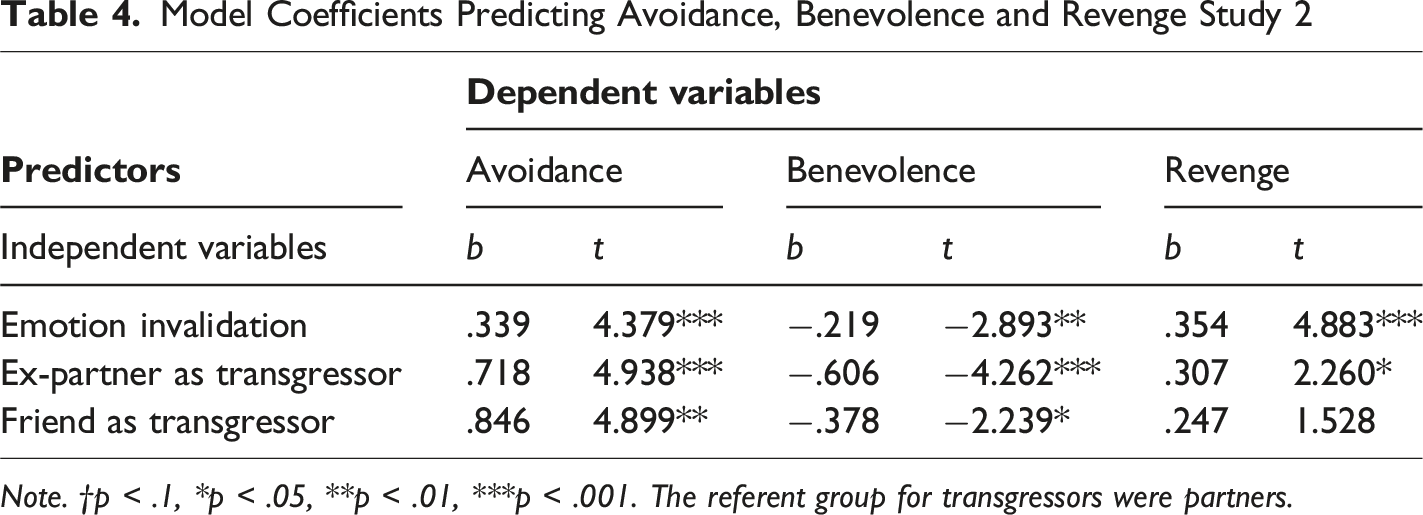
Study 1 provided preliminary evidence that emotional invalidation in childhood was negatively associated with forgiveness (i.e., lower benevolence and greater avoidance) when people thought about real or imagined infidelities by a past or present partner. However, not everyone in the sample had experienced an infidelity, and for those who had, not all were still with the transgressing partner. Thus, the forgiveness context in Study 1 may have lacked self-relevance in many meaningful ways. Thus, the aim of Study 2 was to replicate the findings from Study 1 and extend them beyond a specific transgressional context identified by the researchers, by asking participants to self-select a past transgression by their current partners.
Method
Participants
Two hundred and twenty-three participants aged 18 and older consented to take part in the study. Participants (M age = 26.180, SD = 8.649) were recruited from the departmental research participation subject pool, as well as via social media platforms (e.g., Facebook) between January and April 2023. Participants who were eligible for course credit received 0.5 credits for participating. All others were uncompensated volunteers. Twenty-one of the eligible participants were excluded from analyses for incomplete responses, leaving a final sample of 202 participants. Most participants were women (76%; 21% men; 3% other gender identity), white (57%; 21% Asian; 9% black; 6% mixed ethnicity), heterosexual (73%; 5% gay/lesbian, 17% bisexual; 5% not listed) and in monogamous relationships (90%; 4% consensually non-monogamous; 6% other). Nearly half of the participants were single (43%; 31% exclusively dating or in a committed relationship; 11% casually dating; 4% engaged; 11% married). Of those that were in a relationship, the average relationship length was 4.87 years (SD = 5.68).
Procedures
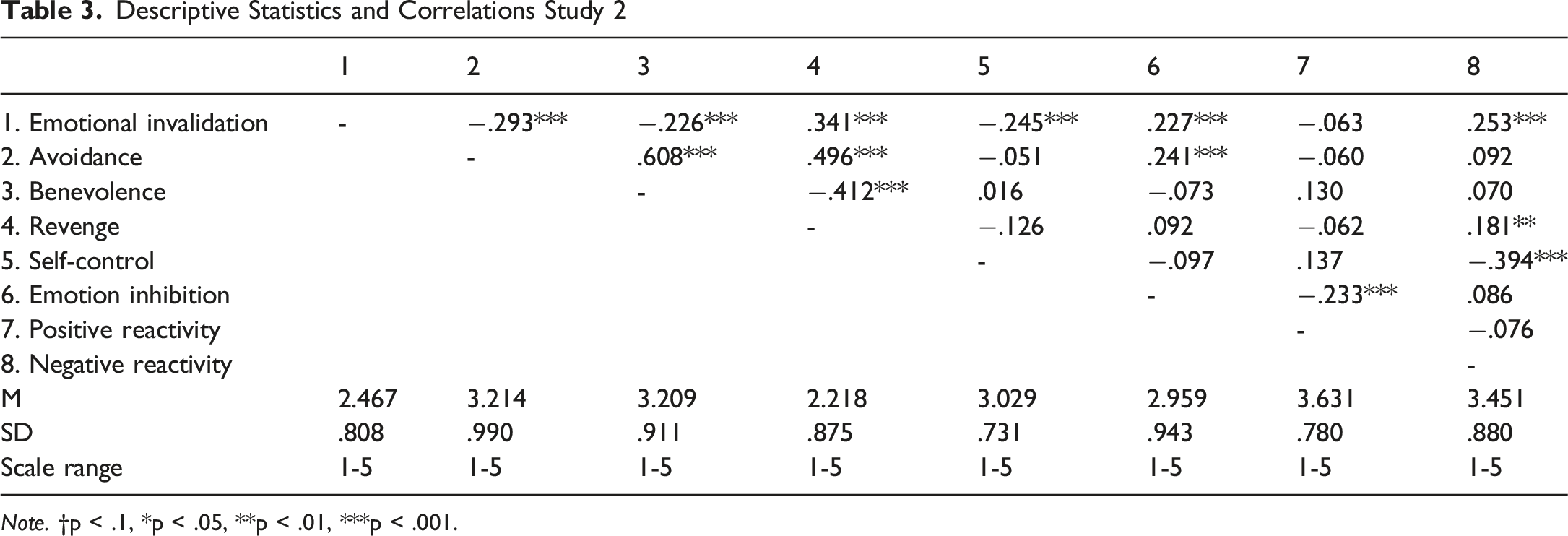
Descriptive Statistics and Correlations Study 2
Note. †p < .1, *p < .05, **p < .01, ***p < .001.
Materials
Results
Model Coefficients Predicting Avoidance, Benevolence and Revenge Study 2
Note. †p < .1, *p < .05, **p < .01, ***p < .001. The referent group for transgressors were partners.
Indirect Effects of Emotion Regulation
Although we tested all the same indirect effects as Study 1, we limit our discussion to the indirect effects of self-control and negative emotional reactivity which were significant in the previous study. All models are available in the OSM. Unlike in Study 1, the indirect effects of self-control and negative emotional reactivity, and their serial mediation effect, were not significant. Thus Study 2 failed to provide support for how specific emotion regulation experiences for people who have experienced emotional invalidation in childhood may influence their avoidance motivations and forgiveness.
Study 3
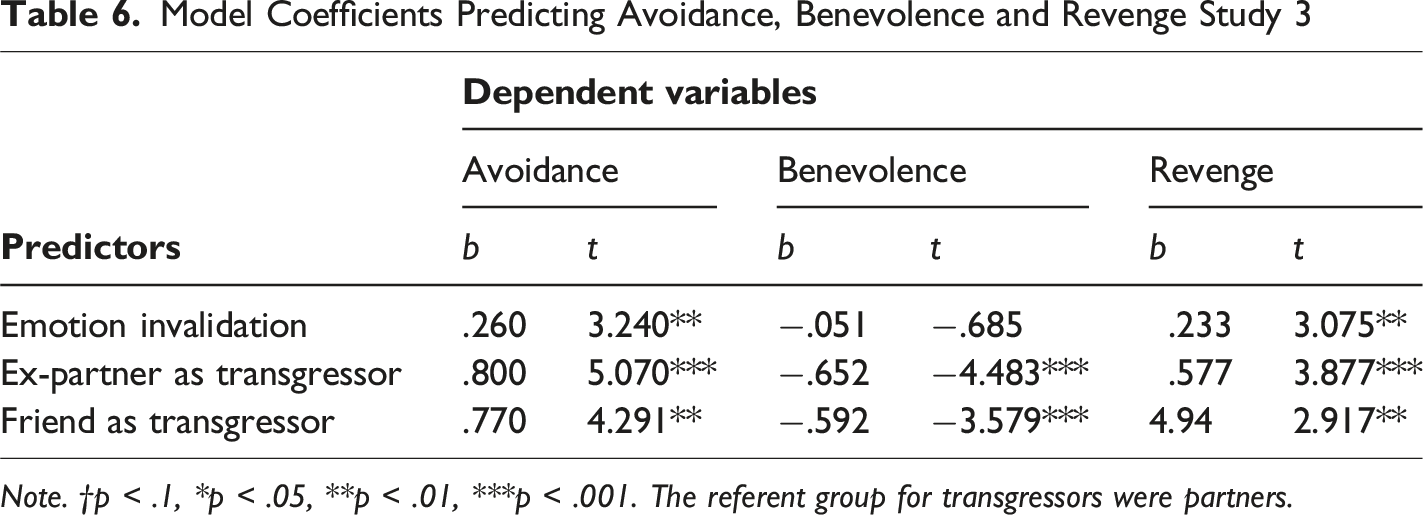
Studies 1 and 2 provided consistent support for our hypotheses using two different measures of forgiveness, and two different types of transgressions (i.e., specific transgressions such as infidelity vs. transgressions self-identified by the participants). However, some inconsistencies emerged across studies when testing the indirect effects models. Direct replications are encouraged to be routinely included in psychological science in order to provide accumulated evidence for reliable effects (e.g., Simons, 2014; Zwaan et al., 2018). In Study 3 we therefore directly replicated Study 2 in a novel sample to illustrate the reliability of our findings across studies.
Method
Participants
Two hundred and thirty-five participants aged 18 and older consented to take part in the study. Participants (M age = 22.310, SD = 6.323) were recruited from the departmental research participation subject pool, as well as via social media platforms (e.g., Facebook) between January and May 2023. Participants who were eligible for course credit received 0.5 credits for participating. All others were uncompensated volunteers. Thirty-five participants were excluded from analysis for incomplete responses, leaving a final sample of 200 participants.
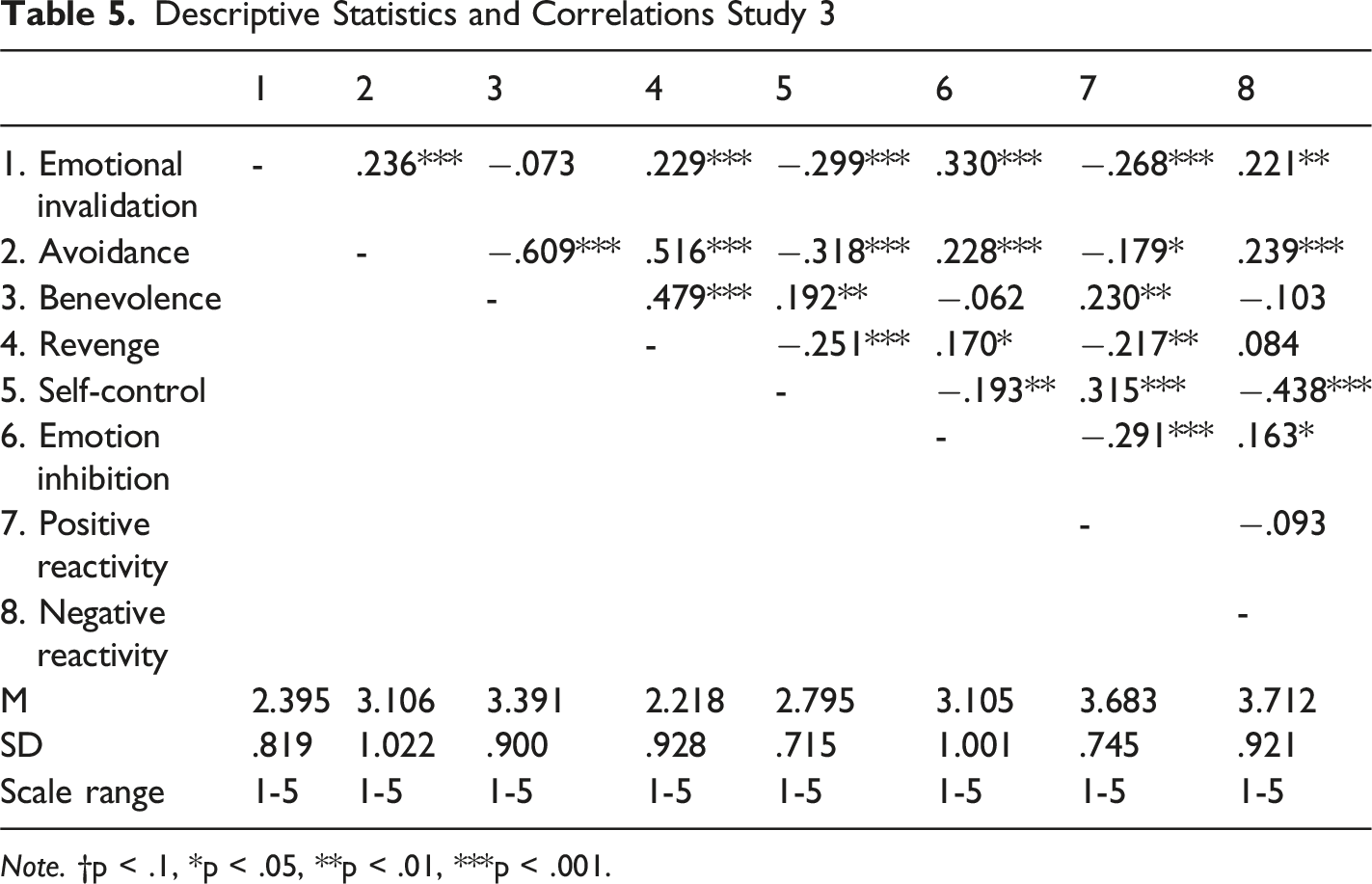
Descriptive Statistics and Correlations Study 3
Note. †p < .1, *p < .05, **p < .01, ***p < .001.
Results
Model Coefficients Predicting Avoidance, Benevolence and Revenge Study 3
Note. †p < .1, *p < .05, **p < .01, ***p < .001. The referent group for transgressors were partners.
Indirect Effects of Emotion Regulation
Again, focusing on replicating the indirect effects from Study 1, we found that the association between emotional invalidation in childhood and avoidance motivations was mediated by the indirect effects of self-control (β = .088, SE
bootstrapped
= .031, CI
bootstrapped
[.034, .156]), and negative emotional reactivity β = .060, SE
bootstrapped
= .026, CI
bootstrapped
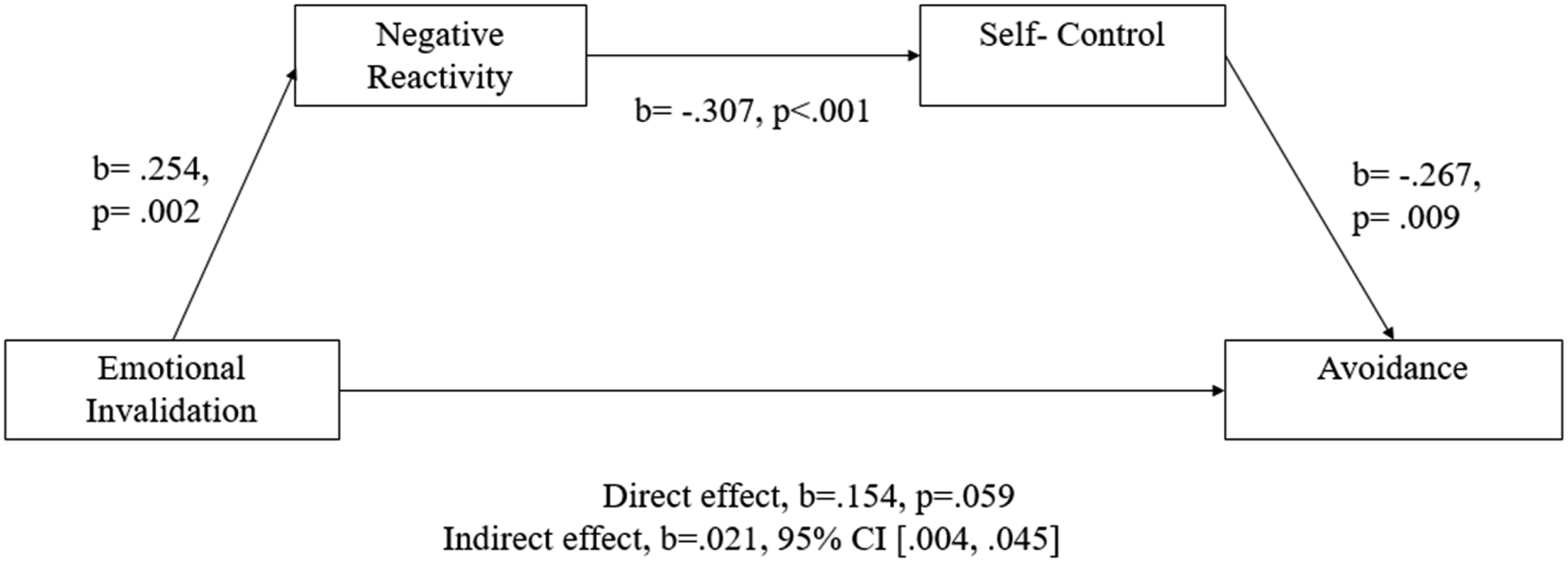
[.015, .118]). Furthermore, serial mediation effects highlight the potential importance of how emotional reactivity influences self-control. Notably, replicating the findings of Study 1, the serial indirect effect of negative reactivity and self-control on avoidance motivations was significant (β = .021, SE
bootstrapped
= .011, CI
bootstrapped
[.004, .045]). See Figures 3-4 for model coefficients. (A) Indirect association between emotional invalidation and avoidance motivations via self-control (B) Indirect association between emotional invalidation and avoidance motivations via negative reactivity Indirect association between emotional invalidation and avoidance motivations via negative reactivity and self-control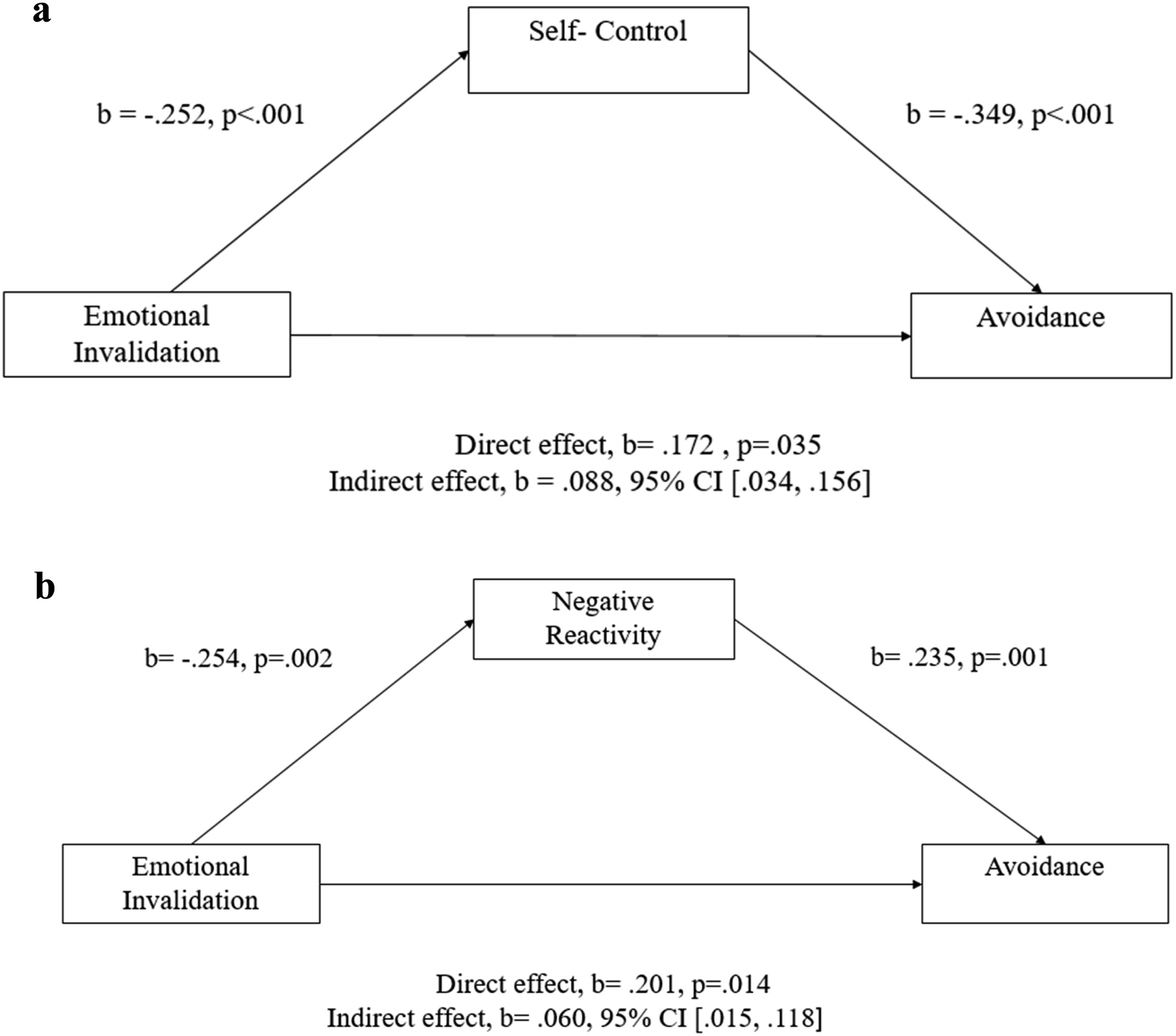
General Discussion
Past work has shown that children who grow up in emotionally invalidating home environments—such as those in which one or both caregivers negate, belittle or otherwise trivialize a child’s emotional world—are more likely to struggle with emotion regulation in adulthood (e.g., more emotional inhibition; more emotional reactivity). Emotion regulation is important for navigating adult relationships, particularly in situations where people must prioritise more prosocial motivations over relationally harmful ones. Forgiveness is also essential for the long-term success of close relationships and requires individuals to override self-protective motivations (e.g., avoidance, resentment, revenge) in favour of connection motivations (e.g., benevolence). As such, we hypothesised that those who had recalled experiences of emotional invalidation in childhood were more likely to struggle with forgiveness in adulthood.
As predicted, across three studies, we found consistent evidence that people who recalled experiencing emotional invalidation in childhood were more likely to struggle with forgiveness in adulthood. Notably, emotional invalidation was associated with more avoidance and vengeance motivations (Studies 1-3), and less benevolence motivations (Studies 1 & 2 only), as characterised by McCullough (2001), when recalling past transgressions or imagining future ones. Furthermore, we found that these associations may be best understood through the indirect effects of emotional dysregulation and low self-control. People who experienced emotional invalidation in childhood were more likely to experience reactivity to negative emotions, which was subsequently associated with poor trait self-control, and less forgiveness (Study 1 and 3).
Despite some of the inconsistencies across studies, our findings nonetheless have important implications for the broader understanding of how life histories shape experiences in adulthood. First, the findings build on past work (e.g., Hope & Chapman, 2019; Krause et al., 2003; Reeves, 2007; Shenk & Fruzzetti, 2011) by illustrating how childhood experiences with emotional invalidation can have important consequences for emotion regulation later in life by influencing interpersonal processes such as forgiveness. Although this project focuses on just one interpersonal process influenced by emotion regulation (e.g., forgiveness), the interdependent nature of relationships means that people are regularly faced with dilemmas which pit self-protection goals against prosocial goals, and navigate both positive and negative experiences with close others (Holmes, 2002; Murray et al., 2008). Our findings suggest that experiences with invalidation early in life is likely to have important consequences for many different facets of interpersonal life (e.g., navigating conflict, sharing positive news, providing emotional support).
Additionally, our findings suggest that emotional invalidation has several negative consequences for the self. We have extended previous literature by exploring self-control (e.g. self-criticism; Naismith et al., 2019) and provided insight into how the consequences of invalidation in childhood go beyond processes associated with emotion regulation but also self-regulation (i.e. exhibiting less self-control). These feelings of dysregulation are a problem because of the effort it takes to inhibit destructive bad behaviours and engage in prosocial ones instead (Tangney et al., 2018), something that is an important process needed in interpersonal relationships. In the context of forgiveness, low self-control will make you more inclined to act impulsively, including more vengefully and less likely to behave from pro-relationship motives when you have experienced a transgression. When people have high self-control, they are better equipped to override selfish and destructive impulses in favour of more adaptive behaviours (Baumeister & Vohs, 2007) and thus more likely to forgive (Burnette et al., 2014; Finkel & Campbell, 2001; Ho et al., 2024; Pronk et al., 2019). Our findings have extended this literature by illustrating that childhood experiences with emotional invalidation have negative consequences on self-regulation as well as emotional mechanisms.
Our findings are of importance as much of the past work on emotional invalidation has focused on the struggles among people who have been clinically diagnosed, or have symptomologies consistent with mental health disorders (e.g., eating disorders, Gonçalves et al., 2020; borderline personality disorder, Selby et al., 2008). As not everyone who experiences adversity in childhood develops psychological disorders (Fergusson & Horwood, 2003; Seery, 2011; Seery et al., 2010), it was of importance to explore and provide support for how experiences with emotional invalidation in childhood affect important relational processes more broadly speaking, which our research has successfully done.
Limitations & Future Directions
Despite the novelty and important implications of our studies, they are not without their limitations. Firstly, it is important to note that not all of our findings consistently replicated across all studies. Although the associations between emotional invalidation and avoidance and vengeance replicated across the studies, the associations with less benevolence only replicated in two of the three studies. Likewise, the indirect effects of negative reactivity and self-control only replicated in two of three studies. Inconsistencies across studies are a common feature of psychological research, particularly when effects are small or influenced by context (e.g., nature of the transgression; how partners behave following transgressions; Maner, 2014). And singular failures to replicate should not be considered conclusive evidence that a theory is invalid or a finding is noise (Simons, 2014). Likewise, it is important to avoid interpreting null effects. The inconsistencies observed in our studies may also be due to differences in methodologies (e.g., reflecting on a specific type of transgression vs. prompt for participants to self-select transgression; hypothetical vs. lived transgressions), or because reflecting on a transgression in hindsight may not reliably activate the same emotional processes as they do when they are experienced in vivo.
Likewise, some of the inconsistencies between studies may be due to differences in the transgression measures. In Study 1, the transgression measure used only included two subscales (benevolence and avoidant-resentment), whereas in Studies 2 and 3, there were three subscales (benevolence, avoidance, vengeance). Thus, these subtle differences may influence how variance was partialed across outcomes. Following guidance on effect size benchmarks from Kenny (2025), the indirect effects observed in Studies 1 and 3 were small to moderate (βs = .016-.088; 01 = small, .09 = medium, .25 = large; Kenny, 2025). Small effects are more susceptible to sampling variability and measurement error. Consequently, small effects can be less stable across samples, and their magnitude may vary substantially from study to study. Thus, future research should consider replicating these findings in larger samples to help identify the more robust associations and mechanisms which link childhood emotional invalidation with forgiveness in adult relationships. Nonetheless, small effects can still be meaningful when they reflect patterns that extend to large proportions of the population (e.g., Carey et al., 2023; Etz & Arroyo, 2015), and are essential to cumulative scientific contributions (Götz et al., 2022).
Another potential limitation is that participants were instructed to think about a recent transgression, but there was no mechanism in the study through which to control for how long it had been since the transgression had occurred. This may have introduced substantial variability in the emotional saliency of these experiences across participants, particularly in Study 1 where some participants were recalling past infidelities by a partner with whom they were no longer in a relationship (Phelps & Sharot, 2008). Such measurement inconsistencies can undermine the reliability of the observed effects. Similarly, the approach of retrospective self-reports of emotional invalidation in childhood, as well as reactions to past transgressions, are susceptible to inaccuracies and biased recall, and may not evoke the same emotional procedures as when they are experienced in real time. However, this research is not the first to use retrospective measurements of emotional invalidation in adult populations (e.g., Mountford et al., 2007), and forgiveness (e.g., McCullough & Hoyt, 2002; Paleari et al., 2009).
Nonetheless, future studies could use methods which measure transgressions closer to their point of occurrence. For example, momentary experience sampling techniques and/or daily diary sampling would allow people to reflect on transgressions and how they have responded to these transgressions, within more constrained timeframes. Additionally, longitudinal studies tracking people from childhood through adulthood could more objectively measure emotional invalidation in formative years, and track its implications for adult relational well-being. Nonetheless, despite the potential limitations of our studies, they provide important insights into how people who believe they have been invalidated by caregivers in the past feel about forgiving their partners in the present.
Conclusion
To maintain long-term, satisfying relationships, people need to be able to forgive others following a transgression by overriding self-protective motivations in favour of more prosocial connection motivations. However, not everyone grows up in environments which equip them with these skills. People who experience more emotional invalidation in childhood are less likely to forgive close others who transgress against them, in part because they lack the effective emotional regulatory skills to do so. Our studies support the idea that emotional validation in childhood has important consequences for relationships in adulthood, in particular for processes which rely on effective emotional regulation such as forgiveness.
Supplemental Material
Supplemental material - The Impact of Invalidating Emotional Experiences in Childhood on Forgiveness in Close Relationships
Supplemental material for The Impact of Invalidating Emotional Experiences in Childhood on Forgiveness in Close Relationships by Paige A. Leggett, Veronica M. Lamarche, Megan Klabunde in Psychological Reports.
Footnotes

Funding
The authors received no financial support for the research, authorship, and/or publication of this article.
Declaration of Conflicting Interests
The authors declared no potential conflicts of interest with respect to the research, authorship, and/or publication of this article.
Data Availability Statement
Supplemental Material
Supplemental material for this article is available online.
Notes
Author Biographies
References
Supplementary Material
Please find the following supplemental material available below.
For Open Access articles published under a Creative Commons License, all supplemental material carries the same license as the article it is associated with.
For non-Open Access articles published, all supplemental material carries a non-exclusive license, and permission requests for re-use of supplemental material or any part of supplemental material shall be sent directly to the copyright owner as specified in the copyright notice associated with the article.
