



Abstract
National variety catalogs provide a list of officially registered crop varieties for use by farmers. Most African countries permit only the commercial seed production of registered varieties. At the same time, imported varieties are often exempt from mandatory registration, creating an unequal playing field between imported and locally-produced seeds. This particularly affects vegetable seeds, which, being of high value and low volume, are easily imported. This study provides an in-depth analysis of this problem by quantifying the number of registered vegetable varieties available to farmers and the proportion of these varieties that are actually registered. Data come from national variety catalogs of African countries, complemented with primary data collected through a survey of 560 agrodealers in Benin, Burkina Faso, Ghana, Mali, Nigeria, Kenya, Tanzania, and Ethiopia. Out of 54 African countries, 40 were confirmed to have variety catalogs. Of these, 15 were publicly available online, 12 were shared by the national seed authority upon request, while we were unable to obtain 13 catalogs despite several attempts. Cereal crops dominate the 27 national catalogs we analyzed, and most countries had few or no vegetable varieties registered despite the high diversity of this crop group. Where vegetables were included in the catalog, these were mostly varieties of tomato, pepper, onion, and eggplant rather than traditional African vegetables. The agrodealer data show that only 2.6% of registered vegetable varieties were available in the market, with 40% of agrodealers not selling any registered vegetable varieties. These results show that national registration systems do not play a significant role in making improved vegetable varieties available to farmers in Africa. We propose a system of voluntary online registration for both locally produced and imported seed.
Introduction
A well-functioning seed system is fundamental to agricultural productivity, food security, and economic development. However, seed systems in sub-Saharan Africa remain weak, and farmers continue to rely on the informal sector for seed of most crops (Louwaars and De Boef, 2012; McGuire and Sperling, 2016). National variety catalogs, also known as national variety lists or registers, were introduced in many African countries as a component of donor-funded projects during the 1980s to strengthen national seed systems by providing structured information on released crop varieties. National variety catalogs are common in countries with competitive, commercial seed markets, most notably in the European Union, but also elsewhere. These catalogs are usually prepared by the national regulatory authority responsible for variety registration, often requiring multi-location and multi-season variety testing of new crop varieties as mandated in the seed law.
The justification for variety registration systems is to protect farmers from poor-quality seed, as they cannot assess its performance or identity at the point of purchase (FAO, 2020). Seed quality can only be determined through laboratory testing conducted according to precise, defined procedures. Therefore, any defects will only become apparent to farmers after sowing and could result in severe financial losses, making seed purchase inherently risky for them. Seed laws and regulations were introduced to minimize this risk by controlling the quality of seed in the market. Alongside minimum standards for physical purity and germination, the official registration and release system is meant to ensure that varieties on the market have value for farmers in some specific attribute. Generally, only registered varieties can be produced within a certification scheme and be marketed as certified seed.
In essence, national variety catalogs serve two primary purposes: first, to define varieties and link their names to precise botanical descriptions by testing for distinctness, uniformity, and stability (DUS); second, to assess the value of the variety for cultivation and use (VCU). DUS testing requires the examination of a relatively small number of plants, whereas the assessment of VCU requires extensive field trials, usually multi-season, multi-location, and with multiple criteria. It is the VCU element of variety testing that is relevant to farmers, but this is a costly process, and the results are sometimes imperfect. VCU testing is most relevant to staple food crops (grains and tubers) and more problematic for specialized crops, such as vegetables and forages, which utilize diverse systems of production and utilization.
While nearly all African countries require variety registration for locally-produced seed, they do not require this for imported seed (Kuhlmann et al., 2023a) or varieties whose seed is locally produced for the international market. Typically, only an import permit and a phytosanitary certificate are required to import seed, but the variety does not need to be registered. While the cost of variety registration may not be prohibitive, it can still act as a disincentive when combined with other factors. Compared to the relatively low cost and administrative simplicity of obtaining a phytosanitary certificate, the process of registering a new variety can be perceived as more burdensome, particularly for small- and medium-sized seed companies. Other constraints include the perception that imported seed is of superior quality and the limited opportunity for local seed production for many crops. These factors contribute to the scarcity of locally-bred vegetable varieties in Africa, and a relative abundance of imported varieties (Schreinemachers et al., 2021).
Previous studies have identified other limitations to the system of national variety registration in Africa. For instance, Kuhlmann et al. (2023b) noted that variety catalogs are often out of date and may be difficult to access. There is also a lack of transparency in the variety registration process (Kuhlmann and Zhou, 2015; Templer et al., 2025), and many countries lack clear or efficient pathways for integrating varieties from public breeding institutes into the commercial market (Schnurr and Gore, 2015). In some countries, such as Ghana, only public research organizations are permitted to register varieties (Kuhlmann et al., 2023a).
The literature has made important contributions to understanding how seed systems function in Africa. Some relevant studies include research on seed system characterization and performance (Adigoun et al., 2022; Ayenan et al., 2021; Breen et al., 2024; Daniel and Adetumbi, 2004), how seed laws and regulations enable or restrict the development of a research-based seed sector (Kuhlmann et al., 2023a, 2025), as well as practical recommendations for adapting registration systems to accommodate farmers’ varieties (De Jonge et al., 2021, 2025). However, an information gap remains regarding the content of national variety catalogs and the extent to which listed varieties are available to farmers through the seed market. This presents a particular challenge for vegetable growers due to the diversity of crops, varieties, and production systems.
Against this backdrop, this study provides a systematic analysis of national variety catalogs in selected countries and compares this with the availability of registered and imported varieties at local agrodealers. The study focuses on vegetable crops because that sector of the seed trade is organized globally and African markets are subjected to strong commercial pressure from imported varieties. Consequently, the vegetable seed supply shows a clear tension between local production and importation. Another reason for focusing on vegetables is that their productivity in sub-Saharan Africa is low and stagnant, and the region has the lowest per capita vegetable consumption of all regions worldwide (Schreinemachers et al., 2021). Improving productivity and increasing the availability of improved varieties could make a substantial contribution to this goal.
Data and methods
Data sources
We set out to collect variety catalogs from all 54 countries in Africa. Using Google Search in both French and English, we found copies of 13 catalogs online, while another 14 were obtained by contacting agricultural research institutes and regulatory agencies. We confirmed that no national variety catalog exists for two countries, and another two were preparing their first catalog. We were unable to obtain national variety catalogs of the remaining 23 countries.
From the 27 catalogs collected, data were extracted on crop species, variety names and year of release, and, if available, the institution responsible for the variety (categorized as national public organizations, international organizations, and private companies), and the genetic classification, which included open-pollinated varieties (OPVs), hybrids, and other types (e.g. mutant and composite varieties).
Data extracted from variety catalogs were complemented with a survey of seed sellers (agrodealers) to compare the official variety list with what is actually available in the market. This survey was conducted in eight countries across East and West Africa, where the vegetable sector holds significant economic importance (Table 1). These countries were also included in a previous study on seed laws and regulations affecting the vegetable seed sector (Kuhlmann et al., 2023a).
Geographic distribution of the sample of seed sellers.
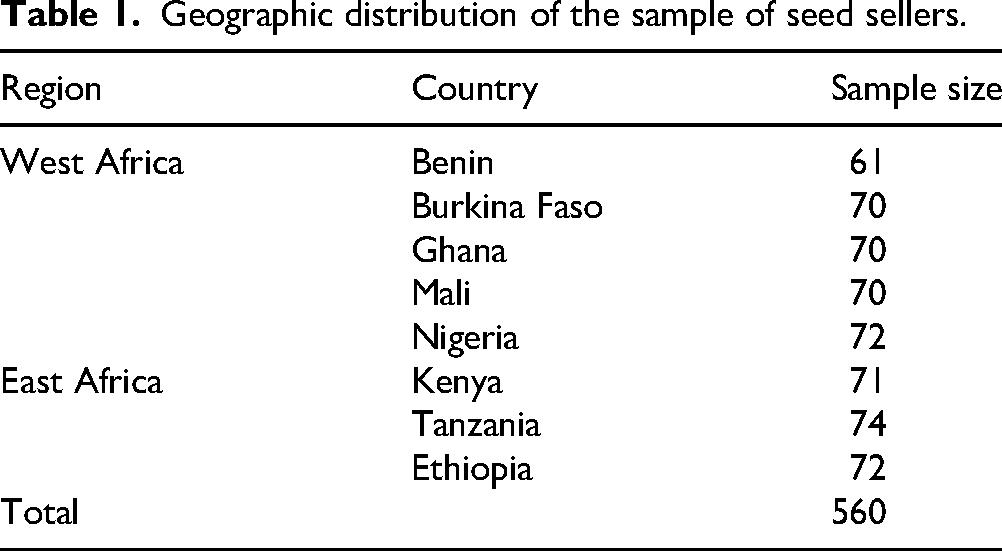
Agrodealers were interviewed in person using a digitized questionnaire drafted in English and French and translated into local languages as necessary. We contacted seed producers and farmer associations in each country to compile a list of agrodealers selling vegetable seed. In each country, approximately 70 agrodealers were randomly selected from this list, with an equal representation of formal agrodealers (licensed sellers) and informal agrodealers (unlicensed sellers). All respondents were informed about the purpose of the study and obtained their consent to participate in the interview. The total sample comprised 560 agrodealers across eight countries.
In each country, we recorded the vegetable varieties sold by agrodealers and identified those that are listed in the national catalog. We also gathered information on the characteristics of the surveyed agrodealers and the sources and attributes of the seeds they sold to analyze the availability of registered varieties in local markets.
Analysis
We subjected the data collected from the variety catalogs and agrodealers to descriptive statistics and analysis of variance. We also estimated a multi-level mixed-effects logit model (Gibbons and Hedeker, 1997; Wang et al., 2006) to identify factors associated with agrodealers selling registered crop varieties. The outcome variable is whether an available variety is registered and takes the value of one if it is. We used a multi-level model because the data are organized at three levels, namely cataloged varieties, agrodealers, and countries. Therefore, we applied a three-level mixed-effects logistic regression model (Raman and Hedeker, 2005):
The explanatory variables were selected based on a review of the literature on seed systems. Seed availability largely depends on the country's seed system, which can be formal or informal, and varies in effectiveness depending on the extent of private sector involvement and the organization of the seed system (Ayenan et al., 2021; Louwaars and De Boef, 2012). We hypothesized that seed availability is influenced by the type and origin of seed dealers, distance to seed distribution points, and suppliers’ experience, with extensive networks improving access (Minwagaw and Ejigu, 2021). Variables linked to variety catalogs, such as the breeding and/or releasing institution, number of registered varieties, and catalog accessibility, also play a role. A greater number of registered varieties can enhance agrobiodiversity and market availability (De Jonge et al., 2025, 2021), while the lack of online, publicly available catalogs in many African countries remains a constraint, although improving access holds promise for strengthening seed systems (Limb, 2005; Velleman et al., 2017).
Results
Status of variety catalogs in Africa
Our search found 27 national variety catalogs (Figure 1). Eritrea and Namibia are in the process of preparing these documents, while Botswana and Djibouti have no catalog. Of the 54 African countries, 40 were confirmed to have a variety catalog, but for 13 of these countries, we were unable to obtain this document despite repeated attempts through multiple channels. This would clearly be a significant obstacle for any potential users of this information. For 10 countries, shown in white in Figure 1, we were unable to verify whether a variety catalog existed. In total, variety catalogs were not available for half of the countries in Africa, with this issue being particularly significant in West and Central Africa.
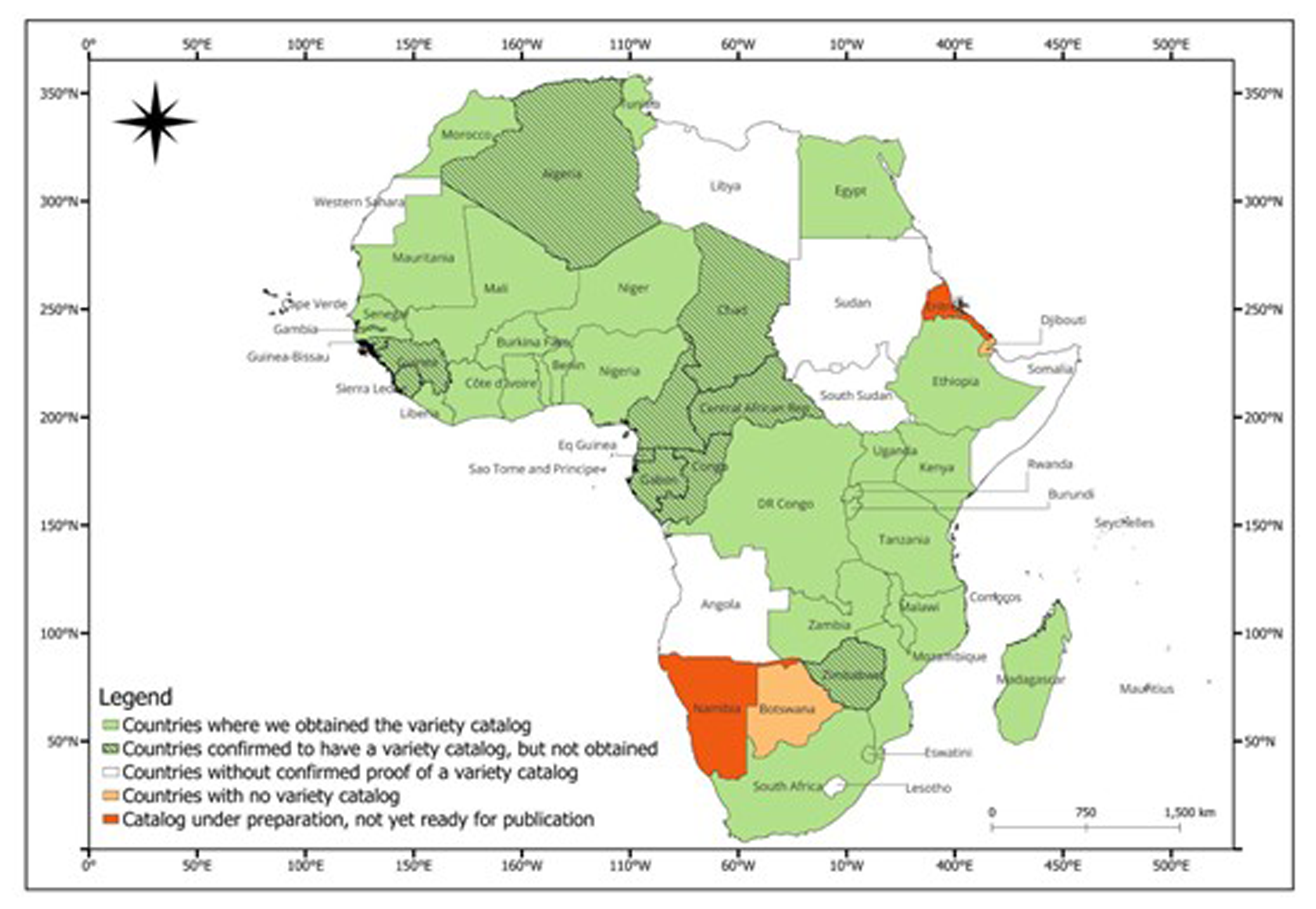
Availability of national variety catalogs in Africa, 2025.
Of the 27 catalogs collected, 15 were available online, including 12 as downloadable PDF files and three as lists of registered varieties on a website (Figure 2). Another 12 catalogs were provided by national seed authorities or research organizations upon request.
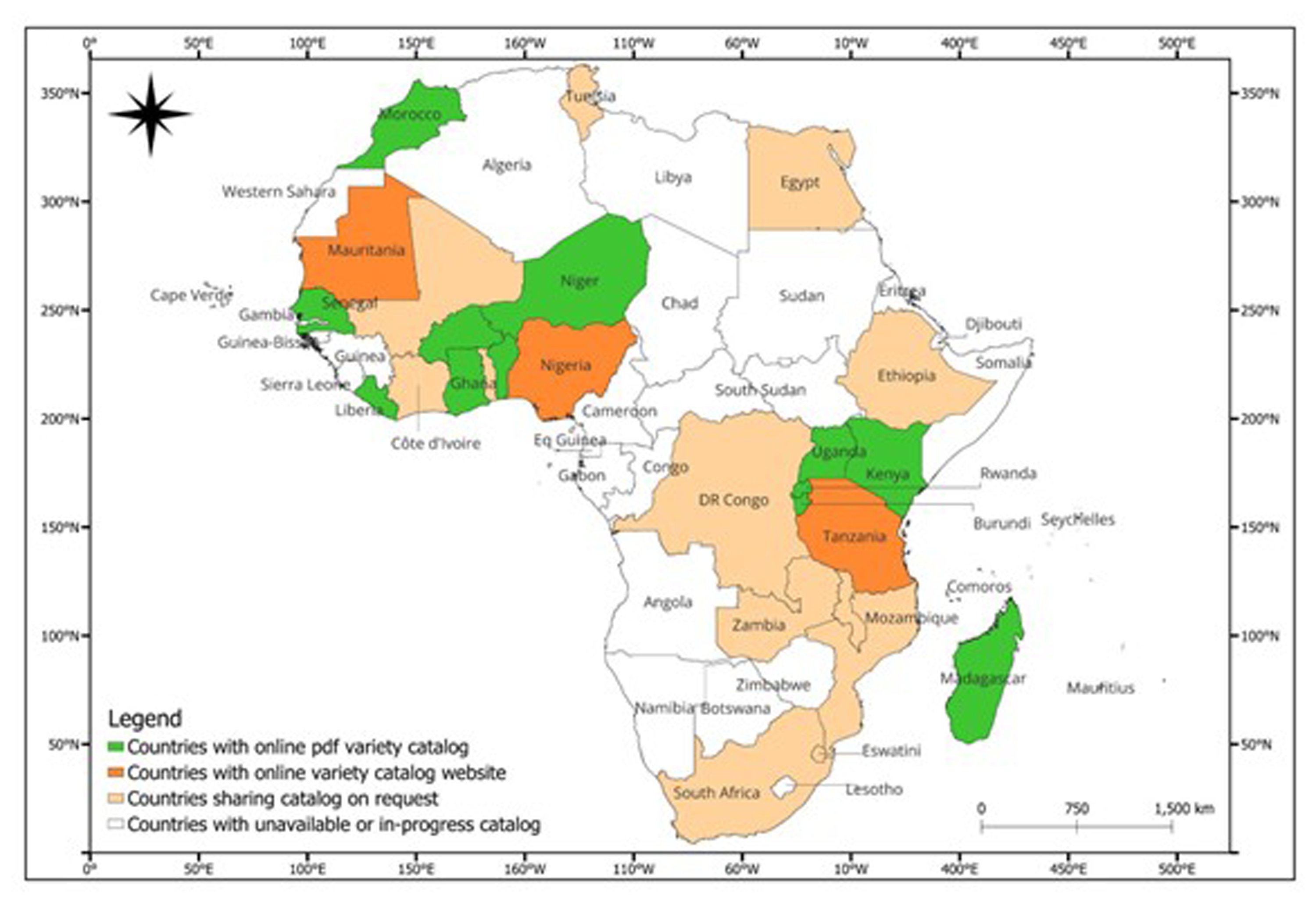
Accessibility of national variety catalogs in Africa, 2025.
Crop types represented in variety catalogs
Figure 3 illustrates the distribution of varieties in catalogs across African countries by crop type, including cereals, vegetables, legumes, fruits, roots and tubers, industrial crops, and other categories (e.g. forages, flowers, and oilseeds). The total number of registered varieties varies widely across countries, with the highest being South Africa (3493), followed by Morocco (3188), Tunisia (2633), Egypt (1785), Ethiopia (1584), and Zambia (1028). At the bottom of the list are Liberia (20 varieties), Malawi (42), the Democratic Republic of the Congo (DRC) (49), Mauritania (52), Uganda (84), Togo (86), and Madagascar (94).
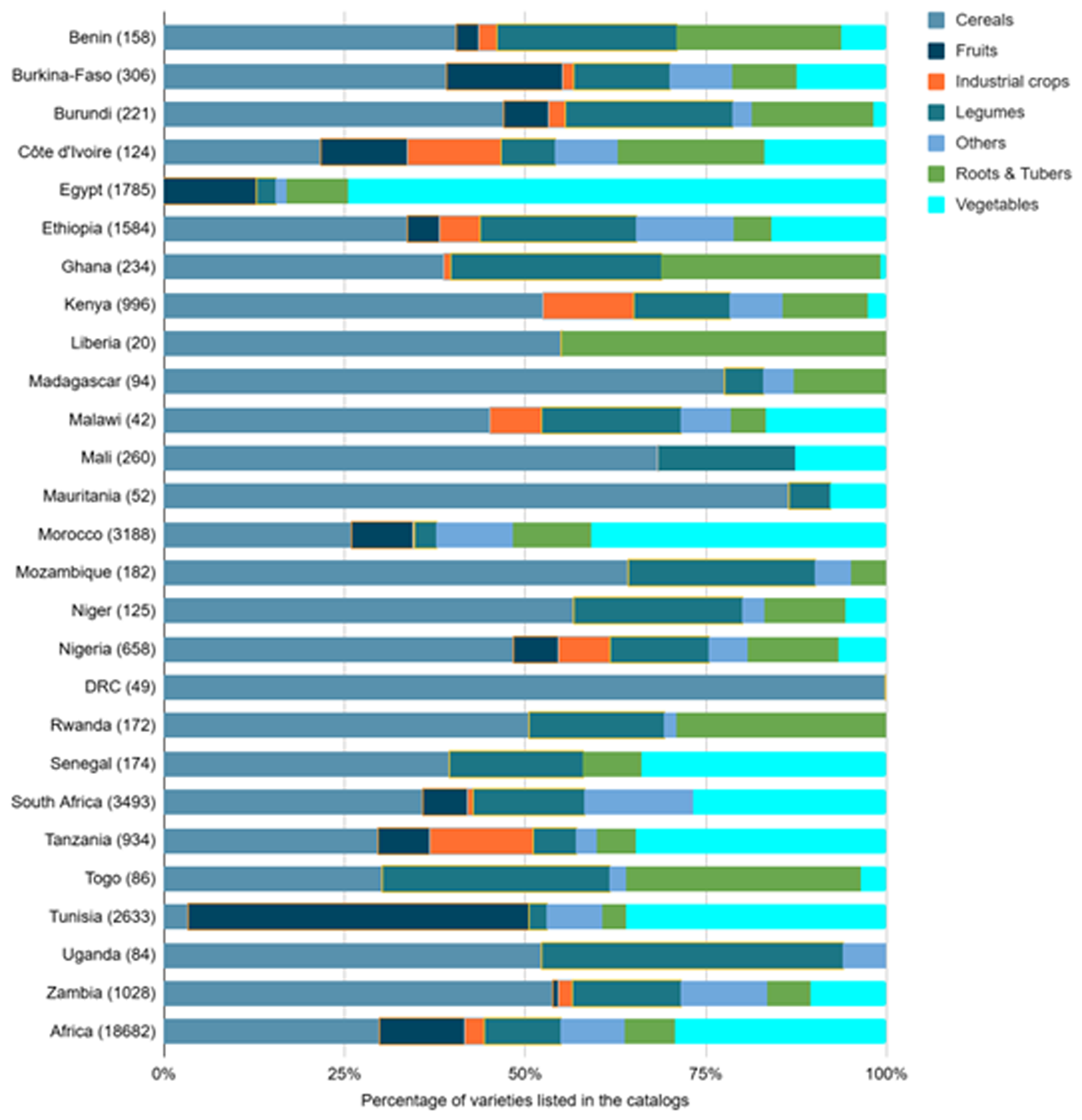
Distribution of registered varieties by country and crop type in Africa, 2025. Note. Total number of registered varieties in each national variety catalog in brackets.
Cereal varieties dominated the catalogs of 21 of the 27 countries, but vegetable varieties were the main crop group in Egypt, Morocco, Tunisia, Tanzania, and Senegal. The number of vegetable varieties registered was particularly low in Ghana (2), Togo (3), Mauritania (4), Burundi (4), Niger (7), Malawi (7), and Benin (10). There were no vegetable varieties registered in the national catalogs of Liberia, Madagascar, Mozambique, the DRC, Rwanda, and Uganda. The number of registered vegetable varieties is relatively low across all countries, despite vegetables being the most diverse crop group.
Vegetable species represented in variety catalogs
There were noticeable differences between national variety catalogs regarding the range of vegetable species represented and the number of varieties listed per species (Figure 4). For example, Tunisia listed 25 vegetable species, Zambia (17), Ethiopia (17), Tanzania (16), Egypt (15), and South Africa (10), while Togo, Ghana, Mauritania, Niger, Burundi, and Malawi had only one to three species in their variety catalogs. The most frequently registered vegetable species were tomato (Solanum lycopersicum L.), pepper (Capsicum annuum L.), onion (Allium cepa L.), and eggplant (Solanum melongena L.), listed in 16, 16, 11, and 10 catalogs, respectively. In contrast, many vegetable crops appeared in only one national catalog. These included crops like African eggplant (Solanum aethiopicum L.), cardoon (Cynara cardunculus L.), celery (Apium graveolens L.), fennel (Foeniculum vulgare Mill.), kohlrabi (Brassica oleracea var. gongylodes), parsley (Petroselinum crispum (Mill.) Fuss), tronchuda (B. oleracea L. var. costata), bitter leaf (Vernonia amygdalina Delile), wild rocket, and others. Overall, exotic vegetables had many more registered varieties than traditional vegetables, with the most frequent listings being for tomato (1869), pepper (795), beetroot (Beta vulgaris L., 505), cucumber (Cucumis sativus L., 419), onion (A. cepa L. 268), cabbage (B. oleracea var. capitata L., 255), and lettuce (Lactuca sativa L., 210).
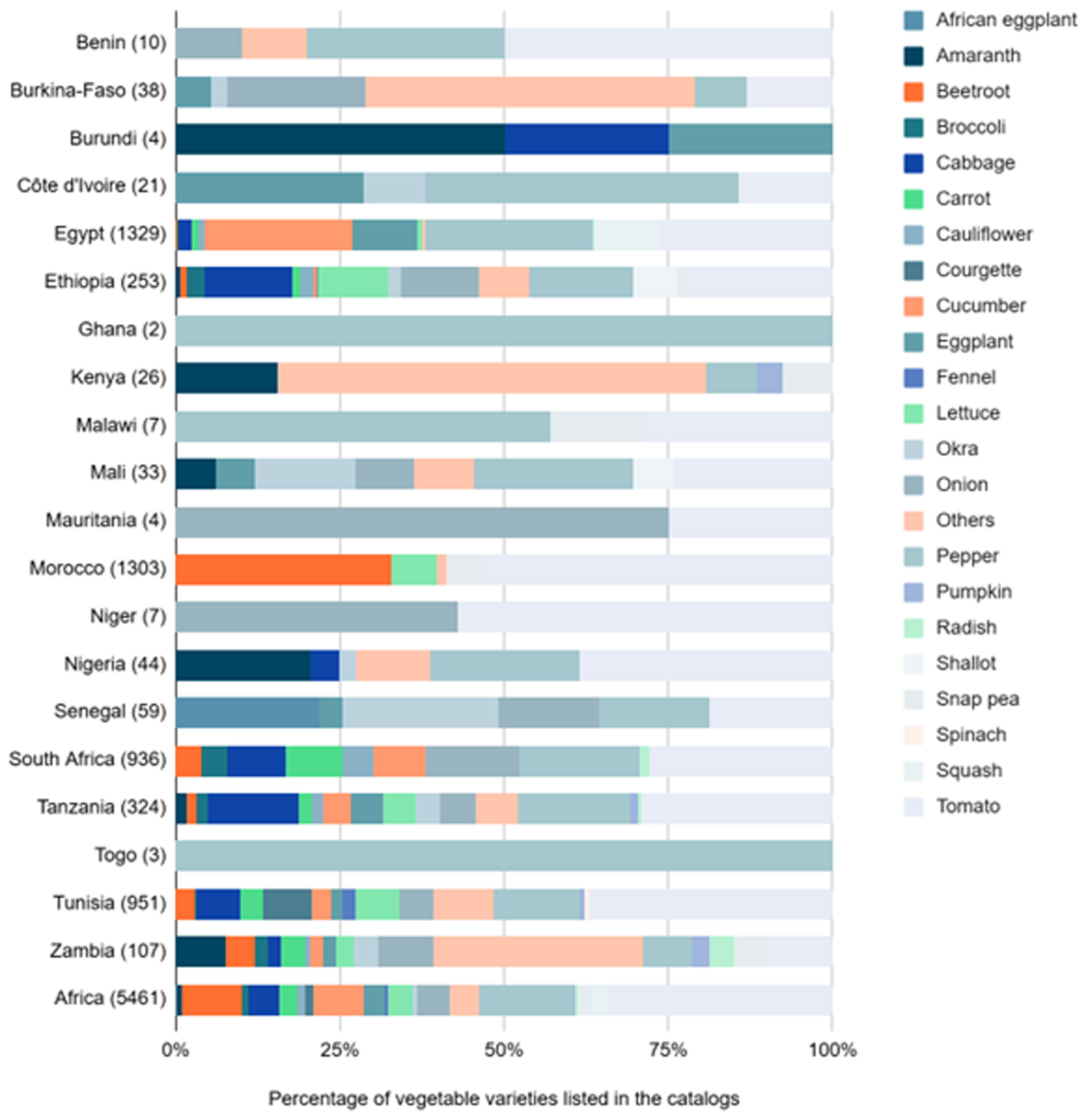
Distribution of registered vegetable varieties by crop and country in Africa, 2025. Note. Total number of registered vegetable varieties in brackets.
Age of crop varieties
The registration year refers to the year a variety was first listed in the catalog. Not all varieties listed in national catalogs have the registration year specified. Of the 27 catalogs collected, 10 did not specify a registration year, and in another three, registration years were missing for most varieties (ranging from 79% to 97%). Overall, across all collected catalogs, 58% of the listed varieties lacked a registration year. Table 2 shows the data for varieties with a registration year.
Years of registration of varieties in national catalogs in Africa, 2025.
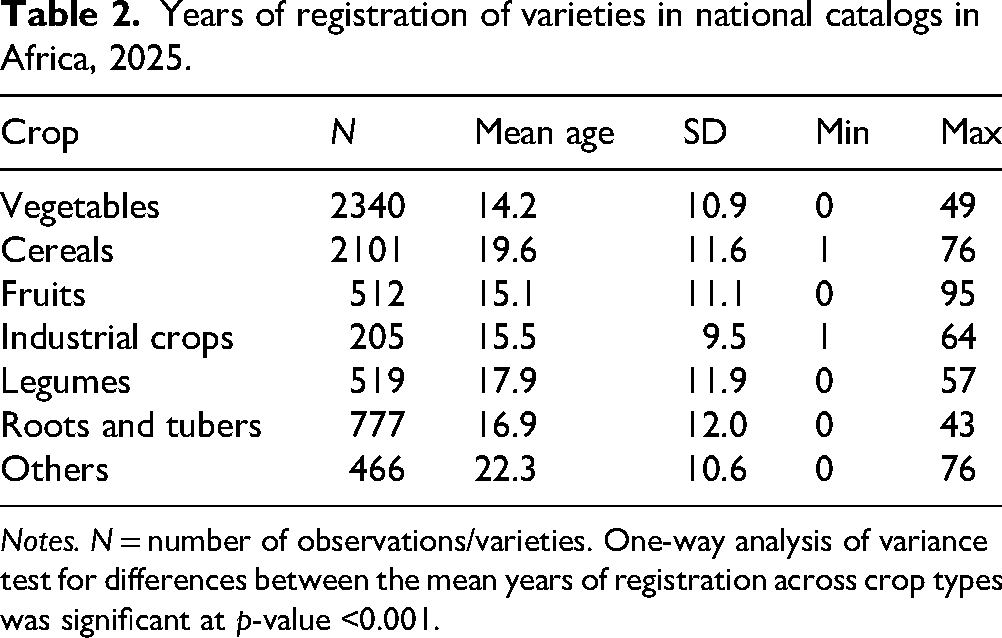
Notes. N = number of observations/varieties. One-way analysis of variance test for differences between the mean years of registration across crop types was significant at p-value <0.001.
The average age of the varieties in national catalogs ranged from 14.2 to 22.3 years, depending on the type of crop. Vegetable varieties had the lowest mean age. A noteworthy observation is the high age of some varieties, with the maximum exceeding 40 years across all crop types.
Origins of vegetable varieties
National public organizations were the main source of vegetable variety releases in Benin, Burkina Faso, Côte d’Ivoire, Mauritania, Nigeria, and Senegal (Figure 5) but most of these countries have few vegetable varieties registered. International agricultural research organizations made a significant contribution to variety releases in Mali, Togo, and Tunisia. However, it is worth noting that even in countries where the public sector is the main source, many of the released varieties may originate from international research organizations. The private sector dominates the release of varieties in Egypt, Ethiopia, Kenya, Morocco, South Africa, Tanzania, and Zambia.
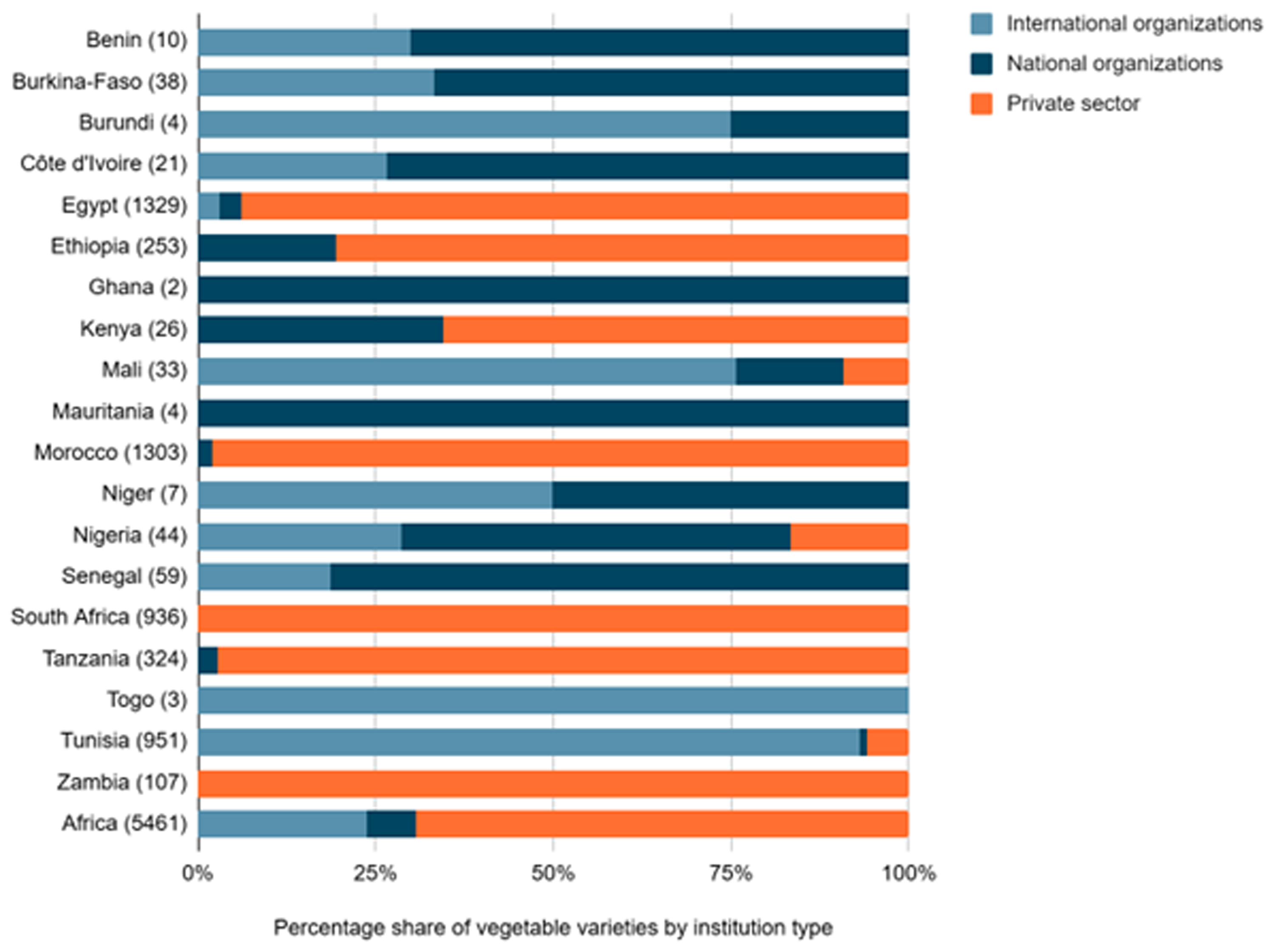
Origin of registered vegetable varieties in Africa, 2025. Note. Total number of registered vegetable varieties in brackets.
Types of vegetable varieties registered in national catalogs
Of the catalogs with registered vegetable varieties, only 10 specify the genetic nature of these varieties (e.g. whether it is a hybrid). The genetic nature of the variety is crucial in guiding farmers in their choices, and the lack of this information in many catalogs is a gap that needs to be addressed. Figure 6 illustrates seed types, distinguishing between OPVs, hybrids, and other seed types. In most countries, registered vegetable varieties were mostly OPVs, but in Senegal, South Africa, and Tunisia, most were hybrids.
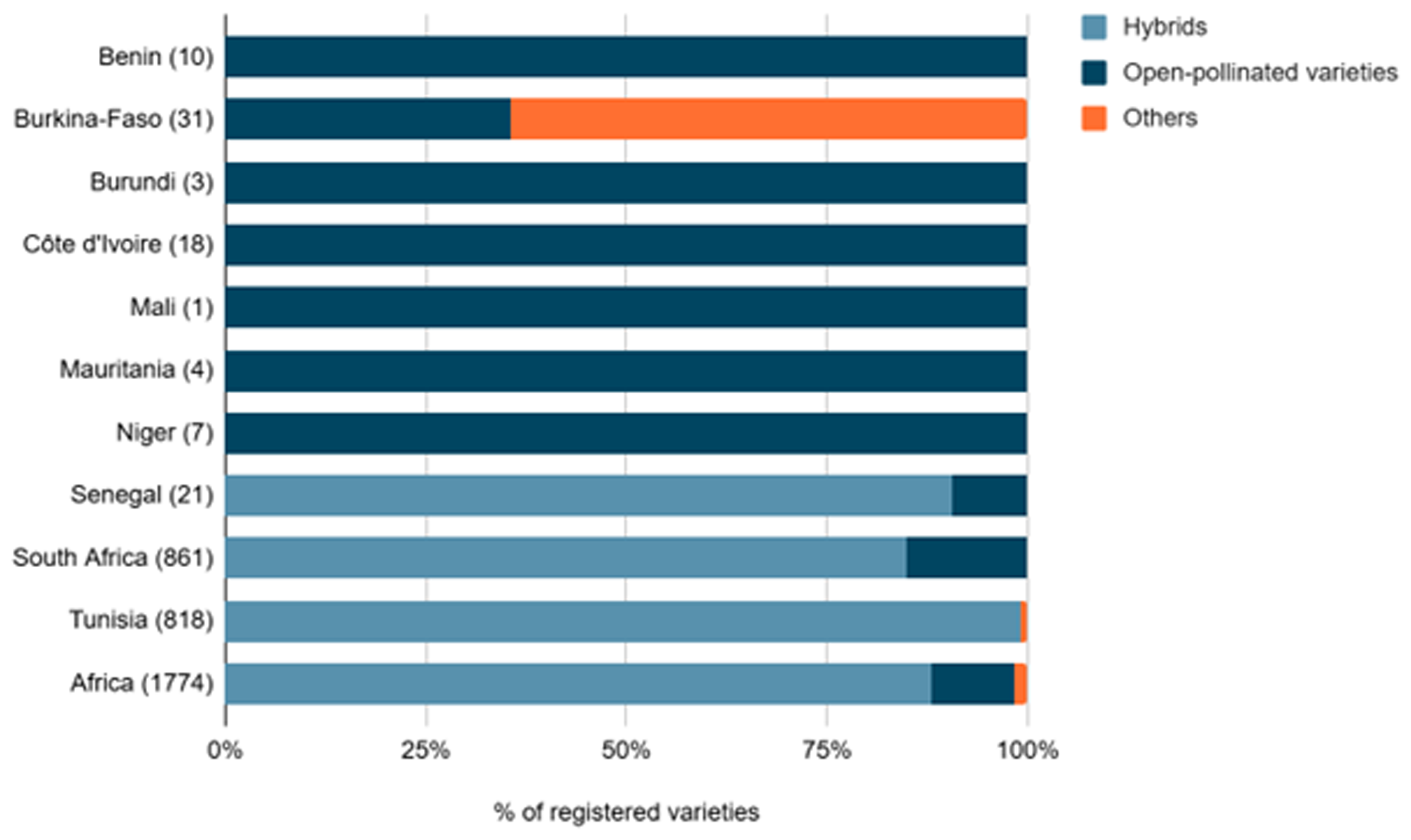
Seed types of vegetable varieties registered in national variety catalogs in Africa, 2025. Note. Total number of registered vegetable varieties considered in this figure is shown in brackets.
An analysis of the relationship between the origin of varieties and seed types shows that vegetable varieties developed by national organizations were 51% OPVs, 38% hybrids, and 11% other types (Figure 7). All of these hybrids were found in Senegal and Tunisia. Additionally, hybrids registered in Tunisia accounted for 96% of the vegetable varieties developed by international agricultural research organizations. Approximately 2% of the varieties developed by these organizations were open-pollinated and distributed across Benin, Burundi, Côte d'Ivoire, Mali, Niger, and Senegal. Vegetable varieties developed by the private sector were present only in the catalogs of South Africa and Tunisia. Most of the varieties developed by the private sector were hybrids (95%), while only 5% were OPVs.
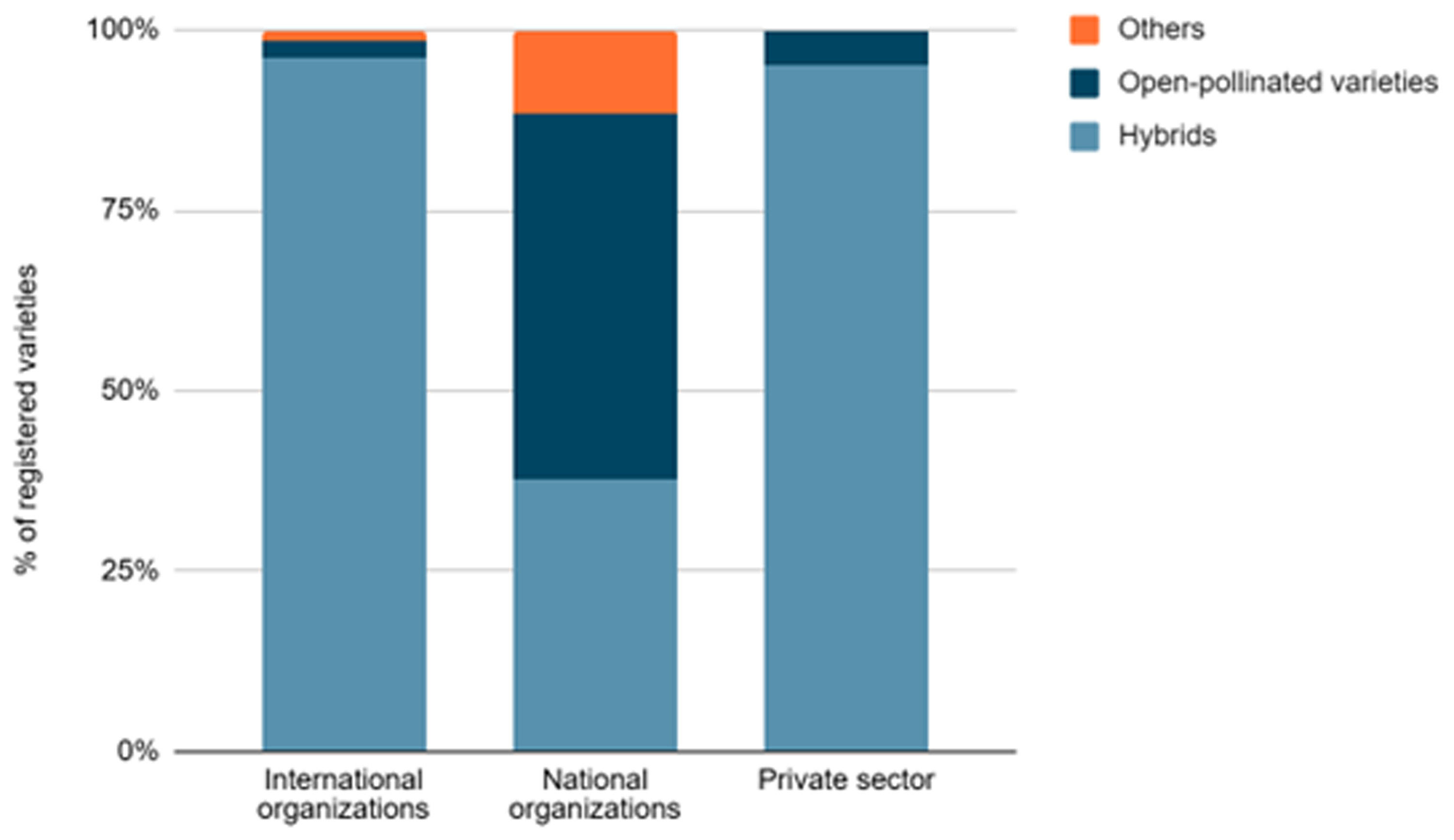
Seed types of registered vegetable varieties by origin of the variety in Africa, 2025. Notes. The total number of observations/varieties considered for this figure is 1242, distributed across 10 catalogs from Benin (10), Burkina Faso (29), Burundi (3), Côte d'Ivoire (15), Mali (1), Mauritania (4), Niger (6), Senegal (21), South Africa (400), and Tunisia (753).
Factors influencing the market availability of registered varieties
Agrodealer sample description
The sample of agrodealers included 47% formal and 53% informal agrodealers (Table 3). The average agrodealer had about 9 years of experience in selling seeds. Only 11% of agrodealers specialized exclusively in seed selling, 64% sold seeds alongside other agricultural inputs, and 38% belonged to a chain store rather than being independent sellers. These agrodealers obtained most of their seeds—both vegetable and other crops—from private seed companies (50%), while 26% produced some of their own seeds.
Characteristics of agrodealers selling vegetable seed in eight African countries, 2024–2025.
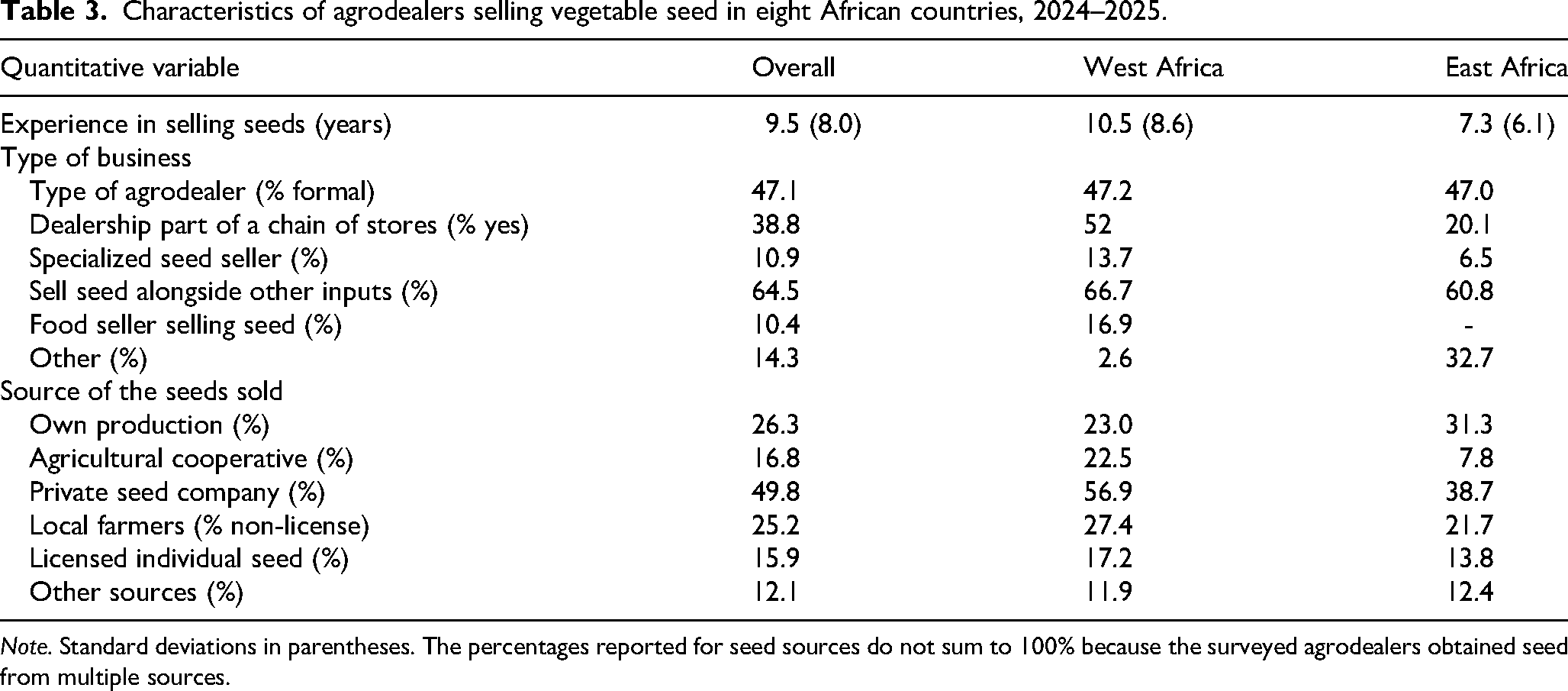
Note. Standard deviations in parentheses. The percentages reported for seed sources do not sum to 100% because the surveyed agrodealers obtained seed from multiple sources.
Market availability of vegetable varieties listed in the national catalogs
Overall, the availability of registered vegetable varieties on the local market was minimal. On average, only 2.6% of the 660 vegetable varieties listed in national variety catalogs were available from the sampled agrodealers (Table 4). In Ghana, the national variety catalog listed only two vegetable varieties, neither of which was available from agrodealers. In Tanzania and Ethiopia, only 1% of the cataloged vegetable varieties were available in the market. This percentage may be underestimated, because these countries have many registered varieties, most may be inactive. Nigeria and Kenya had the highest market availability of registered varieties among the eight sampled countries, with 14% and 10% of registered varieties available at any agrodealer in the sample, respectively. Overall, 40% of the 560 agrodealers sampled did not sell seeds of any registered vegetable variety.
Availability of registered vegetable varieties from agrodealers in eight African countries.
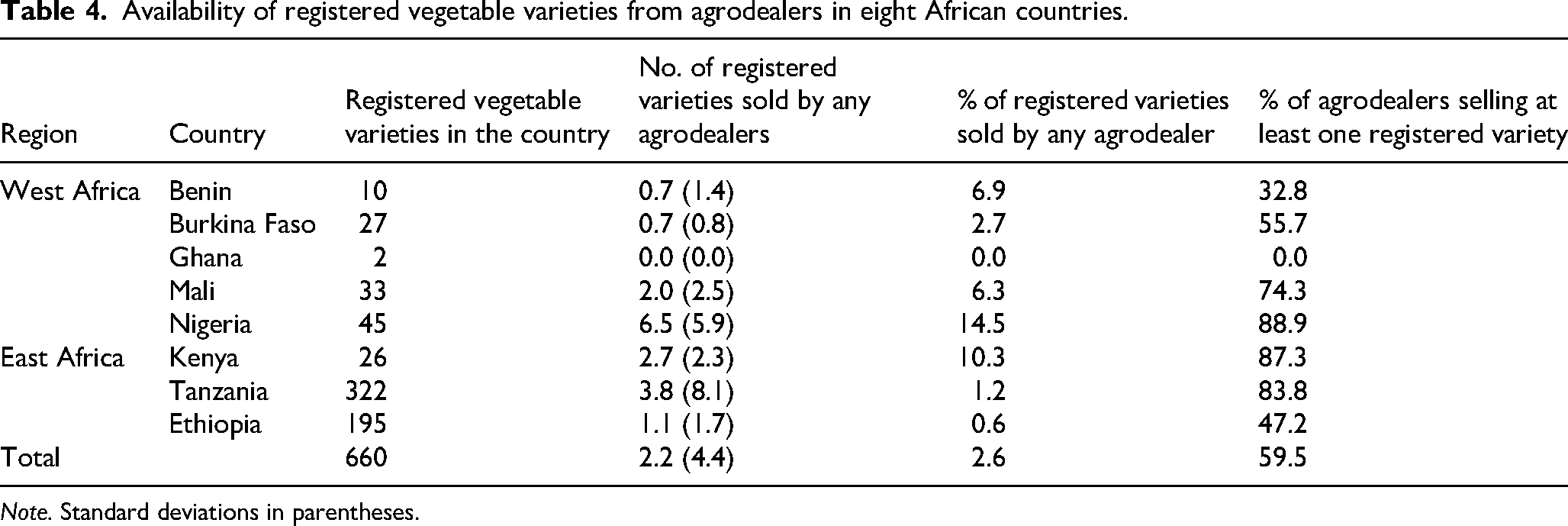
Note. Standard deviations in parentheses.
Results of the three-level mixed-effects logit model
The mixed-effects logit model was significant (p < 0.001), and the random effects included in the model were also significant (p < 0.001), indicating substantial variation in the availability of registered vegetable varieties between agrodealers and across countries (Table 5).
Estimated results of three-level mixed-effects logit models for the availability of registered vegetable varieties on local markets in Africa.
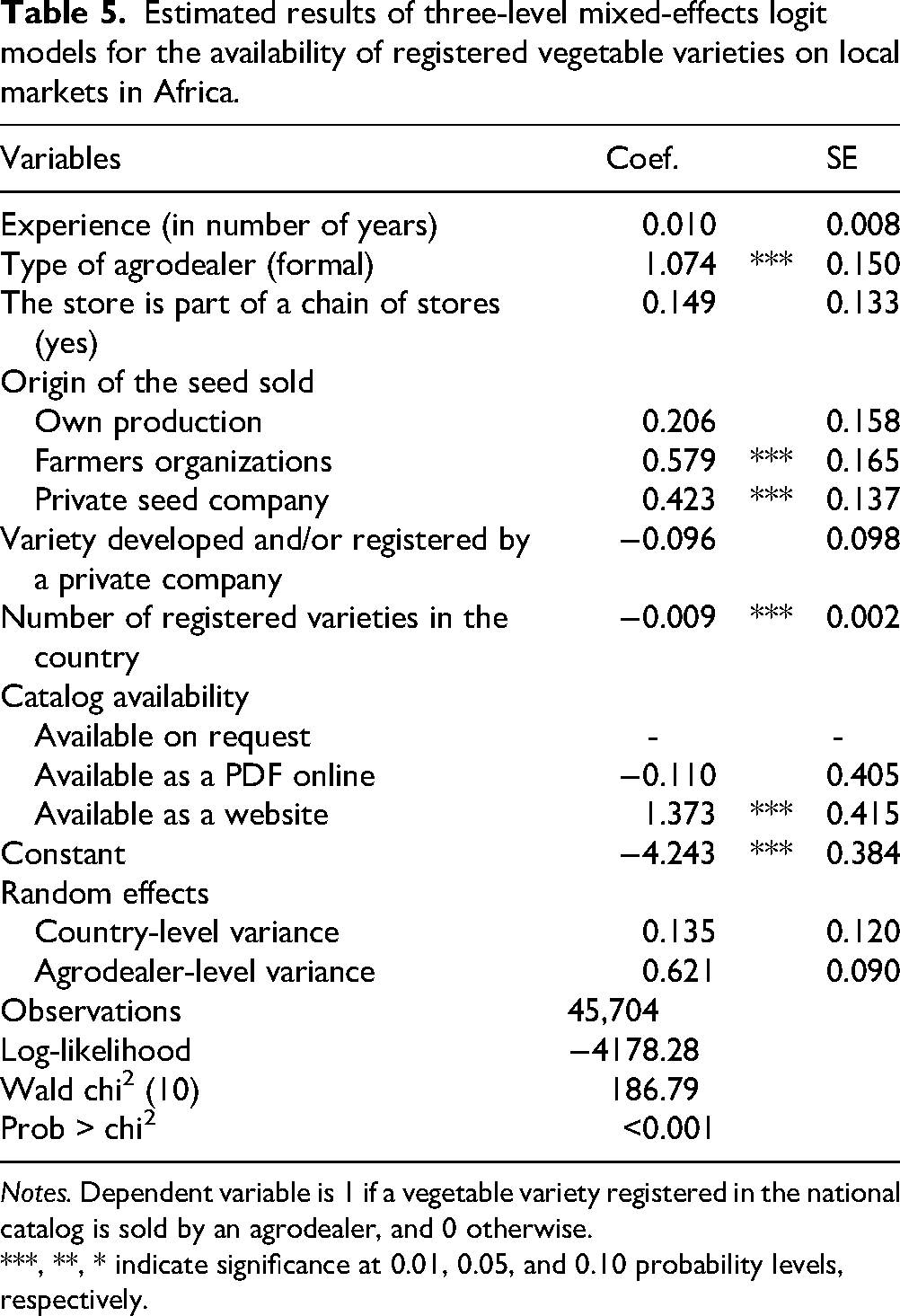
Notes. Dependent variable is 1 if a vegetable variety registered in the national catalog is sold by an agrodealer, and 0 otherwise.
***, **, * indicate significance at 0.01, 0.05, and 0.10 probability levels, respectively.
The type of agrodealer has a positive and statistically significant effect on the availability of registered varieties, with formal agrodealers more likely to offer them than informal ones. The availability of a variety catalog on a website significantly increases their likelihood of being available in the market. Finally, the origin of the variety did not significantly influence the likelihood of its availability in the market; hence, varieties developed by the public sector are not less likely to be commercially available than those developed by the private sector.
Discussion
Key findings
There is an extensive literature analyzing seed systems in Africa, but no previous study has conducted a systematic analysis of national variety catalogs. This study is the first to explore whether varieties listed in catalogs are actually available to farmers. Our findings revealed that, for most countries in Africa, access to national variety catalogs is limited. The fact that we could not obtain copies of the variety catalogs for half of the countries in Africa shows the limited availability of variety information to seed companies and African farmers. This confirms previous findings of the African Union, which noted that while most African countries have relevant seed policy instruments, they are often underutilized due to non-functional institutions and a shortage of skilled personnel (African Union, 2021). If variety catalogs are not publicly accessible, then stakeholders in the seed system are hindered in their ability to make informed decisions (Templer et al., 2025).
Making national variety catalogs available online, ideally in a searchable format, is a straightforward intervention that any country can do. This becomes even more useful when the catalog provides relevant, up-to-date information on registered varieties to support value chain actors in their decision-making and market activities. Some countries’ catalogs (such as those of Benin, Burkina Faso, Congo, Burundi, Ethiopia, and Kenya) already include key information, such as potential and/or on-farm yields, disease and pest resistance, and drought tolerance, all of which are critical for users’ decision-making. Making catalogs available online can stimulate farmers’ demand for registered varieties. Our regression analysis indicated that having an online catalog increases the likelihood of registered vegetable varieties being available in the market.
The second key finding of our study is that while catalogs encompass a diverse range of crops, most are skewed toward cereals and include few or no vegetable varieties. This suggests significant hurdles to registering and releasing vegetable varieties, as well as weak or nonexistent local vegetable breeding programs and seed production because of inadequate public and private investment (Afari-Sefa et al., 2012; Schreinemachers et al., 2021). Traditional vegetable varieties are particularly under-represented in national variety catalogs, which may be attributed to the very low investment in breeding programs for these crops as documented previously (Afari-Sefa et al., 2012; Ayenan et al., 2021). Seeds of traditional vegetables are perceived as less profitable by seed companies operating in fragmented markets, which discourages investment in the sector (Ayenan et al., 2021). In fact, most traditional vegetables in Africa are leafy vegetables, where the advantages of hybrids over OPVs may be limited, and investing in OPV development and marketing is not appealing to seed companies. While international seed companies’ interest in traditional vegetable seed is low, with a predominance of farmer seed systems, there is a growing interest among local seed companies in some countries, such as Kenya, Benin, Burkina Faso, and Mali, to produce and market certified seed of publicly available improved traditional vegetable varieties. These local seed companies, however, have low research and development capacity to run their own breeding programs.
Our third key finding is that very few of the vegetable varieties listed in national variety catalogs are actually available to farmers, and that almost half of agrodealers are not selling any registered vegetable varieties. Agrodealers sell a wide range of imported varieties that are not listed, while catalogs include many outdated varieties that farmers no longer want. This occurs partly because the catalogs are not regularly reviewed or updated, allowing outdated varieties to remain on the list. As a result, most catalogs do not represent the varieties available to farmers. Yet, even if local seed companies wish to produce seed of registered vegetable varieties, they would find it difficult to obtain foundation seed. National agricultural research systems often lack the capacity, in terms of human and financial resources, to produce foundation seed for vegetable crops.
A key factor is that imported varieties are generally exempt from the registration process, whereas local varieties are not. Several studies have highlighted this disparity between locally produced and imported seed (Kuhlmann et al., 2023a, 2023b; Mativavarira et al., 2024). This disparity is illogical and inequitable, but if registration were made a requirement, it would reduce the availability of improved varieties to farmers due to delays and costs in the testing system. Another scenario is that stricter regulation of varieties would stimulate the unofficial trade (smuggling and counterfeiting), thereby causing market confusion and increasing the need for enforcement, which is also costly.
The overwhelming conclusion of this study is that national variety catalogs are of little value to the vegetable sector because the varieties listed do not align with those actually available in the market. This may be due to weaknesses in the catalog itself, for example, being out of date and not accessible, and to the fact that, in many countries, variety registration is mandatory for local seed production and certification, but not for seed imports. As a result, companies face fewer regulatory hurdles when introducing foreign varieties than when developing and releasing new ones domestically. In practice, competitive breeding and commercial pressures are bringing many superior varieties directly to the market without going through variety registration. This trend is particularly pronounced in vegetable crops, which are mostly bred and produced by the private sector on a global basis and are easily transported around the world. Moreover, in some countries where the private sector predominates in the release of vegetable varieties, and where national laws and regulations favor or mandate the registration of imported varieties, most registered varieties are imported and then marketed through local seed companies or agrodealers. Taken together, these factors help explain why private investment in breeding and local variety release remains very low in most African countries.
As noted earlier, variety registration systems were originally designed for cereals. They provide effective safeguards in the major food crops where only a few new varieties are introduced yearly, where varieties have wide adaptation, and where they can be compared objectively in terms of yield. Vegetables present a much more challenging scenario for testing authorities with a diversity of crops, production systems, and consumer requirements. Substantial human and physical resources would be required to operate an effective testing system for vegetable crops, and in practice, these resources are seldom available.
Against this background, we may ask whether the testing and registration of vegetable varieties is necessary, and if so, how should the system be organized to work in the interests of the market and farmers. It is beneficial for all parties to have an orderly market, but the most important requirement is for information rather than regulation. One possible approach would be to incentivize breeders and importers to voluntarily register their varieties on an online database hosted and managed by the relevant ministry. Users would have to be registered as a company, agent, or institution in the country, and they would pay a modest fee for each variety registered. They would complete an online questionnaire containing key agronomic and other information specific to each crop, and this would be available online in the public domain as a one-page description of the variety. There would be an opportunity to update the description based on the actual performance of the varieties in farmers’ fields and consumers’ feedback, thus providing a catalog that is dynamic and responsive rather than static and bureaucratic.
The detailed management and pricing of this system would have to be discussed with stakeholders, but the overriding objective would be to encourage variety registration as an aid to marketing. It could be rolled out on a crop-by-crop basis and would gain momentum as new varieties are introduced to the market. The managing agency (e.g. the ministry) could monitor the system by holding public verification trials for all registered varieties of a selected crop and publishing the results.
Strengths and limitations
A key strength of this study is that it brought together variety registration data from half of all African countries across all regions of the continent, thus providing an overview of the role that national variety catalogs play in the seed sector. It also compares the content of these catalogs with the market availability of listed varieties in eight selected countries. The study provides a comprehensive view from variety release and registration to seed commercialization. While our study complements the work of Kuhlmann et al. (2023a), we did not investigate the policy environment that may limit the incentives to develop and register varieties. Policies and the broader legal framework can directly influence how the official system manages varieties and how companies approach investment and marketing strategies. Future research could explore the bottlenecks that prevent locally-bred and traditional crops from reaching the market. Another limitation is that the study did not capture the full range of varieties sold by agrodealers. In hindsight, it would have been helpful to record the total number of different vegetable varieties sold and their origins, although this would have substantially increased the amount of information collected.
We acknowledge several data gaps that shape the interpretation of our findings. Although many African countries maintain national variety catalogs, access to these documents was inconsistent, and in some cases we could not obtain or verify their existence despite repeated efforts. Even for the catalogs we collected, key information—particularly registration years, genetic-type information, and source details—was frequently incomplete. This limited our ability to make fully comparable cross-country assessments of release timelines, varietal turnover, and the representation of different varietal types. Throughout the analysis, we therefore report patterns only where underlying data are sufficiently complete and avoid extending inferences beyond the available evidence. Despite these limitations, the study provides useful insights to inform seed-system strengthening efforts, where such evidence is currently scarce.
Conclusion
This study sheds light on a critical yet understudied component of the seed system—national variety catalogs—and their role in supporting farmers’ access to quality seeds. While these catalogs are intended to enhance transparency and availability of suitable varieties, our findings reveal substantial gaps between variety registration and market access, limited public availability of catalogs, and under-representation of the listed varieties in the market. These challenges highlight a structural weakness in the seed systems of many African countries, stemming from both informational and institutional deficiencies.
The availability and use of improved varieties can substantially increase agricultural productivity. The system of variety testing and registration in Africa is based on practice from other countries with well-functioning seed systems; it may function well and meet farmers’ needs for the major food crops, but it is not appropriate for the diverse portfolio of vegetable species. The result is that national variety catalogs lack market credibility and are of little interest to potential users, whether companies or farmers. Innovative solutions are required that would focus on providing useful information to farmers rather than having costly regulations that slow down the availability of seed of improved varieties in the market. To address these constraints, we propose a voluntary online registration system as the basis for further discussion among stakeholders.
Footnotes

Ethical considerations
This study collected data from agrodealers through observation of products sold in shops using a brief questionnaire. Participation was voluntary, and no personal information was collected.
Funding
The authors disclosed receipt of the following financial support for the research, authorship, and/or publication of this article: This project was funded with UK International Development from the UK government (FCDO Project Number: 205271).
Declaration of conflicting interests
The authors declared no potential conflicts of interest with respect to the research, authorship, and/or publication of this article.
Data availability statement
The data that support the findings of this study are available from the corresponding author upon reasonable request.