




Abstract
The objective of the present study was to evaluate the efficacy and the safety of etomidate anaesthesia by immersion technique in Bombina orientalis. The study comprised two phases. The first phase was carried out to identify the etomidate concentration capable of producing anaesthetic induction, as well as surgical anaesthesia, in the toads. The second phase was aimed at testing that concentration in eight additional animals. Etomidate administered via immersion at a concentration of 37.5 mg/L produced effective anaesthesia in oriental fire-bellied toads. The average duration of surgical anaesthesia was 20 min. All the toads enrolled in the study survived the anaesthesia and long-term complications did not occur. However, undesired side-effects, namely itching, myoclonus and prolonged recovery, were noticed during the perianaesthetic period. The authors concluded that etomidate anaesthesia by immersion, at a concentration of 37.5 mg/L, is suitable in oriental fire-bellied toads and produces anaesthesia of a depth and duration that is sufficient to allow the completion of various experimental procedures, without resulting in lethal complications. However, the occurrence of undesired side-effects opens a debate on the safety of this anaesthetic technique, and imposes the need for further investigation prior to proposing the latter for routine laboratory practice.
Oriental fire-bellied toads (Bombina orientalis) are the most common captive species of the Bombinatoridae family. These small semi-aquatic toads are considered to be excellent laboratory animals and have been used for research purposes in a variety of developmental studies over recent decades. 1 Furthermore, the ease of both natural and artificial breeding of these amphibian species, together with the fact that they produce large embryos,2,3 makes them particularly suitable as animal models for biomedical and brain research,2–11
In order to protect both the animals and the handlers, chemical restraint of amphibians is mandatory for many common procedures such as physical examination, diagnostic workup and surgery, in either a clinical or experimental setting.
Anaesthesia in amphibians can be achieved by several routes of administration, such as injection, topical application, inhalation and bath immersion. Similarly as in fishes, the latter technique is considered to be one of the methods of choice, mainly due to its ease of use and efficacy.
The most common anaesthetic agents used for bath immersion in frogs include benzocaine, pentobarbital, tricaine, isoflurane, propofol, and clove oil. Due to their high variability in terms of effectiveness, reliability, safety and reversibility, none of them can be considered to be optimal for amphibians. Benzocaine, pentobarbital and tricaine require prolonged recovery, with a high mortality rate, and significant electrocardiographic changes in Leopard frogs. 12 Tricaine is toxic to handlers and is associated with strong respiratory depression and skin erythema in Xenopus laevis.13,14 Isoflurane, either bubbled through or added as a liquid agent to the water bath, provides anaesthesia of variable depth and duration and, therefore, this agent is not considered as a first choice for the amphibian species. 13 Propofol bath immersion has been found to be unsafe and ineffective in frogs due to a narrow dose-effect window, severe respiratory depression and highly variable duration and depth of anaesthesia.13,15 Finally, although clove oil appears to be effective as bath anaesthesia in frogs, this agent shows a marked cardiovascular depressant effect in small amphibian species and results in vomiting at recovery, renal toxicity and hepatic lesions in African clawed frogs. 16
Recently, an experimental research evaluating the anaesthetic effect of metomidate, an etomidate analogue in leopard frogs (Rana pipiens) 17 reported that this drug, at a concentration of 30 mg/L, consistently produced clinical sedation; however, due to the variable recovery time, the authors considered further research was warranted to evaluate the suitability of metomidate as a sole anaesthetic agent. 17
Etomidate is a commonly used hypnotic agent, well known in both human and veterinary anaesthesia. Although its relatively high cost and the potential for adrenal suppression often limit its use as an induction agent in veterinary routine practice, 18 etomidate is appreciated in anaesthesia especially for its safety and for the remarkable cardiovascular stability.19,20 In mammals, etomidate exerts its anaesthetic effect by acting as a gamma aminobutyric acid (GABA)-mimetic agent. Studies in dogs and cats have demonstrated that etomidate is safe and provides reliable and effective anaesthesia in these species. 19
Because the GABA-A receptors have been well characterized in amphibian species,21,22 it is reasonable to hypothesize that etomidate should exert anaesthetic effects in fire-bellied toads, similar to those in mammals, and also that the immersion technique with the aforementioned agent may be suitable for oriental fire-bellied toads.
The purpose of this study was twofold:
To establish an effective etomidate concentration, capable of inducing anaesthesia and also of producing surgical anaesthesia, to be used for bath immersion in Bombina orientalis (the first phase), and To evaluate the efficacy and the safety of etomidate immersion technique, at the concentration established on the basis of the results of the first phase, in this amphibian species (the second phase).
Animals
A total of 13, 10-month-old toads were used in this study. The toads were housed in two groups of four and one group of five in 60 × 40 × 40 cm water terraria supplied with a shallow (4 cm deep) tank filled with dechlorinated bottled mineral water (Exo Terra Glass Terrarium, Holm, Germany). Water and room temperature were kept at 22 ± 2 ℃ with a 12:12 h dark:light cycle. The following water parameters were kept within optimal ranges for the species: pH between 6.8 and 7.2, an absence of detectable chlorine or nitrites, and ammonia concentrations lower than 0.2 mg/mL. Water was changed every day. Animals were fed with a high value commercial food for the species and fasting time prior to anaesthesia was set at 12 h. A two-week period was allowed for acclimatization before commencing the experimental trial. At the end of the experiments the frogs were adopted as pets in an ornamental terrarium.
Material and methods
Humane care and use of animals
All procedures were carried out in Switzerland with permission of the local ethical committee for animal experimentation (Canton Berne, Switzerland, license number: BE/40-14). In line with the reduction requirement of the 3R (replacement, refinement and reduction) principles, the smallest number possible of animals was used. The aforementioned number was decided on the basis of similar studies investigating the efficacy of various anaesthetic protocols in amphibians.14,15,23–25 All husbandry and experimental procedures were conducted according to the Swiss legislation for animal welfare and experimentation.
Study design
The study was designed as a prospective experimental trial, inclusive of a first phase and a second phase.
First phase
The initial etomidate concentration was set at 25 mg/L on the basis of the authors' clinical experience with species other than Bombina orientalis. The anaesthetic bath immersion was prepared with dechlorinated bottled mineral water and a freshly prepared solution was used for each toad. Immediately before immersion, the water pH was measured with a pH meter. Water temperature was maintained at 22 ℃. In order to avoid drowning during anaesthetic induction, while still ensuring adequate exposure of the inguinal and abdominal areas to the etomidate-containing solution,23,25 an amount of water sufficient to submerge one-third of the toad's surface area was used.
Baseline values for heart rate (HR), detected by placing a Doppler probe (Doppler Flow Detector, Model 811-B; Parks Medical Electronics, Aloha, OR, USA) over the heart, and respiratory rate (RR), detected by observation of gular movements, were obtained in each toad before the beginning of the experiment. Additionally, evaluation of righting, myotactic, palpebral and corneal reflexes, as well as of nociceptive withdrawal reflex (NWR), was part of the pre-anaesthetic examination of each animal. For each of these descriptors a score ranging from 0 to 2 was assigned, where 0 was indicative of absent response, 1 of delayed response (more than one second after stimulus application ), and 2 of normal response. Righting reflex was defined as a spontaneous return to ventral recumbency after the animal had been positioned in dorsal recumbency on a flat surface. Myotactic reflex was defined as a tonic contraction of the pelvic limb muscles in response to gentle stretching of the limb to extend the stifle joint. NWR was defined as pelvic limb withdrawal following a hard pinch on the inter-digital skin with blunt surgical forceps for a maximum of 2 s (Figure 1). The obtained values were manually recorded and used as baseline values.
Hard pinch on the inter-digital skin with blunt surgical forceps to test the nociceptive withdrawal reflex.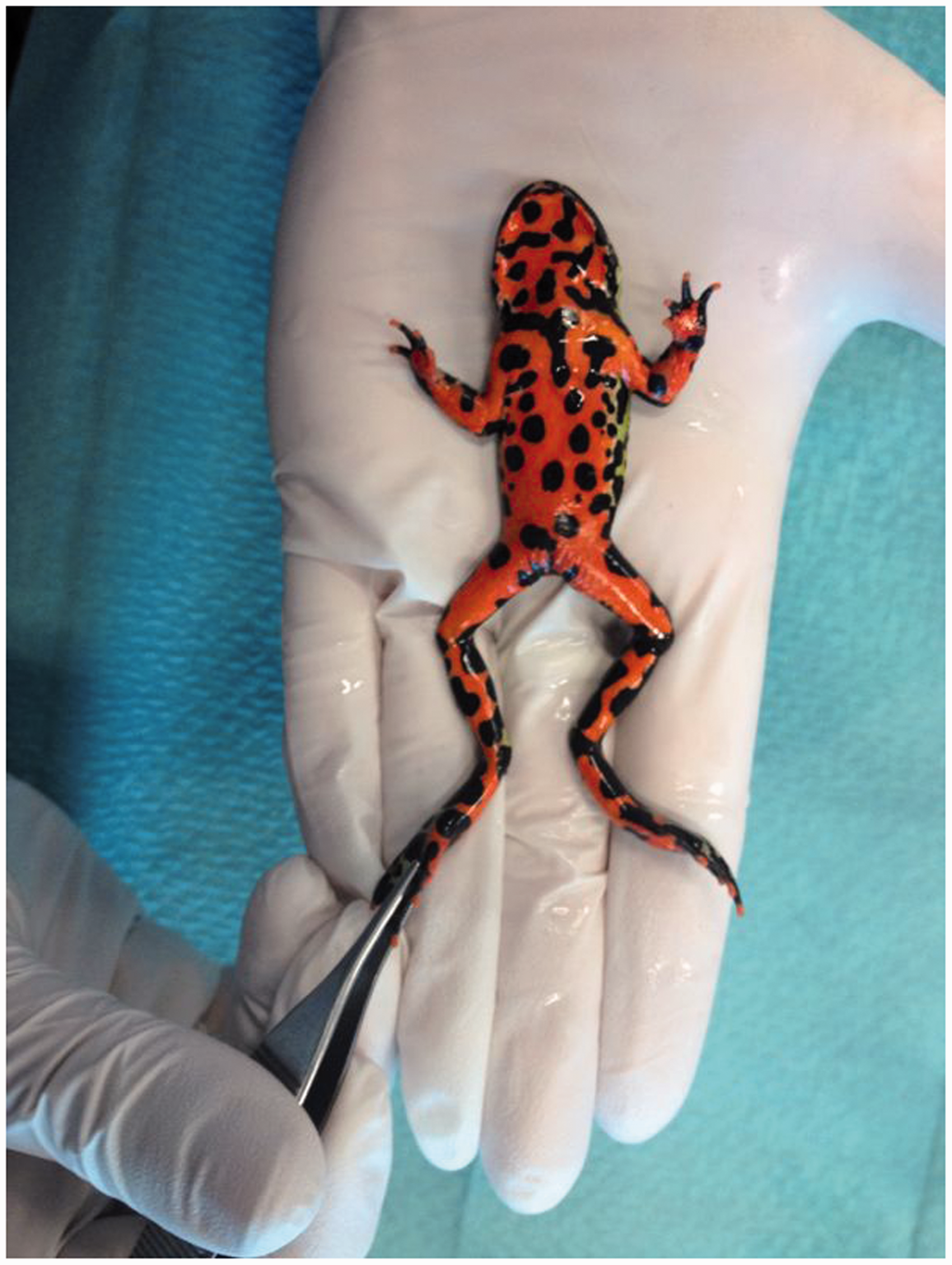
The toads were left undisturbed in the anaesthetic bath for 20 min. The time to anaesthetic induction, defined as the number of minutes elapsing from immersion to complete immobility, head down position and loss of responsiveness to gentle stimulation with a stick, was recorded. After 20 min of immersion, the toads were removed from the anaesthetic bath and placed in individual recovery boxes with transparent walls and a humidified floor. The same parameters evaluated during examination prior to anaesthesia were then recorded at 5 min intervals until recovery from anaesthesia, defined as the occurrence of spontaneous righting reflex in the non-stimulated frogs. The time to surgical anaesthesia, defined as the number of minutes from immersion to loss of NWR, righting and myotactic reflexes, was recorded, as well as the time at which the first spontaneous movement occurred. In addition the toads were observed at 1, 2, 3, 6, 12 and 24 h after recovery. The occurrence of undesired effects, namely vomiting, skin erythema and/or changes in pigmentation, severe cardiorespiratory depression (defined as HR and RR decreases by more than 50% of the baseline values), and death were observed and recorded.
A decision tree, summarized as follows, was used to establish the etomidate concentrations to be sequentially tested during the first phase. In cases where the initial 25 mg/L etomidate concentration either did not produce anaesthetic induction, or induced anaesthesia without causing side-effects, but failed in producing surgical anaesthesia, then the concentration to be tested in the next animal was incremented by 100%. If, on the contrary, the initial 25 mg/L concentration resulted in anaesthetic induction and surgical anaesthesia but also caused severe cardiorespiratory depression, then it was decreased by 50% for the subsequent animal. In case severe cardiorespiratory depression did not occur but other non-lethal side-effects deemed undesirable by the investigators were observed, then the initial concentration was decreased by 25%. Finally, in case any of the tested concentrations resulted in severe cardiorespiratory depression, or in any other undesired effect deemed unacceptable by the investigators, but produced neither anaesthetic induction nor surgical anaesthesia, the experimental trial was interrupted. In accordance with the 3R principles, during this phase only one toad was used to test each new anaesthetic concentration.
The anaesthetic concentration was defined as effective when it produced both anaesthetic induction and surgical anaesthesia without resulting in severe cardiorespiratory depression, and when immobility and loss of righting reflex were achieved for a minimal duration of 20 min from bath removal. When such a concentration was identified it was tested in two other toads and, only in the case of consistent results, was it then chosen as the final concentration to be used in the second phase of the trial.
Second phase
The effective concentration of etomidate for bath immersion established on the basis of the results of the first phase was tested in eight other toads. Monitoring of anaesthesia and data collection were performed as for the first phase of the study. Additionally, the von Frey filaments test was used to determine the mechanical nociceptive threshold. A series of filaments whose thickness ranged from 3 to 12 was applied sequentially on the dorsal aspect of the tibia, at mid-distance between the stifle joint and the tarsus, until limb withdrawal was observed (Figure 2). Each tested filament was applied once. The von Frey filaments test was performed every 5 min, from removal of the toads from the anaesthetic bath until recovery.
Application of a von Frey filament on the dorsal aspect of the pelvic limb, at mid-distance between the stifle joint and the tarsus.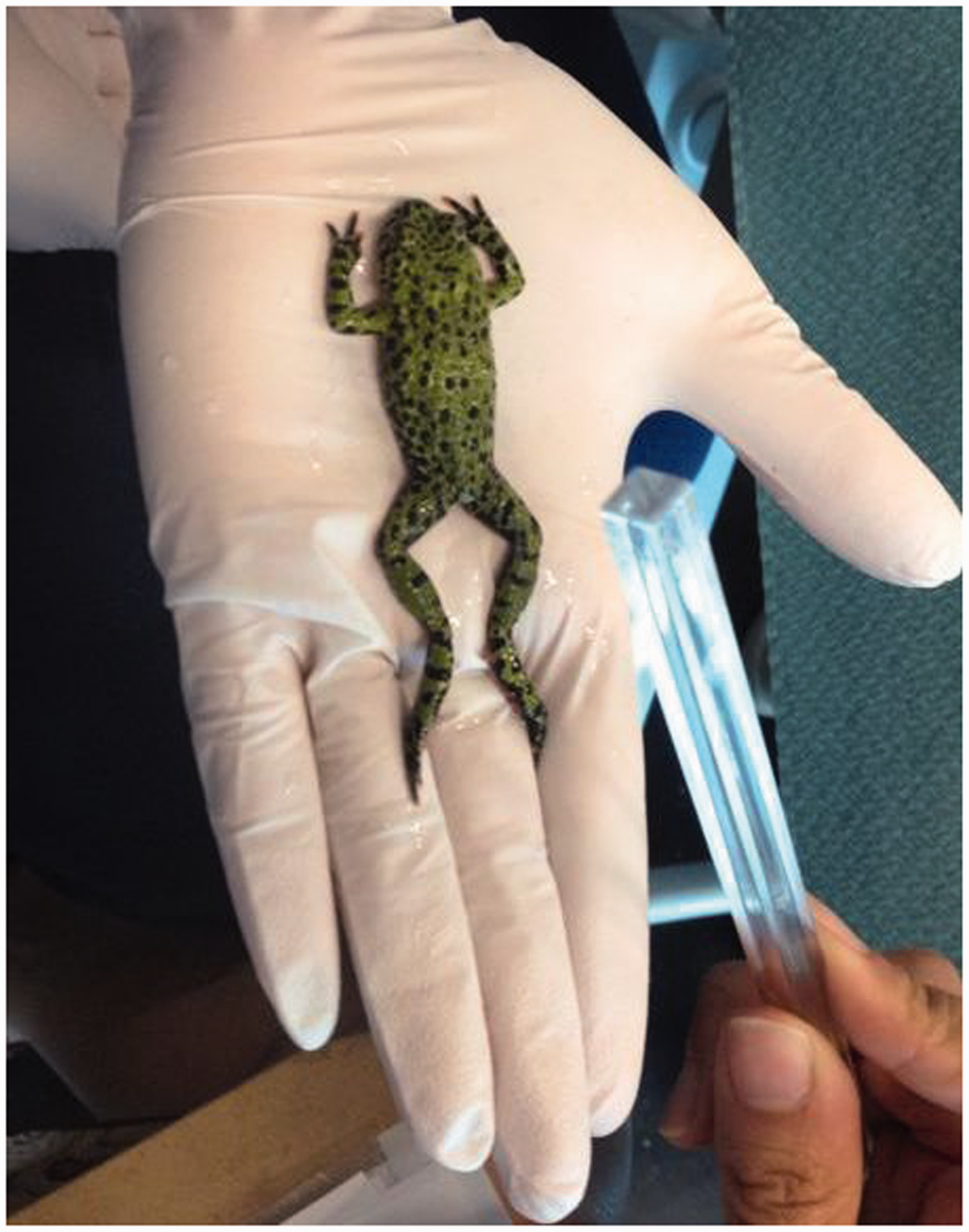
Statistical analysis
For statistical analysis, commercially available software NCSS-2007 (NCSS LLC Kaysville, UT, USA) and SigmaStat and SigmaPlot 12 (Systat Software Inc, San Jose, CA, USA) were used. The data obtained from the three toads of the first phase receiving the effective etomidate concentration were analyzed together with the data obtained from the animals enrolled in the second phase of the study. Normality of data was tested with the Kolmogorov-Smirnov test and the Shapiro-Wilk test. The cardiorespiratory and behavioural variables recorded at 5 min intervals were used for either one-way analysis of variance (ANOVA) or Kruskal-Wallis one-way ANOVA on ranks where it applied, with the time point as grouping factor. Either the Bonferroni test or the multiple comparison Z-value test (Dunn's test) were used to compare the values recorded during the anaesthetic period with the baseline. The Spearman correlation coefficient was used to determine the association between von Frey filament threshold and NWR score. For the latter, the baseline values were excluded and only data collected during anaesthesia were used for comparison with the von Frey filament threshold. P < 0.05 and Z > 1.96, respectively, were considered to be statistically significant.
Results
Data are presented as means ± standard deviations, or medians and ranges where adequate.
First phase
The pH of the solution was 7.2, therefore no pH adjustment was necessary prior to immersion of the animals in the anaesthetic bath. Three consecutive steps were necessary to establish an effective etomidate dose. The etomidate concentrations sequentially tested were 25, 50 and 37.5 mg/L. The initial concentration caused induction of anaesthesia, which lasted 20 min from removal from the anaesthetic bath, but surgical anaesthesia was not achieved. On the contrary, 50 mg/L etomidate produced both induction of anaesthesia and surgical anaesthesia which lasted 40 min following removal of the toads from the anaesthetic bath. Because side-effects, namely itching and myoclonus, occurred at both induction and recovery, according to the study plan the drug dose was decreased by 25% to reach a final etomidate concentration of 37.5 mg/L. The latter was found to be effective, and was therefore selected as the drug concentration to be tested in two other toads. Because the findings from these additional animals were consistent with those obtained from the first toad receiving the 37.5 mg/L etomidate, in accordance with the study plan it was decided to use this concentration for the second phase of the trial. A total of five animals were used in the first phase.
Second phase
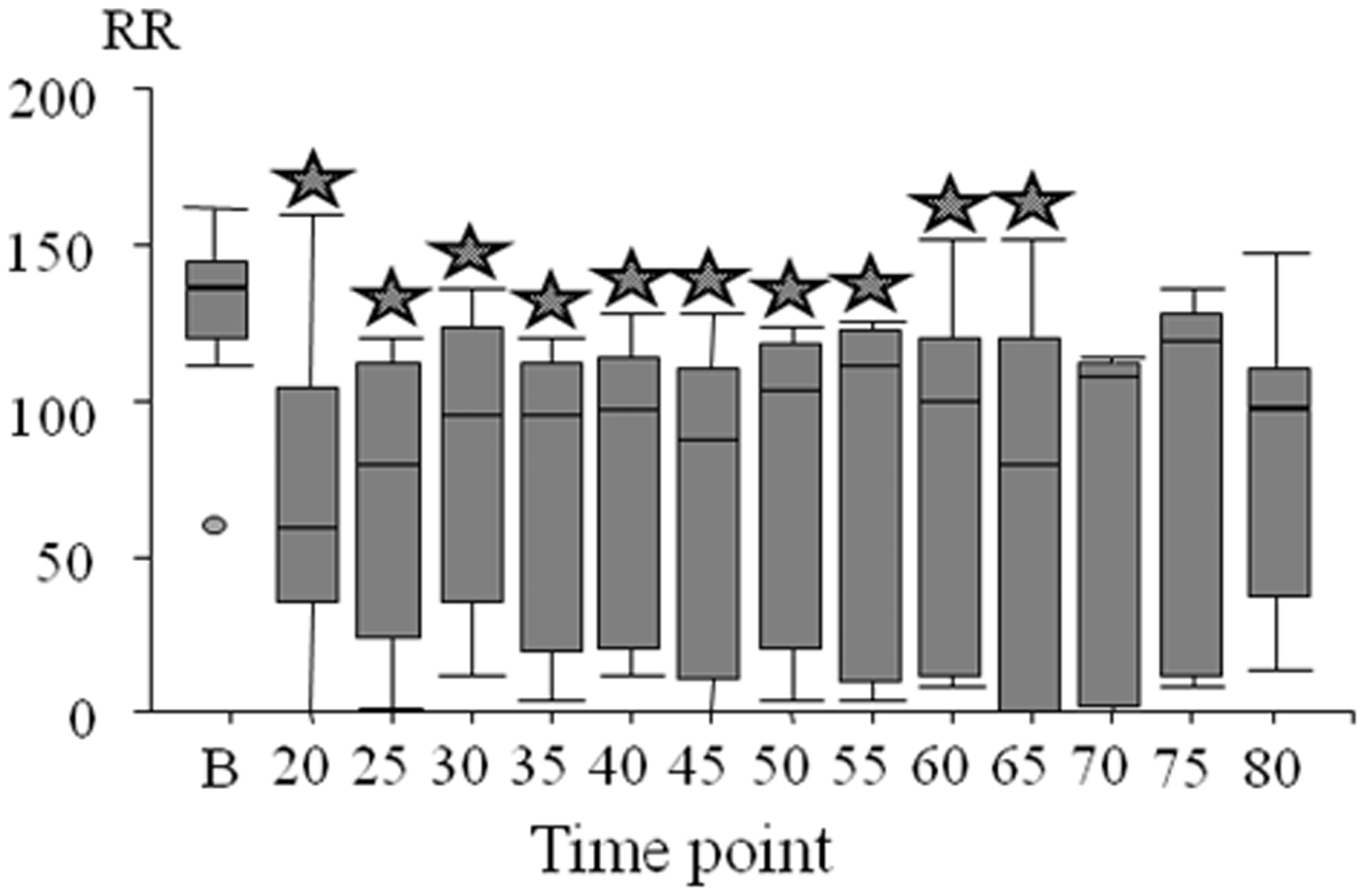
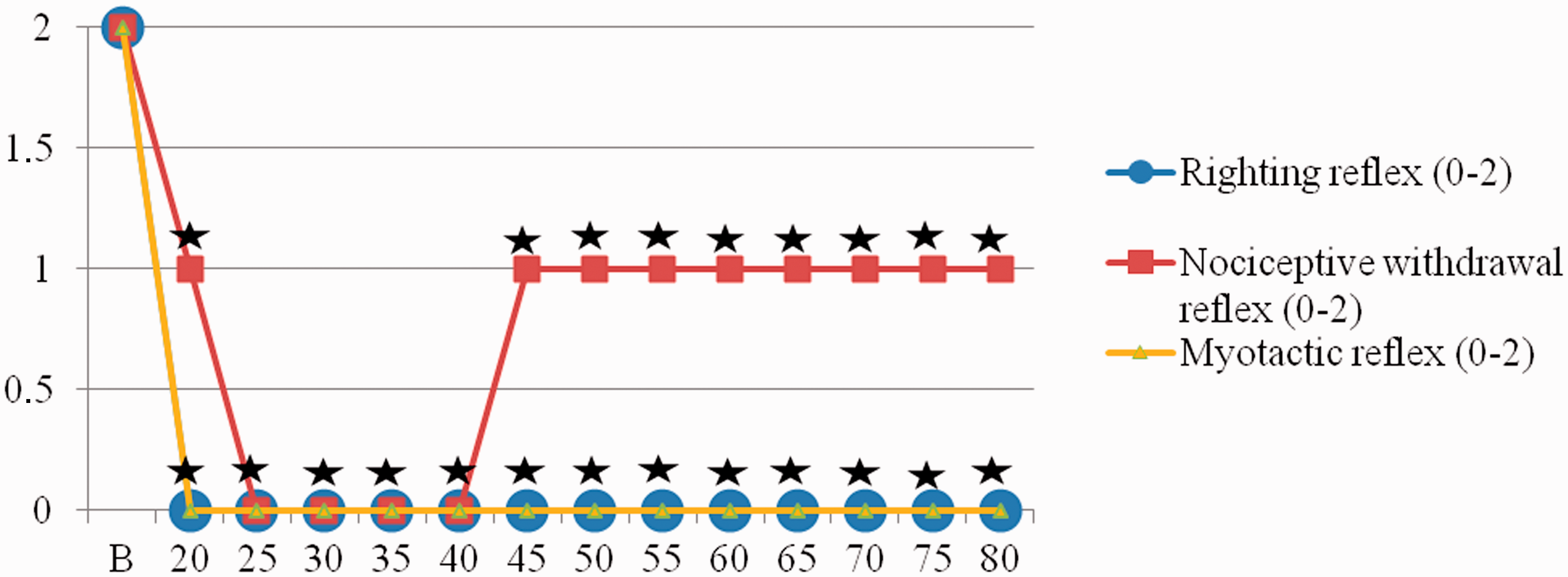
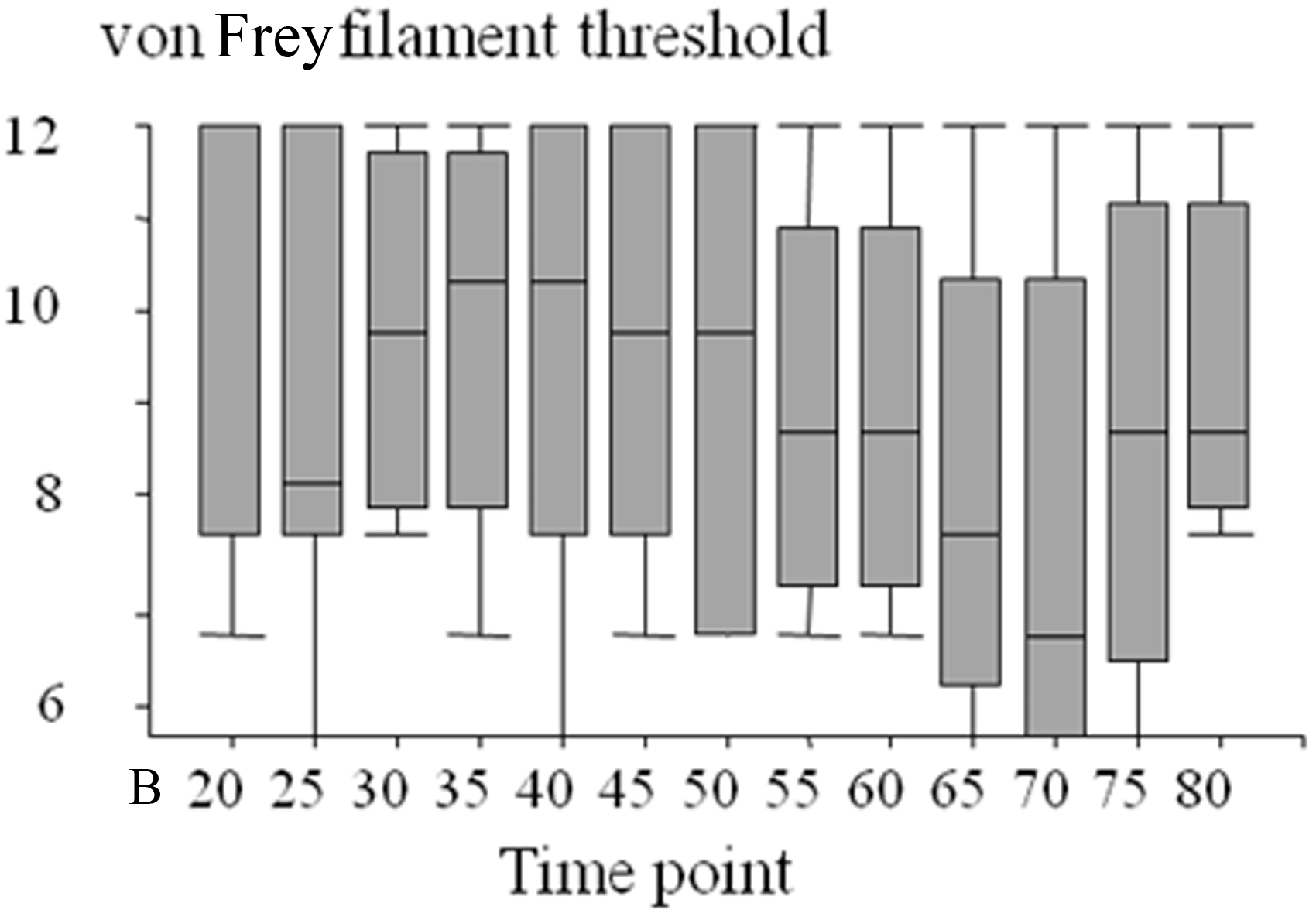
General anaesthesia was achieved in all but one toad enrolled in the second phase of the study, whereas surgical anaesthesia was achieved in eight out of 11 animals. Data for HRs and NWR score, but not for RRs, righting and myotactic reflex scores, and von Frey filament threshold, were normally distributed. The time of elapse between immersion and anaesthetic induction was 9 ± 3 min, whereas surgical anaesthesia was achieved at 24 ± 4 min from the immersion of the toads in the anaesthetic-containing solution and lasted 23 ± 18 min. During anaesthesia, cardiorespiratory variables, as well as the righting, myotactic and NWR scores, showed a tendency to decrease compared with the baseline values (Figures 3–5). Such decreases were statistically significant for NWR (P = 0.0028) and for the righting (P = 0.0049) and myotactic (P = 0.001) reflexes. The von Frey filament threshold showed a tendency to increase during the time of elapse between removal of the toads from the anaesthetic bath and time point 50 (Figure 6); however, no statistically significant differences were detected between time points. No statistically significant correlation was found between the NWR score and the von Frey filament threshold (Spearmann coefficient: –0.1; P: 0.36). Severe respiratory depression was observed in six out of 11 animals, all of which were enrolled in the second phase of the study. The first movement and recovery from anaesthesia occurred at 47 ± 33 and 75 ± 49 min, respectively, from removal of the toads from the anaesthetic bath. However, in two animals coordinated active movements were observed not earlier than 134 and 124 min, respectively, from the reappearance of the righting reflex. Besides the long duration of the anaesthetic effects, other undesired side-effects of etomidate observed during the recovery phase were itching, especially in the periorbital area (5 out of 11 animals), and myoclonus (6 out of 11 animals). The latter was characterized by extension of the neck and both front and pelvic limb muscles, and these were observed during the induction of anaesthesia and also at recovery. All animals recovered from anaesthesia but were found to be alert and active only at the last post-anaesthetic examination (24 h after bath immersion).
Means and standard deviations of heart rates (HR) (beats per minute) of Bombina orientalis anaesthetized with etomidate by the immersion technique. B: baseline; the following time points are minutes after the beginning of the immersion of the toads in the anaesthetic bath. Box plot of the respiratory rates (RR) (breaths per minute) of Bombina orientalis anaesthetized with etomidate by immersion technique. B: baseline; the following time points are minutes after the beginning of the immersion of the toads in the anaesthetic bath. The stars indicate that there is a statistically significant difference between the time point and the baseline (Z > 1.96). The box and the line represent the interquartile range and the median, respectively; the whiskers indicate the minimum and maximum. The dot indicates an outlier. Medians of righting, nociceptive withdrawal and myotactic reflex scores of Bombina orientalis anaesthetized with etomidate by the immersion technique. B: baseline; the following time points are minutes after the beginning of the immersion of the toads in the anaesthetic bath. The stars indicate that there is a statistically significant difference between the time point and the baseline (Z > 1.96). Box plot of the von Frey filament threshold (filaments tested: from 3 to 12) of Bombina orientalis anaesthetized with etomidate by the immersion technique. B: baseline; the following time points are minutes after the beginning of the immersion of the toads in the anaesthetic bath. The box and the line represent the interquartile range and the median, respectively; the whiskers indicate the minimum and maximum.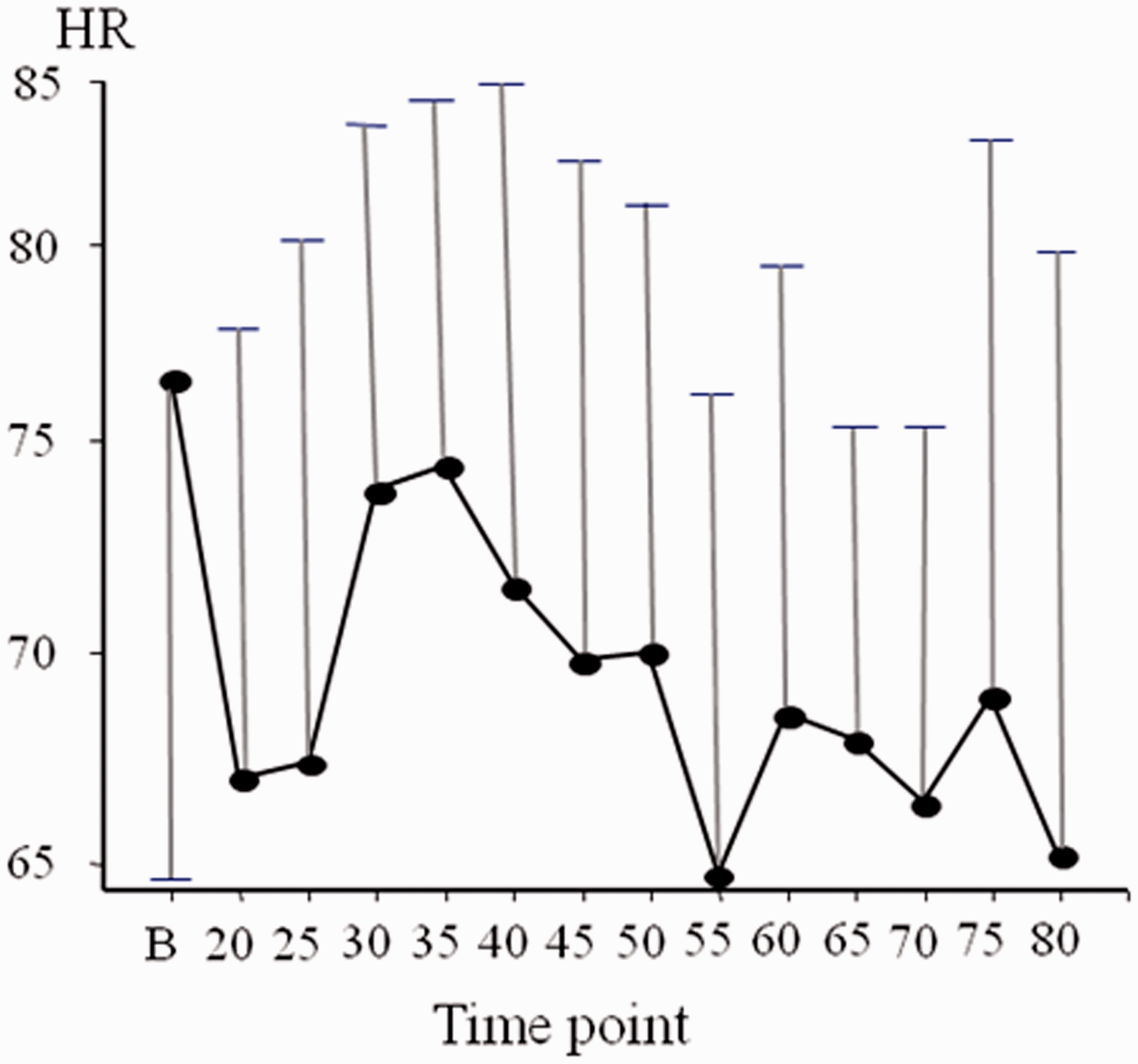
Discussion
The main finding of this study is that etomidate immersion is a suitable anaesthetic technique for oriental fire-bellied toads, as it produces a state of surgical anaesthesia of duration sufficient to allow completion of various experimental procedures, without resulting in lethal complications.
Although not classified as an analgesic, etomidate did produce antinociceptive effects in the toads enrolled in this trial. These effects may be attributed to the modulation of spinal GABA-A receptor circuits, which have been proved to have important implications for pain processing in various mammalian species. Indeed, it has been demonstrated that many compounds exerting agonistic effects on the GABA-A pathways are capable of mediating profound analgesia in animal models of inflammatory and neuropathic pain. 26
The average duration of surgical anaesthesia was 20 min, which is a reasonable time for completing many routine laboratory procedures involving oriental fire-bellied toads, such as limb amputation and removal of embryos. However, whether the etomidate-induced antinociception would be adequate for major surgical procedures in experimental toads remains an open debate. Indeed, although both the NWR and the von Frey filament test are widely used in amphibians,27–29 one limitation of this study is the lack of their validation in Bombina orientalis. The von Frey filaments have been designed to be used in human patients and their applicability in non-mammalian species cannot be assumed. In the present study, indeed, a limited series of filaments was used because filaments thicker than 12 were found to be inapplicable as they produced iatrogenic skin injuries. As a consequence, the reliability of the aforementioned test as a mechanical nociceptive model in Bombina orientalis is unknown. Additionally, the lack of correlation between the two mechanical nociceptive tests used in this study raises further questions about their usefulness and reliability in oriental fire-bellied toads.
Although all the toads enrolled in the study survived the anaesthesia and long-term complications did not occur, it is debatable whether the side-effects observed could be regarded as minor. Itching may have been the result of skin irritation, which in turn could be associated with alterations of the cutaneous homeostasis. Considering that skin is generally accounted the most important organ system in amphibians, performing the functions of respiration, moisture regulation and fluid transfer, even a transitory iatrogenic cutaneous damage may be regarded as an unacceptable complication in toads. Therefore, it is imperative that the solution used for immersion anaesthesia should be non-threatening to the amphibian skin. Despite both temperature and pH of the immersion bath being kept within physiological ranges for the species, the etomidate lipidic emulsion itself may cause tissue irritation, as demonstrated by the fact that pain upon intravenous injection is one of the most common side-effects observed in humans following etomidate induction. 30
Interestingly, myoclonus occurred during both induction and recovery from anaesthesia, similarly as in 50–80% of non-premedicated humans, 31 and was regarded as a minor side-effect. Indeed, the possible cause of myoclonus during anaesthesia induction using etomidate is thought to be subcortical disinhibition rather than the result of a cortical, seizure-like activity. 31 Nevertheless, in addition to decreasing the quality of anaesthesia, myoclonus may also increase intraocular pressures and therefore lead to eye globe injuries. 31
Beside itching and myoclonus, etomidate immersion produced consistent, though non-statistically significant, cardiorespiratory depression. However, the biological relevance of this finding is questionable. Fire-bellied toads are capable of hibernation and their heart, respiratory and metabolic rates can greatly decrease in response to changes in environmental conditions. As a result, it is reasonable to assume that the physiological changes observed following etomidate immersion are to be interpreted differently than they would be in mammalian species. Because all the toads successfully recovered from anaesthesia, the authors conclude that the observed cardiorespiratory depression was mild and should not negatively affect the suitability of the described technique in the Bombina orientalis species. Furthermore, because the baseline values – to which each variable was compared to during anaesthesia – were measured under manual restraint, it is difficult to precisely determine whether the cardiorespiratory depression had actually occurred.
Another drawback of etomidate immersion was the prolonged recovery phase and the delayed return of normal motor function. Because oriental fire-bellied toads are a semi-aquatic species, a state of post-anaesthetic residual sedation in unguarded animals would carry a risk of drowning. This may be particularly undesirable in the laboratory setting where, owing to the intense workload and to the considerable number of animals used for each trial, the frogs allowed to recover from anaesthesia should be returned to the home terrarium as soon as possible.
In conclusion, and with a recognition that our results were achieved in a limited number of animals, etomidate immersion can be used in oriental fire-bellied toads to produce surgical anaesthesia. However, because of the occurrence of the undesirable side-effects of skin irritation and delayed recovery, it is opened to debate whether this anaesthetic technique is safe, and this should thus be further investigated.
Footnotes
Funding
This research received no specific grant from any funding agency in the public, commercial, or not-for-profit sectors.
Conflict of interest statement
The authors have no conflicts of interest to declare.