




Abstract
This study aims to assess the hybridization effect on the perforation threshold of Low-Velocity Impact (LVI) in thermoplastic glass composite laminates, incorporating layers of resin-impregnated stainless-steel mesh. Reinforcing methodologies such as hybridization are recently being adopted as a practical approach to increasing the energy-absorbing capacity of polymer composites. In the current paper, a multi-step hot press lamination method has been employed to fabricate the hybrid composite laminates strengthened with stainless-steel mesh layers. Several stacking sequences, metal mesh wire sizes, orientation and position relative to the impactor have been examined under various LVI energies. It was revealed that the LVI penetration energy was increased for the thermoplastic-based composite laminates reinforced with stainless-steel mesh layers. Furthermore, the LVI penetration energy threshold was significantly influenced by the metal mesh wire size, orientation and stacking sequence. Finally, the backlight method capability was assessed to detect the after-impact interlaminar damages.
Introduction
Despite being used in advanced applications, fiber-reinforced composite materials are prone to impact damages, stemming from sources such as a hard projectile, runaway debris, hail or drop of a tool. Even barely visible indentations under specific impact energies can cause internal damages, including matrix cracking, delamination and fiber breakage, which drastically degrade the performance of composite laminates. It has been revealed that the LVI behavior of composite structures is dependent on their fabrication, material system, geometry, impactor parameters and environmental conditions.1–3 Furthermore, empirical studies have proven that the tup configuration, fiber volume fraction and laminate thickness can significantly affect the LVI perforation energy of composite laminates.4,5 In the context of LVI loading, the importance of geometric factors is intensified due to their global target response. 6 In contrast to the impactor’s mass and velocity, which have negligible effects on the penetration point, the applied energy magnitude dominantly controls the LVI behavior.7,8 In addition to the ambient temperature, fiber architecture and resin toughness can determine the outcomes of the LVI tests.9,10
Woven composite laminates have higher toughness than the unidirectional ones, experiencing an unstable crack growth and crack jumps propagation pattern. Because of their enhanced toughness, the presence of woven layers suppresses the delamination initiation point, leading to lower Compression After Impact (CAI) properties.6,11–14 Fiber composites reinforced with thermoplastic matrix are resistant to impact damages, in contrast to the thermoset based laminates which have inferior toughness properties.1,15–18 Vieille et al. examined the influence of resin on the LVI behavior of carbon fiber composite laminates. Due to its specific energy absorption performance, the glass fiber composite laminates reinforced with the Polypropylene (PP) resin gained interest in recent research.19–21 Boria et al. performed a thorough empirical investigation of the mechanical properties of a PP-based composite laminate under repeated LVI scenarios. 22 It was concluded that modifying the resin materials can govern the impact perforation energy, damage propagation, and permanent after-impact deformation of composite plates.23,24 Moreover, inspecting the impacted samples introduces the matrix plasticization and straining of the whole yarn as the primary energy-absorbing mechanisms within the thermoplastic-based Glass composites. 25 Hence, not only the woven thermoplastic-based composites are the preferred choice withstanding higher impact energies, but also they are more sustainable due to their economical manufacturing process and recyclability. 26
Nowadays, hybrid metallic composites are increasingly acknowledged, mainly due to their elasto-plastic energy-absorbing characteristic, which improves impact penetration threshold.27–33 Aluminium layers and core structures used to manufacture hybrid composite laminates and sandwich panels showed their capability of improving the impact response even against high-speed ballistic projectiles.34–36 Using thin wire stainless-steel fibers can potentially reinforce the composite laminates under various loading scenarios. Furthermore, LVI tests revealed that hybridizing the composite laminate using metal fiber layers with larger wire diameters, increases the impact perforation energy.37–40 A couple of scholars also studied the effect of metal mesh layers as the strengthening component of hybrid composite plates. The mesh size and stacking sequence effect of hybrid laminates were examined under tensile loading conditions, which resulted increased stiffness and ultimate strain of these samples. Moreover, it was noted that in addition to the stacking sequence of reinforcing metal mesh layers, fiber direction and fabrication process pressure can affect the laminates’ tensile and flexural performance.41–44
Wang et al. designed a special clamping fixture to perform LVI on neat stainless-steel mesh at various impact conditions.45,46 To the best of the authors’ knowledge, there is a limited number of studies on hybridizations using metal mesh as the reinforcing layer. It was depicted that strengthening the composite laminates with steel mesh enhances the impact perforation energy threshold. Moreover, it was understood that the position of the mesh layer relative to the indenter plays a significant role in the damage extent of thermoset composite laminates.47,48 In a previous study, the influence of hybridization on thermoplastic samples manufactured by the double-belt lamination method has been studied. 49 However, due to the fabrication procedure limitations, composite layers with low fiber content were selected, providing excess thermoplastic resin to improve the adherence between the composite layers and reinforcing metal mesh. In the current research, a multistage approach is considered to fabricate the hybrid thermoplastic laminates using a hot press machine. Because of the relatively higher viscosity of thermoplastic PP resin, introducing it to this application required specific assessments. Since the lamination procedure includes pre-impregnation of stainless-steel mesh layers, glass composite layers with 60% fiber weight fractions were used. Incorporating the impregnated metal mesh layers with PP resin allows the use of composite layers with higher fiber contents, while improving the layers’ adhesion. Lastly, the main focus is to evaluate the effect of stainless-steel mesh size, stacking sequence, orientation, and layer count on hybrid thermoplastic-based composites under various LVI loading energies. The effect of these factors needed to be determined for the thermoplastic-based composite laminates; therefore, a wide range of LVI tests were performed to assess the influence of hybridization on these plates. In addition to the perforation impact energy threshold, laminates were closely examined to assess their LVI response, after-impact deformation and the extent of damage.
Experimental procedures
Materials and fabrication process
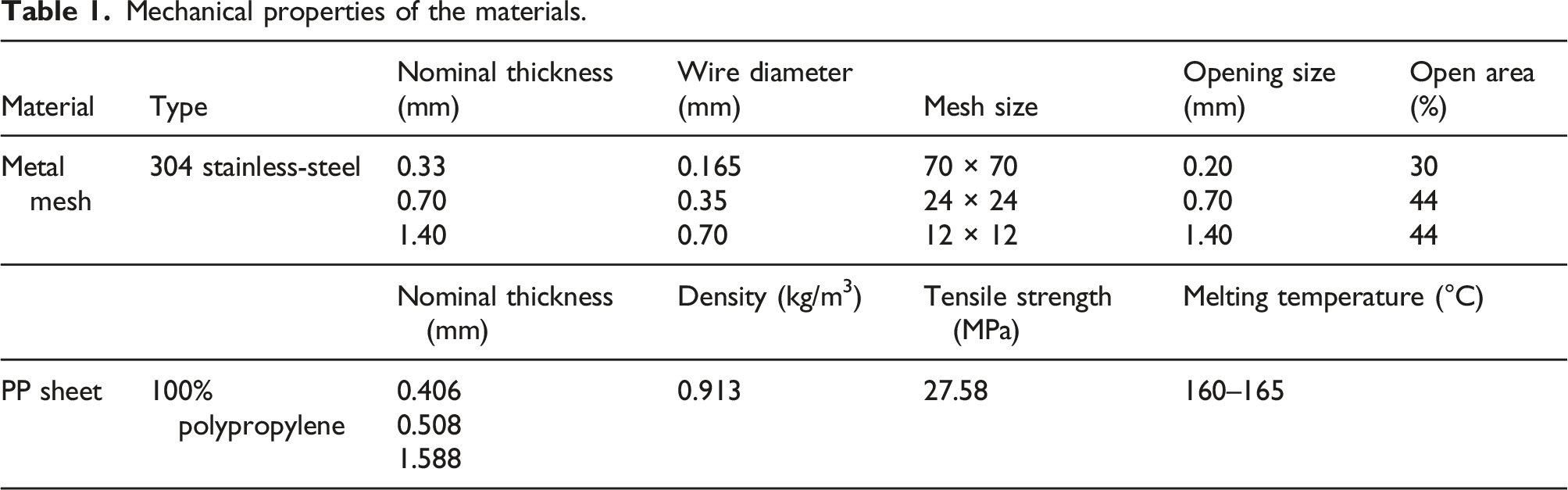
Mechanical properties of the materials.
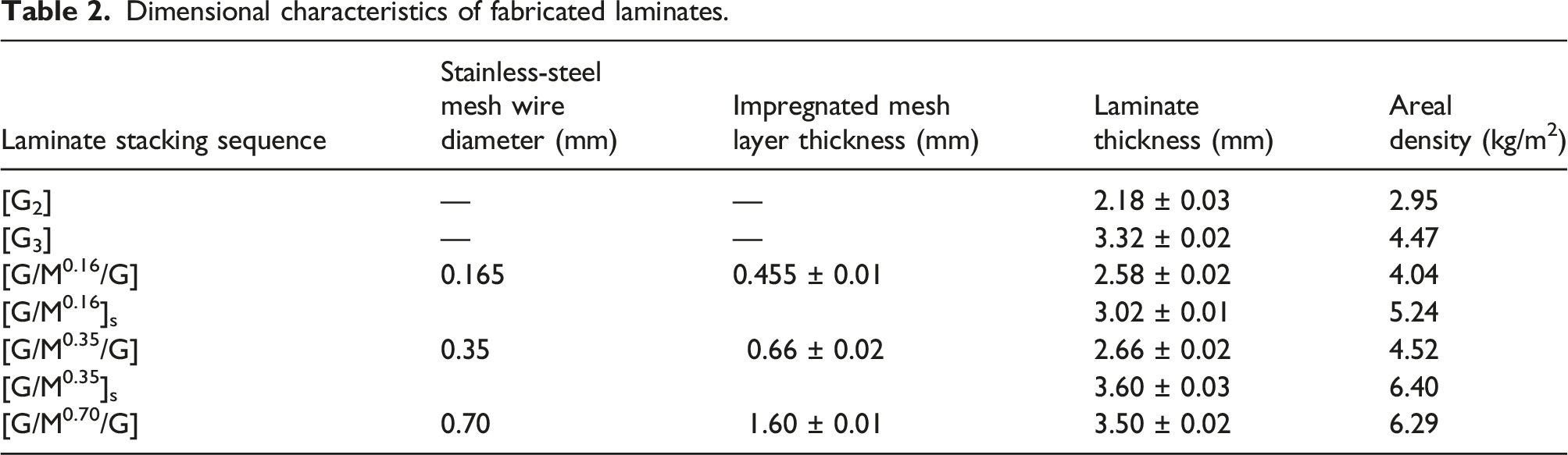
Dimensional characteristics of fabricated laminates.
The cross section of the fabricated laminates was examined under an optical microscope to assess the impregnation of layers. As Figure 1 presents, the open areas of stainless-steel mesh were adequately filled with PP, which formed a robust interlayer connection, particularly in hybrid laminate. The magnified regions adjacent to the stainless-steel wires depict a satisfactory impregnation of the metal mesh with PP resin. Microscopic picture of the non-hybrid and hybrid composite plates, (a) [G2], (b) [G/M0.16/G], (c) [G/M0.35/G], (d) [G/M0.70/G], (e) [G2/M0.16], (f) [G2/M0.70], and (g) [G/M0.7045°/G].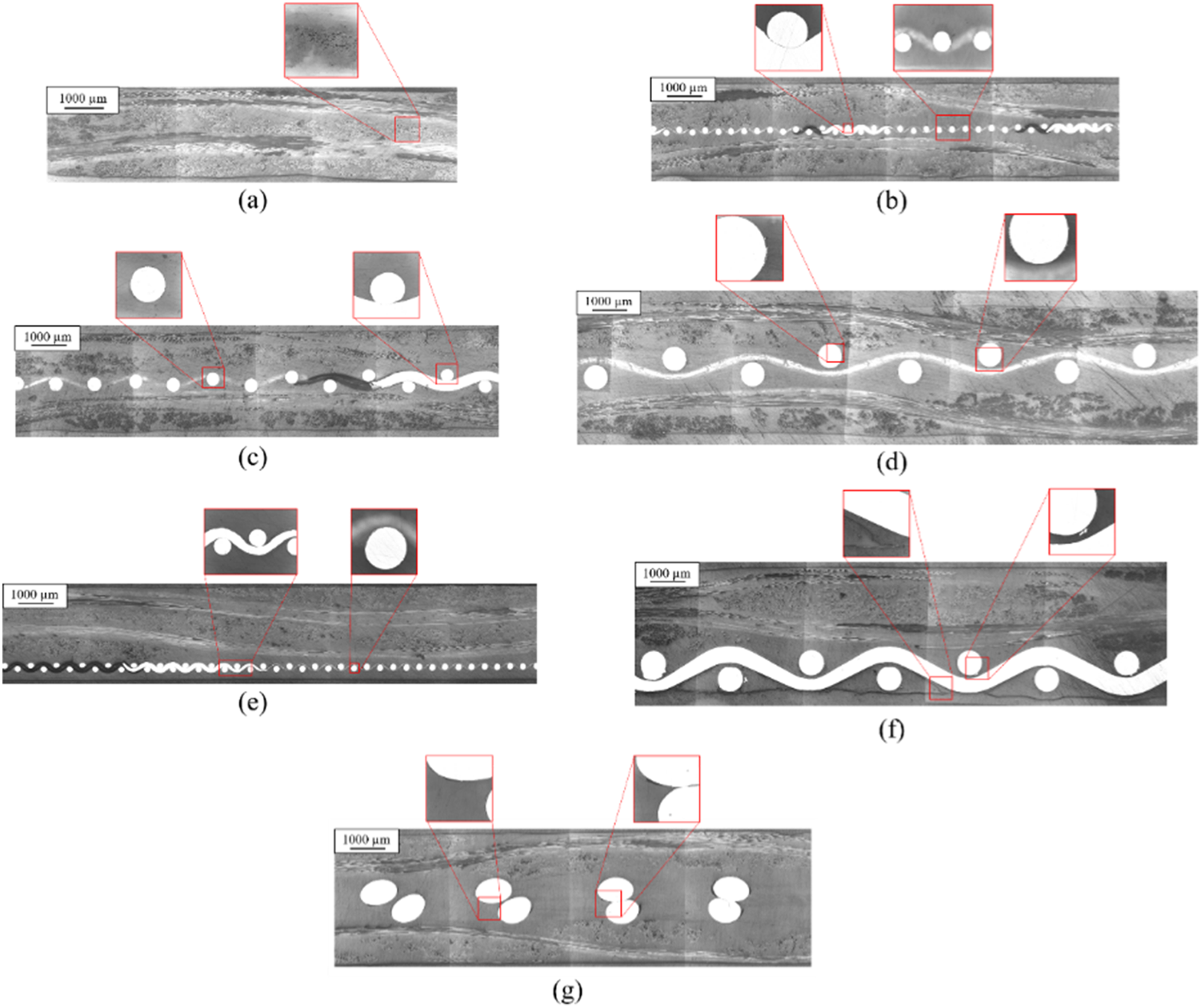
Tensile properties of laminates
Mechanical tensile properties of impregnated stainless-steel mesh, hybrid and non-hybrid composite laminates.
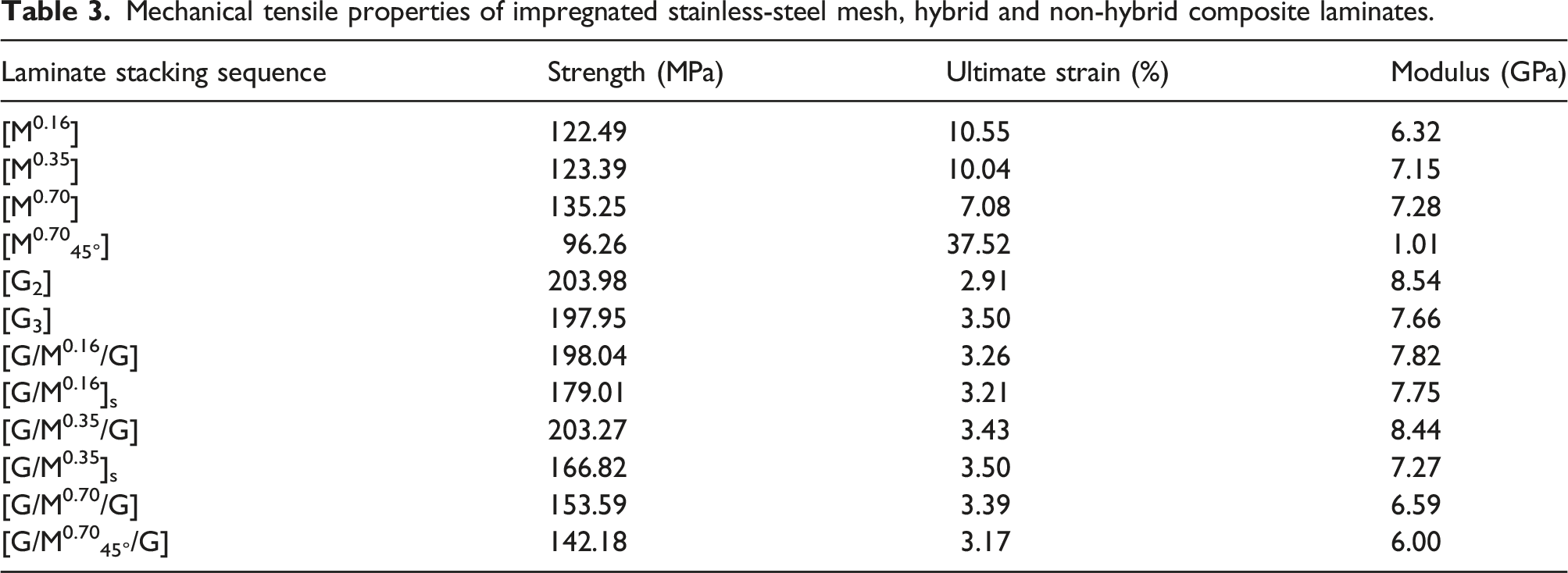
Hasselbruch et al. investigated the influence of hybridization on the mechanical properties of thermoplastic Carbon/PPS composites reinforced with steel wire mesh. 43 After a linear elastic phase, a non-linear plastic deformation followed by a stepwise consecutive failure of wires was observed in hybrid samples under quasi-static tensile loading. In the current study, an analysis was conducted on the impregnated metal meshes and hybrid composite laminates. Woven impregnated mesh layers followed the same elasto-plastic path, where wire failure happens in an incremental sequential manner. It is worth mentioning that the impregnated [M0.7045°] mesh plate displays a significantly increased plastic response under tensile load, which is substantiated by its ultimate strain characteristic. Moreover, the ultimate strain and modulus are affected due to the capacity of woven metal mesh to stretch when pulled during the tensile test. The hybridized specimens did not undergo complete separation into two distinct pieces subsequent to the initial catastrophic failure, since some of the metal mesh wires remain connected to the composite layers. Furthermore, the disparity in material properties between the impregnated metal mesh and Glass/PP layers caused a reduction in hybridized laminates strength under the tensile loading conditions.
Drop weight impact tests
The Instron 9340 drop tower impact machine, instrumented with a 22 kN load cell, is used to conduct LVI tests following the ASTM D7136 and D376351,52 standard routines. The composite laminates were trimmed to the dimensions of 110 mm × 110 mm. A pneumatic circular clamp with 76 mm inner diameter secures the samples in place, being hit by a 16 mm diameter hemispheric tup, depicted in Figure 2. Multiple LVI tests with impact energies ranging from 15 J to 70 J were performed to examine the performance of both hybrid and non-hybrid composite laminates. In order to mitigate the influencing factors, impact velocity is maintained around 3.03 m/s to 3.11 m/s; therefore, LVI tests should be conducted within a controlled range of drop weight height, spanning from 468 mm to 493 mm. Considering the specified impact conditions, additional mass is incorporated to achieve a striker mass range of 3.265 kg to 14.765 kg. The impact machine’s data acquisition system records the force-time data at a sampling frequency of 2000 kHz. Besides, a Piezoelectric sensor captures the striker’s speed precisely at the impact initiation. These collected data have been used to calculate the impactor velocity, displacement, and energy responses.9,53 The Instron 9340 drop weight impact machine equipped with pneumatic circular clamps with an inner diameter of 76 mm.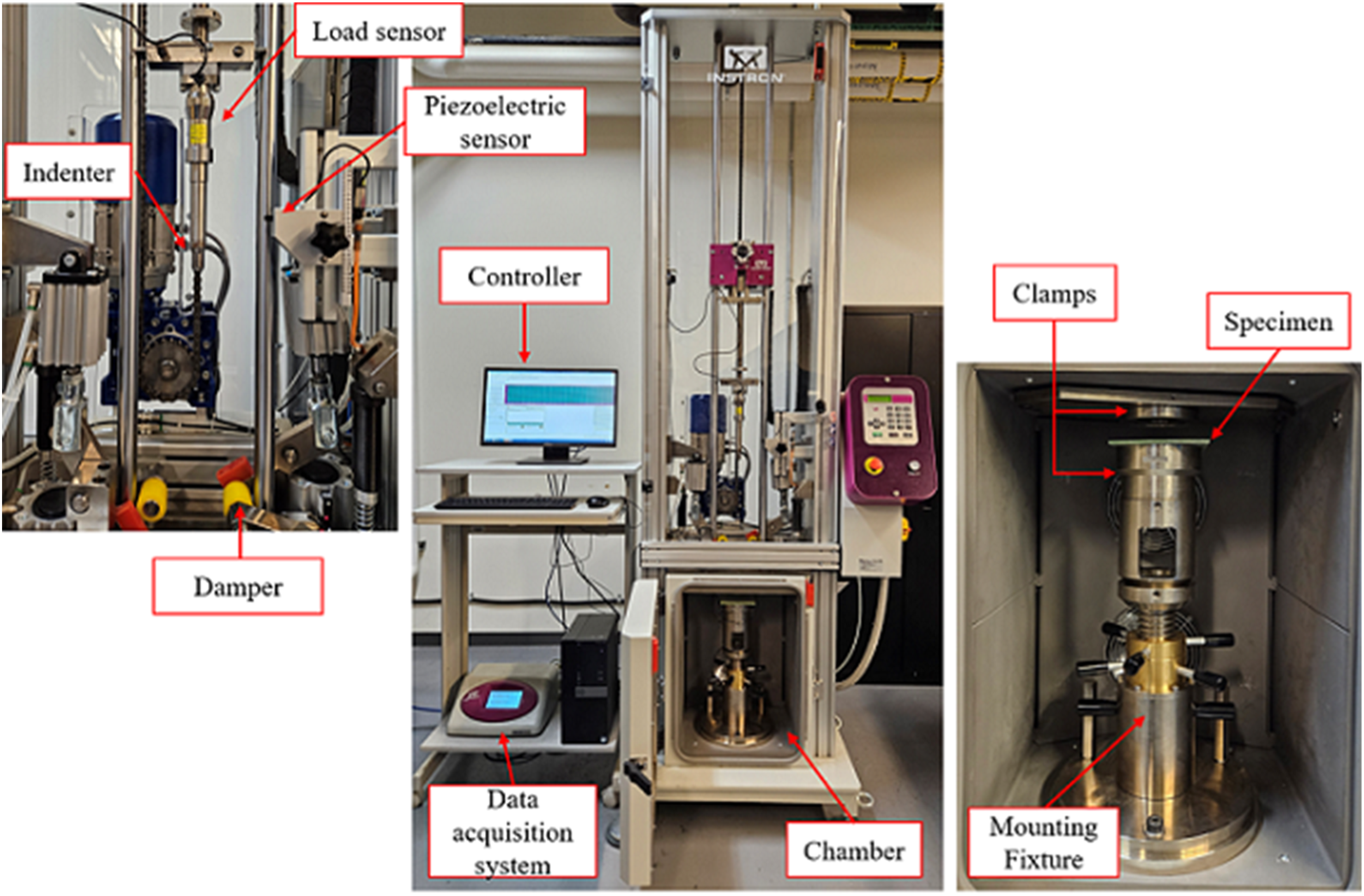
The permanent indentation depth of the impacted samples was measured using a dial gauge with a precision of up to ±0.01 inches. Furthermore, an assessment of the deformation of the impacted laminate is conducted in close proximity to the impact zone at a radius of 10 mm from the center. Finally, to elucidate the extent of damage after impact, supplementary photographic documentation is crucial. It was revealed that damages can negatively affect the translucency of the Glass/PP composite laminates.25,49 Hence, the backlight method is considered to be a viable damage detection approach for the current investigation as well. Damages such as cracks and delamination can block the light from passing through, which creates a regional contrast variation. For the inspection, the samples were placed between a light source and imaging system. The specimens were illuminated with a quad-LED true tone flashlight placed in the center of a cylindrical stand. A triple camera system with a 50-megapixel primary shooter (12-megapixel ultrawide, and 10-megapixel telephoto) positioned horizontally above the samples was used to capture pictures of the impacted samples. Lastly, image processing was done to improve the detection of damage zones modifying the contrast and sharpness of the images.
Results and discussion
LVI behavior of composite laminates can be markedly influenced by multiple factors including striker dimensions, boundary conditions, laminate thickness, impact energy, reinforcements and etc.4,5,9,53,54 Depending on the applied impact energy, composite laminates can show different responses. Under relatively low impact energies, a rebound situation is expected to happen. During this phenomenon, the striker bounces back upon hitting the laminate restoring the elastic energy portion of the laminate response. The remaining energy is absorbed by the laminate through a combination of plastic deformation, damage propagation and friction. Nevertheless, if the impact energy exceeds the perforation threshold, the applied energy is entirely absorbed during the impact process.
The current study focuses on the influence of hybridization on the LVI behavior of Glass/PP composites. At an industrial level, these laminates are ultimately expected to be used as the structural parts in prefabricated cabins commonly found in housing, cargo, or refrigerated trucks. These composite plates are exposed to impact events during their work life, or even within the installation and maintenance process. Therefore, hybridization could be presented as a valuable solution method capable of delaying the penetration of the structure’s composite surface under impact conditions. Three distinct stainless-steel mesh wire sizes were used in this project to determine the hybridization effect in contrast to the non-hybrid composite laminates. Ahmed et al. demonstrated that the position of metal mesh regarding the impactor can alter the perforation energy of hybrid glass/epoxy laminates. 48 Thus, three permutations of stacking sequences for hybrid laminates have been examined to evaluate their performance under LVI conditions. Furthermore, an assessment has been conducted on several laminates with different metal mesh layers’ count and orientation, aiming to identify the hybrid composite lamination which exhibits superior response. More details regarding the aforementioned tests have been presented in the subsequent subsections.
Influence of stainless-steel mesh wire diameter
In addition to the general rebound or perforating response of the laminates, force-displacement curves serve as a means to determine the bending stiffness, maximum force, and displacement. A series of LVI tests is performed to capture the exact required energy for laminates to reach the full plate perforation state. A comparison of LVI response of hybrid and non-hybrid [G2], [G3], [G/M0.16/G], [G/M0.35/G], [G/M0.70/G] laminates under various impact energies is done. Besides the hybridization influence, [G2], and [G3] non-hybrid composite laminates are examined in this research to evaluate the effect of laminate thickness as presented in Figure 3. Force-displacement, and energy-time response of the non-hybrid Glass/PP, (a) [G2], and (b) [G3] laminates under different impact energies.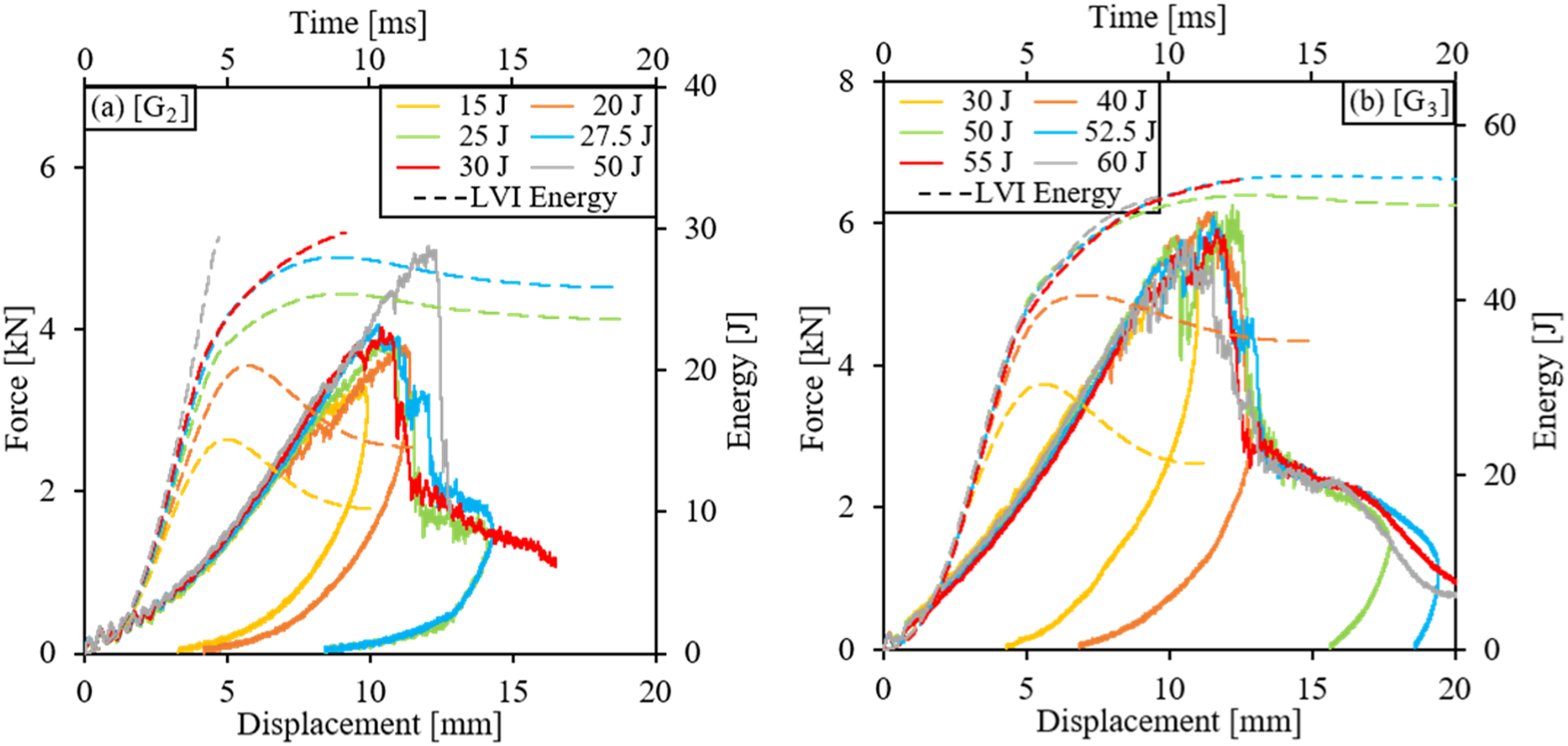
If the applied impact energy is insufficient for the striker to perforate the sample, the energy curve descends to the absorption energy level after touching the peak. In an impact test, a combination of energy-absorbing phenomena, including damage and plastic deformation can occur alongside friction. Within the force-displacement diagram, the samples’ deformation recovers at a point where the tup rebounds from the laminate. Thus, in rebound impact conditions the absorbed energy is a fraction of the total applied LVI energy since elastic energy is required to throw the tup back up. The dissipated energy is expected to reach the impact energy in a contact response, closely preceding the occurrence of the perforation phenomenon. 9 On the other hand, under a perforation impact energy, the striker penetrates the sample until being halted either by the machine’s dampers or becoming wedged into the sample.
Caprino et al. noticed that composite laminate thickness plays a significant role in the LVI perforation energy.4,5 As expected the perforation energy of the [G3] laminate increased by 75 % compared to the [G2] composite samples. Moreover, the average bending stiffness under LVI loading conditions for [G3] composites is 34.0 % higher than the [G2] laminates, which resulted in relatively reduced deformability of the [G3] plates. The noticed stiffness increase can be attributed to the thickness of the samples and fiber distance from the neutral middle plain. Consequently, the measured deformation in the vicinity of the impact site showed higher values for [G2] laminates, under lower impact energies. The difference between the samples’ deformation close to the impact site specifies that the state of damage is considerably localized for the [G3] laminates.
Hybridization is generally shown to be capable of improving the impact behavior of fiber reinforced composites.
55
Because of their elasto-plastic response, the metallic layers are capable of improving the energy absorption capacity of composite plates. Thus, in the current research, focus is drawn to the LVI behavior of composite laminates strengthened with stainless-steel mesh layers. Even though Ahmed et al. reported that hybridizing thermoset composite laminates using metal mesh effectively changes their LVI response, the effect of mesh size, particularly on the hybrid thermoplastic Glass/PP plates, is not well understood.
48
Due to the geometrical properties of the metal mesh, certain manufacturing obstacles were resolved, particularly during the impregnation of these layers. Unlike fibers, the metal mesh resists deformation during the manufacturing process, effectively preventing the resin washout. This is a substantial aspect that can significantly affect the overall performance of the hybrid composite laminates. Comprehensive data collected from the LVI tests on the hybrid composite plates has been presented in Figure 4 and Table 4 for various mesh wire sizes. Force-displacement and energy-time behavior of hybrid laminates under various impact energies, (a) [G/M0.16/G], (b) [G/M0.35/G], (c) [G/M0.70/G]. Summary of the LVI experiments on hybrid and nun-hybrid composite laminates under various impact energies.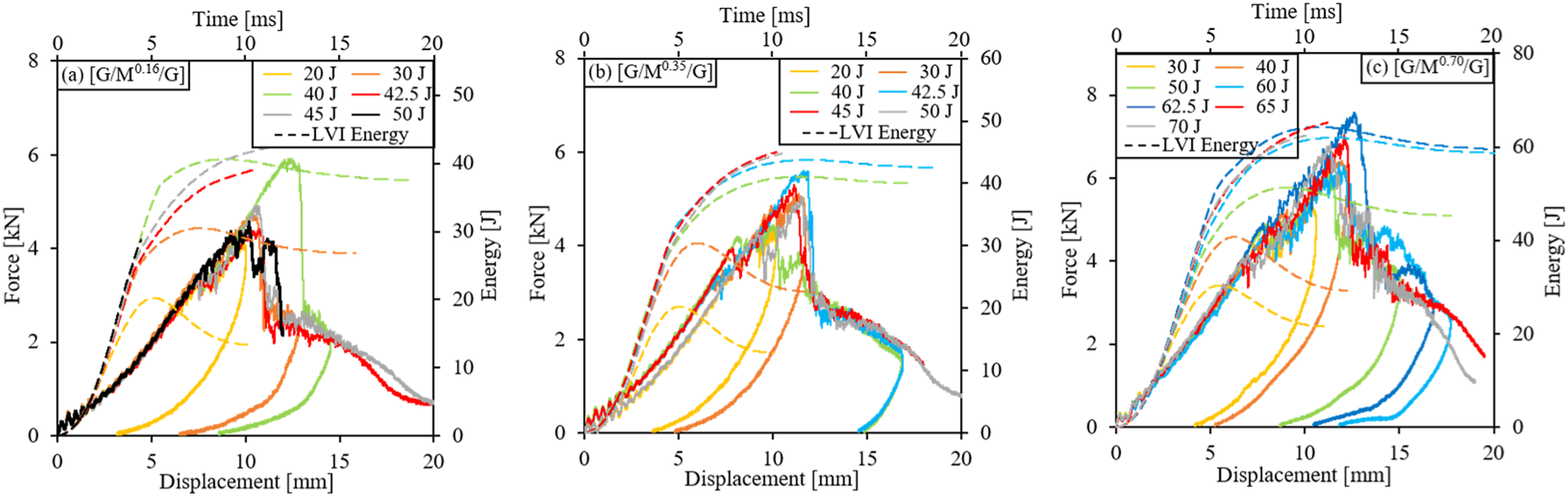
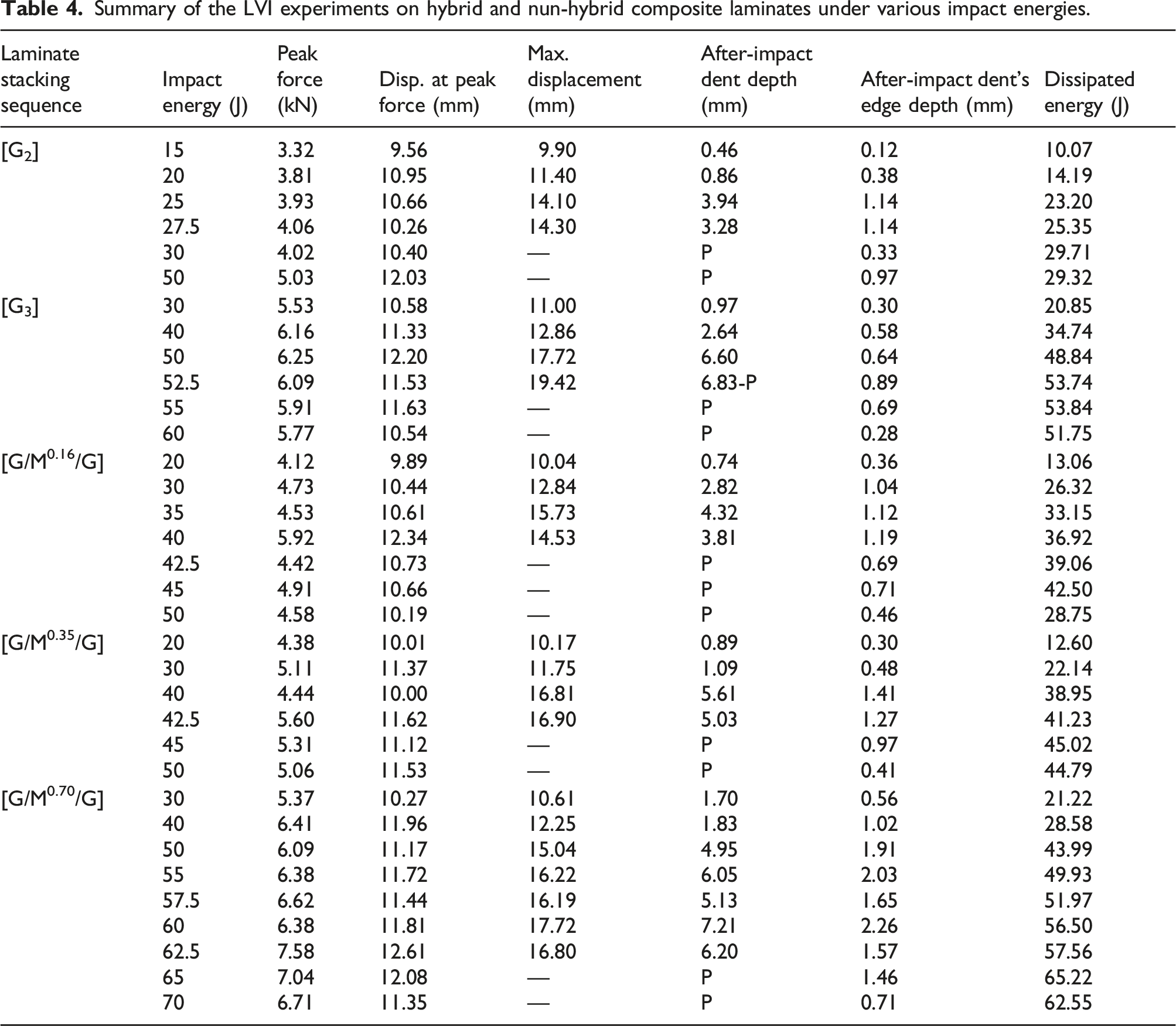
Compared to the non-hybrid [G2] laminates, the perforation energy of [G/M0.16/G], [G/M0.35/G] and [G/M0.70/G] hybrid ones increased 41.7%, 50%, and 117.7%, respectively. The energy absorption improvement in the hybrid laminates is attributed to a combination of damage and plastic deformation of the reinforcing metallic layer. Furthermore, the presence of the impregnated metal mesh layer recedes the Glass-PP layer further from the neutral line. Assuming the LVI loading imitates a semi-dynamic flexural condition, distancing the composite layer from its original location improves its impact performance. Hence, in contrast to the [G2] plate, the stiffness of the hybrid samples rises by 28.1 %, 30.8 % and 53.8 % with respect to the stainless-steel wire diameter increase. Table 4 summarizes the LVI results on hybrid and non-hybrid composite laminates subjected to various impact energies. It is worth mentioning that, the letter “P” determines the measured penetration energy thresholds under the LVI loading conditions in all the tables.
It is a well-established fact that damages occurring during the impact loading condition can deteriorate the load bearing capacity of the laminate; therefore, the first detectable drop in the force data is the representative of plate damage initiation. 9 Analyses revealed that damage initiation force directly correlates with the reinforcing wire mesh diameter. Furthermore, compared to the [G2] laminates, hybridization improved the composite laminate performance, experiencing higher force values before the first sign of the damage.
As previously mentioned, in a rebound LVI condition, a certain portion of the applied energy is recovered by the striker during the bounce back phenomenon. Yet, upon reaching the preformation state, the impact energy is fully absorbed by the laminate
9
; therefore, after the perforation initiation, the absorbed energy value recedes from the diagonal line within the energy profile diagram. In other words, the state at which the applied impact energy intersects with the absorbed energy along the diagonal line can be considered as the LVI perforation energy threshold. Figure 5 presents the various energy profiles for non-hybrid and hybrid composite laminates, simplifying the detection of perforation point. Energy profile of the hybrid and non-hybrid composite laminates.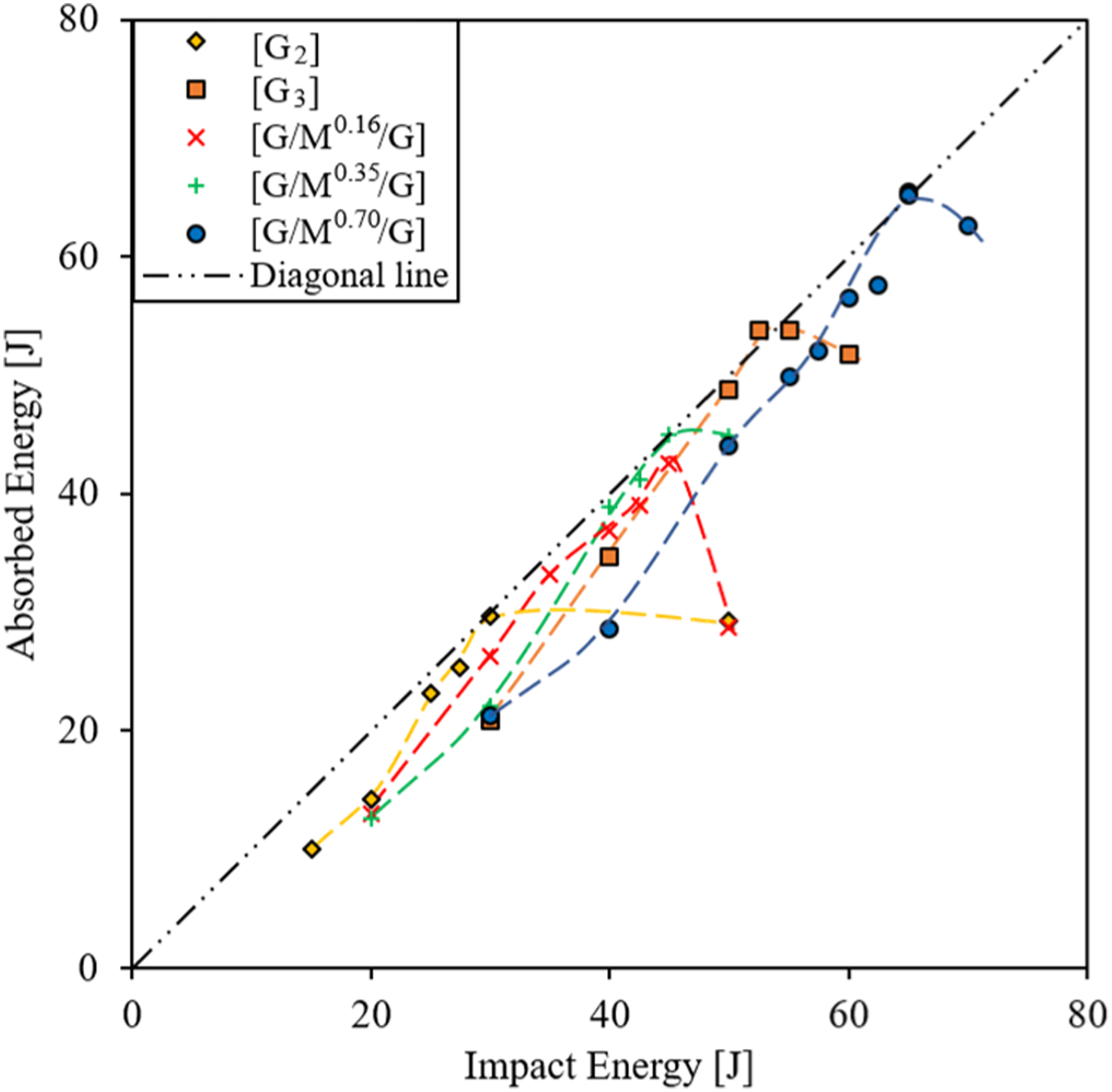
Capturing damage details in photographs for reflective pale surfaces such as Glass/PP composites, under normal light conditions is challenging. Nonetheless, since damages affect the transparency of the composite plate, they appear as dimmed areas when illuminated from the rear. By employing the backlight method, the extent of damage has been depicted in Figure 6 to examine the effect of hybridization, while the damaged zone is distinguished with dotted red lines. Being illuminated with a light source from the rear collision side, damage zones were clearly distinguished. Hence, this photography approach proved its capability to effectively emphasize the damaged regions in such thin transparent composite plates. The extent of damage under various LVI energies captured with backlight technique (impact side). (a) [G2]. (b) [G3]. (c) [G/M0.16/G]. (d) [G/M0.35/G]. (e) [G/M0.70/G].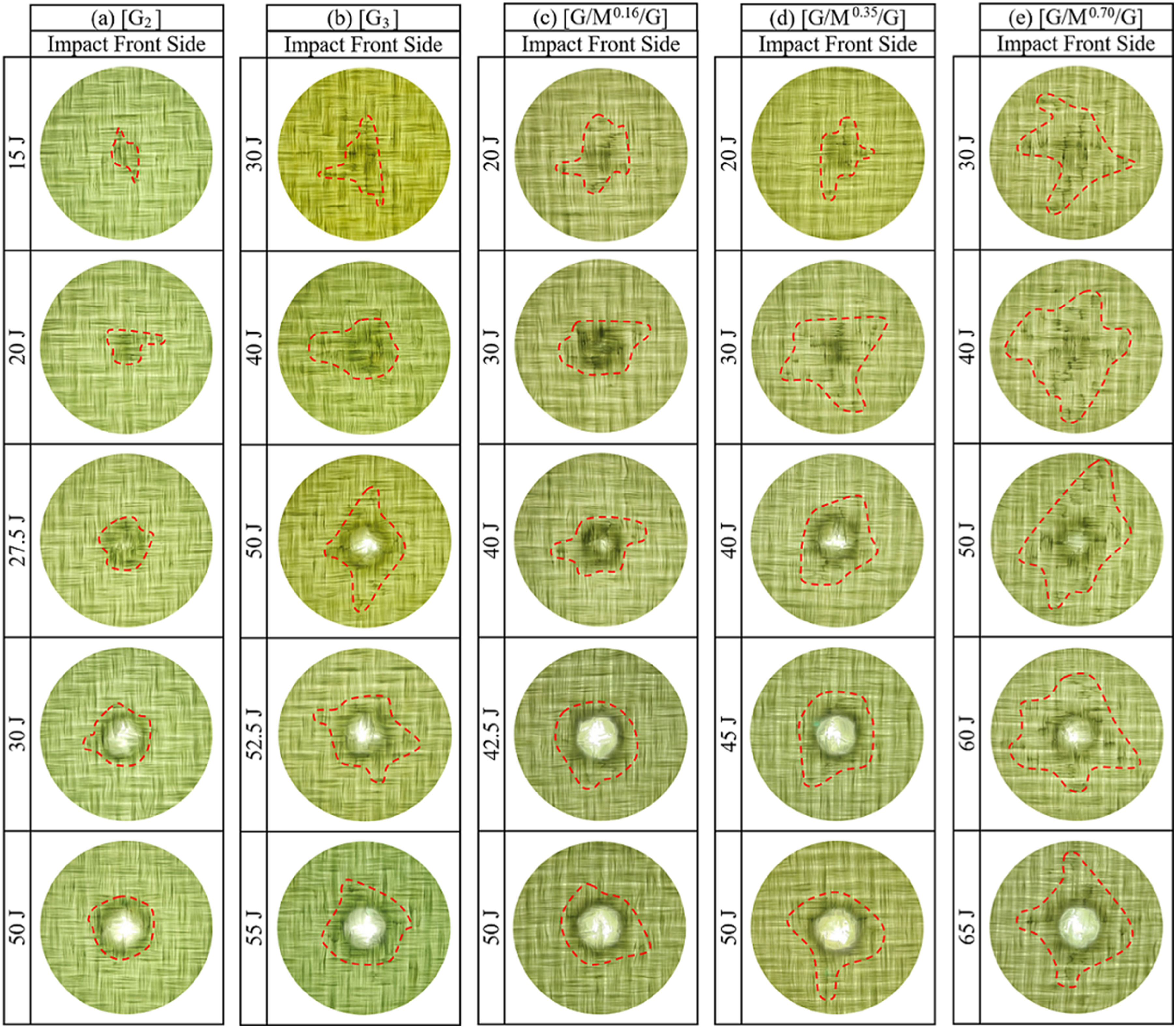
Shah et al. identified a range of damage mechanisms including matrix plastic deformation, matrix cracking, localized fiber breakage and fiber pull-out of glass thermoplastic composites under LVI loading. 25 In this research, laminates subjected to relatively low impact energies show a small indentation where the indenter contacts the sample. Using the backlight method, matrix cracks, delamination and damages that occurred in these laminates have been highlighted. Since the level of damage expands by increasing the impact energy, it is expected to see wider darkened regions using the backlight technique. Furthermore, other types of damage like fiber breakage and fiber pull-out form at the rear impact site. Compared to the non-hybrid laminate, damages emerge out of the indent zone for the laminates strengthened with stainless-steel mesh. Experiencing damage within a wider range from the impact point allows these hybrid laminates to absorb higher energies without reaching their penetration limits. Therefore, more extensive damage could be detected at a distance from the impact point, particularly for [G/M0.70/G] laminate, which exhibits permanent global deformation.
To ensure the thickness resemblance, the hybrid laminates were compared to the [G3] plates as well. Among the hybrid composite laminates, only the [G/M0.70/G] one outperformed the non-hybrid [G3] by 23.8% rise in the perforation energy. It has been observed that the laminate strengthened with 0.7 mm wire diameter mesh deforms globally due to its plastic behavior, while the [G3] laminates experience more localized damage. Here, the extent of damage at a point that the indenter touches serves as an indicator of localized damage, while the after-impact dent’s edge deformation is caused due to the structural plastic response. For instance, when subjected to a 50 J impact energy, the after-impact dent depth of [G3] sample reached 6.60 mm, exhibiting a near dent permanent deformation of 0.64 mm. Nonetheless, the hybrid [G/M0.70/G] laminate responded in a totally opposite manner under the same LVI conditions. The [G/M0.70/G] sample’s exact collision spot and its edge deformed 4.95 mm and 1.91 mm, respectively. Therefore, hybridizing the composite laminate with stainless-steel mesh layers proves advantageous to the structural energy absorption capacity under the LVI loading conditions.
Figure 7 provides a comparative analysis of [G3], and [G/M0.70/G] laminates under certain impact energies. Both laminates experience nearly identical maximum force, with the recorded force data experiencing a sudden decline when surpasses the maximum bearable load threshold. Yet, force reduces more drastically for non-hybrid composite laminates, while the hybrid ones can deform without significantly losing their strength. Because hybrid laminates experience higher force values at the same deflection levels, they can absorb higher impact energies. This specific behavior is attributed to the presence of stainless-steel mesh layer, which shows an elasto-plastic response causing permanent deformations further from the impact zone. The process of hybridization appears to involve a broader engagement of sample areas within the LVI response, which results in a complex performance causing damage and plastic deformation. A comparison of hybrid [G/M0.70/G] laminates responses versus the non-hybrid [G3] subjected to (a) 30 J, (b) 40 J, (c) 50 J, (d) 60 J impact energies.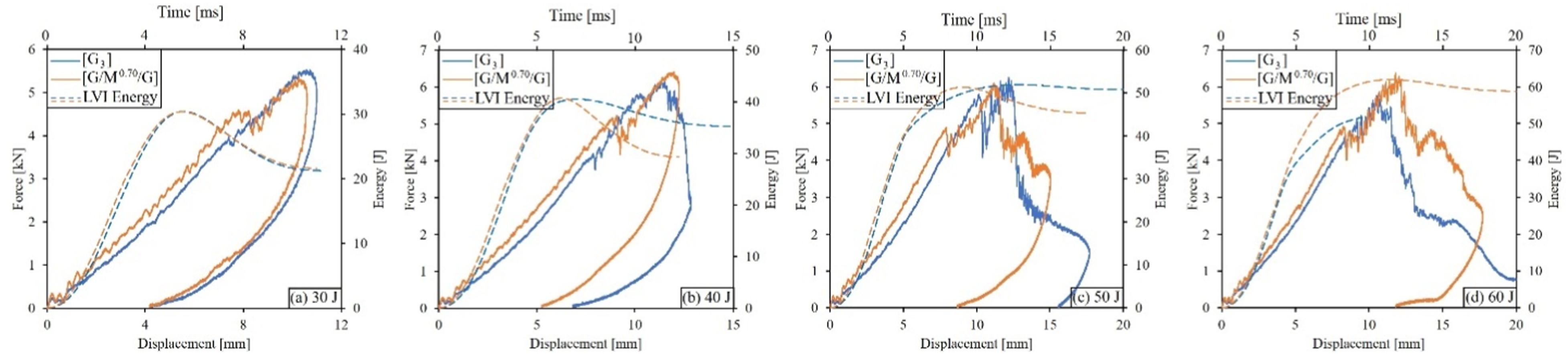
Research in the field of LVI has introduced the concept of global deformation in laminates as an energy-absorbing mechanism. Analysis of the post impact dent deformations has shown that laminates with lower penetration thresholds experience more localized damage, while those capable of withstanding higher impact energies exhibit global deformation.24,48,56 While the examined thermoplastic composite laminates exhibited a localized damage response, hybridization positively modified their LVI behavior. In other words, in contrast to the non-hybrid laminates, the hybrid ones undergo permanent deformation showing damages extending to the outer impact zone. Thus, in addition to their higher energy absorption capacity, composite laminates strengthened with metal mesh layers restore a certain portion of the plate’s deformation. In a rebound condition, the displacement at which the collected force data drops to zero represents the detachment of the indenter from the plate after striking the plate. Since hybridizing composite laminates changes the level of material’s engagement and response, the indenter separates at relatively lower displacements under rebound LVI loading. This specific performance accounts for the observed difference between the after-impact’s exact collision point and near dent deformations for [G/M0.70/G] and [G3] laminates, also shown in Figure 8. Section view of (a) [G/M0.70/G], (b) [G3] composite laminates after 50 J impact energy, illustrating the global and local deformations of impacted samples.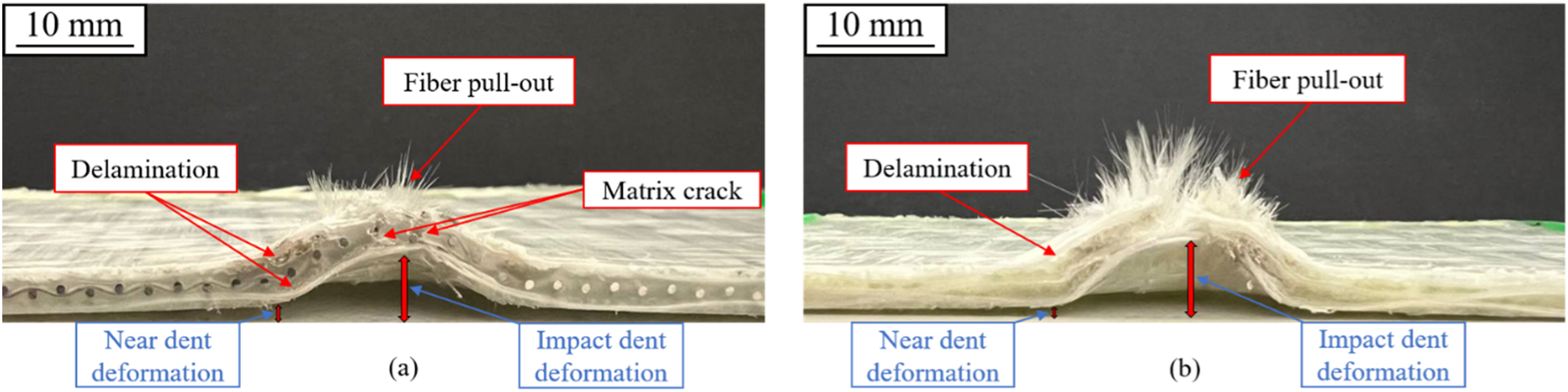
Stacking sequence effect
Ahmed et al. noticed that the position of the steel mesh layer can influence the LVI perforation energy of the hybrid thermoset Glass/Epoxy laminates.
48
In the current research, three different stacking sequences of hybrid composite laminates were analyzed in order to assess the effect of stainless-steel mesh layer position relative to the impactor. Although the LVI response of hybrid composite plates with a mesh layer placed at the mid-plane was studied in the previous sub-section, the influence of positioning this reinforcing layer either in front or rear impact side required more attention. It has been revealed that modifying the stacking sequence had a minor effect on the hybrid laminates behavior under LVI, particularly for small mesh sizes. Nevertheless, as Figure 9 illustrates, alterations were made to examine the reinforcing layup sequence of hybrid laminates strengthened with the 0.7 mm mesh wire diameter. A comparison of stacking sequence effect of the hybrid composite laminates reinforced with M0.70 mesh layer at (a) 30 J, (b) 40 J, (c) 50 J, and (d) 60 J impact energies.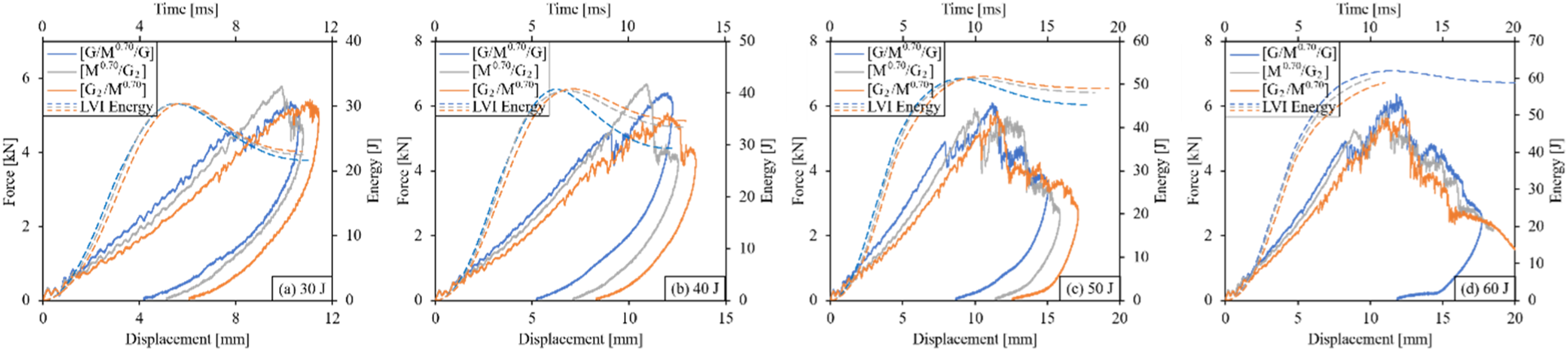
Summary of the LVI test results of [M0.70/G2] and [G2/M0.70] hybrid composite laminates at certain impact energies.
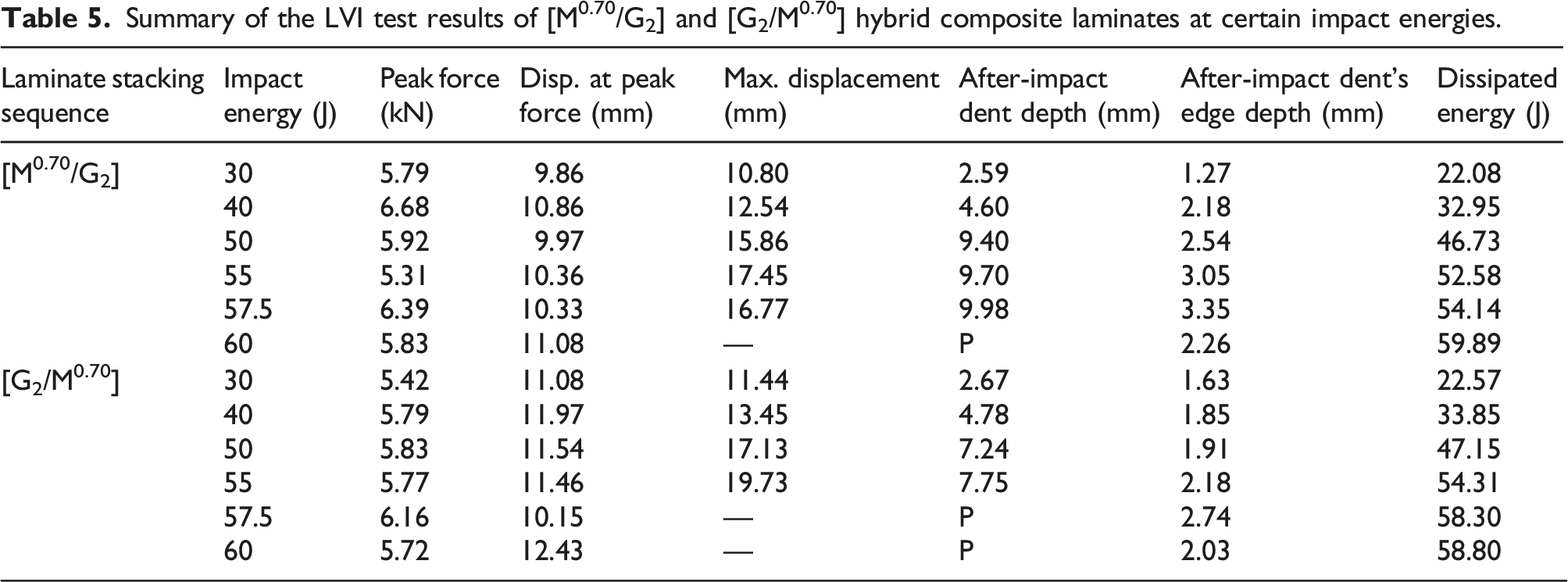
The backlight technique was found to be inadequate to examine the damage extent of [M0.70/G2] samples in which the stainless-steel mesh layer comes into contact with the indenter. When illuminated from behind, the current method effectively highlights cracks in the front layer. However, since the metal mesh itself significantly affects the transparency of the laminate, placing it on the impact fore side doesn’t assist with the exposure of damage details. Figure 10 illustrates the extent of damage for the selected stacking sequences at various LVI energies. Finally, analyzing the post impact behavior of the laminates showed that [M0.70/G2] laminates undergo substantial permanent deformation in contrast to the other two alternative layup options. It is evident that, due to its elasto-plastic response, the metal mesh layers can push the relatively stiff Glass/PP layers back. Comparison of the damage extent of [G/M0.70/G], [M0.70/G2], and [G2/M0.70] hybrid composite laminates under various LVI energies.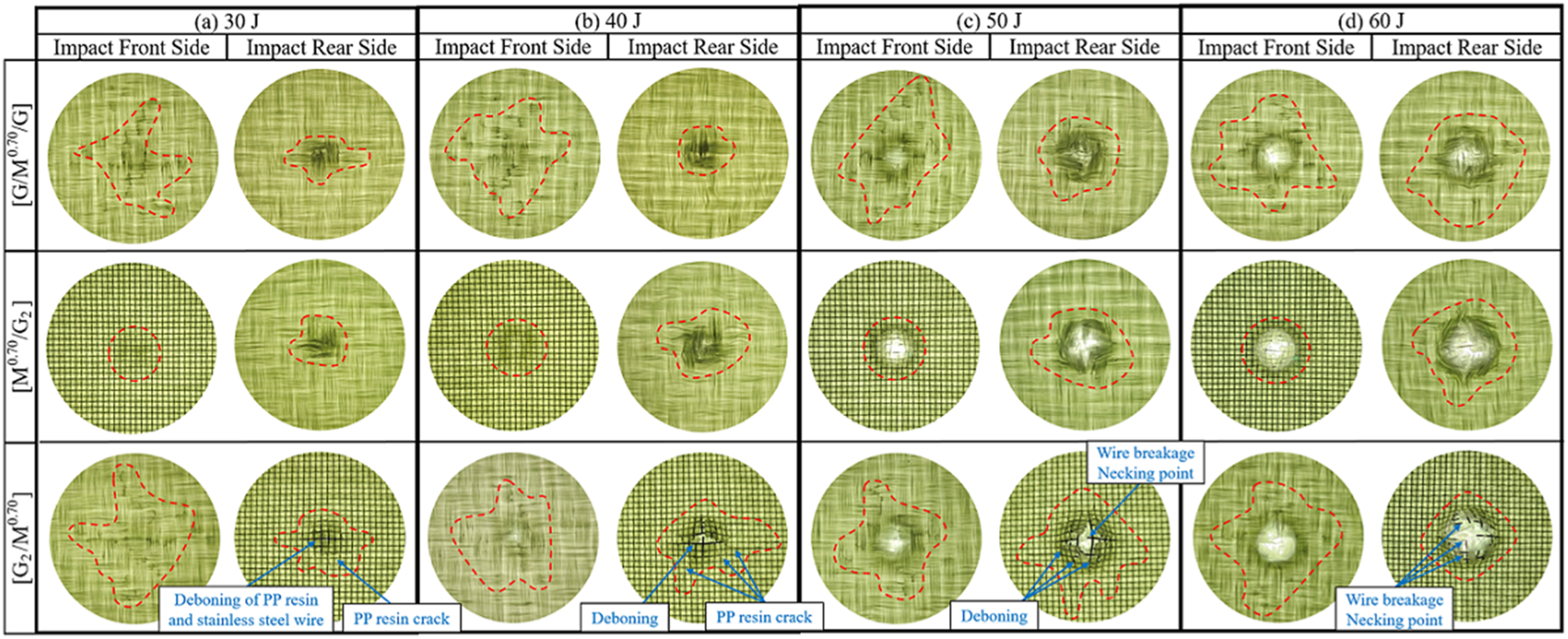
For [G2/M0.70] laminates, where the reinforcing metal layer experiences tension load, cracks occur within the PP material. Under higher impact energies, the enlarged cracks result in a fully visible deboning between the stainless-steel mesh wire and PP resin. Furthermore, after a certain level of plastic deformation, the metal wires snapped in 0 or 90° with respect to the fiber orientations. Necking, which is a signature of plastic deformation of metallic parts under tensile loading, was also depicted at the tip of the mesh wire breaking points.
Layers’ orientation effect
In order to address the effect of layup orientation on the penetration energy threshold, the reinforcing mesh layer was reoriented by 45° with respect to the Glass fiber direction. Although hybridization in general causes mechanical property deviation, rotating the stainless-steel mesh layer develops the mentioned property mismatch. Consequently, the [G/M0.7045°/G] hybrid composite plates show proportionally lower initial failure forces, as displayed in Figure 11. Besides, [G/M0.7045°/G] laminates reach a semi-plateau state, where the force resonates around the maximum bearable value for a reasonable displacement before the rebound or penetration. On the other hand, the load carrying capacity of [G/M0.70/G] sample notably drops after touching the maximum force limit; therefore, the maximum load threshold is reduced in contrast to the hybrid laminates in which woven metal mesh wire orientation aligns with the fibers of the composite layer. Assessment of metal mesh orientation effect on LVI behavior of hybrid composite laminates subjected to (a) 40 J, (b) 50 J, (c) 55 J, and 60 J impact energies.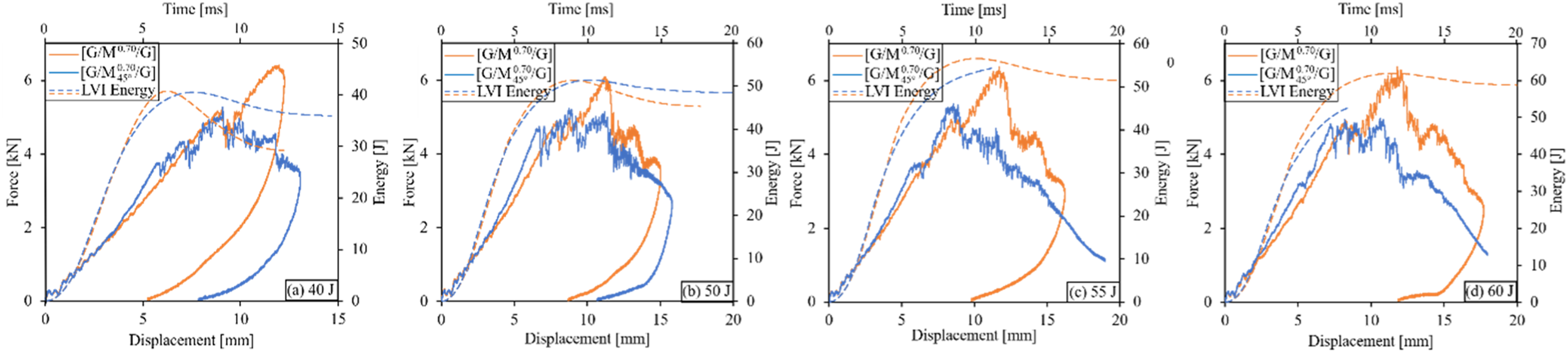
Summary of LVI recorded data for [G/M0.7045°/G] hybrid composite laminate under various impact energies.

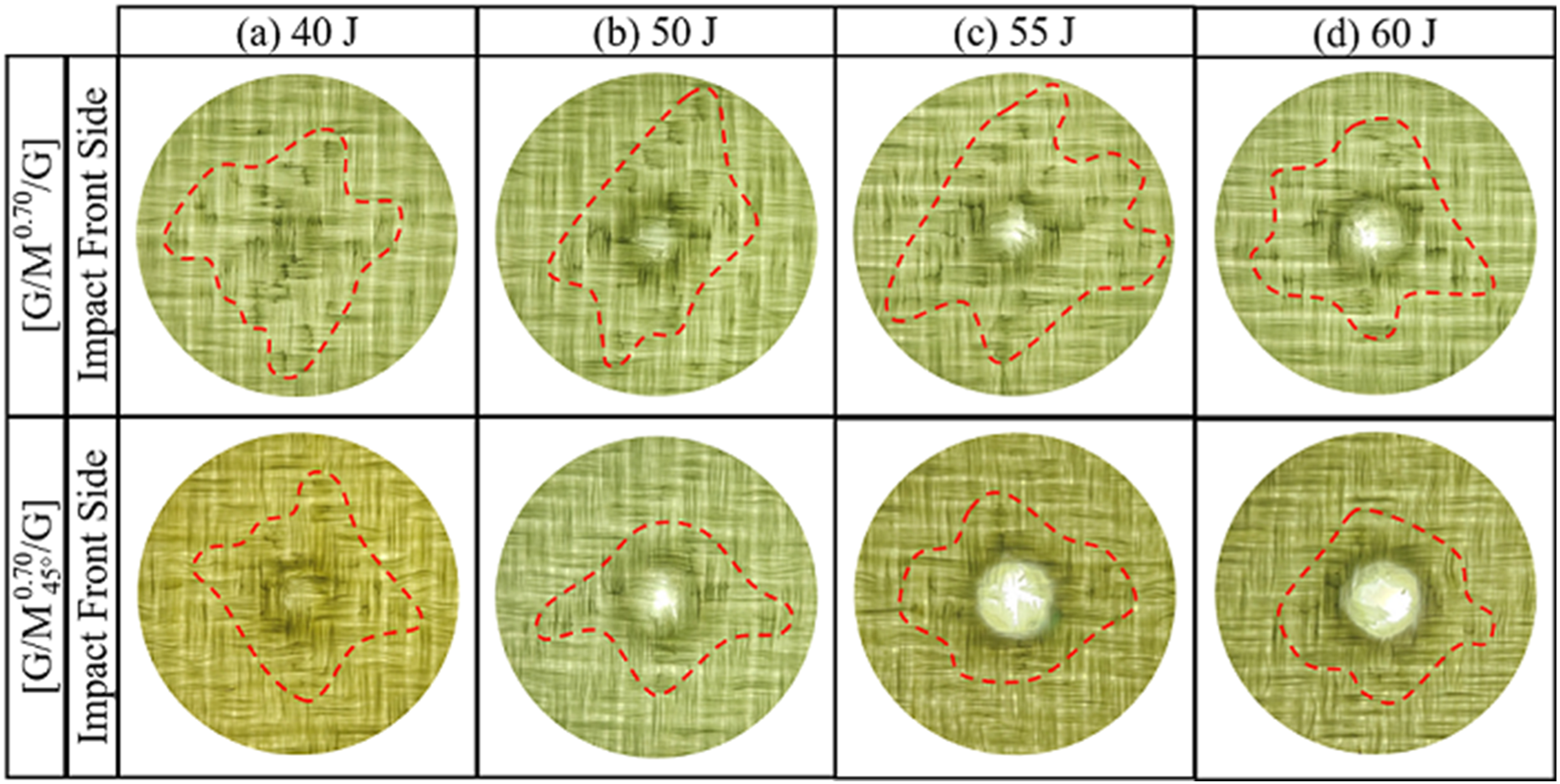
Damage extent of [G/M0.70/G], and [G/M0.7045°/G] hybrid laminates under (a) 40 J, (b) 50 J, (c) 55 J and (d) 60 J impact energies.
Effect of metal mesh layer counts
It has been observed that hybridization can positively improve the perforation energy threshold under LVI loading conditions. Yet, the effect of replacing the single stainless-steel mesh reinforcement layer with a number of stacked thinner ones has remained unknown. In the current research, since the studied mesh wire diameters are double the size of the thinner ones, two layup sequences of [G/M]s and [M/G]s were also investigated. The LVI perforation energy for [G/M0.16]s and [M0.16/G]s laminates didn’t experience a notable deviation from the [G/M0.35/G] plate. Nevertheless, the [M0.35/G]s and [G/M0.35]s hybrid laminates respectively withstand 15.3 % and 7.7 % lower LVI energies compared to the [G/M0.75/G], before the indenter fully penetrates the samples. In the previous sub-sections, it has been determined that the [G/M/G] is the optimal lamination sequence scenario among the possible options. Shifting the metal mesh to the mid-plane recedes the Glass/PP layers further from the neutral line, which is beneficial to the LVI response of the hybrid laminates. Thus, as expected, lower impact energy is required to penetrate the [M0.35/G]s laminate.
As demonstrated in Figure 13, [G/M0.35]s laminates, featuring two layers of stacked impregnated mesh located at the mid-plane, mimic the force-displacement pattern of [G/M0.70/G] plates below the impact perforation level. However, [G/M0.35]s composite laminates are more susceptible to penetration if struck by a projectile. This vulnerability is attributed to the manufacturing procedure of the woven metal mesh layers, which involves relatively more cold work to shape the wires. Hence, the mesh layers with the wire diameter of 0.35 mm undergo less plastic deformation, absorbing considerably smaller portion of the applied energy during an LVI test. Evaluation of the LVI response of [G/M0.70/G], [G/M0.35]s and [M0.35/G]s laminates under (a) 30 J, (b) 40 J, (c) 50 J and (d) 60 J impact energies.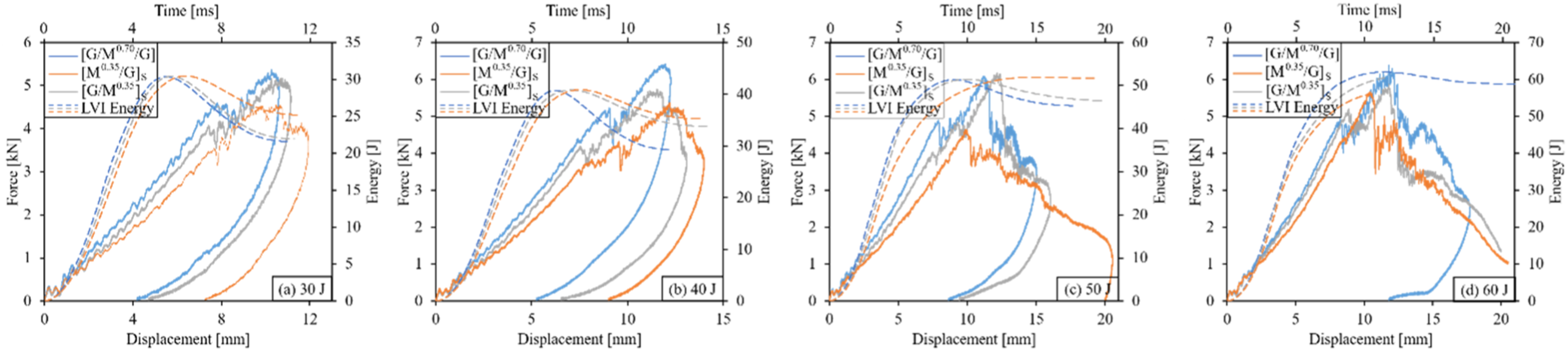
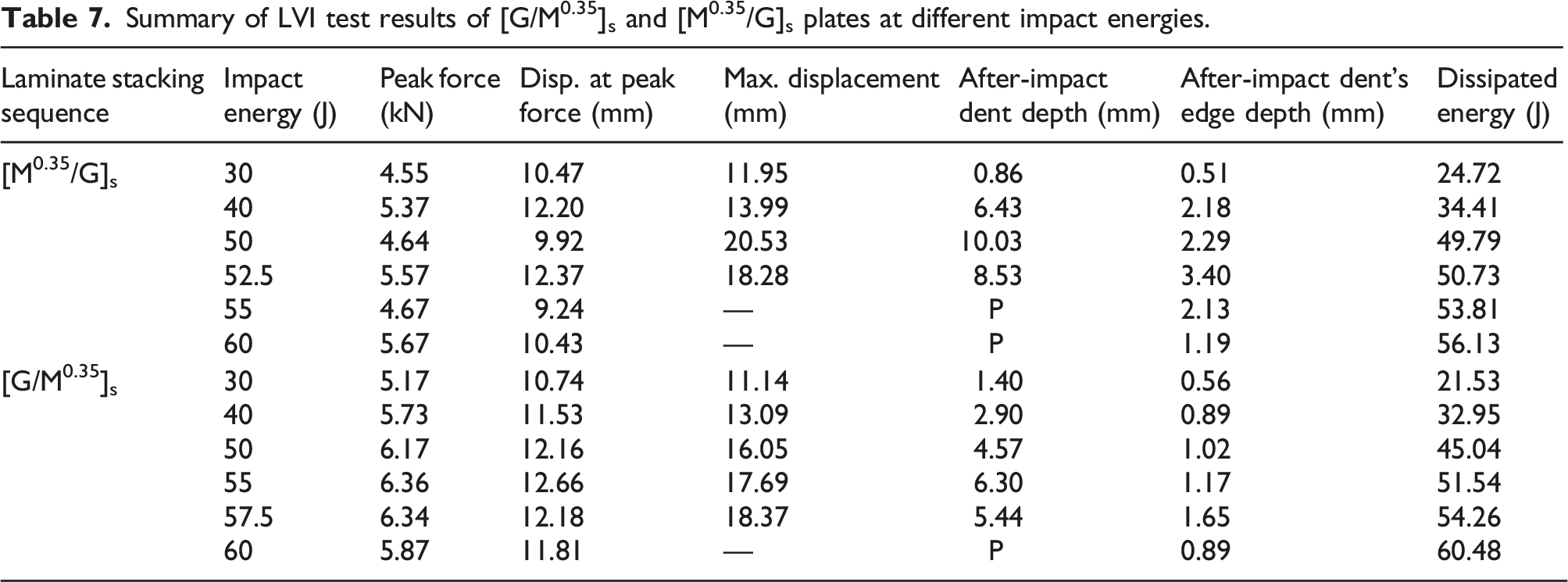
Summary of LVI test results of [G/M0.35]s and [M0.35/G]s plates at different impact energies.
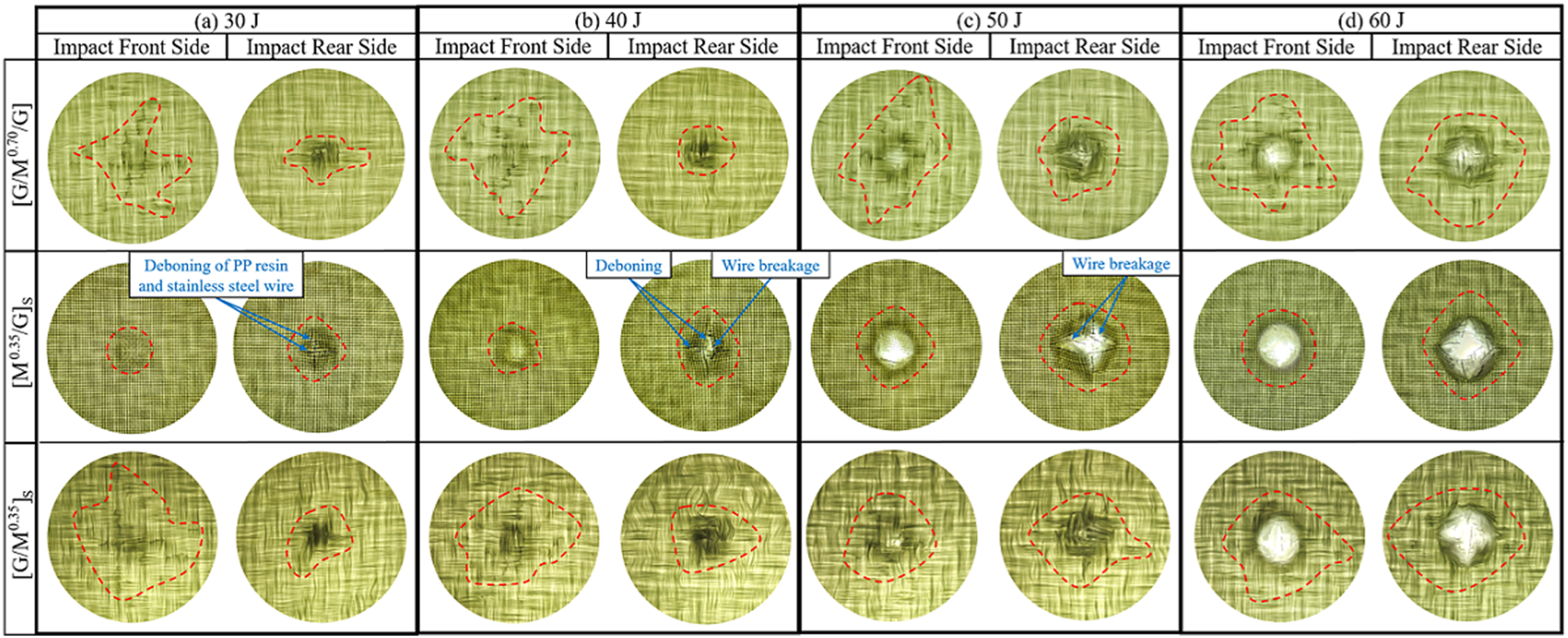
Examination of the damage response of the [G/M0.70/G], [G/M0.35]s and [M0.35/G]s hybrid composites subjected to (a) 30 J, (b) 40 J, (c) 50 J and (d) 60 J impact energies.
The extent of damage is quite different for the laminates with metal mesh layers positioned in the middle. In addition to the damage at the collision zone, cracks occurred in the composite layers can be easily detected. Since cracks significantly alter the local transparency of the sample, they have been darkened, making them clearly noticeable when illuminated from behind. Although both the [G/M0.35]s and [G/M0.70/G] laminate have been reinforced with a 0.7 mm thick impregnated metal mesh layer, they do not show identical LVI responses. In contrast to the [G/M0.35]s, [G/M0.70/G] hybrid composite samples experienced more extensive permanent deformation, distancing from the impact point. Because during the manufacturing procedure of mesh, more cold work is done forming the 0.35 mm metal wires, their plastic behavior is less than the 0.7 mm ones; therefore, damages do not propagate in [G/M0.35]s as easily as they do in the [G/M0.70/G] samples, which is also confirmed by the impact dent and near dent permanent deformations after running the LVI tests.
In conclusion, hybridization has proven to be positively effective in the LVI response of thermoplastic composite plates. Due to the elasto-plastic response of the strengthening stainless-steel mesh layers, the hybrid composite laminates’ energy-absorbing behavior has been improved. Figure 15 provides a comprehensive comparison of the LVI energy required for the indenter to fully penetrate through the laminate. Among all the stacking sequences investigated in this paper, the [G/M0.70/G] hybrid composite laminate demonstrated the ability to withstand higher impact energies. Finally, Finite Element Modeling (FEM) is outlined to comprehensively explore and optimize the outcomes of this study, thereby maximizing its potential contribution to further research in the field. A comparison of the LVI penetration energy threshold of various hybrid composite laminates.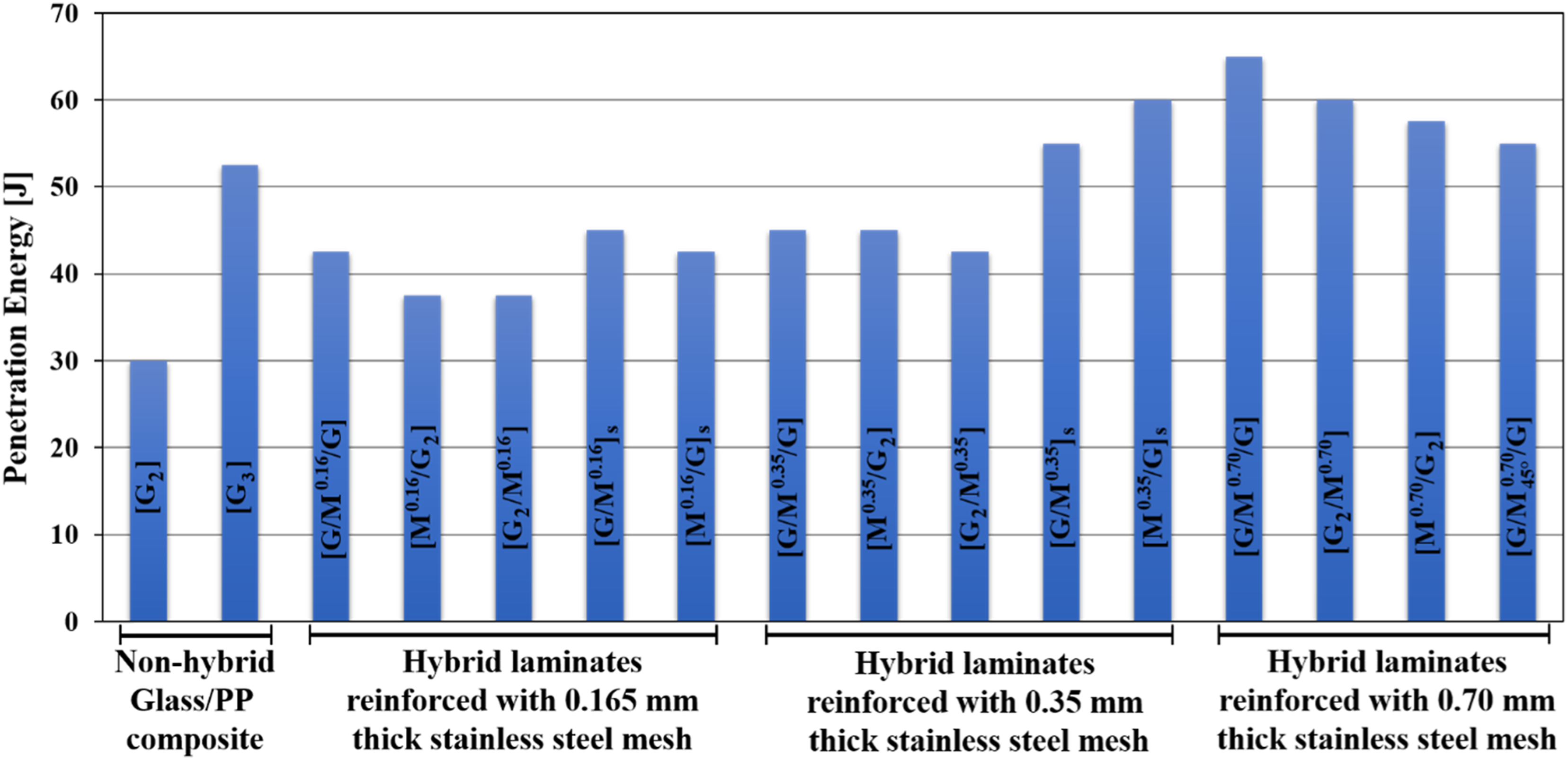
Conclusion
A novel multi-step fabrication method was considered in this study to fabricate hybrid Glass/PP thermoplastic composites strengthened with stainless-steel mesh layers. The current multi-step hot press procedure established a bonding between the impregnated metal mesh and composite layers. In this research, the effect of hybridization of thermoplastic composite laminate reinforced with stainless-steel mesh has been thoroughly examined under the LVI loading. Additionally, various factors such as metal mesh wire diameter size, stacking sequence, layup orientation and number of reinforcing layers were investigated. The backlight method was used to evaluate the damage formation in these hybrid laminates.
It was revealed that the hybrid composite laminates outperform the non-hybrid laminates, exhibiting a greater ability to withstand higher impact energies before reaching the perforation state. Specifically, the [G/M0.70/G] hybrid composite laminate demonstrates superior energy absorption compared to both [G2] and [G3] non-hybrid laminates. Furthermore, post-impact damage assessments depicted that the hybrid laminates absorb energy through plastic deformation and damage mechanisms, resulting a global response.
Even though the variations of the LVI penetration energy threshold are relatively small, placing the reinforcing stainless-steel mesh layer at the mid-plane improved the laminates’ performance. Besides, layup orientation can considerably influence the LVI response of the laminates. In contrast to [G/M0.7045°/G], the [G/M0.70/G] hybrid composite laminates not only withstand higher forces, but also behave differently after reaching the maximum bearable force. Finally, assessing the LVI behavior of hybrid laminates with different numbers of mesh layers revealed that the laminates with thicker mesh wires require higher impact energies to penetrate. The [G/M0.70/G] hybrid composite laminate outperformed all the permutations examined in the current research. These laminates absorb impact energy due to the specific elasto-plastic response of the reinforcing layer. Hence, because of the energy-absorbing behavior of stainless-steel mesh layer, hybridizing the thermoplastic-based composite laminates with metal mesh improved the penetration energy threshold under LVI loading conditions.
Supplemental Material
Supplemental Material - Experimental investigation on the effects of stainless-steel mesh reinforcing layers on low-velocity impact response of hybrid thermoplastic glass fiber composites
Supplemental Material for Experimental investigation on the effects of stainless-steel mesh reinforcing layers on low-velocity impact response of hybrid thermoplastic glass fiber composites by Sepanta Mandegarian and Mehdi Hojjati in Journal of Composite Materials.
Footnotes
Acknowledgements
I would like to express my sincere gratitude to Mr. Moghaddar, the general manager of ICP Inc., for his generous support in providing materials and engaging in insightful discussions.
Declaration of conflicting interests
The author(s) declared no potential conflicts of interest with respect to the research, authorship, and/or publication of this article.
Funding
The author(s) disclosed receipt of the following financial support for the research, authorship, and/or publication of this article: This research is financially supported by Natural Sciences and Engineering Research Council of Canada (NSERC), and Innovative Composite Products (ICP) Inc. through Alliance program.

Data availability statement
Data sharing not applicable to this article as no datasets were generated or analyzed during the current study.
Supplemental Material
Supplemental material for this article is available online.
References
Supplementary Material
Please find the following supplemental material available below.
For Open Access articles published under a Creative Commons License, all supplemental material carries the same license as the article it is associated with.
For non-Open Access articles published, all supplemental material carries a non-exclusive license, and permission requests for re-use of supplemental material or any part of supplemental material shall be sent directly to the copyright owner as specified in the copyright notice associated with the article.
