




Abstract
Cooperation among neighbouring countries is critical for managing security threats like terrorism and migration. Despite their proximity, states often struggle to cooperate for various reasons, including a lack of solidarity, which can harm regional peace and stability. This study uses qualitative research to examine West African nations’ cooperation in combating Islamist terrorism and aiding affected individuals across borders. Applying regional security complex theory and transnationalism, we assess how terrorism-driven migration impacts regional security, peace and development, highlighting cooperation challenges. This study redefines ‘neighbour’ in international relations, emphasising proactive international solidarity and shared responsibility to address insecurity.
Keywords
Introduction
In international relations, states often show indifference to insecurity in another country, citing the non-interference principle of the 1648 Westphalia Peace Treaty. Often, even among neighbouring states, cooperation against insecurity is usually limited and reactive, despite the risk of conflict spillover and diffusion (Polo, 2020; Umukoro, 2016). However, modern terrorism, characterised by its non-state nature, highlights the detrimental effects of such indifference. This is evident in regions like West Africa, especially in the Lake Chad basin region, where various terrorist groups interact frequently (Bala and Tar, 2021; Heras, 2013). Globalisation has rendered the geographical boundaries of states obsolete, challenging the notion that distance from conflict zones offers immunity from its adverse consequences, particularly for neighbouring countries (Umukoro, 2016). This reality challenges the traditional notions of state sovereignty and calls for a nuanced approach to interstate cooperation against terrorism, migration and refugee crises.
This study focuses on selected terror-afflicted countries around West Africa, especially Nigeria and neighbouring countries like Chad, Cameroon and Niger as well as Mali, to explore migration, regional counter-terrorism cooperation and relevant ethical considerations in international cooperation against insecurity. We engage the intricacies of the security–migration nexus and the moral responsibilities of nations towards their neighbours within the context of sub-regional cooperation, with the view to respond to the deteriorating security situation in the Chad Basin sub-region and Mali. Table 1, based on the Armed Conflict Location & Event Data Project (ACLED) (2024), vividly illustrates how these five countries feature among the top 50 ranked countries and territories facing extreme, high or turbulent levels of conflict. While Niger and Chad have shown the most significant improvement rates at −4 and −2, respectively, both nations continue to grapple with insecurity. Niger is currently under military rule following the 26 July 2023 coup. However, Nigeria and Mali continue to struggle with extreme and high levels of conflict, respectively, with no notable changes as of the 2024 updated data. The departure of Niger, Mali and Burkina Faso from the Economic Community of West African States (ECOWAS) citing, among other reasons, insufficient assistance from the bloc in the fight against terrorism (Wong, 2024). This poses a significant threat to regional peace and stability given the crucial role that Niger has played in combating Islamist terrorism in the sub-region.
Top 50 ranked countries and territories facing extreme, high or turbulent levels of conflict: Selected countries in West and Central Africa.
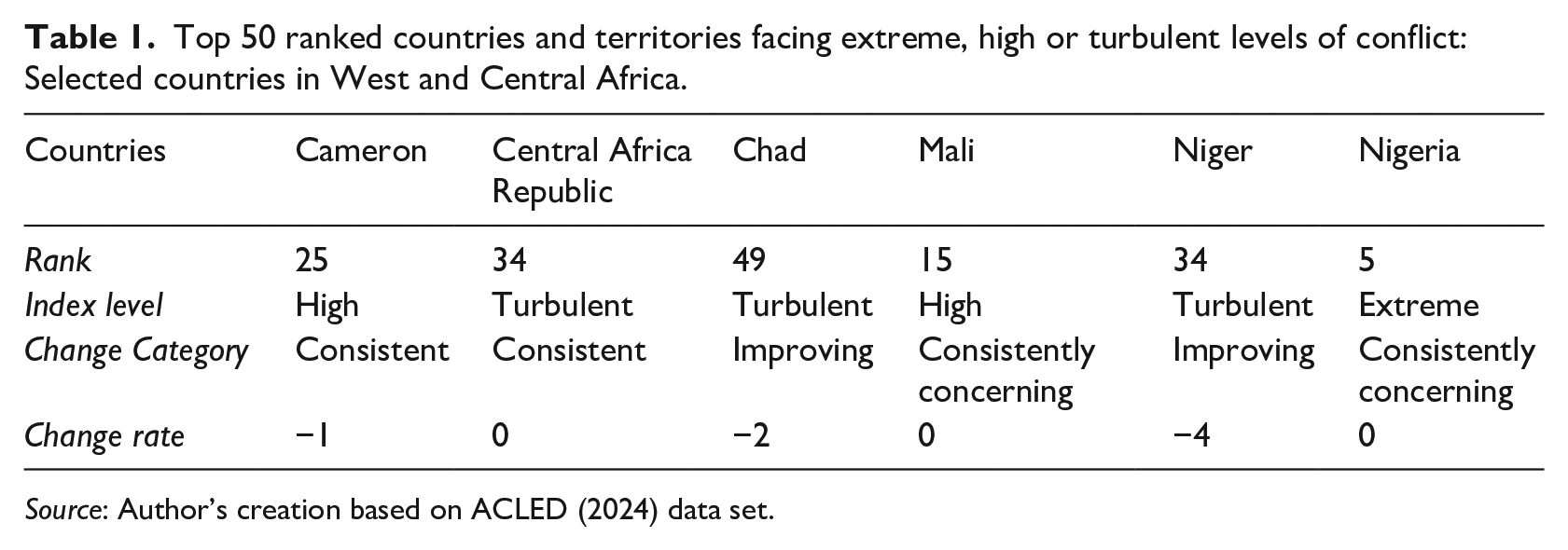
Source: Author’s creation based on ACLED (2024) data set.
Drawing on the regional security complex and transnationalism, we examine the dynamics of international cooperation in the context of modern terrorism and human migration, integrating the African socio-moral worldview of relationality, specifically Ubuntu’s concept of solidarity (Akinola and Uzodike, 2018; David and Okoliko, 2020). Ubuntu, grounded in the belief that an individual’s humanity is interconnected with others, fosters a sense of communal responsibility and collective well-being. The philosophy is used to shed some light on the significance of a collaborative and inclusive response to the insecurity in the region. The study seeks to demonstrate how West Africa’s population mobility and security volatility highlight the relevance of being ‘one’s neighbours’ keeper’ in the fight against insecurity in the sub-region (Aniche et al., 2021). We elucidate various issues related to the management of the terrorism–migration nexus in the sub-region, to enhance a more effective short-, medium- and long-term response strategy.
Following this introduction, the next section outlines the study’s method. We then provide an overview of global security challenges post-Cold War and their implications for migration, exploring their impact on security, peace and development cooperation at national, regional and global levels. Reconceptualising the idea of ‘neighbouring countries’ in the context of modern terrorism’s fluidity, the subsequent sections assess the implications thereof for international cooperation in the sub-region, which is faced with ongoing terror-induced migration. Informed by the regional complex theory and transnationalism, we then critically examine the question of ‘who is one’s neighbour’, by discussing how nation-states should collaborate to manage the terrorism–migration phenomenon. Thus, the study essentially argues that the requisite collaboration should extend beyond the considerations of geographical proximity because of the interdependence of countries.
Methodology
This study employs a qualitative research approach, drawing on various primary and secondary sources. Primary sources include reports from mainstream media, policy briefs and analyses from reputable organisations and think tanks such as the Sahel and West Africa Club (SWAC) hosted by the Organisation for Economic Co-operation and Development (OECD), the Global Terrorism Database which produces the annual Global Terrorism Index (GTI), the ACLED which records incidents of terrorism, the Internal Displacement Monitoring Center (IDMC), International Organisation for Migration’s (IOM) Displacement Tracking Matrix, the United Nations High Commissioner for Refugees (UNHCR) and the United Nations Development Programme. Secondary sources encompass insights from a broader doctoral study conducted between 2015 and 2019, as well as published journal articles, books and relevant dissertations on security and migration issues.
Qualitative content analysis is utilised to investigate sources and offer insights into addressing the link between terrorism and migration in the context of international cooperation against Islamist terrorism in the sub-region. This area has been significantly affected by terrorism perpetrated by Boko Haram and its splinter groups, including the Islamic State of West Africa (ISWAP) and other similar Islamic sects. A comprehensive content analysis of the data on the security realities in the sub-region provides a nuanced understanding of the dynamic interplay between terrorism, migration and international cooperation, spanning from the emergence of the sect in 2009 to its peak in 2014–2015 and its current status. The focus on the Lake Chad Basin countries is particularly relevant due to the region’s unique combination of conflicts, displacement, environmental issues and ongoing regional cooperation efforts, which warrant a deeper understanding of the security–migration nexus. Despite the Nigerian government’s efforts and claims of defeating the sect, sporadic attacks persist, albeit on a reduced scale (David, 2024). These ongoing security challenges have led to significant internal and regional displacement. Therefore, this study underscores the potential of international cooperation, especially when informed by the Ubuntu concept, in effectively managing the complex relationship between terrorism and migration.
Between security and migration globally: an overview
Despite the existence of extensive literature on terrorism and migration as separate topics, their intersection has only recently garnered significant research attention. The decrease in inter-state conflicts globally, juxtaposed with the rise in intra-state conflicts only post-Cold War, arguably contributes to the delayed recognition of the interconnectedness of these two critical socio-political issues within the broader security discourse (Schmid, 2016; Umukoro, 2016). Given the complexity of terrorism and migration, this study does not delve into detailed definitional debates but adopts working definitions to guide the analysis. Hence, the subsequent conceptual clarification is deemed useful. Terrorism has been defined as ‘an anxiety-inspiring method of repeated violent action, employed by a (semi-) clandestine individual group or state actors, for idiosyncratic, criminal, or political reasons . . . ’. (Weinberg et al., 2004: 3). This definition emphasises the criminal aspect of terrorism, which is essential for understanding its intersections with migration, especially concerning the movement of terrorists and the targeting of victims.
Migration refers to the relocation of individuals or groups of people to distant places, either within (intra-state) or beyond national boundaries (interstate/international) (Bartram, 2015). It can be voluntary or forced and is driven by various factors such as economic opportunities, political instability or environmental conditions. The dynamics of terrorism and migration often implicate both national and regional security. The concept of national security classically refers to the protection of a country’s sovereignty, territory and citizens from internal and external threats (Johnson, 2010). It encompasses many concerns, including military aspects, border security, economic stability and social cohesion (David, 2019). Addressing the regional dynamics of national security often necessitates regional cooperation, understood herein as the collaboration between countries within a specific geographic region to address common challenges and pursue shared goals (Bala and Tar, 2021; Panke, 2020). This may include various degrees of economic integration, security partnerships and political alliances as evident in the case of ECOWAS and other regional blocs around the world.
The security–migration nexus encompasses the intersections between migration and various security concerns, including those of natural origin. Conflict in the Sahel for instance is exacerbated by natural disasters, climate change and economic hardship, resulting in human displacement (Mezran and Sanguini, 2021). Such displacement disrupts people’s lives, resulting in overcrowded refugee camps and strained host communities. Furthermore, climate change exacerbates humanitarians’ crises in regions characterised by weak governance, increasing the burdens of those already vulnerable to other political crises (Mezran and Sanguini, 2021; Schon and Nemeth, 2022). For example, climate change is increasingly recognised as a critical factor shaping the terrorism–migration nexus in the Sahel and West Africa as it provides fertile ground for extremist groups to exploit vulnerable populations (Seiyefa, 2019).
Accordingly, the terrorism–migration nexus refers to the complex relationship between terrorism and migration, where migration flows may be exploited by terrorist groups or used as a pretext for counterterrorism measures. This nexus is particularly relevant in regions experiencing both significant migration and terrorism challenges, as is the case of the Lake Chad Basin sub-region under consideration, characterised by violent intrastate conflict including terrorist attacks. These have resulted in extensive destruction, loss of life and displacement of populations. While internally displaced persons (IDPs) often remain within their own country, conflicts also drive international migration, leading to asylum seekers and refugees (Cenciarelli et al., 2017; Feller, 2005).
According to the UNHCR (2022), factors such as persecution, violent conflict, human rights abuses and events severely disrupting public order have led to the displacement of 89.3 million individuals globally. Terrorism plays a significant role in shaping migration patterns, directly and indirectly impacting the movement of people (Galantino, 2022; Sumpter and Franco, 2018). In 2014 alone, the (GTI (2015) reported a staggering 16,800 terrorist attacks worldwide, resulting in 43,500 deaths, 40,900 injuries and 11,800 people being taken hostage. Schmid (2016) revealed that 93 countries experienced acts of terrorism in 2014, indicating a widespread and escalating scope of terror incidents since the 9/11 attacks.
The UNHCR’s (2022) data shows a consistent upward trend in the number of IDPs globally since 2003, with a significant surge in 2014 (see Figure 1). Among the 79.5 million people displaced in 2019, 2.9 million were asylum seekers (Carril-Caccia et al., 2021). The IDMC reported a staggering ‘8.6 million new cases’ of displacement driven by conflict and violence in 2015, averaging 24,000 new displacements daily (IDMC, 2015). Notably, the Middle East alone accounted for 4.8 million newly displaced individuals, surpassing the rest of the world combined. The UNHCR (2022) also highlighted that on average, 42,500 people became refugees, asylum seekers or internally displaced every day in the previous year. By May 2022, the number of people ‘forcibly displaced worldwide by persecution, conflict, violence, human rights violations or events seriously disturbing public order’ had exceeded 100 million. These displacement crises have placed a significant burden on nations worldwide, including those geographically distant from the conflict zones.
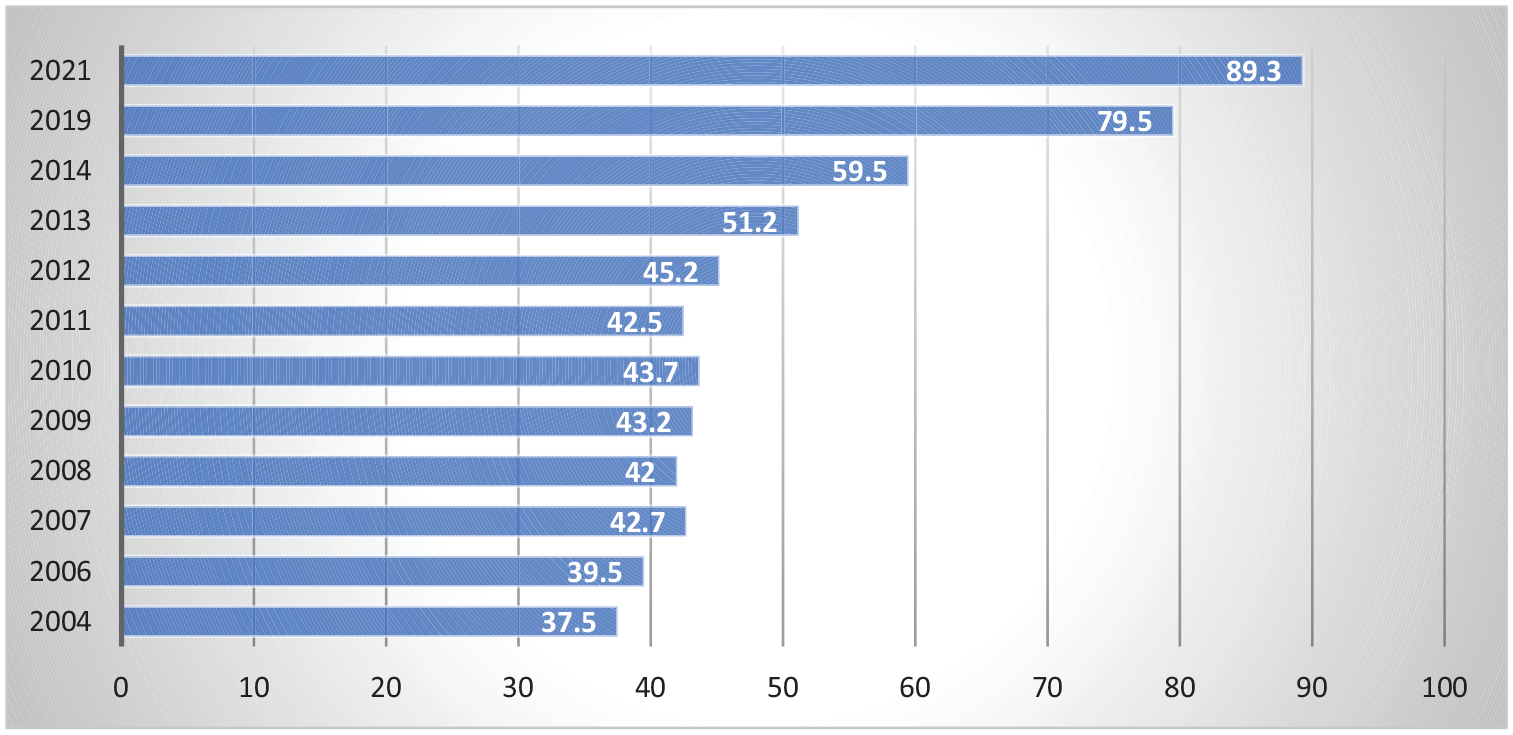
Number of displaced people (in millions) between 2004 and 2021.
Europe has long been a sought-after destination for asylum seekers from various regions, including Africa. Earlier studies, like Neumayer (2005) focused on economic factors as primary drivers of migration to Western Europe, overlooking political considerations such as political rights and civil liberties. However, more recent research, coinciding with the global rise of terrorism, emphasises the significance of political factors like conflict and terrorism. Giménez-Gómez et al. (2019) found that migrations and forced displacements from 51 African countries to Europe (1990–2014) were largely motivated by political issues such as oppressive regimes, civil conflicts, human rights abuses and wars. Kang (2021) similarly highlighted political instability as a significant push factor for asylum seekers from 145 countries in seven European Union (EU) countries. In the context of migration, push factors encompass the circumstances that compel people to leave their current location, such as security threats, human rights violations, loss of livelihood and property damage. Conversely, pull factors are the conditions that attract people to specific destinations, including safety, security and improved prospects (Van Hear et al., 2020).
In addition to political factors, the absence of violence is seen as a positive pull factor for forced migrants in OECD countries (Carril-Caccia et al., 2021). This complex interplay of push and pull factors is evident in the 28% increase in asylum applications in OECD (2022) countries in 2021, with countries like Nicaragua, Afghanistan and Syria being major origins. Regarding the impact of terrorism on forced migration, research shows both positive and negative relationships, with terrorism acting as a pull factor for some and a push factor for others (Carril-Caccia et al., 2021).
Terrorist attacks and conflicts worldwide have become significant drivers of trans-border migrations, particularly for forced migrants seeking safety and livelihood opportunities. While some migrants may not be directly displaced by terrorist attacks, the economic repercussions of terrorism in their home countries force them to seek better lives elsewhere. Schmid (2016) noted that the EU alone received 1.9 million new asylum applications in 2015, a substantial portion originating from conflict-affected regions like Iraq, Syria, Afghanistan and Nigeria. These countries have experienced significant political conflicts and terrorism in recent years, contributing to the surge in migration. The significant increase in migrant influx has prompted the EU and other countries worldwide to adopt stricter migration policies, a response motivated by concerns over the potential security threats posed by immigrants (Foubert, 2022; Foubert and Ruyssen, 2021).
Notably, migration is often framed in terms of security threats both in political and economic terms (Feller, 2005; Foubert, 2022). Such framing has often led receiving countries to fear potential risks to their internal security. This fear has manifested in policies aimed at restricting the entry of migrants from troubled regions, as seen in the executive order signed by former US President Donald Trump in 2017, which restricted immigration from several Muslim-majority countries under the guise of countering radical Islamist terrorism (US White House, 2017). Similar measures have been adopted by EU member states to control the mobility of migrants, reflecting concerns about international security threats, criminal activities and competition for social services (Choucri, 2002; Feller, 2005).
The challenge of identifying terrorists has led to the dangerous tendency to stereotype migrants, creating a general atmosphere of suspicion and hostility towards them, out of fear that they could be potential terrorists themselves. In doing so, they often overlook the plight of migrants and refugees fleeing from terror and conflict. However, such stringent migration policies not only disregard the humanitarian principles that underpin the democratic political order on which many European countries are founded, including the commitment to human rights, but also risk undermining the moral obligations of the international community towards refugees (Durotoye, 2015: 109). According to the 1951 Convention relating to the Status of Refugee, the term refugee shall apply to any person who:
owing to well-founded fear of being persecuted for reasons of race, religion, nationality, membership of a particular social group or political opinion, is outside the country of his nationality and is unable or, owing to such fear, is unwilling to avail himself of the protection of that country; or who, not having a nationality and being outside the country of his former habitual residence as a result of such events, is unable or, owing to such fear, is unwilling to return to it. (UN General Assembly, 1951)
The refugee crisis further blurs the distinction between migrants and refugees, a differentiation that holds significant moral implications. As Feller points out, it is crucial to distinguish between the two categories due to the distinct moral responsibilities of the international community towards refugees compared with migrants (Hodwitz and Tracy, 2020). This distinction highlights the need for a more nuanced approach to migration policies that considers the unique vulnerabilities and rights of refugees, ensuring that they receive the protection and support they are entitled to under international law.
In addition to being a flawed strategy in the global fight against terrorism, an unfriendly policy stance towards migrants ‘may be damaging to state security’. According to the UN Special Rapporteur on counterterrorism and human rights, Ben Emmerson, ‘While there is no evidence that migration leads to increased terrorist activity, migration policies that are restrictive or that violate human rights may create conditions conducive to terrorism’ (Dearden, 2016). This perspective underscores the importance of adopting migration policies that not only prioritise security but also uphold human rights, recognising the potential consequences of policies that neglect these considerations. By ensuring that migration policies are both effective in addressing security concerns and respectful of human rights, states can better navigate the complexities of migration and terrorism while maintaining a balanced approach that safeguards both security and human dignity.
The regional security complex theory and transnationalism
This study is underpinned by two theories: the regional security complex theory (RSCT) and transnationalism, which are used to analyse how neighbouring countries can better address terrorism and migration crises. Originally developed by Barry Buzan and Ole Weaver (2003), the RSCT explains how intra-state conflict and regional security are interconnected, especially in terms of how proximity influences the spread of conflict within a region (Buzan, 1986). Like other security complex theories, the RSCT focuses on the state as the primary unit of analysis, emphasising the interdependent linkages between states and regional security, shaped by both cooperation and conflict dynamics (Buzan, 1986). The theory highlights the crucial role of proximity in shaping security cooperation among states in a region. For example, it explains how civil war in one country can have repercussions on the development of neighbouring states within the same geographical area.
Buzan and Waever (2003) characterise a region as having stronger links and more frequent interactions among its members than with actors outside the region. Buzan (1983) defines a regional security complex as ‘a set of units whose major processes of securitization, desecuritization, or both are so interlinked that their security problems cannot reasonably be analyzed or resolved apart from one another’ (p. 106). In this regard, interactions among states in a region are often focused on the region itself, leading to greater security interdependence within regionally based clusters known as security complexes, considering that security threats are more likely to spread over short distances than over long ones (Sedivý, 2004: 4). Thus, states are more likely to interact with other states within the same region than those outside of it when facing security challenges. By considering the interconnectedness of regional security and the influence of proximity on security interactions, the theory provides insights into how neighbouring countries collaborate to address shared security challenges. The RSCT acknowledges the impact of conflict spillover among neighbouring states, highlighting their independent security concerns, as seen in West Africa. Insurgencies by groups like Boko Haram have extended beyond their original states, affecting multiple African countries. The OECD and SWAC (2022b: 39) observed that conflicts in Africa spread due to porous borders, facilitating the movement of fighters, hostages and weapons, a phenomenon particularly evident in the Lake Chad region and the Central Sahel. This makes the RSCT’s regional approach valuable for understanding the security–migration relationship in West Africa.
In addition, although geographical proximity typically facilitates the spread of conflicts, the covert nature of terrorism undermines the impact of borders and geography. Consequently, the concept of transnationalism advances the contributions of the RSCT by providing valuable insights into redefining ‘neighbourhood’ in global cooperation against regionally concentrated terrorism such as by Boko Haram and other jihadist groups in West Africa. Transnationalism, involves regular interactions across national borders involving at least one non-state actor or an entity not representing a national or intergovernmental organisation (Dokken, 2008; Risse, 1995). This concept is pertinent to this study as it allows for the involvement of a state in the network, which can be a network between a state and an informal actor (Dokken, 2008: 47). Unlike strong states that can control informal networks and illegal transactions across borders, weak states in West Africa lack this capacity due to their structural weaknesses and porous borders. These weak states experience parallel economic activities and the growth of black markets due to their inability to prevent the flow of illicit products across their borders (Oftedal, 2013).
Weak states often face challenges in maintaining adequate control over the use of force, and they may struggle to establish political stability that would legitimise their authority. As a result, non-state actors such as terrorist groups may gain influence both within and beyond their borders. This situation is exacerbated by the arbitrary nature of the borders imposed by colonial powers in Africa, which disregarded historical, cultural and linguistic identities (David, 2019; Oftedal, 2013). For instance, the cultural ties between the Kanuris in Nigeria and Chad, the Hausa in Nigeria and Niger, or the Yoruba in Nigeria and Benin, as well as the Hausa Zongo communities in Ghana and Northern Nigeria, illustrate the complexities of these dynamics (David, 2019; Umukoro, 2016). People across these borders often challenge the legitimacy of these boundaries due to their affiliations, leading to a lack of national unity and a common identity within the state (Oftedal, 2013: 10). This, among other transnational dynamics in the sub-region, impacts migration and insecurity issues in the sub-region and beyond. Hence, both theories offer valuable frameworks for assaying international cooperation in response to the nuances of the terrorism–migration nexus.
Boko Haram terrorism and migration nexus in the sub-region
The Islamist terrorist group, popularly known as Boko Haram, has been extensively explored in the literature over the past two decades due to its significant impact on the security landscape in West Africa, particularly in countries around the Lake Chad region (Akinola, 2015; Onapajo et al., 2012). Hence, we will only provide a brief synopsis to highlight its regional ramifications. Boko Haram initially emerged in Northeast Nigeria and later spread to neighbouring countries in the region. By its acclaim, the sect aims to establish an Islamic state in Nigeria. Since 2009, Boko Haram and its various affiliate/splinter groups have carried out numerous attacks targeting civilians, government officials and security forces, with intensity varying across different years. Although becoming more violent in 2009, Boko Haram gained international notoriety for its abduction of hundreds of schoolgirls in 2014, sparking global outrage and a campaign for their release under the hashtag #BringBackOurGirls (David, 2019). Boko Haram and affiliated groups carried out hundreds of terrorist attacks, leading to over 5000 casualties in 2014 and 6000 casualties in 2015 (FATF-GIABA-GABAC, 2016).
Various studies have highlighted the transnational dimension and multinational composition of Boko Haram’s membership, with individuals hailing from countries like Chad, Cameroon, Nigeria, Mali and Somalia (Akinola, 2015; David, 2024; Oftedal, 2013). Although Boko Haram draws its core membership from the Kanuri ethnic group spread around the Lake Chad basin, video footage discovered in captured Boko Haram camps by Nigeria’s military, as reported by Reuters, indicates the presence of foreign fighters in influential positions within the Nigerian Islamist militant group (Payne, 2015). The footage revealed a man speaking Sudanese Arabic. A senior military source, who declined to be identified, said: ‘They (foreigners) carry arms and fight alongside the other terrorists. They are also experts and trainers’ (cited in Payne, 2015).
While Boko Haram initially focused its activities on northeast Nigeria, its attacks in neighbouring countries like Cameroon, Niger, Chad and Mali indicate a broader transnational strategy (Oftedal, 2013). The group’s operational sophistication has grown through cross-border collaboration, enabling direct attacks on Nigerian security forces, such as the raid on the Baga Military Barracks where weapons and ammunition were seized. Using the framework of transnationalism, Oftedal argued that Boko Haram could be considered a transnational group, citing seven potential transnational aspects of violent conflict outlined by the Dokken framework: circulation of small arms and light weapons, mercenaries, militarised refugees and foreign fighters, ‘ordinary’ refugees, trade in natural resources, personal relationships, and training and funding (Akinola, 2015: 18). While initially, these factors applied minimally and to varying degrees, the proliferation of small and light weapons in the West African sub-region was facilitated by the transnational links between terrorist and criminal groups in the region (Oftedal, 2013). Data on Small Arms and Light Weapons (SALW) revealed that an estimated 100 million out of the 640 million circulating worldwide are present in Africa. Sub-Saharan Africa accounts for approximately 30 million of these weapons, while West Africa alone has eight million (Sa’ad and Idakwoji, 2021). This is contributing to the conflict in the region.
In 2015, Boko Haram pledged allegiance to the Islamic State and rebranded itself as the ISWAP. While the extent of direct logistical support from IS to Boko Haram remains unclear, their shared ideology suggests a vision for regionalising activities, which could have significant implications for migration (David, 2019). Around this period the terror groups expanded their attacks to neighbouring countries, especially around the Lake Chad Basin region, leading to widespread instability and humanitarian crises in the sub-region. For instance in 2014, Boko Haram’s actions reportedly forced at least 150,000 people across the border into Cameroon, Chad and Niger (IDMC, 2015: 34). The report also highlighted that along with heavy-handed counterinsurgency operations and inter-communal violence, Boko Haram attacks led to the displacement of over 975,300 people, with inter-communal violence displacing nearly 75,000 people. Since 2009, the group has abducted over 500 people in northeastern Nigeria, with such abuses escalating significantly in 2014. IDPs cited fear of abduction as a major reason for fleeing (IDMC, 2015). Along with other sources of insecurity, the sect’s activities in the Lake Chad basin region and Mali have contributed to the five countries featuring among the top 50 conflict-ridden countries in the world (ACLED, 2024). Available data indicate a rising trend of political violence in the region (see Figure 2).
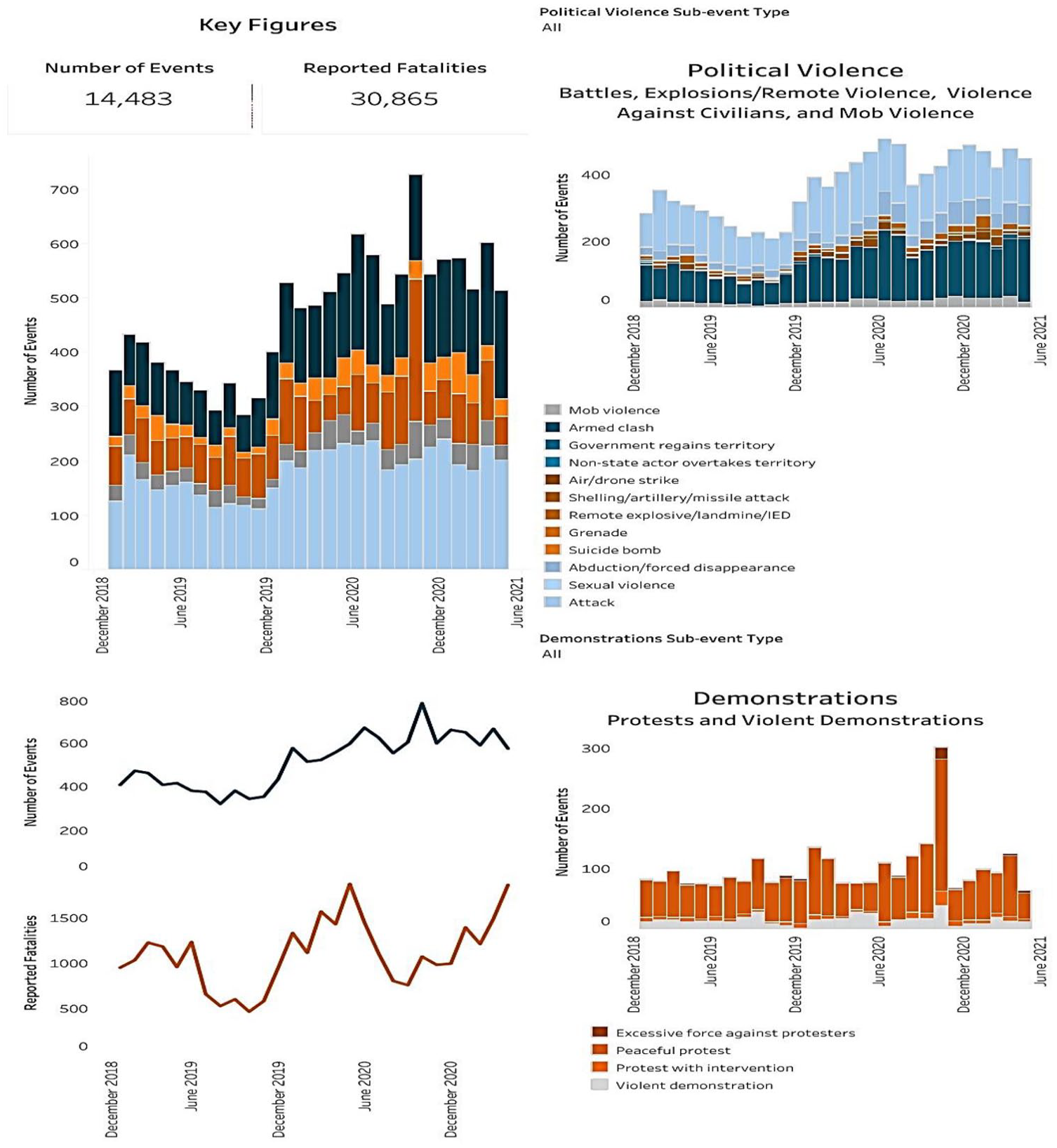
Cumulative political violence in Nigeria, Niger, Cameron, Chad and Mali (1 January 2019–30 April 2021).
Boko Haram and its splinter groups in West Africa are included among the 15 conflicts in Africa, in 2022, that have caused a significant flow of refugees according to the UNHCR (2022). This displacement, particularly in areas with porous borders, has led to increased migration across borders, with many seeking refuge in neighbouring or more stable countries. Boko Haram’s attacks have resulted in thousands of deaths and the displacement of millions of people in the region (Tar and Ayegba, 2021). As Figure 3 suggests there was a significant rise in human displacement in the sub-region which coincides with the sect’s regional attack in 2013 and 2014.
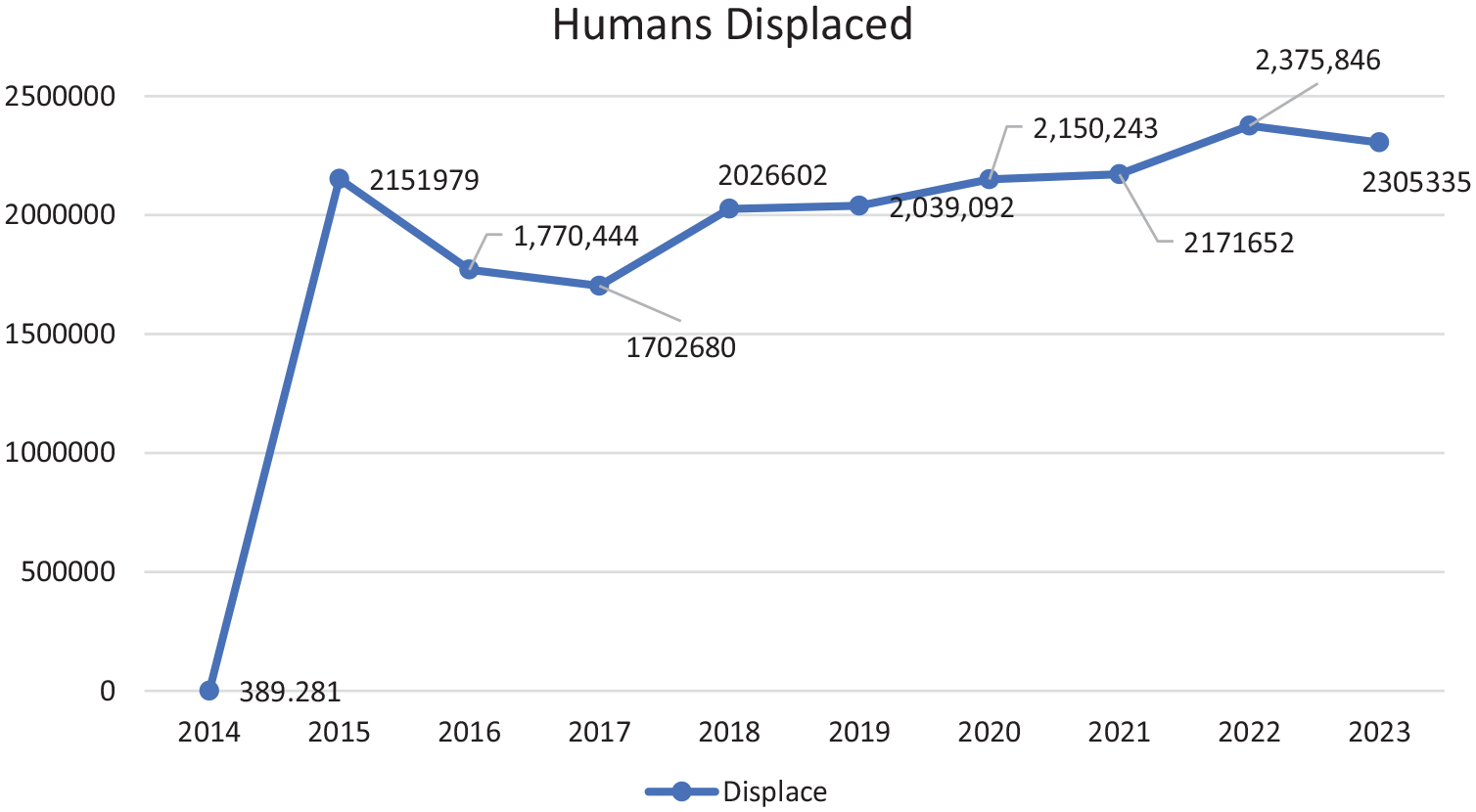
Human displacement in the Lake Chad Basis crises 2014–2024.
The 2015 report of the UN General Assembly (2015) highlights a significant increase in migratory flows both away from and towards conflict zones. These movements involve individuals seeking safety as well as those being drawn into the conflict as foreign terrorist fighters. This dual nature of migratory flows has been identified as a factor contributing to the further destabilisation of affected regions. Irregular movement of terrorists between Nigeria, Niger Republic, Chad, Cameroon and Mali has become commonplace in recent times, coinciding with the rise of insecurity in these countries (OECD and SWAC, 2022a). In addition, the sect has been known to use abduction and forceful integration of migrants (Schmid, 2016). The ECOWAS Protocol on Free Movement of Persons, Residence and Establishment, established in 1979, has played a significant role in facilitating transborder interaction within the region. However, it has also inadvertently facilitated the activities of groups like Boko Haram. While the Protocol upholds the free movement of citizens of member states as a fundamental right, its inadequate implementation has complicated the security–migration nexus in the region (Onapajo et al., 2012).
Given the regional scope and impact of Boko Haram and other Islamist terror groups, efforts to address the resulting migration crises need to be regionally oriented. Comprehending the interdependence of national security requires a nuanced understanding of ‘neighbourhood’, particularly at a regional level, where the dynamics of migration and security intersect in complex ways.
Being one’s neighbour keeper amid insecurity
The complex relationship between insecurity and migration suggests that states that fail to assist neighbouring countries facing insecurity, especially terrorism, not only endanger their own citizens’ security but also exacerbate the plight of IDPs who often flee beyond their country’s borders. Conflicts and terrorism in interconnected regions pose a regional challenge, especially in terms of migration. Neighbouring countries are directly or indirectly affected by terrorism-induced migration on multiple levels. First, from a geospatial perspective, both terrorists and victims may seek refuge in safer neighbouring areas. For example, Austria faced demographic consequences due to political conflicts and instability in Eastern Europe after the Soviet Union’s collapse, with violence in neighbouring countries leading to a large influx of refugees seeking entry into Austria (Choucri, 2002: 107). Similarly, in West Africa, the movement of refugees from Nigeria’s Northeast to neighbouring states like Niger, Cameroon and Chad, driven by Boko Haram attacks on civilians, illustrates the social, economic and political impacts of terrorism-induced migration. This refugee outflow was a direct result of Nigeria’s inability to contain Boko Haram and its far-reaching effects. In this regard, cross-border cooperation among neighbouring states was crucial in containing the crisis within Nigeria before it escalated across borders.
Neighbouring countries’ initial reluctance to collaborate with Nigerian security authorities against Boko Haram’s early stages fuelled the group’s growth. Reports indicate Boko Haram exploited porous borders and mismanaged international borders with hideouts in Cameroon and Niger. For instance, Weeraratne (2017) observed that some commanders took up hiding in Diffa, Niger, while Shekau published films from a hideout in northern Cameroon. Also Shekau was allegedly wounded and moved to Gao, Mali, by militant Islamist organisations in September 2012, as Nigerian forces closed in on his Damaturu stronghold. Furthermore, AQIM contributed more than $250,000 to strengthen Boko Haram’s capacity to kidnap and transport prisoners to Algeria. Umokoro’s application of the principle of thermodynamics aptly illustrates that the intensity of conflict in Nigeria correlates with its likelihood to spread to neighbouring countries. This is particularly significant due to the historical and cultural ties among ethnic groups across West African states, which facilitate the movement of both terrorists and migrants across borders (Umukoro, 2016). Hence, the conceptualisation of ‘neighbour’ should consider the moral responsibilities among neighbouring nation-states towards each other, aligning with the insights of the RSCT in managing not only terrorism but also migration crises.
The recent success in combating Boko Haram, notably through the establishment of the Multinational Joint Task Force (MJTF) involving Nigeria, Chad, Niger, Cameroon and Benin (as a non-military contributing member), is attributed in part to increased cooperation among regional security forces. The absence of such cooperation initially undermined Nigeria’s counterterrorism efforts, allowing the sect to align with similar groups in neighbouring countries, thereby strengthening and expanding its operations. Therefore, timely cooperation among contiguous states in combating conflicts, as suggested by the RSCT, has significant implications for managing resulting migration crises, which often perpetuate the same conflicts due to regional interdependence (Abioye, 2019; Buzan, 1983).
Both forced and voluntary migrants are not constrained to seeking refuge or opportunities exclusively in neighbouring countries. Instead, a myriad of factors such as affordability, necessity, economic prospects, infrastructure, technological advancements, educational opportunities and socio-cultural ties all contribute significantly to migrants’ destination choices. This broader understanding of migration drivers highlights the complex and multifaceted nature of contemporary migration patterns. It is crucial to recognise that a significant number of displaced individuals in Africa engage in intra-African migration, often driven by factors such as feasibility and affordability. This highlights the transnational dynamics of the burden of migration, including those induced by terrorism. In terms of general migratory patterns in Africa, Cote d’Ivoire (16%), South Africa (12%) and Burkina Faso (6%) are among the most favoured destinations for migration on the continent (Shimeles, 2010: 34).
Indeed, insecurity in one state can have wide-ranging effects on neighbouring and distant countries, particularly in terms of managing the influx of displaced persons and asylum seekers. For instance, when we look at Figure 4, which depicts the trend of new Nigerian asylum applicants in ten selected countries from 2011 to 2021, we notice a notable increase from 2013 onwards. This increase coincides with the growing severity of the Boko Haram terrorist campaign in Nigeria and its spread throughout the region. These challenges raise concerns about safety and stability in neighbouring countries, as they can exacerbate regional instability, hinder economic growth and create a fertile ground for transnational criminal activities and extremism. Addressing these issues in Nigeria is crucial not only for its development but also for fostering a more secure and prosperous West African region.
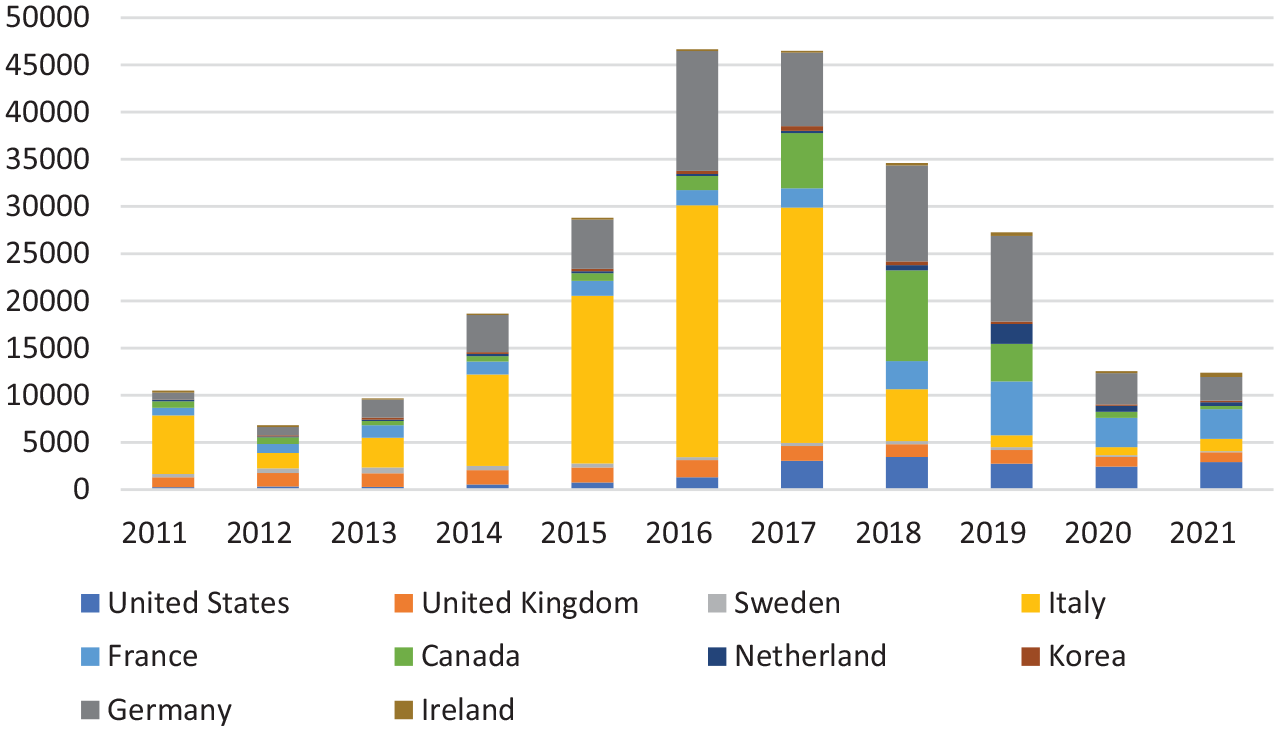
Annual new asylum applicants from Nigeria in 10 selected countries between 2011 and 2021.
With the broadened concept of [in]security post-Cold War – when military security became hardly distinguishable from economic, social and environmental security – some of the push factors of migration especially economic factors may not directly qualify a migrant as a refugee or asylum seeker. However, the socioeconomic insecurity of a migrant, including their poverty, homelessness and the indignity the suffer at times, also requires the moral care of the receiving state, considering that such insecurity is not always entirely disconnected from broader political issues of conflicts, rights violations and bad governance. The responsibility of accommodating asylum seekers, refugees and economic migrants by countries near and far not only highlights the interdependence of international security but also underscores the need to rethink the concept of ‘neighbouring countries’ in light of the interconnected nature of current global security. This underscores the significance of embracing the concept of being a neighbour’s keeper, especially in terms of cross-border cooperation, from the perspective of Ubuntu, where the survival of one depends on the survival of all and vice versa (David and Okoliko, 2020).
Implications for cooperation
The nexus between security and migration should prompt African states to reconsider how they define and treat their ‘neighbour’ in both security and migration policies. One successful example of cross-border cooperation that has contributed to the decline of Boko Haram terrorism is the Multinational Joint Task Force (MNJTF). However, the lack of coordination and commitment has posed a threat to its success and sustainability (Tar and Ayegba, 2021). Late Chadian President Idris Deby’s subsequent decision to withdraw military cooperation due to frustration with the failure of allies in counterinsurgency illustrates the challenge of frictional relationships and mutual distrust among the contributing countries of the MNJTF in the Lake Chad region. Chad, which considered itself a key player in the counterinsurgency effort, decided to focus on protecting its borders after suffering losses and witnessing the increasing strength of Boko Haram and allied groups (Lenshie et al., 2023). This move has the potential to undermine progress in addressing insecurity, including the migration crisis and the risk of exploitation by transborder criminals in the region.
African states, mindful of their arbitrary colonial origins, cannot overlook the interdependence of security, especially among neighbouring states. This becomes evident when considering the risk of conflict spillover among neighbouring states and the potential spread of terrorism beyond national borders. The cooperation among ECOWAS countries offers insights, as it promotes free movement while also recognising the need for proper security measures, including some level of restriction and border controls. However, this has been challenging due to issues such as border porosity and corruption.
Furthermore, the global trend of criminalising asylum seekers, refugees and migrants, as mentioned earlier, is concerning. If this trend becomes entrenched in Africa under the guise of national security, it could be viewed as a departure from the African philosophy of ‘Ubuntu’, which emphasises solidarity and unity in the face of insecurity (Akinola and Uzodike, 2018). The criminalisation of all refugees based on the actions of a few is unjustifiable. Understanding their vulnerability should lead to a stronger commitment to their safety. In this regard, Ubuntu’s focus on interconnectedness and communal well-being offers a framework for addressing the security–terrorism nexus in the sub-region by bringing such issues to regional focus. Embracing its principles can foster a sense of shared responsibility in countering terrorism, emphasising the need for inclusive strategies that address underlying grievances. As noted by the UN High Commissioner following the 9/11 attack in 2001, equating asylum with a haven for terrorists is not supported by facts and only serves to vilify refugees and promote discrimination and harassment based on race or religion (cited in Dakwar, 2016: 56). It is important to recognise that refugee camps have been targeted by terrorist groups, such as Boko Haram in Cameroon, which highlights the fact that refugees themselves are often victims of terrorist attacks. In 2020, the UNHCR reported an attack on a makeshift camp where at least 18 people were killed and 11 injured. Assailants threw an explosive device, believed to be a grenade, into the camp during the early hours of Sunday, August 2, while people were sleeping (UNHCR, 2020).
Challenges of cooperation
While international cooperation, particularly at a regional level, is a valuable approach to addressing terrorism and migration, it presents several challenges and uncertainties. Authorities must grapple with the issue of anti-migrant sentiments among their citizens, who may not fully comprehend the reasons behind the presence of immigrants or refugees. Feller (2005) rightly observed, that citizens of host countries have concerns such as: ‘who might take their jobs, who might be terrorists or criminals, who might upset the ethnic balance, or who might just stay too long’ (p. 28). These dynamics adversely affect the host state’s disposition to refugees and asylum seekers as they are often excluded from the formal labour markets. Crisp (2012) identifies three misperceptions driving the reluctance of refugee-hosting states to integrate refugees into labour markets: the belief that employment is a zero-sum game, fear that refugees with livelihoods won’t repatriate and a preference for refugees in the informal sector over education and training for wealth creation and job generation. In sub-Saharan Africa, there is some considerable unconfirmed linking of foreigners with criminality and job stealing, which is constantly echoed by the rhetoric of states and propagated by the media. These claims are usually based on the notion that migrants are carriers or perpetrators of crimes and have resulted in attacks against foreigners in some African countries. The reoccurrence of Afrophobic attacks in South Africa illustrates the perception of migrants including refugees and asylum seekers, which at times does not recognise the push and pull factors for their immigration.
However, studies linking terrorism to refugee and migrant flows often fail to consider the positive contributions of migrants to the host economy, as seen with Mozambicans in South Africa, for example (Dreher et al., 2011; Feller, 2005). Indeed, depending on how migrants are managed or integrated, terrorism-driven migration, despite its immediate challenges and concerns, can bring positive effects to host countries. For instance, migrants can contribute to the host country’s economy by filling labour shortages, starting businesses and bringing new skills and perspectives. In addition, their presence can foster diversity and innovation, leading to new ideas and solutions. From a humanitarian perspective, hosting refugees fleeing terrorism fulfils a moral obligation and can enhance the host country’s international reputation. Moreover, migrants can contribute to the host country’s talent pool, particularly in sectors like STEM, healthcare and education. Finally, while there may be initial costs, successful integration of migrants can lead to long-term economic benefits for the host country. For instance, in their analysis of terrorism’s impact on migration across 152 countries from 1976 to 2000, Dreher et al. (2011) discovered that terrorism increases skilled emigration to various countries, both nearby and distant. Therefore, terrorism-driven migration can potentially benefit host countries, particularly when well-managed, especially by neighbouring states and can lead to regional developmental advantages.
Conclusion and recommendations
International cooperation is critical for addressing the insecurities caused by the intersecting issues of terrorism and migration. This study contends that effective interstate cooperation must go beyond mere geographical proximity and be based on broader considerations rooted in the Ubuntu worldview, which emphasises the interdependence of human well-being. By emphasising the importance of a collaborative approach that extends beyond immediate borders, we have attempted to highlight the interconnected nature of these global challenges, as well as the need for a coordinated response that recognises the complexity and interdependence of modern security threats. We emphasise the real-world consequences of ignoring cooperation, such as the possibility of significant migration outflows from the focal region to neighbouring states, and argue that this must serve as a sobering reminder to neighbouring countries of the increased burden they bear in dealing with the repercussions of the terrorism–migration nexus. The above reality highlights the necessity of a more concerted multinational and multisectoral response to the security and migration crises in the region. Hence, in the context of the RSC’s approach to regional insecurity, safeguarding the rights of refugees, asylum seekers and migrants is crucial for regional cooperation against terrorism and for maintaining stability, peace and development.
Migration is driven by various factors beyond just seeking better opportunities, with many intra-African migrants fleeing conflict to neighbouring countries or farther for safety. This underscores the significance of regional cooperation, as people often seek refuge within their region first. In combating terrorism and international crime, nations need to be good neighbours, not only for containing the spread of associated insecurities but also for upholding the rights of migrants affected by terrorism. As Abioye (2019) suggests, ‘The transnational and international nature of security problems mandates that the solutions adopted by African states must also be transnational and international’ (p. 18). Hence, ECOWAS, as a regional organisation, needs to mobilise resources effectively to develop mechanisms for tackling terrorism and its resulting refugee crises. A nuanced understanding of transnationalism, which recognises the interdependence between a country’s security and that of its region, should motivate members of regional blocs like ECOWAS to fully dedicate themselves to fulfilling their obligations to the organisation. This commitment should extend to financial contributions and other forms of support to ensure the complete implementation of regional initiatives.
It is imperative to protect the rights of political and economic migrants, in addition to refugees seeking safety from terrorism-induced insecurities, by implementing efficient regional mechanisms. The interdependence of West African nations impacted by organisations such as Boko Haram highlights the significance of collaborative regional counterterrorism initiatives that go beyond military border enforcement to tackle migration challenges. Such cooperation requires significant interaction and interdependence, one that is informed by Ubuntu’s moral responsibility of solidarity among security units at sub-regional and regional levels (David and Okoliko, 2020). It is crucial for regional leaders to promptly tackle the challenges of corruption and undocumented human movement, especially among cattle herders both within and beyond West Africa. To turn borders into pathways for growth, we must resolve the underlying causes of intra-state conflicts across the continent. This strategy should give top priority to treating counterterrorism and migration as integral components of sustainable development.
Moreover, there is a pressing need to enhance internal control mechanisms. Regardless of whether states employ open or closed border systems for migration control, internal measures to manage criminal elements within a state must not be overlooked. An effective domestic judicial system, collaborating with all relevant agencies and institutions responsible for crime prevention and control, should prioritise the human rights of refugees, asylum seekers and migrants. As the Amnesty International (n.d.) rightly emphasises, migrants, regardless of their reasons for migrating, are entitled to have all their human rights protected and respected in the country they have moved to. Therefore, there is a call for innovative strategies to translate the concepts of human security and a rights-based approach into actionable measures that benefit all individuals in need of protection, irrespective of their categorisation as war refugees, climate-displaced individuals, internally displaced people or migrants (Feller, 2005: 35).
Considering that the majority (approximately 58%) of migration occurs within the African region, all African states must assume greater collective responsibility for protecting and integrating internal migrants in line with the spirit of Ubuntu. Achieving a balance between national security and necessary regional cooperation requires sub-regional blocs and alliances in Africa to not only adopt but also implement migration policies that align with the fundamental principles outlined in UNHCR initiatives. These include:
addressing the contextual issues, notably the uneven burden-sharing; combating criminality and trafficking; ensuring effective protection closer to the source of the need; making domestic asylum systems work more expeditiously and fairly; better managing secondary or irregular movement of refugees and asylum seekers; dealing with abuse of asylum systems; freeing up more resources; finding earlier, more viable and more sustainable solutions for more people; and finally, realizing more effectively the linkages between humanitarian work, longer-term development strategies and maximizing the potential of migration. (cited in Feller, 2005: 30)
These institutional initiatives hold significant relevance in the ongoing discourse on border security, especially in light of recent increases in transnational terrorism observed in regions like Nigeria, the Chad Basin and Mali. Achieving a delicate balance between border control and facilitating free movement is pivotal for both regional integration and security.
Direction for future studies
Future research should evaluate the effectiveness of regional cooperation frameworks such as ECOWAS in safeguarding the rights of refugees, asylum seekers and migrants amid terrorism threats. This requires examining mechanisms for addressing the migration of individuals fleeing conflict and terrorism, and efforts towards their integration in host communities. In addition, there is a need to analyse the balance between border security measures and free movement in regional integration efforts. Such research could inform policymakers on handling regional cooperation amid persistent threats of terrorism and coups d’état in the region.
Footnotes
Funding
The author(s) received no financial support for the research, authorship and/or publication of this article.
