




Abstract
The Internet of Things has evolved as one of the most promising evolutional technologies, and it is gradually being recognized as a quotidian life necessity. It is based on the interconnection of several devices with the goal of simplifying everyday operations through monitoring, remote control, or the creation of smart environments with the goal of reducing the need for human interaction. This paper proposes the application of IoT concept with a savvy boat for monitoring and controlling the quality of swimming pools through a low-cost system based on wireless sensors and actuators which can minimize the number of people needed to maintain a swimming pool. This is very important issue since the improper use of fresh water in daily activities is nowadays a major concern, as well as the need to keep records of water quality in intended to notify the user about potential risk situations. The major goal of this system is to give financial and natural resource savings to the end user, resulting in a more sustainable environment. An Android mobile application was created to allow users to remotely monitor and manage the parameters of a swimming pool in real time, allowing for faster data analysis and the establishment of thresholds for each parameter so that the user is notified when the imposed limitations are exceeded. Some gadgets can be controlled remotely in one of two ways: manually or automatically. Moreover, this savvy boat has a net in front of it to clean the pool on the surface of the water from leaves and wastes and so on which is controlled through a remote control. The material used is a lightweight aluminum with mechanical and electric parts integrated with each other. In fact, this smart boat is qualified to serve as an assistant security guard for swimming pools because it has the characteristics that make it unique and smart.
Keywords
Introduction
Over time, information & communications technology has been increasingly prevalent in human existence, evolving into a branch that is always evolving and an integral part of our daily lives. The notion of the Internet of Things was born as a result of this growth, as a rising number of physical items and gadgets became connected to the Internet. 1
The Internet of Things is a network of physical items that can connect to the Internet, identify themselves, and communicate with one another to accomplish a shared objective. This technology’s major goal is to share and update data between physical objects in order to achieve optimal performance. 2
When discussing, it’s also helpful to consider Wireless Sensor Networks (WSN), a technology that’s integral to the creation of intelligent systems. Researchers have recently found and WSN to be excellent bets in the creation of control systems. 3 This monitoring and control capabilities is being used for an increasing number of applications, including ones linked to pool monitoring.
The state of a swimming pool is closely related to how effectively its chemical qualities are monitored. 4 Its upkeep necessitates the completion of specific tests that are more sophisticated when carried out by a person. As a result, implementing a sensor network capable of performing those tests accurately and more precisely is critical.
At 17th of May 2005 a smart flying boat shown in Figure 1 have been created, this smart boat is flying over the water by using a propeller. It consists of the main body, propeller and two wings, while the wings connected to flaps one in the front and the other is in the back. That’s flap will control by lifting the wings up and down. The propeller placed at the lowest point of the boat which connected to a vertical motor. There is a navigation system in the smart flying boat which consist of steering wheel, accelerate pedal, switches to control by engine movement, switches to control by flap movement also, and finally electrical circuit that control by the motor and switches. 5
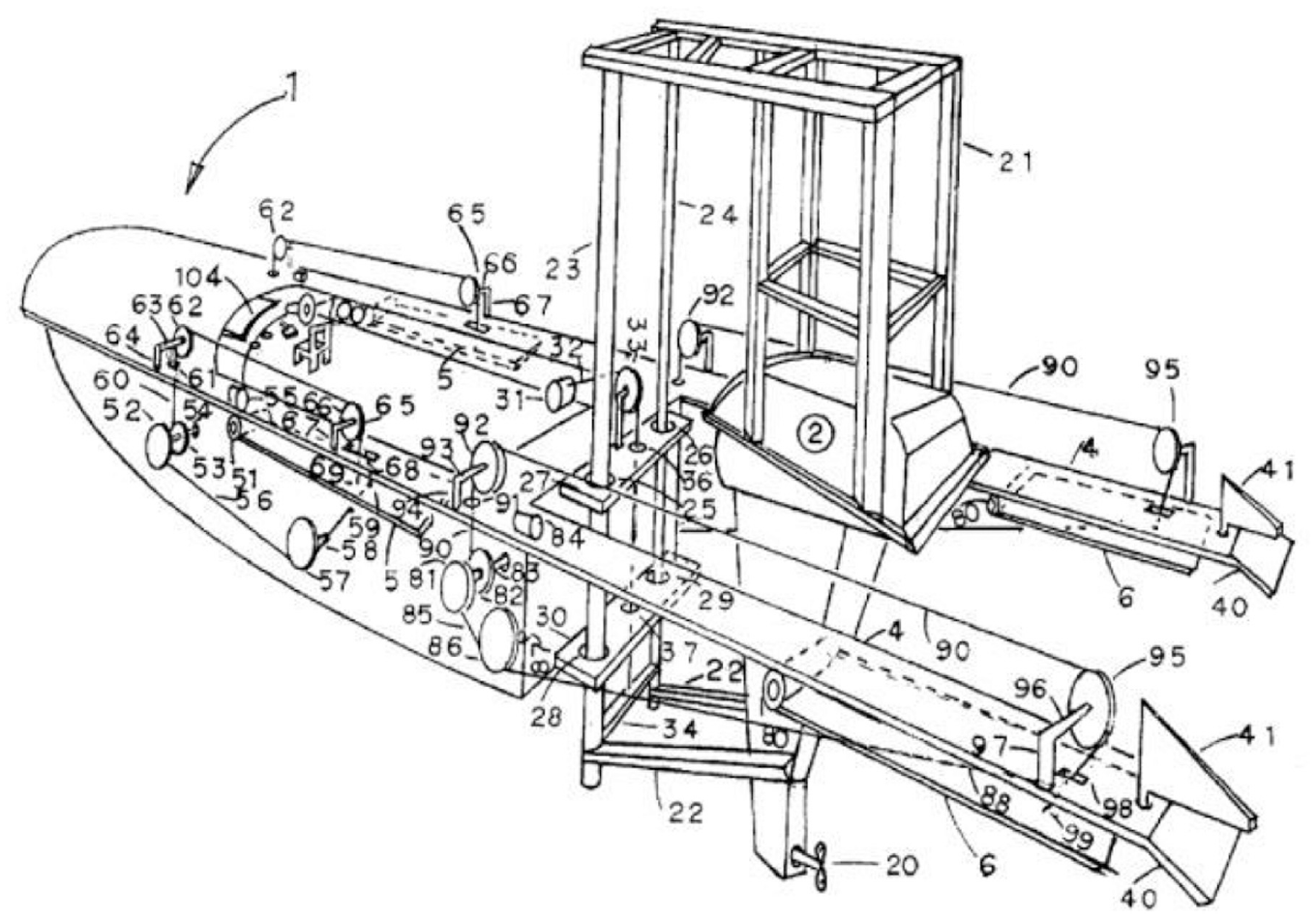
Patented on smart flying boat. 5
In addition, motion sensor shown in Figure 2 was published in 11 Mar 1997. Logically, the motion sensor works by detecting motion of movement in general. It detects motion and converts them into electric-mechanical signals or by far read them by the favorite language which is electrical signals. After that, the sensor, provides the oscillator interruption to active signals. Hence, interruption once giving continuous series of the signal at a time. Somehow, condition alarm meets its satisfaction while interruption signals are detecting through windows. The sensor contains, conductive sphere within a cylinder to locate the sphere within conductive plates and internal surfaces. After that, internal surfaces are being followed to get the sphere to rest condition contacting the last surface of the sensor. To provide visible alarms, since the device detecting motion including jumper circuits which are small wire uses to connect elements through passing others inside the electric circuit so, the jumper circuits are providing to the circuit casual motion as well as visible alarms. In addition, the next step is, controlling through remote is sending and receiving signals which are converting later into alarms. 6 A state of art smart device shown in Figure 3 was invented in March 30, 2017. 7 The device is connected to other devices via internet and has the ability to monitor the pool as it is provided with an alert system. The device uses a buoy that can float inside the swimming pool water.
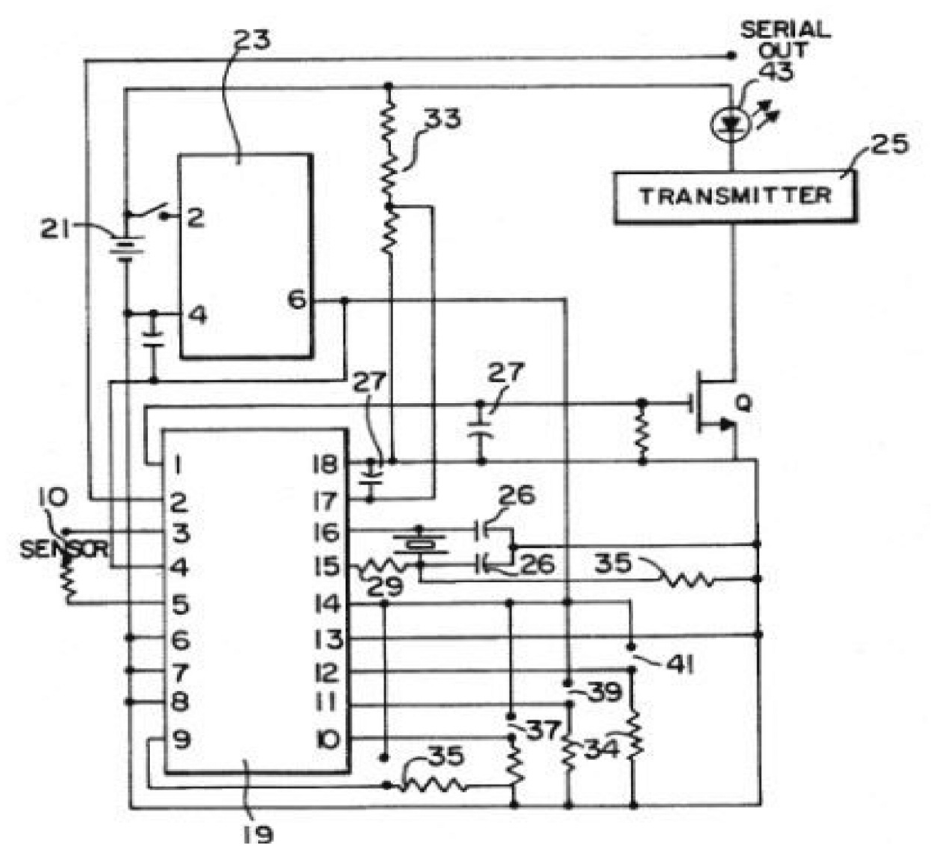
Patented on motion sensor. 6
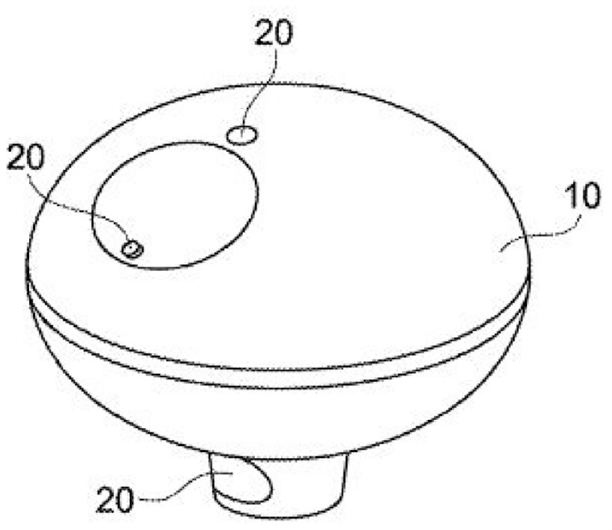
Patented on smart device for swimming pools. 7
Excessive amount of chlorine in swimming pool water had caused symptoms of respiratory disease. The symptoms have appeared on in adults at a percent of 66.7% while for children it was 71.6%. For people who are experiencing respiratory diseases the symptoms lasted a longer time compared to the other people. 8 A study says that people who are using chlorine for house cleaning have a less chance of being subjected to the risk of asthma, allergens and microbial agents such as antitoxins. 9 Used of Chlorine in wide range in local and international applications of swimming pools. It could be used for filtering swimming pools from bacteria that caused by swimming action. In addition, it is useful for producing chemical and polymers objectives. 10 Filtering swimming pools is very important to stop microorganisms from growing. Swimming pools water contains higher amount of Chlorine has capability of keeping the temperature of water consistently worm. 11 In a study on swimming pool safety and drowning risks, an amount of 600 people with ages ranging from 5 to 24 years have died due to drowning in a period of 2 years. 12 As a result, on evaluation, of effect of containing the normal amount of acid to kill small size of bacteria in swimming pools that chlorine cannot kill them. Swimming pools are getting very popular inside of houses so that means the traditional way to take care of children away from falling in is very important. No doubt that using robots and technology life is being easier and better as well as cleaning swimming pools in traditional way is taking so much of time, effort and money, so using smart boat to deal with this kind of cases is highly recommended. Papadopoulou et al. 13 investigated the amount of the chlorine and pH acid in five different public swimming pools (three were indoors and two outdoors) in NW of Greece. The range sizes of the swimming pools were from 18 m2 (domestic pool) to 1250 m2 (competition pool). For the indoor pools to provide the Greek standard ranges for pH 7.2–7.8 and maximum free chlorine 2.5 mg/l with an automatic backwashing twice a week.
Asiri 14 have designed one or more processing units for powering the processing units along with two or more distance sensors, a power supply, one or more cells, and the motors from energy supplied by the solar cells. The processing units might be configured by one or more processing modules for planning and executing a traversal path across the water body surface. The signals were considered to establish a portion of the traversal path from distance sensors. Instead of a human evaluating the water qualities (pH, water level, temperature, and water flow), machine room condition, and outer space quality, the suggested system, whose main aim is to regulate and monitor swimming pools automatically, is offered to optimize its daily maintenance. Sustainability plays a critical role in protecting the planet’s natural resources. As a result, it is becoming increasingly vital for society to adopt sustainable attitudes in everyday activities, particularly when it comes to the creation of new technology. In the case of swimming pools, it is necessary to use a sensor network to monitor water and energy consumption levels and, as a result, to modify consumption so that those resources are not wasted for reasons that are not necessary for the proper maintenance and operation of swimming pools.
Methodology
A savvy boat for pool support and water safety, involving: a frame having base, front, back, first side, and second side and a focal hub reaching out from the front side to the back side; a propeller situated at the back of the body; a first rudder situated at the back of the body close to the primary side; a subsequent rudder situated at the back of the body close to the subsequent side; a first sliding entryway, situated on the principal side of the body, the main sliding door including something like one repository of chlorine; a second sliding entryway, situated on the second side of the body, the second sliding entryway including no less than one repository of corrosive; a first slider-wrench component situated on the main side of the body and operatively associated with the primary sliding entryway; a subsequent slider-wrench instrument situated on the second side of the body and operatively associated with the second sliding door; a screen board situated at the front of the structure, wherein the screen board is associated with helical pinion wheels which raise or lower the screen board 7 ; a majority of engines, wherein every one of the propeller, the screen board and the first and second slider-wrench systems is associated with somewhere around one engine of the majority of engines; a vibration sensor situated on the back of the body; a chlorine sensor situated at the front of the body; a pH sensor situated at the front of the body; a battery-powered battery; somewhere around one lighting unit; an interchanges unit situated inside the body; a regulator situated in the body, the regulator operatively associated with the engines, the battery, the lighting unit and the correspondences unit; and wherein the regulator is further operatively associated with get estimation signals from the vibration sensor, the chlorine sensor and the pH sensor. 8 The smart boat of guarantee 1, wherein the primary slider-wrench system further includes a first slider base and a first slider entryway having four chlorine repositories, every chlorine supply designed to hold an amount of a chlorine; wherein the subsequent slider-wrench instrument further contains a subsequent slider base and a subsequent slider door having four corrosive repositories, every corrosive repository arranged to hold an amount of corrosive; wherein a first development of the main slider door toward the front of the body lets an amount of the chlorine out of an initial chlorine supply into the water; wherein a first development of the subsequent slider door toward the front of the body sets an amount of the corrosive free from an initial corrosive repository into the water. 9 The main slider wrench instrument further contains a first slider pole and a first slider wrench pole, wherein the primary slider pole involves an opposite pin at a first end arranged for interfacing with a space in the principal slider entryway, wherein the main slider bar includes a turn pin at a subsequent end, wherein the primary slider wrench pole involves a first end designed for associating with the turn pin of the principal slider pole, wherein the main slider wrench bar includes a first shaft opening designed to associate with a shaft of a first engine of the majority of engines; wherein the subsequent slider wrench component further contains a second slider bar and a subsequent slider wrench pole, wherein the second slider pole involves an opposite pin at a first end designed for interfacing with a second through opening in the subsequent slider door, wherein the second slider bar includes a turn pin at a subsequent end; wherein the subsequent slider wrench bar contains a first end arranged for associating with the turn pin of the second slider bar, wherein the subsequent slider wrench pole involves a subsequent shaft opening arranged to associate with a shaft of a second engine of the majority of engines. 11 The principal rudder includes a first rudder arm, a first rudder joint, a first rudder pin and a first controlling bar, wherein first rudder arm and the main rudder joint are associated together, and the primary guiding bar is associated at a first finish to the principal rudder arm by the principal rudder pin and at a second finish to a third engine; wherein the subsequent rudder contains a subsequent rudder arm, a subsequent rudder joint, a subsequent rudder pin and a second directing pole, wherein second rudder arm and the subsequent rudder joint are associated together, and the second directing pole is associated at a first finish to the subsequent rudder arm continuously rudder pin and at a second finish to the third engine; wherein the fourth engine is associated through a first transfer to the shaft of the propeller and the fifth engine is associated through a second hand-off to the shaft of the propeller. 12 Thus, interference once gives nonstop series of the sign at a time. Some way or another, condition caution meets its fulfillment while interference signals are recognizing through windows. The sensor contains, conductive circle inside a chamber to find the circle inside conductive plates and inward surfaces. From that point onward, inner surfaces are being followed to get the circle to rest condition reaching the last surface of the sensor. To give noticeable cautions, since the gadget identifying movement including jumper circuits which are little wire uses to associate components through passing others inside the electric circuit in this way, the jumper circuits are giving to the circuit relaxed movement as well as apparent alerts. Furthermore, the following stage is, controlling through remote is conveying and getting messages which are changing over later into cautions. 18 Unnecessary measure of chlorine in pool water had caused indications of respiratory sickness. 14 The indications have showed up on in grown-ups at a percent of 66.7% while for youngsters it was 71.6%. For individuals who are encountering respiratory sicknesses the manifestations kept going a more extended time contrasted with the others. 19 Enlivened by this venture is the need to remotely control and screen our kids’ pool, which is an Intex 15’ × 48 roundabout pools. The pool holds roughly 5000 l of water. It is associated with a sand channel/siphon., 11 KW radiator and saltwater framework. The objective is to screen the temperature of the pool water, air temperature and control the siphons, radiators and salt water framework to guarantee that the pool is warm enough for the youngsters without being overheated. Raspberry Pi, Arduino, IoT power supplies, and breadboards are joined to plastic capacity holders with zippers to keep water/dampness from entering boreholes for links and ventilation (See Figure 4).
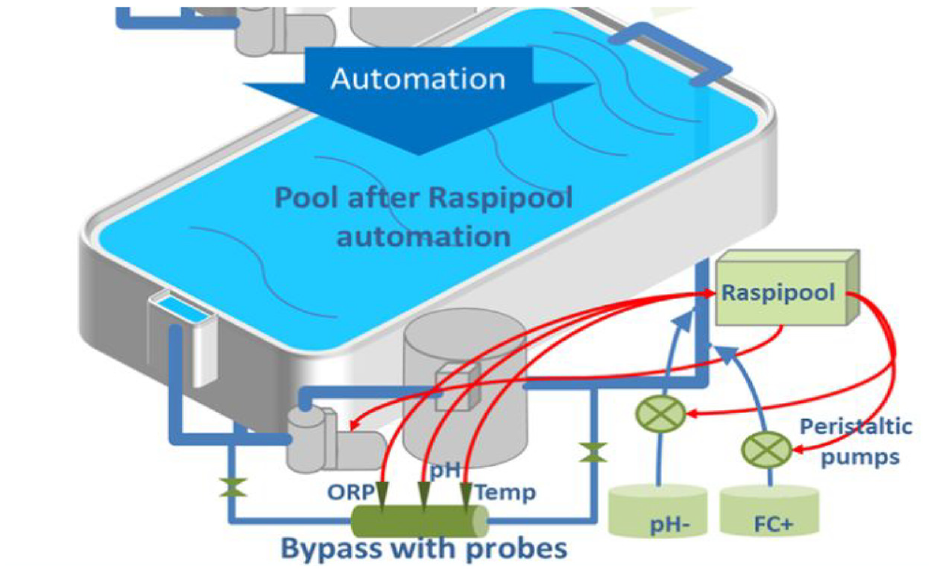
Raspberry Pi controls. 15
Results
The savvy boat screen board further includes: a boat net, a first net shaft and a subsequent net shaft, gears, wherein the cog wheels contain a first and second turning pinion gear, a first and second lifting pinion gear, a worm gear, a worm gear turning shaft, the worm turning gear shaft having a first end, a subsequent end and a middle; wherein the principal end of the main net shaft is associated with a first side of the boat net and the second finish of the primary net shaft is associated with the first lifting pinion; wherein the worm gear is operatively associated with the focal point of the worm gear turning shaft; wherein the main finish of the subsequent net shaft is associated with a second side of the boat net, the second side of the boat net contradicting the main side of the boat net, and wherein the second finish of the subsequent net shaft is associated with the second lifting pinion; wherein the primary side of the worm gear turning shaft is additionally associated with the principal turning pinion; wherein the second side of the worm gear turning shaft is additionally associated with the subsequent turning pinion; wherein the worm gear is operatively associated with a fourth and fifth engine of the majority of engines; wherein the principal turning pinion gear and the first lifting pinion gear intermesh to give raising of the screen board when the fourth engine turns the worm gear in a first heading; and wherein the subsequent turning pinion gear and the second lifting pinion gear intermesh to give bringing down of the screen board when the fifth engine turns the worm gear in a moment course inverse the principal bearing. 16 The hardware cover is set over the engines, correspondence unit, battery and regulator; wherein the gadgets cover is airtight fixed to safeguard the engines, correspondence unit, battery, and regulator; wherein the top cover is associated with a system on the first and second sides of the frame, and is situated over the gadgets cover; wherein the top cover is straightforward and contains a majority of sunlight based cells on an underside of the cover, wherein the sun oriented cells are arranged to produce power from beams of the sun impinging on the cover; wherein the top cover is electrically associated with the battery; and wherein the battery is designed to be re-energized by power created by the sun based cells 17 .
Buoyancy force
Moreover, to calculate the buoyancy force, double half of boat weight will be considered in the calculations. After that, the result must show that the bouncy force is bigger than gravity force Fb > Fg so that the boat will be floating safely as shown in Figure 5.
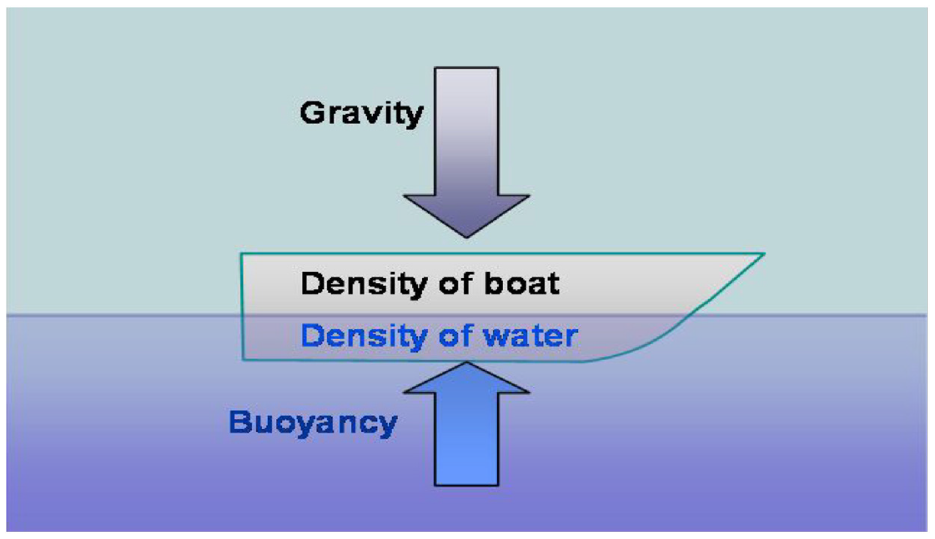
Buoyancy force free body diagram.
Slider-Crank mechanism
The main mechanism to open the gates is a Slider–Crank mechanism as shown in Figure 5, and it can be described as a mechanism of one degree of freedom, consists of four rigid bodies are connected to each other by three revolute joints and one prismatic joint to allow relative motion as illustrated in Figure 6(a). The four rigid bodies are illustrated as two links, one slider, and the ground (base) where are connected to each other to allow linear motion. Figure 6(b) shows the slider-crank displacement analysis; the graph of the slider crank mechanism for displacement is matching the need very well. The theoretical results must be by the experimental test.
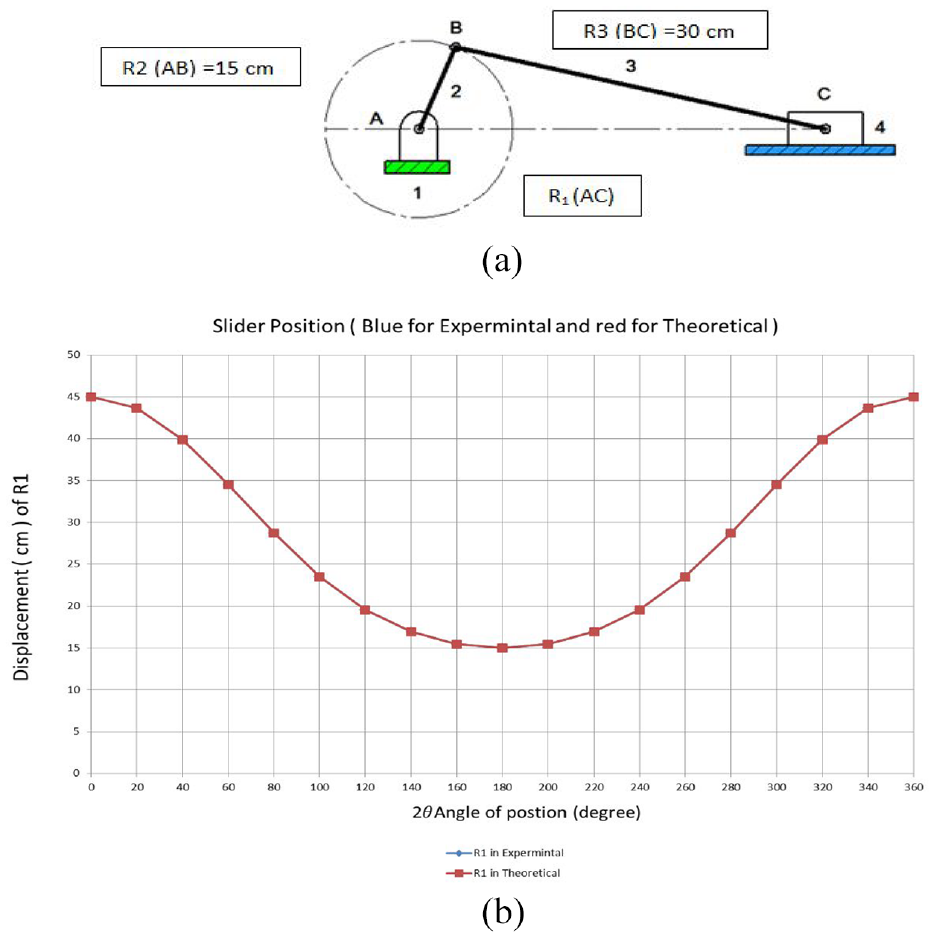
Slider-Crank mechanism.
Helical gear mesh
Using Ansys software, helical gears stresses will be designed to find the factor of safety. The yield stress of the gray cast iron is 130 Mpa. Figure 7 shows a primary result where the maximum stress is 62.33 MPa (the red color), while the blue is the lowest stress. Factor of Safety = 130/62.335 = 2.08 which is acceptable and safe as well.
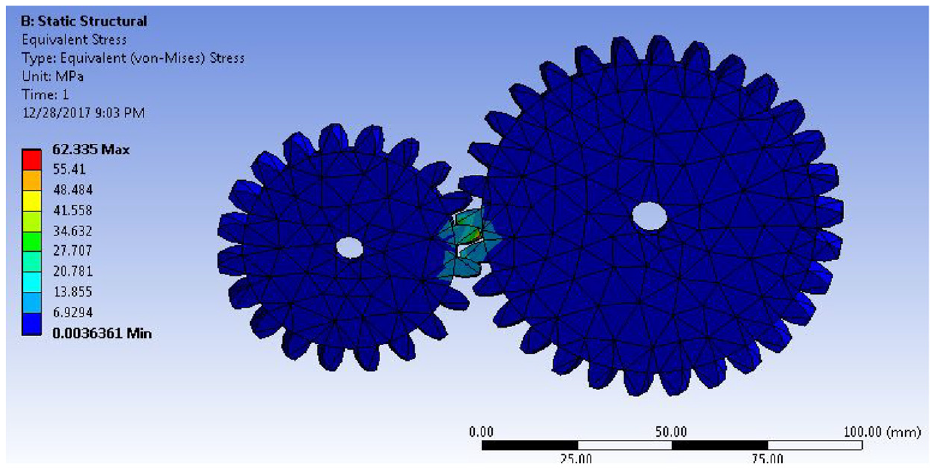
Gear equivalent (Von-Mises) stress.
Water pool chemical treatment
The are many factors need to be considered:
Taking in consideration the size of the containers that will store the chlorine and pH acid.
The time that it takes to release all chlorine and pH acid from the containers.
The sensor design to give the red-light alarm when chlorine and pH acid below the required level.
The amount of chlorine and pH acid depends on the pool size.
Figure 8 shows the process of the water pool treatment boat. The sensor will send give a signal to the control logic when the chlorine and pH below the required level. The control logic will display a red light in the remote control to tell the user that the swimming pool needs a chlorine and pH treatments.
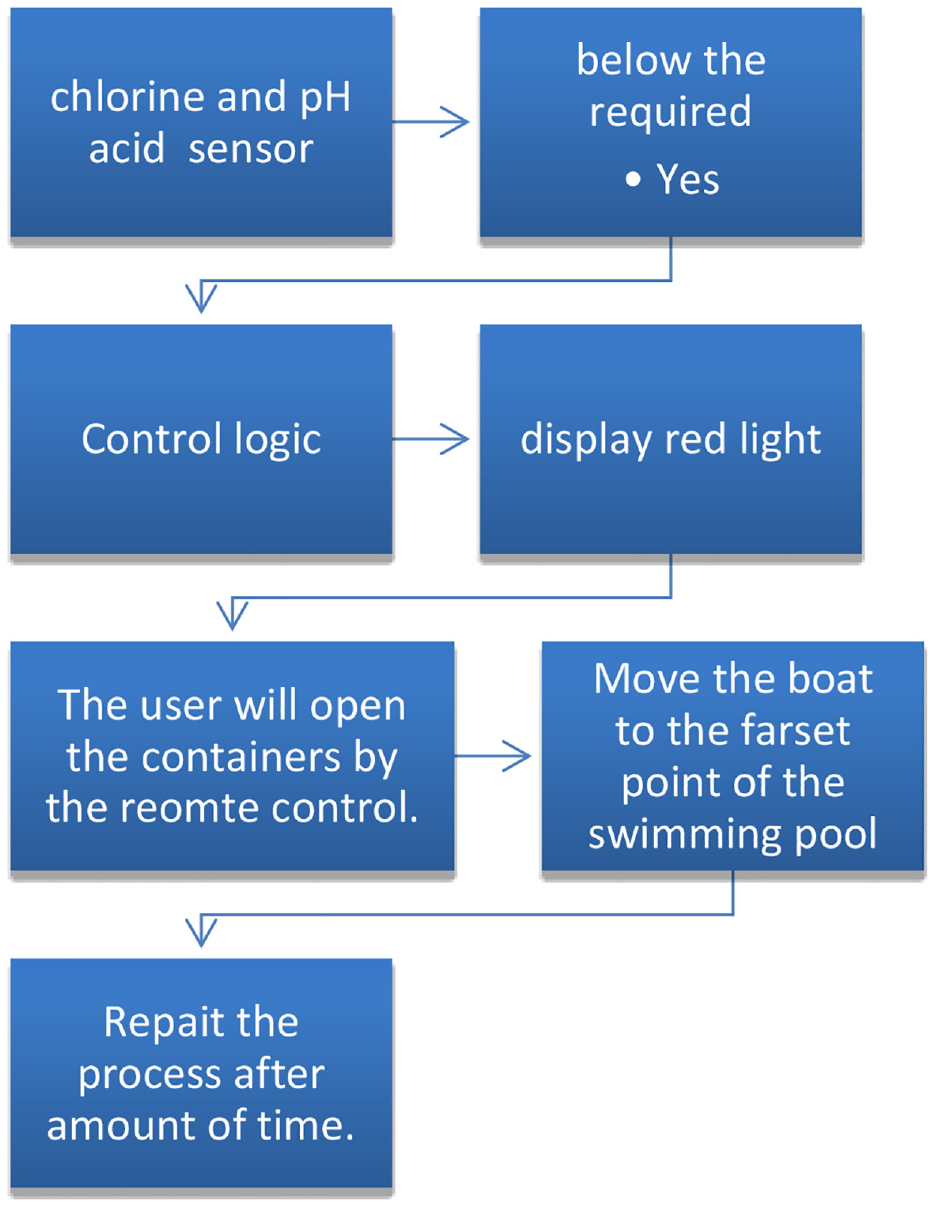
The process of the water pool.
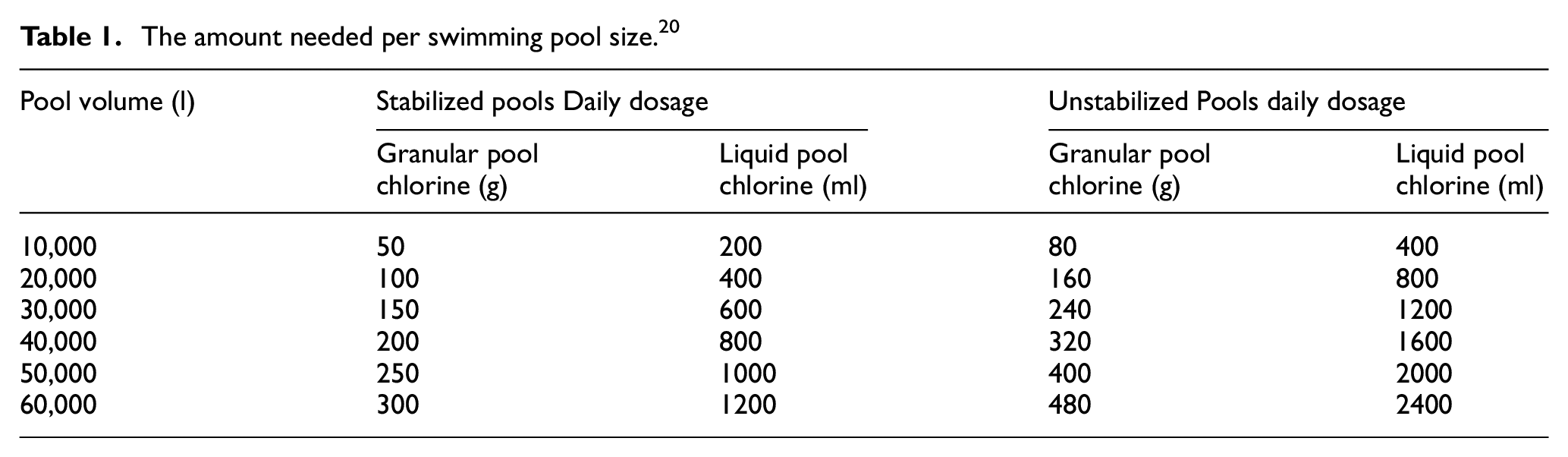
The user will release the chlorine and pH acid from the boat into the swimming pool by pushing a button from the remote control. After pushing the button, the red light will turn off and immediately will appear to the user “move to the most far point,” so by that the user will move the boat to the most far point of the swimming pool. The amount needed per swimming pool size is provided in Table 1 below. The recommended size of the container is listed in Table 2.
The amount needed per swimming pool size. 20
The size of the containers of swimming pool.

Stabilized chlorine means Cyanuric acid added to the chlorine to increase the time of the chlorine to remain in the swimming pool and not to evaporate quickly. 21 Unsterilized is the opposite of the stabilized where the chlorine only will be used. The density of the chlorine acid 2.994 Kg/m3 at normal temperature and pressure (20°C and 1 atm). From Table 2 all the chlorine in milliliters (ml) and it is known that 1 ml = 1 cm3.
The design of the boat to be multi-combination systems of pools treatment as shows in Figure 9. The container will have a pump inside it to pump the chlorine and pH acid by the nozzle marked 1 in the picture above. Also, there will be a sensor to check the chlorine level and pH acid marked number 2 and will be wire connected to the controller. When the chlorine and pH blow the required level, the controller will send a signal to the user by flashing blue light marked 3 in the picture.
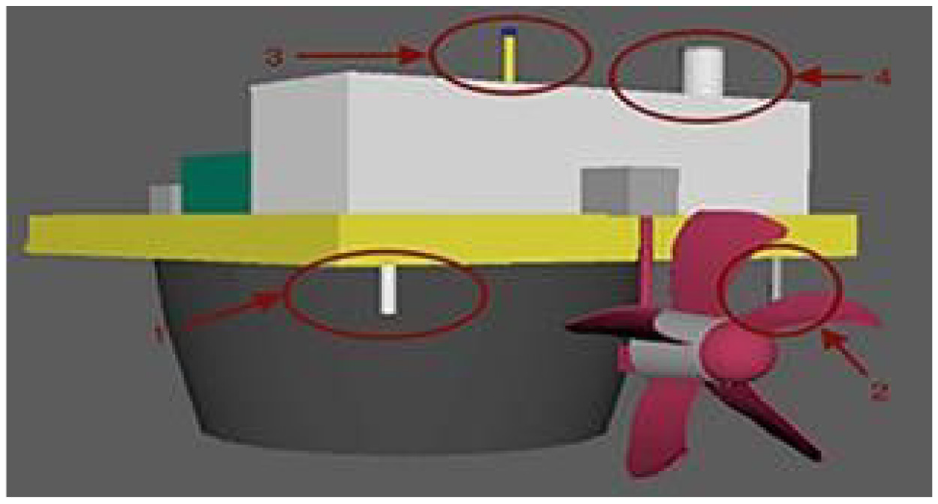
An Alternative design of swimming pool treatment boat diagram.
The controller will be located at the center of the boat with green color in the picture. To make the re-filling and checking the amount of the chlorine and pH acid easy for the user, an opening at the top of the container that numbered 4 in the Figure 9 has been made. Finally, Figure 10 shows the control circuit that have been used in the savvy boat.
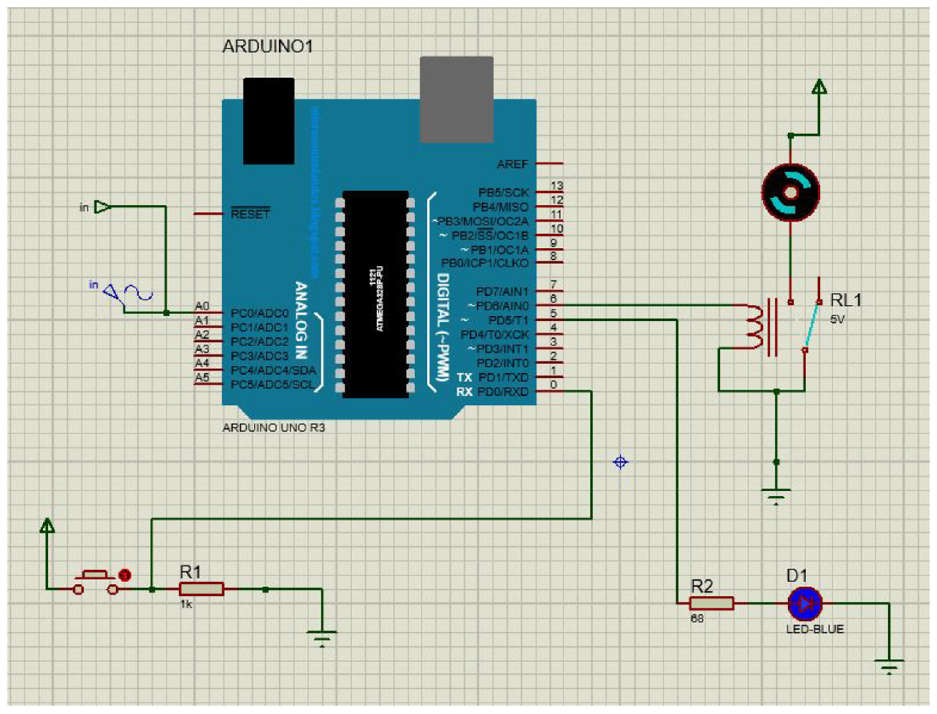
Control circuit.
The circuit model has been run to show that all the design works good and in proper way. In Figure 11 below the model has been run to check the result accuracy and how the system works.
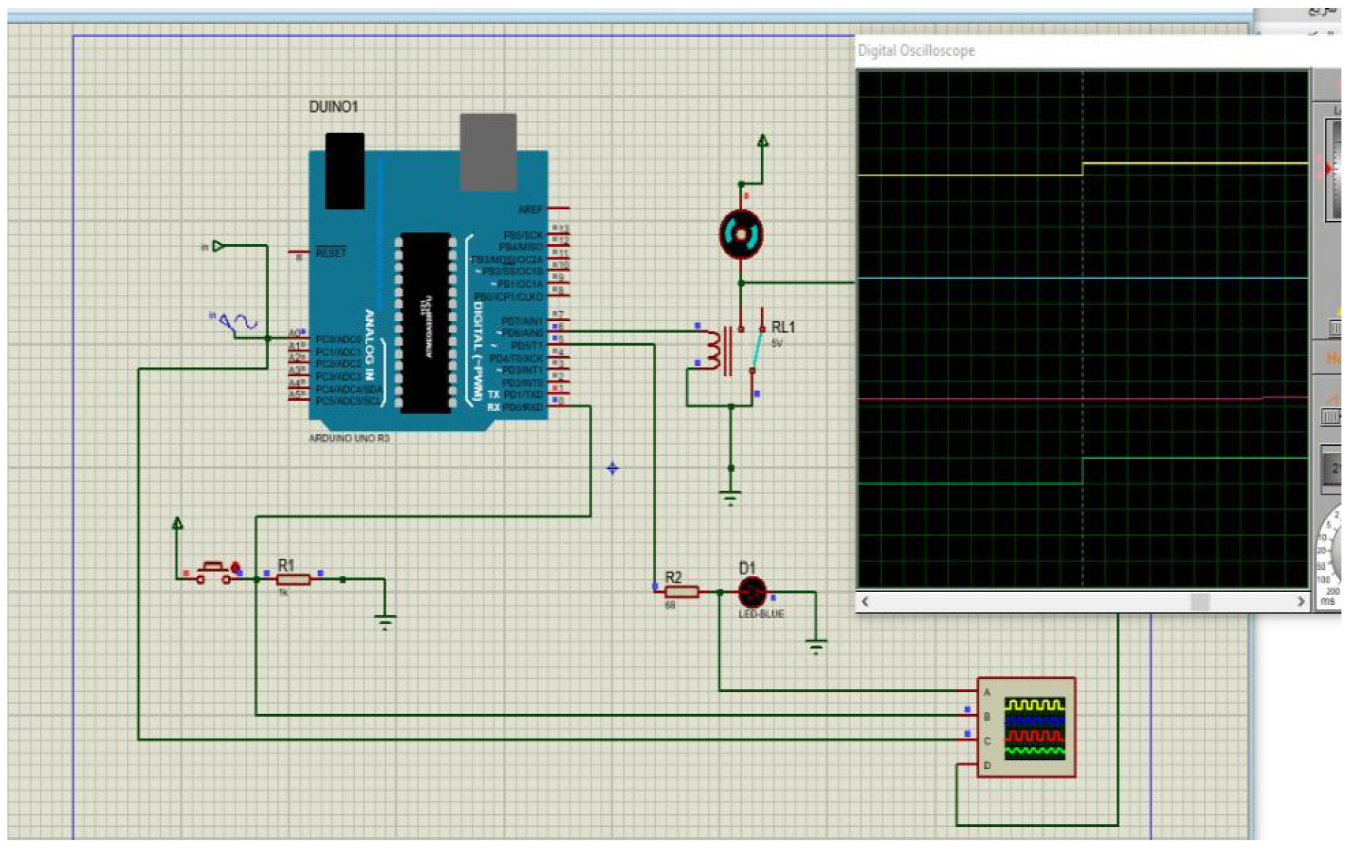
The system identification.
Figure 9 shows the graph of frequency mode from the first step where the sensor checks the level until the last step where the chlorine will be released. When the sensor represented by the red line in the graph find out that level of the chlorine is low. When the frequency is low the red line will shift up little from its original position as it pointed in Figure 4. Then the sensor will send a signal to the controller to flash the blue LED represented by the yellow line in the graph. After that the user will push the button to turn on the pump to release the chlorine into the swimming pool, which represented in blue line. When the pump starts, the light will turn off automatically. The blue line is only shift up and down same as the red line. The pump will run for 15 s, which represented by the green line.
Process sheet
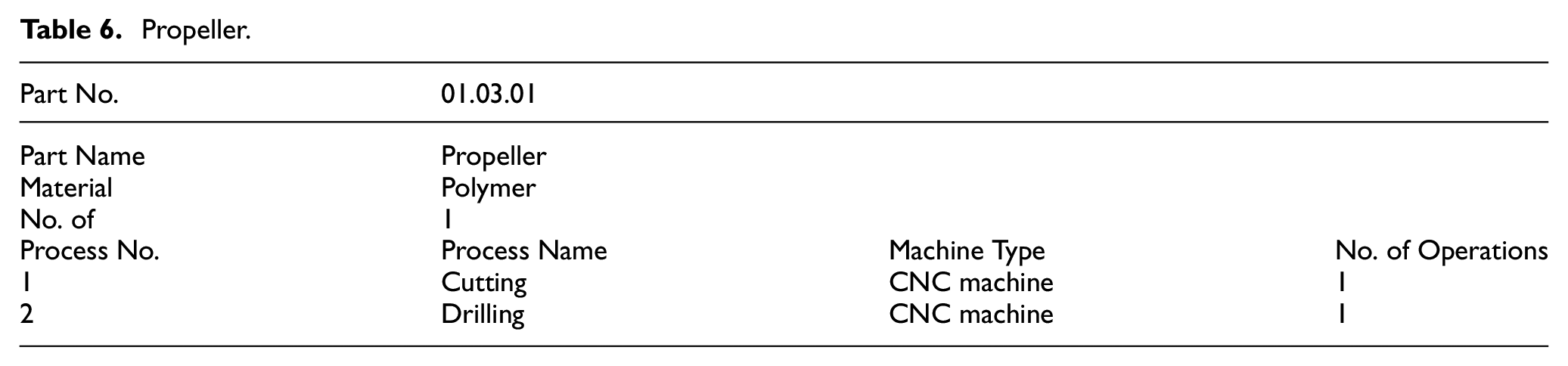
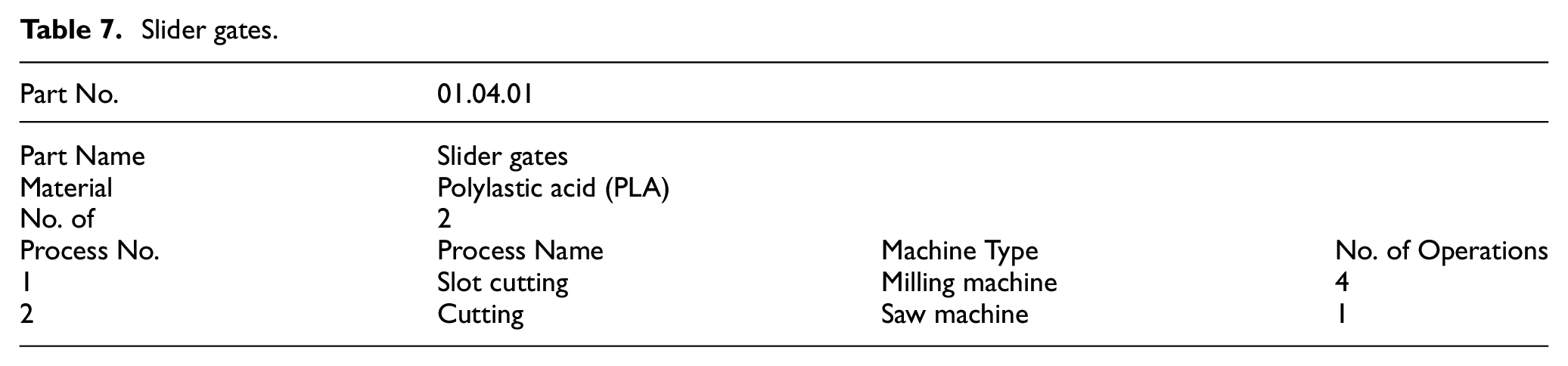
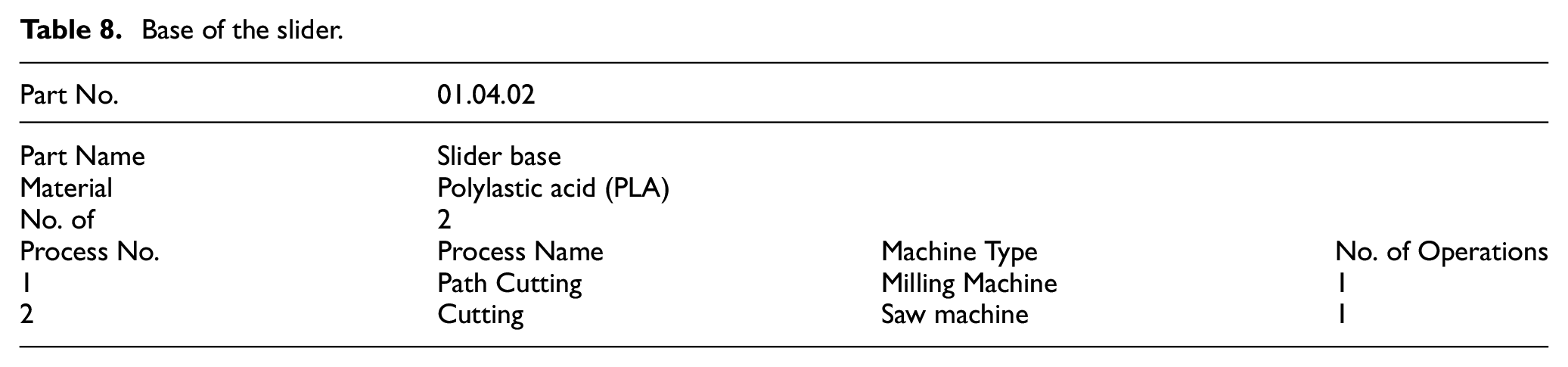
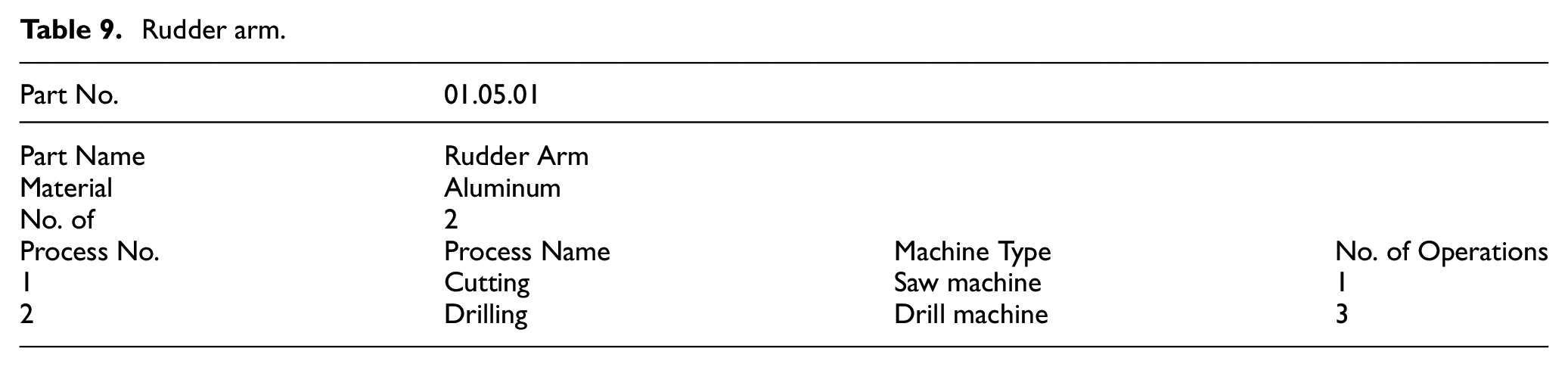
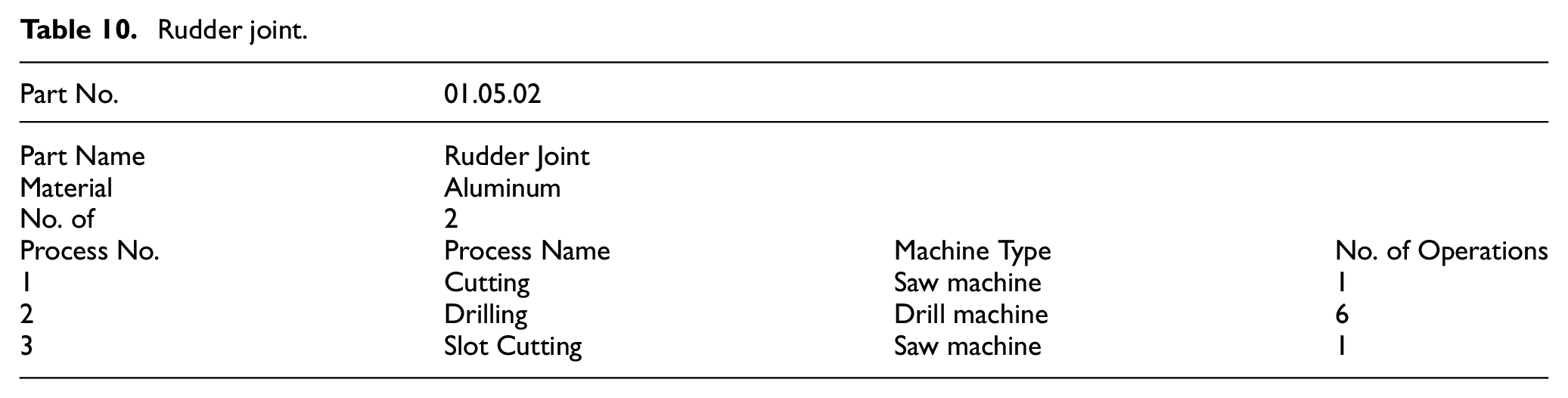
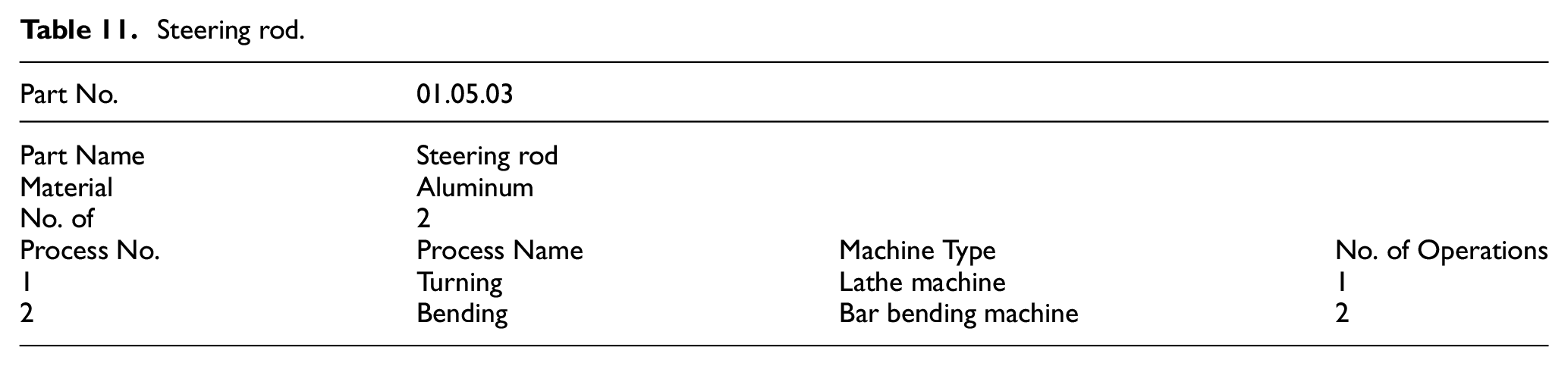
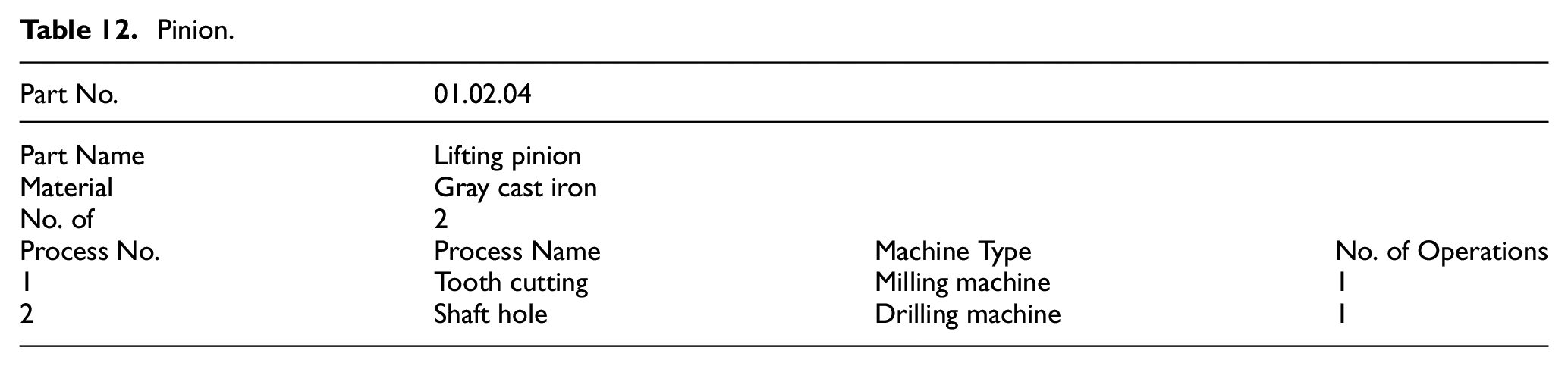
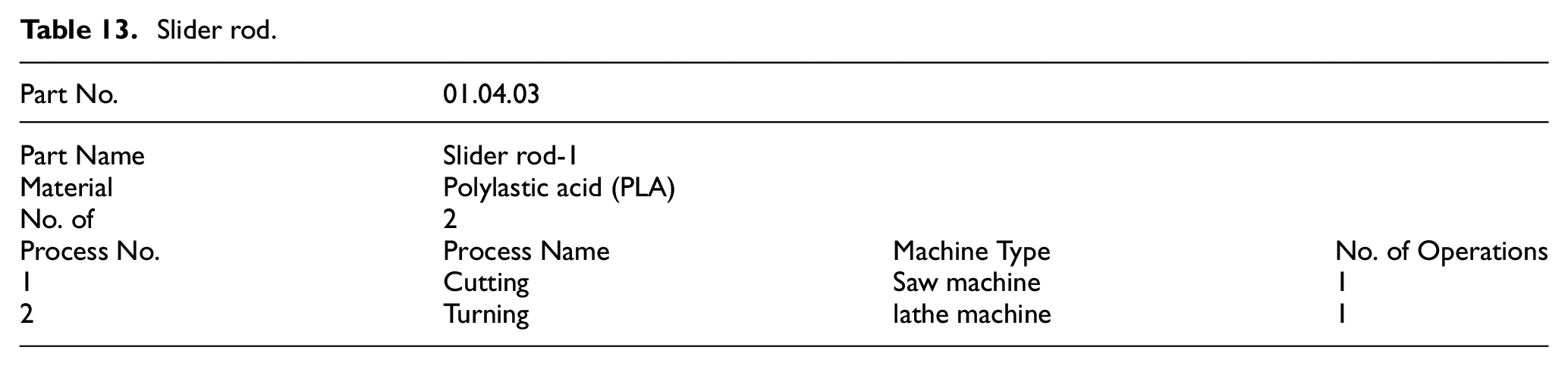
The manufacturing process sheets for each part of a simple savvy boat shown in Figure 12 are listed in the tables from Table 3 through Table 18. The process sheet contains number of parts which has three digits, first one is the number of assembly and the second are a number of sub-assemblies, while the third digit are a number of the part at sub-assembly. Also, this sheet contains the material of the product and the quantity of each part. In addition, determining how many kinds and type of process will be used to product parts and the machine in number of operations.
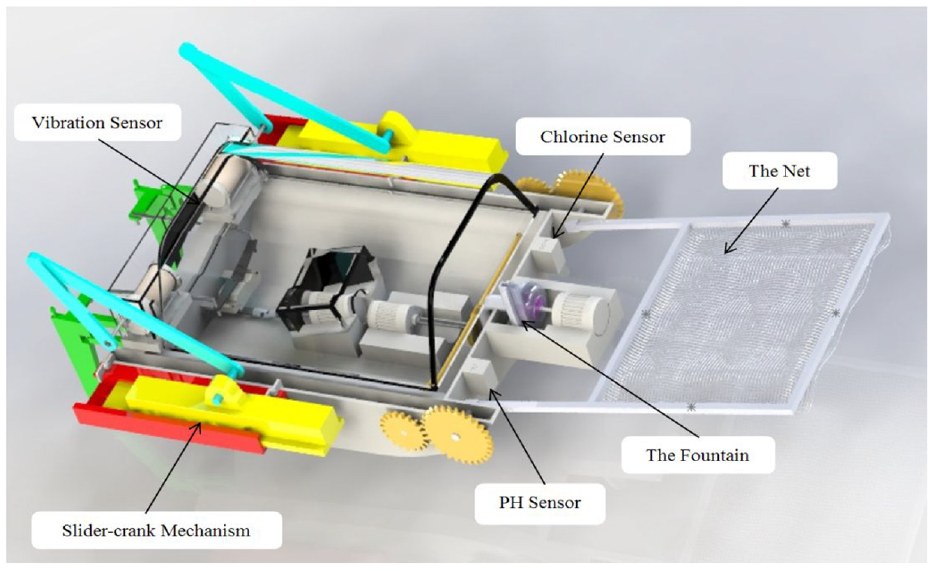
Schematic diagram of a simple savvy boat. 14
Process sheet of the bottom body of the boat.
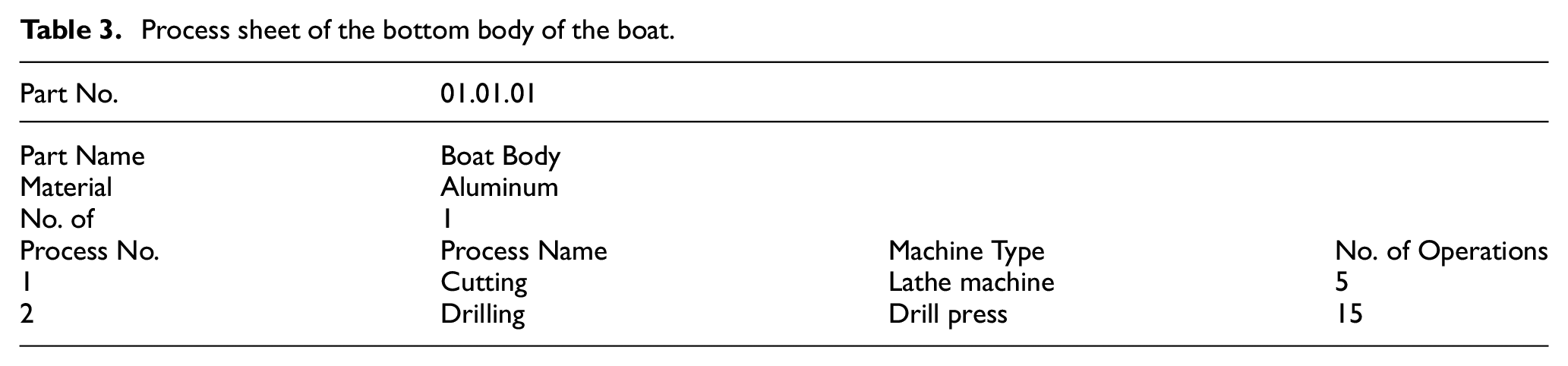
Net shaft.
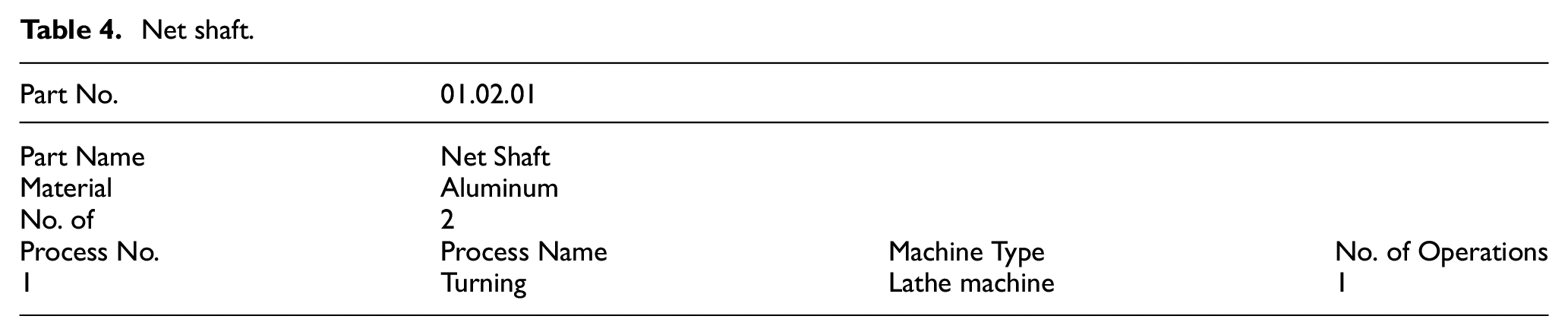
Net of the boat.
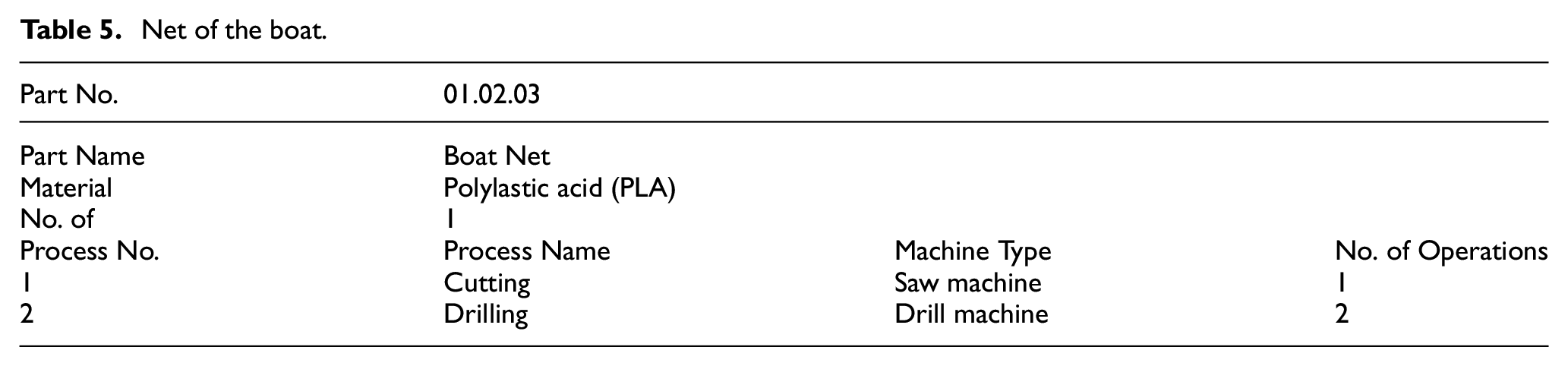
Propeller.
Slider gates.
Base of the slider.
Rudder arm.
Rudder joint.
Steering rod.
Pinion.
Slider rod.
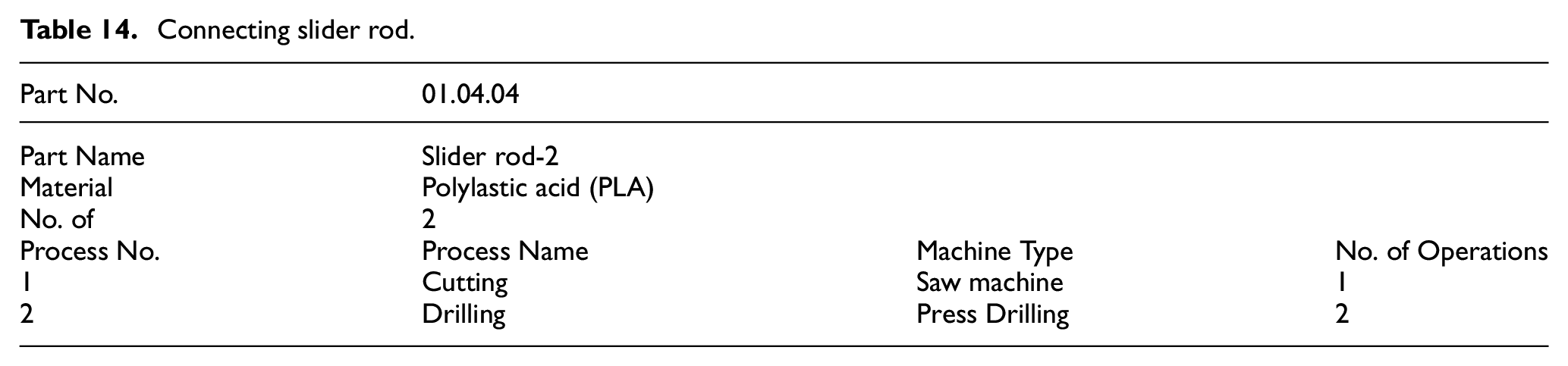
Connecting slider rod.
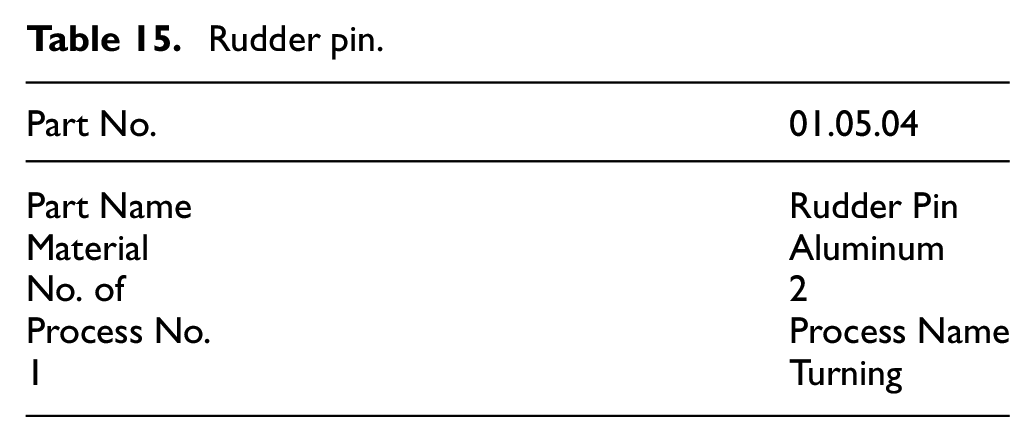
Rudder pin.
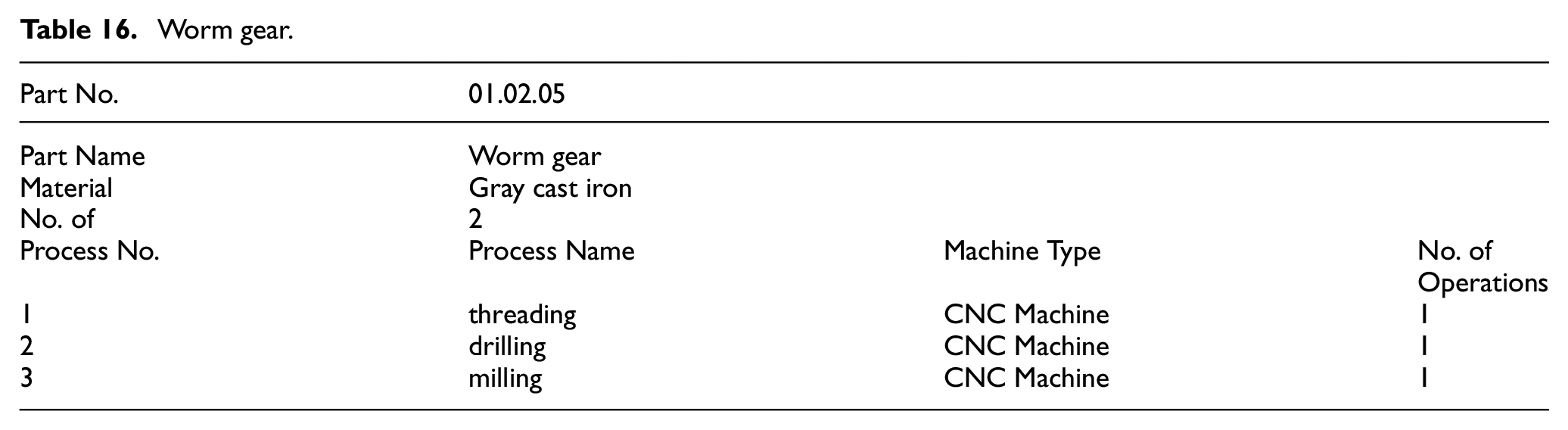
Worm gear.
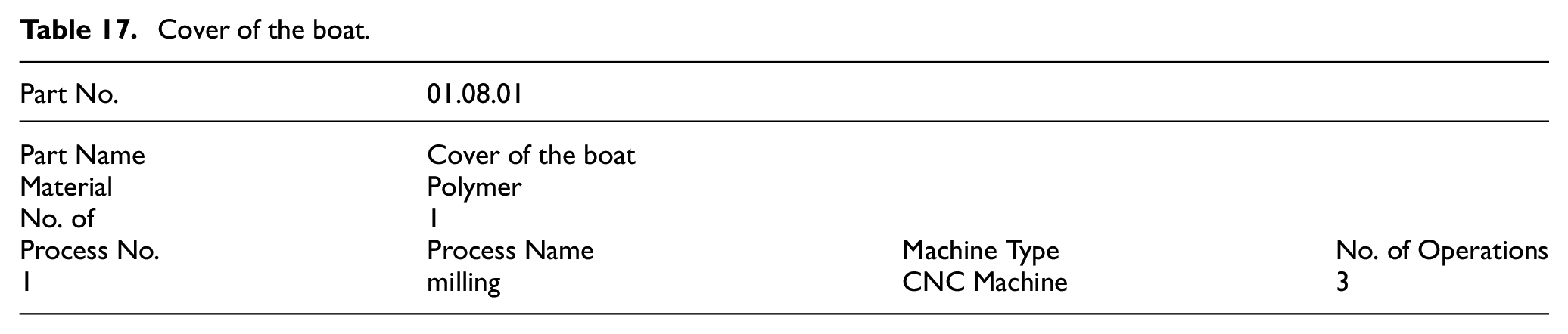
Cover of the boat.
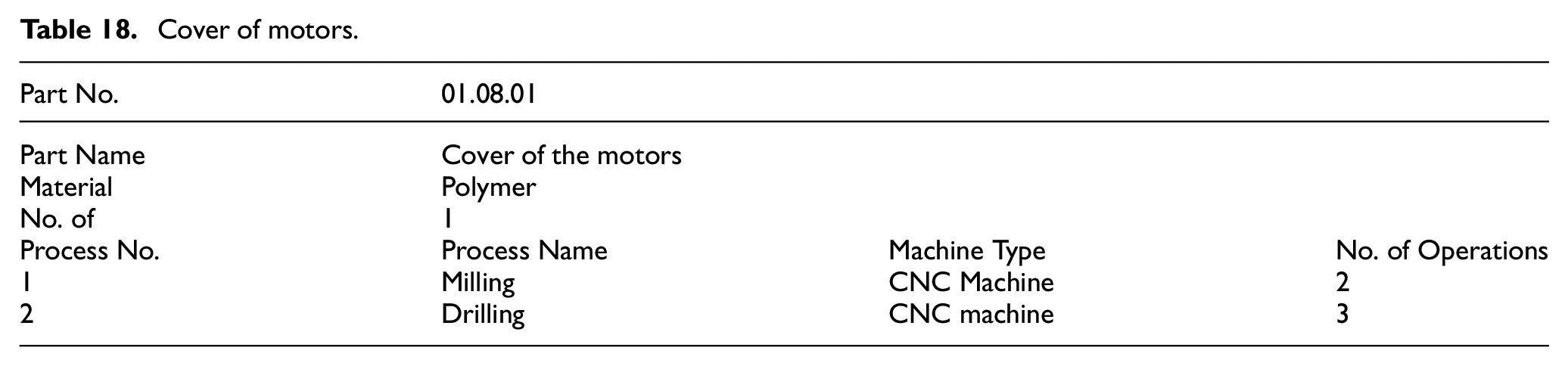
Cover of motors.
The process sheet of the bottom body of the boat is shown in Table 3. Table 4 shows the net shaft which will be in the front of the boat and made of Aluminum. Two parts of this is needed to connect the net by the boat; turning process is considered by lathe machine with one operation. The boat net is shown in Table 5.
This will be in Polylastic acid (PLA) and one part is needed. Cutting process is considered and it can be done by saw machine, while the other process is drilling to make the hole and it can be done by drilling machine.
Table 6 shows the propeller, which is going to be made of Polymer and one propeller is needed for the boat because it will be used rudders. To make the propeller CNC machine is needed because it is very complex, so starting by cutting operation is considered then using drilling to make the bore for the shaft.
The sub-assembly part of the slider gates is shown in Table 7, which will be made of Polylastic acid (PLA) and two parts will be needed because one for chlorine and the other for acid. Using three processes first is slot cutting by milling machine to make the internal gates with four operations. The second process is cutting to make the outer shape by saw machine. Third one is drilling to make the bore for the connecting rod.
Table 8 shows the sub-assembly of the slider base, which holds the gates. It will be made of polylastic acid (PLA) and two parts of it will be needed. This base will be machined by two processes; firstly, is path cutting by using milling machine with only one operation. The second one is cutting, which will be by saw machine with one operation.
The rudder arm which controls the direction of the boat is illustrated in Table 9. It will be made of Aluminum and two parts will be needed. To make the rudder in two processes, firstly is cutting to make the outer shape by saw machine with one operation, while the second process is drilling by drill press to make three holes. The sub-assembly of the rudder, which is rudder joint is shown in Table 10. It will be made of Aluminum and two parts will be needed of it. Three processes in machining, firstly is cutting with one operation. The second one is drilling to make six holes by drilling machine then it will be connected to rudder arms. Third process is slot cutting to make the internal cut by slot machine. The steering rod, which connects the rudder to the motor is shown in Table 11. It will be made of Aluminum and two parts of it are needed.
Two processes in machining to make it, firstly is turning by lathe machine within one operation. The second process is bending with bar bending machine with two operations. Table 12 shows the lifting pinion which transmits the power of the motor to control the net. It will be made of gray cast iron and two meshes of helical gear will be needed. Two processes needed to machine this pinion, first is tooth cutting by using milling machine. The second process is drilling for shaft bore by using drilling machine in one operation. The slider rod shown in Table 13 will be made of Polylastic acid (PLA) and I need two parts of it.
To manufacture this part two processes will be needed, first one is cutting by using saw machine to make the outer shape with one operation. The second process is turning by using lathe machine in one operation.
This is slider crank rod, which connects the connecting rod to the gear-motor as shown in Table 14. It will be made by Polylastic acid (PLA) and two parts of it will be needed. Also, two processes will be used to machine this part; first one is cutting by lathe machine to make the outer shape. The second process is drilling the holes by using drilling press.
Table 15 shows the rudder pin which will connect the rudder arm by rudder joint. Two pieces of this will be needed to which will be made in Aluminum. It is very simple to manufacture it using turning process by lathe machine in one operation. The worm gear shown in Table 16 transmits the power from motor to the lifting net. It will be made in gray cast iron and one mesh of it will be needed. It will be manufacturing in three processes, first one is threading by CNC machine in one operation.
The second process is drilling to make the bore of the gear. Third process is milling to make the pinion teeth in one operation.
The top cover of the boat shown in Table 17 is to keep the internal components safe from water. It will be made in transparent polymer and one part of it will be needed. It will be manufacturing in one process, which is milling by CNC machine and three operations will be needed to make it done.
Finally, the gear-motors shown in Table 18 is to keep them safe from water. It will be made in transparent polymer and one part will be needed. It will be manufacturing by two processes, first one is milling by CNC machine and two operations will be needed to make it done. The second process is drilling to open three support holes.
Discussion
After the fruitful execution of the sensors hubs in the characterized areas, the framework was assortment information since 9:00 am until 15:30 roughly. For an ideal experiment in a genuine climate case the tests time frame ought to be bigger. When the frameworks that were feasible to made tests were a public space and there were continuing swimming phases of preparation, there was unrealistic to let the framework gathering information through over a day. Besides, significant assignments will be referenced over methodically. The issue definition about pools happening reliably has been surveyed. Similarly, pool issues rely upon wellspring of it in any case causing from human, environment and climate conditions. Likewise, to get them out for the peruse as alluding before clone, for example, chlorine decrease, pH diminishes by time and Recreational water ailments (RWIs). The savvy boat offers shrewd and Instantaneous security. The scope of individuals that the boat could be extremely valuable for them is excessively wide; it very well may be security monitor for youngsters, grown-ups even old. The brilliant boat is viewed as a climate companion as it has a connection with adjusting synthetic parts in water of pools, which affects the air that individuals’ Inhalation around it. Separating pools water is killing wide scope of microbes develop in the wake of swimming in the pool for quite a while and they continue to develop when except if there is something halting them, which is the typical degree of Chlorine and corrosive in the water. Thusly, the wellbeing vibration sensor ought to be referenced. It works be detecting the transfer speed of signs that approaching from wave discussion, which happens in view of somebody was falling in the water.
Conclusions
This task presents an IoT answer for a framework to control and observing pools through a portable application. The principle objectives of this arrangement are to introduce a framework that can add to a more reasonable climate, having in consider its consequences, and energy effectiveness. The vibration sensor offers flawlessness readings and uncovered them into three different ways of alarming. Initial one, by showing a message in the LCD show of the remote. The subsequent one, which is making sound through a whistle chip in the actual boat. Thirdly, by making alerts by showing lights on the boat too, this is will be considerably more clear to see them overall! Likewise, for decrease of Chlorine or corrosive levels; there are two sliders containing medication one for Chlorine and the other one for corrosive. Both work when required by human choice and condition overall. Every slider contains four rooms to keep medication inside and fit to be dropped to do the normal item. Furthermore, estimations for mechanical parts have been done, yet some was physically and the other by utilizing a few delicate products, for example, Ansys, Analytix, and MitCalc on slider-wrench, helical and worm gears. From that point forward, the savvy boat has been planned and drawn utilizing SolidWorks. Obviously, some investigation programing has been utilized on the result results which they are Ansys, Analytix and MitCalc.
Footnotes
Acknowledgements
The author is very thankful to all the associated personnel in any reference that contributed in/for the purpose of this research.
Declaration of conflicting interests
The author(s) declared no potential conflicts of interest with respect to the research, authorship, and/or publication of this article.
Funding
The author(s) received no financial support for the research, authorship, and/or publication of this article.

Data availability statement
The data will be available for review from the corresponding author on request.