



Abstract
Arts-based research (ABR) has been gaining attention and popularity in recent years. One manifestation of this is the increased adoption of research-based documentaries as a means of knowledge production and mobilization in the field of gifted and talented education (e.g., RISE, The G Word). However, there has been little conversation on how documentaries can be more systematically adopted as a research tool. The goal of the study is to understand field researchers’ and practitioners’ perspectives, considerations, and inspirations regarding a gifted documentary and ABR. Employing a one-group posttest only design, this study treated the screening of the Superkids 2 documentary as an intervention and used a post-screening survey to collect data. Research participants (N = 135) were recruited from two international conferences in gifted education (NAGC and APCG). Findings of the study show a strong appreciation for ABR and a heightened willingness for further exploration. The findings also indicate that Superkids 2 not only deepened understanding of the gifted population but also stimulated reflective and critical thinking regarding research and teaching practices, which aligns with the essence of qualitative research.
Arts-Based Research and its Historical Context
Arts-based research (ABR) is a form of qualitative research that utilizes artistic representations, such as documentary films, sculptures, paintings, novels, and other artistic expressions, to understand and enhance human experiences via scientific and artistic lenses (Barone & Eisner, 2012). ABR is a transdisciplinary approach that involves researchers in any discipline adopting the tenets of the creative arts in their research (Leavy, 2014; McNiff, 2011).
Often, the arts are characterized by emotionality, whereas research is associated with theoretical and logical foundations. Therefore, the term “arts-based research” may at first appear to be an oxymoron (Eisner, 2006). However, the functions of art and research are not mutually exclusive. At times, they can provide a mutual in-depth reflection into a social phenomenon or relationship (Wilson, 1997). Through ABR, we can understand and make sense of our social worlds via various ways of perceiving, knowing, conceptualizing, and making connections (O’Donoghue, 2014).
Considering the broad scope of research associated with ABR, researcher’s aims in ABR can include capturing complexities, expressing possibilities and ambiguities, enabling critical thinking, provoking reflections, and deepening the understanding of a phenomenon (Eisner, 2006; Killas et al., 2020). Regarding the integration of arts into research, ABR can be employed as a stand-alone research method or can be used in one or more phases of research, such as gathering data, analyzing data, evaluating data, and explaining or disseminating findings (Greenwood, 2019). Moreover, beyond the traditional textual and numerical data included in typical qualitative, quantitative, and mixed-methods research, ABR expands the possibility of exploring data within different genres, such as visual, sound, performance, literary, and new media (Wang et al., 2017).
In the last century, research has evolved as a cognitive process in and of itself rather than simply as a prescribed set of procedures to confirm hypotheses (Pentassuglia, 2017). A cognitive process utilizes complex mechanisms that can achieve a more profound and contextually nuanced comprehension of the phenomena. This reconceptualizes the interplay between research subject and researcher by positioning researchers as active meaning-makers in co-constructing knowledge (Denzin & Lincoln, 2011). Overall, it underscores the role of acquisition, critical analysis, and interpretation throughout the research journey beyond the goal of hypothesis verification (Kara, 2015). In the early 21st century, this has further evolved. The prevailing perspective acknowledges that research is not independent of subjectivity and that researchers can embrace personal interpretations during the inquiry (Van der Vaart et al., 2018). This development has been a significant milestone in social sciences research. To date, qualitative research has been recognized as a legitimate paradigm, expanding the boundaries of what is considered academic research (Leavy, 2020; Sullivan, 2006).
While the qualitative paradigm has paved the way for new methodologies for researchers to understand the world, ABR emerges as a promising qualitative methodology for understanding the complexity of our human world (Pentassuglia, 2017). Elliot W. Eisner coined the term “arts-based research” at an educational conference at Stanford University and proposed that there are multiple ways of knowing and that human knowledge stems from experiences (Eisner, 1998). Under this tenet, knowledge does not simply reside within human beings, but is created by human experiences (Denzin & Lincoln, 2011; Eisner, 1998; Ellis, 2004). In recent decades, there has been an increasing interest in employing ABR in various fields (Coemans & Hannes, 2017; Greenwood, 2012; Leavy, 2014; Wang et al., 2017). Overall, ABR has been increasingly acknowledged as a valid and valuable research approach (Greenwood, 2012). Researchers have been prompted by the growth of ABR to find ways to use communicative and interpretative tools to incorporate art in their research.
Documentary Filmmaking as Arts-Based Research
Despite some obvious differences between documentary filmmaking and research, storytelling is a commonality between the two processes (Walker & Boyer, 2018). In both processes, selecting the right questions may be challenging. It can be even more difficult for their creators to produce and disseminate results in ways in which readers/viewers can engage with and get excited about. Another similarity is the process of parsing important information. Filmmakers need to collect many hours of footage before it is cut down to suitable segments for the final documentary film. This process is reminiscent of data analysis in the research process (Goodman, 2004). This being said, documentary filmmaking as a method is also subject to challenges commonly faced in ABR and qualitative research, such as methodological transparency, credibility and trustworthiness, and potential biases such as ones that arise from researchers’ positionalities and intersectionality (Leavy, 2020; McNiff, 2012). Moreover, the knowledge claimed by an ABR project should reflect its philosophical underpinnings and onto-epistemological diversity (Almqvist & Vist, 2019; Maxwell, 2002).
Considering the similarities between these two processes, Goodman (2004) points out that researchers and filmmakers have much to learn from each other. While it is believed that connecting the two methods (i.e., research and documentary) could be beneficial to both, scholars are still in the process of understanding their mutual connections and structural similarities (Morgan et al., 2018). As an example, Petrarca and Hughes (2015) modeled how researchers could achieve a balanced amalgamation of scholarly work and documentary filmmaking. Petrarca, an educational researcher who uses video for personal and research purposes, was motivated to capture her mother’s immigration story to Canada for future generations. Initially, the intention behind her documentary was personal. However, she began to draw similarities between her experiences as a researcher and her documentary making process. Sharing her mother’s immigration story through making a documentary allowed her to hone in on her research interest: understanding other newcomers’ experiences of migrating to Canada. This also ignited her desire to share with a larger audience the power of education on the lives of immigrant women.
Compared with traditional research methods, documentary filmmaking effectively reaches a broader audience (Greenwood, 2012; Leavy, 2014). For example, Woo (2008) conducted in-depth interviews about desired and undesired lifestyles and time-consumption habits in Singapore and New York. As an education researcher, she ultimately transformed her qualitative research into Singapore Dreaming (Woo & Goh, 2006), a 105-min research-based documentary film. This research output was screened on television, in theaters, and shown to many communities, such as churches and schools (Leavy, 2020). The aim was to expand the dissemination of the research and engage a broader audience beyond traditional academic channels such as conference papers, book chapters, and journal articles. In this case, research-based documentary filmmaking demonstrates great potential in knowledge dissemination and translation, which broadens the impact of the research. Similarly, the award-winning biopic Rufus Stone (Appignanesi, 2012) was the translation of qualitative research project titled “Gay and Pleasant Land: An Interdisciplinary Exploration of the Connectivity of Older People in Rural Civic Society” into a 30-min short film, exemplifying how film can be employed as a vehicle for conveying research findings to diverse audiences.
Overall, documentary filmmaking, as a form of ABR, merges artistic expression with academic inquiry. It provides unique ways to engage audiences, convey research findings, and examine complex issues (Eisner, 2006; Leavy, 2014). However, similar to other research methodologies, it requires rigorous attention to ethical considerations, researcher transparency, and potential biases (Greenwood, 2012; Pentassuglia, 2017). A critical examination of the challenges and opportunities presented by ABR can enhance the effectiveness of documentary filmmaking as a methodological approach. While there is a growing body of literature that explores documentary filmmaking as an ABR method, more research is needed to fully understand the synergies between the two fields.
Documentaries in Gifted and Talented Education
Documentaries have many strengths, such as sharing participants’ voices, evoking feelings, explaining phenomena, and contributing to emotional forms of knowledge (Eisner, 2012; Goodman, 2004). Thus, research-based documentaries are well placed to capture gifted individuals’ development, perceptions, and voices, as well as to offer a deeper understanding of their lived experiences pertaining to their identities and possible struggles (Woo, 2008). One of the most famous examples is the Up Series, a documentary series that followed the lives of 14 gifted individuals (the first documentary film was directed by Paul Almond; all subsequent films were directed by Michael Apted). The series represented a life span of 56 years, revisiting them every 7 years from ages 7 to 63.
More recently, similar research endeavors have been presented in documentaries such as RISE: The Extraordinary Journey of the Exceptionally and Profoundly Gifted (Jackson, 2014) and The G Word (Smolowitz, 2022). RISE (Jackson, 2014) is a 1-hr-long documentary that provides a look at the reality of the lives of 12 children identified as profoundly gifted. This film also features voices from their teachers, families, and administrators. The film encourages the audience to question the gifted label by showing heterogeneity among the gifted population, as each of the students featured in the documentary is unique and vastly different from each other. The G Word (Smolowitz, 2022) is a documentary that prompts people to rethink their assumptions by challenging the socially accepted myths and stereotypes surrounding giftedness and gifted people. Importantly, to challenge the status quo of giftedness, the subjects were depicted as coming from diverse populations, such as rural, urban, suburban schools, and low-income neighborhoods.
While the number of research-based documentaries in gifted and talented education (GATE) is limited, they have demonstrated the potential for reaching a broader audience, allowing participants’ voices to be heard, and allowing the audience to witness the in-depth lived experiences of the participants (such as educational challenges or developmental conundrums associated with asynchrony). In addition to providing the audience with an opportunity to understand the invisible aspects of gifted students’ lives, these research-based documentaries often provoke transformative insights that can inform GATE practices and policy-making.
The Superkids 2 Documentary Film as a Longitudinal Study
Akin to the famous British documentary series, Up, Superkids 2 (Beairsto & Killas, 2019) is a longitudinal follow-up with a group of highly gifted elementary students who were originally portrayed in the 2004 documentary film, Superkids (Killas & Beairsto, 2004). The Superkids 2 participants were aged between 11 and 13 years old when they were first interviewed and filmed in 2003; filming wrapped up in 2016 when the participants were in early adulthood. The second documentary film, Superkids 2 (Beairsto & Killas, 2019), was released in 2019 as part of the longitudinal research outcome of a large research grant federally funded by the Social Sciences and Humanities Research Council (SSHRC) of Canada and led by two of the authors of this article. In 2003, 2011, 2014, and 2015, the aforementioned students participated in semi-structured filmed interviews, resulting in a series of interview data collected when the participants were ages 11 to 13, 19 to 21, and 21 to 25, respectively.
This longitudinal documentary portrays the vivid lived experiences of five gifted young adolescents as they journeyed through the complex maze of applications to a range of high school educational programs, including a radical acceleration path that led to early university entrance. In addition to featuring these students’ decision-making process regarding their studies and career development, the documentary also depicts family involvement in their education and interviews with gifted educators and researchers. The 2013 and 2015 interviews focused on students’ retrospective thoughts on being labeled as gifted, benefits and challenges related to programs attended, and overall views on gifted education. The radical accelerants were also asked to reflect on their experiences attending university at a much younger age than other university students. Through centering student experiences and voices, the documentary was able to address unique and important issues pertaining to these gifted students.
In the context of the current study, Superkids 2 was used as a medium to see how research-based documentaries can potentially disseminate research findings. By screening the documentary at academic conferences that gathered researchers and practitioners in gifted and talented education, the research team aimed to assess whether the documentary could provoke reflections on GATE practices and promote the understanding of ABR as a potential research genre. To assess the changes in perceptions among participants and to capture their reflections and feedback, the study adopted a survey design with a mixed-methods approach wherein both quantitative and qualitative data were collected. This is elaborated upon later in the Method section.
Goal of the Study and Research Questions
Given the developing status of ABR in academia and its potential in disseminating knowledge, our goals in this study were twofold. First, we aimed to investigate the effectiveness of knowledge dissemination via the screening of a research-based documentary in the GATE field. Second, we aimed to survey field researchers’ and practitioners’ overall perceptions of ABR, specifically documentary filmmaking, as a potential way of conducting research. Our research questions were:
Can documentary, as a form of arts-based research, be perceived as an effective tool for disseminating knowledge to field researchers and practitioners?
How is arts-based research, documentary filmmaking in particular, perceived among GATE researchers and practitioners?
Method
This study employed a one-group posttest only design, a form of pre-experimental design to measure GATE researchers’ and practitioners’ perceptions of ABR and the usability of research-based documentaries as research in gifted education. Superkids 2, a longitudinal documentary that portrayed the lived experiences of five gifted individuals, was selected to be screened at two large GATE international conferences. A survey was circulated after the screenings to assess knowledge dissemination potential of the documentary and the change of participant’s perceptions on ABR. In a general one-group posttest only design (see Figure 1), X symbolizes the intervention, which comes before the observation, and the O refers to the observation of the dependent variable (Fraenkel et al., 2006). In the present study, the screening of the Superkids 2 film was treated as an intervention (X) whereas the observation (O) was participants’ changes in perceptions of ABR observed through their responses to a post-screening survey. To capture more details on participants’ perceptions of the documentary and their changes in perceptions of GATE practices and ABR after viewing the documentary, the participants were invited to write their comments about the documentary via an open-ended item in the survey as well as in the Zoom chat box during the virtual screening. While the study included simultaneous collection of both quantitative and qualitative data, the design of the survey placed a primary focus on the quantitative data. The qualitative data were considered as a secondary data set that could provide further insights and context. In this study, the collection and analysis of the secondary data occurred in a convergent fashion alongside the primary data collection and analysis procedures (Creswell & Clark, 2017). This survey design of an embedded mixed-methods analytical approach was established and planned at the beginning of the research process, and the procedures were carried out as planned.
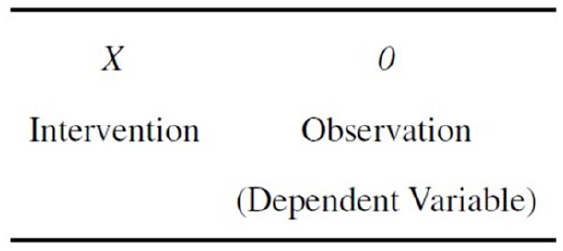
One-Group Posttest Only Design.
Survey Development
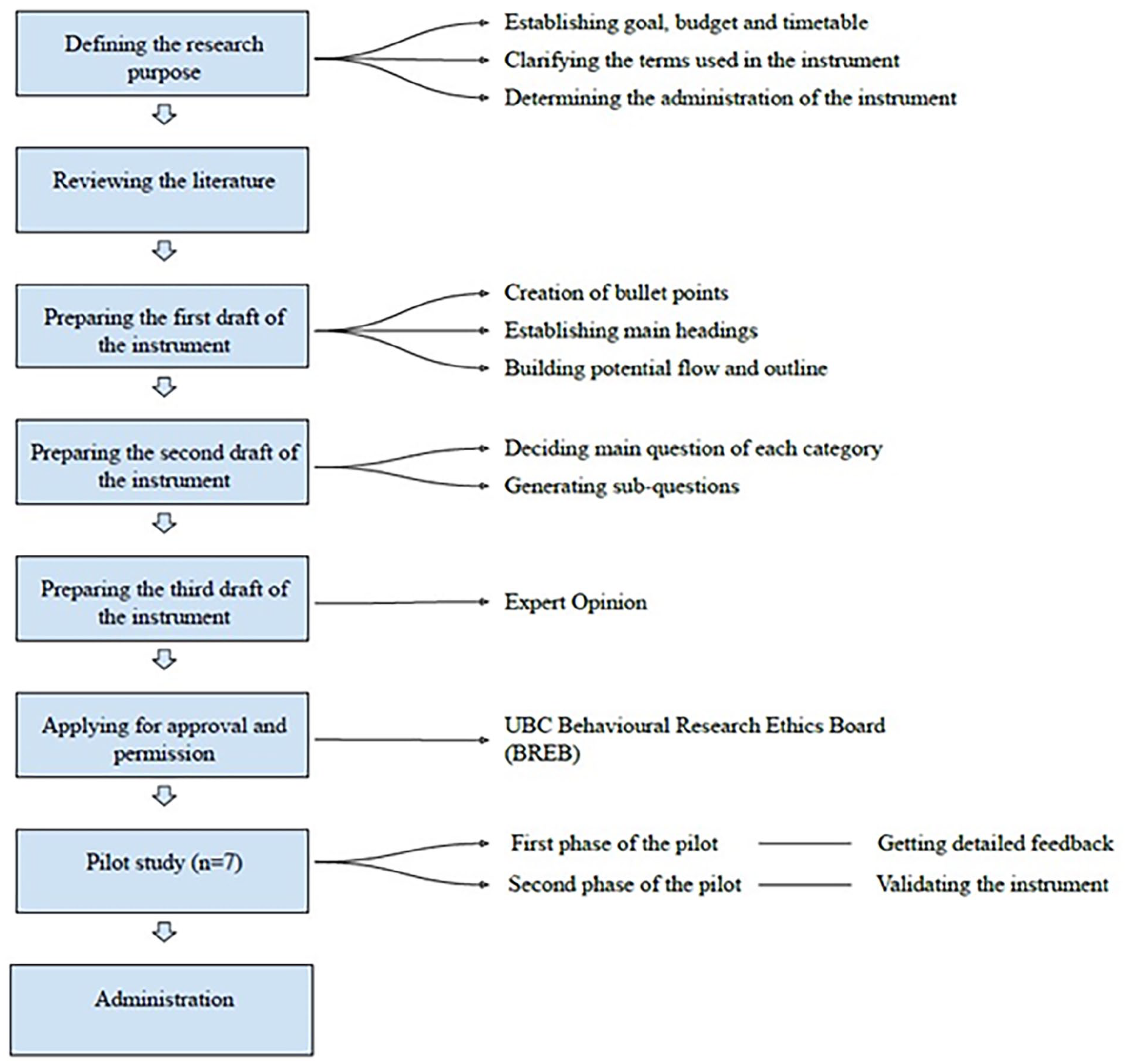
The research team developed a self-report questionnaire to survey the perceptions of the documentary and ABR. The research team consisted of experts and two graduate students who were familiar with gifted education, arts-based research, and research methodologies. The development of the survey included a detailed process of weekly meetings and discussions, multiple iterations, peer- and expert-reviews, and pilot tests (see Figure 2). Questionnaire items were developed using the BRUSO model (Peterson, 2000), which stands for brief, relevant, unambiguous, specific, and objective, with the following principles: (a)
Survey Questionnaire Development Process.
In the initial step of the survey development, the research team extracted themes from Superkids 2 and generated bullet points based on a literature review on relevant topics in gifted education. The team members viewed the film individually and generated themes before bringing their notes to the theme-discussion meeting. Based on the discussions and the consensus reached in the first iteration, the structure of survey items was developed, and the potential flow was formed before formulating the survey questions.
In the second step of survey creation, we created overall questions for each category (e.g., “What are people’s general experiences with arts-based research?” and “What are some challenges of a research-based documentary?”) and generated some sub-questions. In the third step, we adjusted the order of the questions according to the survey structure and a better logic flow as per optimal user experience. In this step, expert reviews were conducted to evaluate the appropriateness of each item under their respective category. To ensure construct validity (Krabbe, 2017), a draft version of the survey was examined by a university professor familiar with film directing and ABR, a university professor familiar with gifted education, and a university professor familiar with survey design.
Based on the experts’ feedback, survey items were further modified, and the draft instrument was ready for the pilot stage. A two-phased pilot study was conducted to improve the internal validity and reliability of the survey (Converse & Presser, 1986; Holden, 2010). Pilot study participants were recruited from two graduate-level courses in gifted education and special education. In Phase 1 of the pilot study (n = 4), the participants were asked to pay close attention to survey content and to flag concerns related to confusing or repetitive questions. This helped the research team to modify ambiguous or complicated questions. The pilot participants also provided feedback regarding the total time it took to complete the survey. Based on the feedback from the first phase, modifications and minor adjustments were made to the survey before it was circulated to the participants of the second phase of the pilot study (n = 3). The goal of the second phase was to confirm the face validity (Holden, 2010; Price et al., 2015) of the survey questionnaire and to make sure it was ready for data collection.
During this phase of the pilot study, the research team identified some possible decay issues that could pose threats to the internal validity of the survey study (Fraenkel et al., 2006). To address this, the team ensured that the question formats were designed to minimize ambiguity in the results. Except for one open-ended question, the rest of the survey employed a 6-point Likert-type scale, dichotomous (Yes/No), and check-all-that-apply (CATA) questions. Another situation where instrument decay could arise is if participants feel tired from long and complex surveys (Fraenkel et al., 2006). Through the two rounds of pilot studies, we ensured that the length of the survey would allow the participants to finish in approximately 15 to 20 min and confirmed that the content was easy to understand.
The final survey questionnaire consisted of 51 closed-ended questions and one open-ended question. As the survey would be distributed electronically, it was formatted to be compatible with smartphone, computer, and tablet displays. The survey design was divided into seven sections: (a) participants’ general perceptions of the film and overall documentary experience (e.g., I think Superkids 2 presents important issues in the field of gifted education.), (b) participants’ knowing and thinking regarding their GATE knowledge practices vis-à-vis viewing the documentary (e.g., Which of the following themes about gifted education do you think Superkids 2 demonstrated well?), (c) participants’ perceptions of the relevance and applicability of the documentary (e.g., I would use Superkids 2 as a counseling tool), (d) participants’ previous experiences with arts-based research (e.g., I have read/watched some arts-based research projects before), (e) participants’ perception of Superkids 2 as arts-based research, (f) participants’ perceptual changes on the possibilities of conducting arts-based research or art-involved research (e.g., After watching Superkids 2, I feel inspired to conduct or get involved in media-based or arts-based research), and (g) demographics (e.g., How many years of experience do you have teaching in gifted education/teaching about gifted education?).
These subsections could be sorted into two major parts: Questions 1 to 28 looked at the change of perception of gifted education vis-à-vis viewing the documentary (e.g., Q5: I think Superkids 2 contributes to the field of gifted education) and Questions 29 to 44 focused on the change of perception of ABR (e.g., Q36: After watching Superkids 2, I have developed a greater appreciation for arts-based research). An open-ended question was also included at the end of the survey, and the participants were asked to leave their feedback about the documentary or the research project (i.e., Q52: Do you have any open-ended feedback about the documentary or the research project?).
Data Collection and Participants
The participants of the study were recruited from two major international conferences in GATE, namely the 67th Annual Convention of the National Association for Gifted Children (NAGC) and the 16th Asia Pacific Conference on Giftedness (APCG). These two international GATE conferences were selected because (a) conferences are an efficient means for knowledge dissemination given the large attendance and (b) the audiences have familiarity with GATE-related topics and issues. To increase generalizability, data were collected from two different conferences that cover diverse geographical regions (Kraemer, 1991). Both conferences were held in virtual settings due to in-person restrictions from the global outbreak of the COVID-19 pandemic that began in early 2020. However, this shift to online conferences allowed the researchers to collect data from a more diverse participant pool. This virtual format overcame the limitations associated with in-person conferences, such as accommodation, time, and cost constraints, thus broadening the scope and diversity of the participants involved.
Two notable recruitment strategies were employed: (a) information was posted on the conference organizers’ Twitter and Instagram pages and (b) flyers of the screening event were circulated by the organizers. For example, Superkids 2 was advertised on the social media webpages (Twitter, Instagram) of the NAGC as the only movie night throughout the conference. Subsequently, when the convention schedule was posted on the NAGC website, they included the participant recruitment flyer, which included the details of the research project. Similarly, APCG attached the advertisement flyer on the conference agenda. However, the screening at APCG was scheduled as one of the afternoon sessions parallel to other presentations rather than as a movie night when no other sessions were scheduled.
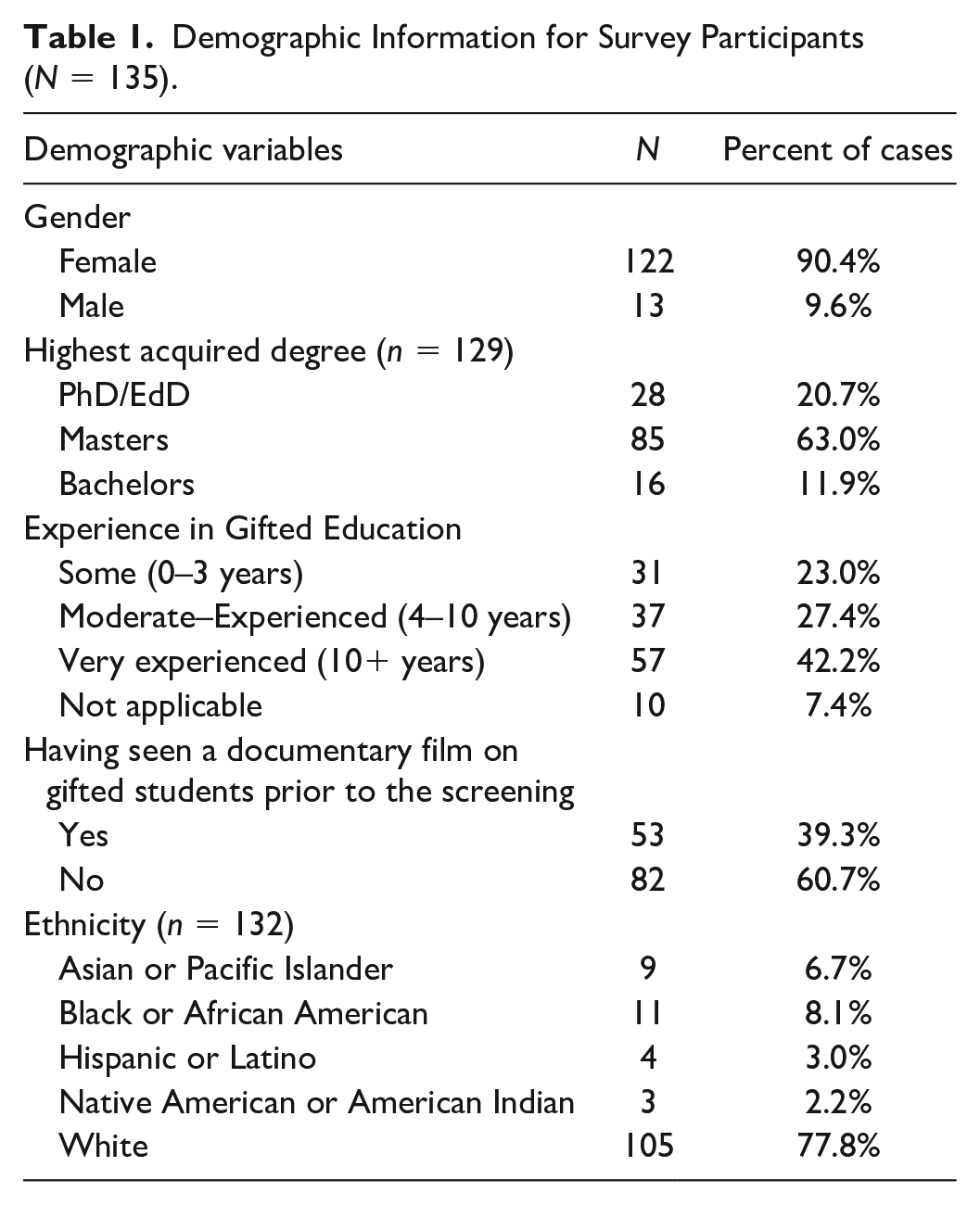
Prior to the beginning of the documentary screening, the attendees were asked once again whether they would like to participate in the post-screening survey. Approximately 700 people from NAGC and 20 people from APCG joined the documentary screening. Among these documentary viewers, 177 GATE researchers and practitioners agreed to participate in the survey study. After excluding incomplete survey responses, the final data included survey responses from 135 participants (126 from NAGC and 9 from APCG, see Table 1). Among the 135 GATE researchers and practitioners who participated in our study, K–12 teachers comprised the largest group (48.9%). The remaining participants were distributed across various roles, including graduate students (10.4%), school administrators (16.3%), school counselors (6.7%), and university researchers/lecturers/faculty members (6.7%). In addition, 11% of the participants opted to not disclose their occupation.
Demographic Information for Survey Participants (N = 135).
Data Analysis
The quantitative data were formed by the research participants’ responses to the survey questionnaire (Q1 to Q51). The qualitative data were formed by the research participants’ responses to the open-ended question (Q52). The real-time feedback that occurred during the online screening was also considered part of the qualitative data. The qualitative data in this study were collected to provide additional context and triangulation to the quantitative data. The two data sets converged to respond to the same research questions and were complementary to each other (Creswell & Clark, 2017).
Quantitative analysis was employed to answer the research questions of this study (Fraenkel et al., 2006). Descriptive statistics were used to highlight the demographics and distributions of the responses. All quantitative analyses were performed with the Statistical Package for the Social Sciences (SPSS; version 27.0).
The qualitative data were analyzed using thematic analysis (Braun & Clarke, 2006) conducted by two of the team members. A total of 52 discussion threads emerged from the discussion board during the NAGC online screening, and 51 participants provided qualitative feedback through the open-ended item in the post-screening survey. The data collection process resulted in five pages of transcripts from the online screening and six pages from the survey responses.
The conceptual framework of this embedded mixed-methods analytical approach speaks to the complementary strengths stance defined in Greene’s (2008) article on mixed methods social inquiry. The complementary strengths stance acknowledges the compatibility of qualitative and quantitative data with a purpose of maintaining methodological integrity and expanding the scope of a study (Morse, 2003).
Ensuring Trustworthiness: Qualitative Expertise and Rigors
Qualitative Expertise and Content Knowledge
It is essential for a research team to demonstrate their research expertise in qualitative research, allowing readers to identify potential sources of bias (C. O. Lo, 2016; C. S. O. Lo, 2014; Tracy, 2010). It is also important to acknowledge the content expertise of the research team to allow readers understand where intersectionality could occur. The research team for this study comprised two graduate students specializing in gifted and talented education, a faculty member in science education curriculum and pedagogy, a faculty member in filmmaking and mass media communication, and a faculty member in gifted and talented education. In terms of qualitative research competency, all faculty members in the team have published empirical qualitative papers. One faculty member has published several papers on qualitative research methodology.
Credibility
The results of the study were triangulated through the collection and analyses of both quantitative and qualitative data (Creswell & Clark, 2017). The research team demonstrated prolonged engagement (Adler, 2022) to this study by (a) adopting a thorough survey-design process and (b) encouraging participants to leave feedback and comments during the online-screening and in the survey.
Transferability
The context and the sampling strategy of the study were documented and presented thoroughly to allow participants to judge the applicability and relevance of the findings to their own settings (Morse et al., 2002).
Dependability
The study provides a detailed methodology section to ensure transparency and allow potential research replication (Amin et al., 2020). This also allows readers to assess the dependability of the findings by understanding the rationale behind each of the methodological decisions made in the study.
Confirmability
All of the design processes of the study were reviewed with the research team, which consisted of members from diverse academic backgrounds and fields of expertise. This peer-briefing procedure was conducted to help validate interpretations and minimize personal biases (Lincoln & Guba, 1985).
Consistency and Communicative Validity
While the qualitative analysis was conducted and reviewed as a team, the writing of the qualitative results was primarily prepared by one team member to retain a high level of consistency and communicative validity (Moilanen, 2000).
Results
General Perceptions of the Documentary and the Viewing Experience
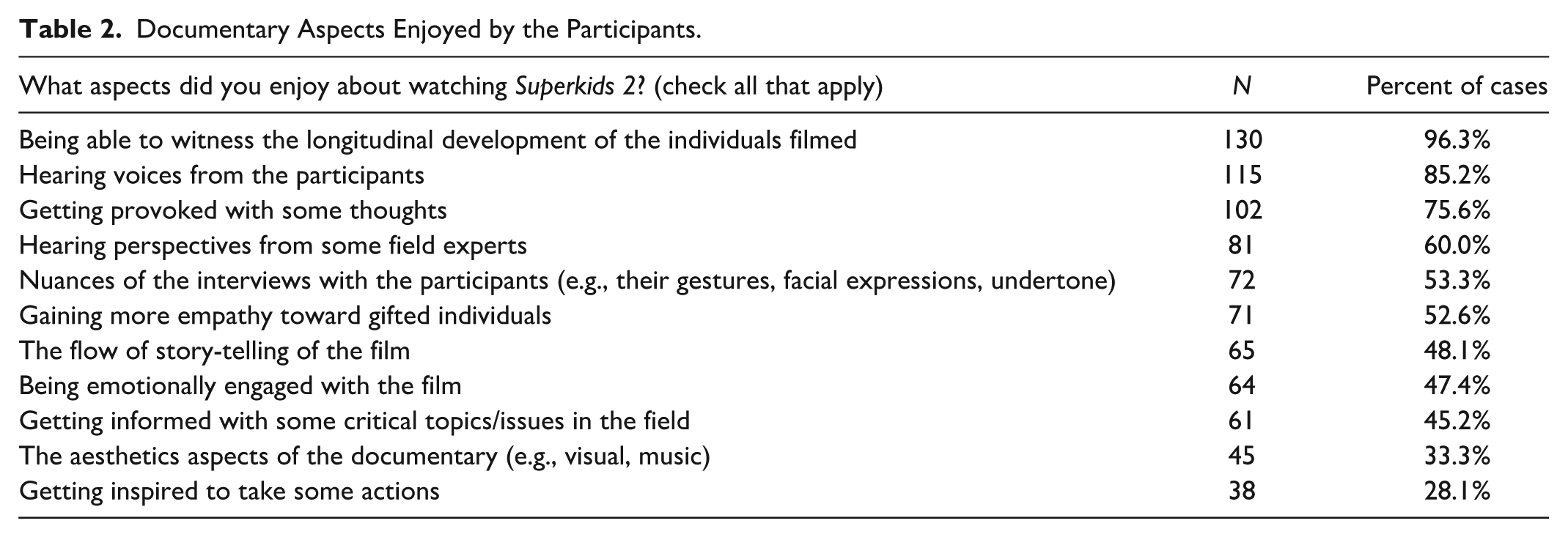
In general, participants expressed a high degree of positive feelings toward the documentary and how it was presented. Out of 135 participants who completed the survey, the majority of participants indicated that they felt that Superkids 2 contributes to the field of gifted education (99.3%, n = 134), presents important issues in the field of gifted education (98.5%, n = 133), offers excellent learning opportunities (96.3%, n = 130), and is appropriate to be screened in an academic conference (94.1%, n = 127). In addition to indicating their general perceptions of the enjoyability of the documentary, the participants were also asked to indicate specific aspects that they enjoyed about the film. The participants were provided with a “check all that apply” question that included 11 aspects (see Table 2) extracted by the researchers. Not surprisingly, “being able to witness the longitudinal development of the individuals filmed” was the most selected option, with 96.3% of the participants selecting this response. Furthermore, “hearing voices from the participants” (85.2%) and “getting provoked with some thoughts” (75.6%) were other top choices. More than half of the participants also indicated that they enjoyed “hearing voices from field experts” (60%), being able to “capture the nuances of the interviews with the participants” (53.3%), and “gaining more empathy towards gifted individuals” (52.6%). Overall, the popularity of these responses reflects how gifted conference attendees could relate to and were enthusiastic about the education, development, and well-being of gifted students.
Documentary Aspects Enjoyed by the Participants.
Connections to Practices and applicability of the Documentary
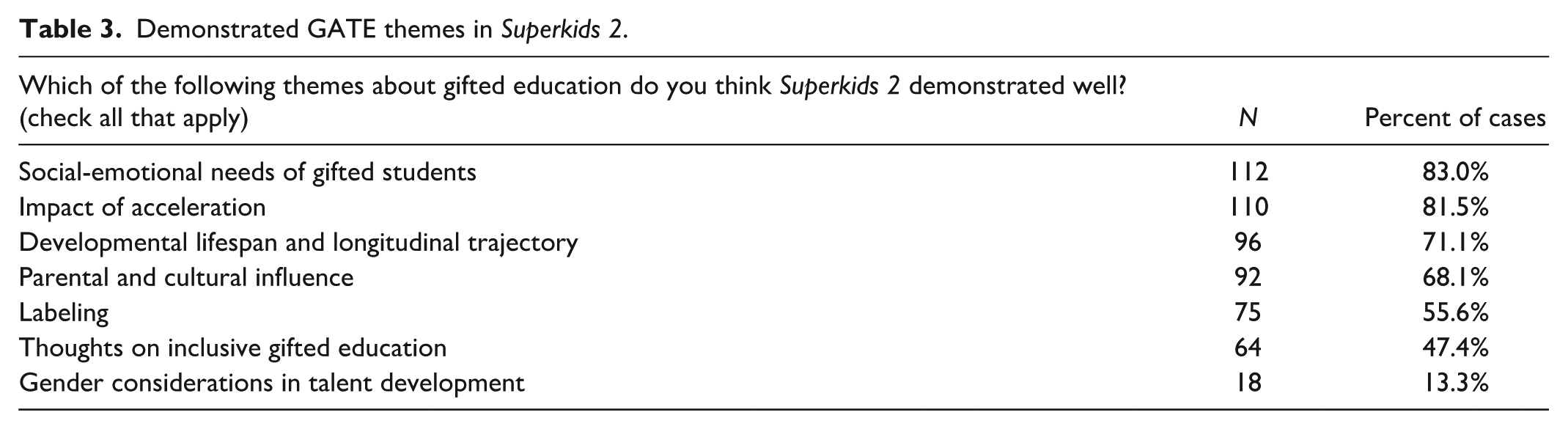
Following general perceptions of the screening and the enjoyability of the documentary, the participants were also asked to report the connections they made between the documentary and their GATE experiences and practices. First, the participants reflected on the themes (see Table 3) about gifted education they believed Superkids 2 demonstrated well. Out of 135 survey participants, the majority of the participants thought that Superkids 2 showcased the social-emotional needs of gifted students (83.0%), the impact of acceleration (81.5%), the developmental lifespan and longitudinal trajectory (71.1%), the parental and cultural influence (68.1%), and the effect of labeling (55.6%). As both genders were featured in the documentary (two females and three males), not many participants reported reflecting on gender considerations in talent development (13.3%) through viewing the documentary.
Demonstrated GATE themes in Superkids 2.
Furthermore, when asked about their feelings after watching the documentary, the majority of the participants also reported that Superkids 2 made them more empathetic toward gifted individuals and their struggles (72.4%) and made them critically evaluate their thoughts on gifted education (60.4%). Nearly half of the participants mentioned that the documentary made them reflect further on their teaching practices (47.8%) and policymaking (41.0%). Some participants mentioned that watching the documentary gave them some ideas for research projects (18.7%).
The participants also reported their perceived usability of Superkids 2 in various contexts (see Table 4). The majority of the survey participants would recommend the documentary to their colleagues (93.3%), to school or university libraries (91.1%), to families with gifted children (81.5%), and to gifted students and gifted adults (79.3%). For perceived applicability in specific contexts (i.e., research, teaching, and counseling), nearly 97% of 85 applicable participants expressed that they would cite Superkids 2 in their future research, 82.4% of 97 applicable participants expressed that they would use Superkids 2 as teaching material, and 85% of 89 applicable participants expressed that they would use Superkids 2 as a counseling tool.
Perceptions About the Usability of Superkids 2.
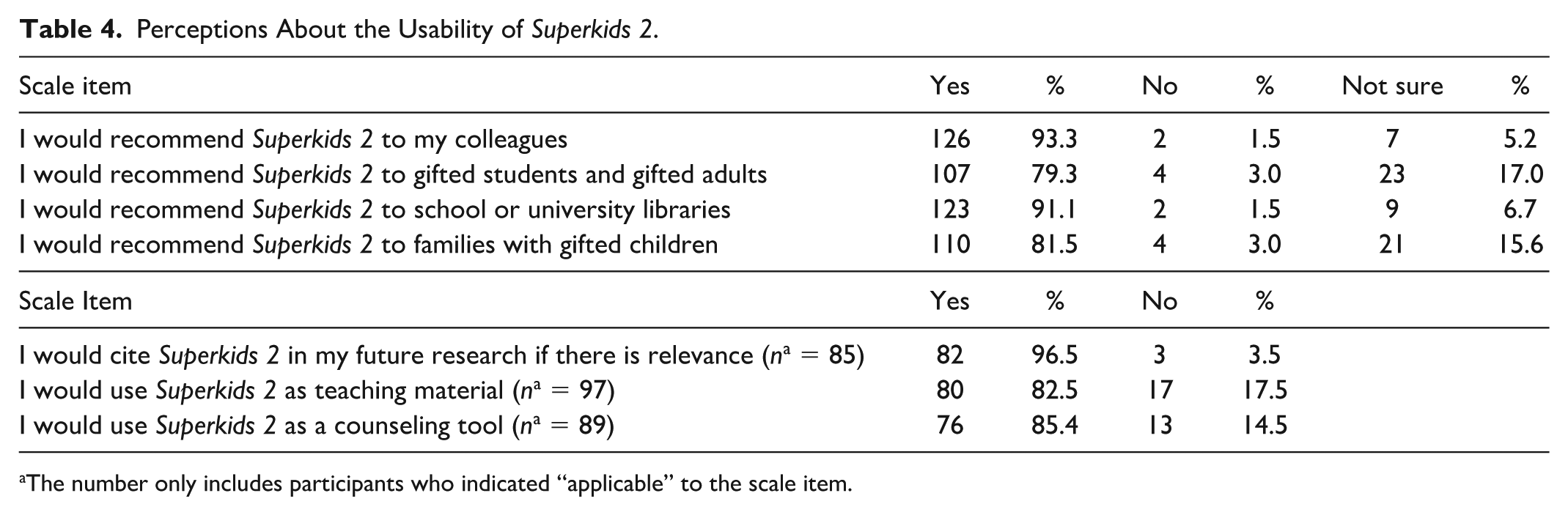
The number only includes participants who indicated “applicable” to the scale item.
Perceptions of Superkids 2 as ABR
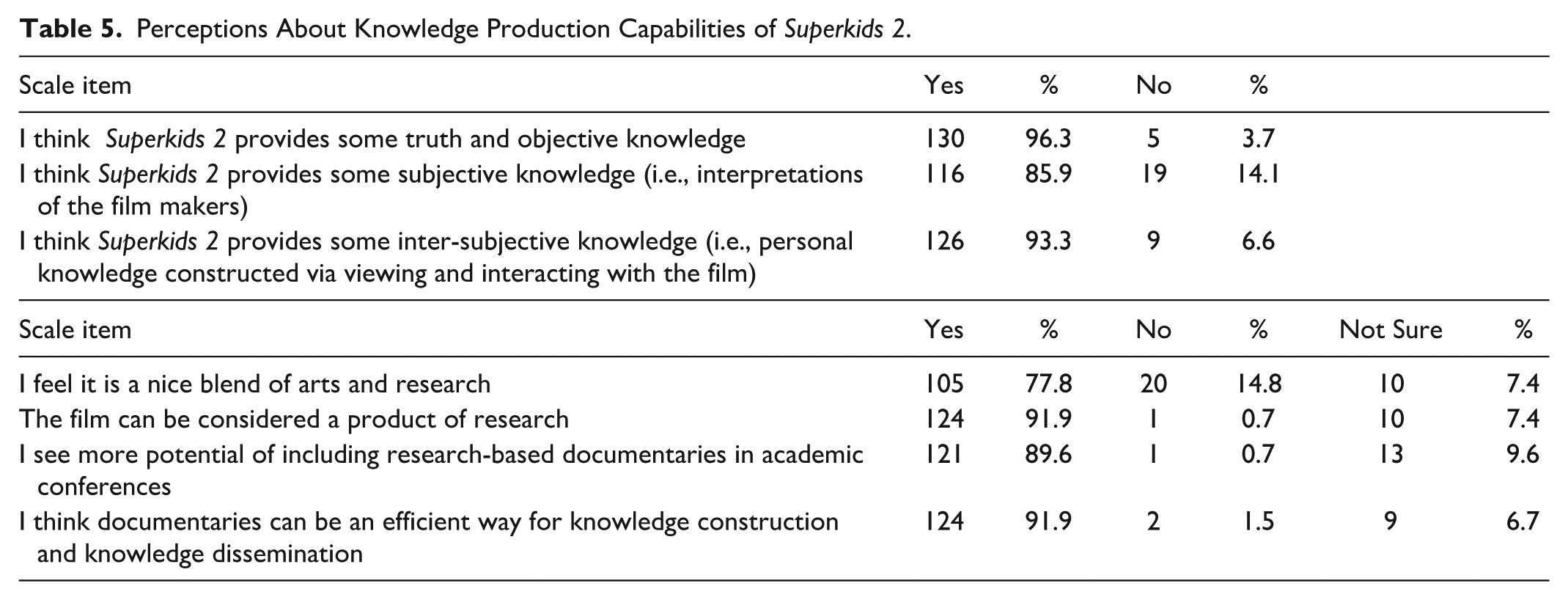
After participants expressed their general perceptions, their enjoyment, and the usability/relevance of the documentary, the survey invited the participants to reflect on which research elements they related to while watching this research-based documentary. With regard to the knowledge production capabilities of Superkids 2 (see Table 5), the majority of the participants expressed that they feel this documentary can be considered as a product of research (91.9%) and a nice blend of art and research (91.9%). In addition, the great majority of the participants believed Superkids 2 provides some truth and some objective knowledge (96.3%), some inter-subjective knowledge (93.3%), and some subjective knowledge (85.9%). As indicated by the connections to and reflections upon research during the screening, it is not surprising that the majority of the participants expressed that they see the potential of including research-based documentaries in academic conferences (89.6%) and think that documentaries can be an efficient and effective modality for knowledge construction and dissemination (91.9%).
Perceptions About Knowledge Production Capabilities of Superkids 2.
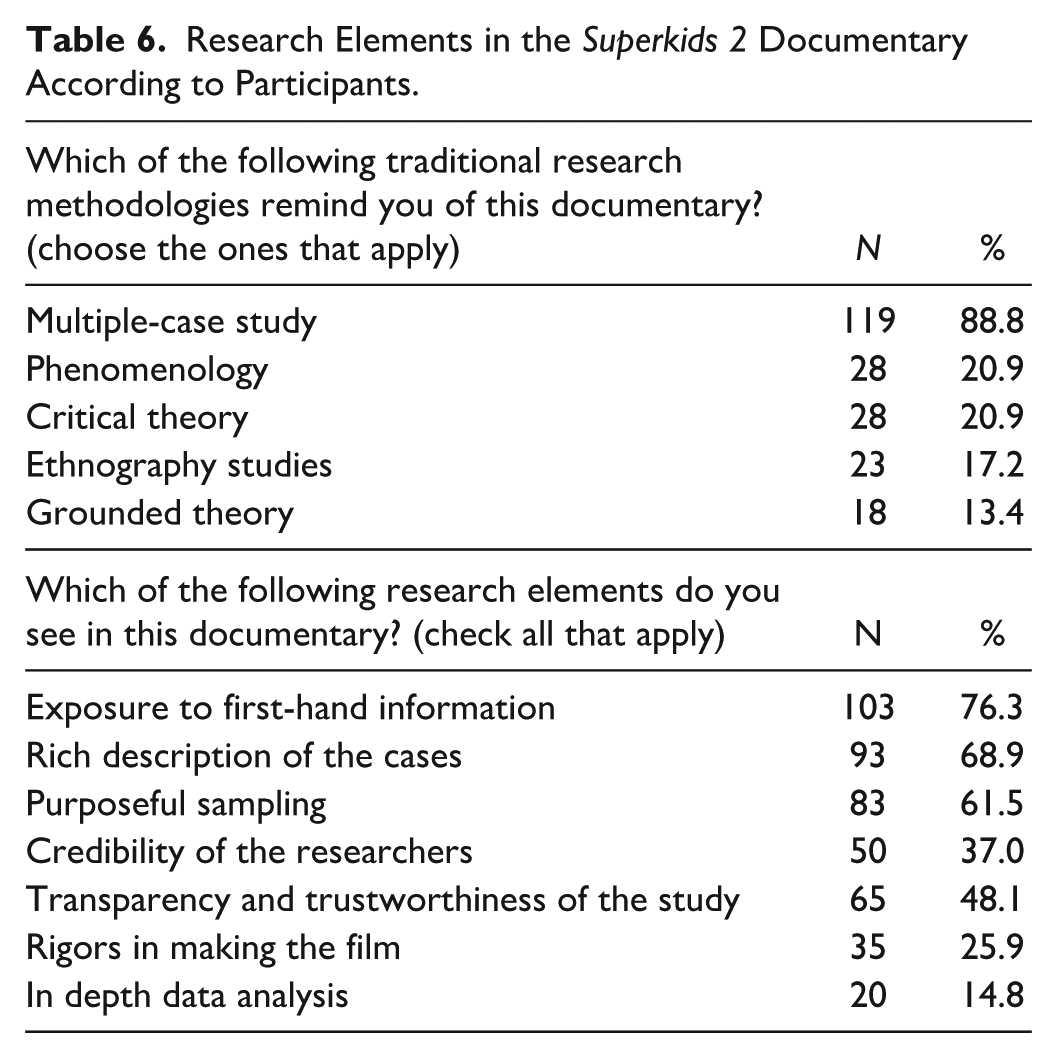
When investigating which research methodologies participants are reminded of in Superkids 2, 88.8% of the participants indicated that they felt the documentary was similar to a multiple-case study design. Phenomenology and ethnographic studies were the next most popular choices, both with 20.9% of the participants responding that the documentary was reminiscent of these methodologies. As expected, this documentary may have evoked a multiple-case study because it is a collection of five individuals’ lives. Meanwhile, considering that the key concept in phenomenology is lived experience (Creswell, 2013), many people indicated that this documentary has some aspects of phenomenology. Moreover, one strong ethnographic research aspect of the film was how the group of people in the documentary were followed for an extended period, as a unique population group and in a specific cultural context (i.e., the Pacific Northwest of Canada). Finally, 17.2% of the participants reported that the documentary reminded them of critical theory because it provided insights about labeling, the impact of acceleration, and other critical issues in gifted education. At the end of this section of the survey, the participants were asked to indicate which research elements Superkids 2 was reminiscent of. As can be seen in Table 6, “exposure to firsthand information” was the most chosen option (76.3%), followed by “rich descriptions of the cases” (68.9%) and “purposeful sampling” (61.5%).
Research Elements in the Superkids 2 Documentary According to Participants.
Changes in Perceptions of Art-Based Research after the Screening
In the last section of the survey, the participants were invited to reflect on changes in their understanding, perception, and inclination toward ABR, as well as the likelihood of including elements of ABR in their future research. Based on participants’ responses gathered in Table 7, the results suggest that the majority of the participants (72.6%) have developed a greater appreciation for ABR, and they have a desire to learn more about it after watching Superkids 2 (64.4%). Moreover, over a quarter of the respondents felt they were inspired to conduct or get involved in media-based or arts-based research after watching Superkids 2 (27.4%). When asked whether they would consider exploring a phenomenon through documentary filmmaking given a suitable topic, more than half of the participants (56.3%) indicated that they would like to, even though some of them addressed their concern about not having the technical ability to make a documentary.
Conducive Factors for, and Likelihood of, Conducting ABR.
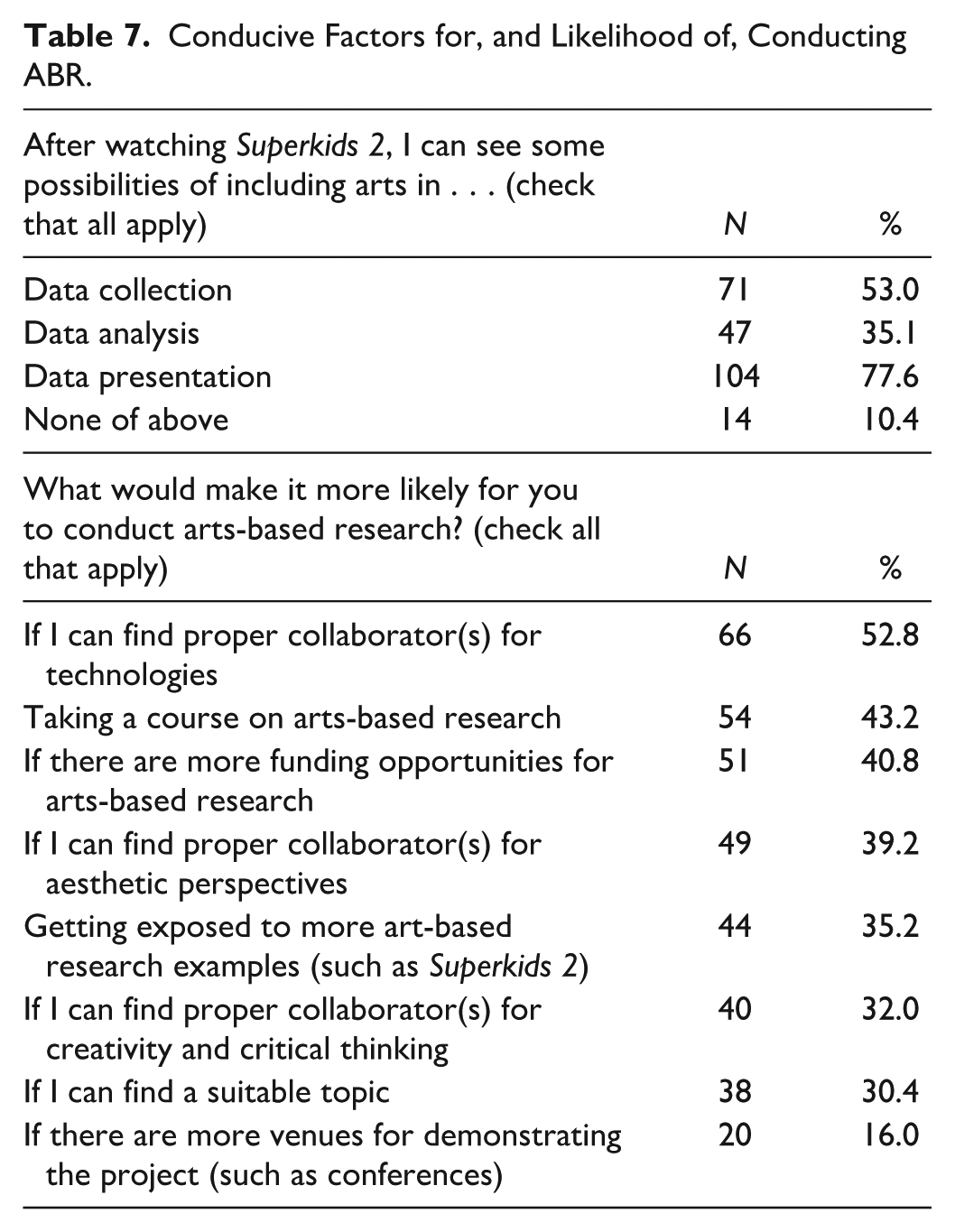
When the possibility of including arts in the research process was investigated, after watching Superkids 2, 77.6% of the participants stated that they felt they could use documentaries to present their data. This indicates that the participants perceived arts as a form of data presentation. With regard to the use of arts in other stages of research, 53.0% of them can see some possibilities of including arts in data collection, and 35.1% of participants can see some possibilities of including arts in data analysis (see Table 7). On the other hand, 10.4% of respondents felt unenthusiastic about adopting elements of ABR in their research. The participants were also asked what would make it more likely for them to conduct ABR (see Table 7). Survey results indicated finding collaborators for technologies (52.8%) and/or aesthetic perspectives (39.2%), securing funding (43.2%), gaining better understanding of ABR through taking a course (43.2%), being exposed to more ABR examples (35.2%), developing creativity and critical thinking (32.0%), and finding a suitable topic (30.4%) are important factors.
Finally, the participants were asked to express their perceived concerns and challenges around conducting ABR. Of primary concern, 64.3% of the participants were concerned about securing funding, 60.5% of participants were concerned that the process was too time consuming, and 31.0% of the participants were concerned with their lack of artistic skills. Some participants also expressed their concerns about avoiding researchers’ biases (33.3%), on how to generate objective and generalizable knowledge (17.8%), and how to present subjective interpretations to the audience (17.8%). With regard to the challenges perceived by the participants, most of the participants mentioned that finding collaborators and acquiring technical skills present the greatest challenges (67.7% and 60.8%, respectively). Many participants also perceived budget (52.3%), time (42.3%), and required artistic skills (40.8%) as challenges.
Qualitative Feedback: Echoes and Ripples
I can see many of my students in the children presented in this documentary. – Survey participant
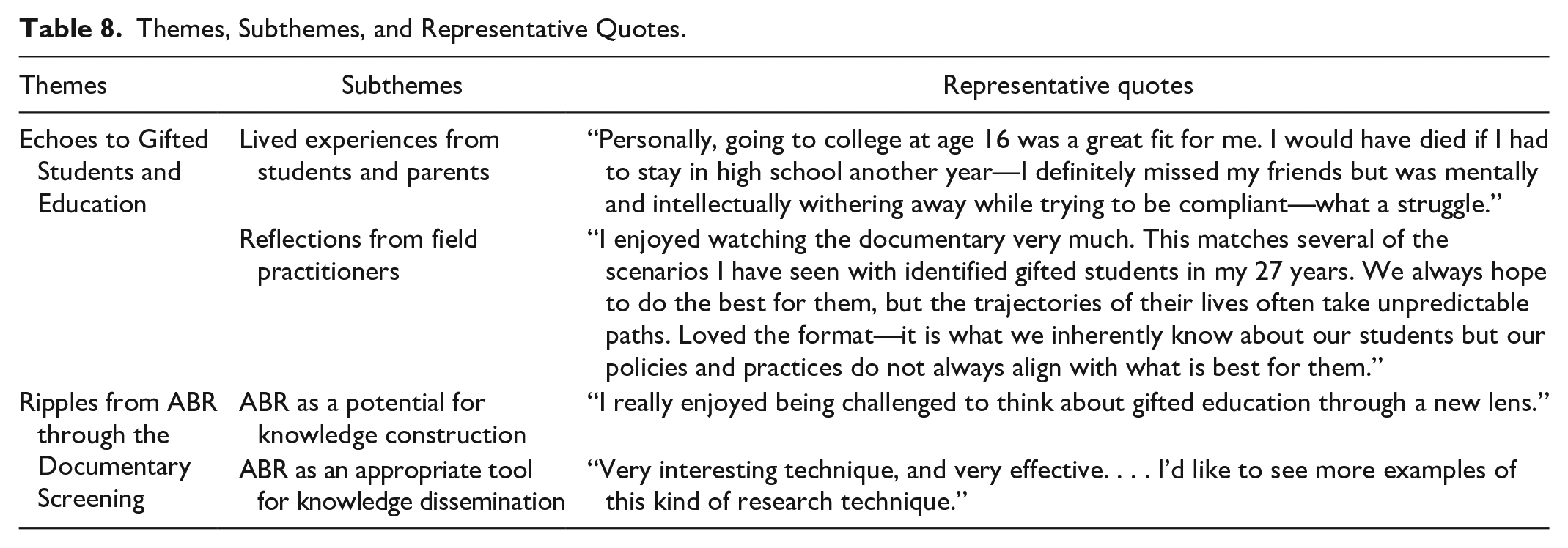
Through information from the discussion board during the NAGC online screening (n = 19) and the answering of an open-ended item in the post-screening survey (n = 51), the participants shared their personal stories and lived experiences. The organization of the extracted themes and subthemes from our analysis are presented in Table 8. The table is meant for readers to gain a precursory understanding prior to reading the details of the qualitative results. Overall, the results speak to two large themes: (a) how the screening of Superkids 2 echoed the participants’ lived experiences of, and reflection on, gifted students and education and (b) how the screening of a research-based documentary provoked the participants’ thoughts on ABR as a methodology.
Themes, Subthemes, and Representative Quotes.
Echoes to Gifted Students and Education
The research-based documentary, Superkids 2, portrays the lives of five highly gifted students between their teenage years and young adulthood (from approximately ages 12 to 26) and presents their academic, social-emotional, and physical development. Importantly, the production of the documentary also intended to respond to a recurring interest among field researchers and practitioners regarding the longitudinal outcome and lifespan development of gifted individuals (Freeman, 2006; Gottfried et al., 2006; Killas et al., 2020; C. O. Lo et al., 2019; Napier et al., 2023; Oden, 1968). Many survey participants evinced an interest in sequels to Superkids 2, which was best summarized by this participant’s sentiment: “As an individual who was identified as academically gifted as a child, I was very interested to see and hear other kids and adults like myself and the varying paths that we all have taken.” In all, curiosity regarding longitudinal development of gifted students resounded in the qualitative data. Many survey participants who identified as gifted, parents of gifted students, and teachers who work in the GATE field found it easy to relate to the themes presented in the documentary.
Lived Experiences From Students and Parents
As both NAGC and APCG are conferences on gifted children and gifted education, it is not surprising that nearly 93% of the participants have experience in gifted education. Given this high field familiarity, the complex development and multiple pathways lived by the gifted individuals presented in Superkids 2 naturally invited many participants to share their personal stories as gifted individuals, a parent of gifted individual(s), or both for some participants. As a case in point, one participant commented: I loved that you showed a variety of outcomes and paths. I started college early, as did my children. It can work differently for different people. I liked that you also talked about the involvement of the family and parents.
Given that acceleration was a schooling pathway presented in Superkids 2, participants were keen on sharing personal experiences regarding their own or their children’s acceleration. For example, one participant shared: Personally, going to college at age 16 was a great fit for me. I would have died if I had to stay in high school another year—I definitely missed my friends but was mentally and intellectually withering away while trying to be compliant—what a struggle. I was definitely younger and naïve but it wasn’t a problem.
Another participant reflected on the acceleration that they would have loved and expressed: I wish it [acceleration] had happened. I was supposed to skip a grade but they decided I was too short! Then I breezed through too many classes, never having to work hard (at least until college), and did not develop good work habits.
As the documentary also featured interviews with parents, our survey participants who were parents of gifted individuals were also enthusiastic in sharing their children’s schooling experiences. One participant expressed that the documentary was “a good overview” as Superkids 2 spoke to some of the social struggles that her daughter had gone through as a university early entrant. Another participant echoed the complexity of decision-making in choosing a suitable school program for her son. She shared the process which she and her son went through before reaching a decision to move the son to a self-contained gifted program. She stated: We discussed and weighed the pragmatic as well as the social/emotional. The whole experience was an epiphany for me. He has had a successful and growing time in public school. He is a high school senior now in dual-credit/HS-college classes and is loving school this year.
Reflections From Field Practitioners
The emotions and the rich description of the lived experiences of the students from the documentary allowed the screening attendees to reflect on their practices of researching and/or teaching gifted students. Responding to the longitudinal element of the documentary, many survey participants expressed their curiosity in seeing how the adult lives of these young adults in the documentary would continue and how their experiences as gifted children would affect their future parenting.
With nearly 45% of the participants identifying as very experienced (i.e., 10+ years) GATE educators, the survey served as a great platform for them to share their insights and feedback. A participant noted that although they had a great deal of experience with gifted education, the documentary “still gave me much to think about when planning next steps.” Another experienced educator provided the following comment: I enjoyed watching the documentary very much. This matches several of the scenarios I have seen with identified gifted students in my 27 years. We always hope to do the best for them, but the trajectories of their lives often take unpredictable paths. Loved the format—it is what we inherently know about our students but our policies and practices do not always align with what is best for them.
Given that acceleration constitutes a major element of the documentary, many also generously shared their experiences in helping their students navigate through the challenges associated with acceleration. One participant noted: Each student acceleration with which I have been involved has been successful both academically and socially. That success is due to a lot of planning and setting up support groups and involvement of students in clubs and classes of personal interests and abilities. This took the edge off of just trying to fit in with random groups of students.
Another participant shared the importance of assessing readiness in social development and noted that: Each student’s needs are so different. One of the brightest girls I have worked with was advanced at least two grades above her age peers. As we set up a “shadowing” day for her at the high school, she knew by lunch time that she was extremely uncomfortable in a high school setting. She remained in her grade level, taking accelerated classes and when her class moved to high school is when she really took off academically, by personal choice. Currently, she is taking three AP classes and two College-in-the High School classes and is soaring academically and very happy socially and personally.
Ripples From ABR Through the Documentary Screening
ABR as a Potential Tool for Knowledge Construction
In terms of the knowledge construction capability of ABR, nearly all participants thought that documentaries could be an efficient conduit for knowledge construction after their Superkids 2 viewing experience. Given the exposure to firsthand information (e.g., in vivo verbatim, tone, emotions, gestures, conversations) featured in the interviews in the documentary, nearly all (97%) of the participants agreed that the documentary provides some objective knowledge and truth. One participant commented on the provision of “a rich description of the lived experiences of these students,” and another stated “I can see some of my students in the children presented in this documentary.”
Regarding subjective knowledge, the participants predominantly agreed that the documentary presented the filmmakers’ interpretations of the phenomenon and potential biases, which are akin to the nature of qualitative studies. For example, one participant mentioned that it was hard to assess the research merit of the documentary without knowing “researcher view/position” and another raised a question on the interpretive inclination of the film producer.
When considering the capability of providing intersubjective knowledge, not only did almost all of the participants (93%) agree on the potential of this knowledge construction dimension in the viewing experience, many of them also commented on the documentary being “thought-provoking,” “insightful,” “relatable,” “relevant,” and providing a “new perspective.” Participants also provided their own intersubjective knowledge construction (i.e., nexus of their personal experience and documentary viewing experience) at the end of the survey. For example, one participant commented that “I really enjoyed being challenged to think about gifted education through a new lens.” In conclusion, through the Superkids 2 viewing experience and reflection on the survey items provided, the practitioners in the GATE field were able to see the knowledge construction capabilities of research-based documentaries.
ABR as an Appropriate Tool for Knowledge Dissemination
In terms of the knowledge dissemination capabilities of ABR, the participants predominantly agreed that research-based documentaries were an efficient modality for knowledge dissemination and could have seen the benefits of disseminating research-based documentaries in conferences. One participant felt that ABR was a “Very interesting technique, and very effective. . . . I’d like to see more examples of this kind of research technique.” Another participant expressed that “it is great to have a recent resource that can be easily shared. I think it is easier to get others to watch a video as compared to reading a monograph.”
Given that 77% of the participants indicated that they were not familiar with the term ABR prior to the screening, the effect of the screening on the participants’ understanding and willingness to conduct ABR was remarkable. The majority of the participants expressed that they have developed a greater appreciation of ABR, would like to learn more about ABR, and would consider exploring a social phenomenon through documentary filmmaking. However, from the art-production perspective, many also expressed concerns about technical barriers, creativity, and aesthetic abilities involved in producing ABR and expressed a desire for technological and aesthetic support. From a research point of view, more than half of the participants addressed other real-life challenges, such as funding and time consumption, while a third of the participants were concerned about the difficulties in avoiding biases during the production of ABR.
Summary: ABR as a Potential Tool for Knowledge Construction and Dissemination
As ABR is a less familiar term in academia, our goal was to introduce this genre of research to researchers and practitioners through screening a research-based documentary. Through this study, we hoped to understand how the participants perceived and understood ABR, how they extracted research elements from the documentary, and how willing they were to conduct ABR or include arts in various stages of their future research endeavors.
Based on participants’ quantitative feedback, the research design was effective in helping participants understand the genre of ABR and generating interest in learning about or conducting ABR. As indicated in Tables, 5 to 7, the intervention could be deemed as successful. First, almost all participants agreed that the research-based documentary can be considered a product of research. Second, nearly 80% of the participants could see a more fluid boundary between arts and research. Third, nearly 90% of the participants related the documentary to multiple-case study method and the majority of them also pinpointed the merits of viewing this documentary akin to the merits of reading a multiple-case study, such as exposure to firsthand information, rich description of the cases, and purposeful sampling. Given the capture of vivid lived experiences of the individuals featured, as well as some critical GATE issues raised in the documentary, it prompted some participants to draw parallels to phenomenology and critical theory. Fourth, nearly 90% of the participants could see the benefits of including the arts in various stages of their research endeavors, especially to present data in their research. Furthermore, given that the documentary featured in-depth interviews that captured valuable nuances and details, the majority of the participants were also inspired to use arts as an avenue of data collection.
Based on the qualitative feedback, the documentary screening was considered by survey participants to be innovative, effective, and an appropriate and welcomed dimension to academic conferences. In sum, the screening of the research-based documentary widened the perception of research among the participants and the participants foresee various ABR possibilities in their future research endeavors.
Discussion and Conclusion
Very interesting technique—and very efficient. I would like to see more examples of this kind of research technique. – Survey participant
The purpose of the present study was to gain an understanding of academia’s and educators’ perception of arts-based research by using a research-based documentary, Superkids 2. The study employed an experimental model using a one-group posttest only design wherein the screening of Superkids 2 at academic conferences was treated as an intervention. Notably, the online recruitment process was seen as an enabler because it facilitated bringing many participants to this study. In sum, findings from this study revealed a developed appreciation for ABR and a willingness to learn more about the methodology and its research applicability. Based on the feedback from the participants, this research-based documentary also provided knowledge on the gifted population and afforded opportunities for reflection and critical thinking on their research and teaching practices, akin to the functions of qualitative research.
In this study, it was evident that the participants enjoyed watching Superkids 2. This was consistent with the literature considering the pleasure and enjoyment that arts-based research produces (Foster, 2012). Considering arts-based research’s ability to reach and reveal emotions (Eisner, 2012; Greenwood, 2019), Superkids 2 fostered empathy toward gifted individuals and their struggles, prompting participants to critically reassess their views and practices vis à vis gifted education. In addition, participants perceived different knowledge types in the documentary: objective, subjective, and intersubjective knowledge (i.e., personal knowledge constructed via viewing and interacting with the film). Compared with traditional research approaches, arts-based research seems to allow viewers to engage with these various types of knowledge more easily (CohenMiller, 2018; Emme, 2007; Gerber & Myers-Coffman, 2017; Greenwood, 2012).
Moreover, while most longitudinal studies on gifted students have utilized a quantitative approach (e.g., Freeman, 2006; Lubinski et al., 2001), ABR offers educational researchers access to insights, knowledge, practices, and ways of thinking (Petrarca & Hughes, 2015; Woo, 2008). This allows knowledge generation through diverse sensory and emotional experiences by enabling more direct observations on the participants and capturing nuances of gestures, facial expressions, and vocal intonations and emphases (Barone, 2003; Eisner, 2001; Finley, 2003). In a similar vein, the positive reception of ABR in this study reflects a growing recognition of its potential for knowledge construction and dissemination in the field of gifted education. The participants’ willingness to consider incorporating ABR into their research suggests that the field may be able to develop new ways of knowledge inquiry and knowledge acquisition. As Petrarca and Hughes (2015) pointed out, documentary filmmaking could be used as an alternative form of academic work. The findings from our study concur with this assertion. Our results showed that ABR can enrich the GATE field by offering new perspectives on the experiences of gifted individuals. However, the findings also reveal some concerns with regard to the applicability and employability of ABR. The concerns and challenges identified in this study regarding the implementation of ABR align with the literature. Consistent with existing research, the most significant concerns revealed in our study were obtaining funding and managing time constraints (Coemans & Hannes, 2017; Greenwood, 2019). The results from this study highlight the necessity of providing further methodological training and support from higher education institutions for researchers interested in learning and employing ABR. The results from the study also highlight the importance of increasing funding opportunities from research funding agencies to support ABR research endeavors.
Research Limitations
The current study has several limitations. First, participants were recruited from two GATE international conferences (NAGC and APCG), which restricted enrollment of individuals without the necessary means (e.g., financial resources, availability) for conference participation. Moreover, our study predominantly consisted of individuals residing in North America. Therefore, we encourage readers to interpret the results with consideration of the resources and opportunities of these participants. Second, the self-selection of participants in our study might have skewed toward more positive responses, as the individuals attending the documentary screening at academic conferences may already have had favorable opinions about the documentary and filmmaking. The perspectives shared by our participants may not represent GATE researchers’ and practitioners’ perceptions overall. Given that most participants (83.7%) held either a master’s or doctoral degree and nearly half (42.2%) had a decade or more of experience in gifted education, their responses likely reflect a high degree of expertise in the field. This expertise could significantly affect the generalizability of the study’s findings. Finally, our study focused on the immediate post-screening reactions of the participants. Long-term effects on participants’ attitudes toward ABR would require follow-up studies to assess the persistence of these attitudes over time.
Recommendations for Policy, Practice, and Future Research
In the current cultural milieu, text has exploded into multiple iterations, such as blogs, websites, radio, TV, novels, poems, drama, and video (Kohn, 2000). These iterations can facilitate engagement with students, institutions, and individuals seeking information on relevant topics through online search engines. It is critical for researchers to familiarize themselves with these popular forms and understand their dynamics. If researchers face challenges in communicating their findings through popular forms, they could explore interdisciplinary opportunities and collaborate with artists and media-makers to enhance communication and knowledge dissemination. This would allow for the translation of research into accessible formats (Saldaña, 2005). Through these research findings, we hope to encourage the utilization and development of novel methodologies among researchers and educators.
Future research may consider broadening the participant pool to enhance diversity and expanding the investigation by incorporating more qualitative dimensions such as in-depth interviews. This could offer deeper insights into participants’ perceptions of ABR, allowing for a more comprehensive exploration of the complexities involved in adopting ABR. Given that 41% of participants mentioned that the documentary made them reflect further on policymaking, arranging viewings of the documentary among policy makers and school administrators could be a worthy approach to identifying gaps in current policies and suggesting practical, evidence-based solutions for students with gifted needs.
Future studies could also focus specifically on university researchers to understand their views on conducting arts-based research, particularly on securing research funding and grants. In addition, there is a need for a more in-depth exploration of the concerns expressed by participants regarding ABR. This investigation could inform the development of resources and support systems to overcome challenges and facilitate the integration of ABR into current mainstream methods. Overall, it is our hope that this article will contribute to the exploration of ABR and the reduction of barriers to its use in GATE.
Footnotes

Ethical Considerations
Ethical approval for this study was obtained from the Institutional review board at University of British Columbia (approval no. H20-01027) on November 30, 2020.
Funding
The authors disclosed receipt of the following financial support for the research, authorship, and/or publication of this article: The research project is funded by the Canadian Social Sciences and Humanities Research Council (Insight Grant 435-2015-0762).
Conflicting Interests
The authors declared no potential conflicts of interest with respect to the research, authorship, and/or publication of this article.
Open Science Disclosure Statement
The data analyzed in this study are not available for purposes of reproducing the results. The code or protocol used to generate the findings reported in the article are not available for purposes of reproducing the results or replicating the study. There are no other newly created, unique materials used to conduct the research.
Artificial Intelligence Use
The authors confirm that no generative AI tools were used in the development of this article.