



Abstract
The gravity model of trade (GMoT) has become popular among practitioners and academics lately, essentially because of its power to provide a comprehensive explanation of real-world trade data. Complementing this are Viner’s concepts of trade creation (TC) and trade diversion (TD), which have been crucial in the development of a conceptual framework for evaluating the trade implications of a trade agreement. This article attempts to conduct a bibliometric analysis for estimating TC and TD using the GoMT. It has been observed that the TC and TD estimations following the use of the GoMT are few. Additionally, TC and TD estimations for free trade agreements (FTA) have been conducted, but not so much for regional trade agreements (RTA). As a result, a broad range of research can be conducted, especially given the recent dynamic environment for new RTAs. A bibliometric analysis was undertaken to evaluate the current level of research on GMoT. The search was conducted through Scopus where 648 documents were retrieved and examined. The article indicates key findings and discusses future research prospects.
Keywords
Introduction
In the last four decades, the gravity model of trade (GMoT) has earned a name for itself and is considered a workhorse in the field of applied international trade. It aids in assessing the influence of policies on actual trade between nations, which makes it quite popular among policymakers and researchers (Shephard, 2016). Numerous empirical studies evaluating trade agreements are available, too, owing to the increasing number of trade agreements and the access to high-quality trade data for both, developed and developing countries.
The papers by Tinbergen (1962) and Pöyhönen (1963) are rudimentary and deal with very early versions of the gravity model. Anderson makes the first attempt to provide a theoretical understanding of the gravity model (1979). His theory is founded on the Armington premise, which states that every nation has the potential to engage in trade; all goods are tradable, and national income is equal to domestic and overseas consumers’ demand a nation’s products. Consequently, large nations export and import more than small nations. Researchers demonstrated a connection between trade theories and the gravity model. Bergstrand’s (1985, 1989) research demonstrates the connection between the gravity model and the trade model developed by Krugman (1979), which is based on monopolistic competition and the fact that nations with comparable economic sizes trade more with each other due to consumers’ desire for variety in products. Similar to Deardorff’s (1998) explanation of the gravity model from trade’s factor-proportions, Eaton and Kortum’s (2002) derivation from the Ricardian model, and Chaney’s (2008) and Helpman’s et al. (2008) trade model with differentiated goods and firm heterogeneity, numerous studies attempted to link gravity model with other trade theories.
By the start of the new millennium, Feenstra (2003, 2004), Feenstra et al. (2001) and Anderson and van Wincoop (2003, 2004) had made significant contributions to the field of GMoT. The study of Anderson and van Wincoop (2003) is one of the most seminal contributions in this field, as it fundamentally altered how scientists estimate the gravity equation. According to them, the absence of MRTs in the gravity equation produces biased and misleading results because these are unobserved factors that may correlate with independent variables such as distance. To estimate the theoretically consistent gravity equation, the existing literature provides some intriguing techniques, such as the use of price indices of all the nations in a dataset (Baier & Bergstrand, 2007), non-linear least squares (Anderson & van Wincoop, 2003) and country-specific dummies like exporter and importer fixed effects (Baier & Bergstrand, 2007; Hayakawa & Yamashita, 2011). The most frequently acknowledged way for addressing the issue of MRTs in gravity equation is the last method described above. This led to the inclusion of MRTs in subsequent GMoT-related investigations. 2 What Anderson and van Wincoop (2003) refers to as MRTs, Baier and Bergstrand (2007) refer to as remoteness. 3 The difficulty with using remoteness in the gravity equation is that it is theoretically inconsistent since it takes into account only distance as a trade barrier and ignores other trade barriers and the inconsistency of estimating the internal distance of a country. The answer to this problem is the application of Taylor series expansion of the first order, which is a linear approximation of MRTs instead of following the traditional non-linear process proposed by Anderson and van Wincoop (2003). This demonstrates that trade between the reporter and the partner countries is based on bilateral trade costs compared to multilateral trade costs, and multilateral trade costs compared to global trade costs.
The GMoT is regarded as particularly adaptable. As a result, researchers modified it to meet their needs. Recent research employing intra-nation trade as a variable in GMoT is a good example (Piermartini & Yotov, 2016). The variable helps in understanding the effect of non-discriminatory policies like trade facilitation on applied researchers. The literature on GMoT is undergoing rapid change as a result of numerous developments and modifications, such as the one indicated above. Hence, it is becoming considerably difficult to identify the current ₹body of knowledge and its advancements. Bibliometric analyses are capable of absorbing a large amount of data and producing incredibly informative results such as thematic evolution, trending topics, tracing shifts in the research domain, evolution of concepts, the influence of an individual or group of individuals on the research field, and collaboration between authors, countries and institutions (Crane, 1972).
The basic gravity equation is based on two variables like GDP and distance, where the former is a proxy for the economic size of the nations and the latter is the geographical distance between two countries, which relates to the cost of bilateral trade. Tinbergen (1962) and Pöyhönen (1963) used these factors to explain why countries with almost the same GDP trade a lot with each other but trade less with countries that are far away from each other. With time, GMoT gained a foothold in applied international trade, more and more variables were added to further enhance GMoT’s ability to estimate. Endoh introduced the ‘population’ variable in 1999 and 2000, which has a considerable impact on trade flow. The population of an exporting/importing country has a negative/positive impact on the exporter nation’s export. The level of economic development is yet another important variable that has a large and beneficial impact on trade flow. As a result, the researchers devised a proxy for economic development, that is per capita income in GMoT (Elliott & Ikemoto, 2004; Frankel et al., 1995). The appreciation or depreciation of a nation’s currency also has a substantial effect on its trade flow. That is, the depreciation of an exporter’s currency aids in increasing its exports to other countries, whereas the appreciation of an importer’s currency aids in importing goods that are either not produced domestically or are of poor quality. As a result, studies began incorporating the ‘exchange rate’ variable into their analyses (Kaushal, 2022). There have been recent GMoT studies that include more sophisticated variables like ‘intra-nation trade’, as well as a trade policy variable, which is further divided into two categories: tariff barriers and non-tariff barriers. Tariff barriers include the most favoured nations, and non-tariff ones include technical barriers to trade (TBT), sanitary and phytosanitary measures, non-automatic licencing measures and pre-shipment inspection, etc. (Heid et al., 2021). While experts have pointed out some key limitations of the model, with time various solutions have also been offered (Appendix I).
The gravity model has always been empirically insightful; however, while the results from the model were consistent with the data, it lacked a solid theoretical underpinning that accounts for origin–destination pairs, leading to criticism from scholars (Deardorff, 1984, 1998). The model neglected some real-world and complex issues like multilateral resistance terms MRTs 4 and change in relative prices. There was a need to make some fundamental changes to the intuitive GMoT so that it has a strong micro-economic foundation and its results do not go against the basic economic theories of trade. Further improvements were introduced, such as the introduction of the constant elasticity of substitution (CES) function and the assumption of product differentiation (Anderson, 1979), the micro-founded gravity equation under the increasing returns framework (Bergstrand, 1985, 1989; Ekanayake et al., 2010; Trung Kien, 2009), GMoT under the Hecksher–Ohlin framework, rising returns and monopolistic competition (Helpman & Krugman, 1985), GMoT based on standard trade theories (Deardorff, 1998), general equilibrium GMoT (Anderson & van Wincoop, 2003; Baier & Bergstrand, 2007), GMoT based on firm heterogeneity (Helpman et al., 2008), and GMoT at disaggregate level under general equilibrium settings (Anderson & Yotov, 2010). Numerous improvements have been made to bring the empirical estimation of the gravity model closer to a standard theory like as GMoT in the panel setting where MRTs are time-varying (Baldwin & Taglioni, 2006), the use of PPML estimation to tackle the issues like heteroscedasticity and measurement error in the model (Silva & Tenreyro, 2006), the introduction of country, time and dyad fixed effect in the panel set to overcome the issue of endogeneity (Baier & Bergstrand, 2007).
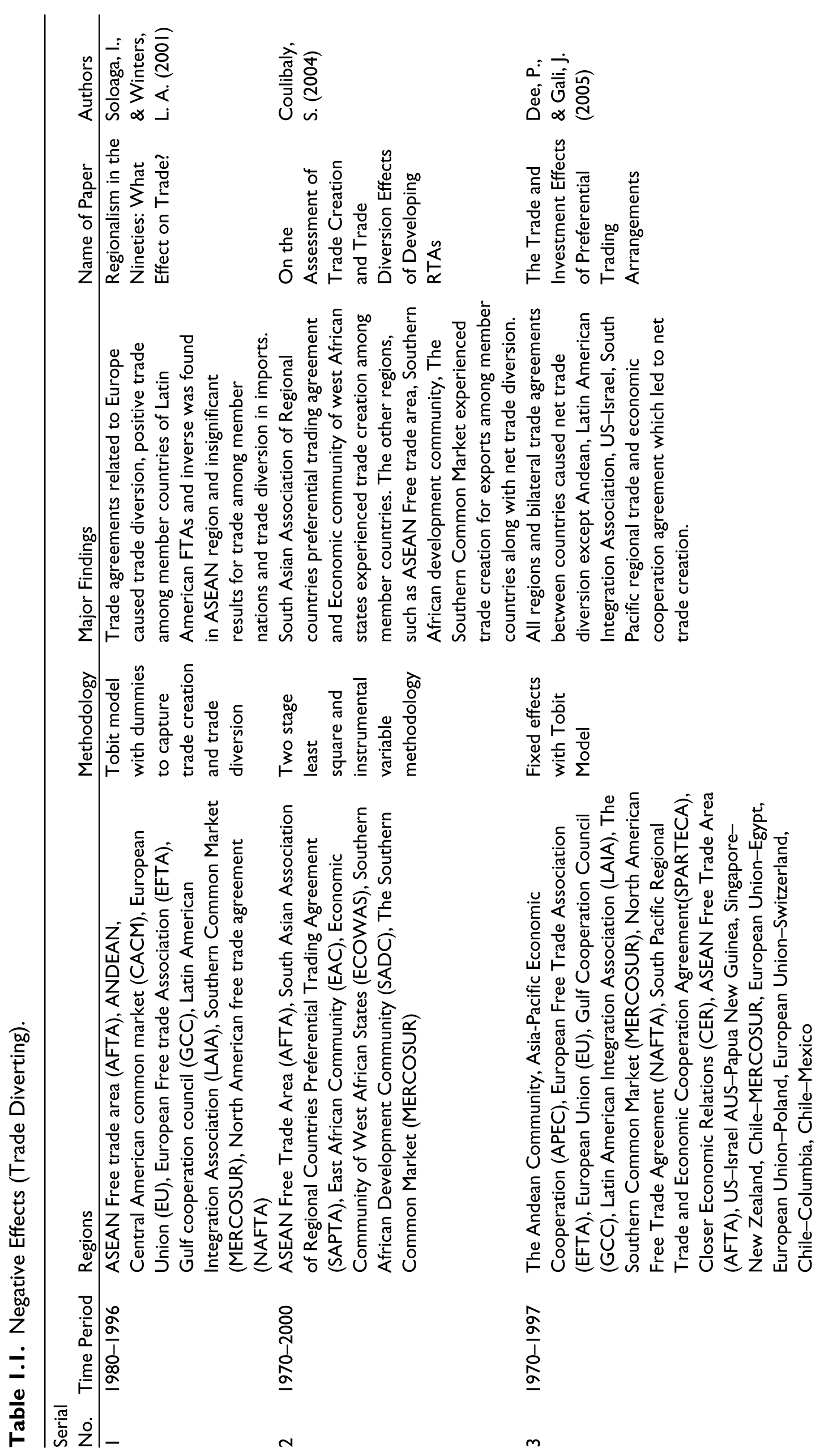
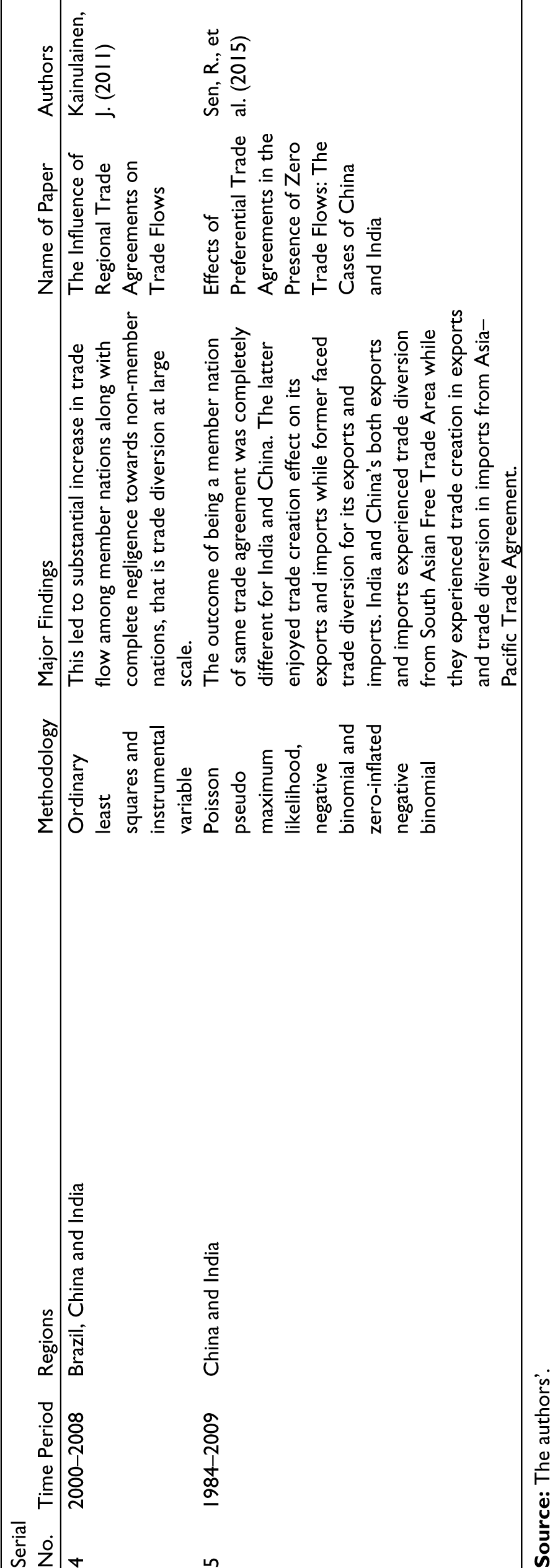
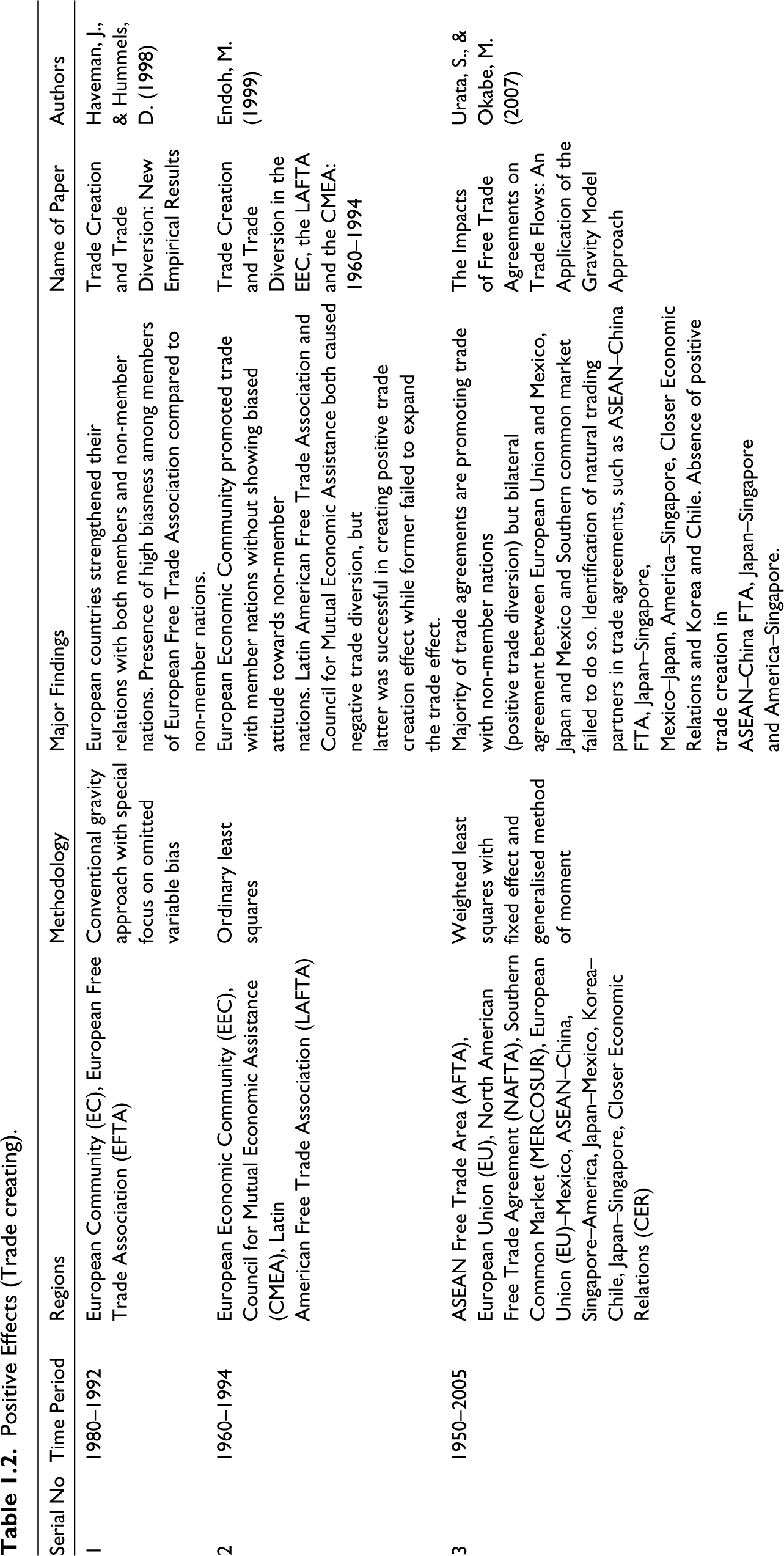
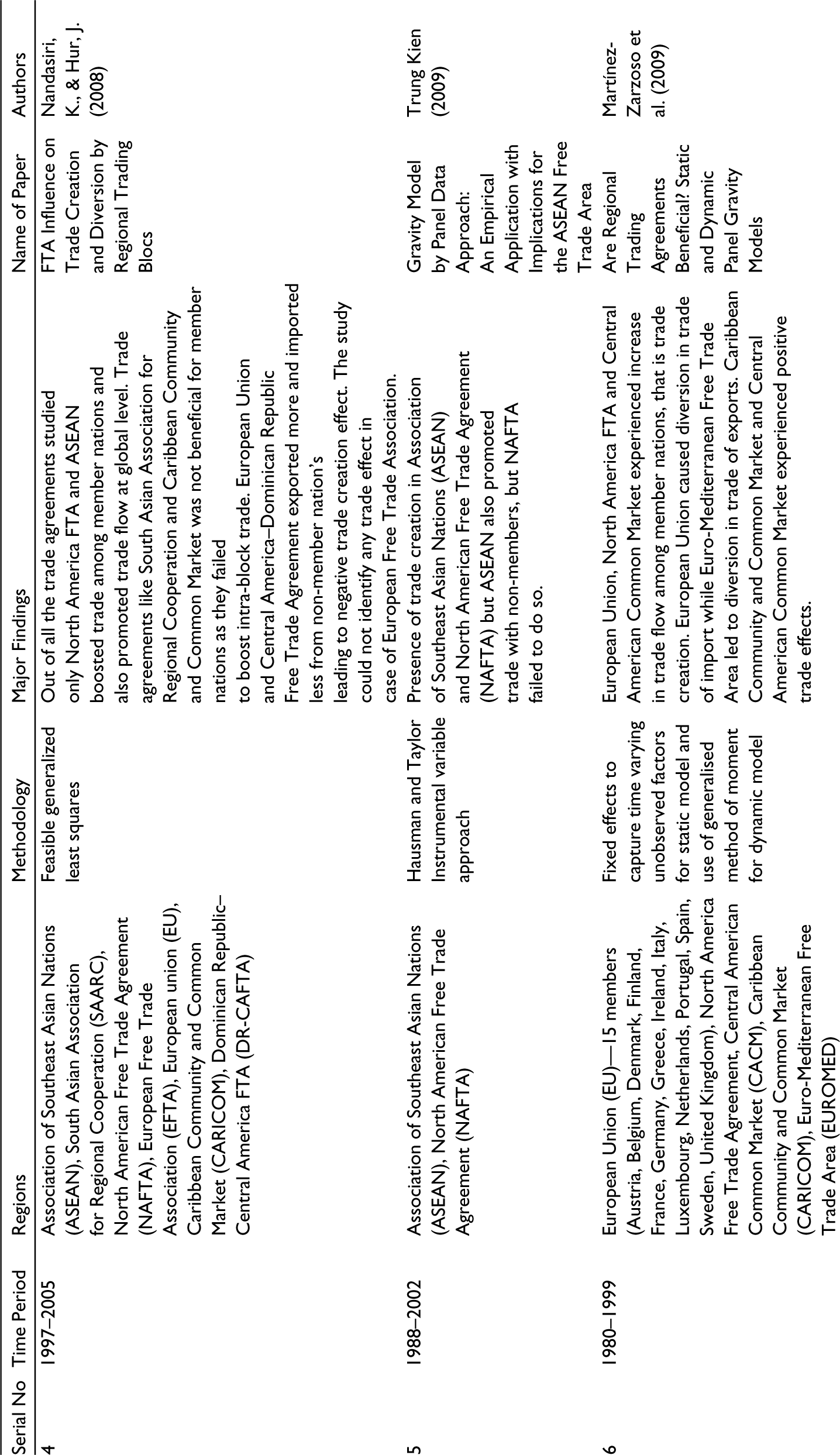
This article attempts to find literature based on trade creation (TC) 5 and trade diversion (TD) 6 effects from the insights after the GMoT have been estimated. The concepts of TC and TD developed by Jacob Viner (1950), have always played a crucial role in understanding the implications of a trade agreement. The use of GMoT in relation to the outcomes of TC and TD with respect to various trade agreements (TA) on bilateral trade flows is particularly focused on merchandise and agricultural items. The old and regular free trade agreements (FTAs) give more weightage to goods trade compared to services, and access to accurate and internationally comparable data is still a major hindrance in the case of the service sector. The existing body of literature provides interesting aspects of these studies, there was a common pattern identified in the cases of NAFTA and ASEAN, trade diverting in the initial years of implementation (Coulibaly, 2004; Dee & Gali, 2005; Soloaga & Winters, 2001) and trade creating in later years of implementation (Eicher et al., 2012; Ekanayake et al., 2010; Martínez-Zarzoso et al., 2009; Nandasiri, 2008; Shujiro & Misa, 2007; Trung Kien, 2009). The results of studies on South Asian, European and Latin American agreements were mixed in nature because of the use of different countries as samples and varied analytical tools and techniques (Akhter & Ghani, 2010; Coulibaly, 2004; Dee & Gali, 2005; Eicher et al., 2012; Ekanayake et al., 2010; Endoh, 1999; Haveman & Hummels, 1998; Martínez-Zarzoso et al., 2009; Shujiro & Misa, 2007; Soloaga & Winters, 2001). From India’s perspective, TAs have been viewed as unfavourable in comparison to their peers, such as China, which has reaped tremendous benefits from the same TAs as a member country (Kainulainen, 2011; Sen et al., 2015).
The focus of modern trade agreements, such as deep trade agreements, has expanded beyond tariff reduction to include other aspects, such as investment, services and intellectual property rights. The study by Mattoo et al. (2019) delves into the text of deep trade agreements and finds that, when compared to older preferential trade agreements, they are more trade-creating than trade-diverting (Mattoo et al., 2019).
There is currently no bibliometric material available through Biblioshiny that attempts to explore the TC and TD effects of the trade agreement through the use of GMoT. However, the works by Pfaffermayr (2020) include some recent literature that uses the concepts of TC and TD in tandem with the GMoT results.
Pfaffermayr’s (2020) recent paper on trade agreements revisits the Vinerian concepts of TC and TD using the PPML approach. The study covered 65 countries between 1994 and 2012. According to the study, trade agreements are effective in terms of trade creation, with an average value ranging from 12.2% to 30.3%. Additionally, it shows that domestic trade diversion outnumbers foreign trade diversion in terms of prevalence (Pfaffermayr, 2020).
The bibliometric work by Metin and Tepe (2021) presents a complete review of the literature on GMoT in general from 1980 to 2020. This article, in contrast, attempts to examine the GMoT in terms of the TC and TD effects of TAs on bilateral trade flow. In recent times, the TC and TD effects of RTAs and deep trade agreements increased and their nature has become dynamic, especially post- pandemic (Mattoo et al., 2019). This study also investigates these trade effects (predominantly positive or negative) across trade regions such as NAFTA, 7 AFTA, 8 EU, 9 MERCOSUR 10 and other regions and also touches upon the contributions of researchers like Anderson (1979), Bergstrand (1985, 1989), and others who provided a sound theoretical foundation for the GMoT along with papers employing these specifications in their work.
The following tables summarise the review of literature thematically (Tables 1.1 and 1.2).
Negative Effects (Trade Diverting).
Positive Effects (Trade creating).
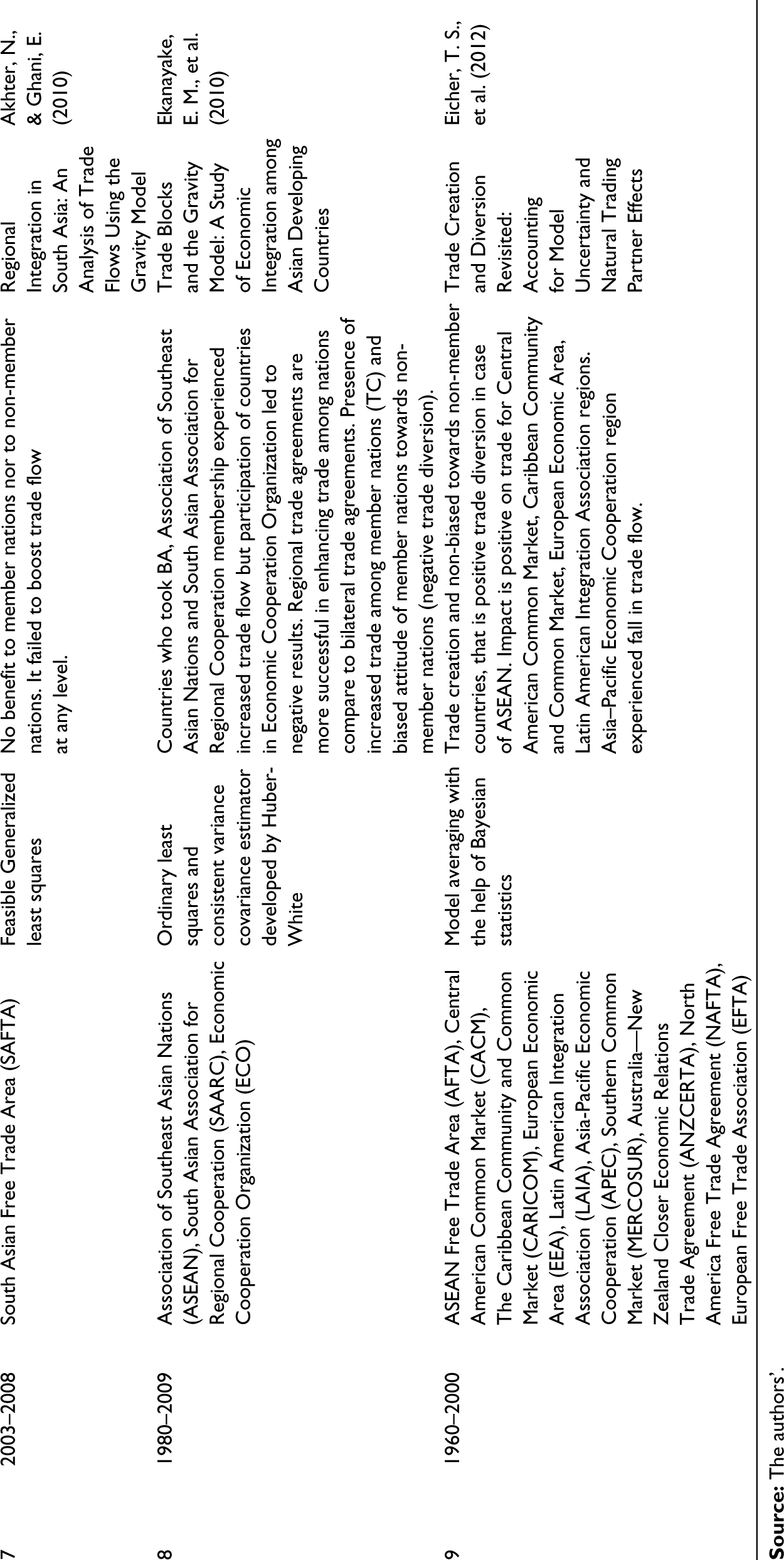
Literature on GMoT with Respect to TC and TD
With respect to the applications of TC and TD followed by GMoT estimations, the objectives of the study are:
What is the current level of research? Who are the most productive authors? Who are the most cited authors? Which are the most productive institutions, countries and journals? What are the potential research prospects?
The above questions are answered with the help of bibliometric analysis of data collected on GMoT from the Scopus database. The remaining article is organised as follows: The second section talks about the research methodology, followed by results and discussion in the third section and ends with contributions, limitations and future research directions in the fourth, fifth and sixth sections respectively.
Methodology
As mentioned above, the main objective of the study is to evaluate the current level of knowledge on GMoT with respect to TC and TD and the future research directions. The optimum route is to use a bibliometric analysis as it covers all facets of documents and publications (Rousseau, 2014), the status of the research domain like most globally and locally cited authors, documents, relevant affiliations (Schaer, 2013) and detailed analysis of meta-data (Kokol & Blažun Vošner, 2019). The most powerful feature of a bibliometric analysis is the option of structures, such as conceptual, intellectual and social structures. It helps in identifying the emerging trends, concepts, influential work and interactions among authors, institutions and countries (Aria & Cuccurullo, 2017). This has led to the extensive use of the bibliometric tool in various research fields like entrepreneurship and ethics (Vallaster et al., 2019), operations research and management science (Merigó & Yang, 2017).
Database Selection, Data Extraction and Data Analysis
The study was conducted with the help of the Scopus database for extracting data. The reason for choosing Scopus is that it quickly provides details on literature that has made a significant impact in its respective fields. It also has additional features like metrics and analytical tools, which makes things easier for budding researchers as it gives a lot of insight in the beginning itself, such as the number of documents, authors, institutions and keywords related to your search. The search was conducted on 16 November 2021, on the Scopus platform, with the combination of the following keywords: ‘Preferential trade agreement*’ OR ‘Free trade agreement*’ OR ‘Regional trade agreement*’ AND ‘Trade creation*’ OR ‘Trade diversion’ AND ‘Gravity*’. The search was further filtered by limiting results to language ‘English’. This gave a total of 648 results. The extracted data were analysed on the biblioshiny (web-based bibliometric analysis software) interface for comprehensive science mapping analysis on the concerned topic of GMoT.
Results and Discussion
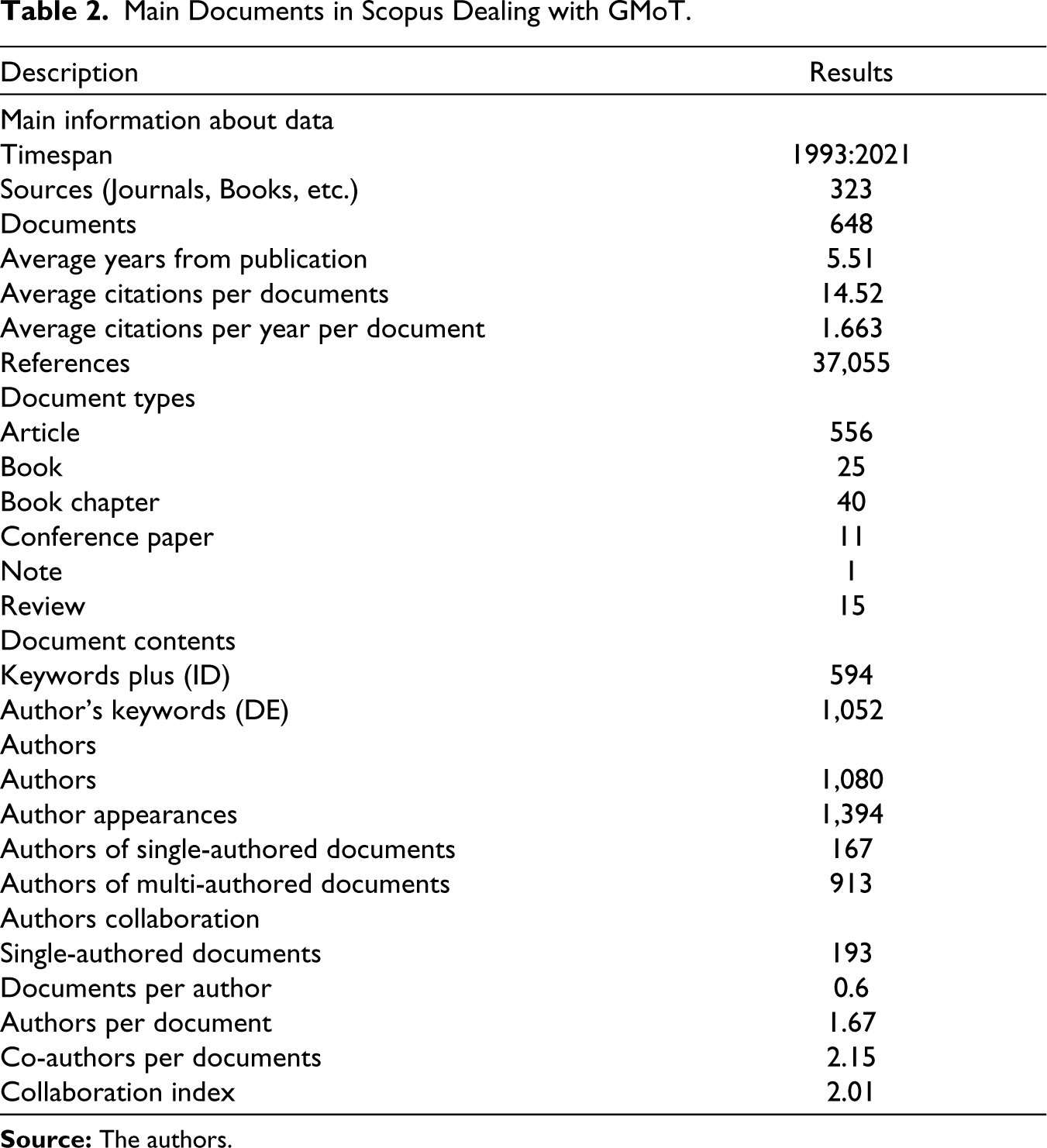
Table 2 summarises the key attributes of papers taken from the Scopus database with respect to GMoT. It provides useful information, such as authors’ keywords, keywords plus, references and authors’ collaboration index, to mention a few. The majority of the documents, 556 in total, are articles, accounting for 86% of the total pulled from the database, while the remainder are books, book chapters, conference papers or reviews.
Main Documents in Scopus Dealing with GMoT.
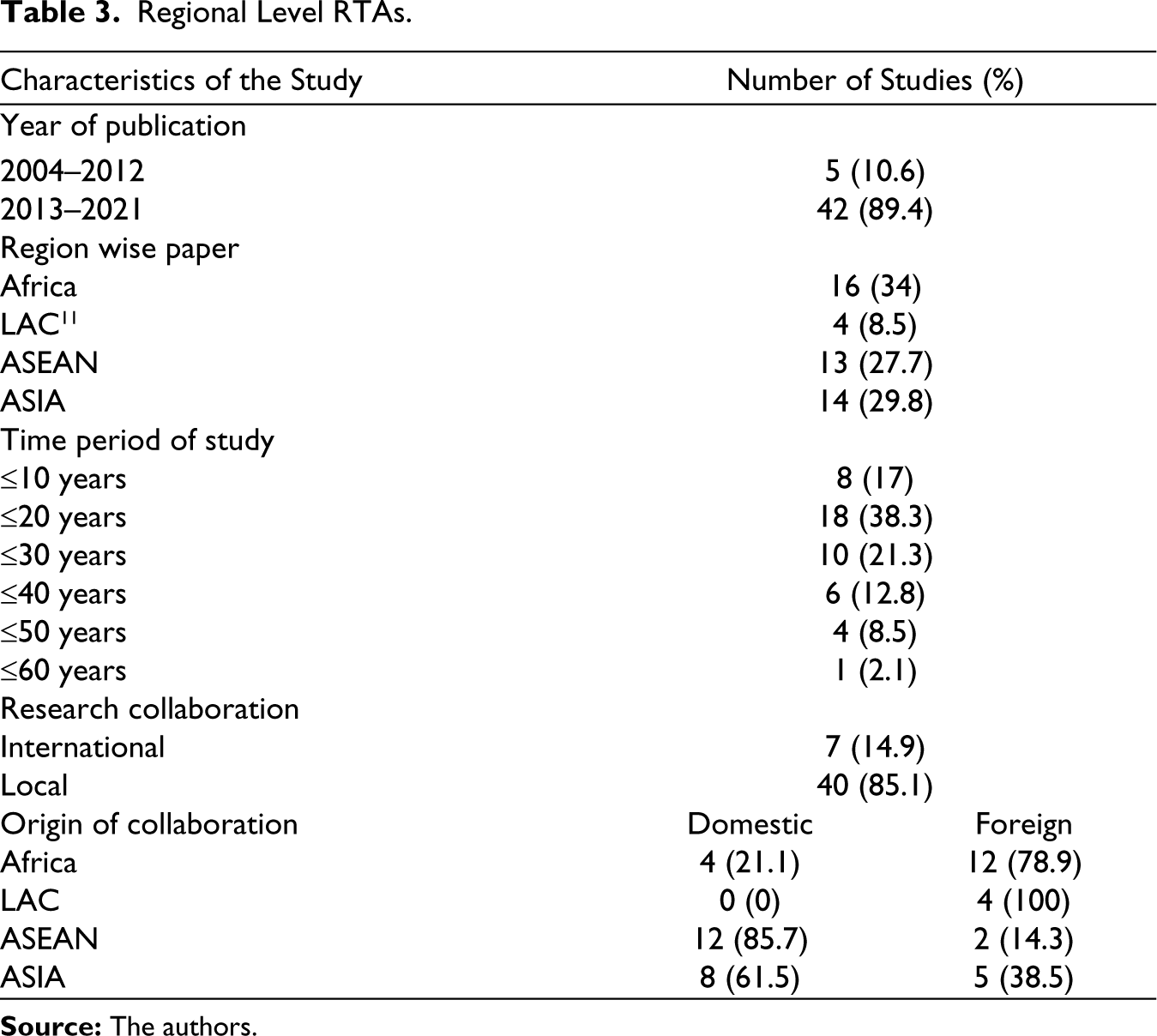
The article emphasizes exploring the regional RTAs with a special focus on African, Latin American and Asian regions. The papers were drawn from the core collection of 648 documents that served as the foundation for our bibliometric study. The analysis gives quite insightful results which are presented in Table 3. The objective of Table 3 is to discover various trends and patterns appear in the data. The extracted papers are divided into two periods based on publication year. The analysis of papers based on regions shows that the highest number of papers are written on African trade agreements (16) followed by ASEAN (14), Asia (13) and last comes Latin American trade agreements with papers in single digit, that is 4. In addition, the article investigates the time utilised by researchers to determine the effects of trade treaties on bilateral trade between nations. The analysis shows that most of the researchers prefer to use a period of 11–20 years which is 38.3% of the total studies considered. There are also some extreme cases where they used period as high as 52 years (Lee & Shin, 2006) and as low as 3 years as well (Ghazalian, 2012). International collaboration is very low, which is 14.9% compared to local collaboration, which is as high as 85.1% for all the regions. The origin of collaboration yields some intriguing outcomes. The papers written on African and LAC trade agreements are coming predominantly from foreign institutes of developed countries. The African region papers are coming more from Australian institutes and LAC region papers are coming more from Spain. South Africa is the only country from the African region which is writing on GMoT. In the case of the LAC region, the picture is rather bleak, with not a single publication from the region itself. The scenario is quite different in the case of ASEAN and Asian trade agreements. The vast bulk of papers come from the region itself. Malaysia has published the most papers on ASEAN, whereas India has published the most papers on Asian trade agreements. The findings and methodology used by researchers in their studies are shown in Appendix II, which serves as the basis for Table 3. Due to the high heterogeneity, the results of these two columns could not be clubbed into a few concise categories, but readers can still access them from Appendix II (Table 4).
Regional Level RTAs.
Annual Scientific Production and Key Sources Annual Scientific Production
Figure 1 depicts the annual scientific output of papers on GMoT. During the early era (1993–2003), document production was in the single digits, ranging from one to six documents per year. 2004 can be regarded as a watershed year because it experienced a dramatic increase in annual scientific production, totalling 13 documents. The following 3 years, 2005, 2006 and 2007, brought the number back down to a single digit. In 2008, the number returned to a double digit, namely 20. Between 2008 and 2014, scientific output fluctuated, but it consistently remained in the double digits, indicating that the field was maturing. The last phase, from 2015 to 2021, had some remarkable growth, with annual document output increasing at an increasing rate. The year 2021 produced the most documents, 86, which is anticipated to increase further in the next few years.
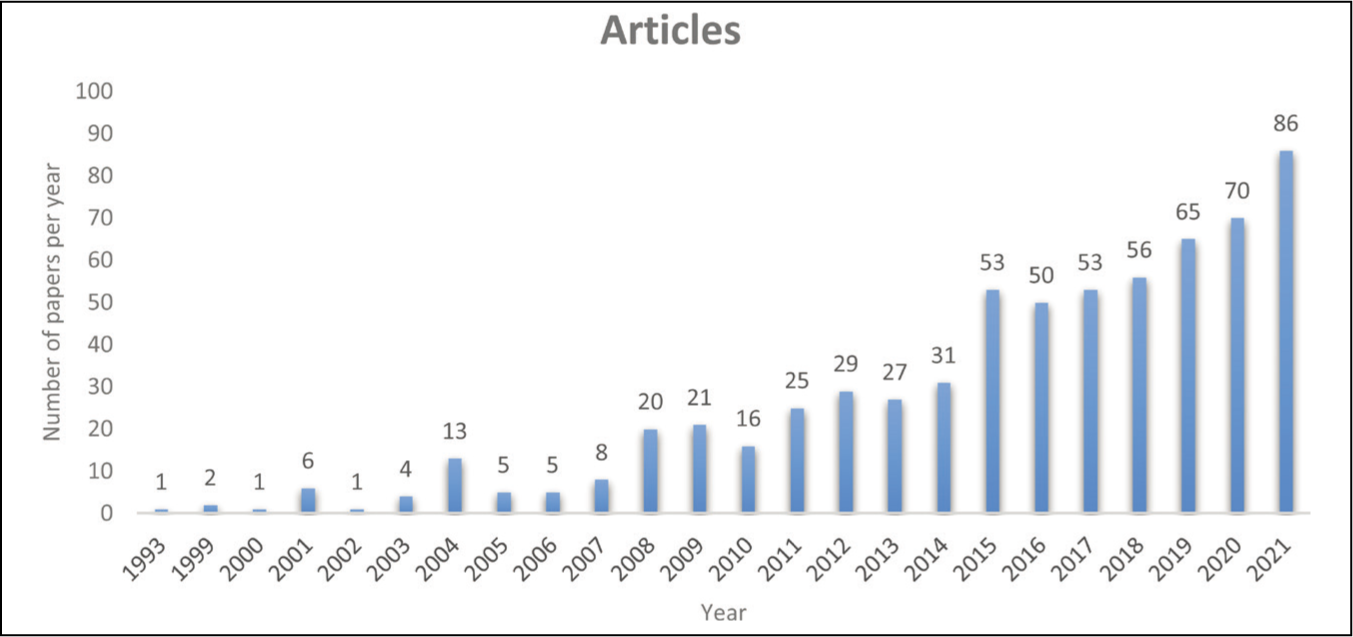
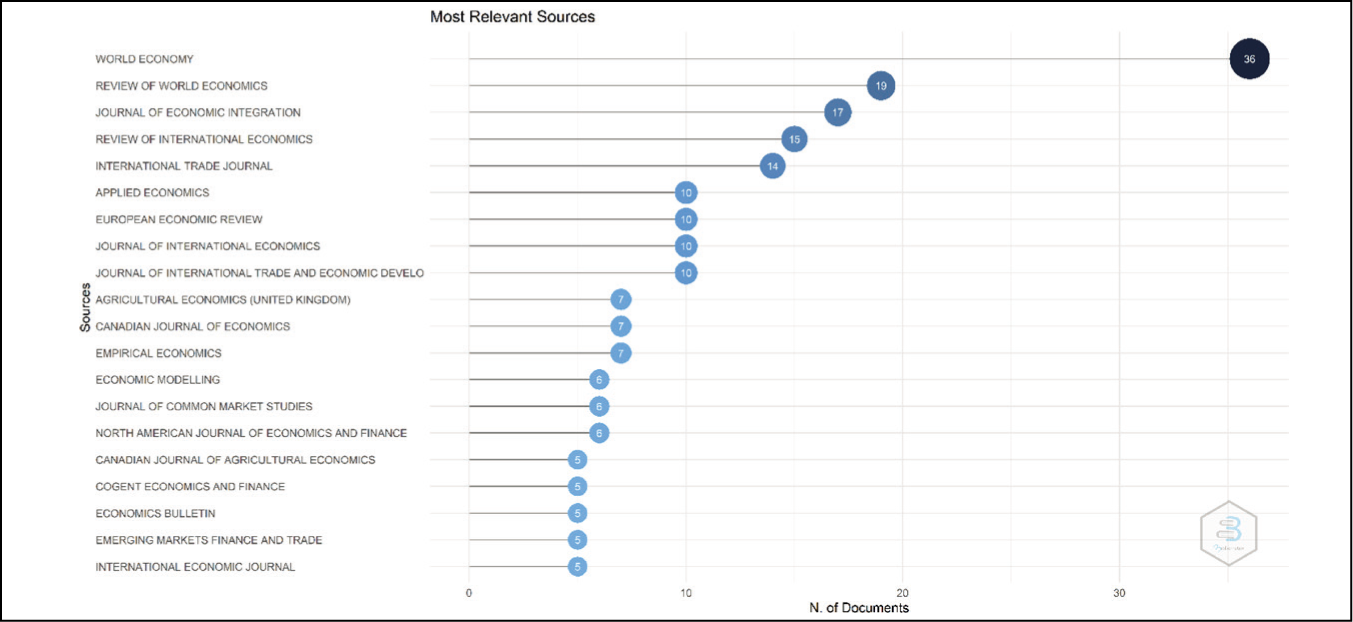
Figure 2 discusses GMoT’s top twenty most relevant sources. The first position is held by a journal called ‘World Economy’, which has 36 documents in total. The difference of 17 documents between the top and second-ranked journals demonstrates the World Economy’s supremacy over the other journals on the list. The objective of the World Economy is to provide comprehensive and up-to-date information on trade policy, international trade and trade and development. The Review of World Economics comes in second place with 19 documents, followed by the Journal of Economic Integration with 17 documents. The Review of International Economics is fourth with 15 documents, while the International Trade Journal ranks fifth with 14 documents.
Source Growth Dynamics
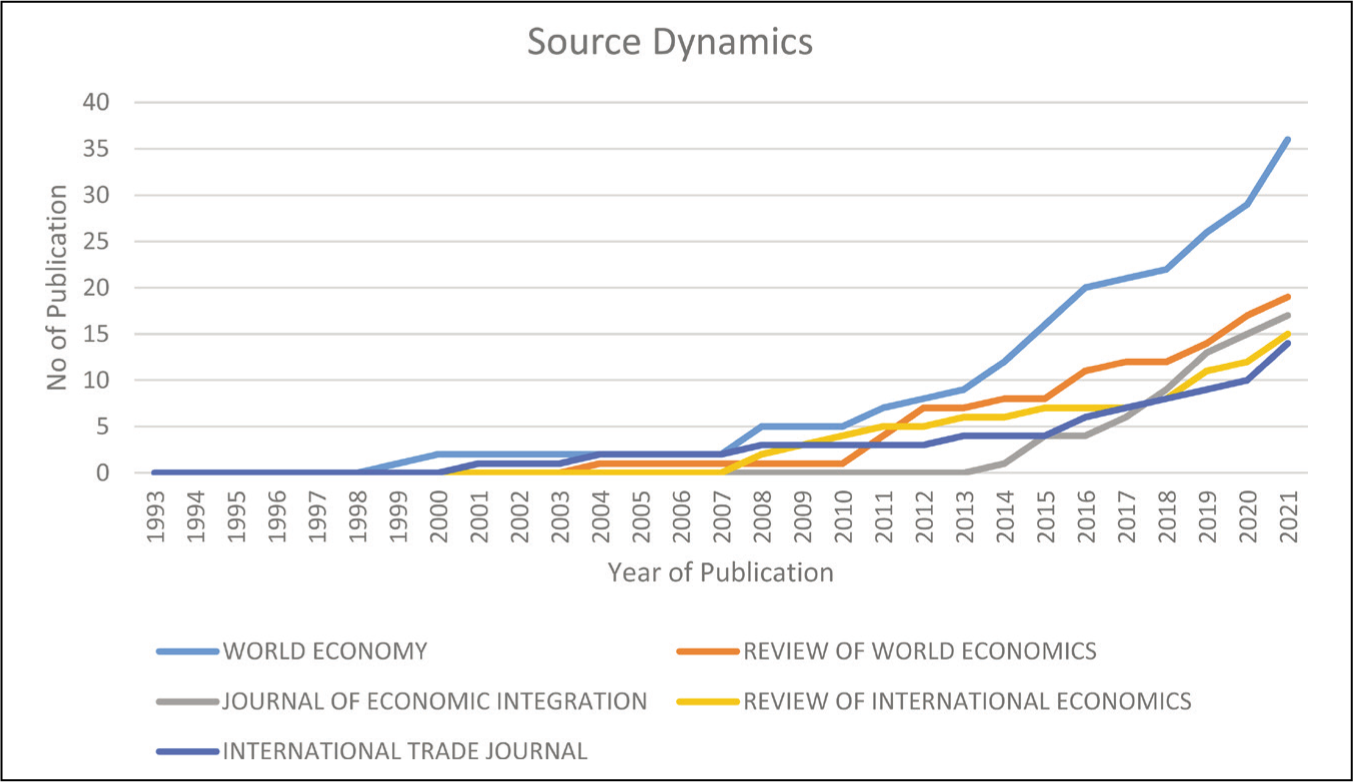
Figure 3 shows the main journals on the topic of GMoT, which is based on data extracted from Scopus. These five journals cover 96.14% of the total documents, that is 623 out of 648 from the database. From the figure we can see the topic is gaining popularity and researchers are more interested in evaluating the TC and TD effects of FTAs with the help of GMoT. Initially, the papers published were fewer but it started gaining momentum after 2014, World Economy is the major journal as it has published total of 238 documents which are 38.20% of the top five journals, followed by others, such as Review of World Economics (126 out of 623), Review of International Economics (98 out of 623), International Trade Journal (92 out of 623) and Journal of Economic Integration (69 out of 623). The rise in 2021 is 21.68% till now which is comparatively lesser than 2019, the year 2019 has seen the highest rise in published documents compare to any other year, that is 23.72%. The percentage might go up by the end of 2021 as more related papers are indexed in the Scopus database.
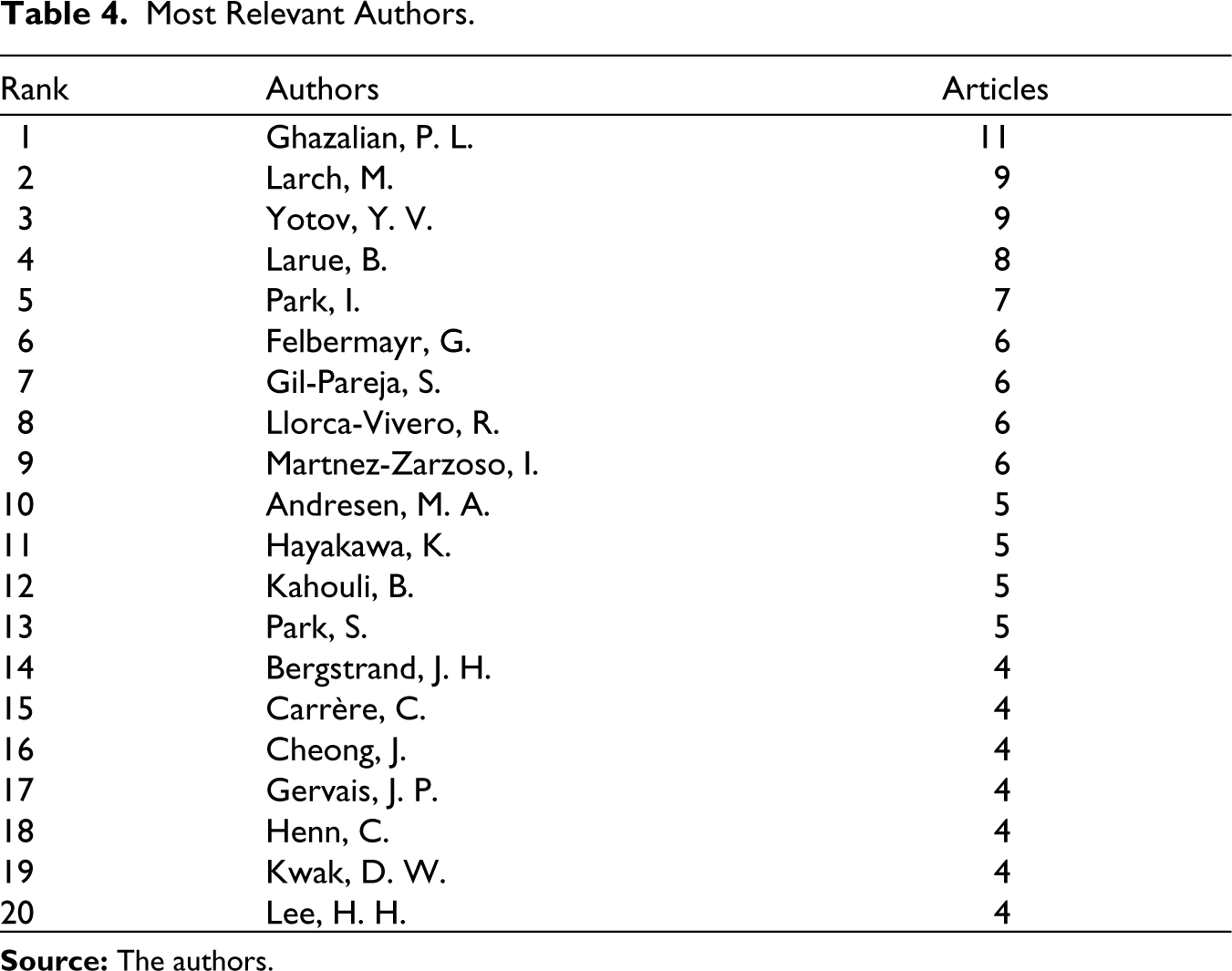
Top 20 Relevant Authors Based on the Number of Papers
Table 4 shows the most relevant authors on the topic of GMoT from documents indexed in the Scopus database. The relevance of the authors in the context of the above topic is based on the criterion of the number of published articles under bibliometric analysis. The top five authors have published more than six articles and the remaining 15 authors have published four or more articles in this area. The list is topped by Ghazalian, P. L. with a total of 11 articles, followed by Larch, M. (2nd) and Yotov, Y. V. (3rd) with nine articles, then Larue, B. (4th) and Park, I. (5th) with eight and seven articles respectively. The next four authors (6th–9th) (Felbermayr, G., Gil-Pareja, S., Llorca-Vivero, R. and Martnez-Zarzoso, I.) have six articles each and then there are another four authors (10th–13th) (Andresen, M. A., Hayakawa, K., Kahouli, B. and Park, S.) with five articles each. The remaining seven authors (14th–20th) (Bergstrand, J. H., Carrère, C., Cheong, J., Gervais, J. P., Henn, C., Kwak, D. W. and Lee, H. H.) have four articles each under their name.
Most Relevant Authors.
Top 10 Most Relevant Affiliations
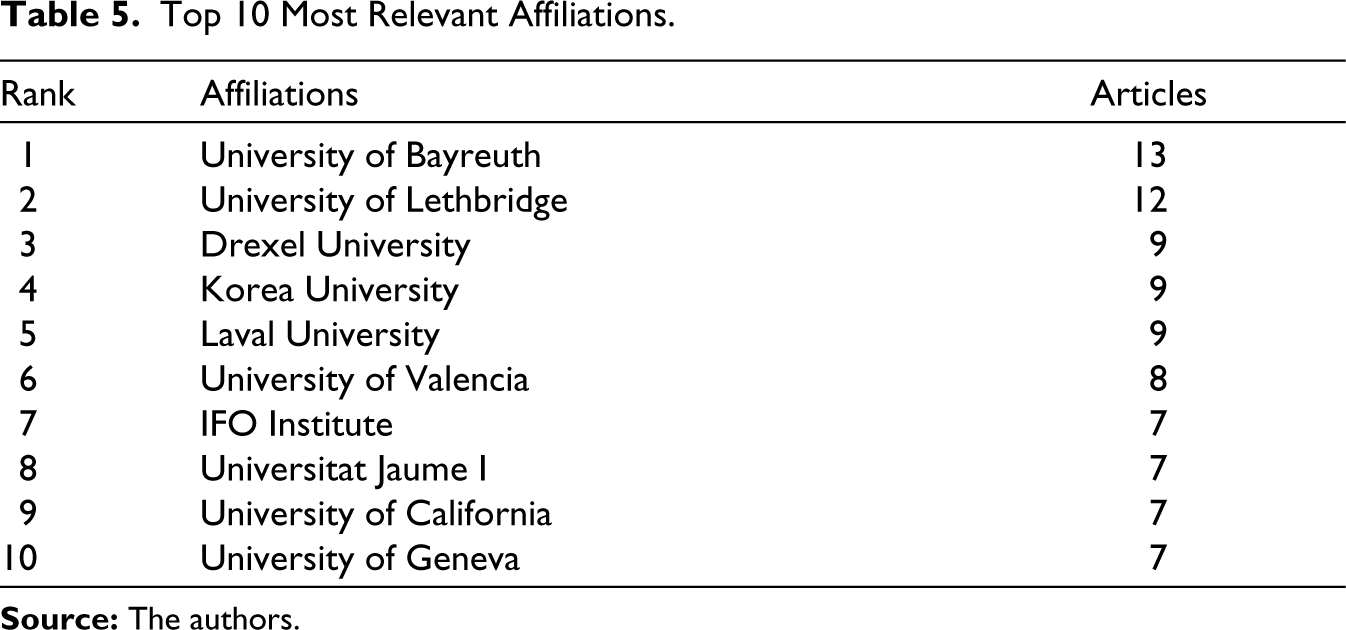
Table 5 identifies the institutions with which the published documents on GMoT from the Scopus database have the most relevance. The rank is assigned based on the number of articles affiliated with a specific institute. The first position belongs to the University of Bayreuth with a total of 13 articles, the second position goes to the University of Lethbridge with a total of 12 articles, and the third spot goes to Drexel University with a total of nine articles. The next two universities, that is Korea and Laval University also have nine articles each in their kitty. The list is then followed by the University of Valencia with eight articles and the remaining five institutions (IFO Institute, Universitat Jaume I, the University of California and the University of Geneva) with seven articles each under their name.
The list is dominated by American and European institutes with only one institute from Asia. There are two institutes from America (Drexel and California University), two from Canada (University of Lethbridge and Laval University), two from Germany (University of Bayreuth and IFO institute), two from Spain (University of Valencia and Universitat Jaume I) and one institute each from Switzerland (University of Geneva) and Korea (University of Korea). The developed countries’ dominance can be justified by the fact that they were early adopters of FTAs and recognised the significance of conducting ex-post analysis of TAs to understand their impact on trade flows over a while.
Top 10 Most Relevant Affiliations.
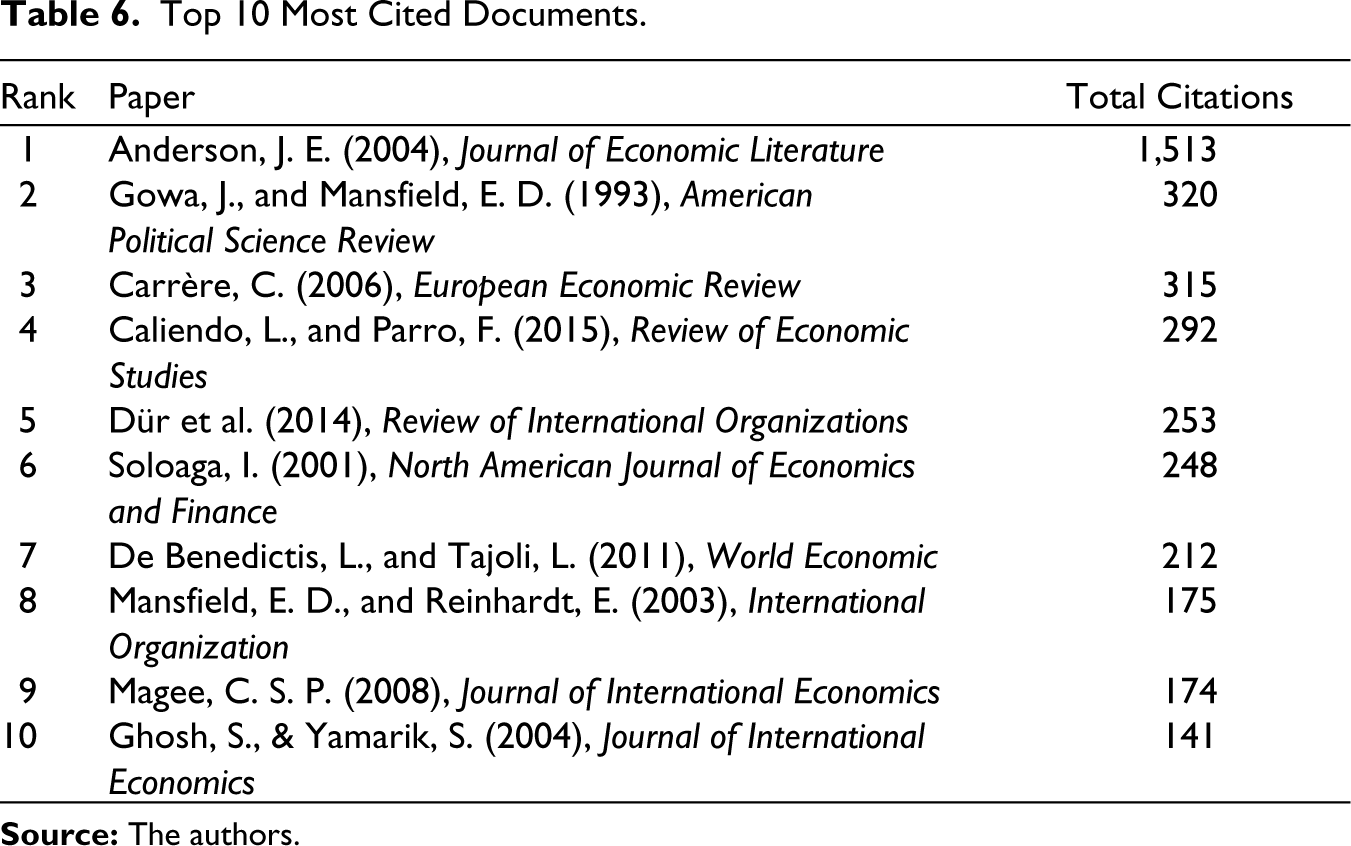
Top 10 Most Cited Documents
Table 6 is based on global citation scores which shows the total citations received by paper in the Scopus core collection (Scopus, 2021). According to the data extracted from the Scopus database, the paper written by Anderson, J. E. in 2004 received the highest citation of 1,513, which is way more than any other paper in the list. The second (Gowa & Mansfield, 1993) and third-ranked (Carrère, 2006) papers, attracted citations of more than 300 each, followed by a group of four documents (Caliendo & Parro, 2015; De Benedictis & Tajoli, 2011; Dür et al., 2014; Soloaga & Winters, 2001) receiving citation more than 200 each and the list ends with three documents (Ghosh & Yamarik, 2004; Magee, 2008; Mansfield & Reinhardt, 2003) each receiving citation more than 100.
Top 10 Most Cited Documents.
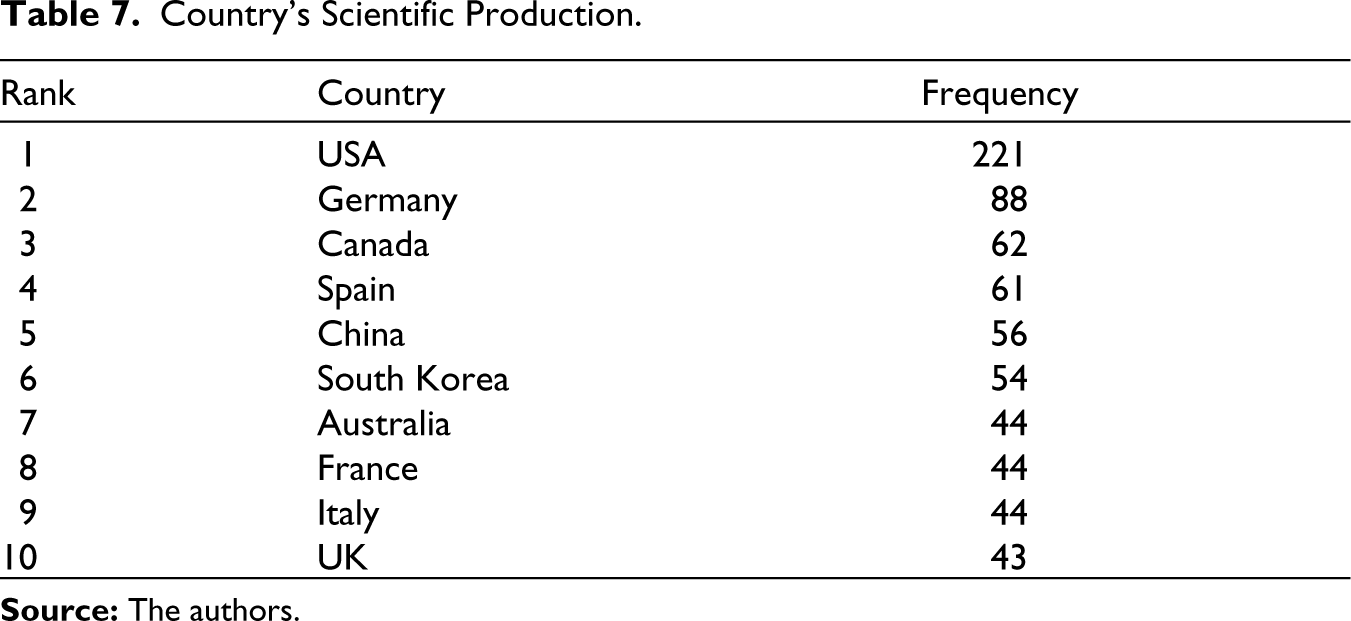
GMoT’s Top 10 Scientific Productions and Most Cited Country
Table 7 shows the countries with the highest scientific production on GMoT from the Scopus database. 12 The list is again dominated by America and European countries along with two Asian countries. America, with 221 documents, leads the table, followed by Germany with 88 documents, and then by Canada with 62 documents. Spain is in the fourth position with 61 documents and China is fifth with 56 documents. The remaining five countries, South Korea (54), Australia (44), France (44), Italy (44) and the UK (43) each have documented of more than 40 but less than 55 under their name.
The countries with the most citations on the topic of GMoT are mentioned in Table 8. The list is again topped by the USA with total citations of 1,718, France comes second with total citations of 661 and Canada is ranked 3rd with total citations of 418. The next three countries which are ranked 4th, 5th and 6th, that is Italy, the United Kingdom and Switzerland respectively all have citations of more than 300. The last four countries ranked 7th–10th in the list all have citations of more than 140 but less than 300.
Country’s Scientific Production.
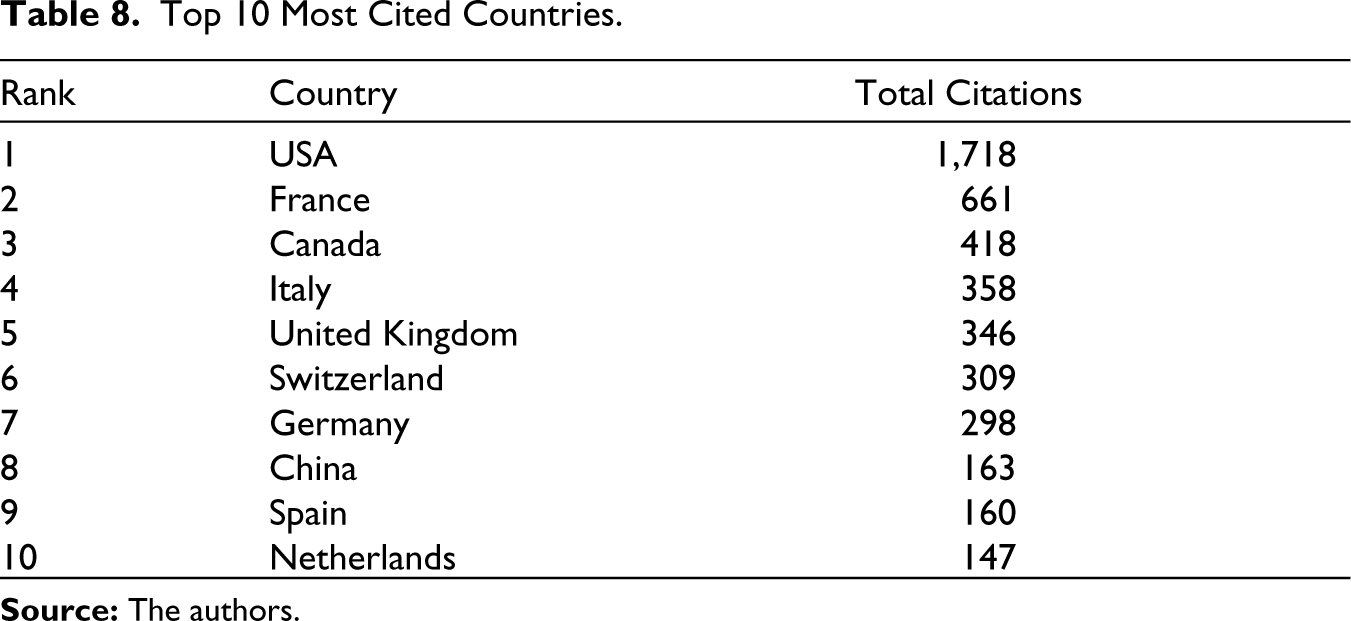
Top 10 Most Cited Countries.
Word Cloud Related to GMoT
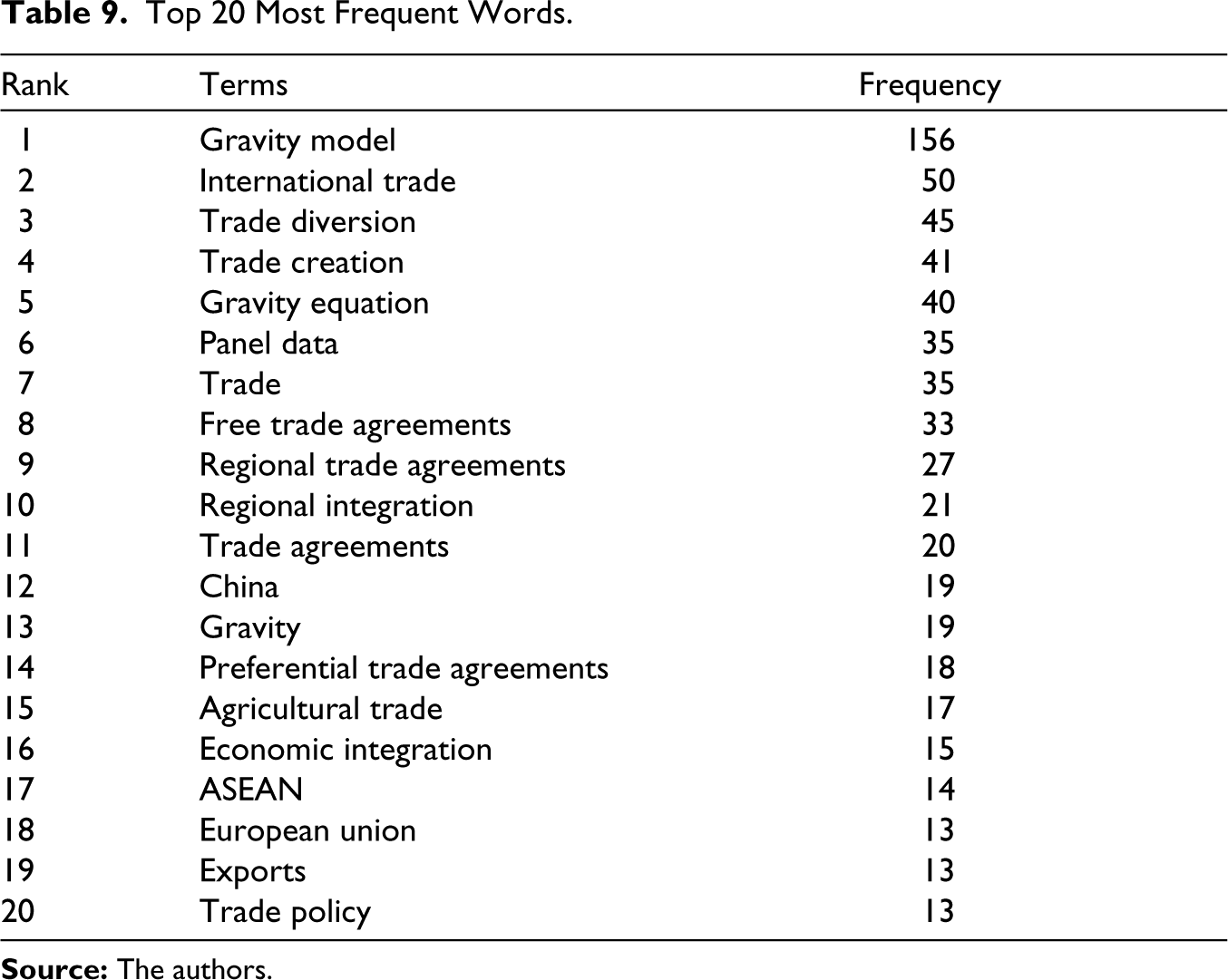
Figure 4 and Table 9 show the most commonly used keywords by authors on the topic of GMoT. The larger the word, the more often it appears in the works of authors. ‘Gravity Model’ has the highest frequency (156), according to the word cloud. This demonstrates the critical role of GMoT in determining the actual impact of TAs on trade flows (Plummer, 2010). As a result, scholars have heavily relied upon GMoT as an ex-post study technique for assessing the TC and TD effects of FTAs. The next word on the list is ‘international trade’, which occurs 50 times in total, followed by ‘trade diversion’ and ‘trade creation’, which occur 45 and 41 times in total, respectively. Intra-regional trade or trade among partner countries accounts for 55.39% of global exports, demonstrating the critical role of TAs in fostering trade at the international level (Kher & Das, 2019). The terms ‘trade creation’ and ‘trade diversion’ are critical in comprehending the benefits and drawbacks of joining a trade agreement. Trade creation refers to the establishment of a new trade as a result of a trade agreement between partner countries, whereas trade diversion occurs when countries become biased in favour of members over non-members.
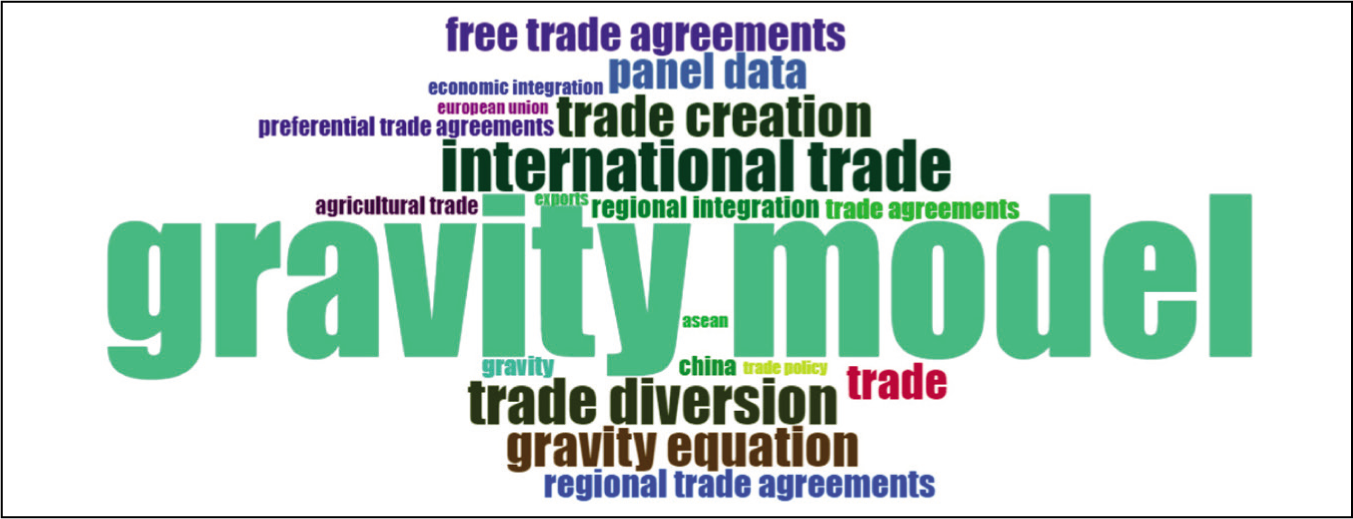
Top 20 Most Frequent Words.
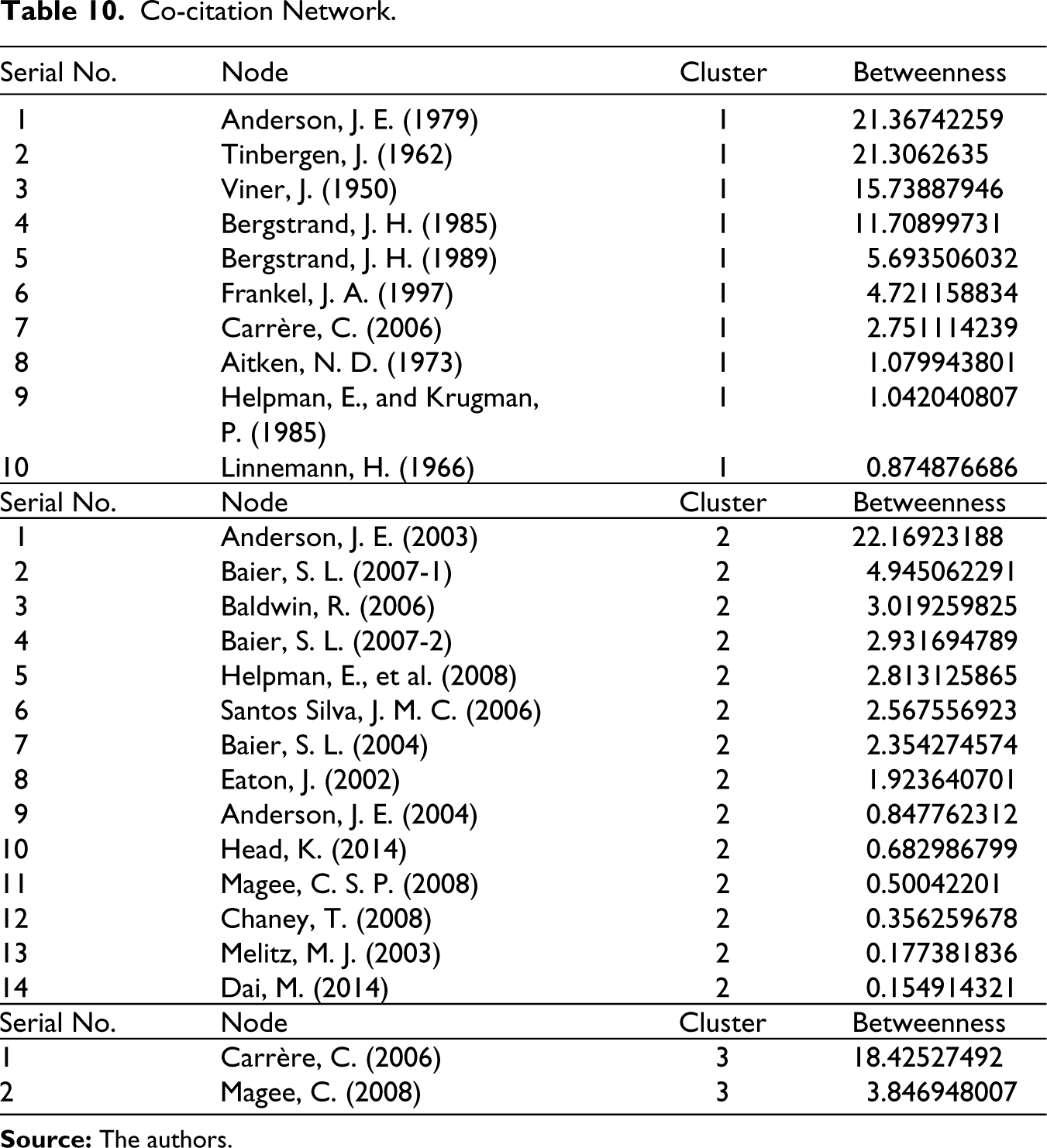
Co-citation Network: Intellectual Structure
Figure 5 and Table 10 of the co-citation network analysis are based on the concept of betweenness centrality, which refers to other researchers’ reliance on the work of a particular researcher or group of researchers. The findings of the co-citation network analysis reveal a total of three clusters, each of which has some helpful information. Cluster one contains all of the pioneering papers on the GMoT. Authors such as Viner (1950) introduced two critical concepts: trade creation and trade diversion, Tinbergen (1962) introduced the GMoT, which is based on Newton’s law of universal gravitation, and the remaining authors such as (Anderson, 1979), Bergstrand (1985, 1989) made necessary improvements to the baseline GMoT. Cluster two contains papers that discuss recent developments in the GMoT literature, such as the gold medal error (omitted variable bias), the silver medal error (averaging reciprocal trade flows), the bronze medal error (inappropriate deflation of trade flows) and the introduction of PPML estimation, country, time and dyad fixed effects in panel settings to overcome heteroscedasticity and endogeneity (Baier et al., 2005; Baldwin & Taglioni, 2006; Silva & Tenreyro, 2006). Ce₹line Carre₹re and Christopher, S. P. Magee are two significant authors in Cluster 3, who address issues such as the number of dummies required to capture trade creation and diversion, as well as the fixed effects required to capture the variables used in GMoT and to control the impact of aggregate shocks on trade data. The papers written by authors like J. Tinbergen and J. E. Anderson can be considered the most impactful work on the GMoT literature with both enjoying betweenness centrality of more than 20.
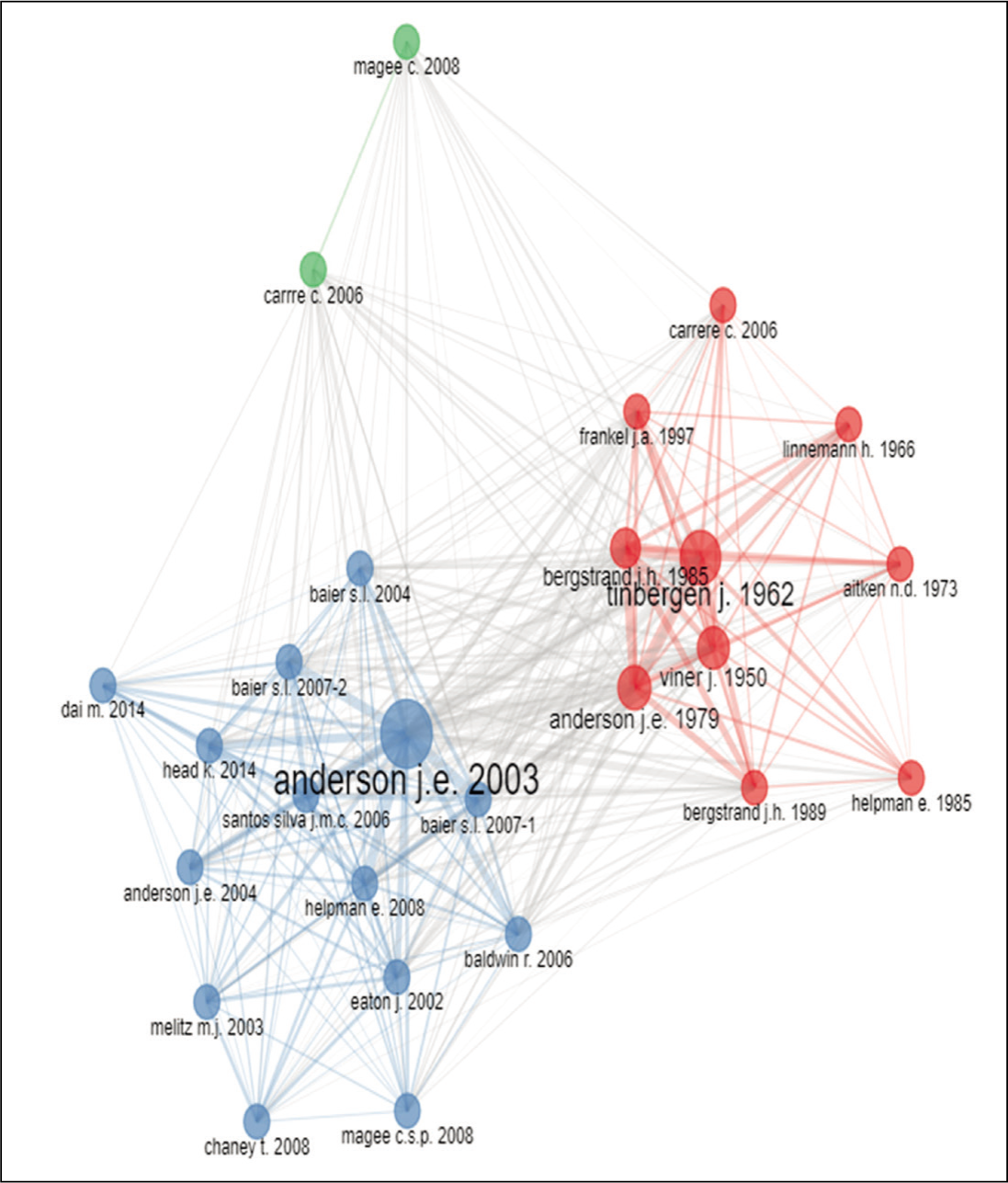
Co-citation Network.
Conceptual Structure Map
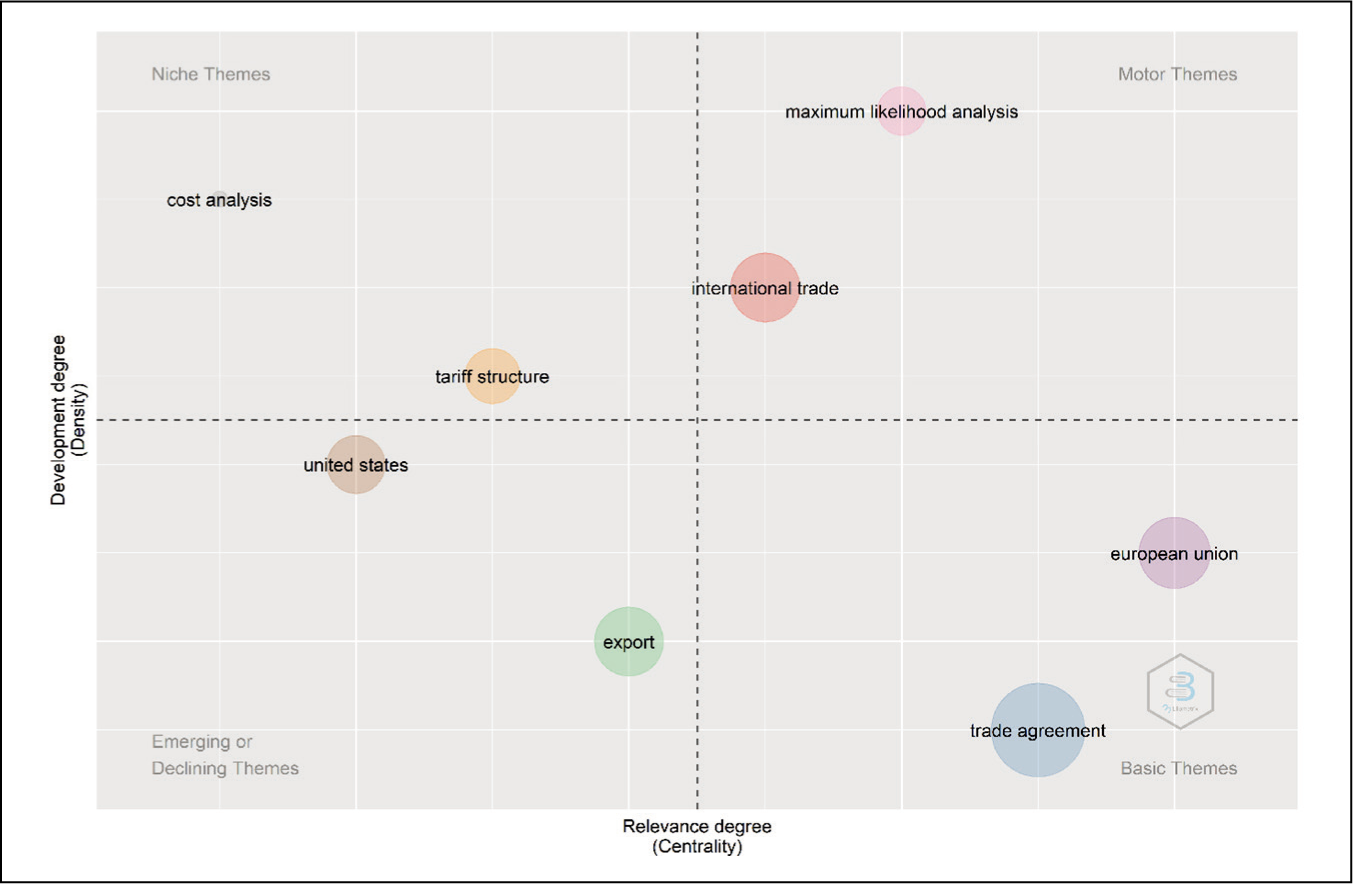
Figure 6 talks about the thematic map, one of the network options available in the biblioshiny app under the category of conceptual structure. Each of the four quadrants of the thematic map has a different focus: motor, niche, emerging or declining and basic. The themes are evaluated using two criteria: centrality, which refers to the theme’s importance to the field of study, and density, which refers to the theme’s development within the field of study. Motor themes are located in the upper right quadrant and are considered to be highly relevant and significant; topics, such as ‘international trade’, ‘manufacturing’ and ‘contracts’ are more developed and important because GMoT is used to estimate or capture trade flows and maximum likelihood analysis such as PPML is heavily used by researchers due to its advantage over traditional ordinary least squares (OLS) technique. Niche themes are those that are well-developed but isolated. They fall in the upper left quadrant. In other words, while certain issues are well developed internally, they are severely limited outside and are of secondary relevance to the field as a whole. Cost analysis is a topic that discusses the cost of trade and might be considered a niche subject. The lower left quadrant is devoted to emerging or declining subjects in the research domain. The ‘export’ theme is more pertinent, but it is still in its infancy; and, while many studies have been conducted on the United States, those cannot be considered highly relevant because the research domain is not restricted to the trade of a single country, but rather concentrates on global trade. The lower right quadrant discusses the research domain’s basic themes. It accurately covers the theme of ‘trade agreement’, as Tinbergen et al. pioneered the use of the GMoT as an ex-post analysis method for evaluating TAs. It also has the ‘European Union’ as a theme, given the majority of early research papers focused on European and American trade agreements, owing to their early inception.
Co-occurrence Network
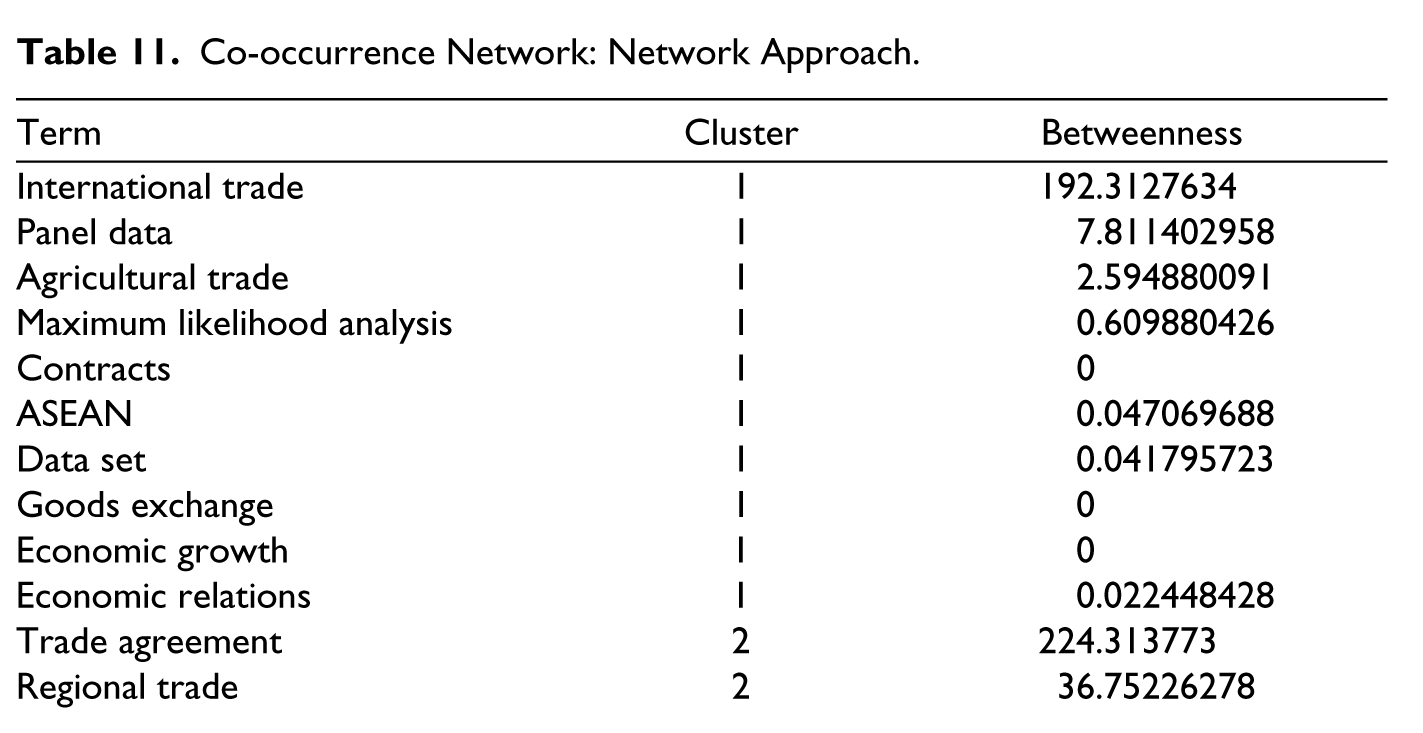
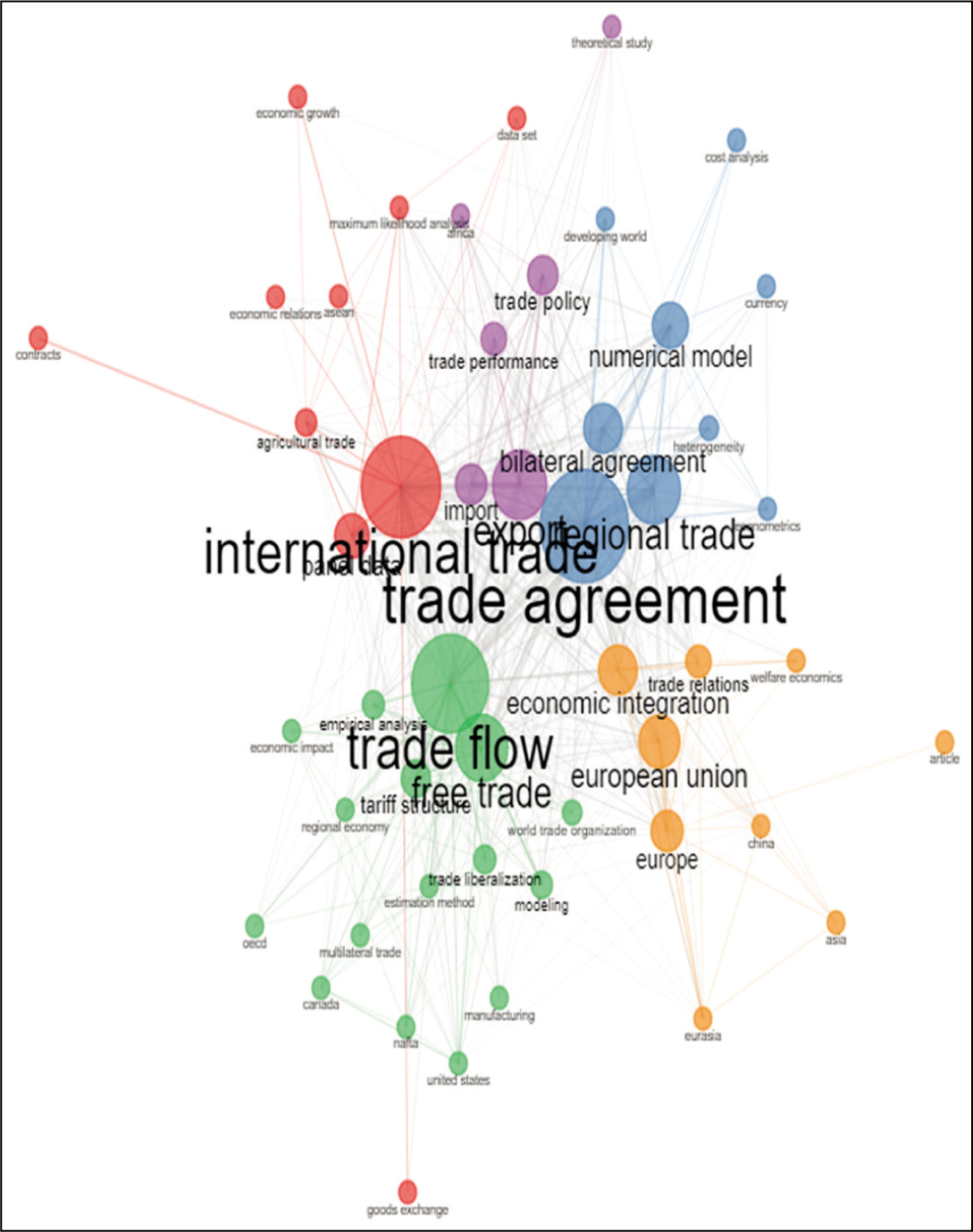
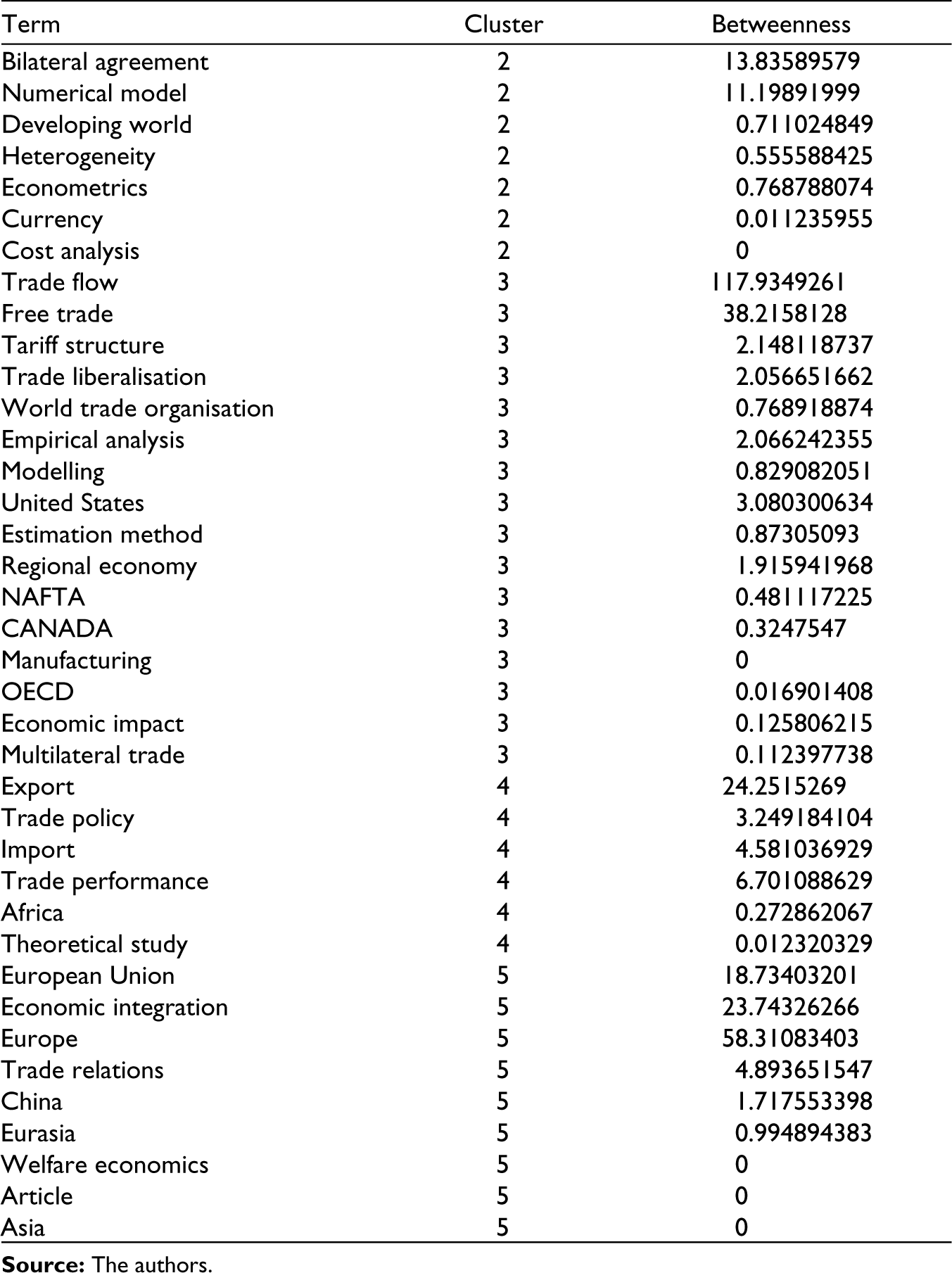
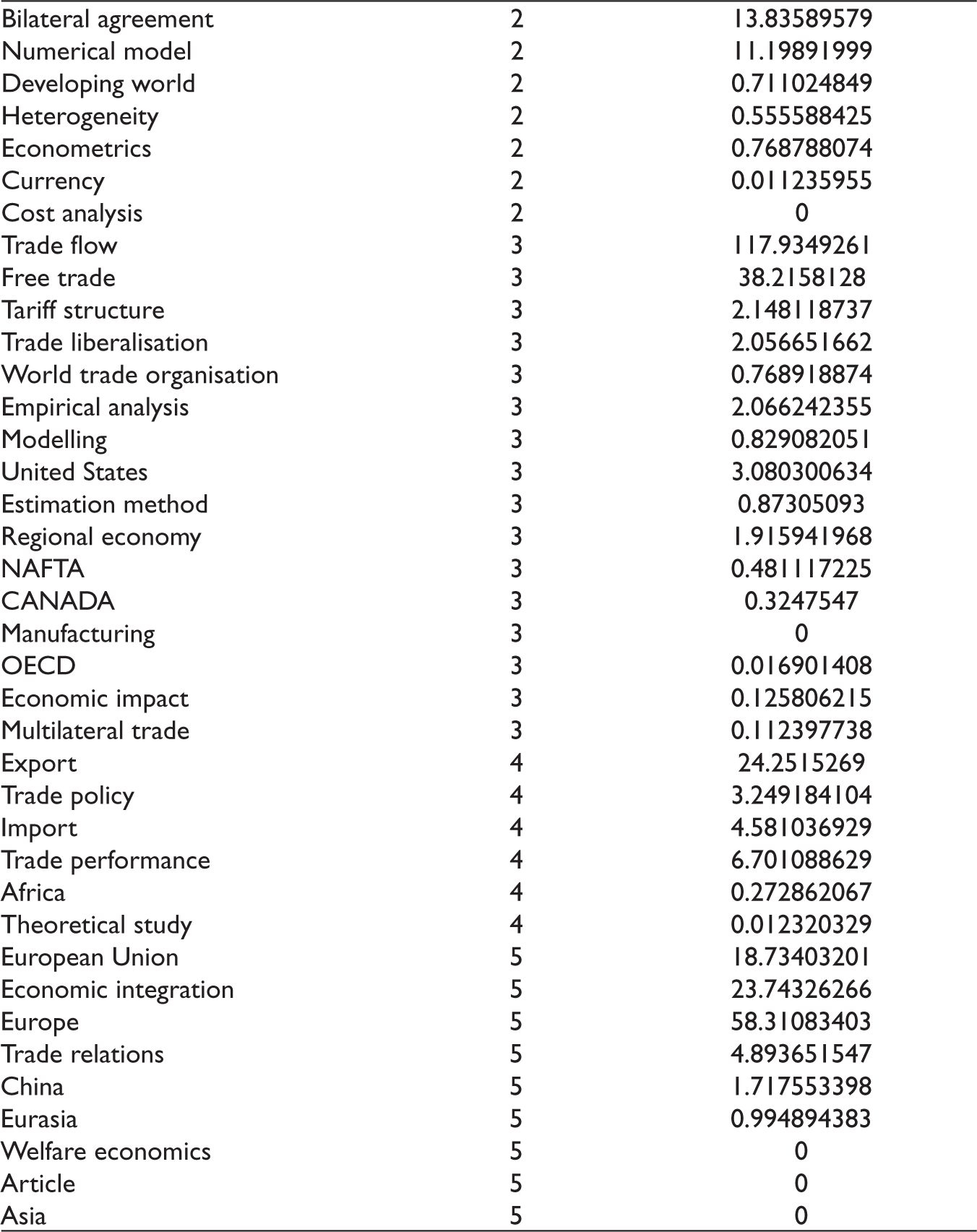
Figure 7 and Table 11 are based on a co-occurrence network that identifies the most recent topics and trends in the field of GMoT. The network is constructed using ‘betweenness centrality’, which determines the term that has the most dominance over a group of other terms and is capable of connecting distinct terms in the graph. The analysis identifies a total of 50 terms, which are further classified into five clusters. The third cluster has the most terms (16), followed by the first cluster (10) and the second and fifth clusters, which each have nine terms. The fourth cluster has six terms. The term ‘trade agreement’ from the second cluster has the highest betweenness centrality of 224, followed by ‘international trade’ with a betweenness centrality of 192 from the first cluster. Except for the phrase ‘trade flow’ from the third cluster, which has a betweenness centrality of 118, no other cluster contains terms with a betweenness centrality of more than 100. We can say that the three terms we talked about earlier have the highest impact on the co-occurrence network of the GMoT. The term ‘trade agreement’ of the second cluster is like the vertex, the point at which all other lines intersect. We can see that the authors are working on themes like ‘regional trade’, ‘bilateral agreements’ and the ‘developing world’, to name a few. All of this is related to the central topic of ‘trade agreements’, which promotes regionalism over multilateralism, particularly among emerging economies. International trade is the second major theme, which is clustered by relevant subjects, such as ‘panel data’, ‘agricultural trade’, ‘economic ties’ and ‘maximum likelihood’ analyses. Authors have begun to prefer panel data over cross-section data in recent years because it enhances the efficiency of econometric estimates (Hsiao, 2007). The majority of papers that use GMoT as an ex-post analysis method concentrate on manufactured goods or agricultural products. Surprisingly, the extracted data could not capture anything related to manufacturing. After 2006, the majority of authors employed the PPML technique because it is more effective at dealing with issues, such as heterogeneity, endogeneity and zero trade value than standard OLS. Numerous scholars support TAs because they strengthen economic ties between member nations. The theme of trade flow is clustered by bi-themes, such as tariff system, free trade and trade liberalisation. Policymakers are developing superior alternatives to traditional FTAs that are far broader in scope and coverage. Comprehensive economic cooperation/partnership agreements (CECAs/CEPAs) are one such alternative for liberalising trade. The tariff structure continues to be critical to trade flow; there are still significant tariffs on agricultural products that must be addressed by introducing necessary provisions in trade agreements (Gaurav & Bharti, 2019).
Co-occurrence Network: Network Approach.
Country Collaboration
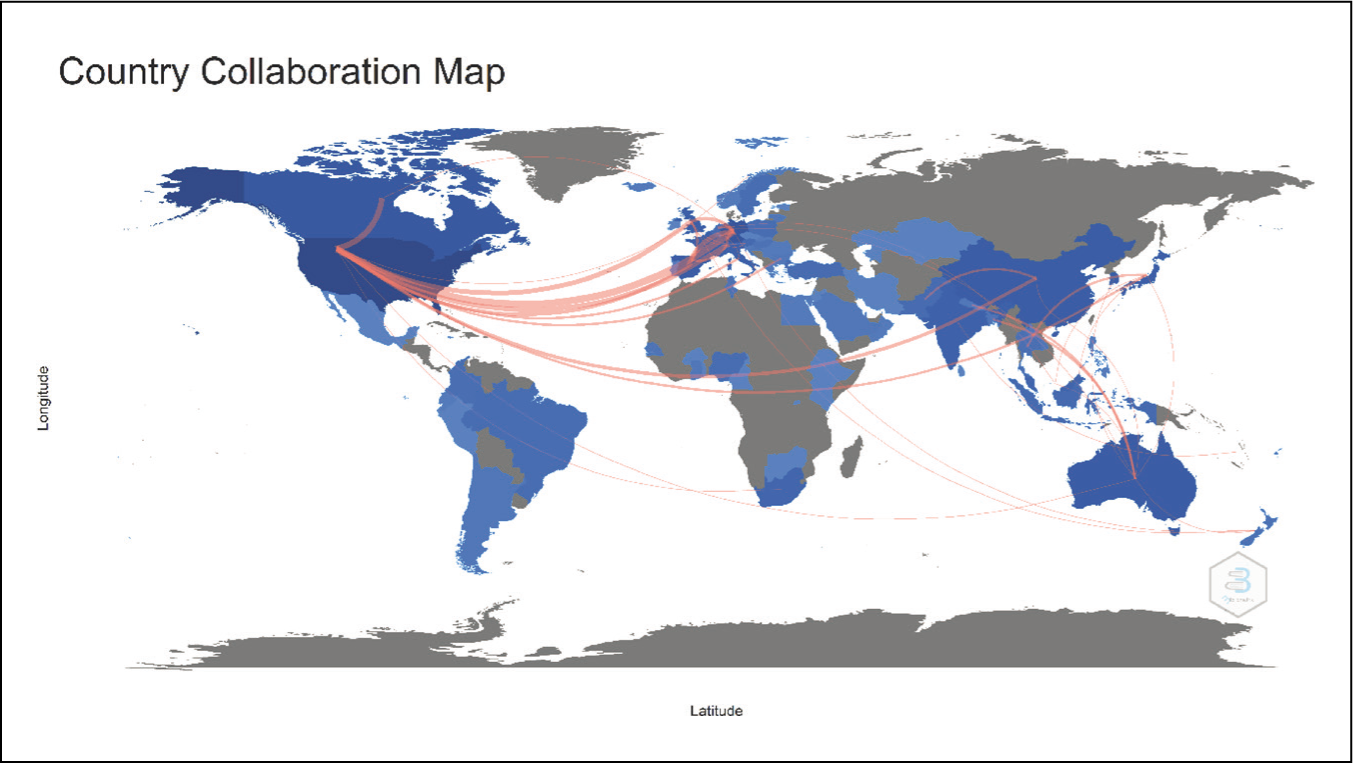
Figure 8 talks about the collaboration map, which illustrates two critical pieces of information about GMoT: the number of articles published and the collaboration of researchers from various nations. The blue colour represents each country’s paper output, while the red line represents international collaboration. The dark blue colour indicates increased paper output, whereas the dark red colour indicates increased collaboration between countries. It is self-evident that developed countries dominate on both metrics. The highest frequency of collaboration is between the USA and Germany (16). Following that are the United States of America and Canada with 11, and Germany and Spain with a total frequency of nine. The presence of high collaboration between Germany and Spain is due to the work of Inmacuda Martinez-Zarzoso, who has a dual affiliation in Germany (University of Goettingen) and Spain (University Jaume I). Brazil dominates the South American region in terms of paper output on GMoT, but neither Brazil nor any other South American country has a robust network of international collaboration. African countries rank poorly on both metrics, with some positive contributions coming from countries like South Africa, which publishes papers and collaborates with developed countries such as the United States. On the other hand, North Asia, Central Asia and South West Asia, on the other hand, have relatively little interaction with the rest of the world. The trend in these regions can be corrected if countries, such as Turkey, Saudi Arabia, Kazakhstan and Iran learn from South Asian countries and begin cooperating with one another, followed by a collaboration with developed countries on GMoT. This will serve as a positive example for other countries in these Asian regions. But countries in South Asia, East Asia and Southeast Asia present a different picture, as they not only focus on domestic paper production but also collaborate with neighbouring countries and developed nations like Australia and the United States. India produces an adequate number of papers on GMoT, but it lacks collaboration with overseas academics. India has a collaboration with Fiji and Singapore, with a very minimal frequency of two and one, respectively. Neighbouring countries like China are performing better than India on both parameters. Pakistan, on the other hand, doing better when it comes to collaboration but not when it comes to the number of papers published at the country level.
Limitations and Contributions
The bibliometric analysis is solely based on the use of keywords and the selected database which has led to the exclusion of some papers related to the topic. This article covers the observed trends thus far in the GMoT literature and also discusses emerging developments, such as the inclusion of domestic trade as a variable in the structural gravity model and the effects of the pandemic on disrupting international trade via the global value chain (GVC) route. This not only distinguishes the paper from the one written by Metin and Tepe (2021) but also provides deeper understanding.
The observations from this bibliometric exercise have provided robust insights regarding the GMoT while pointing out the gross lack of literature vis-à-vis the estimation of TC and TD alongside the GMoT, which was the key objective of this effort. In the post-pandemic world, trading partners, trade directions and compositions are very dynamic and have given rise to many new or modified trading agreements and norms. In this light, the assessment of trade creation and diversion plays an important role.
The article’s outcome is valuable to policymakers, researchers and academics who use GMoT to examine the impact of TAs on a country’s exports and trade flows. A careful examination of the body of previous literature enables us to investigate the changes that have occurred in the area over time. It is seen that the most significant associations with GMoT are more from developed countries than from developing or less developed countries. Given that regionalism is gaining popularity in comparison to multilateralism, particularly developing countries are forging trade negotiations or joining trade blocs such as ASEAN (Oberoi, 2019). Therefore, it becomes critical for policymakers in these nations to conduct their research to determine whether the advantages of these TAs outweigh the cost associated with them. Many researchers are interested in using the GMoT as an ex-post method of analysis, and there is a pressing need for more research from emerging economies, such as Asia, Africa and Latin America in order to better understand how these countries view the trends and needs toward regionalism over multilateralism. Apart from that, according to data from the Scopus database on GMoT, the trending topics in the last 5 years have shifted from trade agreements, trade policy and international trade to economic integration, GVC and deep integration. GVCs are a cutting-edge concern in contemporary cross-border trade, with intermediate commodities, capital goods and services accounting for 70%–80% of worldwide trade (Kher & Das, 2019). Again, in the post-pandemic environment, there is considerable potential for developing and underdeveloped countries to benefit from GVCs through trade agreements, as the benefits are numerous, such as job creation, infrastructure development and economic prosperity for citizens, as these contracts between global companies and partner nations are for longer durations.
Conclusion and Future Research Directions
The present body of research can be strengthened by diversifying the document types by including comprehensive and comparative case studies on both old and new trade agreements such as CECAs and CEPAs, as well as deep trade agreements.
This study revealed that 86 documents focussing on the GMoT applications have been published in 2021, the highest compared to any preceding year. While the GMoT undergoes empirical refinements and augmentations, there will be a surge in trade negotiations and agreements as well. This, in turn, will increase the number of academic literatures.
According to this study, the ten most relevant affiliations on GMoT: an ex-post analysis method are limited to America and European nations (University of Drexel, University of Lethbridge, University of Bayreuth, University of Valencia and so on), except the University of Korea, which is the only Asian affiliation, but there are still no affiliations from any developing country of Asia, Latin America, or Africa.
Domestic trade has recently gained popularity as a variable in structural gravity models. According to the present studies, it is critical to determine the impact of trade agreements on domestic-to-international trade diversion (Heid et al., 2021). The impact of non-discriminatory (most favoured nations) and unilateral trade policies (sanitary and phytosanitary measures, as well as technical trade barriers) on bilateral trade cannot be identified in the structural gravity model because they are collinear with fixed effects such as exporter and importer fixed effects. However, including domestic trade addresses this issue.
Trade agreements are used to reduce tariff barriers and non-tariff measures (NTM) to increase the flow of trade between nations. There is no dispute that TAs have substantially lowered tariff barriers, and there is ample literature describing the TC and TD effects of TAs through tariff removal. Minimal research has been conducted in the area of non-tariff measures, which pose a greater challenge to international trade than tariffs and must be addressed by the makers of various countries’ trade agreements. Even after tariff elimination, the trade creation is modest due to the presence of larger NTMs or a minor drop in the NTM frequency ratio, according to the scant academic literature (Urata & Okabe, 2014). This paves the way for additional studies, both on an aggregate and a disaggregate level, to be conducted that consider the trade effects of TAs in the context of the elimination of NTMs. The study by Bary and Setyodewanti (2016) demonstrates that the impact of RTAs on member countries is not uniform, despite the fact that they joined in anticipation of shared advantages. The analysis finds that a variety of country-specific factors, including trade facilitation, contribute to this disparity. This can be investigated further by finding factors related to trade facilitation or trade promotion that contributes to the disparate effects of RTAs on member nations.
The abolition of tariffs under TAs has direct and indirect effects on exports and imports between nations. It is feasible to investigate the indirect impacts of tariff elimination using the ex-ante method known as ‘Computable General Equilibrium’ (CGE). The existing corpus of literature is dominated by studies on direct effects, which affords researchers the opportunity to also investigate indirect effects. In the future, it will be useful to compare ex-ante and ex-post evaluations of tariff elimination in order to examine the direct and indirect effects on a country’s exports and imports, according to Suslov (2019). Although the contribution of services in global trade is growing much faster than that of goods trade, there is difficulty including services in GMoT analysis due to statistical dearth. However, there is also a vital need to develop a global database of disaggregated values for service trade in order to understand how each service is traded, measured and regulated in different countries (Kher & Das, 2019).
The COVID-19 pandemic has had a detrimental effect on international trade, compelling us to reconsider our trade policies and actions in order to recover from its after-effects. The pandemic had a mixed effect on different sectors of the economy; some profited, while others were severely impacted. Malaysia is an excellent example of a country where scholars employed gravity models to analyse the post-COVID-19 effects on the country’s exports. Exports increased in sectors, such as gas, furniture and sanitary items, but declined in tobacco, leather and skin (Zainuddin et al., 2021). Increased publication of such studies is expected in the near future, as more academics follow the same strategy of identifying afflicted areas and implementing appropriate actions to bring them back on track. In today’s world, the majority of products are manufactured via the GVC process. For instance, an electronic appliance manufactured in China contains components from other countries. Due to these strong forward and backward linkages across countries, the pandemic was key to disrupting global production. The impact on the supply side was more severe than on the demand side. According to the results of a recent paper, the exporters of machinery components and finished machinery goods were the most adversely affected (Hayakawa & Mukunoki, 2021). The cascading effect of supply shocks via GVC as a result of the pandemic crisis is a critical issue that requires immediate attention to ensure that we are prepared for future supply shocks as well.
Poorer nations are the worst hit by COVID-19. According to the UNDP 2020 estimate, a billion people might become extremely poor and vulnerable as a result of this. There is an urgent need for a policy framework to meet the challenges posed by developing and less developed nations by incorporating relevant measures into regional trade agreements (RTAs). More and more people are embracing ‘RTAs’ to achieve sustainable development goals, such as SDG 13 (Climate Action), SDG 8 (Decent work and economic growth) and SDG 5 (Gender Equality). For example, RTAs like Chile–Uruguay and Canada–Chile contain separate chapters dedicated to gender. Future academics will be interested in seeing how effective these initiatives are at achieving these goals.
In future, there is scope for using a combination of different types of literature reviews with a bibliometric approach. To obtain more exhaustive inputs, future research studies should attempt to supplement these developments and concerns with data from additional databases, such as Web of Science, Science Direct, the Science Citation Index and the Social Science Citation Index.
Supplemental Material
Supplemental material for this article is available online.
Footnotes
Declaration of Conflicting Interests
The authors declared no potential conflicts of interest with respect to the research, authorship and/or publication of this article.
Funding
The authors received no financial support for the research, authorship and/or publication of this article.
Notes
References
Supplementary Material
Please find the following supplemental material available below.
For Open Access articles published under a Creative Commons License, all supplemental material carries the same license as the article it is associated with.
For non-Open Access articles published, all supplemental material carries a non-exclusive license, and permission requests for re-use of supplemental material or any part of supplemental material shall be sent directly to the copyright owner as specified in the copyright notice associated with the article.
