






Abstract
In laboratory experiments, we compare the performance of short‐term and long‐term contracts in a two‐period supplier–buyer dyad with asymmetric cost information. We find that buyers tend to reject offers if the payoff inequality increases from one period to the next. We coin this dynamic form of inequity aversion as “ratcheting aversion.” We show that under short‐term contracting, the buyer's ratcheting aversion limits the supplier's leeway to exploit information revelation in earlier periods because suppliers fear contract rejections in later periods. As a result, the suppliers' empirical benefit of offering long‐term contracts over short‐term contracts is significantly larger than theory predicts. Furthermore, long‐term contracts enable supply chain partners to achieve less volatile supply chain performance than short‐term contracts because the buyers' ratcheting aversion leads to more contract rejections under short‐term contracting. While normative theory predicts that suppliers should include all future informational rents of the buyers in the first‐period offer, thereby creating large payoff differences between periods, we show that it can be behaviorally optimal for the supplier to make offers that lead to more equitable payoffs between periods.
Keywords
Introduction
The selection of a supply contract is a critical decision faced by firms in a variety of industries. One crucial contracting parameter is the contract term structure. Both short‐term and long‐term contracts are frequently applied in practice. For instance, General Motors and Alcan have signed a 10‐year long‐term contract for aluminum supply (Shi and Feng 2016). On the other hand, Hewlett and Packard spent 15% of their purchase expenses for commodities by using short‐term contracts on spot markets in 2001 (Carbone 2001). The problem has generally been discussed in terms of a tradeoff between the flexibility offered by short‐term contracts and the price uncertainty reduction achievable by using long‐term contracts (Cohen and Agrawal 1999). In this study, we look at the term structure decision from a different angle. We focus on the negotiation and asymmetric information aspects of short‐term and long‐term contracting.
Negotiation breakdowns are commonly observed in practice and are a serious source of inefficiency in supply chain management with asymmetric information. For example, citing Kaufland's decreased costs and increased margins, the German retailer Kaufland banished approximately 500 Unilever products from its shelves when Unilever tried to push through drastically higher wholesale prices (Handelsblatt 2018). Repeatedly renegotiated contracts are a case in point for short‐term contracting in the field, even if the supply chain partners often prefer to talk about long‐term relationships in their official communication. As in the previously mentioned case, volatility and asymmetric information on costs and profit margins drive contract adjustments. If supply chain partners prefer to reduce performance volatility at the cost of contractual flexibility, they may commit to long‐term contracts (e.g., via contractual penalties). Hence, the negotiation and asymmetric information aspects of supply chain contracting that are the focus of our study constitute one of the numerous reasons why the contract term structure is a prime concern of supply chain managers.
We consider the popular context of a dominant supplier (e.g., a manufacturer) who attempts to coordinate his distribution channel but lacks information on the buyer's cost structure, for example, the retailer's variable processing or handling costs (Corbett and Groote 2000, Corbett et al. 2004, Ha 2001). We assume that the supplier–buyer relationship encompasses a repeated interaction over two consecutive periods. The buyer's privately known cost structure can be either low or high. The supplier utilizes a quantity discount contract to reduce informational rents and efficiency losses from double marginalization. Quantity discounts are among the most widely used contract forms in practice (Munson and Rosenblatt 1998). They are known to increase channel efficiency, allowing self‐selected price discrimination and eliminating inefficiencies due to information asymmetry (Burnetas et al. 2007, Corbett and Groote 2000, Jeuland and Shugan 1983). Munson and Rosenblatt (1998) show that quantity discounts are utilized in various industries and usually consist of less than five price breaks in the discount schedules. Optimized quantity discounts provide a menu of contracts with different prices and quantities. The price and quantity levels in the schedules are constructed in a manner that incentivizes buyers to reveal their true types by voluntarily sorting into the corresponding categories. In multi‐period settings such as ours, however, buyers with low cost have an incentive not to reveal their type early on if the cost of obfuscation in the early stages is smaller than the benefit of receiving the unadjusted contract in later stages.
In such multi‐period settings, the current state‐of‐the art recommendation for suppliers is to offer long‐term instead of short‐term contracts (Laffont and Tirole 1993). While long‐term contracts are inefficient (“second best”) from the supply chain perspective, they protect suppliers against the low‐cost buyer's strategic cover‐up strategy (“imitation”). With short‐term contracts, a low‐cost buyer may try to cover up her true cost by imitating the high‐cost signal in period 1 to receive a more profitable contract in period 2. If she does not imitate, a low‐cost buyer is susceptible to the “ratchet effect,” that is, increasingly disadvantageous contract offers by the seller. Hence, the earlier the buyer releases information on her true cost, the earlier the “ratchet” tightens, leaving no option for the buyer to return to a profitable short‐term contract (i.e., to release the “ratchet” again). Thus, with a short‐term contract, a low‐cost buyer may have an incentive to conceal her true cost in the early stages, while with a long‐term contract, she can reveal her type without fearing later disadvantages from the ratchet effect.
Although long‐term contracts protect the suppliers from the buyers' strategic imitation and protect the buyers from the ratchet effect, they have the disadvantage of being theoretically inefficient for the supply chain as a whole. Normative theory predicts that supply chain inefficiency is reduced under short‐term contracting because “renegotiations” after an early information revelation stage enable supply chain parties to adjust to an efficient contract. The contract adjustment, however, skews the profit distribution toward the contract offering supply chain party (e.g., the supplier), leaving the other party (e.g., the retailer) worse off than before. Hence, there is a trade‐off in choosing the contract term structure. On the one hand, compared to long‐term contracts, short‐term contracts with information revelation enhance supply chain performance. On the other hand, they increase the skewness of the payoff distribution (i.e., the inequality of profit shares).
From a behavioral perspective, the inequity and volatility of payoffs have often been shown to impede the optimal outcomes predicted by normative theory. To date, there is little research on the behavior of supply chain partners in multi‐period settings with asymmetric information, but there is a considerable amount of research on behavior in single‐period supply chains. In these static settings, human behavior often departs from the game theoretic prediction. Suppliers usually do not leverage the full benefits of more complex incentive schemes, such as a menu of contracts (Kalkanci et al. 2011, 2014). Furthermore, when confronted with an incentive scheme, buyers often refuse to choose the profit‐maximizing contract alternative (Ho and Zhang 2008, Inderfurth et al. 2013, Johnsen et al. 2017***, Lim and Ho 2007). A number of studies show that the buyers' choice behavior is affected by fairness preferences (Loch and Wu 2008, Katok and Pavlov 2013, Kartok et al. 2014, Hartwig et al. 2015***). Inequity averse buyers frequently do not respond as predicted to the mechanism design incentives given by a menu of contracts. These incentives are usually too small to overcome the buyer's aversion toward the differential treatment that is inherent in a menu of contracts (Johnsen et al. 2019). Additionally, short‐term contracting with renegotiations requires a high degree of strategic planning, especially if fairness concerns increase the complexity of the contract choices. Previous laboratory experiments with dynamic interaction, however, show that only very few subjects can be described as forward looking, for example, 5% of the subjects in the experiments of Bostian et al. (2012) and 11.9% in Wu and Chen (2014). If buyers are not forward looking, they may reveal their private information too early and may prefer fairness in myopic or backward looking profit sharing arrangements more than forward looking, non‐linear, multiple‐period profit sharing arrangements. If sellers are not forward looking, they may be reluctant to offer contracts that provide enough long‐term incentives.
We use laboratory experiments to test whether the normative predictions and behavioral conjectures concerning long‐term and short‐term contracts are sustained in an environment with human decision makers (students). Laboratory experiments allow us to control all the assumptions of the game theoretic models (e.g., price setting, channel structure, outside options), while also enabling us to relax assumptions on the rationality of the supply chain parties and their unique objective to maximize monetary payoffs.
Our results show that suppliers effectively screen buyer types in both short‐term and long‐term contracting modes. In our experiments, the suppliers' chances of meeting a low‐cost or a high‐cost type are equally split. Belief elicitation shows that after period 1, suppliers know a buyer's type in 86% and 84% of the cases in long‐term and short‐term contracting, respectively. While the suppliers leverage this information gain by offering adjusted and efficient contracts in period 2, they largely refrain from offering the exploitive contracts proposed by standard normative theory. Instead, the suppliers tend to offer contracts that allow for substantial profit sharing with low‐cost buyers in both periods. They do so mainly to avoid contract rejections by buyers who clearly exhibit ratcheting aversion, that is, a disutility from an increasingly disadvantageous inequity in profits from one period to the next. In a series of detailed estimations, we show that neither classical period‐by‐period inequity aversion (see, e.g., Bolton and Ockenfels 2000, Fehr and Schmidt 1999) nor aggregated payoff inequity aversion (see, e.g., Oechssler 2013) explain our observations as well as our new model incorporating ratcheting aversion. Our behavioral model with ratcheting aversion also explains why short‐term contracting with information revelation in period 1 does not induce the efficient supply chain performance as predicted by normative theory. Although buyers are less forward looking and more likely to reveal their private information in period 1, contrary to the predictions of normative theory, their ratcheting averse preferences lead to inefficiencies due to contract rejections in period 2. These rejections impair supply chain performance and increase the volatility of profits. Hence, in a world with ratcheting aversion, suppliers are significantly better off with long‐term contracts than theoretically predicted, while the buyers' payoffs do not significantly differ between the contract formats.
The study is organized as follows. In section 2, we review the related literature. In section 3, we outline the models for the long‐term and short‐term contracting modes. We detail our experimental design and research hypotheses in section 4. In section 5, we present the results of our experimental study that compares short‐term and long‐term contracting. We present our behavioral models and their estimations in section 6 and discuss our results in section 7. Finally, we conclude the article and our results in section 8.
Literature Review
There is extant literature discussing the advantages and disadvantages of short‐term and long‐term contracts. Short‐term contracts are usually associated with higher flexibility to respond to the dynamics of the markets, while long‐term contracts offer improvement opportunities in product quality and price certainty (Cohen and Agrawal 1999). Several studies investigate the tradeoffs between short‐term and long‐term contracting modes (Cohen and Agrawal 1999, Kleindorfer and Wu 2003, Li et al. 2009, Peleg et al. 2002, Serel et al. 2001, Talluri and Lee 2010, Xu et al. 2015). In contrast to our study, these models do not consider private information and the resulting strategic effects. The supplier's selling price is usually exogenously given by the market and not a bargaining outcome, as in our game theoretic model.
The literature on supply chain contracting under asymmetric information is extensive. The fields of application range from asymmetric demand information (Cachon and Lariviere 2001, Cai and Di Singham 2018, Desiraju and Moorthy 1997, Özer and Wei 2006) to asymmetric cost information (Baron and Besanko 1984, Çakanyıldırım et al. 2012, Corbett and Groote 2000, Corbett et al. 2004, Davis and Hyndman 2018, Ha 2001, Schöndube‐Pirchegger and Schöndube 2012). Chen (2003) provides an excellent survey of this literature. These papers frame interaction in a principal agent model (Fudenberg and Tirole 1991), in which the principal offers a menu of contracts to induce the agents to reveal their private information. However, most of the studies mentioned above consider a static, one‐period interaction, which seems reasonable for supply chains that interact infrequently.
The literature on multi‐period interactions in supply chains with asymmetric information is still emerging. We can distinguish two streams of literature: one stream considers short‐term contracting (Shamir 2013, Zhang et al. 2010), and another considers long‐term contracting (Amornpetchkul et al. 2015, Lobel and Xiao 2017, Ren et al. 2010, Zhang and Zenios, 2007). The methodology and results under short‐term and long‐term contracting can be drastically different (Zhang et al. 2010). In long‐term contracting, it is assumed that the contract‐offering supplier can commit himself
Zhang et al. (2010) consider short‐term contracts in a multi‐period inventory model in which the buyer's inventory level is her private information. Since the buyer's current actions affect the supplier's contract offers in consecutive periods, a buyer may be reluctant to reveal her true inventory levels early on. Using a menu of contracts, Zhang et al. (2010) derive the optimal short‐term contracts and demonstrate that in a two‐period model, these contracts have significant value over simpler wholesale price contracts. Shamir (2013) considers the supplier's capacity planning under short‐term contracts with a manufacturer, who has a private demand forecast that is either high (efficient) or low (inefficient) in all periods of the game. They derive the optimal capacity reservation contracts under two‐period short‐term contracting. The game theoretical predictions of their model are similar to those in our model, as a supplier exploits the revealed demand information from the buyer's contract choice in period 1 to offer an efficient contract and reap all supply chain profits in period 2. The buyer may be willing to reveal her type if she obtains a high discount in period 1. The supplier prefers long‐term contracts that preclude the buyer's imitation strategies, even though these contracts lead to inferior supply chain performance compared to that of a series of short‐term contracts. Hence, we believe that the results of our experimental study may additionally provide valuable insight for applications of capacity planning models.
More recently, researchers tested game theoretic (adverse selection) models in laboratory experiments (Inderfurth et al. 2013, Johnsen et al. 2019, Johnsen et al. 2020, Kalkanci et al. 2011, Sadrieh and Voigt 2017). The main insight from this research is that the game theoretic models overstate the supplier's benefits from introducing complex contracting schemes, such as a menu of contracts. One reason for this finding is that the agents frequently refuse to choose the profit‐maximizing option from the menu of contracts (Inderfurth et al. 2013). Johnsen et al. (2019) and Kalkanci et al. (2011, 2014) show that a buyer's' fairness preferences can explain this observation. Sadrieh and Voigt (2017) find that subjects have preferences for the simpler contract compared to a more complex menu of contracts because they anticipate the risk of these non‐profit‐maximizing contract choices. Furthermore, Johnsen et al. (2020) find that subjects who increase the agent's payoff differences between the contract alternatives effectively increase the frequency of the agent's profit‐maximizing contract choices. Another reason that game theoretic models may overstate the supplier's benefits is found by Kalkanci et al. (2011, 2014), who let subjects design a menu of contracts. In contrast to the theoretical prediction, they observe that a supplier often does not benefit from contracts that are more complex because subjects have difficulties setting the optimal price breaks. The main point of difference between our experiments and the above‐mentioned studies is that we consider a two‐period model, while the above‐mentioned studies are single‐period static models, in which information revelation is not relevant for future periods.
In the behavioral economics literature, only a few researchers have investigated the ratchet effect. Charness et al. (2011) consider a labor market with two types of workers, namely a high‐talent type and a low‐talent type. In line with the game theory predictions, in their laboratory experiments, they observe a substantial number of high‐talent workers, who mimic the low‐talent worker type to conceal their type and to avoid increasingly disadvantageous offers in subsequent periods. In contrast, Cooper et al. (1999) find little empirical evidence of the ratchet effect. They consider a two‐period interaction between a central planner and a firm manager. Contrary to the game theoretic prediction, they observe that many managers revealed their type in the early stages of the game. They conclude that the incentive schemes that are theoretically susceptible to the ratchet effect empirically work very well in the initial rounds because inefficient imitation emerges only gradually over time. Brahm and Poblete (2017) investigate the behavior of salespersons who face a ratchet effect in a situation in which the better they perform, the more their targets are increased. In a field experiment, they observe that the strategic behavior of salespersons is highly heterogeneous. In particular, salespersons in their first year on the job showed no sign of strategic imitation behavior.
While the focus of these two studies was whether agents anticipate and respond strategically to the ratchet effect, we provide insights into how principals (i.e., the suppliers), knowing that the agents may be imitating to avoid the ratchet effect, adapt their first‐period contract offer. Since Cooper et al. (1999) find that the participants are more sensitive to the strategic implications of the game if it is presented in a business context (e.g., in the context of firm managers and planners) than if it is presented in a generic form, we expect that the supply chain environment in our experiment will enhance strategic play.
Outline of the Model
We consider a two‐period distribution channel consisting of a single supplier (denoted by male pronouns) and a single buyer (denoted by female pronouns). At the beginning of each period 


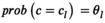



Figure 1 summarizes the sequence of events. (a) The buyer observes her private cost information. Her costs do not change during the term of contracting (i.e., over the two periods). (b) The supplier offers a contract in the first selling period. (c) The buyer chooses the quantity and sells the products to her customers. (d) The supplier offers a second contract for the second selling period. Note that as we will describe below, depending on the contracting mode, the supplier's second‐period offer may or may not be the same as the first‐period offer. (e) The buyer chooses a quantity from the second contract offer and sells the products to the customers. (f) The relationship ends.
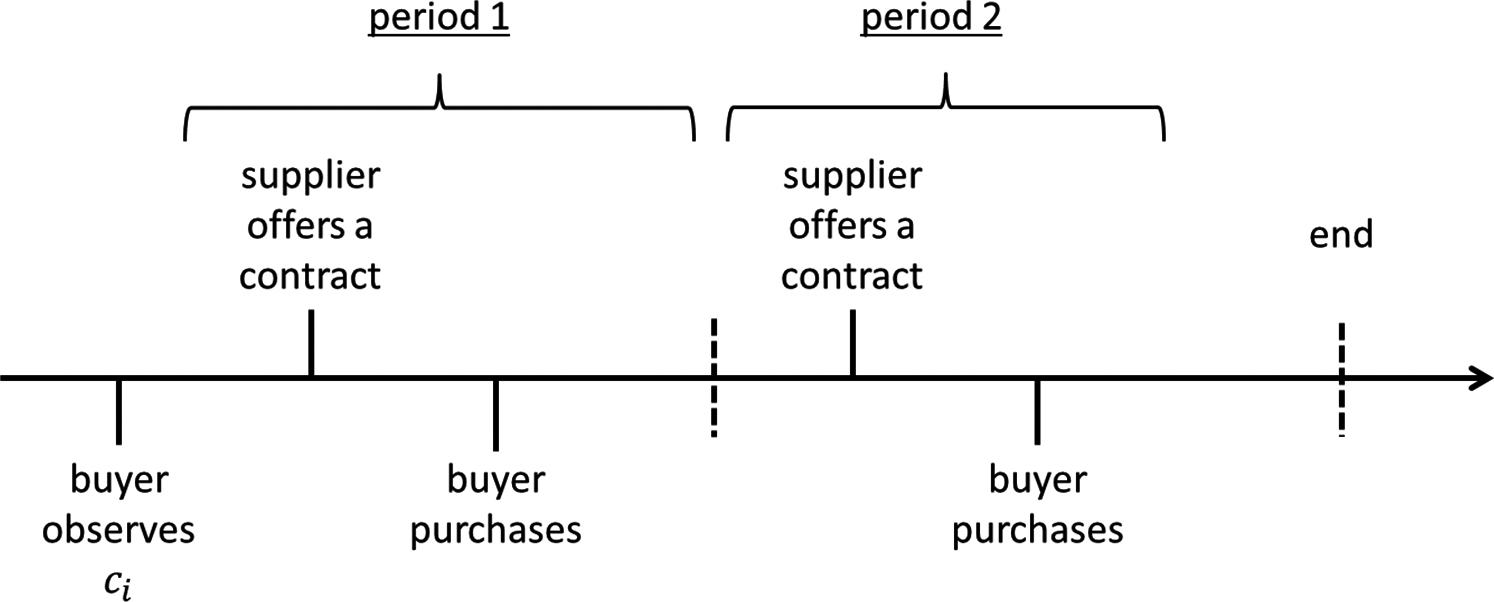
Sequence of Events
One‐Period Game
We first consider the one‐period game, which provides a foundation for the two‐period model. We consider both the case of full information and that of asymmetric information.
Full Information. First—Best Contracts
Under full information, the supplier offers a single quantity‐price bundle (

Constraint (4) ensures the buyer's participation. The solution (


Asymmetric Information
To determine the supplier's optimal menu of contracts under asymmetric information, we can restrict our attention to a set of two contracts: (




The participation constraints (7) ensure that the buyer is willing to accept the contract. The incentive constraint (6) ensures that the buyer with costs 


Two‐Period Game
The repeated interaction setting can be distinguished between at least two well‐established contracting modes:
Short‐Term Contracting
We derive the perfect Bayesian equilibrium for the supplier's optimal short‐term contract, as in Laffont and Tirole (1987, 1993). The solution concept assumes that (a) in each period, the supplier's contract maximizes his expected profit given his current belief about the buyer's type and (b) the buyer's contract choice maximizes her expected profit, taking into account both her direct profits from the current contract and how her current decision changes the contract to be offered in the future period.
We can distinguish two types of perfect Bayesian equilibria.
3
In the revelation equilibrium, the supplier would like to learn the buyer's cost and offer a menu of contracts, (
Second‐Period Contract
At the beginning of the second period, the supplier updates his belief about the buyer's type. The supplier's updated belief that the buyer is of type 
When the supplier observes the buyer choosing contract (

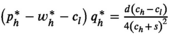

First‐Period Contract
The supplier's first‐period menu of contracts must ensure that both buyer types are willing to reveal their types. As outlined above, only the low type earns a positive informational rent in the second period if she mimics the high type by choosing (



The participation constraints (12) ensure that the buyer accepts the scheme regardless of her type. The incentive constraint in (10) ensures that the low type reveals her information in the first period. As shown above, the term 


Long‐Term Contracting
Salanié (2005) shows that long‐term contracting reduces to the static problem of a one‐period model. Because the contract is never reconsidered, it is as if the two parties interact only once. The result is intuitive because in such a stationary model, there is no reason to offer a contract that itself is not stationary. Hence, the supplier's optimal offer resembles the optimal one‐period offer, that is, the offer in which 

Comparison between Short‐Term and Long‐Term Contracts
Table 1 compares the supplier's, the buyer's and the supply chain's profit between short‐term and long‐term contracting. The main insights are that (a) the supply chain profit increases under short‐term contracts, because the renegotiation at the beginning of the second period allows the elimination of the inefficiency generated under the classical menu of contracts. (b) The supplier benefits from a long‐term contract because he saves informational rents. (c) The buyer's informational rents increase under short‐term contracting. (d) These additional informational rents appear in the low type's payoff difference between the two contract alternatives in the first period. This payoff difference is substantial in the short‐term contract but marginal under the long‐term contract. Throughout this study, given a menu of contracts (
Comparison between Long‐Term and Short‐Term Contracts
Notes
The results are based on the assumption that the supplier is willing to separate the buyer types. Further, it needs to be checked that the incentive constraint (11) is satisfied. See Table 17 in Appendix A1 for the analytical results.
Example
In the following, we present the theoretical solutions based on the parameter values used in our experiments: see section 4. Table 4 presents the normative solution of long‐term contracting; that is, it shows the supplier's theoretical optimal menu of contracts in the long‐term contracting mode. Throughout the study, we denote this menu of contracts proposal as the classical contract. Table 5 shows the theoretically optimal menu of contracts for the first period under short‐term contracting. We denote this menu of contracts as the
Normative


Normative


Classical Contract Denoting the Optimal Menu of Contracts for the Long‐Term Contracting Mode


Dynamic Contract Denoting the Optimal Menu of Contracts for the First Period in the Short‐Term Contracting Mode


Experimental Design
Our experiments were conducted during June 2017 at the University of Hamburg, Germany. The subjects were recruited by using the hroot software program (Bock et al. 2014). At the beginning, each subject was randomly assigned a private cubicle in the lab. Written instructions (see Appendix A7) were provided for each subject. The instructions were read aloud, and the subjects had the opportunity to ask questions that were answered privately. The instructions included a numerical example and screenshots of the game stages with detailed descriptions. Every subject was required to pass a comprehension quiz before the experiment began. At the beginning of the game, subjects learned their role. Every subject kept the role throughout the whole experiment.
Sequence‐of‐Events
The game consists of 20 rounds, and each round consists of the following sequence of events (see Figure 1 in Section 3 for a summary).
In Stage 1, the buyer learns her private information. In Stage 2, the supplier's task consists of proposing a contract to the buyer. The supplier can choose to propose either a menu of contracts with (


In Stage 3, the buyer chooses one contract from the proposal or she rejects the offer. Note that we automated the buyer's calculation of the selling price; that is, we determined the selling price such that the chosen order quantity is optimally sold to the end customer. In Stage 4, the buyer and the supplier receive a summary of the first period. Both the supplier and the buyer see the supplier's contract proposal, the buyer's contract choice, and their own profit of the first round. Then, the game continues with the second period, during which Stages 5 (supplier's contract proposal), 6 (buyer's contract choice), and 7 (summary) are identical to Stages 2, 3, and 4, respectively. In the treatments that cover a long‐term environment, Stage 5 is omitted, and in the second period, the supplier's proposal from stage 2 is offered to the buyer again.
We provide a decision support tool to the supplier in Stages 2 and 5 and to the buyer in Stage 1 (see Instructions in Appendix A7 for an illustration with an example). In Stages 2 and 5, the tool gives the supplier the opportunity to try out several wholesale prices before submitting a decision. The tool shows the profits of each buyer type and the supplier's profit under tentatively submitted wholesale prices and contract type. The tool is structured by three tables, which look similar to Table 4, Table 3, and Table 2. In each table, the cells in the second column refer to the wholesale prices and are input cells; that is, in total, there are four input cells, which allow subjects to enter and change wholesale prices in each contract type. The subjects have two buttons for each table. A gray button updates the profits in the table by using the currently entered wholesale prices. By pushing the red button, a subject submits the corresponding contract type with currently entered wholesale prices. In Stage 1, the decision support tool gives the buyer the opportunity to analyze the potential contract offers of the supplier.
Belief Elicitation
In the last four rounds, we introduced a belief elicitation at summary Stage 4. We asked the suppliers whether they believed that their buyer had low or high costs. He could answer with a response of either
Parameters and incentives
In all the treatments, the customer demand is given by 


Statistical Analysis
To form units of independent observations, we use matching groups of three buyers and three suppliers. We told the subjects that they would be randomly and anonymously re‐matched after each round, but we did not tell them that they would be re‐matched only within the matching group. Our statistical analysis is based on matching‐group averages. We use the non‐parametric Mann–Whitney
Pre‐study
We administered a pre‐study with computerized suppliers. In this study, the (human) buyer knows that the supplier is automated and follows the updating rule as described in (8). The pre‐study contains three treatments manipulating either the contract offer in period 1 (the classical contract vs. the dynamic contract) or the contracting mode (short‐term vs. long‐term). The treatment comparisons reveal that a buyer easily finds the contract in period 1 that maximizes her total profits (sum of profits of period 1 and period 2). In doing so, they confirm a buyer sensitivity to even small payoff differences of 0.1 in total profits when choosing the contract in period 1. Overall, the buyer's contract choices in the pre‐study largely support the rational model, while we note that the contract offers of the automated supplier were easily foreseeable, as the programming of the computer was public knowledge and explained before the start of the experiment (see Appendix A3 for details).
Treatments and Hypotheses
Table 6 summarizes our treatments. The numbers in parentheses describe the number of independent observations per treatment (i.e., the number of independent matching groups with six subjects). The main manipulation in our experiment is the contracting mode:
Treatment Overview
Notes
The numbers in parentheses are the number of independent observations. One independent observation consists of three buyers, and three suppliers each were randomly re‐matched in matching groups.
Hypotheses 1 and 2 concern the strategic reasoning effects that normatively only play a role in the short‐term contracting mode. In this treatment, the supplier should set the payoff difference (
In the first period, the supplier chooses higher payoff differences
In the Short‐Term, to receive a more favorable contract in the next period, the low‐cost buyer may have an incentive imitating a high‐cost buyer via the contract choice if the payoff differences between the contract alternatives are too low (i.e., for 0 ≤
The frequency of imitation contract choices in Period 1 is higher in the Short‐Term than in the Long‐Term.
Hypotheses 3 and 4 summarize how we expect the supplier to leverage the information revealed in period 1 for use in making contract offers in period 2 in the Short‐Term (compared to the Long‐Term). On the one hand, the information revelation in period 1 may lead to more efficient contract offers in period 2 (Hypothesis 3) because if the supplier knows the buyer's type, the supplier has no incentive to distort the order size for the high type (
In the second period, the rate of efficient contract offers is higher in the Short‐Term than in the Long‐Term.
In the Short‐Term, the wholesale price
Previous research has shown that subjects often have difficulties designing incentive‐compatible menus of contracts (Kalkanci et al. 2011, 2014). Therefore, we run two more treatments in which we restrict the supplier to select a contract from a predefined set of theoretically optimal and non‐optimal contracts. The main goal is to assess how sensible the results in the Short‐term are in light of the supplier's potentially sub‐optimal contract offers in period 1. As one extreme, in the Dy‐Short‐Term treatment, the supplier may offer the
We expect in Hypothesis 5 that the supplier will identify more easily that offering the menu of contracts is optimal when the incentives are optimally calibrated, as in the Dy‐Short‐Term, than when the incentives are rather obviously misaligned, as in the CL‐Short‐Term, or when the parameters are freely chosen, as in the Short‐term.
In the first period, the frequency of menu of contracts selections is higher in the Dy‐Short‐Term than in the (a) Cl‐Short‐Term and the (b) Short‐Term.
As it is the normatively optimal strategy for the buyer to reveal her type under a menu‐of‐contracts in the Dy‐Short‐Term treatment, in this treatment, we expect to observe information revelation more often than in the situations where incentives are clearly misaligned (as in CL‐Short‐Term) or potentially misaligned (as in Short‐term).
In the first period, the frequency of the low‐cost buyers' revelation choices is (a) higher in the Dy‐Short‐Term than in the Cl‐Short‐Term and (b) higher in the Dy‐Short‐Term than in the Short‐Term.
Experimental Results
Does the Supplier Screen the Buyer?
Table 7 summarizes the mean statistics of the supplier's contract type selection for all treatments. Comparing the Long‐Term and Short‐Term treatments, we find that the supplier has a strong preference for offering a menu of contracts in the first period in both treatments (i.e., 75% in the Short‐Term and 82% in Long‐Term,
Supplier's Contract Type Selection
Notes
The numbers in the upper four rows present the average rates of contract selections across treatments. The numbers in parentheses are the standard deviations. *Cells are merged since both contracts are efficient.
For a treatment, Table 8 compares the mean statistics of wholesale prices and payoff differences
Supplier's Wholesale Prices
With regard to the restricted treatment variants, we find that the
Does the Low‐Cost Buyer Reveal Private Information in Period 1?
Table 9 summarizes the low‐type buyer's contract choices. We observe a relatively high frequency of revelation choices in both the Long‐Term (95%) and the Short‐Term (88%) treatments. The results contradict Hypothesis 2, as under the menus of contracts with 0.1 ≤
Low‐cost Buyer's Contract Choices under a Menu of Contracts
We calculated the low‐cost buyer's empirical payoff difference per period between acting as a low‐type (revelation) and acting as high‐type (imitation) buyer (see Table 10). Under the menu of contracts, this difference is given by the average payoff difference
Average Payoff Differences between Revelation and Imitation Strategies
In the game‐theoretic benchmark, the buyer earns 0.1 (0.2) more under a revelation strategy than under an imitation strategy in the short‐term (long‐term) contracting mode (see last two rows in Table 10) over both periods. Interestingly, it turns out that a revelation strategy is empirically even more beneficial. In the Long‐Term, the buyer earns on average 5.51 + 5.51 = 11.02 more under the revelation strategy than under the imitation strategy (compared to 0.2 in the game‐theoretic prediction). In the Short‐Term, the average buyer earned 7.75 + 1.49 = 9.24 more under the revelation strategy than under the imitation strategy (compared to 0.1 in the game‐theoretic prediction). This may explain why the buyer reveals her information in the Short‐Term, although the
With regard to the Cl‐Short‐Term treatment, we observe a significant number of revelation choices (30%) in period 1, and the number is substantially more than that predicted by theory. Analyzing the data in more detail, we can distinguish three groups of low‐cost buyers: (a) 23% of the buyers (6 out of 26) always choose the revelation contract from the menu of contracts in period 1, (b) 15% of the buyers (4 out of 26) almost always reject the menu of contracts in period 1, and (c) 62% of the buyers mainly choose the imitation contract. The heterogeneity in the buyers' contract choice behavior may explain the large number of menu of contracts proposals in period 1 (57%). It seems that hoping for a myopic buyer who chooses the revelation contract, some suppliers offer a menu of contracts.
Finally, the belief elicitation shows that at the beginning of the second period, the supplier's beliefs about the buyer's type were correct in 86% and 84% of the cases in the Long‐Term and the Short‐Term treatments, respectively. Thus, the menus of contracts work as an information transmission device even if incentives are set too low (compared to a game‐theoretic benchmark based on rational and profit maximizing parties).
Does the Supplier Offer More Efficient Contracts in Period 2?
The game theoretic prediction is that the supplier replaces the inefficient menu of contracts in period 1 with an efficient first‐best contract in period 2. Figure 2 illustrates the supplier's second period contract offer as a function of the buyer's contract choice under a menu of contracts in period 1. The supplier most frequently offers the fb‐high contract after the buyer has chosen the imitation contract from the menu in period 1. After a buyer's revelation contract choice, the supplier offers the fb‐low contract in most cases. However, in more than 15% of the cases, the supplier also offers a menu of contracts in period 2 if the buyer reveals that she is a low‐cost type. Note that in theory, offering the menu of contracts to a low‐cost buyer is as efficient as offering an fb‐low contract.
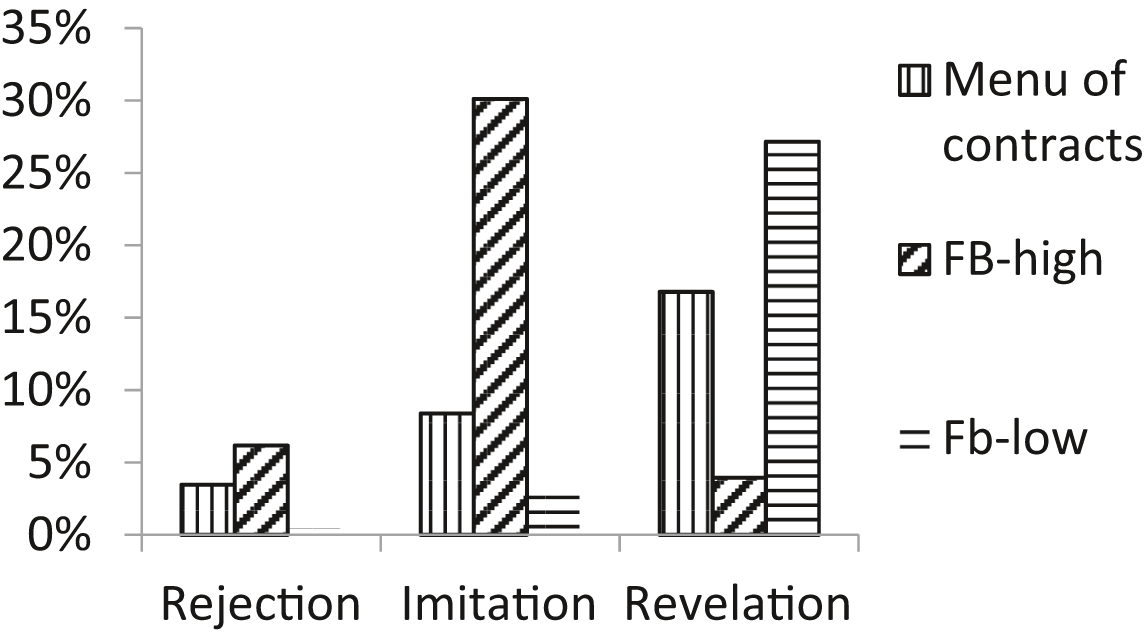
Short‐Term Treatment with Supplier Contract Selection in Period 2 as a Function of the Buyer's Contract Choice under a Menu of Contracts in Period 1
Table 11 compares the fractions of efficient contract offers across treatments and periods. We find that supporting Hypothesis 3, the fraction of efficient contract offers in the second period is significantly higher in the Short‐Term than in the Long‐Term (73% vs. 52%,
Efficient Contract Offers
Does the Supplier Ratchet the Low‐Cost Buyer in Period 2?
Ratcheting describes the supplier's behavior of making unfavorable offers in later periods based on private information that is revealed in earlier periods. Figure 3 compares the supplier's wholesale price
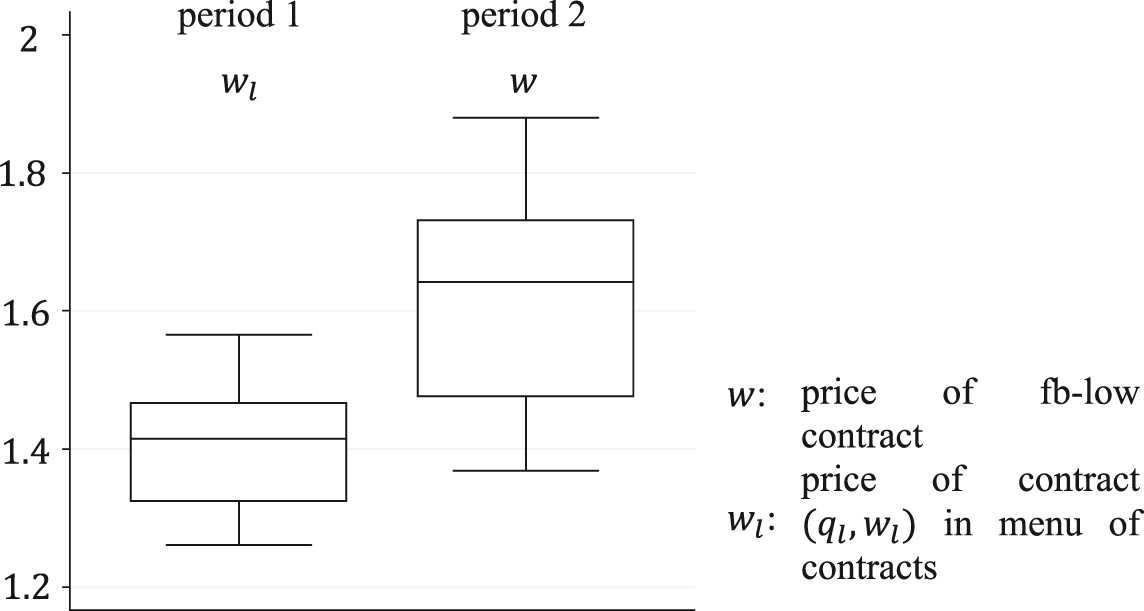
Supplier's Ratcheting of Low‐Cost Buyers
Moreover, in the Dy‐Short‐Term treatment, the supplier is limited to either tighten the ratchet completely (i.e., offer the normative fb‐low contract) or to keep it released (i.e., offer a menu of contracts). We see that almost no supplier is willing to tighten the ratchet completely, as the normative fb‐low contract is hardly offered (i.e., 9% in period 2). Regarding the high‐cost buyer, we also observe ratcheting, but this effect is less severe. 6
Does Ratcheting Affect Buyer's Contract Choices?
Turning back to Table 8, in the second period, we observe that the low‐cost buyer has a significantly higher rate of contract rejections under short‐term contracting than under long‐term contracting (
Under the classical menu of contracts in period 2, Table 12 details the low‐cost buyer's contract choices as a function of the contract proposal in period 1. The data reveal that the low‐cost buyer's contract choices under a menu of contracts in period 2 strongly correlate with the contract proposal in period 1. If a menu of contracts was offered in period 1 and period 2, then the contract is only rejected in 1% of these cases in period 2. In contrast, if the
Cl‐Short‐Term Treatment with the Low‐Cost Buyer's Contract Choices under a Classical Menu of Contracts in Period 2 as a Function of the Contract Offer in Period 1
Profit Allocations and Supply Chain Performance
Table 13 compares between treatments the profit of the supply chain, the supplier, and the buyer. In line with the normative prediction, we observe that the supplier benefits from a commitment to long‐term contracts, as the supplier's total profits are significantly higher in the Long‐Term than in the Short‐Term (
Summary Statistics of the Average Profit for the Supply Chain, Suppliers and Buyers
Concerning the buyer's profits, we observe a slight and non‐significant disadvantage of long‐term contracting over short‐term contracting (
Concerning the restricted treatment variants, we find that in comparison to those in the Short‐Term, the supply chains' profits are significantly lower in the Cl‐Short‐Term (
In sum, our results support the normative recommendation that as the contract offering party, the supplier should prefer long‐term contracts over short‐term contracts. Notably, the suppliers' benefits from long‐term contracts are even greater than predicted by normative theory because normative theory overestimates the supplier's ability to ratchet up wholesale prices in short‐term contracting. From the supply chain perspective, we do not observe the positive effect of short‐term contracting, as predicted by normative theory. In contrast, there may even be a positive effect of long‐term contracts, as these contracts involve less variance in supply chain performance.
Behavioral Explanation
We have established that low‐cost buyers reveal more information about their type in period 1 than normative theory predicts. In this section, we investigate the behavioral motives that drive the buyers' revelation and rejection behavior and influence the contract offers by suppliers. We begin the analysis with period 2 and afterwards consider period 1.
Buyer's Contract Choices in Period 2
The idea of inequity aversion is that participants care not only about their own profit but also about how profits are allocated among each other (Bolton and Ockenfels 2000, Fehr and Schmidt 1999). An aversion to inequality in income allocation implies that participants incur psychological costs both from earning less than the opponent (disadvantageous inequality) and from earning more than the opponent (advantageous inequality). Since a buyer earns less than a supplier in our experiments, we focus on the disadvantageous part of inequity aversion.
Little is known so far about the way individuals with fairness preferences evaluate a sequence of payoffs in a repeated interaction. The conventional approach is to assume that payoffs are compared period by period as the interaction unfolds. Another approach is to assume that individuals with fairness preferences aggregate the period‐by‐period payoffs and compare the aggregated payoffs of the players over the entire interaction. The reasoning for the non‐aggregated approach is that individuals with fairness preferences seek to have an equitable outcome at any stage of the game, especially if the uncertainty about future payoffs and positions is high. The reasoning for the aggregation approach is that transient inequity from one period to the next is acceptable, especially if payoff distributions across periods are easily controlled and payoffs are perfect substitutes across periods (Oechssler 2013).




To estimate models, we add a random error term 
The results of all estimations are presented in Table 14. Model 0 is a restricted variant that only assumes randomness in choices but does not add any of the behavioral aspects. The two models that include inequity aversion, model 1 and model 2, provide similar results with almost equivalent log‐likelihood values. Both models explain the data significantly better than the restricted model 0, which only assumes random errors. Model 3 with
Multi‐Nominal Logit Estimation
Notes
tp: total profits; cp: current profits.
Buyer's Contract Choices in Period 1
Normative theory assumes that the buyer is fully forward‐looking and anticipates the evaluated expected profits in period 2. In the next set of models, we assume that subjects are to some extent forward‐looking. We model the values associated with period 2 by using the parameter 


Multi‐Nominal Logit Estimation in Period 1
Notes
Supplier's Contract Design
We have established that in most cases, the supplier's menu of contracts proposals involve payoff differences 

Given that, we have described the buyers' contract choice behavior; we can calculate the probabilities for revelation, imitation and rejection choices in period 1 and subsequently the probabilities for acceptance of the 


Table 16 compares the results with the empirical observations and the normative predictions. Behaviorally optimal wholesale prices are close to those observed in the Short‐Term treatment. In particular, we find that the behavioral optimal payoff difference 

Supplier's Optimal Contract Parameters


Discussion and Limitations
We next discuss how our results fit within the literature. Our experiments provide three significantly new implications. First, we have established that the buyers' contract choice behavior in period 2 is driven by ratcheting aversion, as the buyers rejected contract offers more often if the inequity between the buyers' and the suppliers' profits increased from period 1 to period 2. Wu (2013) investigates a repetitive contractual relationship between a supplier and a buyer under full information. In the author's experiment, the subjects repeatedly negotiate with the same partner over a series of 100 rounds. They observe that when the supplier attempts to adjust the contract parameters to increase his own expected profit, the buyer more likely rejects the offer. Wu (2013) concludes that the buyer's rejections are used as an enforcement tool to build up reputation and achieve long‐run economic benefits. In our experiments, the buyer's contract rejections in period 2 cannot be motivated by long‐run economic benefits since the supplier's and the buyer's contractual relationships end after period 2 and are randomly re‐matched afterwards. The behavioral motivation of ratcheting aversion is very different from long‐run economic benefits, as the former is backward looking and the latter is forward looking. Moreover, the idea of ratcheting aversion relates to the concept of
Second, our results show that suppliers exploit information disclosure to ratchet up prices and to align in period 2, contracts to the buyer's cost type, that is, to make more efficient contract proposals. Wu (2013) observes in the suppliers' contracts a slight time trend in the opposite direction; that is, the suppliers' contracts become slightly more generous over time. However, these experiments do not involve the revelation of private information.
Third, we find that the supplier's benefits from long‐term contracts are larger than those that normative theory predicts. While we are not aware of any experimental work comparing the suppliers' profits under long‐term and short‐term contracts, a number of studies investigate the benefits of more complex contracts over simpler contracts. A general finding in this stream of literature is that suppliers do not leverage the benefits of more complex contracts, for example, quantity discount contracts with more price breaks, to the extent predicted by theory. Short‐term contracting can also be seen as a more complex contracting situation than long‐term contracting because short‐term contracting involves renegotiations, strategic imitation choices, and more inequitable profit allocations across periods. Thus, it seems that the complexity in the contracting environment also hampers the performance of the involved contracting schemes.
Consistent with Cooper et al. (1999) and Brahm and Poblete (2017), we find that buyers reveal more information in period 1 than normative theory predicts. We explain this observation by the subjects' limited forward‐looking approach. In newsvendor experiments, Wu and Chen (2014) and Bostian et al. (2012) investigate the subjects' forward‐looking perspective. Both studies find that only very few subjects can be described as forward looking, that is, 5% in the experiments of Bostian et al. (2012) and 12% in Wu and Chen (2014).
Our experiments replicate a series of observations from former laboratory experiments on supply chain contracting under asymmetric information. Our results resemble Kalkanci et al.'s (2014) and Johnsen et al.'s (2019) findings that fairness preferences and bounded rationality often affect buying behavior. Additionally, we also find that the self‐selection mechanism presumed by normative theory for menus of contracts is empirically fragile (Inderfurth et al. 2013) when the payoff difference between contract alternatives is marginal. Sadrieh and Voigt (2017) observe that suppliers have an aversion against offering menus of contracts, and the authors identify the risk of buyers not choosing revelation contracts as the most plausible explanation for this. In contrast, suppliers in our experiments prefer to offer menus of contracts instead of simpler contracts. A potential explanation for the different observations is that the suppliers in our experiments are unrestricted in choosing wholesale prices, while in the previous experiments, they are restricted to the normative optimal values. Moreover, we observe a large number of low‐cost buyers who reject the menu of contracts in period 1 in the Cl‐Short‐Term; see Table 9. This observation appears to be consistent with the observation of Wu (2013), in which buyers reject offers due to future economic interests and reputation building.
While our supply chain setup accounts for the central aspects of a repeated supply chain interaction, there are some bounds and limitations on the generalizability of our results for encouraging future research.
First, we use a student subject pool for our experiments. It is possible that managers in practice are more experienced with the situation and more open‐minded to strategic considerations. However, the laboratory experiments from Cooper et al. (1999) contradict this expectation, as they found that younger students exhibit stronger strategic play than do older managers.
Second, we assume that the interaction between the supplier and the buyer covers two selling periods. A real‐world interaction usually exceeds this time horizon. However, we conjecture that an extension of the time horizon strengthens the result that suppliers prefer long‐term contracts to short‐term contracts. The suppliers' cost for separating the buyer types increases with the length of the time horizon because suppliers must pay all expected future rents to the buyers in the first period to get the buyers to reveal their type. Therefore, when the time horizon increases, we expect more imitation behavior early on. Hence, we expect that the benefits of long‐term contracts increase with the time horizon.
Third, we assume customer demand to be deterministic. A menu of contracts is also effectively used to coordinate supply chains with asymmetric information and stochastic demand (Burnetas et al. 2007). Since our setup with deterministic demand makes it easier for the subjects to trace the payoff consequences of their strategies, we believe that we can assess strategic behavior in this set‐up more reliably than in a setup with stochastic demand. It is an interesting direction for future research, however, to examine how subjects consider the strategic effects under stochastic demand.
Conclusion
This study reports an experimental test of the performance of short‐term and long‐term contracting in repeated supply chain interactions. We consider a two‐period interaction of a supplier‐buyer dyad with pre‐contractual information asymmetry. The standard game theoretic prediction is that the supplier that makes the contract offers in the game prefers long‐term contracting to short‐term contracting, while the supply chain is better off under a series of short‐term contracts. Short‐term contracting, however, involves the “ratchet effect,” that is, the supplier exploits the buyer's information disclosure in period 1 (“revelation contract”) to ratchet up prices and reap supply chain profits in period 2. Under the (theoretically) suboptimal short‐term contract, the low‐cost buyer imitates the high‐cost buyer to receive more profitable contracts in later periods; that is, to signal high cost, the low‐cost buyer sacrifices some of her current profits, choosing the contract the high‐cost buyer would choose (“imitation contract”).
The main insights of our experiments are as follows. (a) The buyers' contract choices are driven by ratcheting aversion and a limited forward‐looking perspective. In this study, we introduce ratcheting aversion as a dynamic version of fairness preferences. It captures the disutility of individuals from an increase in payoff inequality from one period to the next. We find that neither the classical period‐by‐period inequity aversion (see, e.g., Fehr and Schmidt 1999) nor an extended form of inequity aversion that compares aggregate profits over all periods (see, e.g., Oechssler 2013) can explain the observed behavior of buyers in our experiment as well as ratcheting aversion can. We establish statistical support for a behavioral model with ratcheting aversion by showing that it explains our data significantly better than models with the previously proposed fairness preferences. (b) The suppliers exploit information disclosure to ratchet up prices. However, they increase period 2 prices less than predicted by normative theory because they fear contract rejections by the ratcheting of averse buyers. (c) The suppliers' benefits from long‐term contracts are larger than those normative theory predicts and greater than those observed with short‐term contracts. (d) Long‐term contracts enable supply chain partners to achieve less volatile supply chain performance than short‐term contracts, especially because the buyers' ratcheting aversion (i.e., their dynamic inequity aversion) leads to more contract rejections. From the contract design perspective, normative theory predicts that suppliers should include all future informational rents of buyers in the first period offer. Our analysis shows that it can be behaviorally optimal to lower the informational rents offered to buyers in the first period if the buyers are limited in their forward‐looking abilities and are ratcheting averse, that is, likely to reject contracts with increased profit differences in future periods.
Overall, long‐term contracts seem more robust than short‐term contracts because suppliers can credibly commit not to renegotiate and, thus, not to increase profit differences. This commitment induces buyers to reveal their true cost types and reduces the probability of contract rejections in period 2. The behavioral robustness of long‐term contracting that we observe in our experiment may in fact be indicative of the high prevalence of long‐term contracts observed in the field. While many other institutional and cost parameters may influence the choice of the contract type in the field, our study suggests that using long‐term contracts can also help to avoid repeated coordination problems and fairness issues that impede the effectiveness of short‐term contracts.
Footnotes
Acknowledgments
We are grateful to two anonymous referees, the senior editor, and the department editor for the constructive comments that they provided during the revisions of this manuscript. We gratefully acknowledge the financial support of the Deutsche Forschungsgemeinschaft through the DFG‐research project “Supply chain coordination in case of asymmetric information” (GZ:VO 1596/2‐1) and its members for useful comments.
In behavioral research, it is common to use the linear demand function
Note that if
Note that there can also be a semi‐separating equilibrium, in which the supplier offers a menu of contracts, but the offer does not entirely separate the types because at least one buyer type mixes between both contract alternatives. See Appendix A for further details.
The set of cost realizations was randomly drawn prior to the experiment. We created three parameter tables with different orders of these realizations. Each buyer was randomly assigned one of these tables. We tested whether our predetermined parameters were serially independent by using a Run‐Test. The test detected no serial correlation (
When including the observations from all rounds, the difference is not significant (
Note that although the wholesale price decreases from on average 6.32 in period 1 to 3.52 in period 2, the high‐cost buyer's average profit decreases only from 8.2 in period 1 to 7.4 in period 2. This is because the quantity threshold claimed under the
Note that we also solved the model (9)–(12) for a rational buyer with disadvantageous inequity aversion. Under this assumption, we derive the payoff difference
Note that we run the regression model 7 separately for the low‐ and high‐cost buyers. For the low‐cost buyer, we estimated
