






Abstract
Introduction:
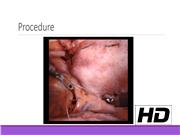
Chest wall herniation is a rare condition that has been described after a thoracotomy, trauma, or severe coughing. 1 –5 Historically, an open procedure through thoracotomy with mesh placement has been the procedure of choice. 6 –12 There is a paucity of literature regarding the pathophysiology of the defect and its repair using a robotic technique. This video shows a step-by-step approach to repairing a chest wall hernia using robotic technology.
Methods:
Three patients, a 71-year-old female, and two males who were 67 and 69 years old, respectively, with chest wall hernias underwent repairs using biologic mesh implantation with the Da Vinci XI robot. The three patients who developed chest wall hernias were status-post cardiac surgery. There were no intraoperative complications as the patients tolerated the procedure. Their postoperative courses were uneventful with follow-up demonstrating no recurrence at 6 months.
Results:
All three patients underwent an effective operative technique without intraoperative or postoperative complications. The patients were discharged on POD 2. No patient developed a recurrent hernia during the present follow-up period.
Conclusion:
Chest wall hernia is an unusual postoperative complication after trauma or cardiothoracic surgery. 13 The use of robotic surgery continues to gain widespread acceptance with ability to perform operations while minimizing surgical morbidity associated with open surgery. The robotic approach for chest wall hernias decreased hospital stay by 2 to 6 days in comparison with the standard repair described in the literature. 14 Robotic surgery is associated with decreased pain given the minimal invasive technique. 15 Lastly, the robotic approach improves the range of motion compared with a laparoscopic approach especially for suturing during mesh placement.
There are no conflicts of interest to disclose.
Runtime of video: 9 mins 19 secs

Get full access to this article
View all access options for this article.