





Abstract
Introduction:
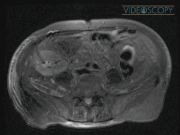
Laparoscopic or image-guided percutaneous cryoablation is increasingly performed for small renal masses. We present a 4:38-minute video describing the cessation of active bleeding from a renal-cell carcinoma in the renal pelvis using combined ultrasonography-, fluoroscopy-, and ureteroscopy-guided cryoablation.
Materials and Methods:
A metachronous clear-cell carcinoma was discovered in the right kidney at 4 years after the patient underwent a laparoscopic left radical nephrectomy. A laparoscopic right nephrectomy with back table resection of the renal pelvic mass was performed with subsequent autotransplantation to the ipsilateral pelvis; surgical margins were negative. The patient returned 1 year later, however, with gross hematuria and intermittent bladder outlet obstruction requiring multiple blood transfusions from a recurrent renal pelvic mass. Five years after initial success with various treatments including intermittent ureteral balloon tamponade, electrofulguration, external beam radiation, and computed tomography-guided radiofrequency ablation, the patient returned with refractory gross hematuria and clot urinary retention from a renal pelvis mass. Thus, the decision was made to attempt percutaneous cryoablation of the renal pelvic mass under direct ureteroscopic visualization.
Results:
Active bleeding from the patient's renal mass was controlled after ureteroscopical observation of percutaneous cryoablation with no hematuria for 78 days until the patient expired from complications related to widely metastatic renal-cell carcinoma. There were no complications related to the percutaneous cryoablation procedure.
Conclusions:
We demonstrate the technical feasibility of combined radiographic and ureteroscopic guidance and iceball monitoring during renal pelvic cryoablation. Our case suggests that cryoablation can be used to control hematuria and consequent obstruction from masses in the renal collecting system.
The authors have nothing to disclose.
Runtime of video: 4 mins 38 secs


Get full access to this article
View all access options for this article.
Supplementary Material
Please find the following supplemental material available below.
For Open Access articles published under a Creative Commons License, all supplemental material carries the same license as the article it is associated with.
For non-Open Access articles published, all supplemental material carries a non-exclusive license, and permission requests for re-use of supplemental material or any part of supplemental material shall be sent directly to the copyright owner as specified in the copyright notice associated with the article.
