





Abstract
Introduction:
Because of our growing experience in laparoscopic distal pancreatectomy, we have begun removing preoperatively suspected malignant tumors in the body and tail of the pancreas. Due to concerns of obtaining adequate lymph node harvest and margins, we began our experience with a solitary renal cell metastasis to the pancreas.
Methods:
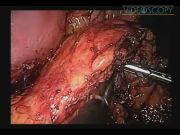
This 8-minute video describes the steps needed to safely remove the left side of the pancreas and spleen using completely laparoscopic techniques. Four trocars are used with the optic trocar in the supra-umbilical position, two working trocars to the left and right of this trocar with a port in the right upper quadrant for the assistant.
Results:
A solitary 5-cm renal cell metastasis to the body and tail of the pancreas was removed using minimally invasive techniques. The estimated blood loss was 50 mL and all margins were free of cancer. The patient's sole drain was removed on postoperative day 3, and he was discharged on postoperative day 6 ambulating and tolerating a regular diet. There were no short- or long-term complications at up to 90 days of follow-up.
Conclusions:
The laparoscopic approach is feasible and safe for preoperatively suspected pancreatic malignancies. Because of concerns for adequacy of lymph node retrieval, it may be prudent to begin a minimally invasive approach to pancreatic cancers by approaching patients with solitary pancreatic metastases first. Because of the success of this approach, we have begun approaching patients with pancreatic adenocarcinoma and no vascular involvement in the body and tail of the pancreas laparoscopically.
Dr. Gumbs is a Preceptor for Covidien, a Consultant for Ethicon Biosurgery, and a lecturer for Applied Medical. Drs. Shaw, Chen, and Hoffman have no disclosures.
Work created in association with The Intercontinental Society of Natural Orifice and Endo-Laparoscopic Surgeons (iNOELS).
Runtime of video: 8 mins


Get full access to this article
View all access options for this article.
Supplementary Material
Please find the following supplemental material available below.
For Open Access articles published under a Creative Commons License, all supplemental material carries the same license as the article it is associated with.
For non-Open Access articles published, all supplemental material carries a non-exclusive license, and permission requests for re-use of supplemental material or any part of supplemental material shall be sent directly to the copyright owner as specified in the copyright notice associated with the article.
