






Abstract
Introduction and Objective:
Retzius-sparing robot-assisted laparoscopic prostatectomy (RS-RALP) was first described in 2010. Since that time, a new single-port (SP) robotic platform was approved by the Federal Drug Administration for use in urology. We sought to describe our technique utilizing this new technology to perform RS-RALP and our experience for the first 29 cases.
Methods:
After institutional review board approval was granted, we identified 29 patients who had undergone RS-RALP by the SP robotic platform. Patient demographics, intra-, and postoperative findings were evaluated and recorded.
Results:
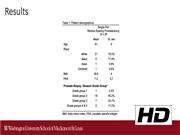
Of the 29 patients, mean age was 61 years (standard deviation [SD], ±8) with a mean body mass index of 28.6 (SD, ±4) and prebiopsy prostate specific antigen of 7.4 ng/mL (SD, ±5.7). Mean operative time was 208.7 minutes (SD, ±41.4) with 111.6 mL of estimated blood loss (SD, ±47.6). Mean length of stay was 0.34 days (SD, ±0.48) influenced by 19 patients who were discharged same day. Although overall clinically positive margin rate was 42.8%, this finding was trending toward improvement with experience with 46.7% in first 15 patients and decreased to 35.7% in final 14 patients. Only two (6.8%) Clavien–Dindo ≥3 occurred early in the series with infected lymphoceles requiring percutaneous drainage and antibiotics. We have since modified our procedure technique as shown in the video to prevent symptomatic lymphoceles. Twenty-six patients reported zero-pad continence (92.9%) and 23 (88.5%) patients reported satisfactory potency.
Conclusion:
Utilization of the DaVinci SP robotic platform to perform RS-RALP is safe and effective and provides excellent vision with the ability to manipulate the camera deep in the pelvis.
No competing financial interests exist
.
Runtime of video: 6 mins 34 secs
Get full access to this article
View all access options for this article.