






Abstract
Introduction:
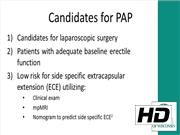
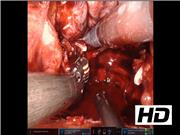
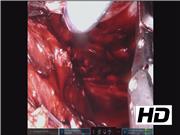
Oncologic control without untoward effects on patient continence or potency remains the goal of robot-assisted radical prostatectomies (RARPs). Prostatic artery preservation (PAP) during Retzius-sparing RARP is a novel technique aimed at preserving the lateral prostatic arteries and, as a result, the perfusion to the neurovascular bundle. Rather than clipping these arteries as they course through the posterior–lateral pedicles, the arteries are preserved within the interfascial plane by ligating more distal perforating arterial branches as they enter the prostate. The ultimate goal is to maintain perfusion to the veil of spared nerves and thus improve rates of postprocedure continence and potency. This video serves as a tool to describe the technique and to review our early experience and outcomes.
Materials and Methods:
PAP was developed by a single surgeon (K.J.). Patients who underwent RARP with PAP from March 2018 until August 2018 were identified. Retrospective chart review was performed to collect demographics, operative details, staging, and clinical outcomes for each patient. The International Consultation on Incontinence Modular Questionnaire–Urinary Continence Short Form (ICIQ-UC SF) and the Sexual Health Inventory for Men (SHIM) were used to assess preoperative and 6-week postoperative urinary continence and erectile function.
Results:
Twenty-one patients who underwent RARP with PAP were identified. Fifteen underwent bilateral PAP and six underwent unilateral PAP. Mean age and body mass index were 60 years and 27.28 kg/m2, respectively. Mean operative time was 168 minutes and mean estimate blood loss was 129 mL. There were no complications. At 6 weeks postprocedure, the mean decrease in SHIM was 12 (54%) in patients who underwent unilateral PAP and 4.7 (25%) in those who had bilateral PAP. Of patients with adequate preoperative erections (SHIM > 17), 2 of 6 (33%) and 6 of 10 (60%) patients had erections sufficient for intercourse at 6 weeks postoperation for unilateral and bilateral PAP, respectively. All 15 patients who had bilateral PAP and 4 of 6 (66%) patients who had unilateral PAP were using 0 pads per day. Average increase in ICIQ-UC SF postoperatively was 2.4/21 for unilateral PAP and 1.3/21 for bilateral PAP.
Conclusions:
The RARP with PAP represents a novel approach to the robotic prostatectomy with promising early return of postoperative continence and erectile function. Longer term follow-up and further technical refinement are warranted given these encouraging outcomes.
No competing financial interests exist.
Runtime of video: 8 mins 9 secs
Get full access to this article
View all access options for this article.