






Abstract
Introduction and Objective:
Ureteropelvic junction (UPJ) obstruction is now commonly treated using the robotic platform, but performing reconstruction in kidney with anomalies of lie and position is rare using the robotic platform.
Methods:
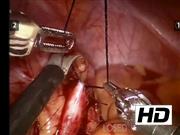
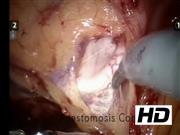
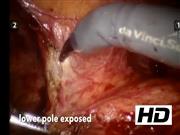
In this video, we present four clinical cases with pelvis–ureteral junction obstruction (PUJO), two in ectopic pelvic kidney, one in horseshoe kidney, and one case of right duplex system with lower pole PUJO. All four cases were robotically managed with different operative methods. The first case was a left ectopic kidney with PUJO (obstruction shown on DTPA renogram) and dismembered pyeloplasty was done. The second case was right ectopic kidney with PUJO and a flap-based pyeloplasty was done using the robotic platform. The third case was a right-sided PUJO in a horseshoe kidney, for which a dismembered pyeloplasty was done. The fourth case was a right duplex system with lower moiety obstruction with intrarenal pelvis, for which side-to-side ureterocalicostomy was done.
Results:
Console times for the four cases were 63, 78, 58, and 95 minutes, respectively. Estimated blood loss was 50, 80, 60 and 150 cc, respectively. Postoperative course was uneventful and the patients were discharged on postoperative day 2. All the patients were asymptomatic clinically and on imaging done at 6 months.
Conclusions:
Robotic UPJ reconstruction in anomalous kidney is safe and feasible. Technical modifications make the procedure more effective. Direction of spatulation of ureter is the key and is different than in normally located kidney. Incision on the pelvis and the ureter depends on the lie of the kidney. Flap pyeloplasty can be effectively done in pelvic kidneys using the robotic platform.
Runtime of video: 8 mins 43 secs
This video was presented in World Congress of Endourology at Abu Dhabi held in October 2019.
Get full access to this article
View all access options for this article.