






Abstract
Introduction:
The use of robotic urologic bladder neck reconstruction is becoming more popular, specifically for procedures that necessitate suturing within a smaller area. In this video we show a step-by-step demonstration of two approaches for a refractory bladder neck contracture and guidelines for success.
Methods:
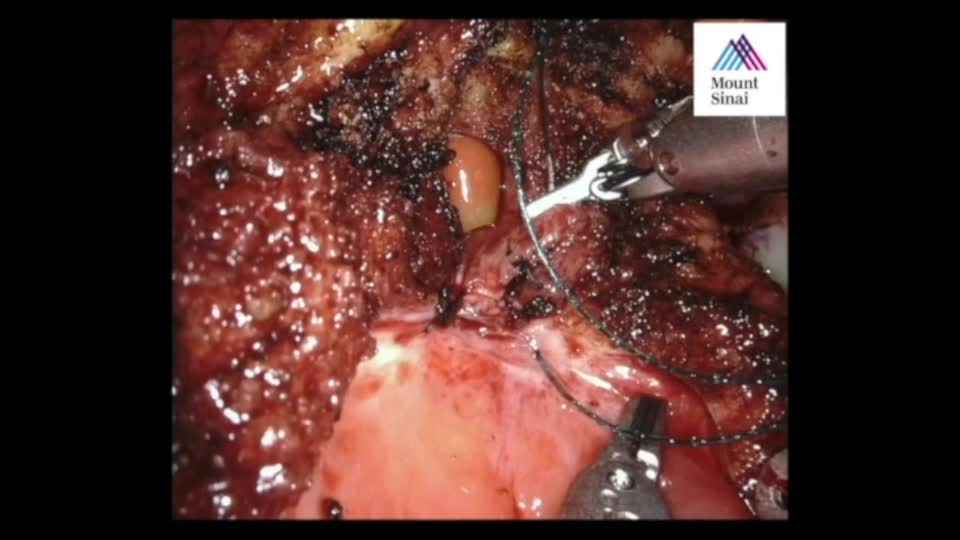
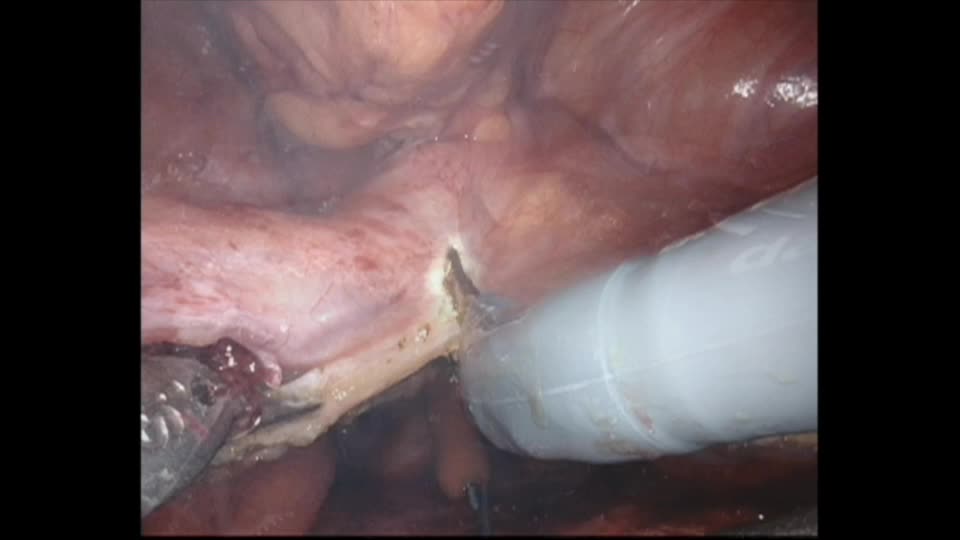
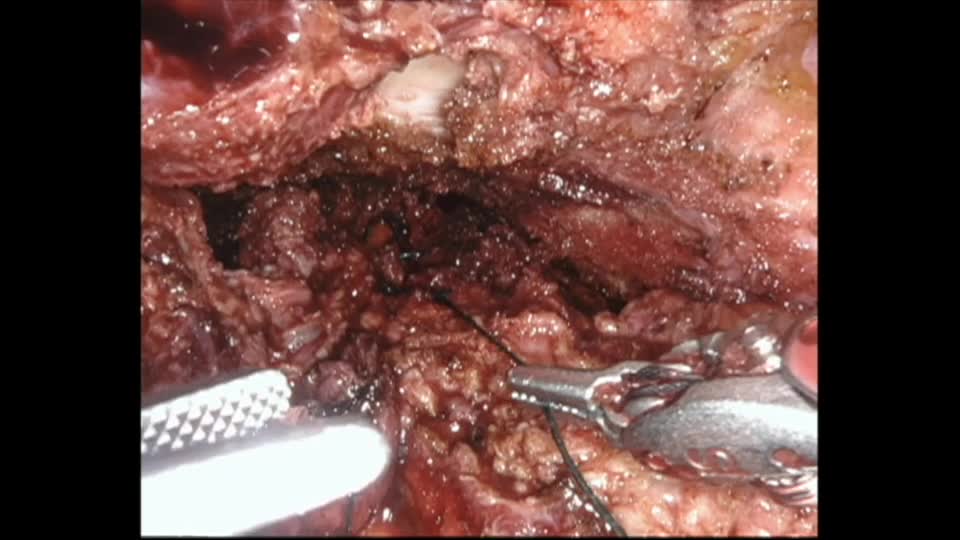
The first case presents the retropubic approach. We start by developing prevesical space to identify the bladder neck. The anterior bladder wall is then dissected from the surrounding fat. A longitudinal incision is made in the anterior bladder wall. With the assistance of flexible cystoscopy and immunofluorescence imaging, a passage is created between the urethra and the bladder. Scar tissue is completely excised, and healthy mucosa is identified proximally and distally. The posterior aspect of the bladder neck is anastomosed to the distal urethral stump. Two triangular flaps of the bladder wall are created and anastomosed with the urethra anteriorly, completing the bladder neck reconstruction. The cystostomy is closed. The second case presents the transvesical approach. We start by performing a vertical incision at the dome of the bladder. Four extracorporeal sutures are applied through the abdominal wall to tack the bladder open. A passage between the urethra and the bladder is created as previously mentioned. Fibrous tissue is completely excised and healthy mucosa is anastomosed to create the new bladder neck. The cystotomy is closed.
Results:
Both approaches are feasible and were safely completed. We find that flexible cystoscopy and immunofluorescence imaging are helpful tools in creating a channel through an obliterated bladder neck.
Conclusion:
We demonstrate stepwise techniques for transvesical and retropubic robotic bladder neck reconstruction approaches for refractory bladder neck contractures. Longer follow-up is required to determine reproducibility and success of these techniques.
Author(s) have received and archived patient consent for video recording/publication in advance of video recording of procedure.
Runtime of video: 5 mins 15 secs
Get full access to this article
View all access options for this article.