





Abstract
Introduction:
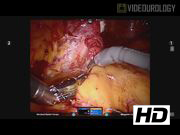
Open radical cystectomy remains the standard of care in muscle invasive bladder cancer (MIBC). However, in recent years, robotic radical cystectomy has gained in popularity and shown acceptable long-term survival outcomes in a multi-institutional series. 1 Female robotic radical cystectomy presents unique challenges to the urologist, particularly in those unfamiliar with female pelvic anatomy. Reproductive organ preservation may improve sexual function and quality-of-life outcomes postoperatively. 2 Herein, we will highlight our procedure for robotic radical cystectomy and extended pelvic lymph node dissection in a female patient, with emphasis on the extirpative component.
Materials and Methods:
A 52-year-old, otherwise healthy, female with high-grade MIBC, status post-neoadjuvant chemotherapy, underwent robotic radical cystectomy with intracorporeal neobladder urinary diversion and extended pelvic lymphadenectomy. Standard six trocar configuration is utilized, with an additional 15 mm suprapubic port placed for specimen removal.
Results:
Final pathology revealed no residual tumor elements (pT0) and 48 lymph nodes, all negative for tumor (pN0). The estimated blood loss was ∼150 mL. There were no operative complications, and the surgical time was ∼300 minutes.
Conclusion:
Vaginal sparing robotic radical cystectomy and pelvic lymph node dissection with intracorporeal urinary diversion is a feasible alternative to open procedures in selected patients. Surgeon robotic experience and familiarity with female pelvic anatomy should dictate the utilization of this technique.
Video Music:
“Gymnopedie No. 1” & “Gymnopedie No. 2” Kevin MacLeod (
Runtime of video: 8 mins 12 secs


Keywords
Get full access to this article
View all access options for this article.