





Abstract
Introduction:
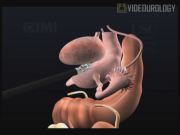
Anterior pelvic exenteration is the standard operation for muscle-invasive bladder cancer in females. However, recent data suggest that involvement of reproductive organs with bladder cancer is relatively uncommon (2.7%–7.5%). Removal of reproductive organs can adversely impact sexual function and quality of life. By sparing the female reproductive organs, support of the pelvic floor is preserved, which may improve urinary continence and reduce urinary retention. The incidence of neobladder-vaginal fistula may also be decreased with preservation of the anterior vaginal wall. In this study, we demonstrate a stepwise anatomic approach to female organ-sparing robotic cystectomy.
Methods:
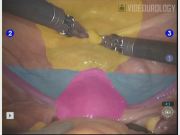
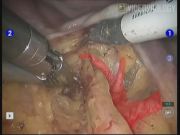
Female patients with bladder cancer without hydronephrosis, a three-dimensional palpable mass, or bladder neck or posterior bladder wall tumors were considered candidates for female organ-sparing robotic cystectomy. We focus on identification and preservation of critical anatomic structures, including the uterus, anterior vaginal wall, and supporting ligaments. Indications for a female organ-sparing approach were desire to preserve sexual function and request for neobladder reconstruction. Following cystectomy, extended pelvic lymphadenectomy and urinary diversion were completed as previously described.
Results:
Female organ-sparing robotic cystectomy was completed in four patients. The median age and BMI were 67 years and 27 kg/m2, respectively. All patients were clinical stage T2 or higher. Urinary diversions included two intracorporeal neobladders, 1 extracorporeal ileal conduit, and 1 extracorporeal neobladder. Median operative time was 396 minutes and median estimated blood loss was 350 mL. Median lymph node yield was 63 nodes. All margins were negative. Median hospital length of stay was 12 days. No patients developed neobladder-vaginal fistula. One patient received a blood transfusion. One patient required percutaneous drainage of a pelvic fluid collection.
Conclusion:
Preservation of female reproductive organs can be readily accomplished during robotic cystectomy. Accurate clinical staging and patient selection are critical to optimize postoperative voiding function and oncologic safety. Further prospective study is needed to understand the impact on quality of life and long-term cancer-specific outcomes.
No competing financial interests exist.
Runtime of video: 7 mins 28 secs
Keywords
Get full access to this article
View all access options for this article.