





Abstract
Purpose:
Prostate cancer is the most common genitourinary malignancy to affect male renal transplant recipients, with a cumulative incidence rate of 3.1% in the U.S. We present our experience with robotic and laparoscopic-assisted radical prostatectomy for the treatment of localized prostate carcinoma in renal transplant recipients.
Materials and Methods:
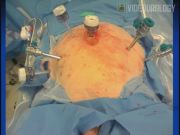
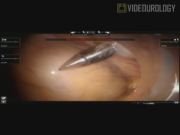
We demonstrate our technique of robot-assisted radical prostatectomy with pelvic lymph node dissection in a 62-year-old patient after kidney transplantation.
Results:
We retrospectively identified five patients who had undergone robotic or laparoscopic-assisted prostatectomy for clinically localized prostate cancer between 1999 and 2011 at our institutions. We reviewed all available clinicopathological data. All five patients underwent successful robotic or laparoscopic radical prostatectomy without significant complications. The mean operative time was 246 minutes (range 180–310) with a mean estimated blood loss of 375 mL (range 75–1000 mL). No significant changes in the perioperative renal graft function were noted. Pathological outcomes revealed negative surgical margins in each case. All patients tolerated the procedure well and had a mean length of hospital stay of 3 days (range 2–5 days).
Conclusions:
Careful dissection is necessary to avoid injury to the transplanted ureter and kidney during dissection of the bladder from the anterior abdominal wall. The data from our series suggest that robotic/laparoscopic radical prostatectomy is a technically feasible and safe treatment of localized prostate cancer in renal transplant recipients.
No competing financial interests exist.
Runtime of video: 7 mins
Keywords
Get full access to this article
View all access options for this article.