





Abstract
Introduction:
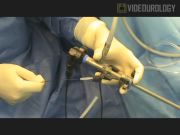
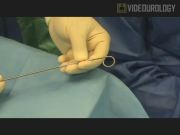
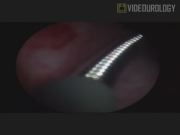
The Cook Resonance™ metallic ureteric stent has recently been introduced as an alternative method for upper urinary-tract obstruction. 1 –3 In this short video, initially, we demonstrate the insertion technique from a recent operative case. Subsequently, the safety and efficacy of the Resonance™ metallic ureteric stent, in our clinical experience, in North Wales, are critically discussed.
Materials and Methods:
The operative surgical technique of Resonance™ metallic ureteric stent insertion is demonstrated in this video. Clinical experience at our institution was critically assessed, in terms of patient demographics, clinical indication, length of operative procedure, radiation exposure, as well as immediate and late complications.
Results and Conclusions:
The video demonstrates the insertion technique of the Resonance™ metallic ureteric stent. In the past 3 years, 13 patients have been treated: 7 of them had bilateral stents (14 Stent Units), and the remaining 6 patients with unilateral stent had their stent exchanged (12 Stent Units). Accordingly, in total, 26 Resonance™ metallic ureteric stent units were inserted (median age 61 years; range 50–90). Indications for stent insertion were extrinsic malignant compression (n = 9 Stent Units), retroperitoneal fibrosis (n = 11 Stent Units), and benign stricture (n = 6 Stent Units). Procedures were successful in all but one case, which required an antegrade approach, due to a migrated stent. The median duration of surgery was 30 minutes (15–60). The median radiation exposure was 703.6 cGycm2. Urosepsis occurred in one patient, and late complications occurred in only one case, being managed with nephrostomy insertion. The median stent dwell time (per ureteric unit) was 223 days (111–481). No patient had significant stent symptoms. In total, six patients with unilateral metallic stents had their stent exchanged. Indications for exchange were end of the stent life (12 months) in five patients (5 Stent Units) and stent blockage in one patient (1 Stent Unit). In this short video, we have demonstrated the Cook Resonance™ metallic stent insertion technique for a case of upper urinary-tract obstruction. We have demonstrated that this technique is feasible in our clinical experience, in North Wales. The technical lessons learned are presented in the video, and the main clinical lessons learned were that it was useful in cancer patients with extrinsic compression, and for those with retroperitoneal fibrosis, consistent with recently published studies in the literature. 4
All of the authors have nothing to disclose.
Runtime of video: 6 mins 54 secs
Keywords
Get full access to this article
View all access options for this article.