





Abstract
Objectives:
The aims of this study were to evaluate the efficacy and safety of a newly introduced endoscopic technique in the treatment of nonmuscle invasive bladder tumors (NMIBT), the bipolar plasma vaporization of bladder tumors (BPV-BT), and to compare it with standard transurethral resection of bladder tumors (TURBT).
Patients and Methods:
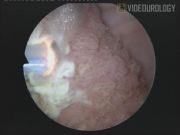
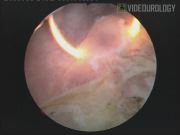
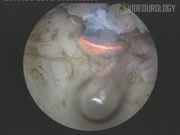
A total of 120 patients with at least one bladder tumor larger than 3 cm were enrolled in the study and randomized for BPV-BT and TURBT. Resection biopsy followed by tumor plasma vaporization and biopsies of the tumoral bed were performed in the 60 cases of the BPV-BT arm. In all NMIBT patients, Re-TURBT was performed 4 weeks after the initial procedure.
Results:
The mean operative time and the mean postoperative hemoglobin decrease were improved for BPV-BT compared with TURBT (21.4 minutes vs. 32.7 minutes and 0.3 g/dL vs. 0.9 g/dL). The preoperative complications were more frequent in the TURBT arm. The mean catheterization period and the mean hospital stay were shorter in the BPV-BT series (2.5 vs. 3.5 days and 3.5 vs. 4.5 days). The overall recurrence rate at Re-TURBT was 9.3% in the BPV-BT group vs. 20.8% in the TURBT group. Orthotopic recurrences occurred in 7.4% vs. 17% of the cases, whereas in patients with initial multiple tumors, the recurrence rate was 9.7% vs. 25%.
Conclusions:
BPV-BT seems to represent a promising endoscopic treatment alternative for NMIBT patients, with good efficacy, reduced morbidity, fast postoperative recovery, and satisfactory follow-up parameters by comparison to TURBT.
No competing financial interests exist.
Runtime of video: 6 mins 38 secs
Keywords
Get full access to this article
View all access options for this article.