





Abstract
Introduction:
The use of the argon plasma coagulator (APC) has been well documented in the endoscopic treatment of radiation-induced proctitis. Here we present our experience with the application of this technology in endourology.
Materials and Methods (including a description of the video):
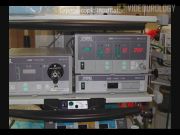
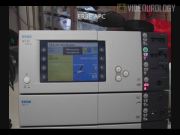
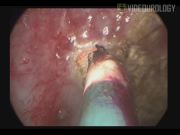
APC treatment is performed under CO2 insufflation. We performed air cystoscopy using a laparoscopic CO2 insufflator with settings of 15 mm Hg and 1 L/min. The Erebe® APC, at settings of 1 L/min gas flow and power of 60 watts, with a 7F 220 cm probe was used. The bladder was inspected and all areas of concern were coagulated. The video presented here is of a patient with hemorrhagic cystitis (HC) as a result of chronic cyclophosphamide use. This remained refractory to maximal medical therapy and prolonged continuous bladder irrigation (CBI) (21 days) utilizing a supra pubic tube.
Results:
The patient remained on CBI for 1 day postoperatively. His urine cleared and he was discharged with supra pubic in place 2 days after APC. He required no more blood products and his urine has remained clear at 3-month follow-up. These results are similar to the series reported by Wines and Lynch. 1 They reported on seven patients with HC subsequent to radiation treatment. They had one failure at a mean follow-up of 15 months.
Conclusions:
The APC is a treatment option in patients with refractory HC. Its use should be considered in patients who fail conservative measures.
All authors have declared no conflicts of interest exist.
Runtime of video: 6 mins 40 secs
Keywords
Get full access to this article
View all access options for this article.