





Abstract
Context:
Here we present our experience with laparoscopic rectourinary fistula (RUF) repair. RUF is a rare entity that can develop after ablative or extirpative prostate surgery, and management often requires an aggressive approach. Several techniques have been described for surgical correction.
Methods:
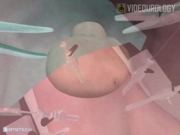
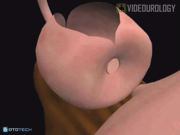
From October 2004 to October 2005, three patients were treated for RUF. The mean age was 63 years (range: 58–68). RUF developed after open simple prostatectomy, open radical prostatectomy, and transurethral prostate resection. The operative steps were dependent on the location of the fistulous tract (bladder–prostate–urethra). When the fistula involved the prostatic capsule, the technique included capsulectomy and urethrovesical anastomosis. When the bladder was involved, a transvesical approach was used, involving dissection of the fistulous tract, closure of the rectum, tissue interposition, and bladder closure.
Results:
The mean operative time was 247 min (range: 230–270). The mean hospital stay was 2.6 days (range: 2–3). No complications occurred. At a mean follow-up of 12 months (range: 7–19), all patients were free of fistula recurrence.
Conclusions:
Laparoscopic repair of RUF is feasible and represents an attractive alternative to the standard approaches. The laparoscopic technique facilitates concomitant colostomy and tissue interposition without the need for patient repositioning or an additional incision.
No competing financial interests exist.
Runtime of video: 7 min 1 sec
Keywords
Get full access to this article
View all access options for this article.