






Abstract
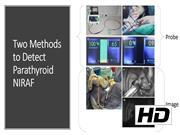
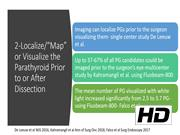
Identification and preservation of the parathyroid glands (PGs) are a critical step during neck endocrine surgery. Permanent hypoparathyroidism is a devastating sequela of such procedures and can result from the surgeon's inability to identify the PGs, preserve their blood supply, and/or avoid accidental removal or damage. The discovery that PG display autofluorescence under near infrared light is groundbreaking. With the recent clearance of two near infrared autofluorescence-based devices for label-free identification of PGs by the Food and Drug Administration, it becomes crucial to educate the surgical community on the realistic scope of this emerging technology. Herein we critically discuss what is currently known about parathyroid fluorescence detection technology and its implications for the practicing endocrine surgeon. As the present limitations of various technologies capable of fluorescence detection are identified, we anticipate that newer device iterations will continue to be developed, enhancing the current merits of these modalities to aid surgeons in identifying and preserving PGs. However, more concrete and long-term outcome studies with these modalities are essential to determine the impact they will have on patient outcome and actual cost benefits.
No competing financial interests exist.
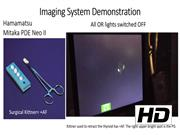
Runtime of video: 8 mins 26 secs
Presented at the 5th NY Masters course in Comprehensive Endocrine Surgery, December 12–13, 2019, at the Hess Center for Science and Medicine, New York, NY.
Get full access to this article
View all access options for this article.