






Abstract
Abstract
This is a video outlining the use and clinical applicability of near-infrared imaging, autofluorescence (AF), to identify parathyroid glands in endocrine surgery. Identification of parathyroid glands is one of the main concerns in endocrine surgery, either to preserve normal glands in thyroid surgery or to resect pathological glands in parathyroid surgery.
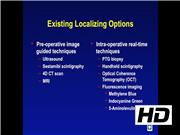
More than 80,000 parathyroid and thyroid operations for benign and malignant disease are performed in the United States each year. 1 A variety of preoperative and intraoperative technologies, such as 4DCT, MRI, intraoperative technetium-99m sestamibi, 2 intravenous injection of methylene blue, 3 aminolevulinic acid, 4 and indocyanine green, 5 have been used previously in an attempt to localize parathyroid glands. Although they are not without complications (allergic, vasovagal, and vascular injury), utility has been limited and postoperative outcomes have not significantly improved. 6
Parathyroid AF was first discovered by Das and colleagues in 2006 7 and first used intraoperatively by the Vanderbilt University group in 2011.8 When excited by a diode laser, parathyroid tissue fluoresces in an 800 to 900 nm near-infrared spectrum. AF has several unique advantages over previous options. It is simple to perform, noninvasive (does not require injection of a biomarker), and affords real-time imaging of normal and pathological glands.
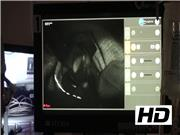
The five-minute video presents a practical approach to use this technology, Fluobeam (Fluoptics©): indications, existing localizing options, mechanism of action, and contraindications. It also delineates the equipment necessary and considers the best ergonomic way to set up within the operating room.
The video correlates sonographic with near-infrared and macroscopic images of in vivo and ex vivo parathyroid glands. Furthermore, it contrasts normal with suppressed and hyperplastic pathology. The clinical utility of Fluobeam is evident by way of its simple noninvasive application and clear images. It has the potential to improve patient outcome and minimize operative complications and may ultimately replace intraoperative frozen section, reducing operative wait time.
After watching this video, surgeons will have a basic understanding of parathyroid AF and its advantages in endocrine surgery.
None of the authors have any conflicts of interest or financial support to declare.
Runtime of video: 6 mins 12 secs
Get full access to this article
View all access options for this article.