





Abstract
Abstract
Introduction:
Preoperative and intraoperative localization strategies have allowed the development of minimally invasive surgical techniques for the treatment of primary hyperparathyroidism while maintaining high rates of biochemical cure. Radio-guided parathyroidectomy has been described and corroborated in the literature as a technique that allows the surgeon to be confident of biochemical cure without the need for parathyroid biopsy or parathyroid hormone assays.
Materials and Methods:
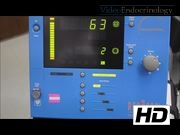
Informed consent was obtained from two patients with confirmed diagnoses of primary hyperparathyroidism to obtain optimal footage of the procedure. Preoperative four-dimensional computed tomography localized right superior parathyroid adenomas in both patients. A dose of 25–30 mCi of technetium 99 m sestamibi was administered intravenously in the preoperative holding area ~3 hours before surgery. Background and ex vivo radiation counts of the excised tissues were measured using the handheld gamma probe. The Norman rule of radiation counts >20% of the background was used to confirm resection of parathyroid adenoma.
Results:
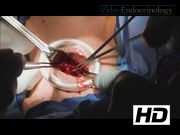
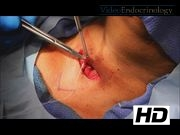
The enlarged right superior parathyroid gland was resected using a minimally invasive approach. Ex vivo counts using the gamma probe satisfied the Norman rule for an offending adenoma. Biochemical cure of primary hyperparathyroidism was confirmed with normal serum calcium and parathyroid hormone levels at the first postoperative clinic visit.
Conclusions:
Minimally invasive radio-guided parathyroidectomy affords a high rate of biochemical cure of primary hyperparathyroidism. Principal benefits include the immediate confirmation of adenoma resection, avoidance of parathyroid biopsy, and prevention of longer operating room time while waiting for parathyroid hormone levels to drop.
No competing financial interests exist.
Runtime of video: 7 mins 49 secs
Keywords
Get full access to this article
View all access options for this article.
Supplementary Material
Please find the following supplemental material available below.
For Open Access articles published under a Creative Commons License, all supplemental material carries the same license as the article it is associated with.
For non-Open Access articles published, all supplemental material carries a non-exclusive license, and permission requests for re-use of supplemental material or any part of supplemental material shall be sent directly to the copyright owner as specified in the copyright notice associated with the article.
