



Abstract
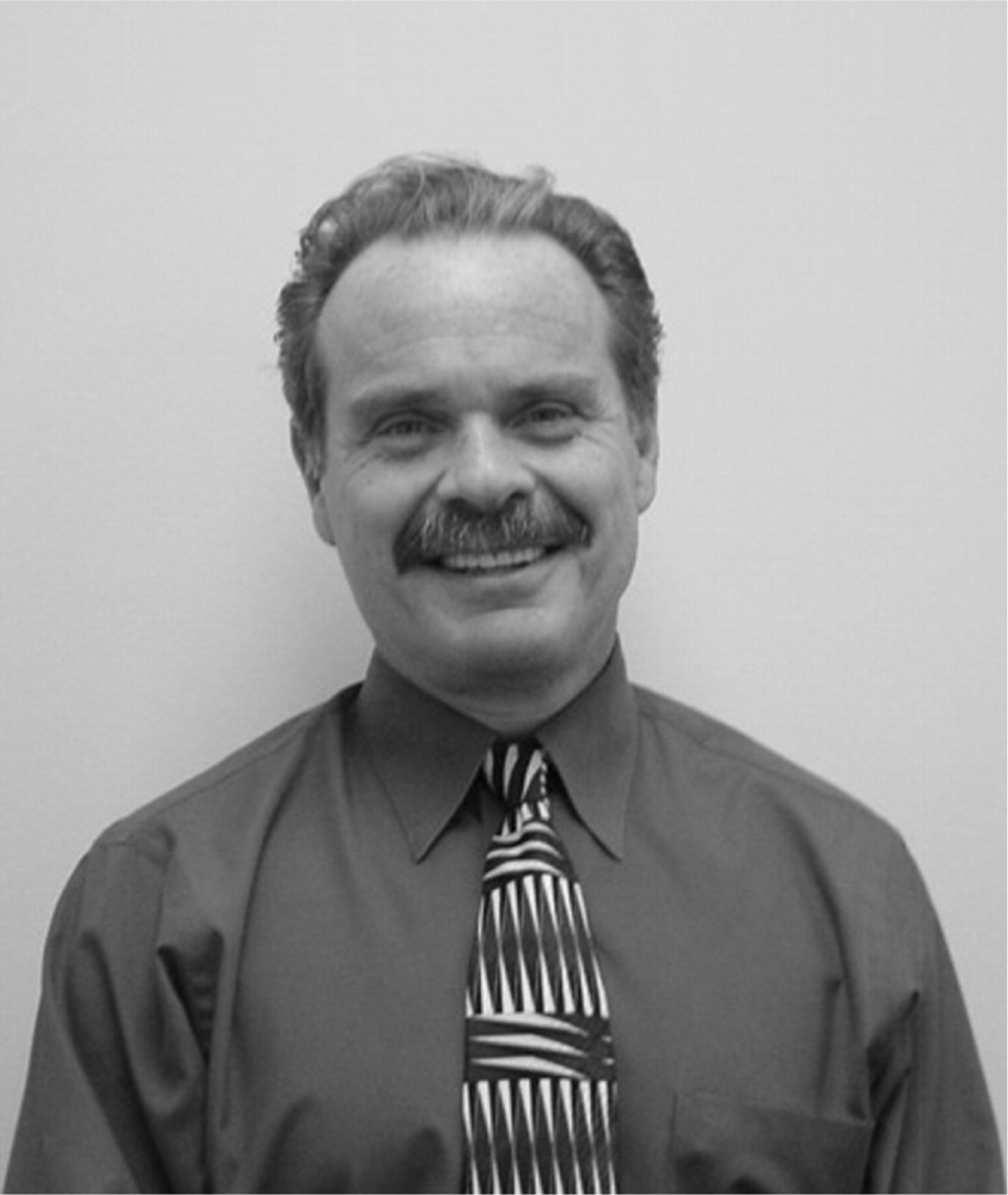
David Jacobson-Kram received his PhD in embryology from the University of Connecticut in 1976. Between 1976 and the end of 1979, Dr. Jacobson-Kram served as a staff fellow and then a senior staff fellow at the National Institute on Aging. After leaving the National Institutes of Health (NIH), Dr. Jacobson-Kram joined the faculty of George Washington University School of Medicine (1979–1984) and then later, Johns Hopkins University Oncology Center (1984–1990). During this same period he served, on a part-time basis, as a geneticist in the Office of Toxic Substances at the Environmental Protection Agency (EPA) and as Acting Branch Chief in EPA’s Office of Research and Development.
Dr. Jacobson-Kram joined Microbiological Associates in 1988 as director of the Genetic Toxicology Division. In 1997 the company changed its name to BioReliance and his responsibilities were expanded to also include oversight of the Mammalian Toxicology Program and the Laboratory Animal Health Program. Dr. Jacobson-Kram served as the Vice-president of the Toxicology and Laboratory Animal Health Division until April, 2003. Currently, he serves as the Associate Director of Pharmacology and Toxicology in the Food and Drug Administration’s Office of New Drugs. Over the past 25 years he has served as principal and co-principal investigator on several NIH grants and government contracts. Since 1976 Dr. Jacobson-Kram has published over 80 abstracts, 57 original articles in peer-reviewed journals, and 30 review articles or book chapters. The majority of these publications deal with methods and issues in genetic and molecular toxicology.
Dr. Jacobson-Kram has served as council member, treasurer, and chairman of the Genetic Toxicology Association, executive council member to the Environmental Mutagen Society, Editor of Cell Biology and Toxicology, President of National Capital Area Chapter of the Society of Toxicology and as a member of NIH special study sections. He has an appointment as Visiting Scientist in Oncology (part-time) at Johns Hopkins University School of Medicine. In 1996 he became a Diplomate of the American Board of Toxicology (DABT).