





Abstract
My initial motivation to work in Central Australia was to gain professional experience in a unique cultural and physical setting. I had had experience with Vietnamese, Greek and Portuguese patients but this was little preparation for working with the indigenous people of my own country; ironically, from whom I felt a wider cultural gap. I also felt a sense of awe when entering their ancient landscape of deep purple mountains and yellow plains of desert oak and spinifex.
The catchment area for my work was 850 000 km2 and included parts of Western Australia and South Australia, and most of the Northern Territory. The population of this area (excluding Tennant Creek and Alice Springs)is 20 000 people, of whom 12 000–13 000 are indigenous people living in small communities and outstations. The largest of these are a little over 1000 people, while some may consist of one extended family group. There is a great diversity of tribal and language groups: over 90% speak primarily an Aboriginal language while 50% either do not speak English, or speak it poorly.
The communities are mostly on Aboriginal land under the Northern Territory Land Act, each run by a council of local community members, and the larger have a clinic administered by the Northern Territory Health Department.
The histories of the communities vary markedly with regard to pastoral and missionary influences and the forced grouping of people from different tribal, linguistic and geographical backgrounds.
While all communities are ‘dry’, with alcohol banned, ‘grog running’ especially in communities near the Stuart Highway is a problem. Petrol sniffing among male adolescents has devastated some communities and is a source of shame and distress. Cannabis use has also increased, with the introduction of a potent strain called ‘skunkweed.’
It came as a surprise to note how traditions still prevail with strong kinship networks, hunting and collecting of bush tucker, ceremonial ‘business’ and ‘sorry business’ (grieving rituals) playing a major part in people's lives.
A remote area mental health service was set up in 1988 to service Central Australia. At the time of writing it consisted of a senior registrar, two psychiatric nurses and two Aboriginal Mental Health Workers (AMHWs).
Referrals
Which cases were referred, which were not, and why?
1. Psychiatric disturbance disruptive to others tended to be referred more than that involving withdrawal or intrapsychic suffering. This may be because referrals come from the family rather than the individual patient.
2. Disorders were referred late in their course probably since there is a greater tolerance in the Aboriginal community for disturbed behaviour and a sense of duty to care for an unwell family member.
3. Psychotic disorders were referred more commonly than anxiety states, the latter are probably not seen as needing ‘white fella help.’
4. Severe depression appeared to be referred at a greater rate than mild to moderate forms or dysthymia.
5. Substance abuse and dependence were seldom referred as a primary problem due to a sense of shame in the family and wider community. This was especially so for petrol sniffing.
6. Somatization was a common presentation to community clinics, but rarely referred for a psychiatric opinion.
7. Very few children were referred, as behavioural problems seemed to be well tolerated by families.
Mark Sheldon and remote area health nurse Suellen Cattanach at Bonya Clinic.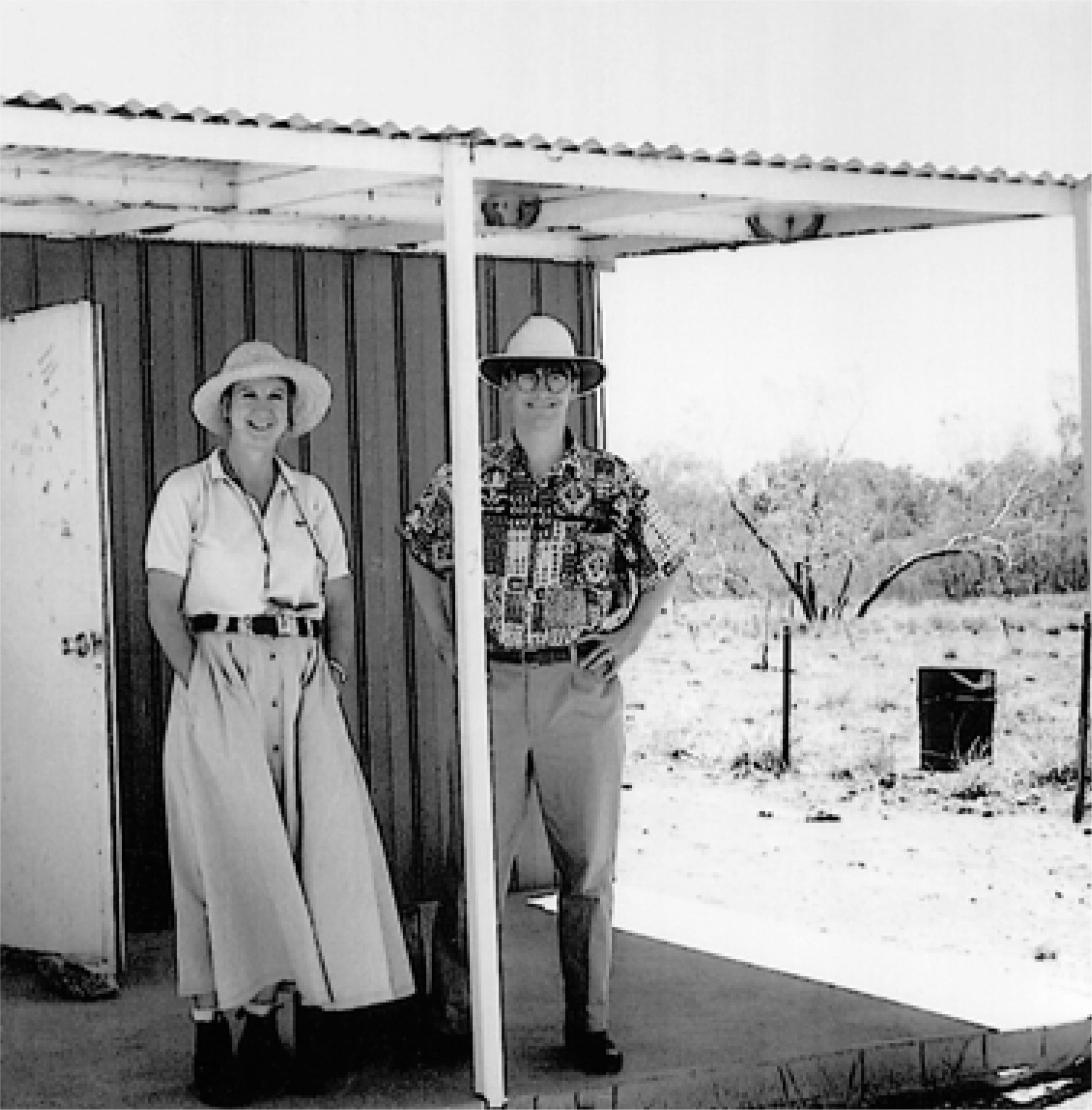
In memoriam
Mark Sheldon
Mark Sheldon, a young Sydney psychiatrist, died from bowel cancer aged only 33 on 28 May 1998 having gained his Fellowship just 7 months earlier. Mark had spent his dissertation year with the Central Australia Remote Mental Health Service providing psychiatric care to indigenous communities which were spread out over more than a million square kilometres, involving arduous week-long itineraries of several thousand kilometres on outback roads into some of the most isolated areas of the continent. The resulting dissertation is then a fitting in memoriam for Mark and it has been both an enjoyable and sobering experience editing it for publication, realizing how much he had achieved during his time in Central Australia, and also the enormous promise his career would have held. Mark had a considerable knowledge of and empathy with Aboriginal culture which went back many years to when he was a schoolboy growing up in Darwin inthe 1970s and this, combined with his easy affability, his willingness to learn from his Aboriginal patients and their families and his lack of pretension meant he was quickly accepted by the communities he visited. A reflection of this acceptance was his being given an Aboriginal skin name which Mark saw as the highlight of his time in Central Australia.
In addition to his medical skills, Mark was a talented musician, keen amateur naturalist, excellent swimmer and enthusiastic bushwalker, and was universally liked because of his infectious enthusiasm and delightfully impish sense of humour. Happily, his memory is being perpetuated by the renaming of the remote mental health service in Alice Springs after him and by the inaugural presentation this year at the College Congress of the Mark Sheldon Award for scholarship in indigenous mental health. However, the memory that will epitomise Mark for me was watching him conduct one of the most sensitive interviews I have seen when, in the heat, dust and flies of a small community hundreds of kilometres from Alice Springs, he managed to gain a sense of trust with a profoundly depressed Aboriginal man and then impart a feeling of hope that something could be done to help him.
Mark Sheldon.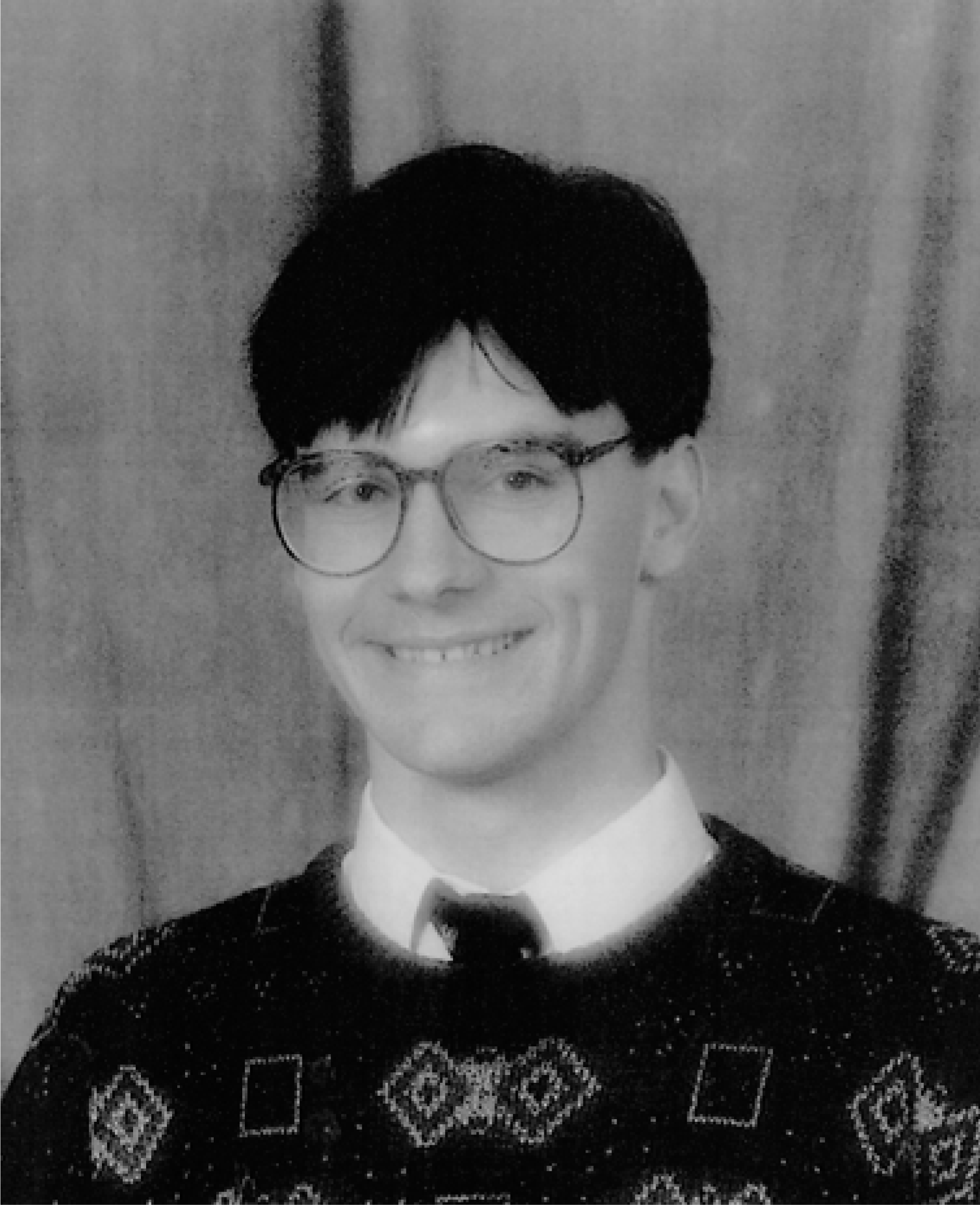
I would like to thank Mark's father, Dr Bruce Sheldon, for his unswerving encouragement, support and assistance in preparing the dissertation for publication and hope that in some small way making it available to a wider audience. will provide a sense of comfort to his family knowing that Mark's contribution to indigenous mental health will be an ongoing source of inspiration and information to those working in this most challenging, but rewarding, area of psychiatry.
Bruce Boman
Rozelle, Australia
My colleagues
Remote area psychiatry often involves working with team members who have no mental health training, may be illiterate and have only basic English. It also involves flexibility, developing trust and respect for colleagues, and a willingness to delegate.
Aboriginal Health Workers
Most communities have at least one Aboriginal Health Worker (AHW), usually chosen from within their ranks. Many are illiterate, have rudimentary health training but seldom knowledge about mental health. Their enthusiasm for clinical duties (help with dressings, bringing patients to the clinic and translating) varies, as does interest in mental health. However, I found AHWs invaluable for translating, validating my role, interpreting culturally, and guiding me in sensitive areas.
I encouraged their participation in interviews and tried to nurture their interest and knowledge of mental illness through informal education. Of initial concern was confidentiality and boundaries, as the AHW is often the patient's friend or relative.
As with most Aboriginal people, the AHW is not emotionally demonstrative and one's visit may appear to be greeted with disinterest. The opposite is true, and having a warm and responsive demeanour is vital.
Aboriginal Mental Health Workers
The two Aboriginal Mental Health Workers (AMHWs) with whom I worked, a married couple sharing a fulltime position, came from a traditional background, and were highly respected. Recruited and employed by the local Community Council, they had had limited mental health training. They did remarkably well to incorporate Western concepts and became valuable as a link between cultures.
I always made a point of involving them in the assessment process. Their background histories of patients and their reports on clinical progress, while communicated in a laconic and idiosyncratic way, were often astonishingly accurate. For example, they asked me to see a young man who was: ‘Not sleeping much, doesn't talk, not eating tucker, sit down all the time.’ The man had major melancholia. And if they said ‘He's right’, I invariably knew that that was the case.
The AMHWs also served as case managers, paving the way for a genuine indigenous mental health service.
The Ngungkari
The traditional healer, or Ngungkari, is central to Aboriginal society in Central Australia. They are sought for help in all manner of physical, psychological and spiritual problems. They are usually paid a fee and people may travel long distances to see one that has a good reputation. Treatment involves magical techniques suchas ‘removing’ objects from the body, culturally-appropriate explanations for symptoms, and suggestion. Pharmacological intervention with bush medicine is less common. I had limited direct contacts with Ngungkaris, but found it very beneficial to work in parallel with them. For example, I often asked patients if they had seen a Ngungkari and might recommend they consult one if they had not done so.
Ngungkaris never undermined my clinical work, and did not ask patients to choose between ‘white fella’ and ‘black fella.’ Patients show a pragmatic ability to accept both forms of intervention. I often explained thatthe ‘strongest medicine is when the white fella and black fella ways are used together.’
The interview
After several hours on the road, arriving at a community was likely to reveal a spread out collection of drab houses, people mostly outdoors cooking or playing football, scores of squabbling dogs, corrugated iron shelters at the ‘sorry’ camp, a car graveyard, women digging for honey ants, the distant humming of an electric guitar and litter strewn about – all with a backdrop of striking purple mountains. From the moment of arrival, assessments got under way.
I found it useful to begin my visit at the local store, in order to talk to the store owner, often a fountain of information. There are few secrets in small communities and once the store owner ascertains that we are the Remote Mental Health Team, he or she imparts observations of people they know to be our patients. At first this made me uncomfortable, but confidentiality was never breached: these unofficial informants gave information without my responding in kind. I made a point of not talking to the informants within earshot of others (around the bowser while refuelling was the best spot).
Other useful informants included school teachers, the ‘Essential Service Officer’ and the station owner.
The formal assessment process can be summarized as follows:
1. Corroborative history from staff who sometimes gave a great deal of information, not only about current symptoms but also about social history. The clinic staff had lived for years in the community and knew virtually everyone there.
2. A thorough review of the patient's file was valuable. Records dating back to childhood vaccination were usual and evidence of undiagnosed mental illness could be gleaned from file entries.
3. Once reviews were completed, it was necessary to think which staff to recruit for the interviews. Optimal use of resources were: (i) if there was an AMHW available they were always involved. (ii) If there was no AMHW, an AHW participated if happy to do so. This was especially useful for a new patient or where English was limited. Being related to the patient did not necessarily exclude them. (iii) If no AHW were available, a clinic nurse was helpful, even if just for the introduction. In Aboriginal culture one's relationship to others determines roles. If introduced by a familiar staff member, one's role is more readily understood.
4. Once the staff had been selected, location of the interview was decided. The home setting was most valuable because (i) it allowed access to most of the family, and the corroborative history often provided the richest information; (ii) the most useful family informants were not necessarily those one might expect. Due to different kinship ties, it was often an aunt or uncle who had taken on the parenting roles; by interviewing in the family home the most involved member would be automatically available; (iii) since family are very important in management, the home interview enhanced their involvement and enabled psychoeducation; and (iv) men were often reluctant to attend the clinic as they saw it as a woman's place.
Some home settings might have assaulted the senses of a white, middle class, city-trained clinician. Challenging neutrality were litter and discarded household items, dogs sharing beds with people on decaying mattresses, and unclean food preparation areas. Occupants were often attired in unwashed clothes, suffered from scabies and skin and upper respiratory infections and smelt of body odour. Coping with this in a way which did not cause distorted value judgements is discussed under Mental State Examination.
Interviewing techniques
After almost a year of interview experience I did not consider myself accomplished. I still floundered at times. Many clinicians with greater experience report that they too often walk away perplexed. Tolerance of uncertainty and incomplete information is necessary, as is seeking help.
Interview skills I had gained in training remained useful but needed to be modified in a setting where language and cultural differences between my patients and myself were so immense. These new skills were developed through experiential learning, observing others and discussions with AHWs. A challenge was to note how Westernised or traditional each patient was and be flexible enough to adjust the interview accordingly.
There is a vast spectrum of cultural experience in the Aboriginal people of Central Australia from those that first had contact with white society as adults to others who have lived for extended periods in Europe and have tertiary education. These extremes may occur in a single family. I found it safer to err on the side of adopting an interview style that was Aboriginalorientated, as interviewees saw their primary identity as Aboriginal. Over time this flexibility became subconscious in the same way that one adjusts the interview with patients of different ages, gender or personality type.
Initiating and rapport
More often than not, the family would be present. I greeted each person with a loose handshake, arm fully outstretched so as not to invade personal space, and with fleeting eye contact. Importantly, the hand should not be withdrawn too quickly. I greeted the elderly first as a sign of respect.
For interviews done in the home, I asked the patient where they would like to sit, giving them the option to walk a distance to talk under a tree if they wanted privacy (young men usually preferred this). However, the verandah adjacent to the house, with the family gathered around, was the usual choice. I tried to place myself so that I did not face anybody directly.
The ideal in fact was to sit alongside the patient and face the same direction, with backs to the house and looking to the horizon. Too much eye contact often leads Aboriginal people to feel they are being judged, especially if there are issues relating to shame. When not making eye contact, keeping one's gaze on a particular spot is desirable, since a wandering gaze may convey the impression of disinterest.
To gain early rapport I generally gave a lengthy, unhurried description of my role, where I was based and travelled and I highlighted any connection I had with people they might know, such as the clinic nurse.
Aboriginal culture is based on a complex structure of obligations and entitlements within relationships and kinship networks. If I could show that I was not just a doctor visiting for a day or two without formal connections, but that I attended to all regional communities and was closely connected to local health staff, then it validated my role as a helper and service provider.
Credibility is enhanced through willingness to learn Aboriginal ways and humility. Use of humour, often at my own expense, could promote trust. In one community I became known as the ‘Superman doctor’ because of my alleged resemblance to Clark Kent. This gave me ample opportunity for jokes, especially with the youth. It became clear to me that in order to provide a service one had to develop a relationship first, show who you are and not just what you do.
A boost to my acceptance came when I was givena ‘skin name’ by the AMHWs. This included me in an integrated kinship. The skin name is derived from the father's skin name (unless one is an outsider and given a skin name de novo), and defines who is the first or second choice of spouse. The same skin names apply for most of the language groups in Central Australia. My skin name, Japljarri, implied that my father is Jungarai and my first choice of wife, Nakamarra. At the beginning of an interview I often discussed skin names to ‘break the ice.’ If the patient was a Jungarai, and older than myself, I would make it known that I understood the need to be deferential. If a female patient was a Japljarri, I would point out that we were like brother and sister. There were, however, extreme reactions. An elderly woman with dementia cackled with unrestrained mirth on learning that, as Japljarri, I was her first choice of husband. It was not clear if this was a sign of frontal disinhibition or not.
Language
Language is enormously relevant in understanding the mental health problems of Aboriginal people. Most patients were fluent in their Aboriginal language and had a variable degree of English. Only about half to twothirds of the time did I have access to an AHW or AMHW who could interpret (even then, interpreting skills varied). However, my few words of Aboriginal language proved most useful.
Having been unable to achieve fluency in any Aboriginal language, the most useful skill I developed is Aboriginal English. This form of English, used by many Aboriginal people in remote communities, is characterized by a restricted vocabulary and idiosyncratic word usage and syntax. It was crucial to understand which English words were likely to be included in this vocabulary. Inserting difficult words at the beginning could confuse, and lose the patient's interest.
It was best to start with Aboriginal English even though patients were fluent in conventional English. Naturally there was a spectrum of English ability and once you came to know a patient you might find that they were comfortable with ‘white fella’ English. Often it might still be preferable to stay in Aboriginal English for the benefit of attending family members.
Taking a history
The psychiatric interview starts with open-ended questions about presenting problems. Hopefully, the patient will then give a rich account in their own words. Later, more direct questioning occurs to clarify certain points. Then other areas (social, personal, family, etc.) are explored. This schema served me well throughout my training but failed dismally in remote Aboriginal communities.
Starting with open-ended questions placed too much pressure on the Aboriginal patient. The result is often silence or a shrug. Having failed, the frustrated clinician will resort to a battery of close-ended questions which only serve to intimidate the patient who may object to ‘too much worry questions’ or simply respond ‘yes’ to please the doctor.
Asking about the presenting illness first baffles most Aboriginal people who feel their problems cannot be properly appreciated unless their relationships in their community and their spiritual beliefs are understood.
Asking multiple-choice questions in a last ditch effort to prevent the ‘yes bias’ of the close-ended question, will also be fruitless since Aboriginal languages do not have multiple choice questions in the way English does, for example, ‘Is it A or B?’
While it was easy later to identify the mistakes I had made, and the problems with traditional history taking, it was difficult to find an alternative schema.
However, the following techniques were helpful:
1. Talk slowly and wait patiently for the interviewee to consider the question at length before replying. Quick replies are seen as impolite.
2. Begin with non-threatening statements, for example, things you have noticed in the community or how long it has been since you last visited. This leads into a social history, such as, ‘I saw footballers on the oval. I hear the team is good. Do you play?’
3. After this prelude, it is relatively easy to inquire about family relationships, skin names and marital history. This is also an opportunity for the family to contribute.
4. If family are present, gather a corroborative history at the same time. Indeed there may be little distinction between what is corroborative and patient-derived since the family may answer on behalf of the patient and some responses result from family discussion.
5. Delay the history of presenting illness until well into the interview. Use open-ended questions. If this yields little ask the question in different ways using as much Aboriginal English or Aboriginal language as possible. Avoid closed-ended questions.
6. When information obtained is minimal due to shyness or shame, relaying a story about a personwho ‘reminds you of them’ often leads the patient to talk more freely, and without a feeling of being judged.
7. Try to understand the cultural significance of the history. For example, a middle-aged woman had caused much alarm in her community when she walked up a hill. At first this seemed insignificant, but it transpired that she had walked into a men's area, a flagrant violation of traditional law and a grossly impaired judgement.
Revisiting the social history later in the interview in detail to establish whether the person has been initiated into traditional adulthood, their status in their community, and interests they have (e.g. hunting, playing cards, artwork). Developmental history is usually problematic. For instance, most families will report that their mentally ill relative sustained a head injury as a child but this is seldom useful because head injury is common and blows to the head causing mental illness is a culturally accepted belief. A drug and alcohol history can be difficult to obtain because of shame. Moreover, the quantity of a substance the person states he uses is commonly that shared with friends.
Sensitive areas
Bereavement, ceremonial business, sexuality, fertility and domestic habits are all sensitive areas. The key is to be aware of these and convey to the patient that you are cognisant of them. Only then seek permission to proceed.
Bereavement or ‘sorry’ business is a crucial part of Aboriginal culture. Funerals involve entire communities, and expression of grief may include self-injury. Grieving relatives live in a designated area, the ‘sorry’ camp, for a period, cut off their hair and wear white pigment on their faces. The community refrains from using the name of the deceased but can refer to them by the name Kwementyaye . People with the same name as the deceased are also called Kwementyaye . Photographs or videos of the deceased have to be destroyed. Asking about ‘sorry cuts’ or other physical manifestations of grieving causes embarrassment, and citing the name of the deceased or asking who has died are distressing.
Ceremonial business, initiation of young males into manhood and handing down gender-specific songs and stories, is surrounded by strict taboos. An interview can come to an abrupt halt when ceremonial business is raised. I have found it useful to ask whether a sudden silence is due to the conversation getting on to ceremonial business and, if so, how the interview should proceed. This usually results in a sense of relief all round. If secret men's business is to be discussed women and children must leave, and vice versa for women's business.
Sexual and marital problems are also areas of sensitivity. Ideally, the interviewer is of the same gender as the patient but even then, permission should be sought before proceeding. Infertility in women is a particularly sensitive matter, and a ‘wrong skin marriage’ a source of shame to the whole family.
Asking patients about domestic habits can lead to resentment out of a sense of feeling judged. In one community the women demanded the replacement of a doctor. One was a patient of mine who confided that the reason for their demand was the doctor's enquiry about how she cleaned the house, what she cooked, and whether she was able to care for her children. Questions about activities of daily living need to be prefaced with an adequate rationale such as ‘I'm not trying to shame you but it will help me to understand your illness if you can tell me what it is like at home.’
Examining the mental state
Working in Aboriginal communities taught me how much my own culture has shaped my perception of the mental state with the result that it proved difficult to interpret the findings confidently. The following highlights differences in the mental state examination I encountered.
Appearance
My sensibility and neutrality were challenged by the very different interview setting so that a patient could be labelled inappropriately as ‘dishevelled’ or ‘unkempt.’
Conversely, it was possible to become totally desensitized such that any degree of poor hygiene or neglect was dismissed as being non-pathological. A useful approach was to establish the patient's customary level of self-care in order to detect changes which might signify a mental disorder. Seeing the family in their setting was a good yardstick for this, as was the opinion of the AHW.
Another cultural difference is the common occurrence of scars (usually to chest, upper arms and back, and more in men than women), these are usually from initiation or grieving rituals.
Behaviour
Shyness is common, and can be distinguished from guardedness by extreme avoidance of eye contact and the absence of hostility. People are reserved with whites and apparently indifferent. This is misleading since appreciation of help received and even excitement at the impending visit are often felt by both patient and family but rarely shown.
An understanding of Aboriginal culture to assess the inappropriateness of certain behaviours (e.g. a person singing ceremonial songs outside of the ceremonial setting) is critical. However, much bizarre behaviour witnessed did not differ from that exhibited in Western cultures.
Affect
Assessing affect requires appreciation of emotional expression in people from remote Aboriginal communities and its translation into words. Many children are taught from an early age not to cry as this is thought to lead to sickness.
Tearfulness is therefore rare in adults with a traditional background. Moreover, while wailing and self-harm are common features of grief, crying is not.
Seeing the patient in a one-to-one interview may mislead since shyness, shame and reserve can masquerade as sad or flat affect. Patients with a blank or unreactive expression in a one-to-one interview could come alive when their family joined in the interview.
Mood
Reports of ‘weak spirit’ were a surprisingly dependable indicator of depressed mood: ‘Do you have weak spirit all day/every day?’, ‘What time of the day does your spirit feel the most weak?’ Aboriginal English however, is inadequate to communicate an irritable or elevated mood. My method relied on the Aboriginal English word ‘cranky’ for irritability, and ‘silly’ for euphoria.
Speech and thought form
Speech was often difficult to follow because it was softly spoken or articulated in broken English or Aboriginal English so that the meaning of a word and syntax were different or pronunciation of consonants was unusual (e.g. ‘v’ and ‘f’ pronounced as ‘p’).
Formal thought disorder (including loose associations, word salad and tangentiality) is readily detectable if patients have a good command of English. If they do not, one has to rely on an AHW or AMHW.
Delayed answers and minimal speech, for reasons already outlined, should not necessarily be considered as psychomotor retardation or poverty of speech.
Thought content
Thought content proved an absorbing area of the examination. If rapport was developed, much material was forthcoming. Interpreting its clinical significance was more tricky; again, reliance on family and AHWs was crucial. Some beliefs however, were obviously delusional, for example, ideas of reference from television or radio; grandiose delusions – ‘I am Slim Dusty's sister’ – and systematized persecutory delusions.
Yet more difficult were beliefs involving Aboriginal spirituality and customs, passivity phenomena and possession by outside forces. A widespread cultural belief in remote areas has it that thoughts and feelings can be shared telepathically between closely related people, that magical spells can be cast causing ill health or even death, and that a Ngungkari can cure illness by removing objects from the body. A proportion of these beliefs may be delusional, others may be culturally accepted explanations of primary psychotic phenomena, and yet others may be culturally accepted occurring in the absence of mental disorder.
As a reflection of Aboriginal culture being in a state of flux, many psychotic patients expressed delusions with both Aboriginal and Western content. For example, a young man with schizophrenia believed he was being called to become a Ngungkari to save his grandfather from an evil spell, but at the same time Christ was interfering with his brain.
The author talks with an Aboriginal elder.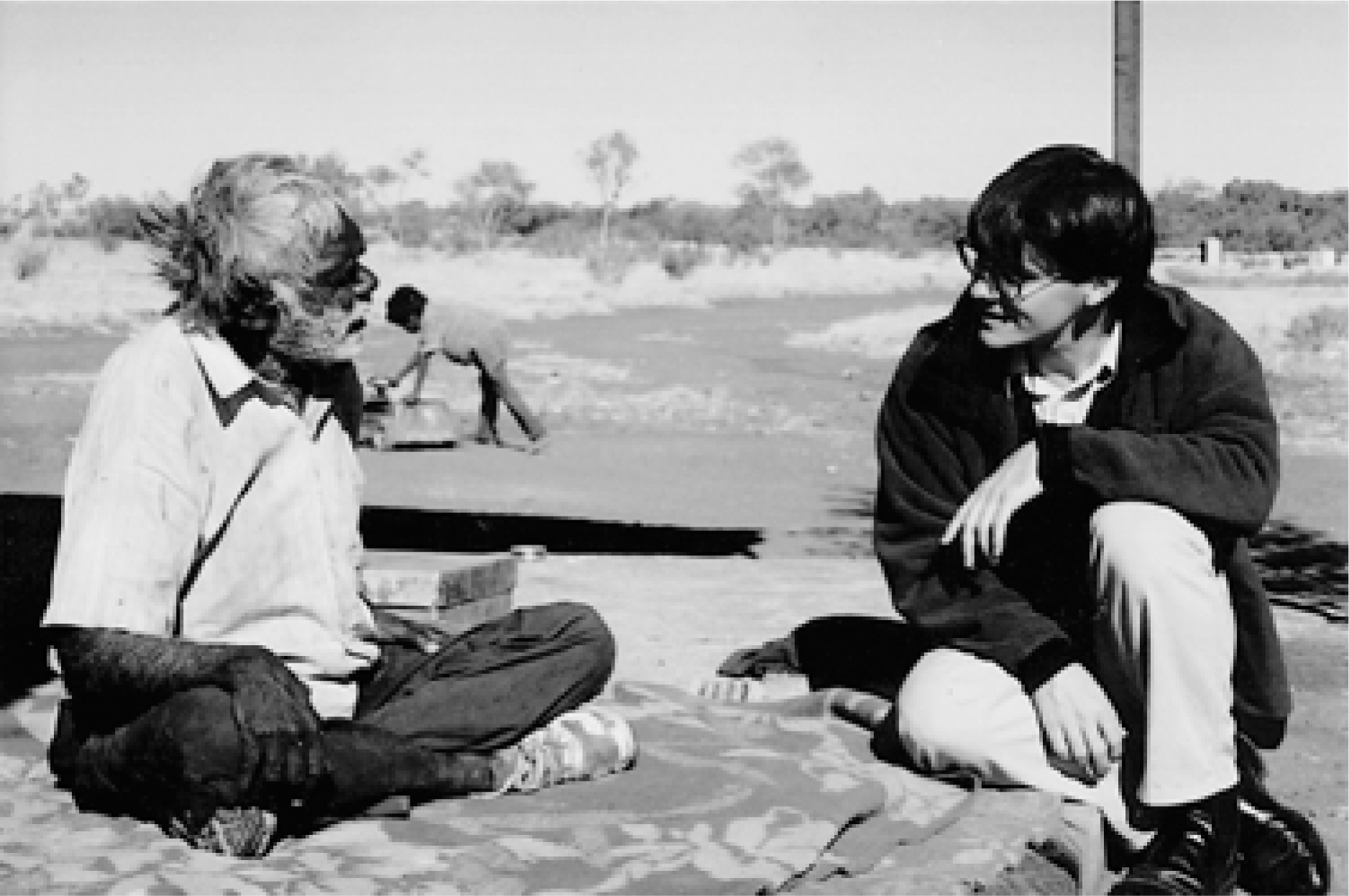
Perception
Most perceptual abnormalities I encountered that appeared to be culturally based were fleeting visual hallucinations occurring in the absence of an organic mental disorder (e.g. glimpse of spirits). They often were reported in the context of intense emotions experienced in a traditional ceremony.
Auditory hallucinations, especially if persistent were almost always a feature of a mental illness.
Cognition
Assessing cognitive status was hampered by the lack of a culturally sensitive and specific procedure. The Mini-Mental State Examination and related modes of assessment I had been trained to use were virtually useless. Aboriginal people have no written tradition, numbering goes up to three, general knowledge is vastly different, the idea of a Prime Minister is alien let alone the name of the current Prime Minister, and concepts of time and place differ markedly from the Western view. People from remote communities thus find thesetests ‘silly’, are unable to understand their purpose, and lack the motivation to participate. Furthermore, assessment must take account of the fact that in remote communities life is communal. Diagnostic criteria for dementia require impaired functioning, but how does one measure this when the person does not use public transport or a PIN number or carry out many other tasks typical of Western society?
Prevalence of cognitive impairment in remote Aboriginal communities is high because of multiple risk factors: alcohol abuse, petrol sniffing, head trauma, CNS infection, and poor nutrition.
I developed the following measures for cognitive assessment through necessity. Although unvalidated, they still proved more useful than conventional measures:
Information from the family: wandering at night, losing their way (e.g. no longer able to lead hunting groups), digging the wrong yams, breaking taboos (e.g. mentioning names of dead people), giving incorrect ceremonial advice, no longer able to play cards (card playing is popular, and tests various cognitive functions including concentration, short-term memory and executive function), unable to remember pension week and ability to get dressed by oneself.
Orientation: ask for skin name, name of community, and pension day.
Concentration: ask for eight skin names (also tests long-term memory).
Short-term memory: in front of the patient conceal a personal item, such as their hat; at the end of the interview ask them to locate the item.
Long-term memory: ask the person to recall the names of the family.
Cortical function: Name common objects, e.g. billy, tobacco, copy a drawing of two intersecting boomerangs (by scratching in the dirt with a stick), alternate hand movements, Luria three step, grasp reflex.
Conclusion
My initial expectations were that cultural and language barriers would defeat me in my attempts at meaningful psychiatric assessment in remote Aboriginal communities. I expected lack of acceptance, indifference, even hostility. These prejudices soon evaporated. Not only was it possible to practise psychiatry, but it was exhilarating and valued by the communities. The key was to think flexibly, tolerate doubt, liaise closely with a variety of people, become familiar with the local cultures, adapt skills gained in training so that they were culturally sensitive, and shed any vestige of omnipotence.
More than in any other area of medicine, how psychiatrists elicit information, define and manage disorders is influenced by cultural factors. It is surprising that information on how to practise psychiatry in Australia's oldest surviving culture is so sparse. I hope my attempt to recount my experience will assist my fellow trainees and others should they ever work with remote Aboriginal communities.