






Abstract
Amatoxins are produced primarily by 3 species of mushrooms: Amanita, Lepiota, and Galerina. Because amatoxin poisonings are increasing, the objective of this review was to identify all amatoxin-containing mushroom species, present a toxidromic approach to earlier diagnoses, and compare the efficacies and outcomes of therapies. To meet these objectives, Internet search engines were queried with keywords to select peer-reviewed scientific articles on amatoxin-containing mushroom poisoning and management. Descriptive epidemiological analyses have documented that most mushroom poisonings are caused by unknown mushrooms, and most fatal mushroom poisonings are caused by amatoxin-containing mushrooms. Amanita species cause more fatal mushroom poisonings than other amatoxin-containing species, such as Galerina and Lepiota. Amanita phalloides is responsible for most fatalities, followed by Amanita virosa and Amanita verna. The most frequently reported fatal Lepiota ingestions are due to Lepiota brunneoincarnata, and the most frequently reported fatal Galerina species ingestions are due to Galerina marginata. With the exception of liver transplantation, the current treatment strategies for amatoxin poisoning are all supportive and have not been subjected to rigorous efficacy testing in randomized controlled trials. All patients with symptoms of late-appearing gastrointestinal toxicity with or without false recovery or quiescent periods preceding acute liver insufficiency should be referred to centers providing liver transplantation. Patients with amatoxin-induced acute liver insufficiency that does not progress to liver failure will have a more favorable survival profile with supportive care than patients with amatoxin-induced acute liver failure, about half of whom will require liver transplantation.
Introduction
Amatoxin-containing mushrooms are responsible for most fatal mushroom ingestions as a result of delayed-onset hepatocellular necrosis. 1 Amatoxin-containing mushroom poisonings are increasing worldwide as young adults mistake poisonous mushrooms for hallucinogenic ones, immigrants mistake poisonous mushrooms for edible ones from their home country, and trekkers inadvertently ingest poisonous mushrooms in the wilderness. 2 Soldiers are also at risk of mushroom poisoning. In 1980, Supramaniam and Mohanadas reported an outbreak of mushroom poisoning with one fatality among 12 Malaysian soldiers on survival training exercises. 3
With the exception of liver transplantation, the current treatment strategies for amatoxin poisoning are all supportive and have not been subjected to rigorous efficacy testing in randomized controlled trials. Because the number of amatoxin-containing mushroom poisonings is increasing and the most effective prevention strategies are correctly identifying poisonous mushrooms and entertaining earlier diagnosis, the objectives of this review were to identify all mushroom species containing amatoxins and to present a toxidromic approach to earlier diagnosis. In addition, several nonspecific and untested drug treatment strategies for amatoxin poisoning are described, with 2 recommended for potential prehospital field applications.
Methods
To meet the objectives of this narrative review article, Internet search engines including PubMed, Medline, Ovid, Google, Google Scholar, and Cochrane were queried with the keywords as medical subject headings to identify peer-reviewed scientific articles on amatoxin-containing mushroom poisonings and their treatments over the study period, 1986 to 2017. The keywords included mushrooms, poisonous, amatoxin-containing, amatoxins, and alpha-amanitin.
The articles selected to meet the first objective to identify all mushroom species containing amatoxins included case reports and case series of mushroom poisonings and observational, longitudinal, and surveillance studies. The articles selected to meet the second and third objectives to present a toxidromic approach to earlier diagnosis and to compare the efficacies and outcomes of multiple drug and other treatment strategies included epidemiological and toxicological studies and comparative analyses of various treatment strategies and their outcomes. Articles that treated poisonings by mushrooms not containing amatoxins were excluded from review. These selected methodologies met all recommended criteria for narrative reviews, including keywords, use of 2 or more search engines, defined study period, and article inclusion and exclusion criteria. 4
Results
Amatoxin-Containing Mushroom Species
The amatoxins are a collective group of oligopeptides found in only 3 genera of mushrooms and one additional species from a separate genus: Amanita, Lepiota, Galerina, and Conocybe filaris. The amatoxins include at least 9 different toxins: α, β, γ, and ε-amanitins, amanullin, amanullinic acid, amaninamide, amanin, and proamanullin. 5 The amatoxins are selective inhibitors of RNA polymerases, which are critical enzymes required for the synthesis of messenger RNA and micro RNAs. 5 Among the amatoxins, α-amatoxin is considered the most hepatotoxic. 5 The estimated median lethal dose of α-amanitin in humans is 0.1 mg·kg-1, or about 7 to 8 mg of toxin in adults. 5 All amatoxins are thermally stable and are not inactivated by boiling, cooking, drying, steaming, or freezing. 5
The liver is the main target organ for ingested amatoxins and the first organ to receive absorbed amatoxins from the gastrointestinal tract via the portal venous circulation. Without messenger RNA, protein synthesis stops in the liver, and cellular-level metabolism is halted. 6 Because amatoxins inactivate both RNA polymerase II (α-amanitin) and RNA polymerase III (β-amanitin), the protein synthesis–dependent regenerative capacity of the liver is disrupted; the liver cannot repair the lysis it sustains; and centrilobular and periportal hemorrhagic hepatic necrosis ensues. Subsequently, there is a rapid rise in hepatic damage biomarkers, principally the serum transaminases, and coagulopathies result from deficiencies in hepatic clotting factors. As liver function fails, tubulointerstitial nephropathy follows and precipitates a hepatorenal syndrome that is rapidly fatal without liver transplantation.
Identifying Amatoxins in Mushrooms and Poisoned Patients
Although it can be performed in the field, unlike most laboratory measurements, the Meixner test is an older, visual spot test for amatoxins that is unreliable if improperly performed and may yield false positives. 7 Currently, amatoxins can be more accurately measured directly in the serum and urine of poisoned patients using immunological and chromatographic techniques, specifically enzyme-linked immunosorbent assay and gas chromatography–mass spectrometry, respectively. In addition to serological and chromatographic analyses, mushrooms can now be tentatively identified as potentially amatoxin-containing in the field using digital telephone images transmitted to expert mycologists.8,9
Epidemiology of Amatoxin-Containing Mushroom Poisoning
In a 2005 meta-analysis of 28,018 cases of mushroom poisonings worldwide over the period of 1951 to 2002, Diaz found a significant increase in the frequency of reported mushroom poisonings over time. 10 More mushroom foraging by amateurs misidentifying poisonous mushrooms as edible was primarily responsible for the increase in poisonings and was supported by case reports and series. 10 Because the causative species in most mushroom poisonings is not confirmed by an expert, it is difficult to determine accurate, annual worldwide incidence rates for poisonings by amatoxin-containing mushrooms.1,10
In the United States, Mowry et al analyzed the 6600 cases of mushroom poisonings reported to the National Poison Data System of the American Association of Poison Control Centers in 2012. 11 Among these, 44 cases were caused by amatoxin-containing mushrooms, resulting in 4 fatalities; most cases (82.7%) were attributed to unknown mushrooms. 11 Similar findings were reported in European longitudinal studies. A retrospective analysis of 93 mushroom poisoning cases in Portugal over the reporting period of 1990 to 2008 attributed 63.4% of cases to amatoxin-containing mushrooms, with 11.8% of these resulting in fatalities. 12 A retrospective analysis of mushroom poisonings in Switzerland over the reporting period of 1995 to 2009 confirmed 32 cases of amatoxin-containing mushroom poisonings, with 5 fatalities. 13
In a 2016 retrospective review of all mushroom poisoning cases in a Swiss Emergency Department database, Schmutz et al identified 87 cases of mushroom poisoning. 14 Of these, 74% (n=64) exhibited early symptoms within 6 h postingestion, and 26% (n=23) exhibited late symptoms more than 6 h postingestion. 14 Mushroom poisoning symptoms were defined as nausea and vomiting (82%), followed by diarrhea (68%), syncope (10%), abdominal pain (8%), and hallucinations (7%). 14 Patients in the late-appearing symptom group had longer hospital lengths of stay and included a single case of Amanita phalloides poisoning. 14 In summary, several retrospective, descriptive epidemiological analyses in the United States and Europe have confirmed that most mushroom poisonings are caused by unknown mushrooms, and most fatal mushroom poisonings are caused by amatoxin-containing mushrooms, which are responsible for 90 to 95% of all human fatalities. Amanita mushroom poisonings, including A phalloides poisonings, are rare but are associated with late-appearing (>6 h) symptoms, longer hospital lengths of stay, and greater likelihood of acute liver injury and failure.
Amanita Species
The genus Amanita contains about 600 species with 9 known poisonous species containing amatoxins and many edible species without amatoxins. Although Lepiota mushrooms have the greatest number of amatoxin-producing species, mushroom species in the genus Amanita are responsible for most fatalities from amatoxic mushroom poisonings, with A phalloides, the death cap, responsible for about 50% on its own (Figure 1). 1 ,6,15 In addition to A phalloides, other highly toxic Amanita species, collectively known as the death or destroying angels, include Amanita bisporigera, Amanita brunnescens, Amanita ocreata, Amanita verna, and Amanita virosa. 6 A phalloides is responsible for most fatalities worldwide, followed by A virosa and A verna. 6 Although α-amanitin is the principal and most hepatotoxic amatoxin in amatoxic mushrooms, all poisonous and some edible Amanita mushrooms contain 2 other classes of toxins, phallotoxins and virotoxins, which are considered nontoxic. 6
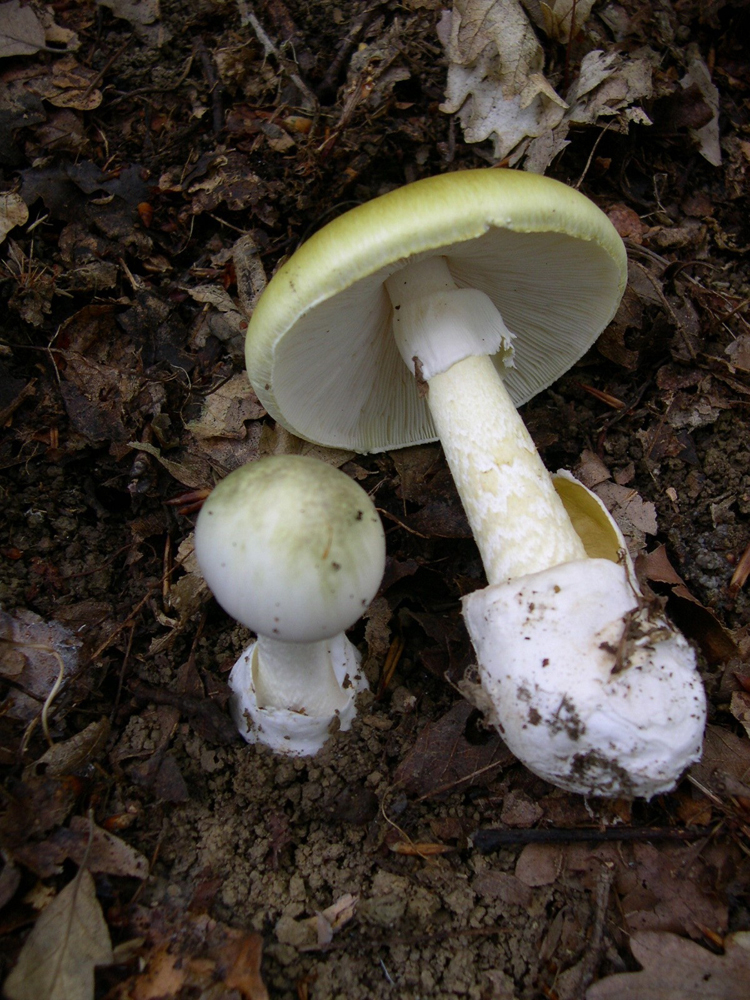
Amanita phalloides. Source: Wikimedia Commons, permission granted to copy under the GNU Free Documentation License. Photographer: Archenzo.
Poisonous Amanita mushrooms are distributed worldwide and can be found growing in damp leaf litter in the shade of hardwood trees. The mature A phalloides has a large, pale, whitish-yellow to whitish-green convex cap, which flattens with age (Figure 1). The gills hang free under the cap and are not attached to the stems, which have a prominent ring (also known as the annulus, a remnant of the partial veil) and a base or cup (also known as the volva, a remnant of the universal veil). Amanita mushrooms have a sweet smell and taste and a white spore print. The most common edible species that Amanita mushrooms are mistaken for include Agaricus species and other edible Amanita species, such as Amanita lanei.
Lepiota Species
The genus Lepiota contains about 400 species of mushrooms distributed worldwide with twice as many poisonous species (n=20) as the genus Amanita (n=9). 15 Several Lepiota species have caused fatalities after ingestion, including Lepiota brunneoincarnata most commonly, and Lepiota brunneolilacea, Lepiota castanea, Lepiota helveola, and Lepiota subincarnata (also known by its synonym, Lepiota josserandii) (Figure 2). 15 –19 Poisonous Lepiota species can be found growing in damp pine needle–like litter in the shade of evergreen conifers or in fairy rings in open fields. They have small white caps with free-hanging gills unattached to thin stems with rings. The white caps darken with age and develop unique characteristic features on their tops that support identification. As the caps expand and grow circumferentially, the scale-like remnants of the partial veil split into concentric rings. Lepiota mushrooms have a white-to-cream-colored spore print and a rubbery, unpleasant smell. Lepiota mushrooms have been mistaken for many edible species, including Leucoagaricus species, Macrolepiota procera, and Tricholoma terreum. 16
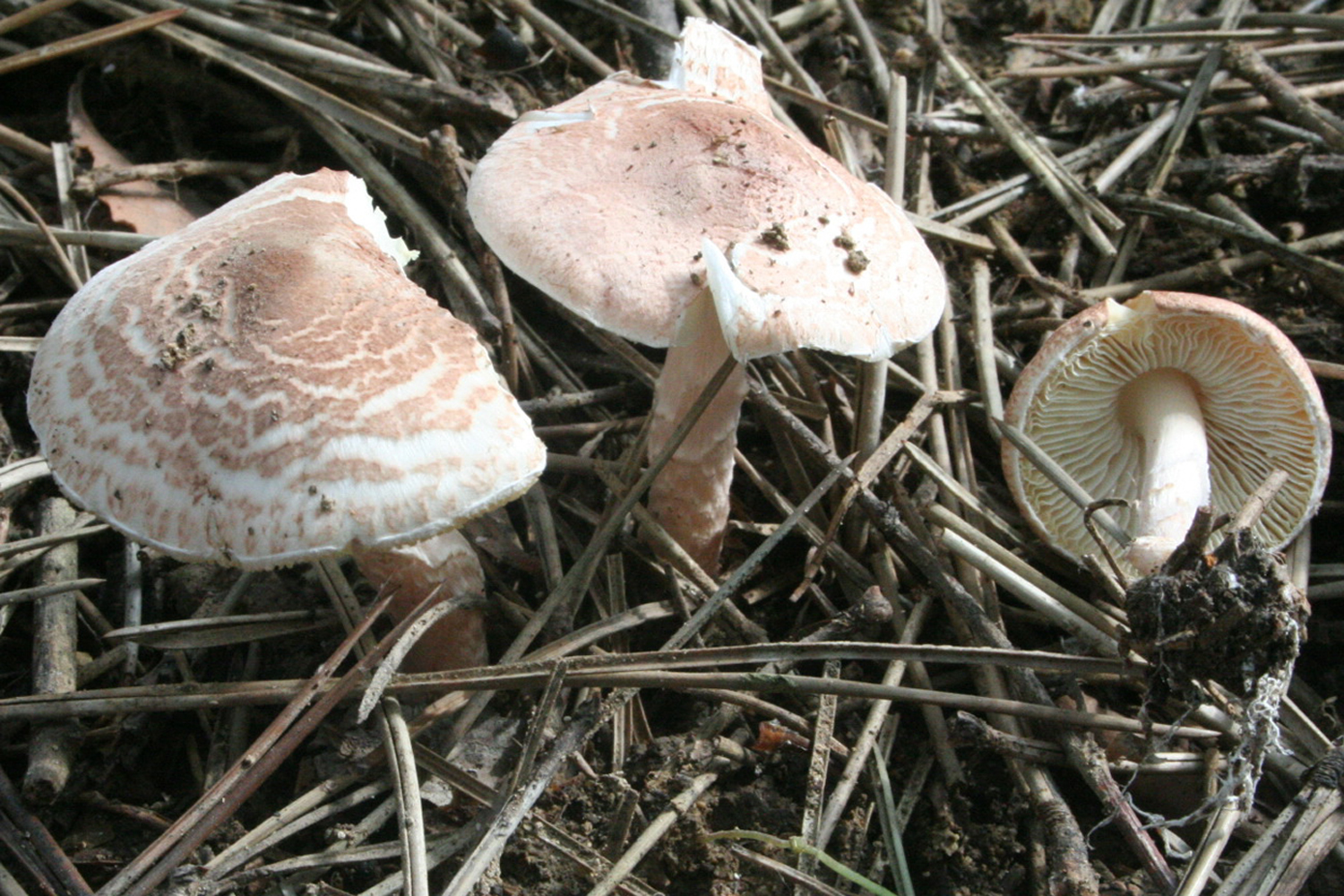
Lepiota brunneoincarnata. Source: Wikimedia Commons, permission granted to copy under the GNU Free Documentation License. Photographer: Strobilomyces.
Mass Lepiota poisonings have been reported worldwide. In 1993, Ramirez et al reported 10 cases of Lepiota poisoning in Spain with 7 cases caused by the ingestion of L helveola and 3 cases caused by the ingestion of L brunneoincarnata (Figure 2). 15 Five of the poisoned patients recovered completely with supportive care following the intestinal phase, but the remaining 5 developed hepatotoxicity. 15 Although liver function normalized 1 week after Lepiota ingestion in 2 patients with hepatotoxicity, 3 patients developed fulminant liver failure, resulting in 2 fatalities. 15 The surviving patient who recovered from fulminant hepatitis developed chronic active hepatitis 1 year after mushroom ingestion. 15 Five Lepiota-poisoned survivors developed mixed polyneuropathies. 15
In 2010, Mottram et al reported the case of a 43-year-old woman who presented with nausea, diarrhea, weakness, and dizziness 36 h after consuming an estimated 170 g of L subincarnata (synonym L josserandii) mushrooms that she had picked from under a pine tree on her lawn in suburban Chicago. 19 The patient developed laboratory evidence of pancreatitis (serum amylase = 494 U·dL-1, laboratory normal = 10–194 U·dL-1) before the onset of significant hepatotoxicity. 19 The patient underwent liver transplant on hospital day 7 and was discharged home on hospital day 12. 19 The authors concluded that the ingestion of some amatoxin-containing Lepiota mushrooms could be pancreatotoxic as well as hepatotoxic. 19 Unlike most survivors of Amanita mushroom poisonings who will regain normal liver function, the survivors of amatoxic Lepiota mushroom poisonings may experience more late complications, including chronic active hepatitis and mixed polyneuropathy. 19
Galerina Species
The genus Galerina contains about 300 species distributed worldwide, with 8 known poisonous species. Galerina mushrooms are light yellow-bronze to light brown in color and have cinnamon-brown spore prints. As Galerina mushrooms mature, their caps expand from conical to bell-shaped to fully extended, like umbrellas. The gills are attached to long, slender, and cartilaginous stems. Galerina mushrooms have a characteristic preference for wet, mossy habitats and are often found growing on moss and/or rotting wood. Galerina mushrooms have a pleasant smell, described as aromatic and fruity, and taste like fresh cucumbers.
The poisonous Galerina species all contain α-amanitin and other amatoxins. One rare species, Galerina steglichii, contains the hallucinogenic toxin psilocybin, like other hallucinogenic Psilocybe species. 20 Galerina marginata, the deadly Galerina or autumn skullcap, bears the closest resemblance to Psilocybe cyanescens and is the most frequently reported Galerina species to be mistaken as hallucinogenic and accidentally ingested (Figure 3). 20 –22 In 1993, Yin and Yang reported 12 cases of Galerina autumnalis poisoning in China and described late-onset gastrointestinal toxicity separated from subsequent amatoxin-induced acute liver failure by a short “pseudo-remission.” 23 No Galerina species mushrooms are recommended as edible in the United States, where they may be confused with edible, hallucinogenic Psilocybe species mushrooms, especially P cyanescens. 20 –24
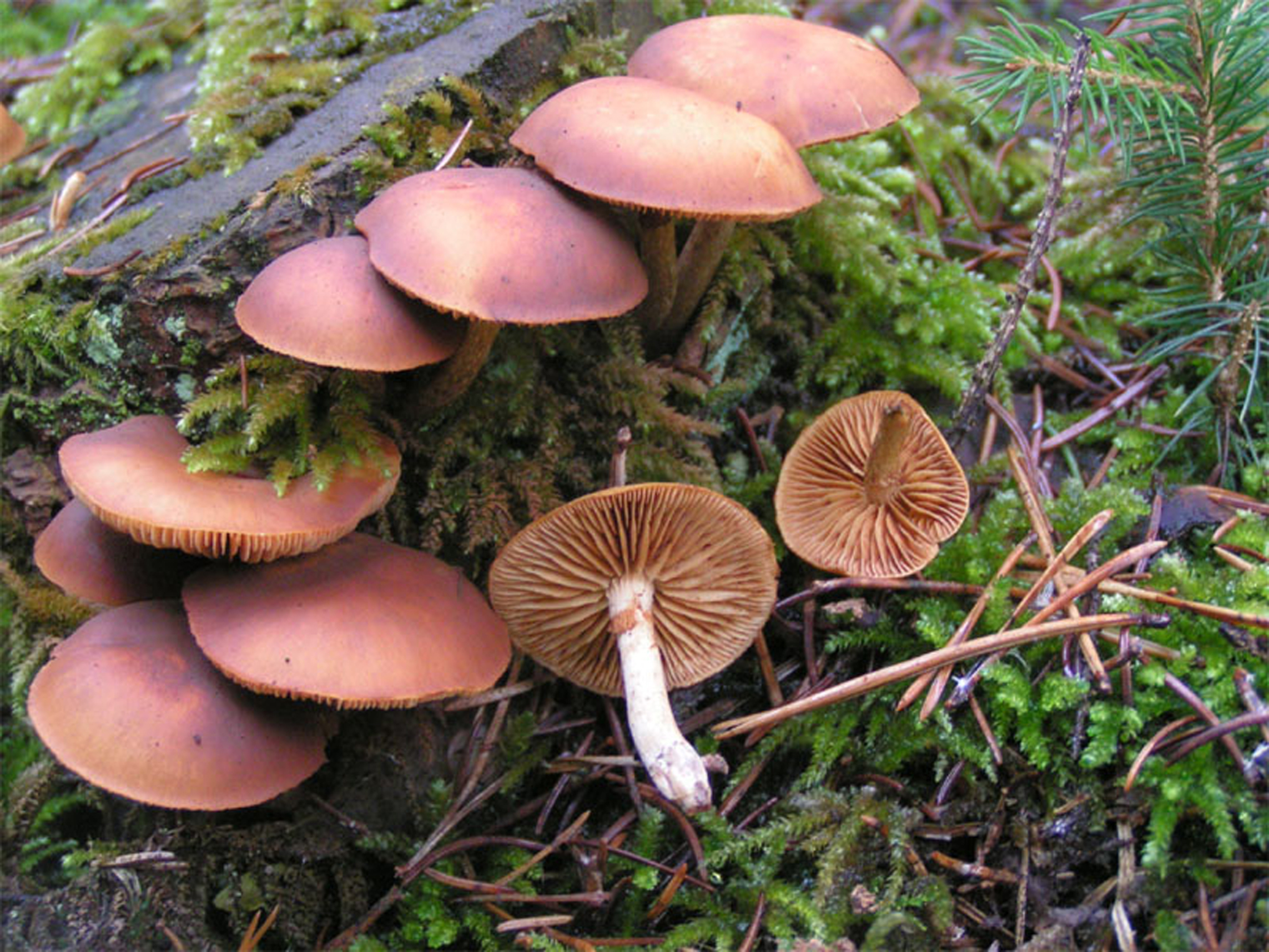
Galerina marginata. Source: Wikimedia Commons, permission granted to copy under the GNU Free Documentation License. Photographer: Eric Steinert.
Conocybe filaris
Conocybe filaris (synonym Pholiotina rugosa) is a widely distributed lawn mushroom that also grows on compost piles and woodchips and can be found growing alongside hallucinogenic mushroom species, like Psilocybe mushrooms (Figure 4). Because C filaris prefers the same habitat as Psilocybe mushrooms and has a similar rusty-brown color, conical cap, and spore print, it can be mistaken for hallucinogenic mushrooms.25,26 As the mushroom grows, the conical cap will flatten out with a central umbo or protuberance, which is an important aid in differentiating it from Psilocybe mushrooms. The gills are attached to long stems that have a prominent ring.
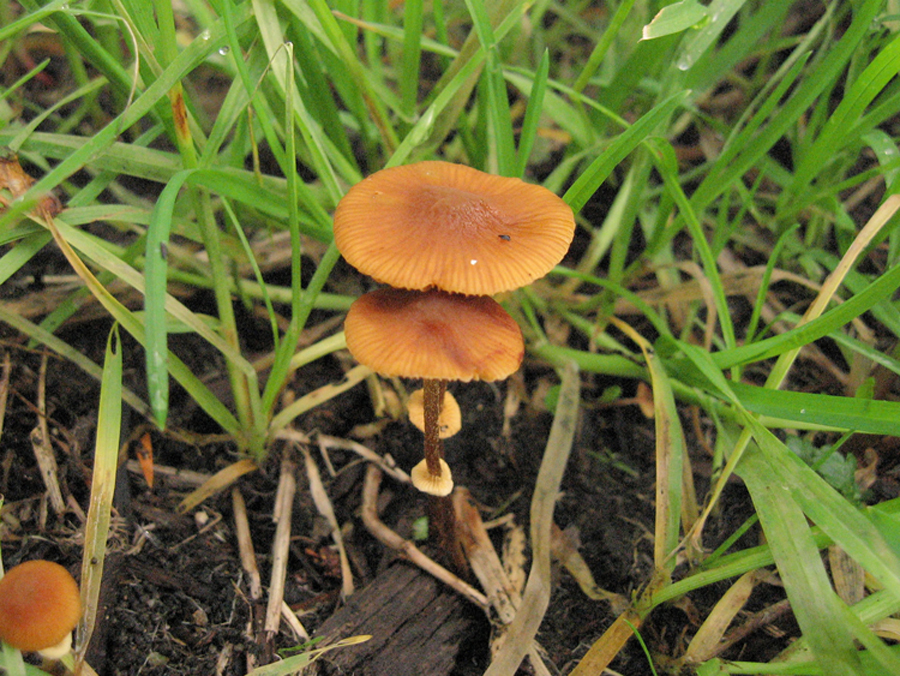
Conocybe filaris. Source: Wikimedia Commons, permission granted to copy under the GNU Free Documentation License. Photographer: Auweia.
In 1975, Brady et al were among the first investigators to identify C filaris as poisonous and capable of causing an A phalloides–type of poisoning after ingestion. 25 C filaris contains amatoxins including α-amanitin and on ingestion causes a toxidrome characterized by delayed (6–24 h) onset of gastrointestinal toxicity, followed by a pseudo-remission or quiescent period, and subsequent transaminitis from acute liver insufficiency. 26 The acute liver insufficiency will progress to acute liver and hepatorenal failure in cases in which supportive therapy fails and will require liver transplantation.26,27
Amatoxin-Containing Mushroom Poisoning Toxidromes
Amatoxin poisoning is difficult to diagnose due to its delayed onset of symptoms and false recovery or pseudo-remission period after gastrointestinal toxicity. The most important presenting toxidromic symptoms delayed by 6 or more hours that meet the case definition of probable amatoxin-containing mushroom poisoning include nausea and vomiting, followed by diarrhea, syncope, abdominal pain, and hallucinations. Although amatoxin mushroom poisonings, including A phalloides poisonings, are rare, they are all associated with late-appearing (>6 h) symptoms, longer hospital lengths of stay, and greater likelihood of acute liver insufficiency and failure. As noted, Yin and Yang described a pseudo-remission period separating the delayed gastrointestinal toxicity period from liver failure in several patients who had ingested amatoxic G autumnalis mushrooms. 23 Similar pseudo-remission or clinical recovery periods have been described before liver failure in other amatoxin-containing mushroom poisonings by Amanita and Lepiota mushrooms and C filaris. 6 ,24,26,27
All patients with symptoms of late-appearing gastrointestinal toxicity with or without pseudo-remission periods preceding acute liver insufficiency should be referred to centers equipped and staffed for liver transplantation in the event that liver failure ensues. Patients with amatoxin-induced acute liver insufficiency that does not progress to liver failure will have a more favorable survival profile than patients with amatoxin-induced acute liver failure, about half of whom will require a liver transplant. 24
Treatment Strategies for Amatoxin-Containing Mushroom Poisonings and Outcomes
There are no antidotes or specific treatments for amatoxin-containing mushroom poisonings. Without liver transplantation, a case fatality rate of 10 to 30% occurs after amatoxin-containing mushroom poisoning with acute liver failure. 27
In addition to intravenous rehydration, general management strategies for amatoxin poisoning include both gastrointestinal absorptive techniques (eg, multidose activated charcoal to disrupt enterohepatic circulation of amatoxins) and extracorporeal removal techniques (eg, charcoal hemoperfusion, molecular absorbent recirculating systems, and fractionated plasma absorption and separation systems).28,29 The latest techniques for the extracorporeal removal of amatoxins, such as molecular absorbent recirculating systems and fractionated plasma absorption and separation systems, have been used used successfully in a few case series but have not been corroborated in randomized controlled trials.28,29
The drug treatment strategies for amatoxin poisoning are all nonspecific and anecdotal. None have been corroborated as effective in reversing amatoxin hepatotoxicity in large randomized, controlled trials. The most commonly administered drug treatments alone and in combination at present include intravenous benzylpenicillin, n-acetylcysteine, cimetidine, and silymarin. 6
Benzylpenicillin is presumed to block the hepatic uptake of α-amanitin by inhibiting its transporter protein, but this has not been confirmed in experimental animals or humans. 6 N-acetylcysteine is a glutathione precursor, an antioxidant, and a free radical scavenger. It has been proven to be hepatoprotective in acetaminophen poisoning but not in mushroom poisoning. 6 Cimetidine is a known inhibitor of the hepatic microsomal cytochrome P450 system. 30 Cimetidine’s enzyme-inhibiting effects have been presumed to limit the metabolism of amatoxins to toxic metabolites, but this mechanism has also not been confirmed in hepatotoxic mushroom poisoning. 30 Of all of the proposed drug treatment strategies for amatoxic mushroom poisoning, silymarin has been studied to the greatest extent but mostly in meta-analyses and not in randomized controlled trials. 30
Silymarin is an antioxidant and free radical scavenger that maintains hepatic glutathione levels and is presumed to offer hepatoprotective effects similar to n-acetylcysteine. 31 Saller et al conducted a meta-analysis that pooled outcome data from 452 patients with A phalloides poisoning treated with silibinin, the main isomer of silymarin. 31 Their results demonstrated significant differences in mortality in patients treated with silibinin and patients receiving supportive care without silibinin (mortality 9.8% with silibinin vs 18.3% with standard treatment; P<0.01). 31 The authors concluded that silymarin has a favorable safety profile and could play a role in the treatment of A phalloides poisoning. 31
Recently, polymixin B, an antibiotic chemically similar to α-amanitin, has effectively prevented hepatic and renal damage and increased survival in α-amanitin–poisoned experimental animals. 32 In a survival study, Garcia et al exposed experimental animals to α-amanitin, and all animals died within 5 days with histologic evidence of liver necrosis. 32 However, when experimental animals were treated with polymixin B at 4, 8, and 12 h post-α-aminitin exposure, 50% of the animals survived for up to 30 days. In addition, a single dose of polymixin B administered concomitantly with α-amanitin in experimental animals resulted in 100% survival. The authors concluded that their results demonstrated that polymixin B can bind to RNA polymerase II at the same binding site as α-amanitin and competitively inhibits the toxin from binding to RNA polymerase II. Further large-scale, randomized, controlled investigations will be required to confirm polymixin B’s antidotal effectiveness in A phalloides poisoning in experimental animals and humans.
Potential Field Treatment Strategies for Amatoxin-Containing Mushroom Poisonings
Both cimetidine and silymarin are available over the counter as oral preparations for heartburn and liver health, respectively. Both may offer potential as oral field treatments for amatoxin poisonings. Activated charcoal (AC) is also available over the counter as an oral liquid slurry or mixing powder and can interrupt the enterohepatic circulation of amatoxins, especially if readministered sequentially. In the event that silymarin and AC are not available in outdoor settings, homemade processes have been described for their compounding as oral preparations provided the raw materials and significant heat sources are available.
Silymarin extract preparations require milk thistle (Silybun marianum) seeds. Milk thistles are edible annuals that grow in poor soils and ditches worldwide. Milk thistles are sturdy plants that can reach 1 m in height with branched reddish stems and spiny leaves with white veins. In the spring, pinkish-purple globular flowers can produce up to 200 seeds per flower, with a mature plant producing over 6000 seeds per year. Every part of the plant is edible raw or cooked. The sharp leaf spines should be removed before cooking the leaves, which taste like spinach. Because milk thistles prefer arid, poor soils and dry climates, the stems retain water and taste like bitter celery when eaten raw. When cooked, the stems resemble rhubarb and can be added to salads. The seeds can be combed out of the flower buds or can be consumed cooked with the flower bud. Milk thistle seeds contain a variety of potentially hepatoprotective flavonoid compounds, including taxifolin, silychristin, silydanin, and silybinin A and B. 33
Commercial herbal supplements of silymarin are prepared by extracting taxifolin and silybinins from defatted milk thistle seeds using organic solvents including ethanol, methanol, acetonitrile, and acetone that are later water-rinsed. 33 In field conditions, milk thistle flowers or seeds combed from dry flowers can be boiled in hot water at 100°C for 200 min or at 140°C for 55 min to extract taxifolin and silybinins into the water solvent. 34 The final homemade silymarin preparation can be administered orally to the amatoxin-poisoned patient in an empiric fashion, but it may contain harmless flower matrices unless strained.
The preparation of homemade AC is more complex. AC preparations require crushed, untreated, wood-prepared charcoal or coal and not charcoal from petrochemical-treated briquettes. Homemade AC preparations also require the capability to achieve high temperatures in campfires and to puree the final product for ingestion. Steam activation of either coconut shells or coal requires very high temperatures (600–1200°C) that cannot be achieved in conventional ovens or campfires and is unsuited for home or campsite-based AC preparation. Chemical activation processes require initial chemical treatment of crushed, untreated, wood-derived charcoal with a range of chemical acids, caustics, or safer salts (such as calcium or zinc chloride), followed by heating to 450 to 900°C and extensive water-washing to remove remaining chemicals. Unlike silymarin extracts, AC preparations for oral management of potential amatoxin poisoning in the field are best purchased from local pharmacies rather than homemade.
Conclusions
Descriptive epidemiological analyses have now confirmed that most fatal mushroom poisonings worldwide are caused by amatoxin-containing mushrooms. Although Amanita species cause most fatal mushroom poisonings, Lepiota species now cause more fatal cases after ingestion in the United States. Mushrooms currently can be tentatively identified as potentially amatoxin-containing in the field using digital telephone images transmitted to expert mycologists rather than Meixner tests.
With the exception of liver transplantation, the current treatment strategies for amatoxin poisoning are all nonspecific and have not been subjected to rigorous efficacy testing in randomized controlled trials. Only silymarin and polymixin B have demonstrated some antidotal effectiveness in patients with A phalloides poisoning and in experimental animals, respectively. These results will need to be replicated in larger studies in experimental animals and humans. All patients with symptoms of late-appearing gastrointestinal toxicity with or without false recovery periods preceding acute liver insufficiency should be referred by clinicians to centers providing liver transplantation in the event that supportive care measures fail and liver failure ensues. Treating clinicians are encouraged to contact their regional poison control centers or networks for an immediate consultation and further advice on the management and transport of patients with mushroom poisoning.
Author Contributions: Sole author contributed 100% to the manuscript.
Financial/Material Support: Support was provided by institutional and departmental sources only.
Disclosures: None.