






Abstract
Most emerging infectious diseases today are arthropod-borne and cannot be prevented by vaccinations. Because insect repellents offer important topical barriers of personal protection from arthropod-borne infectious diseases, the main objectives of this article were to describe the growing threats to public health from emerging arthropod-borne infectious diseases, to define the differences between insect repellents and insecticides, and to compare the efficacies and toxicities of chemical and plant-derived insect repellents. Internet search engines were queried with key words to identify scientific articles on the efficacy, safety, and toxicity of chemical and plant-derived topical insect repellants and insecticides to meet these objectives. Data sources reviewed included case reports; case series; observational, longitudinal, and surveillance studies; and entomological and toxicological studies. Descriptive analysis of the data sources identified the most effective application of insect repellents as a combination of topical chemical repellents, either N-diethyl-3-methylbenzamide (formerly N, N-diethyl-m-toluamide, or DEET) or picaridin, and permethrin-impregnated or other pyrethroid-impregnated clothing over topically treated skin. The insecticide-treated clothing would provide contact-level insecticidal effects and provide better, longer lasting protection against malaria-transmitting mosquitoes and ticks than topical DEET or picaridin alone. In special cases, where environmental exposures to disease-transmitting ticks, biting midges, sandflies, or blackflies are anticipated, topical insect repellents containing IR3535, picaridin, or oil of lemon eucalyptus (p-menthane-3, 8-diol or PMD) would offer better topical protection than topical DEET alone.
Introduction
Most emerging infectious diseases today are arthropod-borne by ticks or mosquitoes and, with few exceptions, cannot be prevented by vaccinations. Lyme disease, transmitted by ixodid tick bites, is now the most common arthropod-borne infectious disease in the United States and Europe.
1
Recently, 3 new tick-borne diseases have been described in the United States: heartland virus disease,
Methods
To meet the objectives of this article, Internet search engines including PubMed, Medline, Ovid, Google, Google Scholar, and Cochrane were queried with key words as medical subject headings to identify peer-reviewed scientific articles and governmental publications on the efficacy, safety, and toxicity of synthetic chemical and plant-derived topical insect repellants and insecticides. The key words included repellants, insect; insecticides; and infectious diseases, arthropod-borne, mosquito-borne, and tick-borne.
The articles selected to meet the first objective of describing the burden of arthropod-borne diseases included case reports and case series of newly described infectious diseases and observational, longitudinal, and surveillance studies. The articles selected to meet the second and third objectives of differentiating insecticides from repellents and comparing their efficacies and toxicities included entomological and toxicological studies and field and laboratory evaluations of different repellent and insecticidal formulations. The articles selected to meet the last 2 objectives to recommend the best combinations of chemical and nonchemical methods of personal protection from insect bites included both randomized controlled trials and U.S. governmental publications by the Centers for Disease Control and Prevention (CDC), Environmental Protection Agency (EPA), and the Food and Drug Administration (FDA). Because this investigation was review of prior published scientific articles, Institutional Review Board approval was waived.
Results
Definitions
An insect repellant is defined as a chemical or organic agent that makes the atmosphere within 4 centimeters of human skin so noxious to insects as to discourage contact and biting. 9 On the other hand, an insecticide is a chemical or organic agent, often plant-derived, that kills insects, typically with a neurotoxin. 9 Some insect repellents are also insecticides, such as plant-derived permethrin and all other synthetic pyrethroids. 9
In the United States, the FDA tests and approves topical insect repellants, such as N, N-diethyl-3-methylbenzamide (formerly N, N-diethyl-m-toluamide or DEET) for use and safety in pregnant women; and the EPA approves insecticides for use under the Federal Insecticide, Fungicide, and Rodenticide Act. Many insecticides, such as the carbamates and organophosphates, are EPA-approved for outdoor use but not for indoor use. The only insecticides approved for indoor use are the pyrethroids, which are laboratory-made extracts derived from crushed, dried
Why Use Insect Repellents?
The 3 major reasons to use insect repellents are: 1) new threats to human health posed by emerging and imported arthropod-borne infectious diseases; 2) the dominance of new, competent insect vectors of infectious diseases; and 3) the inability to primarily prevent the transmission of most arthropod-borne infection diseases by vaccinations with the exceptions of yellow fever vaccine in South America and Africa, Japanese encephalitis vaccine in Southeast Asia, and several regional tick-borne virus vaccines in Eastern Europe.
The Threats from Emerging and Imported Arthropod-Borne Infectious Diseases
Arthropod-borne infectious diseases are primarily transmitted to humans from extensive zoonotic reservoirs in birds and mammals via the bites of infected mosquitoes, midges, flies, fleas, and ticks. The most common arthropod-borne disease in the United States and Europe today is tick-transmitted Lyme disease caused by the spirochete,
Unlike mosquitoes, ticks are versatile insect vectors that can transmit a variety of pathogens, including bacteria, viruses, and parasites. In addition, ticks may be asymptomatically coinfected with different pathogens concurrently and pass these pathogens on to their progeny (transovarian transmission) for maintenance throughout all stages of their development (transstadial transmission). The
Emerging competent arthropod vectors: mosquitoes and ticks
Mosquitoes are responsible for the transmission of most arthropod-borne infectious diseases worldwide, with malaria responsible for most deaths. Although imported malaria and very few “airport” malaria cases still occur in the United States, marsh drainage projects and mosquito vector control programs have virtually eliminated local malaria transmission in developed nations.
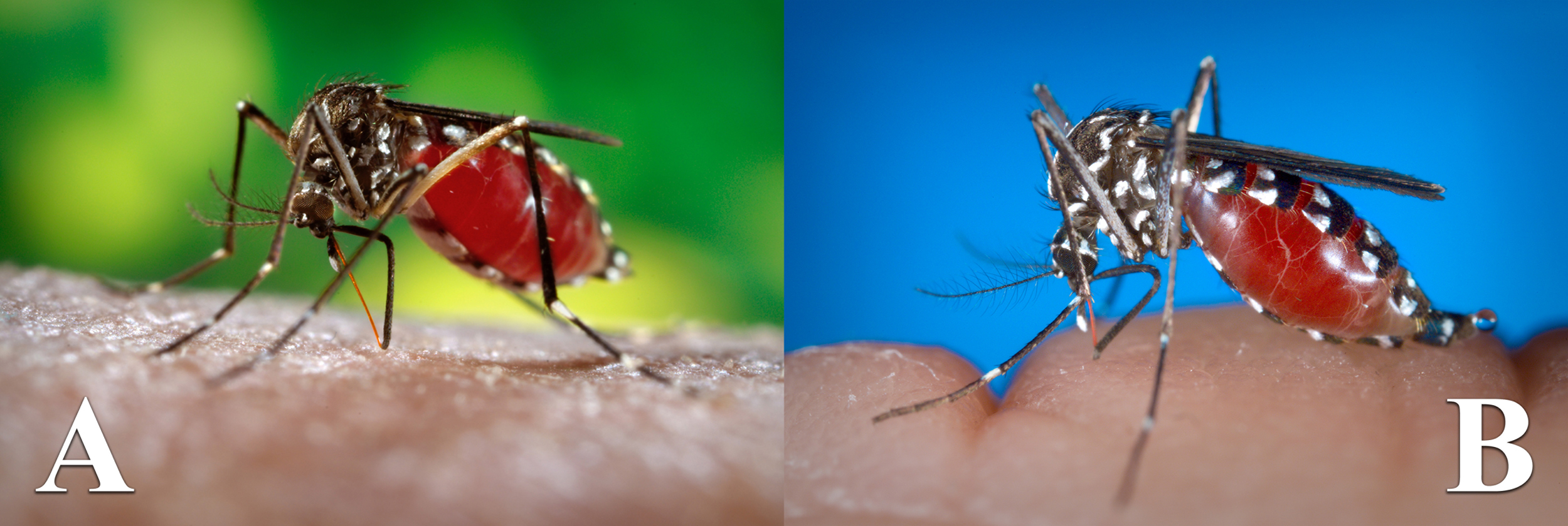
In addition to the encephalitis viruses, autochthonous transmission of other arboviruses, such as dengue and chikingunya viruses, has been reported in Europe and the United States. Most temperate and tropical regions harbor 2 competent mosquito vectors for dengue and chikingunya: the daytime-biting
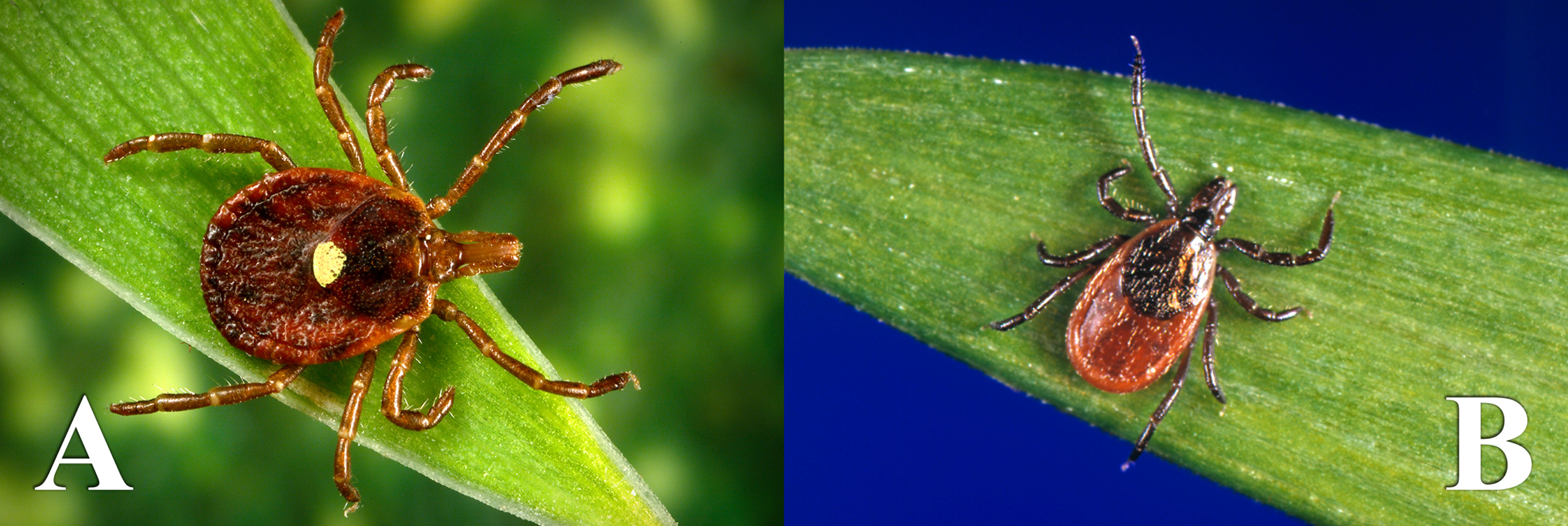
Today, ticks have emerged as the dominant vectors of infectious disease transmission within the United States and Europe. There are over 14 tick-borne infectious diseases in the United States today, and 3 new tick-transmitted pathogens were recently identified as 1) the heartland virus, transmitted by the lone star tick,
In summary, the proper selection and application of insect repellants are essential for personal protection from arthropod-borne infectious diseases because of the following combination of factors: 1) newly recognized or recently arrived arthropod vectors of infectious diseases, such as ixodid ticks and
Properties of Ideal Insect Repellents
Insect repellants must be effective, safe, and pleasant to apply in children and adults and during pregnancy without damaging skin or clothing. Table 1 presents the most desired characteristics of an ideal insect repellent. 13
Properties of an ideal insect repellent13
The Efficacy, Safety, and Toxicity of Chemical and Plant-Based Insect Repellents
Insect repellants may be divided into 2 basic chemical classes: 1) the synthetic chemicals, such as DEET, picaridin, and IR3535 (Skin So Soft; Avon Products, Inc., New York, NY); and 2) the plant-derived oils and synthetics, such as oil of lemon eucalyptus, oil of citronella, and permethrin. Table 2 describes the range of insect repellents and insecticides available worldwide as stratified by their active ingredients, formulations, strengths (%), efficacies against arthropods, precautions, and adverse effects.
Available insect repellents: formulations, efficacy, safety, and toxicity
EPA, Environmental Protection Agency.
Protective efficacy scale: 0, no protection provided; +, minimal level of protection; ++: moderate level of protection; +++, maximal level of protection.
The chemical insect repellents
The first chemical insect repellents included the dialkyl phthalates (dibutyl and dimethyl phthalate), discovered in 1929; indalone, introduced in 1937; and Rutgers 612, introduced in 1939. 14 In 1942, the US Department of Agriculture and the US Army began clinical trials with many chemical compounds to replace the dialkyl phthalates and 612 with less toxic and less oily topical insect repellents effective against a broader variety of insects with a longer duration of action.13,14 By 1946, N, N-diethyl-3-methylbenzamide (or DEET, previously N, N-diethyl-m-toluamide) was in use by U.S. Armed Forces and later marketed to the public in 1956.13,14
DEET is available worldwide today in a variety of formulations including aerosols, creams, lotions, sprays, gels, sticks, and wipes (towelettes) at concentrations ranging from 5% to 100%. Most products contain concentrations of 30% to 40% DEET or less, and human studies have now confirmed a plateau insect repellent effect as the concentration of DEET applied topically exceeds 50%.
15
In addition, volunteers who have applied concentrations of 50% to 75% DEET have developed erythema with vesiculobullous skin necrosis and residual scarring.
16
DEET concentrations in the range of 10% to 35% will provide adequate insect bite protection, with concentrations below 30% recommended for children 2 years of age and older.
17
Field testing of topical DEET has demonstrated a longer duration of protection against the Culicine species of mosquitoes that can transmit arboviruses and filarial parasites than against the Anopheline species of mosquitoes that can transmit malaria.
18
In human volunteer trials comparing the duration of tick bite protection provided by insect repellents in simulated forest floor environments populated with ticks (100 host-seeking
DEET will not damage cotton, wool, or nylon clothing but can damage rayon, spandex, and leather and dissolve plastic and vinyl upholstery. 14 Although DEET does cross the placenta, developmental toxicity has not been described in animals or humans in over 50 years of testing and use by over 30% of the United States population. 20 With proper application, the safety record of DEET has proven to be excellent over decades with most cases of toxicity confined to children after overapplications and ingestions. 21 –39
In 2004, Ross and coinvestigators demonstrated increased absorption of DEET applied under sunscreen in a mouse model, which resulted in an FDA recommendation to always apply sunscreen before DEET application. 40 In addition, the FDA has recommended against using products that combine insect repellents with sunscreens because sunscreens have to be reapplied more often than insect repellants. 41
Between 1956 and 2008, there were 43 confirmed case reports of DEET toxicity: 25 with central nervous system (CNS) involvement, 1 with cardiovascular effects, and 17 with allergic or cutaneous manifestations. 21 –39 The CNS manifestations included lethargy, headache, confusion, disorientation, ataxia, tremors, seizures, and acute encephalopathy with psychosis. 21 –39 Cutaneous manifestations were mostly urticarial reactions and hemorrhagic vesicobullous erosions after topical applications of 50% and stronger preparations. 16 A 61-year-old woman demonstrated orthostatic hypotension and bradycardia after topical application and stabilized within hours of supportive treatment. 39 Of the 6 reported deaths attributed to DEET poisoning, 3 followed intentional ingestions, 1 occurred in a child with ornithine transcarbamylase deficiency, and 2 cases occurred in children with convulsive CNS reactions after repeated overapplications. 23 –27,37,38
The newest insect repellent, picaridin, or icaridin in Europe (KBR 3023, 2-[2-hydroxyethyl]-1-piperidinecarboxylic acid-1-methylpropyl ester), was developed in Europe in the 1990s, released in the United States about 10 years ago, and offered several immediate advantages over DEET including the lack of a chemical odor, a nonsticky or greasy feel, and lack of any damage to clothing or plastics.
13
Like DEET, the exact mechanism of action of picaridin is unknown, but its vapor barrier is so noxious to insects’ taste and olfactory senses that it discourages insect contact and biting.
13
Picaridin is effective against mosquitoes, flies, chiggers (larval Trombiculid mites), and ticks and is available as lotions, sprays, and wipes in strengths of 7% to 20%.
13
Like DEET, picaridin appears to offer greater protection against Culicine than Anopheline mosquitoes and may offer a longer duration of action and greater protection than DEET against ticks in 20% preparations.
18
In human field trials, Carroll and coinvestigators demonstrated that 10% and 20% concentrations of picaridin provided very high levels of protection for up to 12 hours against lone star ticks (
IR3535 or ethyl butylacetylaminoproprionate (3-N-butyl-N-acetyl aminoproprionic acid) was initially marketed in the United States as a skin emollient and moisturizer (Avon Skin So Soft) and was quickly adopted for use by hunters because of its greater efficacy against bothersome biting midges, or “no-see-ums,” than DEET. In addition, IR3535 demonstrated greater efficacy against onchocerciasis-transmitting blackflies and leishmaniasis-transmitting sandflies in endemic areas than DEET and was shown to provide a longer duration of protection (mean 10.4 hours) against leishmaniasis-transmitting phlebotamine sand-fly bites than DEET (mean 8.8 hours). 42 Like DEET and picaridin, IR3535 is more effective at repelling Culicine mosquitoes than Anopheline mosquitoes. 43 Although IR3535 has been used in Europe for over 20 years and animal studies have not demonstrated developmental toxicity, there are no specific recommendations for its use or avoidance in children or during pregnancy (FDA Pregnancy Category B). 17
The plant-derived insect repellents
The first effective insect repellents included smoke from burning tar and cooking fires, and a variety of plants and flowers hung in homes or on porches or rubbed on the skin, including chrysanthemum, geranium, and lantana. 14 Many plant oils, such as citronella, clove, geranium, mint, nutmeg, pennyroyal, and soybean would also repel insects for short periods, but their high volatility limited their duration of effectiveness when burned in candles or applied topically. 14
Oil of lemon eucalyptus or p-menthane-3, 8-diol (PMD) is an extract of the leaves of lemon eucalyptus,
Citronella (3, 7-dimethyloct-6-en-1-al) is a natural plant oil obtained from several species of
Permethrin, first marketed in 1973, is a laboratory-manufactured pyrethroid insect repellant and contact insecticide that is derived from the crushed dried flowers of
Permethrin can kill ticks on contact and provides better tick protection than DEET and picaridin. 48 Permethrin-impregnated bed nets have provided improved protection of long duration against all Anopheline malaria vectors. 18 Human neurotoxicity with ataxia, hyperactivity, hyperthermia, seizures, and paralysis has been reported after massive ingestions of liquid preparations or inhalations of permethrin-containing sprays.13,14 Animal studies conducted by the FDA have demonstrated no developmental toxicity from permethrin exposures (FDA Pregnancy Category B). 49 As would be expected, individuals who are allergic to chrysanthemums must avoid permethrin use.
Although some plant-derived insect repellants are highly effective, such as PMD and permethrin, others only discourage nuisance biting, such as citronella; and others are completely ineffective. Garlic consumption has continued to be recommended as natural insect repellent, but a double-blinded, placebo-controlled trial of garlic consumption to prevent mosquito bites has confirmed garlic’s ineffectiveness as a mosquito repellent. 50
Comparing chemical and plant-based insect repellents
Laboratory investigations have demonstrated greater efficacy of IR3535 compared with DEET in repelling biting midges and flies and comparative efficacies of PMD and DEET in repelling mosquitoes. 42 –45 Laboratory investigations have also demonstrated greater efficacies of both PMD and picaridin in repelling a broader range of ticks than DEET.44,45 Field trials comparing the efficacies of DEET and picaridin versus permethrin have continued to demonstrate that permethrin, not DEET, can kill ticks on contact and provides better overall protection against tick bites than both DEET and picaridin. 48
Although randomized controlled trials do not support recommendations to combine insecticides and repellents, the most effective uses of insect repellents are to layer a topically applied repellent, such as DEET or picaridin, on the skin, with permethrin- or other synthetic pyrethroid-impregnated clothing that act on contact insecticides and provide better and longer lasting protection against malaria-transmitting mosquitoes and ticks. In special cases, where exposures to ticks, biting midges, sandflies, or blackflies are anticipated, topical insect repellents containing IR3535, picaridin, or PMD may offer better protection than topical DEET alone, especially when exposed skin is covered by permethrin-impregnated clothing. 41
According to the CDC and the FDA, insect repellents should not be applied under sunscreens, and all combinations of insect repellents and sunscreens should be avoided.41,51
Insect repellent use in children and during pregnancy
The FDA has recommended that DEET should not be used in children under 2 years of age, and the American Academy of Pediatrics has recommended a maximum DEET formulation strength of 33% for all children. 17 The FDA has recommended that PMD not be used in children under 3 years of age. 17 Although the manufacturer has recommended avoiding picaridin in children under 2 years of age, most insect repellents, other than DEET, have not been well studied for toxic effects in animal models or human trials.
Toxicological investigations have demonstrated increased systemic absorption of DEET following repeated heavy skin applications with resulting inefficiencies in the hepatic urea cycle’s capacity to detoxify ammonia from dietary protein catabolism.23,24 The most common disorder of the hepatic urea cycle is ornithine transcarbamylase deficiency (OTD), an X-linked, autosomal recessive, inherited disorder with an incidence of 1 in 80,000 live births.23,24 Hyperammonemia and metabolic hepatic encephalopathy in infancy are characteristics of OTD. 24 Because DEET toxicity with hyperammonemia and encephalopathy has occurred in children after ingestions and overapplications and a fatal case of DEET toxicity was reported in a child with OTD, the use of DEET is relatively contraindicated in individuals with urea cycle disorders, especially OTD. 24
With the exception of IR3535 and permethrin, which have been classified by the FDA in Pregnancy Category B (no adverse effects demonstrated in animals), the remaining insect repellents have not been FDA classified by developmental toxicity level (Pregnancy Category N). 17
Area and barrier chemical insect repellents
In addition to topically applied insect repellents and pyrethroid-impregnated clothing, a number of area and barrier methods are used to repel insects, including permethrin-impregnated curtains, screens, and bed nets; insecticide vaporizers; mosquito coils; knockdown insecticide aerosol sprays; and a variety of plant-oil burning candles. Some of these measures are effective; others are not.
Permethrin and other synthetic pyrethroid-treated fabrics have proven highly effective as adjuncts to topical repellents and provide both contact insecticidal and repellent activity. Electric insecticide vaporizers can be set to release pyrethroid insecticides and will inhibit nuisance biting by mosquitoes, but there is no evidence that they will prevent the transmission of arthropod-borne infectious diseases. 43 Knockdown insecticide aerosol sprays are designed to kill flying insects indoors, but there is also no evidence to support their use over arthropod avoidance, topical insect repellents, and permethrin-impregnated blinds and curtains. 43
Mosquito coils are made from compacted pastes or powders containing pyrethroids and other volatile chemicals, including formaldehyde.52,53 When lit, the coils will smolder and smoke for hours, discouraging nuisance biting by mosquitoes but contaminating the atmosphere with particulates and volatile chemicals.53,54 Repeated exposures to mosquito coil smoke may pose significant risk factors for lung disease, including lung cancer.51,52 Burning a variety of plant oil–based candles may reduce nuisance biting by mosquitoes and flies for a couple of hours, but like aerosol sprays and insecticide vaporizers, there is no evidence to support their use over arthropod avoidance, topical insect repellents, and permethrin-impregnated blinds and curtains. 43
Nonchemical measures for the management, control, and prevention of arthropod-borne infectious diseases
To minimize insect bites outdoors, the CDC has recommended that individuals wear long-sleeved shirts, long pants, hats, and boots or covered shoes, not sandals.
47
In human landing studies with the malaria vector,
Personal protective measures to prevent tick-borne infectious diseases include wearing long pants tucked into socks, long-sleeved shirts, and light-colored clothing to aide in keeping ticks off of the skin and making them easier to spot on clothing. 47 Other recommended measures include applying pyrethroid-containing insect repellants to clothing and picaridin, IR3535, or PMD to exposed skin and performing regular whole-body tick checks. 47
Most patients do not recall painless tick bites, especially bites by diminutive nymphs, and attachment sites may be unseen or hidden by hair. Should tick avoidance measures fail and attached ticks are discovered, ticks should be removed for expert identification, if available, as soon as possible, preferably within 24 hours. 47 Ticks should be removed with forceps or fine-tipped tweezers gripped close to the point of skin attachment with gentle, steady traction applied to avoid decapitating ticks and leaving imbedded mouthparts with pathogen-filled salivary glands. 47 Ticks should always be removed with forceps (or tweezers) and not fingers, as crushing ticks can cause them to regurgitate pathogens. 55 Ticks should be removed in contiguity with their feeding mouthparts, rather than being burnt with spent matches or painted with adhesives, solvents, nail polishes, or nail polish removers. 47
Conclusions
With few exceptions, there are no vaccines to prevent mosquito and tick-borne infectious diseases, and only arthropod avoidance, insect repellents, and insecticides can prevent disease transmission to humans. The most widely recommended use of insect repellents is to combine topically applied repellents, such as DEET or picaridin, with synthetic pyrethroid-impregnated clothing that acts as contact insecticides and provide better and longer duration protection against mosquitoes and ticks. In special cases, where exposures to ticks, biting midges, sandflies, or blackflies are anticipated, topical insect repellents containing IR3535, picaridin, or PMD offer better protection than DEET alone.
Footnotes
Acknowledgments
The author acknowledges that all support was provided by departmental and institutional sources.