Abstract

Dean Ho, Ph.D. JALA Editor-in-Chief Northwestern University Evanston, IL
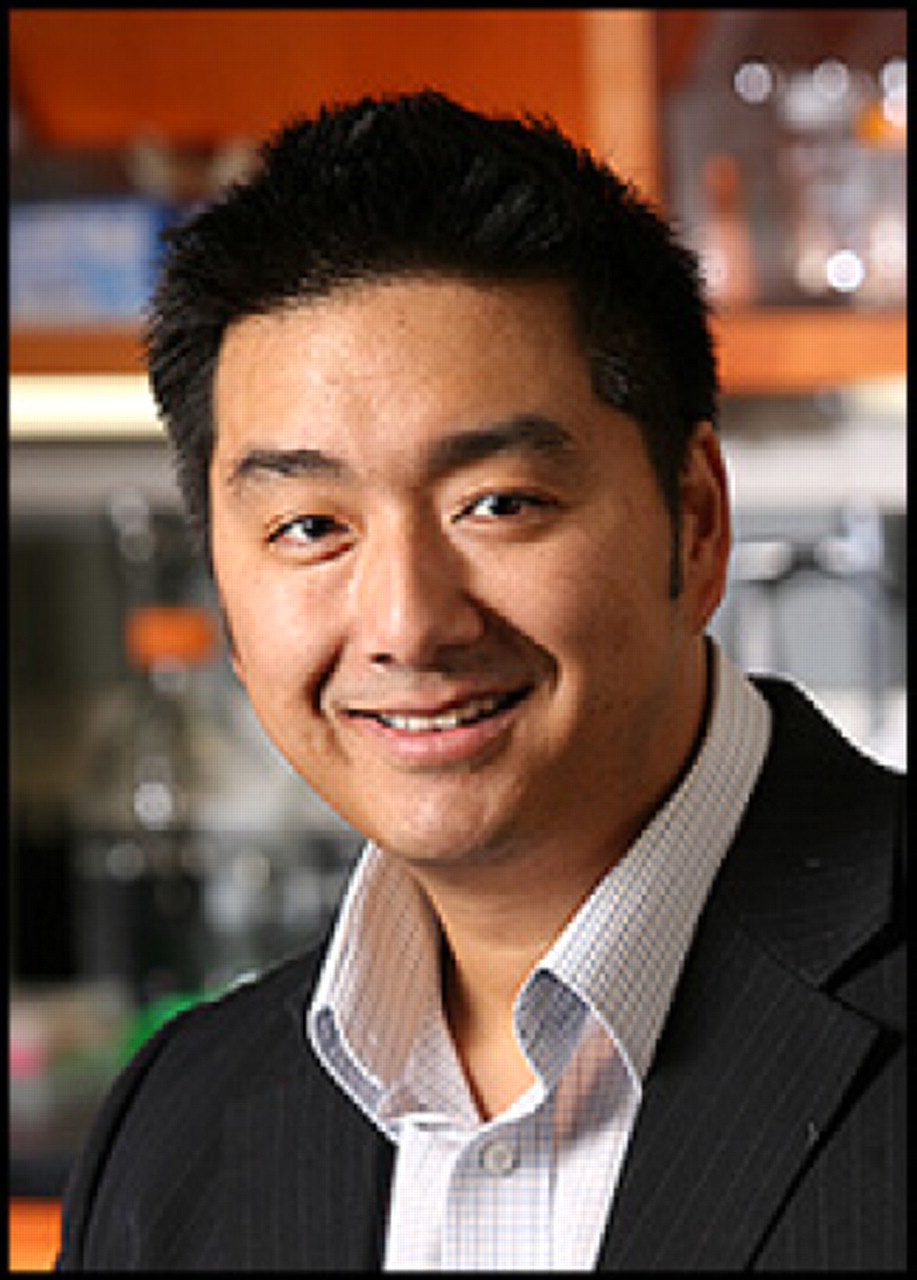
“We gratefully accept this honor with thanks and congratulations to everyone who made it possible!”
The news that JALA was accepted for indexing by Thomson's Journal Citation Reports marked another important milestone in JALA's evolution and is a testament to the quality and commitment of the many scientific professionals who fuel JALA's vision and craft its reality.
Without being asked to complete the application process, JALA was added to Thomson Reuters Science Citation Index Expanded (also known as Sci-Search), Journal Citation Reports/Science Edition, Biological Abstracts, and BIOSIS Previews. This means that as of the beginning of this year, Thomson is tracking citations of JALA articles published in 2009 and 2010, and JALA's first impact factor will be announced in June of 2012.
Is this exciting news/ Yes! Is this cause for celebration/ Definitely! Having an impact factor is important to JALA and its authors. As I am sure most of you know, a journal's impact factor indicates the average number of citations of articles published in a journal. Many regard this as a measure of relevance for individual journals within their respective fields. But there's more to this story…
This well deserved recognition by the scientific publishing community is a huge pat on the back for the hundreds of authors, manuscript reviewers, guest editors, executive editors, and editorial board members who worked so hard over the years to get JALA to this point. It was, however, the SLAS spirit of community not publishing milestones that kept their engines running.
At the foundation of JALA's recent success is the broad spectrum of fundamental and applied innovation that JALA has featured during the past years that impact many facets of the science and engineering of lab automation, diagnostics, and therapeutics. For example, advancements in sample and fluid manipulation (e.g., high conductivity fluids) were reported by Sin et al., and are particularly relevant with regard to the processing of physiological fluids that is the foundation for emerging diagnostic modalities. 1 –3 In addition, novel discoveries in system integration of sample preparation and sample detection, digital microfluidics for genetic analysis, sensor/probe design, and miniaturization of highly sensitive and specific mass spectrometry systems were reported. 4 –11 To further demonstrate JALA's role as a forum for featuring breakthroughs in all facets of biology and medicine, recent work by Wheeldon et al. 12 at the interface of stem cell bioengineering and regenerative medicine showcases the development of novel hydrogel systems.
First, foremost, and forever, JALA exists to serve lab automation professionals, not database publishers. JALA's stated purpose is to create “an international, multidisciplinary forum devoted to the advancement of technology in the laboratory,” and to this end, it appears that JALA is directly on target. Reader surveys consistently tell us that JALA readers value what they read in the journal, and as long as JALA readers continue to find it pertinent and practical, SLAS will continue to consider JALA a success. Of course, this vote of confidence from Thomson Reuter's doesn't hurt. We gratefully accept this honor with thanks and congratulations to everyone who made it possible!
Sincerely,