






Abstract
The KRYPTOR compact (CEZANNE SAS) is an innovative automated immunoassay system using a homogeneous technology avoiding separation and washing steps. The main innovation of the KRYPTOR compact is the modular design of the instrument including two separable parts: a pipeting module and a reading module. The transportable reagents cassette includes an original cooling system activated when it is on board. The system is selfchecking, reagents are precalibrated with only two points of verification by the user, fast and easy to maintain. A first multisites evaluation of the analytical performances and practicability proved the ability of this system to answer well to laboratories that demand special parameters with a medium or smaller throughput such as urgent requests or highly specialized activities.
Introduction
Immunoassays are involved with all the disciplines and practices of the clinical laboratory. They are now integrated in many expensive, large analytical systems with a level of automation comparable to routine chemistry analytical systems. These immunoassay systems are integrated in the global activity of laboratory platforms managed in a laboratory network. 1,2 Besides full automation including sample sorting, preparation, and transportation, there is a demand from the users for compact automated immunoassay systems adapted to laboratories which demand special parameters with a medium or smaller throughput such as urgent requests or highly specialized activities. Here we present such an instrument using an original analytical concept developed in cooperation with Pr. J. M. Lehn who recently received the chemistry Nobel award for his work.
The KRYPTOR compact analyzer, developed by CEZANNE SAS and marketed by the company B·R·A·H·M·S, is an innovative automated immunoassay system using the homogeneous Time-Resolved Amplified Cryptate Emissions (TRACE) technology. 3 –5 This technology, avoiding classical separation and washing steps, is adaptable to an integrated system with stabilized reagents, optimised reagent and specimen management. The main innovation of the KRYPTOR compact is the modular design of the instrument including two separable parts: a pipeting module and a reading module, but many innovations are embedded in each module.
After a brief summary of the TRACE technology, we will present here in detail the design of the different parts of the instrument, the software, and a summary of the results of a preliminary multisites evaluation of the analytical performances and practicability.
Trace Technology
The KRYPTOR compact is a closed system and can only operate using reagent kits from B·R·A·H·M·S, based on TRACE Technology, which are continually developed by Cezanne with cooperation from B·R·A·H·M·S.
The TRACE technology (Figure 1) is based on a nonradiative transfer of energy between two fluorescent tracers, a donor (Europium Cryptate) and an acceptor (XL665). This transfer is possible because of the proximity of the donor and the acceptor in a formed immunocomplex, as well as on the recovery of the overlap between the donor emission spectrum and the acceptor absorption spectrum.
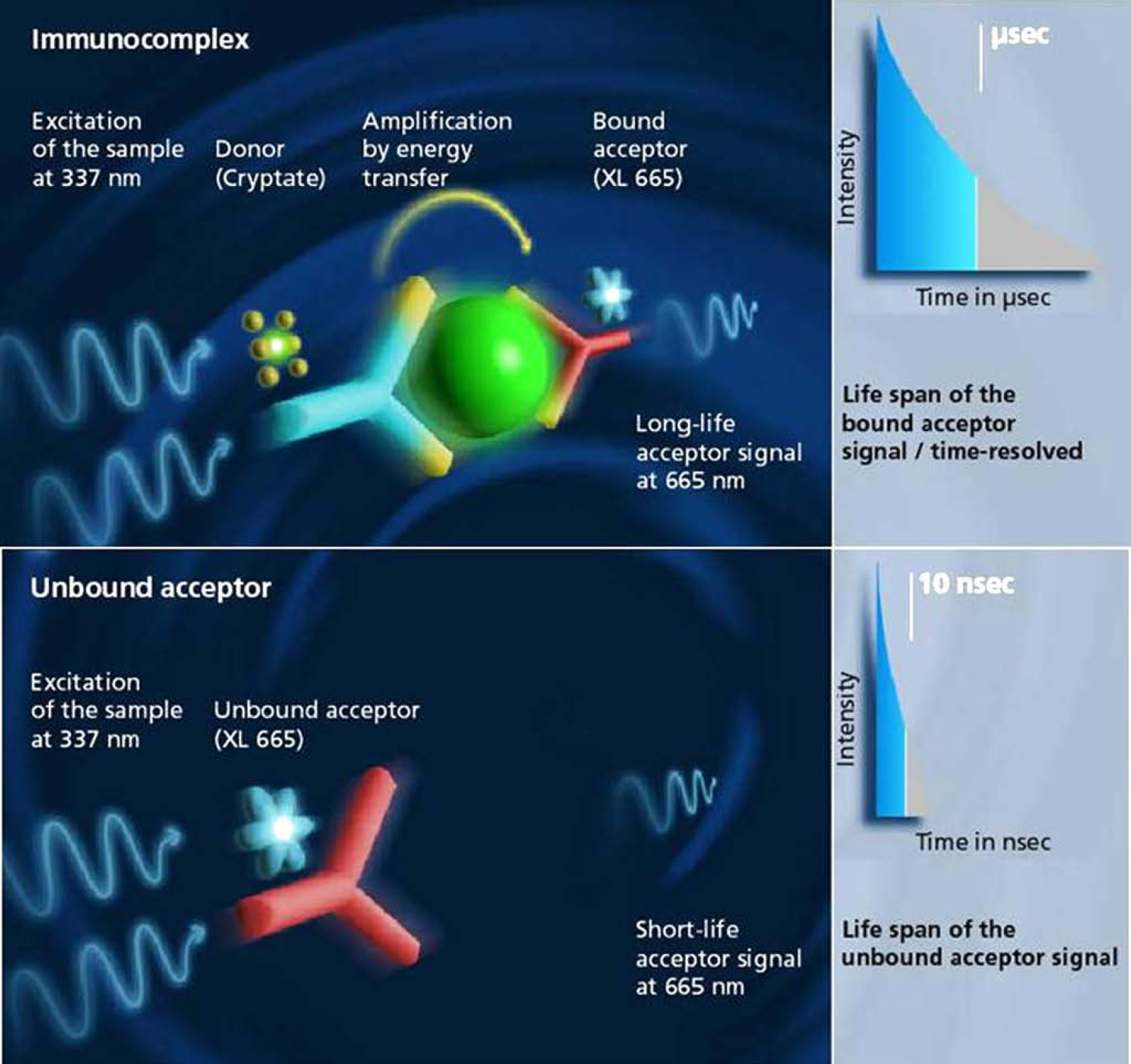
Trace Technology.
The formation of the immunocomplex on the one hand increases the fluorescent signal of the cryptate and on the other hand extends the lifespan of the acceptor signal, allowing for the measurement of temporally delayed fluorescence.
The Europium Cryptate (donor) involved in an immunocomplex is excited by a nitrogen laser at 337 nm. Then, the Europium Cryptate transfers the majority of its energy to the XL665 (acceptor) which emits a short-life signal in the range of nanoseconds at 665 nm: when both components are bound in an immunocomplex, the acceptor signal is prolonged at 665 nm in hundreds of microseconds. The long-lived fluorescence detected at 665 nm, specific to the immunocomplex, is proportional to antigen concentration for sandwich assays and is indirectly proportional to antigen concentration for competitive assays. This signal is obtained through a double selection: spectral (separation depending on wavelength) and temporal (time-resolved measurement). This enables an exclusive measurement of the signal emitted by the immunological complex. The signal generated by the cryptate at 620 nm is used as an internal reference to correct any eventual interfering influences, for example, from turbid sera.
Design of the Kryptor Compact Automated Analyzer
The B · R · A · H · M · S KRYPTOR compact has been designed upon the concept of two modules, the pipeting module and the reading module (Figure 2). This new concept has several advantages: easy handling of each portable module by a single person and assembling of the two modules by only two screws. Moreover, in case of a major failure, a module can be replaced rapidly without additional adjustments because the new module is delivered with preloaded settings.
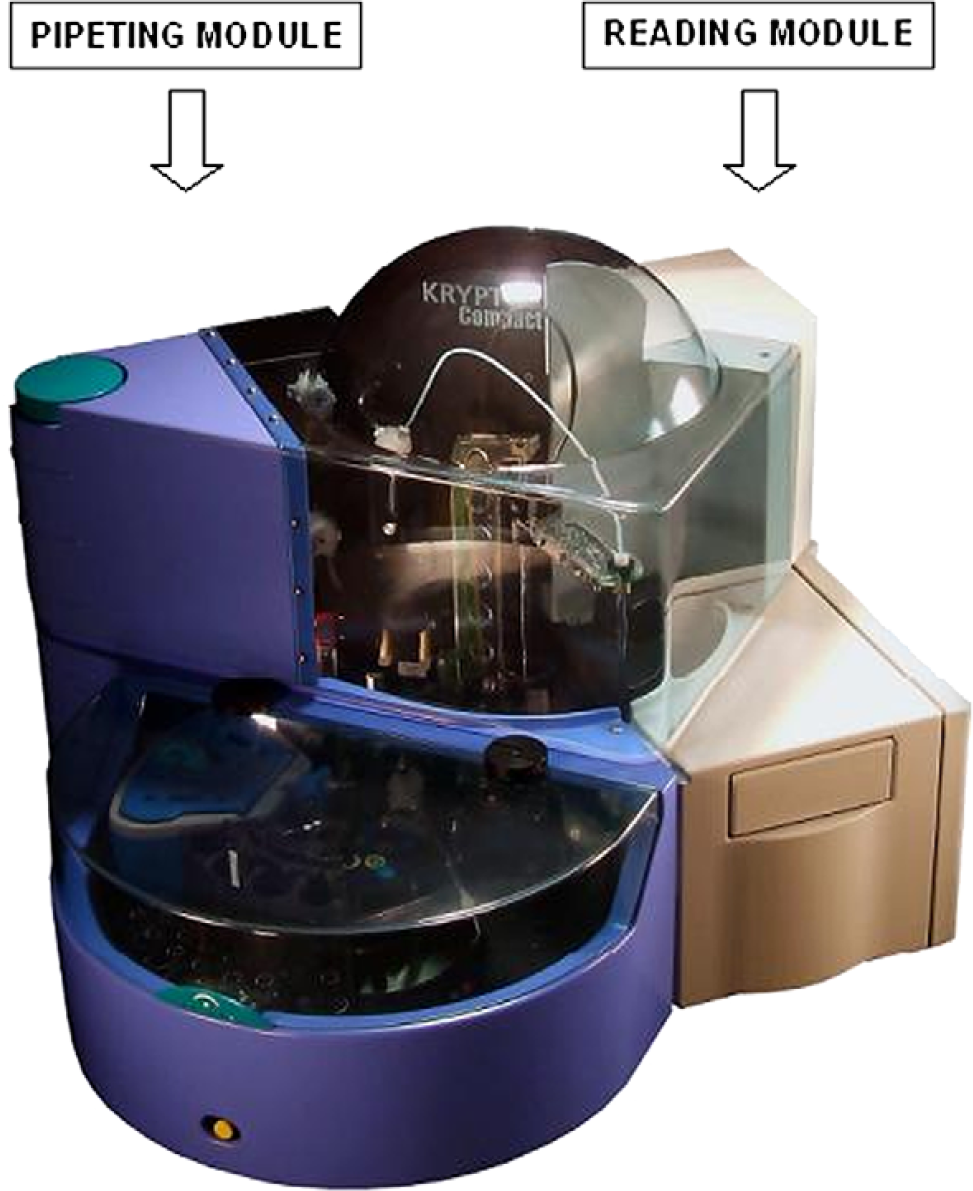
Concept of Module.
Pipeting Module
The pipeting module is composed of the pipeting unit, the fluidic system, and a sample and reagent carousel (Figure 3).
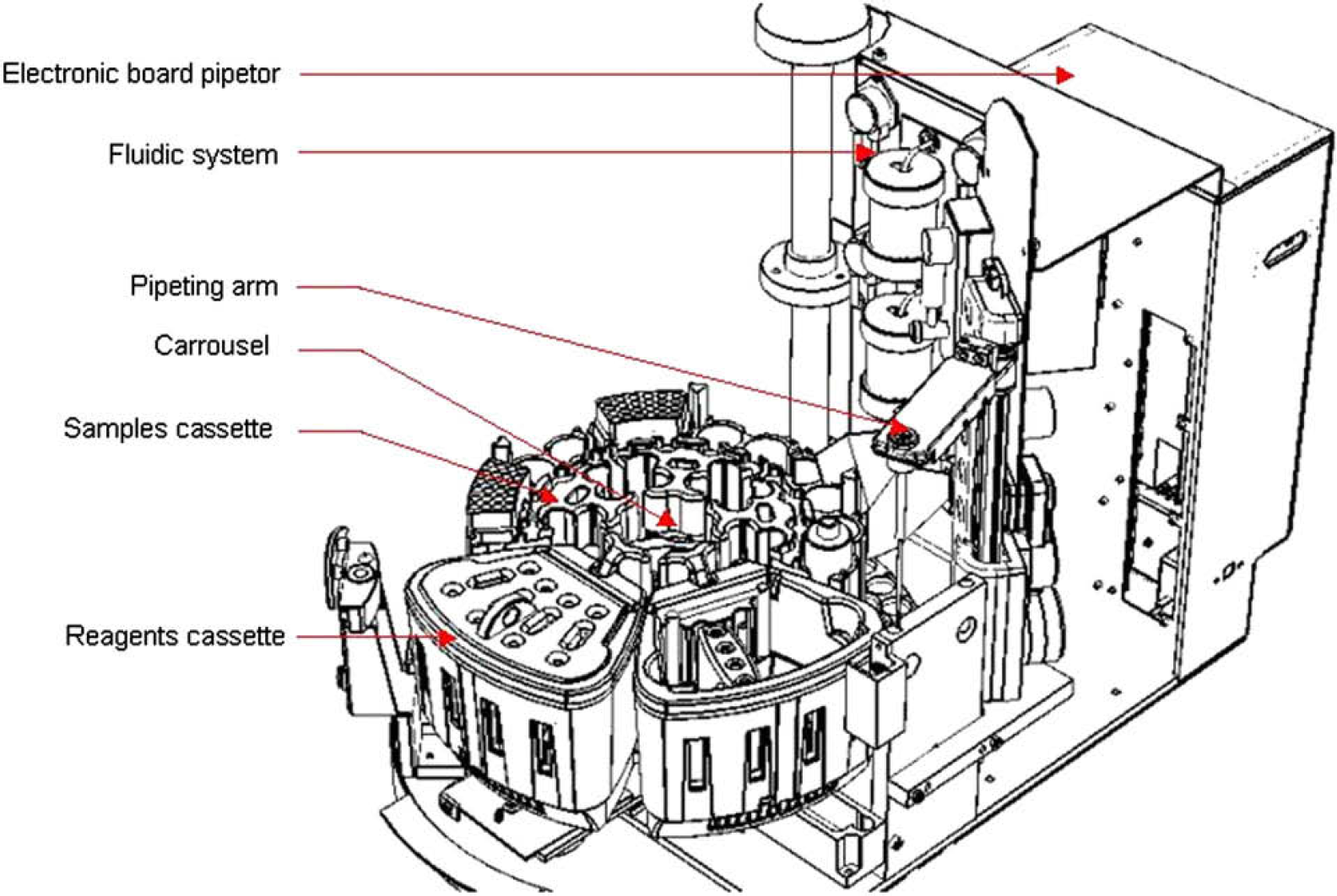
Pipeting Module.
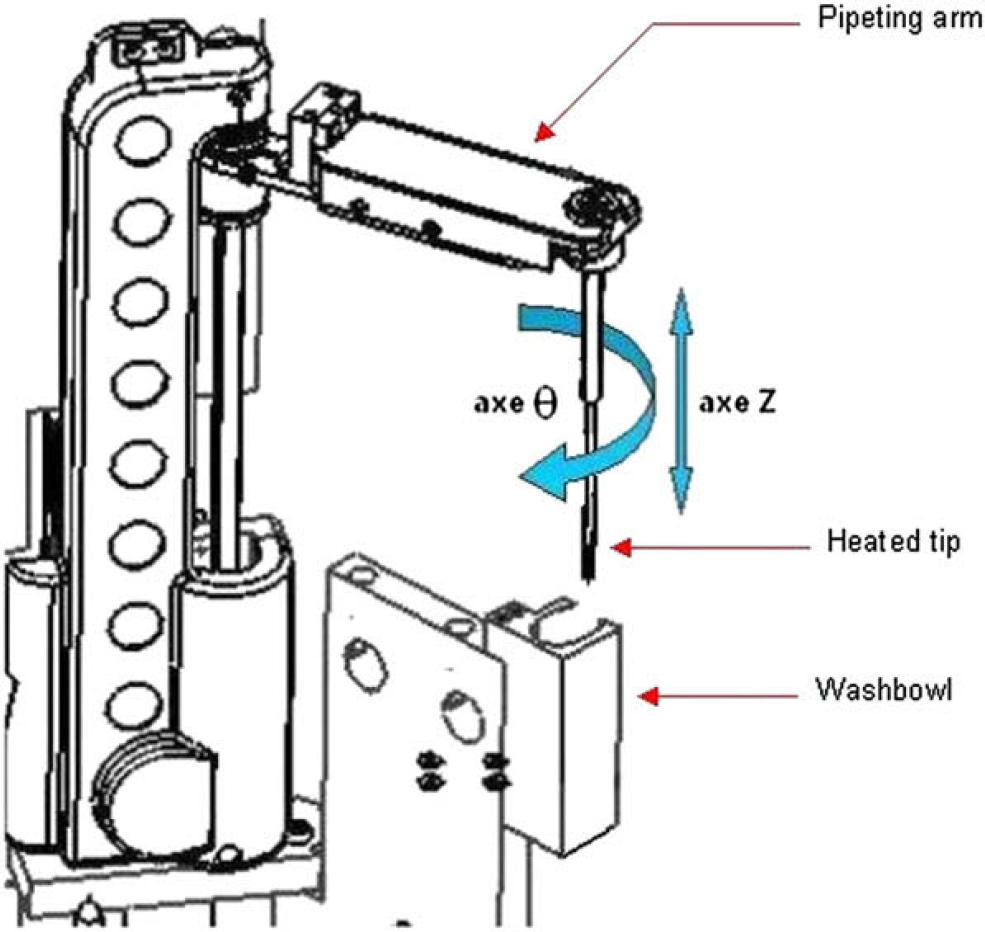
Pipeting Arm.
The arm carries out θ and Z motions to pipet and dispense the test. The resolution for Z movement is 200 steps/mm and for θ movement is 0.075°/step.
The liquid level detection is based on the principle of a capacitive detection: when the tip is in the air, the capacity between the tip extremity and the ground is very large but it decreases significantly when the tip is in a liquid; the clot detection is realized by a sensor measuring the pressure variations in the fluidic line; the pipette tip is heated between 33 and 39 °C by an electrical resistance; the washbowl allows the internal and external parts of the tip to be washed: the fluidic path is first cleaned by the PBS solution and then rinsed with distilled water.
Three 5-L bottles are used by the fluidic system: one for liquid wash, one for distilled water and a third bottle for liquid waste. The general schematic of fluidic system is shown in Figure 5.
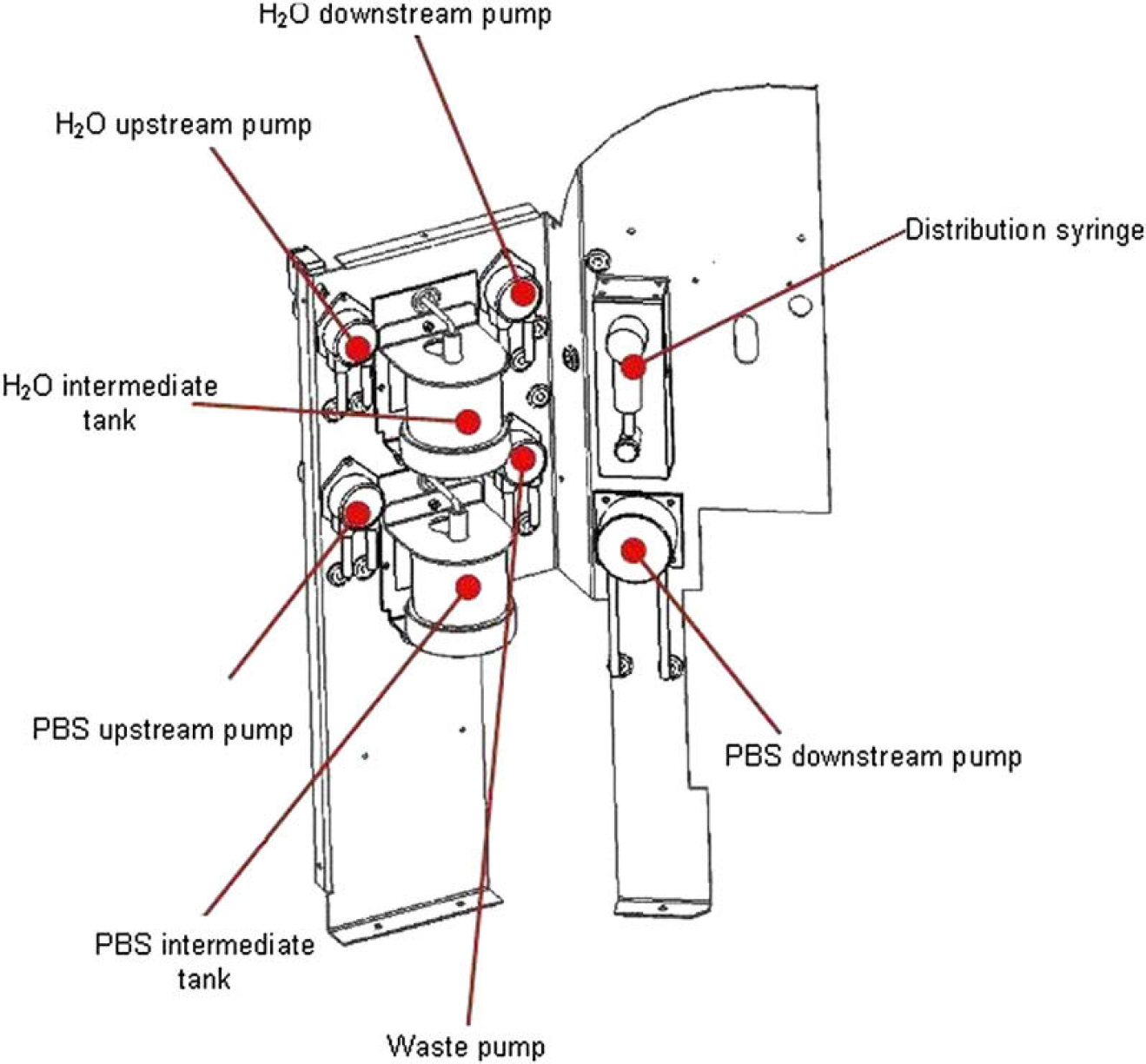
Fluidic System.
The levels of liquid buffer and distilled water are managed using a floating sensor in an intermediate tank. When the level sensor detects that the bottles are empty, the volume remaining allows the pipeting sequence in progress to finish. The level of liquid waste is managed using a floating sensor inside the bottle.
Five pumps feed the fluidic system and a distribution syringe dispenses the desired quantity of liquid with high accuracy.
It is possible to adapt the content of the carousel to different types of laboratory activities: two sections only receive samples cassettes but three sections may receive cooling cassettes containing the reagents or samples cassette depending on laboratory needs. The samples, the reagents, the wash, reconstituting solution, and the dilution plates are identified by barcode readings.
The samples cassettes are divided into two parts (Figure 6): the lower part for samples and the upper part for dilution plates, wash, and reconstituting solutions. The lower part includes 16 positions for sample tubes: primary and secondary tubes, 60–100 mm high with diameters from 11 to 17 mm. Microtubes can also be used and are placed in specific metallic devices within each position. The samples cassettes are identified using a barcode label.
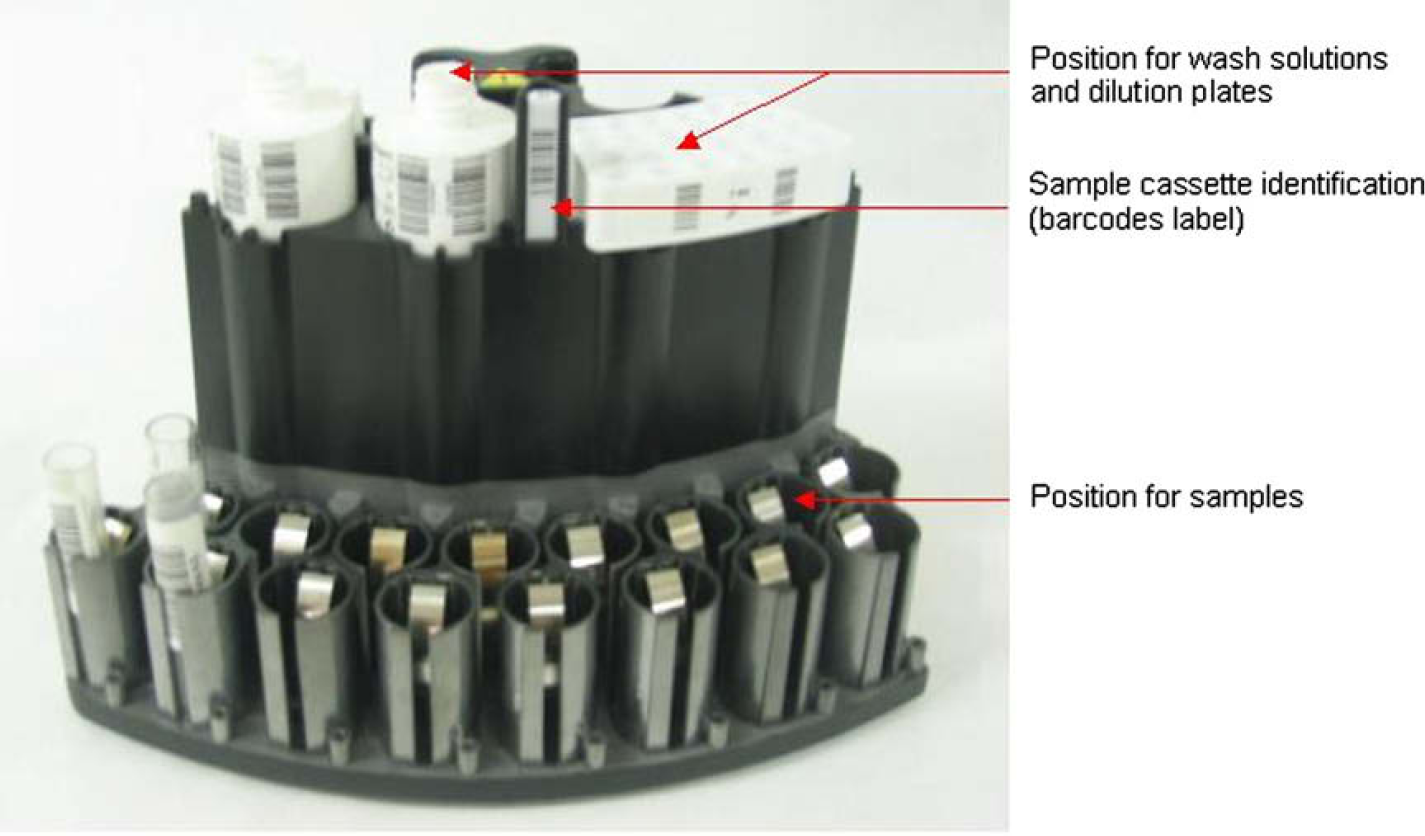
Samples Cassette.
Inside the reagents cassette, up to four reagent kits may be maintained between 2 and 8 °C (Figure 7). Should the system stop, the cassette is easily transportable and may be placed inside a refrigerator. The integrated cooling system (2–8 °C) is activated when the reagent rack is placed on the carousel area. The carousel supplies 30 VDC power on three positions dedicated to reagents cassettes.
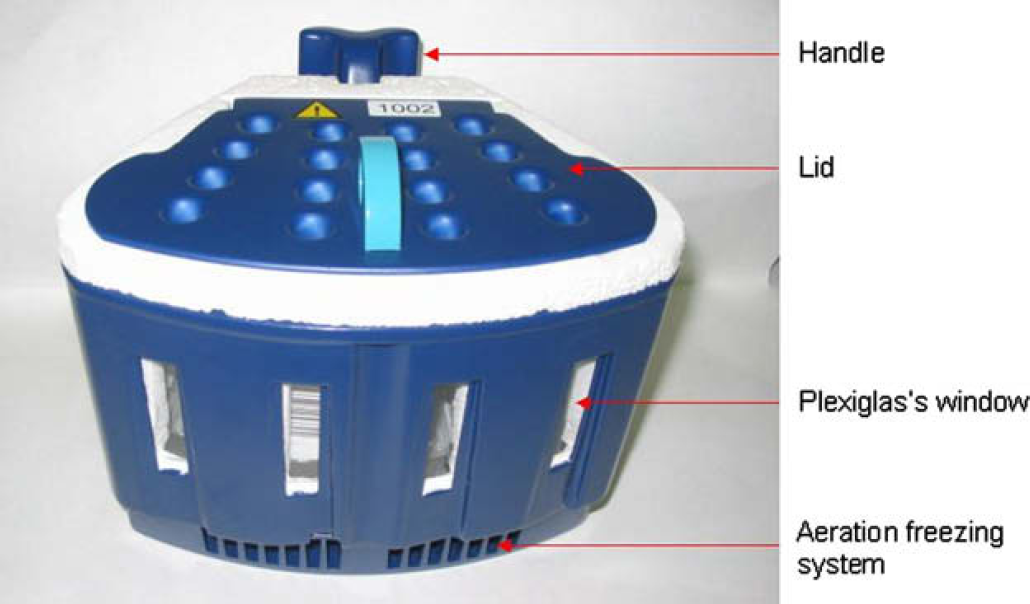
Reagents Cassette.
Cassette serial number, cooling temperature and other status information are sent to the control software via an infrared system during the carousel rotating movement. Reagent kits can be liquid and ready for use; some of them are lyophilized, then they are automatically reconstituted inside the analyzer, each reagent kit being automatically identified by a barcode label. The barcode labels are visible through Plexiglas windows, allowing the reading by the barcode reader during the carousel rotating movement. Information about each kit contained in the barcode and the temperature is managed on the user interface by color code.
Reading Module
The reading module (Figure 8) is composed of the reaction area and of the optical system to measure the signal emitted by the immunocomplex.
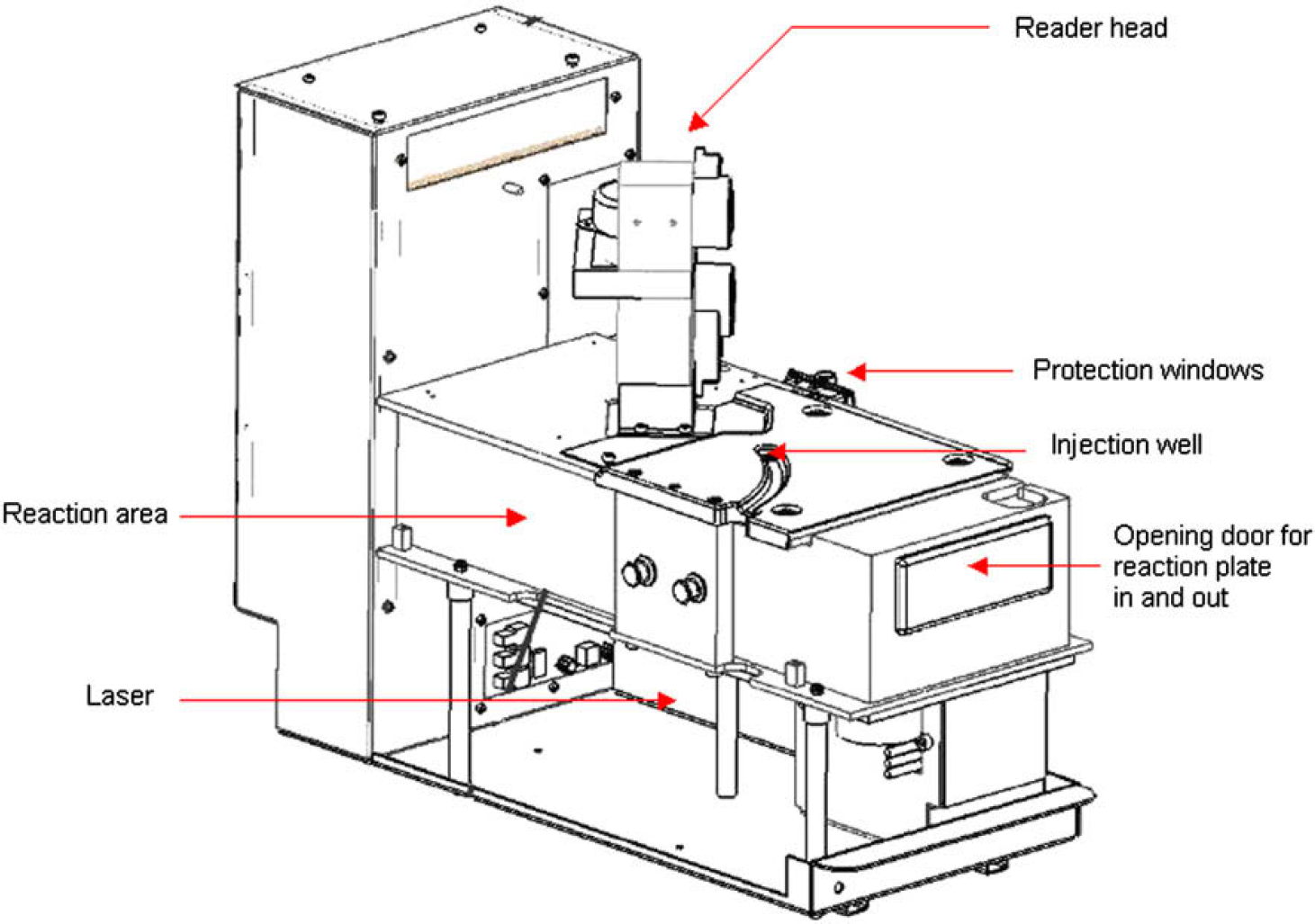
Reading Module.
The reaction plate can be used on board for a maximum of 24 h; after use, the plate must be covered with the “biological hazard” sticker provided with the plates.
The reading module manages and synchronizes the reaction plate motions for the dispensing and reading sequences.
The reading module software manages and synchronizes the reaction plate motions for the dispensing and reading sequences.
Software
KRYPTOR compact is ready for a bidirectional connection to Laboratory Information Systems using ASTM or HPRIM protocols.
KRYPTOR compact is delivered with an external computer (one Intel Pentium processor) and an internal computer (two internal NIOS processors). In addition, a screen monitor, a QWERTY keyboard, a printer and a hand-held barcode reader are provided with the analyzer.
The KRYPTOR compact software has multitasking abilities and is available in different languages; it operates within the Microsoft WINDOWS environment.
The user interface (Figure 9) allows the user to command the analyzer: the icons are simple and attractive and allow direct access to the required information or function:
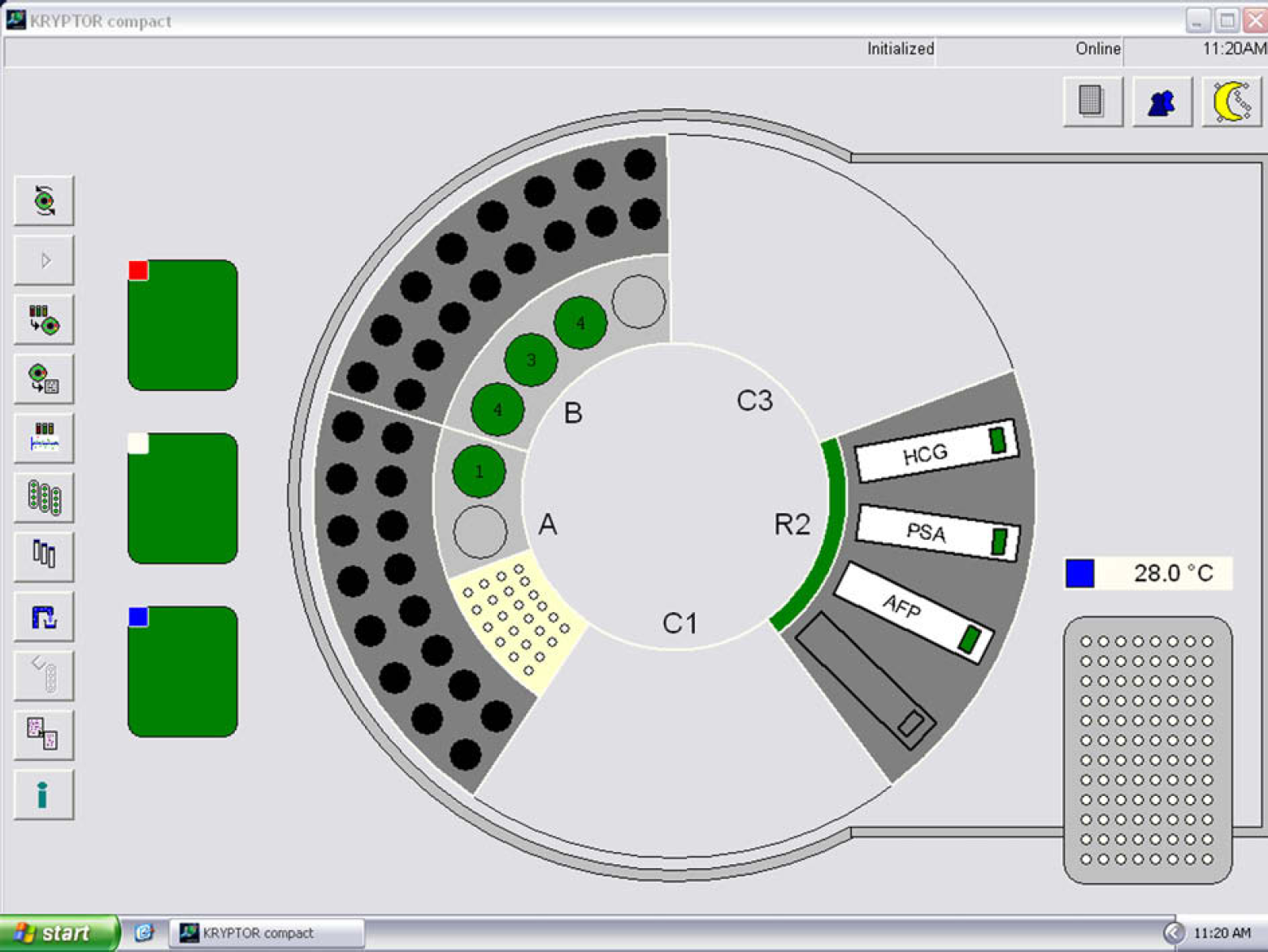
KRYPTOR Compact User Interface.
In the middle of the screen, there is a schematic image of the carousel, with sample positions, dilution plates, washing and reconstituting solutions, and reagent positions. Different color codes show the status of the different elements of the carousel. On the left hand side, the fluidic bottles are represented, and color codes show a status of the fluidic system. On the right hand side, the reaction plate is represented and incubation temperature is indicated.
Calibration Tool
Each lot of reagents is provided with a factory calibration curve. The data defining the factory curve is downloaded to the software when registering a new reagent lot by scanning the barcode cards with the hand-held barcode reader. However, the user has to perform a two-point calibration with calibrators provided by the manufacturer. Various acceptance criteria are applied by the system. The calibrations are executed at intervals defined in the analyte protocol, usually every two weeks.
Quality Control Tools
It is possible to program up to three levels of controls per parameter. The quality control processing and their traceability are managed with the specific “Quality Control” menu. The value of each control is displayed by Levey–Jennings plots or in tables. Means, standard deviations, and coefficients of variation are automatically calculated.
Analytical Results
The multisites evaluation of KRYPTOR compact was realized on three sites: the “Centre de Recherche en Technologie Biomédicale” included in the Institute of Clinical Biology of the University Hospital of Nantes (France), the Institute of Clinical Chemistry and Laboratory Medicine of Rostock (Germany) and the Biochemistry Laboratory of the General Hospital of Thionville (France). 6
This evaluation covered six parameters: Procalcitonin (PCT), Free Human Chorionic Gonadotropin Hormone (FreeβhCG), Alpha Foeto Protein (AFP), Pregnancy Associated Plasma Protein A (PAPP-A), Prostate Specific Antigen (PSA) and Human Chorionic Gonadotropin Hormone (hCG), following NCCLS 7 –11 and VALTEC guidelines. 12,13 This study allowed assessment of the KRYPTOR compact analytical performances by comparing them: Roche Diagnostics Elecsys 2010, DPC Immulite, Perkin–Elmer AutoDelfia, and the first generation analyzer, B·R·A·H·M·S Diagnostics KRYPTOR System. In addition, practicability and ergonomics were also assessed by the three sites.
Precision and Accuracy Studies
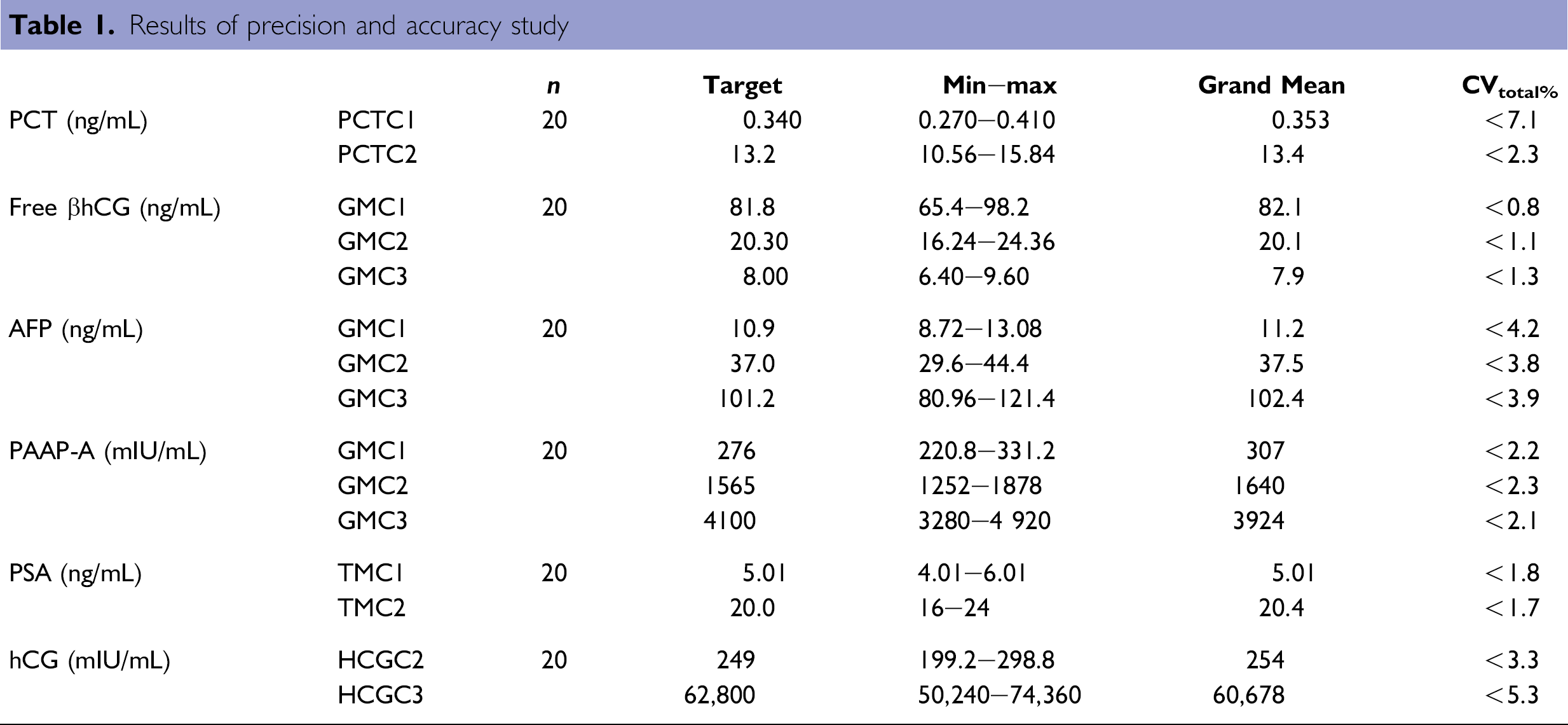
The results of precision and accuracy studies are shown in Table 1. The coefficients of variation obtained were globally satisfactory for each parameter studied. They are comparable to KRYPTOR expectation and much lower than VALTEC recommendations.
Results of precision and accuracy study
Comparison Study
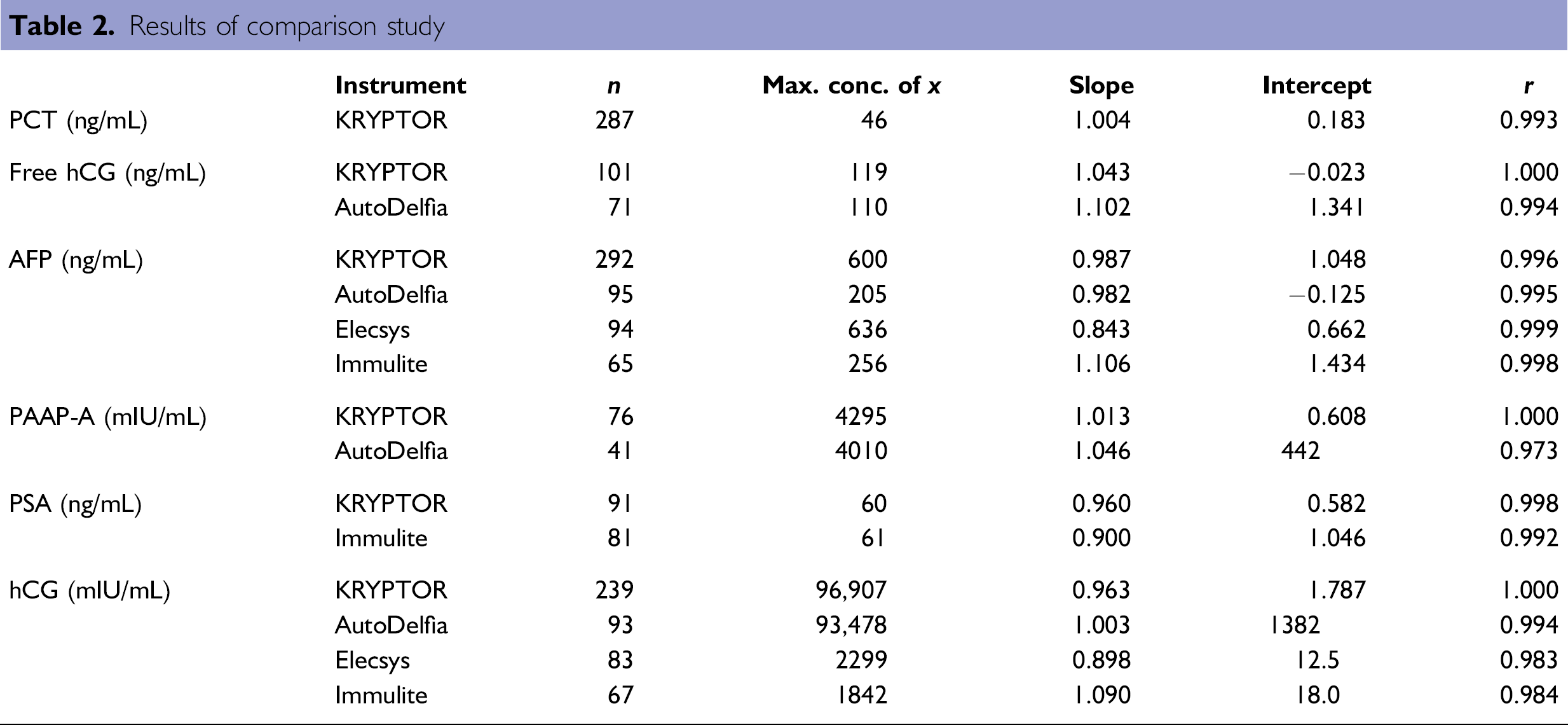
The results of the comparison study are shown in Table 2. Apart from the PAPP-A parameters (KRYPTOR compact vs. AutoDelfia), the results of comparison studies were globally satisfactory.
Results of comparison study
Practicability
The various evaluators described the KRYPTOR compact as a user-friendly bench-top instrument with a nice external design and color; it is not noisy and is easily integrated into a classical laboratory. The laboratory technicians liked the simplicity of the user interface which requires little time to master. Compared to most of the other available immunoassay systems, the first result is rapidly obtained after 11 min followed by one additional result every 2 min. This feature, associated with the 24 h availability, makes the KRYPTOR compact compatible with emergency immunoassay utilization. The automated reconstitution of lyophilized reagents avoids any human error in reagent preparation and variations between reagent kits. In the case of an “out-of-range” result, automatic reflex dilutions allow the user to perform other tasks while the system is running the analysis. Daily maintenance does not exceed 5 min, weekly maintenance not more than 10 min and monthly maintenance not more than 30 min: all of the maintenance operations are guided by the embedded user software.
Conclusion
In this article, an innovative compact automated immunoassay was described. The KRYPTOR compact, using the homogeneous TRACE technology, is a modular instrument including two separable parts: a pipeting and a reading module. The design makes the KRYPTOR compact easy to install or replace, and this bench-top instrument fits well into classical and stat laboratories. The original transportable reagents cassette including a cooling system was appreciated. The system is fast and easy to maintain. It is selfchecking and the reagents are precalibrated needing only two points of verification by the user.
The results from the preliminary multisites evaluation on the analytical performances proved that the system is very well suited to laboratories that demand parameters for highly specialized activities, even in emergencies.
Acknowledgments
Were are grateful to Juergen Froehlich, Uve Hantke, Romain Lecomte, Birgit Moshage, Hélène Talon, Caroline Benne, Sylvain Amar, and Philipe Loison for their invaluable contributions.