




Abstract

Activotec
Technical Poster: Proprietary Technologies in Peptide Backbone Modification Study
Activotec has a new technical poster describing a study in which it has applied its proprietary technologies in peptide backbone modification to develop a set of modified GLP-1 analogues that have been stabilized against proteolysis, yet are at least as active as native GLP-1 in both promoting insulin release in cell assays and lowering blood glucose in small animal models.
For more information, e-mail
Agilent Technologies
Oligo ChIP-on-chip Microarrays
According to Agilent, its new oligo array–based ChIP-on-chip (chromatin immunoprecipitation on a chip) microarrays offer a more than sixfold increase in density over previous offerings. The higher density microarrays complement the platform's sensitivity and reproducibility, enabling researchers to conduct genomic tiling experiments.
These microarrays are available in two formats: one microarray per slide with 244,000 features or four microarrays per slide each with more than 44,000 features. The ChIP-on-chip assay is used to detect proteins including, but not limited to, transcription factors, binding to particular regions of DNA across the whole genome. Common applications include characterization of transcription, DNA replication, and DNA repair events; mapping of chromatin modifications such as DNA methylation; determination of modalities and interactions between therapeutic compounds and target genes; and validation of gene expression data.
For more information, visit http://www.agilent.com.
Oligo aCGH Microarrays
Oligo array–based comparative genomic hybridization (Oligo aCGH) microarrays with more than a fivefold increase in density over previous offerings are now available from Agilent Technologies.
The CGH technique is used to study DNA-copy number variations associated with a wide range of genetically related diseases. According to Agilent, its Oligo aCGH platform enables researchers to study these variations on a genome-wide scale at high resolution with extreme sensitivity and specificity.
For more information, visit http://www.agilent.com.
Human CpG Island Microarray
Agilent Technologies expands its genome-tiling portfolio with the first commercial human CpG island microarray for DNA methylation research.
For more information, visit http://www.agilent.com.
Akubio
RAP id 4 Biomolecular Interactions Analysis System
According to Akubio, RAPid 4 enables real-time label-free measurement and analysis of biomolecular interactions with the highest level of accuracy, reproducibility, and sensitivity. It is based on Akubio's resonant acoustic profiling (RAP) technology. RAP·id 4 is a flow-based system that reduces the need to purify samples and generates accurate kinetic, affinity, and concentration measurements from complex mixtures, such as cell culture supernatants and periplasmic extracts.
A stand-alone, fully automated platform, RAP·id 4 requires minimal user intervention and is controlled via user-friendly software, typically processing an average of 400 samples per day.
RAP measures the oscillation of a resonating quartz crystal, which decreases in proportion to the mass of the molecules binding to its surface. Researchers interrogate and evaluate the data using the intuitive RAP·id Workbench software package.
For more information, visit http://www.akubio.com.
ARTEL
PCSplus Pipette Calibration System
To reduce the risk of human error and enhance efficiency, ARTEL reports it has upgraded its PCSplus (Pipette Calibration System) with new automation capabilities, streamlining laboratory pipette calibration management. New features optimize the calibration process, facilitate compliance, and help laboratories ensure data integrity.
According to ARTEL, its enhanced PCSplus reduces human transcription error and speeds up calibration by relying on several components: proprietary software, a barcode scanner, and a laboratory-qualified printer. Affixing barcode labels with identification numbers to each pipette and scanning these labels before beginning the calibration process eliminate the need for manual tracking of calibration.
For more information, visit http://www.artel-usa.com.
MVS Enhancements
According to ARTEL, enhancements to its Multichannel Verification System (MVS) affect flexibility and productivity, strengthen data integrity and minimize equipment downtime, enabling the MVS to better meet the evolving needs of life science laboratories. These advances add to the system's ability to verify liquid handlers with up to 384 channels using aqueous and nonaqueous solutions for volumes as small as 0.03 μL.
Improved automation is one key enhancement. By advancing the MVS to interface with a variety of readers, ARTEL allows laboratories to use their existing, qualified readers to minimize capital costs and facilitate validation. The near instantaneous well-by-well and tip-by-tip data reporting capability of the MVS coupled with the new Heat Map feature allows users of liquid handlers to quickly see, and better understand, equipment performance patterns. In addition, the new MVS can verify volume dispensed into 384-well high-density plates from liquid-handling equipment with 1, 8, 12, 96 or 384 dispensing channels.
For more information, visit http://www.artel-usa.com.
ASPECTRICS
Application Note: Analysis of Hydrocarbon Gases Using EP-IR MultiComponent Analyzer
This new application note demonstrates how the encoded photometric infrared spectroscopy (EP-IR) MultiComponent Analyzer from Aspectrics can conduct simultaneous quantitative analysis of several hydrocarbon gases (C1–C4) in a mixture at parts per billion (ppb) level concentrations. Designed to respond to user needs in petrochemical, chemical, environmental, and process laboratories, this application note can be downloaded free of charge at http://www.aspectrics.com.

New Application Note Library
Aspectrics new Web site at http://www.aspectrics.com features an Application Note Library for its EP-IR analyzers. Access is free, but requires user registration.
ASYNT
DrySyn COOL
The DrySyn COOL can be used with any laboratory circulator or chiller system. According to Asynt, its new DrySyn COOL provides a flexible alternative to ice baths and bulky glass jacketed reaction vessels. It offers volume variability, a wide temperature range, improved user safety, and a small footprint.

Designed with flexibility in mind, the DrySyn COOL can be used for the efficient heating or cooling of a reaction. With its range of flexible inserts, the DrySyn COOL can accommodate standard round-bottomed flasks from 50 to 1000 mL. It has an extended temperature range from –30 to +150 °C for sensitive and more efficient control over higher temperatures (–20/–10 °C) compared to standard dry ice baths.
For more information, visit http://www.asynt.com and http://www.drysyn.com.
Beckman Coulter
Agencourt RNAdvance Tissue system
The new Agencourt RNAdvance Tissue system is for the isolation of total RNA from mammalian samples. According to Beckman Coulter, the Agencourt RNAdvance Tissue process is based on the Agencourt SPRI (Solid Phase Reversible Immobilization) paramagnetic bead nucleic acid purification technology, and can produce clean RNA with high recovery, in single-tube or 96-well formats, while eliminating organic solvents, vacuum filtration, and centrifugation steps. The simple Agencourt RNAdvance Tissue procedure enables higher recovery of total RNA than traditional column-based approaches.
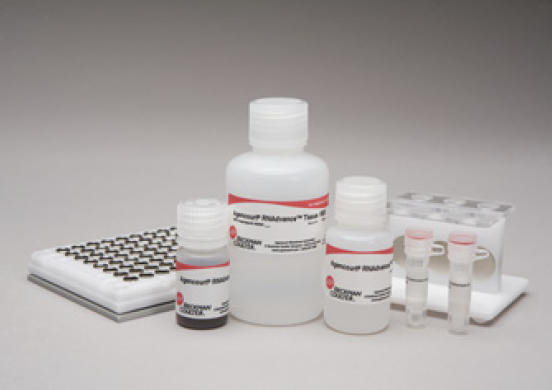
The Agencourt RNAdvance Tissue process can be automated on the Beckman Coulter Biomek NX liquid-handling workstation. For microarray applications, the Agencourt RNAdvance Tissue system can be used with the Agencourt RNAClean technology.
For more information, visit http://www.beckmancoulter.com.
10Test Anti-OSCAR-PE–Conjugated Monoclonal Antibody
In humans, the OSCAR antigen is expressed on osteoclasts, which are involved in bone development and remodeling, and on myeloid dendritic cells, among others. OSCAR is the first FcRγ-associated molecule described on human myeloid dendritic cells. It is an activating molecule involved in antigen capture and presentation that may modulate the response of both innate and adaptive immunity. With the new Anti-OSCAR-PE Monoclonal Antibody, researchers can tag a new antigen that is thought to be implicated in the tolerogenic function of dendritic cells. The preformulated, standardized IOTest Anti-OSCAR-PE monoclonal antibody is provided in 100-test vials. Beckman Coulter offers a number of reagents, controls, and markers that can be used with this new antibody. Anti-OSCAR-PE is approved for research use only.

For more information, visit http://www.beckmancoulter.com.
BioTek Instruments
Customer Education and Training
BioTek Instruments has produced a comprehensive in-house educational and trial research program for its automated microplate technology systems. Qualified customers are introduced to the Winooski, VT facility with a brief plant tour including manufacturing and quality system areas. A large portion of the visit is dedicated to technical discussion and hands-on operation in a fully staffed applications laboratory that is tailored to the customer's unique research. BioTek staff scientists collaborate with the customer directly on a range of large automated microplate systems and peripheral equipment, including the functional span of features, process validation, and software capacity.
For more information, visit http://www.biotek.com, e-mail
Caliper Life Sciences
Zephyr Workstation
The new Zephyr automated liquid-handling workstation is an entry-level, benchtop system that combines Caliper's liquid-handling technology with a strong emphasis on applications. It was designed to eliminate labor-intensive manual processes. According to Caliper, Zephyr can provide users with an easy-to-use, scaleable, cost-effective system that increases productivity and walk-away time while fitting into increasingly space-constrained laboratories. Powered by Maestro software, Zephyr includes an intuitive operator interface that guides users through the setup process and initial use. Zephyr also includes preconfigured preclinical, bioanalytical, and genomic applications.

For more information, visit http://www.caliperls.com.
Desktop Profiler
According to Caliper, its new Desktop Profiler provides targeted research laboratories with a simple, affordable system to rapidly profile compounds against a diverse kinase panel. To ensure ease-of-use, the Desktop Profiler works in conjunction with ProfilerPro kinase panel kits. ProfilerPro microplates are preloaded with kinases, substrates, and reagents, eliminating assay development and reducing experiment setup time. Additionally, the Desktop Profiler uses Caliper's LabChip microfluidic–based screening technology to yield high-quality, reproducible data that helps users more confidently qualify drug candidates.
For more information, visit http://www.caliperls.com.
Xenogen IVIS Spectrum
The Xenogen IVIS Spectrum is, according to Caliper, the most flexible and advanced addition to the company's suite of in vivo imaging systems, and is the only in vivo optical imaging system that can perform high-sensitivity bioluminescent imaging and advanced fluorescent imaging, including spectral unmixing, transillumination, and 3D tomographic capabilities.
For more information, visit http://www.caliperls.com.
Cerno Bioscience
Application Note: Determination of Elemental Composition with an Ion Trap at Unit Mass Resolution
A new application note from Cerno Bioscience reveals that its MassWorks, a postacquisition software package that uses Cerno's MSIntegrity technology to improve mass spectral measurements, will determine elemental composition with an ion trap at unit mass resolution without the need for a high-cost instrument or highly skilled operators.
The application note is entitled “Determination of Elemental Composition with an Ion Trap at Unit Mass Resolution.” It demonstrates that while high-mass accuracy is important for elemental composition determination, proper peak shape calibration can allow accurate isotope profile matching that can lead to dramatically more accurate results.
The application note illustrates this using LC/MS of verapamil metabolites from rat microsomal incubation. Two major components of verapamil and its demethylated metabolite were observed using this analysis; the molecular ion and its sodium adducts were found at m/z 455 and 477, respectively, whereas the demethylated metabolite found at 441 was also detected with its sodium adduct at m/z 463. The external calibration created from the calibration mixture was then applied to the raw profile mode spectra.
For more information, visit http://www.cernobioscience.com/resources, or call + 1.203.312.1150.
Research Paper: Accurate Mass Measurements of Product Ions for Metabolite Identification on Unit Mass Resolution Mass Spectrometers
A new paper from Cerno Bioscience and Wyeth Pharmaceuticals, called “Accurate Mass Measurements of Product Ions for Metabolite Identification on Unit Mass Resolution Mass Spectrometers,” demonstrates that high mass accuracy can be achieved on conventional triple quadrupole mass spectrometers of unit mass resolution running in MS/MS mode. This is achieved using Cerno's MS calibration and data analysis software, MassWorks, a postacquisition software package that uses Cerno's patented MSIntegrity technology, to dramatically improve mass spectral measurements.
The level of accuracy required for metabolite identification can normally only be performed on high-resolution mass spectrometers, but the results of this research prove that MassWorks can achieve mass measurements of product ions with 5 ppm accuracy on a unit mass resolution instrument.
The method was demonstrated for a set of small-molecule pharmaceuticals from an ABI/Sciex 4000 Q Trap by infusion as well as by LC/MS/MS measurements of rat liver microsomal incubation of verapamil on an ABI/Sciex 3200 Q Trap. All the mass spectral data were collected in profile mode and processed using MassWorks software.
For the infusion, a few or a single known fragment ion(s) from the MS/MS spectra were selected as calibration standards to internally calibrate the spectra. Other fragment ions in the spectra were tested for mass accuracy resulting in mass errors of less than a few millidaltons in most cases.
The LC/MS/MS fragment ions were generated on-the-fly by information-dependent scans. Accurate mass measurements of about 5 mDa for demethylated verapamil and its fragments were achieved by applying an external calibration generated by the known fragments of the parent drug verapamil.
The research also found that MS calibration, including both mass and peak shape, is critical for high mass accuracy and that internal calibration aids the achievement of the highest possible mass accuracy. Peak saturation is a key factor causing poor mass accuracy in a quadrupole system.
To access this research paper, visit http://www.cernobioscience.com/resources, e-mail
Research Paper: Automated and Parameter-Free Peak Integration for LC/MS/MS Quantitation
The paper demonstrates how Cerno's award winning MassWorks, a postacquisition software package that uses the company's MSIntegrity technology to improve mass spectral measurements, standardizes peak shapes, improves signal-to-noise, deconvolutes overlapped peaks, improves quantitative accuracy and precision, as well as provides automated and parameter-free LC/MS/MS quantitation through a single operation.
The paper reports novel postacquisition data processing methodologies with a unique calibration algorithm to improve selectivity and lower quantitation limits when using MassWorks. The methodologies involved extracting four chiral compounds from human plasma and urine. LC/MS/MS analysis of the compounds was performed on an AB/SCIEX API-4000 tandem mass spectrometer using turbo-ion spray ionization in the positive ion mode along with multiple reaction monitoring.
For more information, visit http://www.cernobioscience.com/resources, e-mail
Datamonitor
Pharmaceutical Outsourcing Part I
According to Datamonitor, the dynamics of the contract manufacturing landscape in the pharmaceutical industry are changing. With the increasing globalization of the contract manufacturing market, particularly regarding on-patent biologics and APIs, companies need to position themselves to be able to capture the cost savings Asian countries have to offer.
This report is to identify the best way to tackle the common reasons behind contract manufacturing agreements failing to live up to the customer's expectations; assess the commercial implications of the increasing globalization of the API contract manufacturing market; and understand how to optimize your manufacturing strategies to capture the maximum benefit.
For more information, visit http://www.datamonitor.com/∼9a36318b5810437888c828acle537442∼/industries/research/?pid=DMHC2171&type=Report.
Pharmaceutical Outsourcing Part II
The pharmaceutical industry is facing a crisis over R&D productivity, as reflected by the low level of new drug approvals despite companies investing the highest ever amounts in R&D. As a result, companies are seeking novel ways to drive growth, with many opting to increase their reliance on third parties—through licensing, collaborative, and outsourcing agreements—in an attempt to achieve this.
This report offers an evaluation of the key benefits and risks associated with outsourcing drug discovery functions; in-depth country profiles examining the suitability of key emerging countries for outsourcing drug discovery work, including China, India, and Russia; case study analysis evaluating how companies use drug discovery outsourcing in practice; and key recommendations on how companies can optimize their drug discovery outsourcing strategy and realize the full value it offers.
For more information, visit http://www.datamonitor.com/∼9a36318b5810437888c828ac1e537442∼/industries/research/?pid=DMHC2231&type=Report.
The Future of Outsourcing
This new report from Datamonitor provides an overview of outsourcing from the perspective of several different industries. Sectors covered include contact centers, health care and pharmaceuticals, transportation, financial services, and energy. Case studies illustrate the benefits of outsourcing from the standpoint of both investors and end users. Geographic variations identify niche opportunities for outsourcing around the globe.
Use this report to learn about the growth of outsourcing worldwide, understand the practical applications of outsourcing using a variety of models, and comprehend the evolution of outsourcing from its earliest applications to its current uses.
For more information, visit http://www.datamonitor.com/∼5128bad49fb642a5b99623edd2d725c3∼/industries/research/?pid=DMCO0334&type=Report.
EH&E
White Paper: Biosafety Review Key to Infection Control
A new, free white paper entitled “Biosafety Review Key to Infection Control,” is available from EH&E to help biotech laboratories minimize the risk of infection through focused biosafety reviews.
This paper outlines a biosafety review process developed by EH&E staff for biotechnology, pharmaceutical, and research laboratory clients. According to EH&E, the process has a proven track record for maintaining worker safety in these environments, and should be of interest to biological laboratory personnel responsible for maintaining an environmental health and safety compliance program.
For more information, or to download a free copy of this white paper, visit http://www.eheinc.com/biosafety.htm.
ESA Biosciences
New Methodology: Rapid Oxidative Stability Measurements on the CoulArray II
ESA Biosciences reports a new method using its CoulArray II electrochemical detector to perform rapid oxidative stability measurements. The ESA methodology describes using the CoulArray II system how to perform a wide variety of single-electron oxidation reactions for predicting the oxidative stability of a compound under one or more different conditions. These assays, which closely mimic the natural oxidative degradation of compounds, can be conducted in only a few seconds per sample.

For more information, visit http://www.esainc.com, e-mail
ESA Model 584 Solvent Delivery Module
The ESA Model 584 solvent delivery module is a new HPLC pump optimized for electrochemical detectors used in analytical, microbore, and LC/MS applications. According to ESA Biosciences, it offers leading-edge flow-rate accuracy and precision (0.0001 –10 mL/min) through improvements in solvent-delivery control firmware. With an automatic pulsation–correction mechanism and highspeed micro (10 μL) plunger drive, the new pump achieves pulse-free solvent delivery even at micro–flow-rate ranges below 50 μL/min. Durable sapphire plungers and a precision dual parallel plunger–holding mechanism provide long-lasting performance and enable highly stable pulse-free solvent delivery. Pump reliability is enhanced through automatic seal and piston washing that prolongs piston seal life.
For more information, visit http://www.esainc.com, e-mail
FEI Company
Helios NanoLab DualBeam
The next generation of combined focused ion beam (FIB) and SEM technology for research is now available from FEI Company. The all-new Helios NanoLab DualBeam features a new ultra-high–resolution field emission SEM column combined with FEI's Sidewinder FIB column and gas chemistries to provide new levels of imaging resolution and contrast in a DualBeam system. It also delivers enhanced stability and optimized operation within a wide range of parameters.
The new, small DualBeam platform can enable 3D characterization, analysis and image reconstruction applications, nanoprototyping (fabrication and testing) capabilities, and high-quality sample preparation abilities for researchers and developers needing to reach deep into the nanoscale.
For more information, visit http://www.fei.com.
Titan 80–300 corrected S/TEM
According to FEI Company, scientists at its NanoPort in Europe have broken another image resolution barrier with the world's most advanced commercially available microscope, the Titan 80–300 corrected S/TEM. For the first time ever, directly interpretable TEM images with atomic resolution better than 1.4 A were obtained at the very low operating voltage of 80 kV. This is considered by FEI to be an important milestone in nanocharacterization as now even light element materials such as carbon nanotubes and graphene can be imaged artifact-free and with high contrast while having highest lateral resolution.
For more information, visit http://www.fei.com.
Genevac
Brochure: MiVac Innovations
A new brochure describes how a new innovation is enabling solvent removal times in the miVac sample concentrator to be improved by up to 200% without loss of sample integrity.

According to Genevac, the new JetRotors all-aluminum rotors offer efficient conduction of heat energy, giving very high-performance concentration compared with rotors made of plastic or of an open construction. This innovation, in combination with Genevac's Speed Trap refrigerated solvent condenser, has facilitated higher throughput, safe sample preparation in applications including plasmid purification, dye terminator removal, cell fractionation, and oligonucleotide and protein precipitation. MiVac JetRotors are available for all common sample tubes, vials, and centrifuge and microcentrifuge tubes.
For more information, visit http://www.genevac.co.uk/miVac/products/jetrotors.html, e-mail
New Software for HT-Series II and MEGA Systems
New data logging and remote control software is now available for Genevac's HT-Series II and MEGA high-performance evaporator systems. According to Genevac, the package conveniently and efficiently provides the evaporation data needed for effective process and quality control, and enables evaporation data storage as part of a GLP protocol, and then reviewed as an EXCEL spreadsheet to evaluate what has happened during the run. The data logging facility will be especially useful for setting up, logging, and evaluating data from complex multistage methods such as drying HPLC fractions or lyophilization procedures. For hazardous applications, where remote control of the evaporator is desirable, the data logging software can run remotely on most modern laboratory computers, giving full control of the instrument and mass data and method storage on an external PC.
For more information, visit http://www.genevac.co.uk/products/evaporators.html, e-mail
EZ-2 Personal Evaporator with Inert Purge Module
According to Genevac, the new version of its EZ-2 personal evaporator incorporates an affordable inert purge module that can provide users with a fail-safe tool for meeting the requirements of the ATEX directives relating to safe removal of solvent vapors.

The EZ-2 can safely remove most organic solvents without forming an explosive mixture of organic vapor and air, but for use in removing highly inflammable liquids such as diethyl ether or pentane, it is now mandatory to use the EZ-2 with inert purge module.
The inert purge facility works by controlling the flow of nitrogen from a cylinder to the evaporation chamber and is interlocked with the EZ-2 operating system. Flooding the chamber with nitrogen before evaporation commences removes the explosion risk entirely. A run can only commence when the chamber has been purged to a preset over pressure, which is automatically detected by the EZ-2. If this pressure is not reached, the EZ-2 fails safe and will not allow evaporation to commence.
For more information, visit http://www.genevac.com, e-mail
Guava Technologies
Technical Paper: Validating Enzyme-Linked ELISpot Assays
A new customer technical paper available from Guava Technologies describes the development of a library of donors with characterized responses that can be used as controls for ELISpot and multiple immune monitoring assay validations for use in clinical trials. The ELISpot assay is one of the most useful techniques for the immunological monitoring of vaccine trials and has increasing application as a measure of specific T-cell activation.

Post-cryopreservation cell recovery and viability counts for the research described was determined using a Guava Personal Cell Analyzer (Guava PCA). The study demonstrates that, using the Guava PCA, frozen peripheral blood mononuclear cell donor samples can be used as a convenient control tool for improving standardization of protocols and reagents in obtaining reliable and reproducible cell functionality data among different laboratories. Such standardization of data may support immunogenicity studies, vaccine regulatory submissions, and aid in designing validation studies for immunoassays, including ELISpot assays.
A copy of this technical paper may be downloaded from the online library at www.guavatechnologies.com/main/library/index.cfm.
RapidQuant IgG Kits
RapidQuant IgG kits are a new line of quantitative bead-based kits designed to quantify either mouse or human immunoglobulin G (IgG) antibody during hybridoma screening. According to Guava, RapidQuant IgG kits represent a new approach to antibody quantitation by allowing assessments to be easily performed on a plate-based benchtop flow cytometer instead of traditional plate readers. Available for both human and mouse antibodies, Guava RapidQuant IgG kits have greatly simplified protocols that require very little sample manipulation and significantly less time than traditional ELISA protocols. These new kits are optimized for easy use on the Guava EasyCyte system.
For more information, visit http://www.guavatechnologies.com/main/products/antibodyscreening.cfm.
Technical Note: Monitoring Apoptosis Using Four Different Assays on the Guava PCA System
A new suite of single cell assays from Guava Technologies can enable biologists to simply gain a complete and highly quantitative profile of the various stages of programed cell death or apoptosis. The Guava Apoptosis Suite includes four assays for assessment of membrane changes (Annexin V), activation of caspase enzymes, DNA fragmentation, and monitoring changes in mitochondrial membrane potential. Engineered for use on the Guava PCA, PCA-96, and EasyCyte systems and requiring only microvolumes of cellular samples, Guava says all four assays provide superior discrimination between apoptotic and nonapoptotic cells. When used together, the Guava assays provide detailed profiles of cell populations in various stages of apoptosis. The mix and read Guava Mitopotential and Guava Nexin assays can be especially powerful for rapid screening in 96-well microplates. Each assay uses proprietary Guava software, and reagent kits optimized for use with each Guava cell analysis system.
For more information, visit http://www.guavatechnologies.com/main/library/index.cfm.
Hudson Control Group
VaryVac
The VaryVac is a fully programmable, robotically controlled vacuum nest for filter plates used in DNA preparation, protein purification, solid phase separations, and other microplate-based filtration. According to Hudson Control Group, its VaryVac has a unique combination of automated lid opening and sealing, precise closed–loop control of programmable vacuum levels as well as an onboard computer that controls and monitors vacuum ramp-up, hold level, and ramp-down. It can be set to notify users if desired threshold vacuum levels are not obtained. VaryVac can enable users to completely avoid wasted or incomplete vacuum operations. VaryVac can be loaded and operated manually, but is also compatible with most robot-loading systems.
For more information, visit http://www.hudsoncontrol.com, e-mail
IDBS
Prediction Base 6.1
PredictionBase 6.1 is the latest version of IDBS's in silico modeling application. It acknowledges the increasing need for standardization and validation regarding predictive modeling, and according to IDBS, is the first application of its kind to include a Model Quality Calculator (MQC). The MQC allows quality assurance of models developed both within the PredictionBase suite and from the user's existing algorithms created outside PredictionBase. By linking model deployment with business rules, the MQC prevents inferior models from being distributed to bench scientists, giving an invaluable measure of predictive model quality and applicability not previously available.

As part of IDBS' commitment to the advancement of in silico predictive technology, the MQC is also available as a free downloadable module at http://www.idbs.com/decision/predictionbase.
inGenious Targeting Laboratory
Hybrid 129xC57 Embryonic Stem Cell Line
According to inGenious Targeting Laboratory (iTL), its new Hybrid 129xC57 embryonic stem cell line exhibits a significantly higher rate of homologous recombination in the production of mouse knockout and knockin models. The Hybrid 129xC57 has shown an average 200% increase in the frequency of positive clones per targeting event than other cell lines used at iTL. These characteristics have resulted in reducing the time involved for electroporation and screening tasks, enabling delivery of mouse models with guaranteed germline transmission to be achieved in as little as 7 months.
For more information, visit http://www.genetargeting.com, e-mail
INTEGRA Biosciences
Gas Cartridge Safety Adapters for FIREBOY
INTEGRA Biosciences says its new adapters for its FIREBOY range of mobile Bunsen burners are very easy to use, and can be installed in less than 2 s with a click-and-go safety valve. When used with a FIREBOY system, the new gas cartridge adapters can provide a versatile mobile flame sterilization solution that is fully DVGW safety certified.

The new adapters accommodate a wide range of common gas cartridges including Camping Gaz CP 250, CV270, CV360 and CV470 and other butane cylinders. Ensuring that larger gas cartridges are always in the correct position, a safety stand adapter is available.
For more information, visit http://www.integra-biosciences.com, e-mail
TUBEFILLER for MEDIAJET
TUBEFILLER is a new option that expands the functionality of MEDIAJET, as it allows conversion of the automated Petri dish pourer into a highly productive test tube filler in just a few minutes. TUBEFILLER is designed to provide continuous processing of racks of test tubes. For 16 mm tubes, filled each with 10 mL of media, it takes less than 1 h to fill 1000 tubes. Ergonomic in design, the TUBEFILLER accommodates a wide range of test tube diameters (13, 16, 20, 25, or 30 mm), making it suitable for dispensing of liquids for a wide range of applications including production of agar slants, broth cultures, and NaCl dilutions. Offering a dosing variability of less than 1%, for volumes of 1–99 mL/tube, the TUBEFILLER ensures consistent media tube filling.
For more information, visit http://www.integra-biosciences.com, e-mail
Magstar Technologies
Q2 (Q-Squared) Series Conveyor
According to Magstar Technologies, its new Q2 (Q-squared) Series Conveyor is an advanced new Quickdraw conveyor system that can save costs by eliminating expensive control panels, software, and metering stops. The Q2 Series provides communication-based transfer of pallets and product between work-cells, and offers the ‘Queue Advantage’ designed specifically to optimize efficient throughput, maximize output on the production line, and significantly reduce operational control costs. Also according to Magstar, the Q2 provides the greatest flexibility in a 50% smaller footprint than other competitive conveyor systems, and generates less debris for transport systems used in clean environments, extending the life of the conveyor system as it only operates when product transfer is underway. The Q2 Series is designed for clean room laboratory and factory automation. Q2 can be configured to meet SMEMA communication standards.

For more information, visit http://www.magstar.com, e-mail
Micronic
Low Volume Screw Top Tubes
A new range of low volume (0.5 mL) screw top tubes from Micronic can provide laboratories with high-integrity storage and easy retrieval of scarce samples down to –180 °C. The internal V-shape of each 0.5-mL screw top tube ensures the lowest possible dead volume and maximum sample recovery. Designed to fit 96 individual tubes into a standard Micronic Lobo rack, the new low-profile 0.5-mL tube range optimizes use of valuable freezer storage space.

According to Micronic, the novel single turn screw cap mechanism makes accessing and securing samples within Micronic 0.5-mL tubes a simple and rapid process. With a two-dimensional code (Tracker Data Matrix or TraXis system) on the bottom of each tube, the new range provides an easy and unambiguous means of storing and identifying samples. Available with a choice of six different color screw caps, the new 0.5-mL screw top tube range also allows quick visual determination of sample origin.
For more information, visit http://www.micronic.com/Product.aspx?Product=25, e-mail
Millipore
Millicell
The new 96-well Millicell plate is optimized to grow and sustain high-integrity cell monolayers. According to Millipore, cells grown on Millicell plate membranes grow better than on plastic because the cells are nourished from both the apical and basolateral sides. Cell growth and function more closely mimics in vivo conditions. Millicell 96-well plates are designed for analysis as well as cell growth and can be used manually or with automated cell seeding, feeding, and washing systems.

For more information, visit http://www.millipore.com.
R&D Poster Podcasts
Millipore's new R&D poster podcasts are weekly broadcasts to help customers improve productivity on the lab bench and manufacturing floor. The podcasts feature Millipore's industry experts and include reviews of various technical posters as well as tutorials on the broad field of membrane technology.

For example, Millipore R&D poster podcasts currently available to listeners include:
“Comparison of protein precipitation to solid phase extraction for the preparation of serum samples before LC–MS/MS,” by Vivek Joshi, R&D group leader for Millipore's Bioscience Division. “Point-of-use technologies for the production of ultrapure water adapted to specific laboratory applications,” discussed by Stéphane Mabic, worldwide applications support manager in Millipore's Bioscience Division. “Membrane 101” tutorials as well as “Lateral flow test strips” discussions, hosted by Mike Mansfield, applications manager for Millipore's OEM Membrane and Media group. “Tracking organic contaminants throughout a water purification system,” presented by Cecilia Regnault, LC–MS Support Scientist for Millipore's Bioscience Division.
Millipore R&D poster podcasts are updated weekly, and can be accessed from http://www.millipore.com by selected the “RSS Feeds” link. Alternately, visitors to the iTunes Podcast Directory can search “Millipore.”
Stericup Filter Cups
Millipore now offers a new, ergonomic design for its Stericup filter cups that incorporates recessed finger grips on the receiver flask to make it easier to hold, minimize slippage, and facilitate lab procedures. The performance results and quality specifications of the Stericup Filter Cups remain the same. Volume markings on the side of the cup are accurate and consistent with standard products.

The no-tip Stericup Filter Cups are stable, compact, and stackable. The threads of the bottle attachment are slightly recessed for added protection against contamination. The redesigned Stericup Filter Cups are available to process in 150, 250, 500 mL, and 1 L volumes.
For more information, visit http://www.millipore.com/sterile, or call 800.MILLIPORE or +1.781.533.6000.
Nalge Nunc
NUNC OptiCell
Nalge Nunc has entered into a strategic partnership with BioCrystal that grants global distribution rights of OptiCell and related new products resulting from this relationship to Nalge Nunc. OptiCell will be sold and supported globally through the Nalge Nunc distribution network under the brand name NUNC OptiCell.
The OptiCell device consists of gas permeable polymer membranes that provide a cell culture growth surface area enclosed within a sealed environment. It accommodates adherent or nonadherent cells and enables visual access to living cells using standard imaging equipment.
For more information, visit http://www.nuncbrand.com, e-mail
NUNC LiveCell Array
The new NUNC LiveCell Array is, according to the company, the first microscope slide–based high content analysis tool that enables multiparametric, imaging-based assays on thousands of intact individual cells, including nonadhering blood and bone marrow cells.
The disposable NUNC LiveCell Array microscope slide contains an embedded, transparent array of picowells available in sizes of 15, 20, 100, or 250μm in diameter. In addition to the stand-alone slide, NUNC LiveCell Array is also supplied in kits that include reagents, buffers, and protocols for assays involving apoptosis or CD3, CD4, and CD8 cell surface markers.
For more information, visit http://www.nuncbrand.com, e-mail
Nexcelom Bioscience
Cellometer Model Auto T4 Cell Counter
The Auto T4 automates cell counting. It has a small footprint of 3.5 in. by 4 in., and is very simple to operate. Integral to the Auto T4 is the CellometerT patent–pending disposable counting chamber made of high-quality plastic materials. Samples are pipetted into the chamber and placed into the Auto T4, which connects to a computer via a USB cable. Imaging software automatically measures cell concentration and viability. Cells within a heterogeneous sample with various sizes and morphology can also be measured, providing data not obtained by traditional methods. The disposable chamber handles sample loading easily, requires minimal sample (20 μL), and eliminates washing steps. Because the sample is completely contained within the disposable chamber, the Cellometer Auto T4 is free of cross-contamination and clogging.

Numerous cell counting and viability experiments have been conducted with the Auto T4 in comparison with using manual hemacytometers. Same cell concentration results were measured over a wide range of cell conditions.
Application notes with further details are available from Nexcelom Bioscience.
For more information, visit http://www.nexcelom.com, or call +1.978.327.5340.
NUNC
OptiCell Cell Culture System
According to NUNC, its new OptiCell cell culture system provides scientists with a device that reduces time and labor required for experimental steps such as imaging, cell separation, antibody production, transfection, cloning, shipping of live cells, and short-term cryopreservation. Less than 6-mm thick, OptiCell is a standard microtiter plate–sized chamber that provides a growth surface of 100 cm2. It takes up a fraction of the space and half the media volume of 75 cm2 flasks. Cells grow on clear, nonfluorescent polystyrene membrane surfaces enabling observation of live and fixed cytostaining in situ with any optical device or microscope. Both adherent and nonadherent cells can be cultured in OptiCell, and the system is suitable for production of cell by-products such as monoclonal antibodies and cytokines.

For more information, visit http://www.nuncbrand.com, e-mail
Oxford Gene Technology
Chip2 Family Extension
Oxford Gene Technology (OGT) has extended its Chip2 family of ChIP-on-chip microarray products with the addition of four prokaryote species. These include Escherichia coli 0157, Salmonella typhimurium LT2, S. typhimurium SL1344, and Streptomyces coelicolor and bring the total number of products in the family to five.
The Chip2 micro arrays can be used to identify the binding positions of global DNA–binding proteins, analyze changes in a particular protein's binding under various environmental conditions, as a model system to further understand gene regulation or to reveal potential therapeutic targets against a prokaryotic species.
Each Chip2 microarray is fabricated using OGT's ink-jet in situ synthesis (IJISS) platform and interrogates the genome of interest with a probe density of 22,000 oligonucleotide features. ChIP microarray data generated can then be analyzed in relation to its relative gene position using an OGT-developed ChIP browser.
For more information, visit http://www.ogt.co.uk, e-mail
PANalytical
PIXcel X-Ray Detector
The new PIXcel detector is an advanced photon-counting device. According to PANalytical, it is a high-end companion to its X'Celerator detector, and offers superior resolution, unmatched dynamic range, and high count rate linearity.
More than 65,000 pixels, each 55 × 55μm in size, account for the detector's unique performance capabilities. Every pixel has individual readout circuitry giving a dynamic range of more than 25 million counts per second per pixel row. The use of beam attenuators is no longer necessary.
The PIXcel detector can be mounted as one of PANalytical's PreFIX modules (Prealigned Fast Interchangeable X-ray modules). It can also be positioned behind conventional point detector optics. When used with a monochromator, it provides diffraction patterns with the best peak to background ratio for challenging materials.
For more information, visit http://www.panalytical.com.
PANalytical and Rigaku Innovative Technologies
Micro Focus X-Ray Source
A new, high-brilliance, microfocus X-ray source has been jointly developed by PANalytical and Rigaku Innovative Technologies. This new source is a complete, turnkey X-ray beam module, consisting of a sealed microfocus tube and generator from PANalytical, factory integrated and tested with a high-performance X-ray optic designed and manufactured by Rigaku. The new X-ray source module blends sealed tube microfocus X-ray generation technology with graded multilayer optical design.
The microfocus X-ray source module is a stand-alone system, which can be used as a building block for integration into a diffraction system or other applications. According to the companies, applications are wide ranging and include the determination of protein structures critical for the mapping of the human genome, semiconductor metrology to improve yield and chip quality in complex electronic devices, and the determination of nanoparticle size distributions and shape functions for the research of drug delivery mechanisms.
The new source provides up to twice the usable X-ray flux when compared to currently available sealed tube microfocus source technology. The focal dimension of the microfocus tube is 20 m. The source offers excellent stability of spot size, spot position, and intensity.
For more information, visit http://www.panalytical.com.
PerkinElmer
Clarus 600 Series Gas Chromatograph
According to PerkinElmer, its new Clarus 600 GC delivers the fastest combined heat-up and cool-down rates for a conventional gas chromatograph on the market. Powered by a patent-pending oven design, it can address the needs of many GC users, including environmental contract, forensics, and petrochemical and chemical quality–control QC laboratories.

The new oven can cool from 450 to 50 °C in approximately 2 min, compared with other conventional GC ovens that require 4–6 min. By significantly accelerating the cool-down time, customers can increase the number of samples analyzed per day in their labs by 25% or more depending on the application. This improved cooling capability also enables the chromatographic separation of very volatile compounds at temperatures lower than those practical on other commercially available systems today, providing broader analytical capability.
For more information, visit http://www.perkinelmer.com/Clarus600GC.
Clarus 600 Gas Ch romatograph/Mass Spectrometers
The Clarus 600 MS, combined with the new Clarus 600 GC is designed for a variety of laboratory requirements to ensure increased throughput and improved detection limits and to provide significant return on investment. It offers state-of-the-art electronics, enhanced software and a choice of three different pumps to meet the diverse performance demands and budget requirements of a range of laboratories.

For more information, visit http://www.perkinelmer.com/Clarus600GCMS.
Porvair Sciences
Disposable Reservoir Trays
New, optimized additions to Porvair's selection of disposable reservoir trays are designed to suit liquid-handling applications using 8- or 12-channel pipettes right through to 96- and 384-tip automated pipetting systems.
For more information, visit http://www.porvair-sciences.com, e-mail
Polypropylene Microplates
New additions to Porvair's selection of polypropylene microplates are designed to optimize cost-efficient media for sample collection or low-temperature sample storage in a convenient 384-well format. They are available in three sizes (25, 125, and 300 μL well-working volume).
For more information, visit http://www.porvair-sciences.com, e-mail
Protedyne
Radius System for Roche LightCycler
Protedyne has integrated its new Radius benchtop robotic system with Roche Diagnostics' LightCycler 480 Real-Time PCR System to create an automated high-throughput solution for real-time PCR assays.
For more information, visit http://www.protedyne.com.
QIAGEN
artus CMV PCR Kits
QIAGEN Hamburg received CE marking and certification for the artus CMV PCR Kits by the TÜV Rheinland as Notified Body. The CE mark certifies that these molecular diagnostic kits meet the quality standards of the European IVD Directive 98/79/EC for high-risk products of List B (Annex II) and that the test systems can be sold for diagnostic use in Europe.
For more information, visit http://www.qiagen.com.
Radleys
Huber Minichiller
The new Huber Minichiller from Radleys is a compact benchtop chiller suitable for cooling laboratory equipment such as a standard rotary evaporator, a series of small lab condensers or multiple reaction blocks. According to Radleys, the Minichiller is small and quiet, yet powerful enough to ensure highly stable cooling down to –20 °C. It has an integral float-switch that cuts off the coolant flow should tubing become dislodged, with a maximum internal coolant volume limited to 2 L, thereby restricting any flood to this volume. It also has an LED display for real-time information such as set point and actual temperature.

For more information, visit http://www.radleys.com, e-mail
New Software for Metz Syn10
According to Radleys, the new software for its Metz Syn10 software is highly intuitive, and provides a powerful suite of control options including individual well programming and profiling, controlled heating/cooling ramps, crash cooling for rapid temperature changes, plus on-the-fly profile modification, and variable data sampling rate functions.
When profiling is not required, the new manual control function allows a fixed temperature and stirring rate to be entered for each well manually. Current temperature and stirrer speed can now be viewed immediately without accessing a data display graph using the manual read function. To safeguard data, results from experiments can now be saved automatically with a frequency of backup from every minute to once every 10 h. Current results can be printed out at any time during an experiment.
For more information, visit http://www.radleys.com, e-mail
RTS Life Science
Cell Culture Platform
According to RTS Life Science, its new Cell Culture Platform is a modular system that automates the tissue culture process. It features dynamic scheduling courtesy of SPRINT software, and can be easily tailored for altered method configuration. It also can expand easily to manage higher throughputs and even to ultimately become a large scale, flask cell culturing system.

Bristol University commissioned a forerunner of the Cell Culture Platform 3 years ago primarily for its work on The Avon Longitudinal Study of Parents and Children (ALSPAC). Since then, RTS has further refined the system so that it enables small-scale cell culture in microtitre plates. There are numerous applications for a system with the broad capabilities of the Cell Culture Platform, including drug transporter assays, cell transfection, and cell line expansion.
For more information, visit http://www.rtslifescience.com.
Stäubli Robotics
SCARA RS40B Robot
According to Stäubli Robotics, its new RS40B is one of a series of high-performance assembly and packaging SCARA robots that offers speed, precision, and load capacities ranging from 2 to 5 kg, and reach of 400 mm. In addition, the RS60 and RS80 add 600–800 mm reach and up to 8 kg payload to the RS SCARA robot range.

The new RS40B SCARA robot features 4 degrees of freedom, cast iron construction, and electric servo-driven motors. All Stäubli robots come equipped with the CS8C controller. The CS8 control platform uses the VAL3 programming. The new SRS offline software suite offers additional programming features including an emulator, remote maintenance, 3D Studio robot viewer, and program file transfer all in a Windows environment.
For more information, visit http://www.staublirobotics.com.
Syngene
Sypro Ruby-Stained Protein Detection by Dyversity
According to Syngene, its multifunctional imager, Dyversity, can now rapidly detect 0.5 ng of Sypro Ruby-stained protein in less than a second, making it an ideal system for high-throughput gel-based proteomics.
Syngene's technical team used a Dyversity system with a Cy dye lighting module, a dual wavelength transilluminator, a blue light converter, UV, long pass, Cy3 dye, and SG emission filters to image 1D acrylamide gels stained with Sypro Ruby, containing 1000–0.1 ng of molecular weight standard PeppermintStick (Invitrogen). The gels were imaged under four conditions: Cy2 excitation with a Cy3 emission filter; Cy2 excitation with a UV emission filter; medium-wave UV excitation with a UV filter, and medium-wave UV excitation with a blue light converter and SG filter.
The results showed using the medium-wave UV excitation with a blue light converter and SG filter, Dyversity could detect 5 ng of Sypro Ruby–stained protein in 4 s. The Cy2 illumination with either Cy3 or long-pass emission filter allowed detection of 0.5 ng of protein in 2 s, but the best results were obtained using the medium-wave UV and a UV filter which detected 0.5 ng of protein, in under 1 s, unrivaled imaging performance for a CDD-based analyzer.
Dyversity can acquire images of small amounts of fluorescently labeled protein so rapidly because it has a 90-μm resolution, 16-bit CCD camera. This provides Dyversity with the fastest capture time per channel for Cy dyes of any CCD system on the market today, and means it is an excellent alternative to a laser-based scanner.
For more information, visit http://www.syngene.com, e-mail
Syrris
Atlas Synthesis Tool
Atlas is a multipurpose synthesis tool for research and development chemists. According to Syrris, Atlas is designed to be cost effective and easy to use. It offers a modular automated solution for a range of functions including heating, stirring, cooling, and automated reagent addition.

For true flexibility, the intelligent atlas base can address a plethora of discovery and process demands by working as a simple or programmable reaction stirrer when used as a stand-alone unit or a sophisticated controlled lab reactor when connected to a PC. Using plug and play technology, many atlas units can be connected together and automatically operated in a master–slave fashion or with a PC for advanced control.
For more information, visit http://www.syrris.com.
FRX Flow Chemistry Experimental System
With the new FRX from Syrris, reactions occur under laminar flow conditions for improved reaction speed, optimization, and control. The FRX flow chemistry systems are modular with a small footprint. Both the wide flow range pump and reaction heating systems allow multiple reaction conditions to be run. Additionally, analysis can be undertaken throughout the reaction by manually diverting a small quantity of the reaction product for testing.

The four FRX systems, 100, 200, 300, and 400, span a range of functionalities and offer simple manual mode operation from the instrument front panel. Systems also allow both a solid and solution phase chemistry to be performed, vastly expanding the range of reaction types that can be carried out in flow. Furthermore, high-pressure capabilities permit the super heating of solvents and further increase reaction speed.
The FRX systems range from the more basic 100, designed for initial flow chemistry work using a larger volume tube reactor, and the 200 with a microreactor and solid phase column—to the more complex 300 and 400 for multistep chemistry and more sophisticated setups. Both the FRX 300 and 400 incorporate an FRX Flow Liquid–Liquid EXtraction module (FLLEX). The FLLEX facilitates compound purification and separation postreaction, which once separated can be passed for collection, analysis, or further reaction. In addition to small-scale optimizations, the high-end FRX 400 also can allow reaction cooling and be used with solid supported chemistries.
For more information, visit http://www.syrris.com.
Syngene
Dyversity
Syngene's multifunctional imager, Dyversity, can now detect protein stained with Deep Purple in seconds. Using a Dyversity system fitted with a Cy dye lighting module, dual wavelength transilluminator, UV, long pass, and Cy3 dye emission filters, Syngene's technical team imaged 1D acrylamide gels containing 1000–0.1 ng of molecular weight standard PeppermintStick from Invitrogen. The gels were imaged with three different settings: Cy3 excitation with a Cy3 emission filter; Cy3 excitation with a long-pass emission filter; and long-wave UV excitation (365 nm) with a UV emission filter.
The technical team found all three imaging settings of Dyversity could detect as little as 20 ng of Deep Purple stained protein. However, using long-wave UV excitation with the UV emission filter, Dyversity produced an image in less than 2 s, 10 times faster than either of the other imaging conditions used.
For more information, visit http://www.syngene.com.
Thermo Electron
Application Notes: Environmental Applications for XRF and XRD Spectrometers
According to Thermo, several new application notes demonstrate how its series of X-ray fluorescence (XRF) and X-ray powder diffraction (XRD) spectrometers, including Thermo's ARL QUANT'X, ARL X'TRA, and ARL ADVANT'X, are ideally suited for a diverse range of environmental applications. Designed for accurate and reliable analysis of drinking water, wastewater, soils, sludge, air monitoring, and spent materials such as paints, plastics, and tires, these novel spectrometers are designed for use in manufacturing plants and contract laboratories as well as in the water, energy, waste disposal, and recycling industries. These application notes are available to download free of charge.
For more information, visit http://www.thermo.com/elemental, e-mail
AAS Education Package for Academia
Thermo's comprehensive new educational package for the U.S. market is designed to offer in-depth information and practical demonstrations of Atomic Absorption Spectrometry (AAS). This package aims to respond to academic customer needs to facilitate education in AAS techniques. This offer provides a complete teaching solution by establishing simple undergraduate teaching modules for use in teaching facilities and universities with chemistry, analytical chemistry, forensic, and food science teaching laboratories.
Thermo's package provides lecturers with all of the necessary teaching material required to deliver comprehensive AAS courses. Including course notes, PowerPoint lecture presentations on the theory of flame and furnace AAS and background correction, and practical exercises, the package is further complemented with a choice of one of two of Thermo's superior productivity AAS instruments. The S Series flame only system and two free hollow cathode lamps, or the M Series Dual Atomizer with four free hollow cathode lamps and free Graphite Furnace Television (GFTV) upgrade. Additionally, Thermo offers the option to upgrade to an audiovisual package with a digital projector, for the complete teaching experience.
For more information, visit http://www.thermo.com/aaeducational, e-mail
HCS WorkCell
This new, turnkey, high-content screening (HCS) solution can, according to Thermo, meet and surpass the needs of cell-based analysis for applications such as stem cell research, cell health, and sRNAi technology. The included instrumentation and software enable complete sample preparation and scheduled analysis with maximum flexibility. The speed and dexterity of the HCS WorkCell, combined with the vertical integration, yield maximum throughput compared to traditional automation. Incorporating Web capabilities, the HCS WorkCell also allows for easy configuration for sample tracking and data export to LIMS. The HCS WorkCell can be used with Thermo's Orchestrator software.
For more information, visit http://www.thermo.com/automate.
Polara RS Software for RapidStak
According to Thermo, with Polara RS software, its RapidStak microplate stacker can schedule and automate two instruments simultaneously, addressing an endless range of applications and assays. This brings the advantages of POLARA to the RapidStak—full, intuitive instrument control; error handling/recovery; and barcode reading. RapidStak can now control, automate, and schedule most lab instruments, providing an inexpensive benchtop research solution. Polara RS software can be used to run any existing RapidStak.
For more information, visit http://www.thermo.com.
Rhombix 1.6 Software Suite
According to Thermo Electron, its Rhombix 1.6 Software Suite controls the automation of Rhombix crystallization instruments, and guides the successful design of experiments, collects all available crystallization data, and enables easy data mining for experiment optimization. Via a Microsoft Windows Terminal service and a centralized database, it also offers international collaboration, with local or remote control of all aspects of crystallization. The software was written from the ground up in conjunction with leading crystallographers and has many more useful features, such as the ability to accept parameters in a spreadsheet format, allowing easy integration of older data. It is intuitive and specific for protein crystallization.
For more information, visit http://www.thermo.com.
Rhombix TableStore
New to Thermo's automated Rhombix crystallization range is the new compact, entry-level, TableStore. The Rhombix TableStore can hold up to 176 standard 96-well SBS-format plates in an integrated ambient storage unit. The optics used in TableStore produce high-clarity, single- or multimode brightfield, darkfield, or polarized images, and its advanced automation capabilities process these at a maximum rate of 500 plates/day using single-mode imaging. TableStore can investigate and follow more than 16,800 crystallizations (using 96-well plates) purely by the analysis and scoring of the images produced—no need to touch the plates until the crystals are ready. Plates have very small distances to travel, and are transported using smooth robotic arms, so there is less chance of disturbing growing crystals. TableStore supports sitting drop, hanging drop, and microbatch crystallization methods, and because experimental descriptions and automation settings are stored in a centralized database, global collaborations and the use of remote resources can be readily enabled.
For more information, visit http://www.thermo.com.
CSQ II GC/MS
The CSQ II is Thermo Electron's latest product innovation for laboratory GC/MS. Based on Thermo's DSQ and PolarisQ GC/MS systems, the DSQ II incorporates the new DynaMax XR ion detection system and the DuraBrite ion source.

The DynaMax XR detection system allows for linear quantitation across six orders of magnitude and higher, increasing the effective analysis range of the instrument while decreasing sample preparation requirements. The DuraBrite ion source features enhanced source designs to increase robustness with heavy matrix samples. An optional new closed electron ionization ion volume can further enhance performance with environmental samples. Using a curved prefilter and the DuraBrite source, the DSQ II can significantly reduce neutral noise, providing enhanced sensitivity, even at low femtogram levels. This innovative instrument offers increased sensitivity, extended linear range, and advanced fast scanning for lower levels of detection.
For more information, visit http://www.thermo.com/qc or e-mail
LTQ FT Ultra Mass Spectrometer
The LTQ FT Ultra is the next generation hybrid FTICR mass spectrometer from Thermo Electron. This new instrument analyzes complex matrices and large molecules with independent sub-ppm mass accuracy, ultra-high–resolution in excess of 750,000, and improved detection circuitry. The LTQ FT Ultra is equipped with a novel ICR cell design, the Ultra Cell, which improves sensitivity and widens the dynamic range to exceed 4000, all on an LC timescale. It is considered by Thermo to be suited for top-down and bottom-up proteomics as well as metabolomics.

For more information, visit http://www.thermo.com/ms, e-mail
EQuan
Thermo's new environmental water monitoring package, Equan, is designed for reliable and accurate analysis of water samples. According to Thermo, this comprehensive package has been specifically developed to monitor trace levels of pesticides, hormones, antibiotics, pharmaceuticals, and veterinary products in drinking water. EQuan significantly reduces sample analysis time as it allows samples to be directly injected and enriched followed by immediate LC–MS/MS analysis. Limits of Detection are considerably improved compared to conventional injection techniques (up to 100 times) with detection limits of 10 ppt (parts per trillion) easily achieved.

EQuan consists of a TSQ Quantum series mass spectrometer, two Surveyor HPLC pumps with a preconcentration column, an analytical column, a CTC autosampler, and an EQuan kit consisting of columns and HPLC accessories. EQuan can use any of Thermo's TSQ Quantum series instruments depending on the specific application, including the TSQ Quantum Access, TSQ Quantum Discovery MAX, and TSQ Quantum Ultra.
For more information, visit http://www.thermo.com/ms, e-mail
New Measuring Cell for HAAKE Rheometers
Thermo's new measuring cell for HAAKE rheometers is designed specifically to test construction materials. It provides a wide range of wall profiling options to counteract inaccuracies caused by formation of slip films or inhomogeneities in samples.
The construction materials cell is supplied with a standard profiling rib height of 2 mm, and heights of 1, 0 mm and custom dimensions also are available. Vane rotors of various diameters also are offered to ensure positive sample homogenization. Made of high-quality stainless steel, the measuring cell is suitable for use even with abrasive materials and fillers. Temperature control can be achieved with an optional temperature control jacket and thermocouple sensor immersed in the sample tested.
For more information, visit http://www.thermo.com/mc.
NORAN System SIX
According to Thermo, new enhancements to its NORAN System SIX X-ray microanalysis system enable productivity gains in high-throughput microstructure characterization laboratories. Deployed on electron microscopes to provide chemical information in addition to the microscope's imaging capabilities, NORAN System SIX is now powered by new Direct-to-Phase software to perform energy dispersive spectroscopy analyses concurrently with sample acquisitions. Combined with a newly introduced 30-mm2 silicon drift detector, NORAN System SIX operates at 10 times the efficiency of traditional X-ray microanalysis systems.
For more information, visit http://www.thermo.com/microanalysis, e-mail
Multidrop Combi SMART
New to Thermo's Multidrop range of bulk reagent dispensers, the Multidrop Combi SMART adds an advanced inbuilt tracking system to the Multidrop Combi, which shows the exact lifetime status of the dispensing cassette. This provides improved QC and traceability as well as instantaneous indication of cassette type, last calibration date, and total usage, greatly enhancing the user's efficiency and reporting ability. Thermo's Multidrop Combi SMART combines these benefits with precise, high-speed dispensing, robot compatibility, easy setup, and dependable operation.

For more information, visit http://www.thermo.com/multidrop.
K-Alpha Materials Characterization Instrument
Using XPS, K-Alpha can quantitatively determine the surface chemical composition of the top few nanometers of solid materials.

According to Thermo, this enables insulators, semiconductors, and metals to be analyzed in a user-friendly, reliable, and automated fashion. This new system is specifically targeted for high-throughput sample analysis and incorporates data processing algorithms that offer full automation from acquisition to data interpretation and reporting.
The new electron optics deliver high sensitivity. K-Alpha's small spot capability, combined with its high sensitivity, enables rapid, chemical-state image acquisition. An integral ion source provides a high-resolution depth profiling capability, thus facilitating true three-dimensional analysis.
For more information, visit http://www.thermo.com/surfaceanalysis, e-mail
UV-Vis Spectrophotometers NanoCell Accessory
Designed for use with several Thermo UV-Vis spectrophotometers, including the Spectronic BioMate 3, the Spectronic GENESY 10 Bio, and the Evolution 300, the new nanoCell accessory offers sub-microliter analysis capabilities for DNA and protein analysis in the life science laboratory.

The nanoCell accessory is shaped exactly like a cuvette and fits into any standard 1-cm cuvette holder and can be used for small volume measurements as needed. This allows the scientist the option to perform some assays in traditional cuvettes, reserving the nanoCell accessory for small volume measurements. For convenience, the nanoCell offers interchangeable 1 and 0.2 mm measurement path lengths. The sample cleaning and loading process requires no washing or cleaning with buffer solutions even when samples of dramatically different concentration are analyzed.
For more information, visit http://www.thermo.com/uv-vis, e-mail
Darwin LIMS Version 1.1
Darwin LIMS Version 1.1, Thermo's newest commercial-off-the-shelf LIMS, features extensive interfacing capabilities to provide tight integration with SAP for rapid batch disposition and release and streamlined workflow, plus new historical data trending and charting functionality. The embedded charting and trending for product stability testing allows for real-time data review and rapid reporting. Darwin 1.1 has also been optimized to operate on the Oracle 10g platform.
Thermo is able to assist customers with migration to Darwin 1.1 using Migration Agent, a combination of professional services and software that reduces risk and overcomes business challenges when migrating. Migration Agent uses services personnel for project management and implementation, as well as an extract, transform, and load tool that has been configured specifically for Darwin 1.1.
For more information, visit http://www.brainshark.com/thermo/darwinkeynote.
GRAMS 8.0
Thermo's GRAMS 8.0 is a comprehensive update of the company's multivendor spectroscopy software solution. It enhances GRAMS' workgroup and enterprise connectivity via a full client/server update to Spectral DB, and features the all-new Web-enabled Envision viewing and reporting tool.
Spectral DB's newly developed integration with Oracle and SQL Server provides an analytical data management system that is scalable from individual users to entire organizations. Capable of storing analytical data and chemical metadata, the new Spectral DB transforms an organization's ability to organize, search, and share its scientific information.
GRAMS Envision introduces Microsoft .Net technology to the GRAMS suite, and allows scientists to find, view, manipulate, and report analytical data stored in many of the most popular formats. Using XML-enhanced Smart Convert technology, Envision adds support for more than 20 new data formats. This allows scientists to work with live spectral data on their desktops rather that relying on static snapshots or purchasing multiple workstation licenses from several vendors.
For more information on GRAMS 8.0, visit http://www.thermo.com/grams. For more information on open standards, visit http://www.gaml.org.
Online Specification of FT-IR Spectrometers
A new interactive Web tool allows current and prospective Thermo customers to build an FT-IR spectrometer to their specific application requirements before purchase. According to Thermo, this Web tool is the first of its kind in the industry. Designed for scientists working in pharmaceutical, chemical, QA/QC, forensics, research, and academic laboratories, this build-your-own Web tool is accessible via http://www.thermo.com/ftir.
Finnpipette Novus Range Enhancement
According to Thermo, its Finnpipette Novus is the first electronic pipette in the world to offer a backlit display, which uses backlight technology similar to that of mobile phones. By eliminating surrounding light reflections and improving contrast in low light conditions such as safety cabinets and fume hoods, the backlit display ensures that the high-resolution menu characters are shown with more clarity than before.
For more information, visit http://www.thermo.com/finnpipette.
Environmental and Food Safety Productivity Solutions
New Environmental and Food Safety Productivity Solutions from Thermo are designed to accelerate traditional method validation processes. These productivity kits include stocks of relevant prediluted standards and other quality control requirements, and can be customized to offer the necessary tools for specific regulated and nonregulated methods guaranteeing full compliance. Developed for use with Thermo's DSQ II single quadrupole GC/MS, these new tools can provide immediate productivity gains.

Designed to address the needs of users analyzing compounds in GC/MS in routine environmental and food safety environments, the productivity kits help users achieve complete instrument and method validation within only a few days rather than weeks with cost savings of 90% compared to traditional techniques. They can enable laboratories to easily adopt the latest in technology, quickly train new employees, and rapidly document new instrumentation.
Thermo's novel GC/MS Productivity Solutions offer a wide range of method development and validation tools including standard operating procedure for specific methods, how-to guide for quick method setup, quick start guide to provide a visual outline of the instrument and method setup, and all associated methods including instrument and processing parameters. EnviroLab Forms 2.0 Software ensures that acquired data can be easily reviewed and interfaced to an LIMS.
For more information, visit http://www.thermo.com/gc, e-mail
Praying Mantis for Evolution 300 and 600 Spectrophotometers
The Praying Mantis sampling accessory provides researchers using Thermo's Evolution 300 and 600 UV-Visible Spectrophotometers with the ability to characterize solid samples, such as minute amounts of a powder, by UV–Visible diffuse reflectance spectroscopy. Traditionally, diffuse reflectance accessories require large volumes of samples approximately 12 mm in diameter and several millimeters thick. However, the Praying Mantis accessory has the ability to perform a diffuse reflectance measurement on samples as small as 3 mm in diameter and 1 mm deep. This near 90-fold reduction in sample requirement enables users developing new compounds in small sample quantities to perform precise analyses.

For more information, visit http://www.thermo.com/prayingmantis, e-mail
Varioskan Flash Microplate Reader
Varioskan Flash is the latest addition to Thermo's microplate reader range. Varioskan Flash is a spectral scanning multimode reader with fluorescence intensity, time-resolved fluorescence, photometric, and luminometric detection technologies. According to Thermo, it provides optimal performance to speed up assay development with unlimited wavelength selection, up to three onboard dispensers, utmost optical performance, and the advanced SkanIt Software. Varioskan Flash is designed for automated systems, offering easy integration and the capability to read up to 1536-well plates.
The high-quality performance of Varioskan Flash is achieved with optimized optics. In luminometry, for example, Varioskan Flash has two optical detection systems. Dedicated luminometric optics are specially designed for the sensitive measurement of any assay, including multilabel assays requiring wavelength selection, whereas the monochromator optics enable rapid assay optimization with the capacity to study luminometric spectra.
Varioskan Flash can be fitted with up to three onboard dispensers to facilitate work and allow easier optimization. For rapid assays, such as flash luminometry and Ca2+ flux, the instrument supports simultaneous dispensing and reading, enabling monitoring of fast kinetic measurements from the very start of the reaction. Moreover, the ability to add reagents in any order or in any phase of a kinetic assay, allows execution of sequential multistep assays. Temperature-sensitive assays benefit from the onboard incubator, which not only maintains the exact temperature for the reaction, but also prevents the build up of condensation on microplate lids, ensuring optical clarity.
For more information, visit http://www.thermo.com/readingroom.
HiPerTOC Analyzer Compliance
According to Thermo, its HiPerTOC Total Organic Carbon (TOC) benchtop analyzer is the only instrument of its kind to offer full compliance with the strict EN 12260 and DIN 38409 part 27 environmental regulations. These regulations provide approved methodology and standards for analyzing Total Bounded Nitrogen (TNb).
This full compliance has been achieved by the addition of a Total Nitrogen Detector module to the HiPerTOC to enable simultaneous TOC and TNb analysis. Compliance with the regulations is of the highest importance for environmental contract and industrial laboratories monitoring the quality of wastewater and drinking water in Europe, while also allowing for confidence of sample analysis in those countries outside of the EN and DIN regulations.
For more information, visit http://www.thermo.com/elemental, e-mail
THK America
Type SRS-N Linear Motion Guide
According to THK, its new Type SRS-N features a longer block and an increased load rating and moment capacity compared to its Type SRS linear motion (LM) guide. Its block body consists of resin molding for reduced weight.
Type SRS-N block lengths start from size 9 to 15, an increase in block length from the Type SRS, where block lengths range from 30.8 to 55.5 mm. The dynamic load rating for the Type SRS-N starts at 3.48 C (kN) (2.69 for the Type SRS), while static load ratings start at 3.34 Co(kN) (2.31 for the Type SRS).
For more information, visit http://www.thk.com, e-mail
TY Series Linear Actuator
THK's new TY Series Linear Actuator is designed to reach super high speeds of up to 5m/s (16.4 ft/s), and accelerations up to 5 Gs. When integrated with THK's Type SHS LM guide and its QZ lubricator, the TY Series can operate long-term and maintenance-free. The TY Series features a compact cross section. To meet the demands of servo applications, THK's new actuator provides standardized planetary gearboxes in 3:1, 5:1, and 9:1 ratios for optimum load inertia matching. Utility hardware is offered for the easy construction of multiaxis systems, as well as to facilitate a variety of drive input shaft configurations.
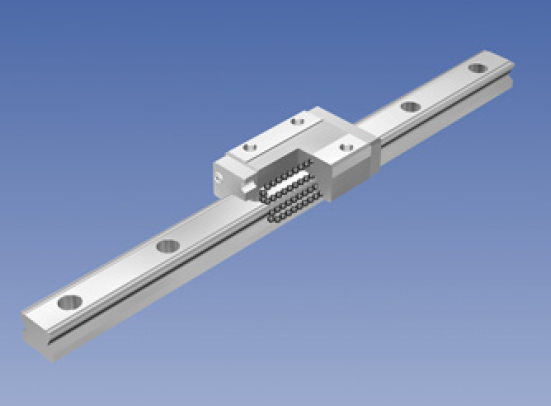
For more information, visit http://www.thk.com, e-mail
Medium to Low Vacuum Lubrication System for Linear Motion Guides
Now available for THK's line of LM guides is a medium to low vacuum lubrication system. Featuring stainless steel construction, vacuum grease, and special seals, this new LM guide is designed for use in environments from atmospheric pressure to a vacuum of 10−3 Pa. Stainless steel and a heat resistant resin allow the LM guide to be used in high-temperature environments. It can withstand operating temperatures of up to 150 °C, with a peak of 200 °C.
For more information, visit http://www.thk.com, e-mail
Solid Lubrication System S-Coating Series Linear Motion Guide
According to THK, its new Solid Lubrication System S-Coating Series LM Guide offers completely oil-free operation. The S-Coating Series is suitable for use from atmospheric pressure to a vacuum of 10−6 Pa. The solid lubricant used with this guide is highly adhesive and wear resistant. THK achieves these properties by applying the film via a deposition method specially suited for THK's original circular arc contact structure.

For more information, visit http://www.thk.com, e-mail
New Linear Motion Guide Accuracy Standards
To meet a wide range of application requirements, THK has developed new accuracy standards. The accuracy grades created by THK in 1973 were adopted as the Global Standard. After 30 years, THK's manufacturing capability has improved the accuracy standards of LM guides. In addition to revising specifications, THK has added two new accuracy standards (Ct7 and Ct5) to accommodate a wider range of application requirements. THK accuracy grades range from submicron to normal.
The accuracy of an LM guide is specified in terms of running parallelism, dimensional tolerance of height and width, and the height and width difference between a pair of LM guides (when two or more LM blocks are used on one rail, or when two or more rails are mounted on the same plane). Running parallelism indicates the tolerance for parallelism between the LM block and the LM rail reference surfaces when the LM block travels the whole length of the LM rail secured on the reference surface using bolts.
THK's new accuracy standards apply to a variety of caged ball and caged roller LM guides, as well as standard LM guides, from the THK line.
For more information, visit http://www.thk.com, e-mail
Types SLS/SLF
With the addition of its Types SLS/SLF, THK combines caged technology with ball spline design. The ball spline is a direct motion system in which the balls embedded in the spline's external nut can convey torque while making smooth LM in the rolling groove of the precisely ground spline shaft. The incorporation of THK caged technology, and an optimized design of the ball circulation path, enhances this smooth movement in even vertical applications.

THK caged technology uses a synthetic resin cage with a patented curvature that cradles each ball and separates it from the next. The spaces between the rolling elements retain grease and act as a lubrication system for long-term maintenance-free operation. Additional benefits of caged technology for the Types SLS/SLF include high-speed operation due to evenly spaced balls, high rigidity equivalent to an LT shaft (±10%) and low noise with the use of a resin circulation path and optimum ball diameter.
Types SLS/SLF are available in spline shaft outer diameters from 15 to 100 mm. They are interchangeable with THK's Type LBS.
For more information, visit http://www.thk.com, e-mail
Double Type RU Roller Ring
The Type RU Roller Ring features compact, yet highly rigid construction. According to THK, the new double-row roller structure and integrated inner and outer rings of the Type RU result in 20–30% higher rigidity than competitor models.
For more information, visit http://www.thk.com, e-mail
Ceramic Linear Motion Solutions
THK now offers a line of ceramic LM solutions. The use of ceramic rails, blocks, and in most cases, ceramic balls, contributes to nonmagnetic characteristics and increases the range of applications. Ceramic components, as well as the use of titanium stoppers and resin circulation parts, result in a lightweight overall product and eliminate the possibility of corrosion. Ceramic products are strong enough for chemical environments and suitable for high-temperature applications.

Based on existing THK designs, THK ceramic products include the LM Guide Type RCR, the LM Guide Type RSR, the LM Guide Type qHCR, and the Ball Spline Type LT.
For more information, visit http://www.thk.com, e-mail
TTP Labtech
Acumen eX3
The triple laser Acumen eX3 microplate cytometer is an evolution of TTP LabTech's Acumen Explorer HCS platform technology. The Acumen eX3 is equipped with up to three lasers at 405, 488, and 633 nm, offering a wavelength range for excitation that is similar to that of white light source instrumentation and significantly increasing the variety of fluorescent reagents compatible with the system. According to TTP LabTech, its new Acumen eX3 will simplify assay transfer from development to screening laboratories by delivering the powerful object recognition of CCD Imagers combined with the fast reads of bulk fluorescence readers.

For more information, visit http://www.ttplabtech.com/acumen.
Velocity11
10-μL Pipette Tips and Technical Notes
New high-performance disposable 10-μL pipette tips that enable low volume dispensing are now available for Velocity11's Bravo and VPrep automated liquid-handling platforms. In addition, newly available technical notes for the 10-μL tip describe experiments that demonstrate the precise, accurate, and consistent liquid-handling capabilities of the Bravo and VPrep liquid-handling platforms in conjunction with a 384-Channel ST Disposable Tip Head. The 384-channel head, combined with Velocity11's 10-μL disposable tips, have been proven to be capable of precisely pipetting volumes as low as 0.30 μL.

For more information, visit http://www.velocity11.com, or e-mail
VCode Microplate Barcode Print and Apply Station
The new CE certified VCode accommodates a wide range of microplates and adjusts for different skirt heights and deepwell plates. According to Velocity11, the VCode's compact size allows it to fit easily on a benchtop, and its speed (less than 3 s per label) allows users to achieve impressive microplate labeling productivity. Using a 400 dpi thermal transfer printer, the VCode precisely prints up to six fields (bar codes and human readable markings) per label. The labels can withstand exposure to a wide temperature range (–80 to +100 °C) and various reagents including DMSO.

In addition to stand-alone operation for high-throughput labeling applications, the VCode can be integrated with the Velocity11 BenchCel microplate handling system for unattended labeling of up to 320 plates, at a rate of 3 plates per minute. VCode also can be easily integrated into other automated systems through its ActiveX control and RS-232 serial or RJ45 Ethernet ports.
For more information, visit http://www.velocity11.com/products/vcode/Vcode_datasheet.pdf, e-mail
Element Compact Automated System
The new Element from Velocity11 is designed for a midsize range of applications between the company's BenchCel Microplate Handling System and the larger, more powerful BioCel Automation System. A compact floor-standing unit, the Element features an open-access platform to quickly facilitate configuration of up to nine instruments for processing. The Element can be tailored by customer-specific needs to perform microplate pipetting, mixing, sealing, barcode labeling, signal detection, and more. Serving the genomics, proteomics, cellomics, drug discovery, ADME/Tox, and compound management fields, the Element is suited for applications that include cell-based and enzyme assays, ELISA, plasmid and sequencing preparation, PCR clean-up, solubility, and more. The Element's technical features include a central robotic arm with ample vertical reach for stacking instruments, and a wrist-action gripper that maneuvers microplates onto instruments precisely for efficient usage of space.

For more information, visit http://www.velocity11.com.
Wyatt Technology
Application Note: DynaPro DLS for Protein Unfolding
The Laboratory of Anthony L. Fink (Department of Chemistry and Biology, University of California Santa Cruz) demonstrates that Wyatt Technology's DynaPro Dynamic Light Scattering (DLS) system can be an effective alternative tool to in vitro experiments for following the protein unfolding process. The results are presented in a new application note that is available free of charge at http://www.wyatt.com/literature, or e-mail
Zinsser Analytic
Automated Crimping
Workbench automation systems based on high-performance automated XYZ liquid handling now can include automatic crimping stations for HPLC vials. The caps are provided on a rack on the workbench. For crimping, the robot places the caps on the vials with a gripper, and then picks up the crimper tool and seals each of the vials. The crimper is powered from the robot. Crimping is available for 8, 11, 13, and 20 mm aluminum seals. The crimper can also be used as a handheld tool.
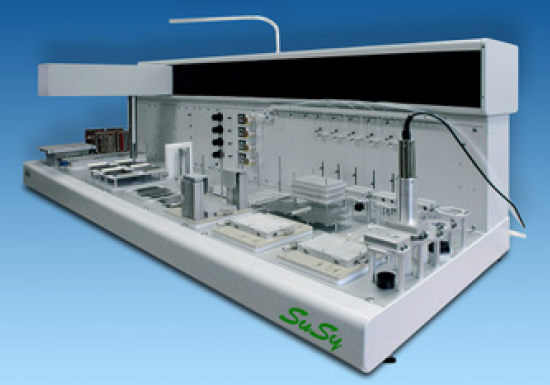
For more information, visit http://www.zinsserna.com, e-mail
SuSy Automatic Workbench
Zinsser Analytic has developed an automatic workbench that enables users to execute a workflow to test a large number of compounds in parallel. The reactor is based on the Microplate format for 24, 48, or 96 different compounds or different testing parameters. Tools for pH measurement and adjustment, precision dosage, weighing, and mixing (even of highly viscous media) are provided. Optical control, evaporation, filtration, HPLC-/LC–MS integration can be provided enabling users to carry out well-proven formulation methods and solubility tests on a single platform.

For more information, visit http://www.zinsser-analytic.com, or e-mail
More News
Agilent Technologies entered an agreement with Mass Consortium Corp. to develop customizable desktop software that will automate METLIN Metabolite Database searches. In addition, Agilent Technologies obtained worldwide, nonexclusive patent licenses from Abbott Molecular for the manufacture, marketing, and sale of oligonucleotide microarrays using a two-or-more color technology for gene expression and CGH applications. SARAMIS by AnagnosTec received accreditation according to ISO/IEC 17025 at the University of Veterinary Medicine Hanover (TiHo), Germany. SARAMIS is a software tool developed for the identification and classification of microorganisms using MALDI-TOF MS. Arrayjet announced the sale of an Aj120 Inkjet Microarray Spotter to the ARK-Genomics facility at the Roslin Institute, the world famous as the birthplace of farm animal cloning. In addition, two Aj100 Inkjet Microarray Spotters were sold to the combined Universities of Exeter and Nottingham to form the mainstay microarray capability of the Attogram Project, a collaboration between the two universities, funded by the EPSRC. Aspectrics concluded a strategic agreement with the Center for Process Analytical Chemistry (CPAC) of the University of Washington to sponsor CPAC's upcoming BTX (Benzene/Toluene/Xylene) research project, which is funded by a Fortune 50 oil company. CPAC will use Aspectrics's EP-IR MultiComponent 5000 analyzer to develop an advanced BTX analyzer for petrochemical analyses. In other news, the EP-IR MultiComponent Analyzer from Aspectrics was named by R&D Magazine as one of the Top 100 most technologically significant products introduced into the marketplace over the past year. Aurora Biotechnologies entered into a worldwide distribution agreement with Beckman Coulter, making Beckman Coulter a key distribution partner for Aurora's line of ChemLib microplates. Briar Alpert, president of BioTek Instruments, was formally inducted to full membership by the Vermont Academy of Science and Engineering (VASE). VASE, patterned after the National Academy of Sciences, was established in 1996 as a nonprofit society of distinguished scientific and engineering scholars and practitioners who are committed to the furtherance of science and technology. In other news, BioTek Instruments partnered with the Vermont Manufacturing Extension Center (VMEC) in support of an ongoing lean methodology-training curriculum. The overarching goal of this program is to increase production efficiencies in BioTek's Winooski facility. The initiative was funded by the Vermont Training Program of the Department of Economic Development, and is customized to the unique manufacturing methods and requirements of BioTek Instruments. Boehringer Ingelheim Pharmaceutical's research group accepted delivery of Hudson Control Group's ProLink Proteomics Workcell. Caliper Life Sciences appointed Dr. Peter Lassota as the divisional vice president of oncology. Dr. Lassota joins Caliper from the Novartis Institutes for Biomedical Research, where he led Novartis' U.S. Oncology Pharmacology Unit. The LSM 5 DUO Laser Scanning Microscope by Carl Zeiss Microscopy also was named a winner of R&D Magazine's Top 100 Award. This is the fifth year in a row that Carl Zeiss Microscopy has received an R&D 100 award, and three of the awards have been for products from its LSM 5 family. Chip-Man Technologies appointed Dr. Jane Spencer-Fry as vice president sales for Europe, with responsibility for all sales activity within Europe including distributors. She most recently worked for BioVeris Europe as sales director. deCODE genetics began enrolling patients in its Phase I clinical development program for DG051, the company's follow-on developmental compound for the prevention of heart attack. The ascending-dose, double-blind, randomized, placebo-controlled study will examine the safety and tolerability profile of DG051 as well as pharmacokinetics and pharmacodynamics. deCODE genetics filed legal proceedings against five former employees for misappropriation of deCODE trade secrets and intellectual property, and related breach of noncompetition and nonsolicitation provisions of employment agreements. The five were recruited and at least four are currently employed by the Center for Applied Genomics, a business unit of the Children's Hospital of Philadelphia (CHOP), which is also a defendant in the case. In other deCODE genetics news, Dr. Peter Goodfellow was named to be the company's Board of Directors. For the past 6 years, Dr. Goodfellow was senior vice president for discovery research at GlaxoSmithKline. Evotec appointed David Brister as the company's chief business officer. He also will serve as a member of the Evotec executive committee. In this newly created role, he will coordinate the business development activities of both Evotec's Pharmaceuticals and Services Divisions. Evotech successfully completed Phase I with EVT 101, an NR2B subtype-specific NMDA receptor antagonist for the treatment of Alzheimer's Disease and neuropathic pain. CHDI of Frankfurt, Germany, selected Evotec as a strategic partner in their drug discovery programs aimed at finding therapies for Huntington Disease. A Phase II clinical trial with EVT 201 was initiated for the treatment of insomnia. After a 1-month tolerability study with EVT 301 in young and elderly volunteers, Evotech stopped its Phase I trial and discontinued its EVT 301 development program. Evotec also announced that the second milestone was achieved in its agreement with Takeda Pharmaceutical Company. Takeda has exclusive rights to a novel target in Alzheimer's disease based on successful target identification and validation work triggering a milestone payment of more than one million Euros. Evotec is eligible for future milestone payments on the successful clinical development of compounds acting on the selected target. FEI Company and Malvern Instruments entered into a joint development and marketing program for advanced nanoparticle analysis using Malvern's particle image analysis software on FEI's line of Quanta SEMs. The combination can deliver a powerful particle analysis solution that extends current analysis technologies for nanosized particles. In other FEI news, Don R. Kania was named president, chief executive officer, and a board member of the FEI Company. Dr. Kania was most recently president and chief operating officer of Veeco Instruments. In addition, FEI announced that Japan's JFE Steel Corporation ordered a Titan 80–300 for its research center in Kawasaki. Ferring Pharmaceuticals installed a large Bigneat recirculatory filtration fume cabinet at its Southampton, U.K. laboratories. Franek Technologies was selected to protect over 75 Applied Biosystems (ABI) PCR and Genetic Analyzers at New York's new Forensic Biology DNA Laboratory, and was elected to protect the initial placement of three Solexa 1G Genome Analyzers, valued at approximately $1.5 million, at the Broad Institute's Genome Sequencing Platform. Gyros completed the separate sales of two microfluidic system platforms to AstraZeneca and Cambridge Antibody Technology. Guava Technologies was honored with the Frost & Sullivan 2006 Excellence in Technology Award in the field of cell-based assays for its development of high-performance technology platforms, including the Personal Cell Analysis systems, for cell-based assay applications. Hyphenated Systems announced a joint development project with the Purdue University Microfluidics Laboratory. Purdue will use Hyphenated Systems' 3Dmap to characterize structure in advanced microfluidic devices, and to develop advanced techniques to characterize fluid flow through these structures. In addition, another joint development project with the Stanford Microfluidics Laboratory was announced. Stanford will use Hyphenated Systems' 3Dmap to characterize structure and flow in microfluidic devices. IDBS and In Silico Discovery announced a strategic partnership aimed at integrating all drug discovery data and providing flexible access irrespective of where it is stored. The “Freeing data from the Silos” collaboration combines IDBS' pharmaceutical data management tools (including E-WorkBook technology) with ISD's data K3 integration platform. In other IDBS news, the Institut Pasteur-Korea implemented the ActivityBase data management software suite from IDBS to increase efficiency and throughput in its screening operations. iNovacia, the contract research organization newly spun out of Biovitrum, expanded the number of TTP LabTech comPOUND storage modules that form the base of its sample handling system. iNovacia's now has three comPOUND modules, plus a comPANION 1–2–4 remote arrayer. U.S. Patent 7,090,333 describing the use of acoustic droplet ejection (ADE) for the preparation of microarrays of proteins and peptides was issued to Labcyte. ADE uses sound to move fluids eliminating all physical contact with the liquid being transferred. This disposes of the need for pin tools, pipettes, and nozzles that are currently used to make protein arrays and are known to cause loss of protein due to adsorption on the device surfaces. ADE also is precise with the coefficient of variation, the measure of precision, often less than a few percent even at the nanoliter and picoliter level. ADE can even transfer volumes as low as 25 fL (0.000025 nL). Life Science Analytics' online biotech research tool MedTRACK posted two milestones by amassing over 50,000 management bios and reaching the 30,000 deals milestones within its Deals and Alliances section. Millipore and JPT Peptide Technologies announced a distribution and marketing agreement that gives Millipore worldwide, nonexclusive distribution rights for JPT's line of enzyme profiling products and services targeting enzymes such as kinases, phosphatases, and proteases. NNIT and LabVantage Solutions established a partnership to bring industry and implementation expertise together with a state-of-the-art laboratory information management suite. The partnership between LabVantage and NNIT covers life sciences. Organizations in Germany, Austria, and German-speaking regions of Switzerland and Luxembourg. OGT announced the second in a series of Japanese licensing agreements giving Yamatake access to OGT's Southern array patents, the fundamental patents covering the manufacture and commercialization of oligonucleotide microarrays. This microarray license enables Yamatake to manufacture gemkey microarrays using in situ synthesis and market them via its distributor Sigma–Aldrich Japan. OGT concluded its series of Japanese licensing agreements by giving Bio Matrix Research and Filgen access to its Southern array patents to enable Bio Matrix Research to develop and commercialize unique products, and to manufacture and market microarrays in Japan. OGT and Invitrogen completed a license agreement granting Invitrogen access to one of OGT's Southern array patents, which will enable Invitrogen to offer DNA-related microarray services worldwide from its U.S. operations. PANalytical received the 2006 Frost & Sullivan Award for Product Line Strategy. This award is presented to the company that has demonstrated the most insight into customer needs and product demands. Industry analysts compare market participants and measure performance through in-depth interviews, analysis, and extensive secondary research to identify best practices in the industry. PaR Systems purchased SSI Robotics from its bankruptcy sales process. Paul Smith, founder of SSI Robotics, was named the general manager for the new business. PaR Systems will retain the SSI Robotics facility in California. PerkinElmer acquired Avalon Instruments of Belfast, Northern Ireland. The acquisition expanded PerkinElmer's Molecular Spectroscopy product portfolio by adding a family of benchtop dispersive Raman spectrometers. Radleys announced that sales of its parallel chemistry and laboratory reactor products contributed to a 400% growth in its Asian business during 2004–2005 and 2005–2006. Elsewhere, Radleys announced an agreement with Gebruder Buddeberg of Mannheim, Germany to market and support its range of explosion-proof compressed-air stirrers and agitators in the U.K. Stäubli Robotics signed a partner agreement with Cognex to promote Stäubli Robotics automated solutions equipped with vision systems using Cognex products. Syncroscopy announced that Auto-Montage Pro, its 3D image reconstruction software, is being used at the Los Angeles County Department of Agricultural's plant quarantine enforcement center to produce perfectly in-focus images for the rapid and accurate identification of crop pests. The Automation Partnership announced that two of its SelecT automated systems for cell culture have been sited at the American Type Culture Collection, the world's largest biological resource center. Thermo Electron announced its 1000th customer order of its ARL 4460 Optical Emission spectrometer. In addition, three fully integrated Rhombix protein crystallization systems were purchased by the Membrane Protein Structure Initiative, a consortium of eight U.K. universities and institutions funded by the Biotechnology and Biological Sciences Research Council. In other Thermo news, the company was honored with the NorthFace ScoreBoard Award, for a second consecutive year, for excellence in customer service in two categories: installation service representative, and field service engineer. Thermo's iCAP 6000 Series of ICP emission spectrometers won the Gold Award at the Instrument Business Outlook (IBO) Design Awards 2006 for excellence in industrial design of analytical and life science instruments, portable analytical instruments, and laboratory equipment. Ultrasonic Scientific appointed Eric Printz as North American sales and marketing manager. He brings to Ultrasonic experience from the analytical instrumentation industry, having previously worked with PerkinElmer and GE Healthcare. Viscotek sold two complete Triple Detector Array GPC systems, further GPC equipment, and a Model 802 DLS instrument to the new Centre for Materials Discovery (CMD) at the University of Liverpool. CMD was formed to facilitate and support the adoption of high-throughput technologies and methodologies within academic organizations and businesses on Merseyside and the surrounding Northwest region.
Call for Papers
JALA publishes six peer-reviewed issues each year, and accepts manuscripts on an ongoing basis from ALA members and nonmembers. Lab automation professionals are invited to showcase their achievements by submitting method-focused
