



Abstract
IQ™ Technology is a homogeneous, universal detection platform designed specifically for high-throughput screening of kinases and phosphatases. The technology has been tested in 96- to 384- to 1536-well microplate formats and is ideally suited for automated drug discovery screening systems. IQ™ Technology is a direct, non-competitive assay format that does not require antibodies or radioactive reagents to measure phosphorylation state. Kinase or phosphatase activity is quantitated by direct measurement of the phosphorylation state of fluorophore-labeled peptide substrates. Phosphorylation is measured by the change in fluorescence intensity that occurs when a proprietary iron-containing compound binds specifically to phosphoryl groups on peptides. This change in observed fluorescence is proportional to the extent of phosphorylation of the fluorophore-labeled peptide, because the iron-containing compound quenches the fluorescent emission exclusively on the phosphorylated form of the fluorophore-labeled peptide. The IQ™ Technology provides a universal method that can be used with any peptide sequence.
Introduction
Pierce has developed the IQ™ Assay Platform, a novel, patent pending, homogeneous assay format for determination of protein kinase or phosphatase activity. IQ™ Technology is based on the ability of an iron-containing compound to quench the fluorescence of fluorophore-labeled phosphorylated peptide. The iron-containing compound is added to the enzymatic reaction mixture as an aqueous working solution after an enzyme reaction. Addition of the IQ™ Reagent Working Solution stops the enzymatic reaction and the fluorescence intensity is measured in a plate fluorometer.
In a protein kinase assay the IQ™ Reagent Working Solution binds specifically to phosphoryl groups on the peptide end-product. The binding of the iron-containing compound to the phosphoryl group on the peptide results in a quantitative decrease in the observed fluorescence of the phosphorylated peptide relative to a nonphosphorylated peptide. The iron-containing compound thereby serves as a specific dark quencher for the phosphorylated, fluorophore-labeled peptides. In a protein phosphatase assay, dephosphorylation of the peptide results in an increase in the observed fluorescence intensity, compared to a phosphorylated peptide, after addition of the IQ™ Reagent Working Solution. A pictorial of both an IQ™ Kinase and Phosphatase Assay is shown in Figure 1.
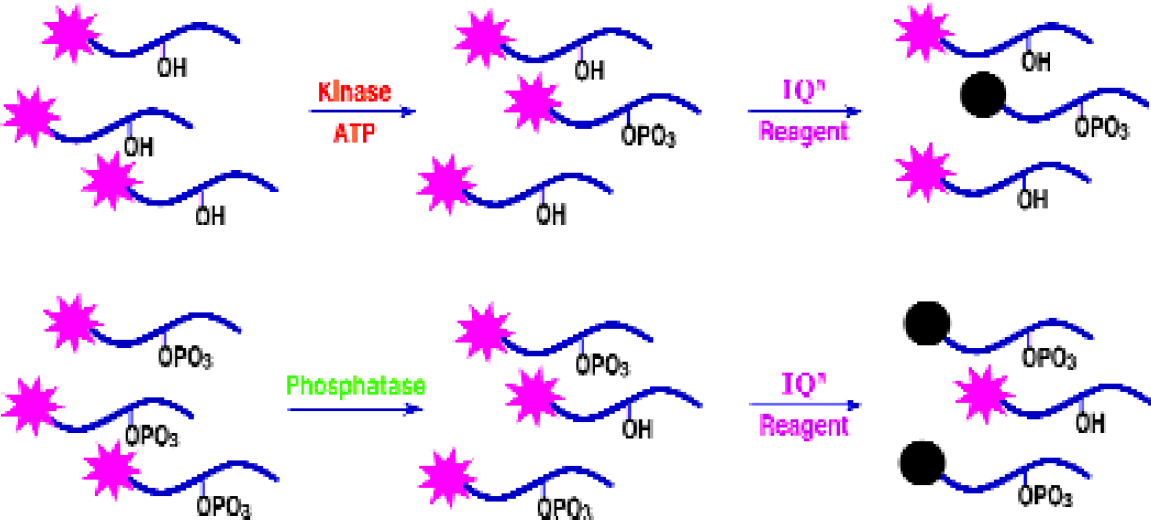
Schematic representation of IQ™ Kinase and Phosphatase Assays. The IQ™ Reagent binds specifically to the phosphorylated end product and results in a change in the observed fluorescence proportional to the extent of phosphorylation in the reaction mixture.
Materials and Methods
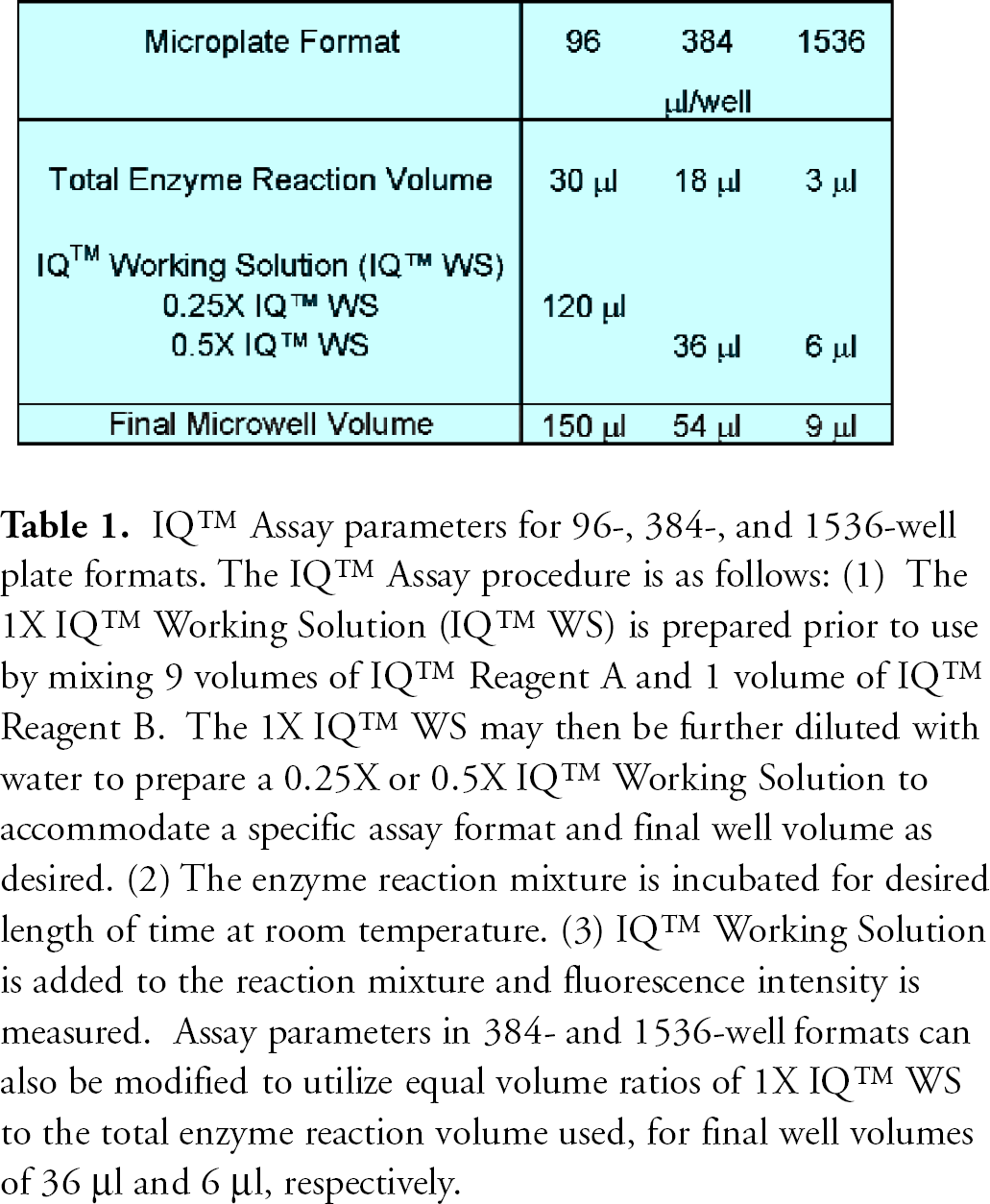
Table 1 summarizes example assay formats, enzyme reaction mixture volumes, and IQ™ Working Solution volumes for kinase assays conducted in various microplate formats. Enzymatic assays were conducted at room temperature in microwell plates for 1 hour unless otherwise indicated. Kinase reactions were initiated by addition of ATP or enzyme. Protein Kinase C (PKC) purified from rat brain or purified recombinant cyclic AMP-dependent protein kinase (PKA) catalytic subunit were Pierce enzymes; all other enzymes were purchased from Upstate Biotechnology. PKC assays were conducted in a final enzyme reaction mixture consisting of 20 mM HEPES, 1 mM CaCl2, 5 mM MgCl2, 1 mM disodium ATP, 1 mM DTT, 0.2 mg/ml phosphatidyl-L-serine, pH 7.4. PKA assays were conducted in a final enzyme reaction mixture of 20 mM HEPES, 5 mM MgCl2, 1 mM disodium ATP, 1 mM dithiothreitol, 0.1 mM cAMP, pH 7.4. PKB and Src kinase assays were conducted in a final enzyme reaction mixture of 20 mM HEPES, 5 mM MgCl2, 2 mM MnCl2, 1 mM disodium ATP, 1 mM DTT, pH 7.4. Kinase assays used a final concentration of 60 μM peptide substrate (GS, PS, or Kemptide), 120 μM MBP peptide substrate, or 10 μM Crosstide or TK1 unless otherwise indicated. Phosphatase assays were conducted in a final enzyme reaction mixture of 20 mM HEPES, 5 mM MgCl2, 1 mM DTT, pH 7.4, and a final concentration of 30 μM phosphopeptide substrate unless otherwise indicated. The amount of enzyme used reflects a common unit definition where 1 mU of enzyme is the amount of enzyme required to transfer 1 pmole phosphate per minute in a radioactive assay.
IQ™ Assay parameters for 96-, 384-, and 1536-well plate formats. The IQ™ Assay procedure is as follows: (1) The 1X IQ™ Working Solution (IQ™ WS) is prepared prior to use by mixing 9 volumes of IQ™ Reagent A and 1 volume of IQ™ Reagent B. The 1X IQ™ WS may then be further diluted with water to prepare a 0.25X or 0.5X IQ™ Working Solution to accommodate a specific assay format and final well volume as desired. (2) The enzyme reaction mixture is incubated for desired length of time at room temperature. (3) IQ™ Working Solution is added to the reaction mixture and fluorescence intensity is measured. Assay parameters in 384- and 1536-well formats can also be modified to utilize equal volume ratios of 1X IQ™ WS to the total enzyme reaction volume used, for final well volumes of 36 μl and 6 μl, respectively.
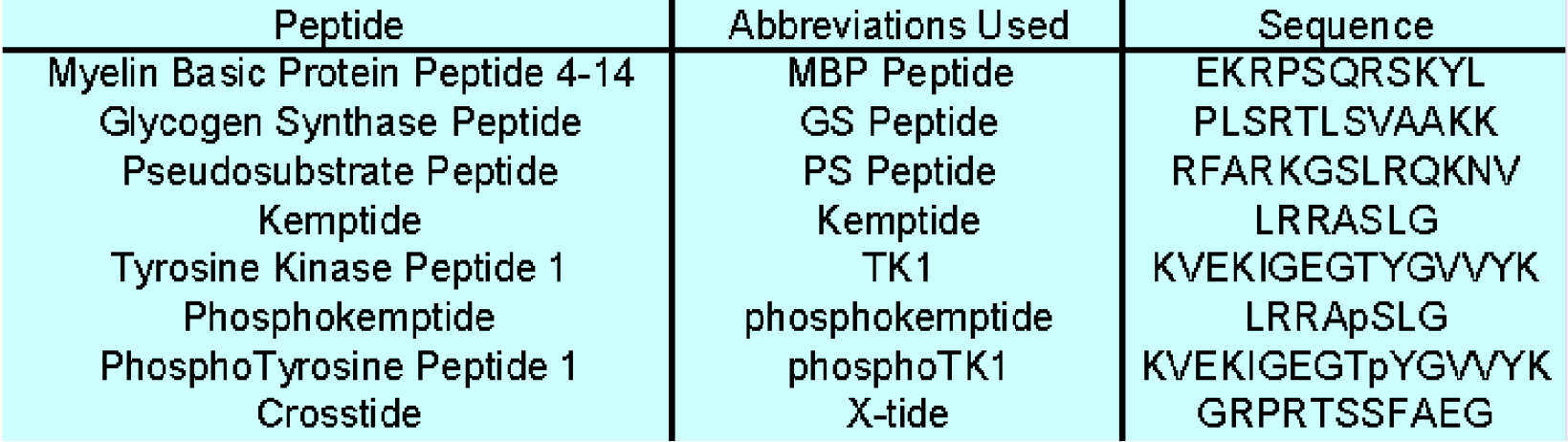
Each enzymatic reaction mixture contained a proprietary rhodamine fluorophore-labeled peptide substrate; a summary of the peptides utilized is shown in Table 2. Fluorescence was measured using a BMG PolarStar™, Tecan Safire or ULTRA™ microplate fluorometer with excitation/emission of 560/590. Data were plotted either as observed relative fluorescence units (RFUs) or after normalization of the RFU to control wells.

IQ™ Assay Variability. Figure 2A. Representative Z′ values of 0.8, 0.7, and 0.6 were generated in 82 wells in a 96-well format for the IQ™ Kinase Assay using the precision of the 0% phosphorylation signal versus the 20%, 15%, and 10% phosphorylation signals (percent phosphopeptide generated in a PKA enzyme reaction), and the magnitude of the displaced signal according to the equation:
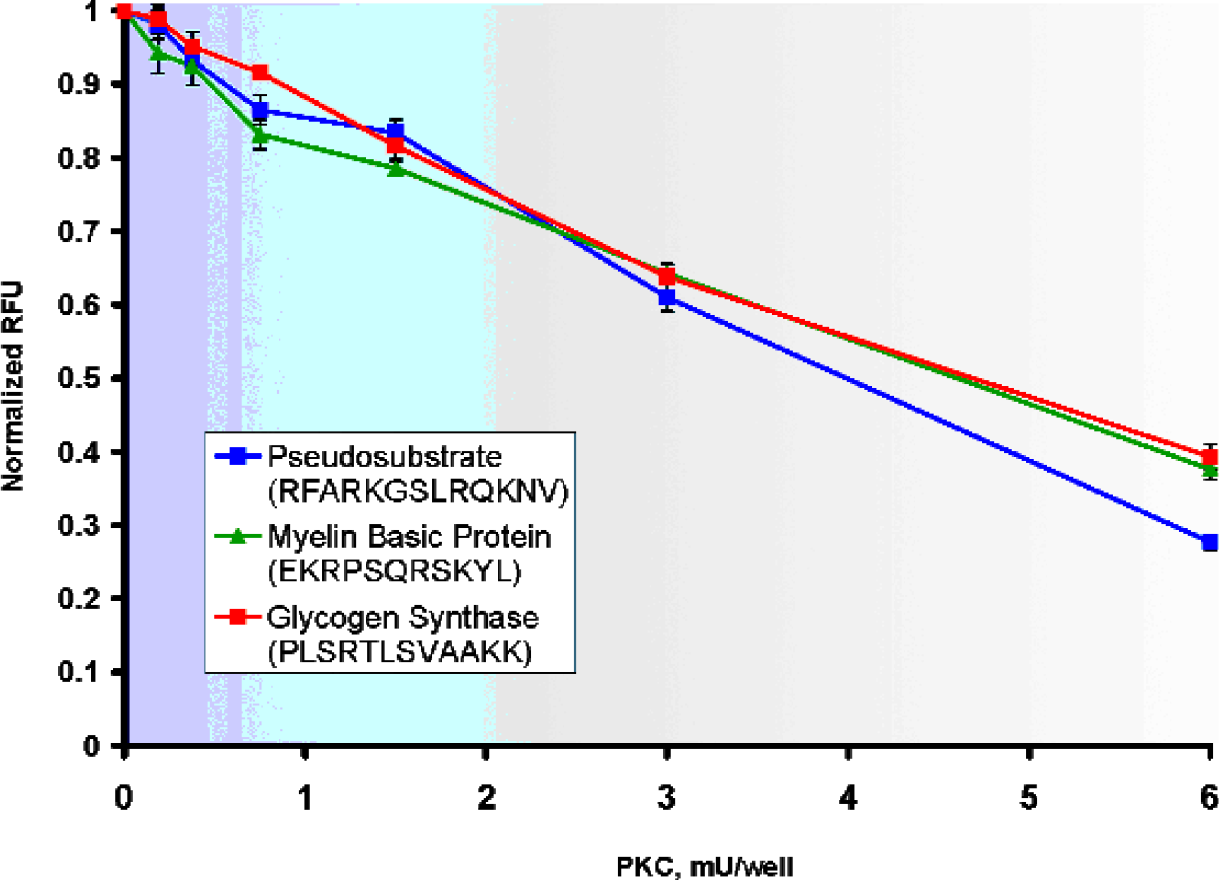
IQ™ Assay in a 384-well black plate format using PKC and three different rhodamine-labeled peptide substrates. PKC was incubated with three different peptide substrates for 1 hour at varying enzyme concentrations in a 384-well black plate at an 18 μl volume followed by addition of 36 μl 0.5X IQ™ WS. Each data point represents the mean of four replicates. Typical CV's varied from 1–3%. Lower detection limits (defined as three standard deviations removed from the zero enzyme well) were calculated from this experiment and found to be 348, 430, and 424 mU PKC per well in these assays for PS, MBP, and GS peptides, respectively.
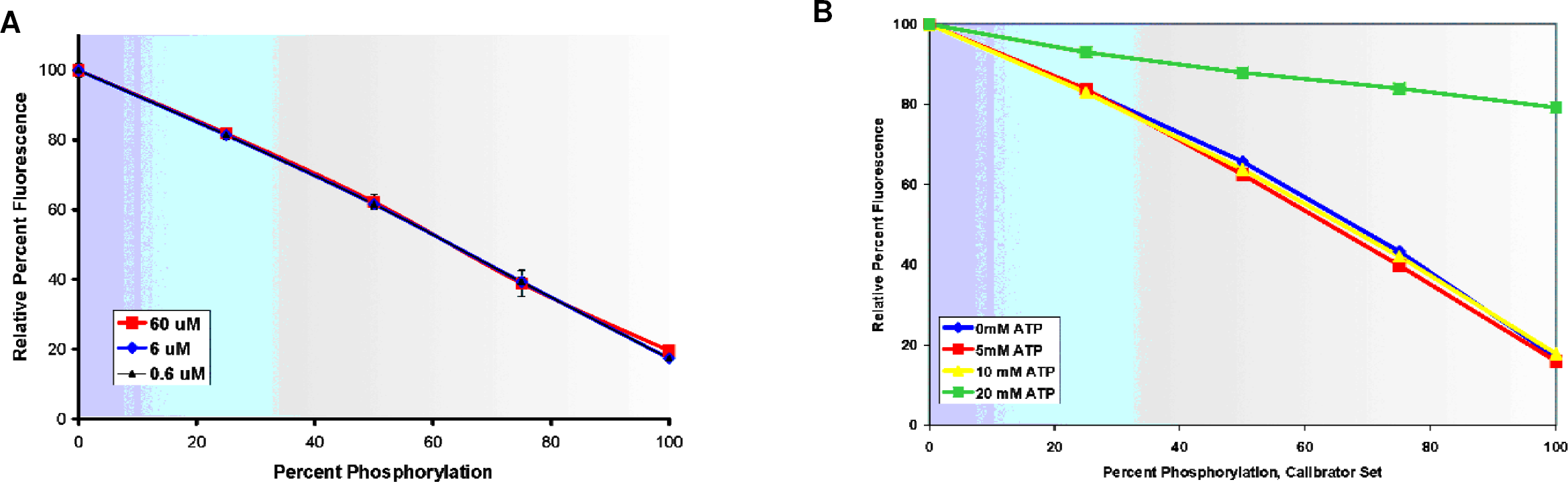
The compatibility of the IQ™ Technology with varying concentrations of peptide and high concentrations of ATP is shown using the IQ™ Calibrator Set. The calibrator sets were aliquoted at three different concentrations into different sets of wells, IQ™ detection reagents added, and the fluorescence measured (Figure 4A.) The primary limitation of peptide concentration is the sensitivity of the instrument. Figure 4B illustrates the insensitivity of the assay to high concentrations of ATP. As with any assay, solvents and local environment can affect the emission spectra and quantum yield of fluorophores. To identify which compounds affect relative fluorescence intensity using the IQ™ Reagents, a large group of compounds was analyzed using multiple dilutions and the results are shown in a compatibility chart at www.piercenet.com/IQ.
*Kuo, J.F. (1994) Protein Kinase C Oxford University Press: New York, NY.
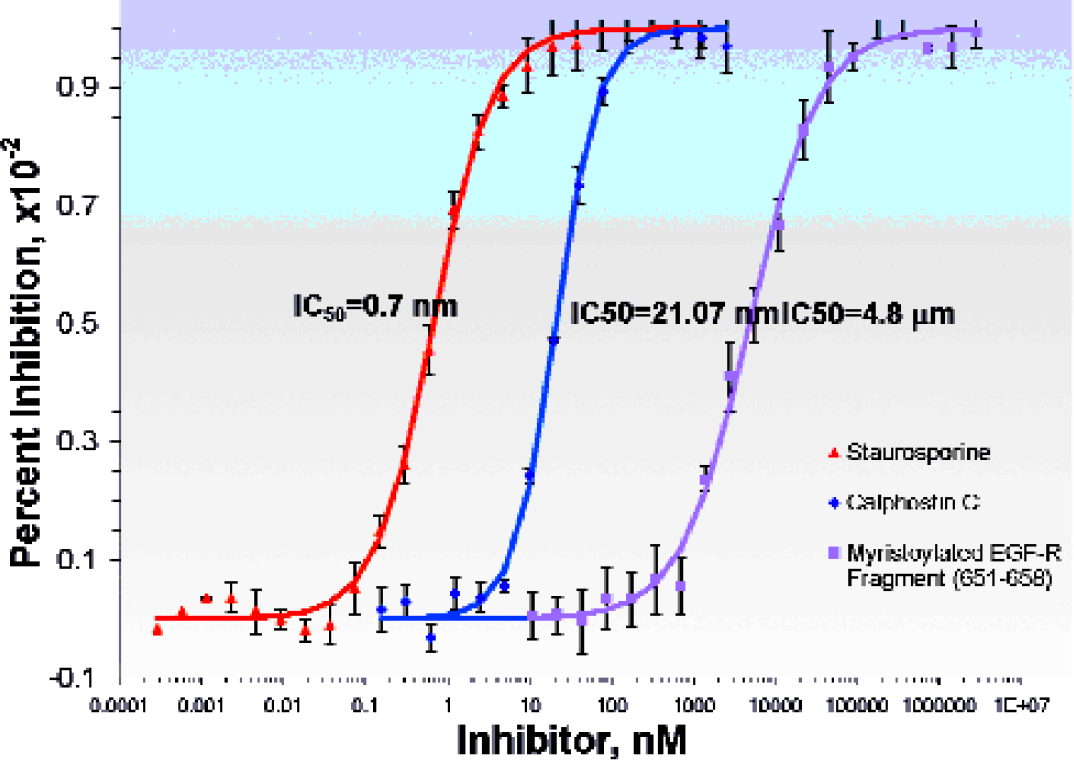
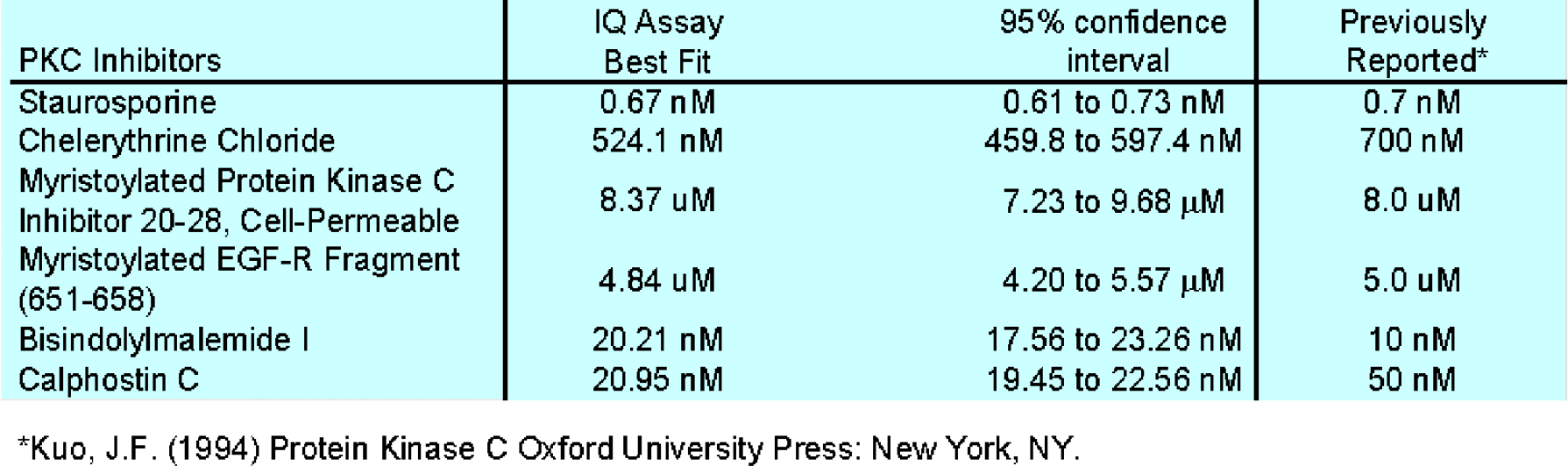
Inhibitor studies using the IQ™ Platform with PKC/PS. IC values for known PKC inhibitors were determined using fluo-50 rophore-labeled PS peptide as the substrate. Inhibitor studies were carried out in triplicate using 500 mU PKC per μl of final enzyme reaction mixture and 60 μM peptide substrate. Inhibitors, diluted in either aqueous solution for water-soluble inhibitors or in 10% DMSO for water-insoluble inhibitors, were incubated with the enzyme for 20 minutes at room temperature, after which the enzymatic reaction was initiated by addition of ATP at a final concentration of 20 μM. The enzymatic reaction was carried out for 1 hour at room temperature followed by addition of 36 μl of 0.5X IQ™ WS per well. Fluorescence was then measured and data was analyzed using nonlinear regression. IC50 values are shown in Table 3.
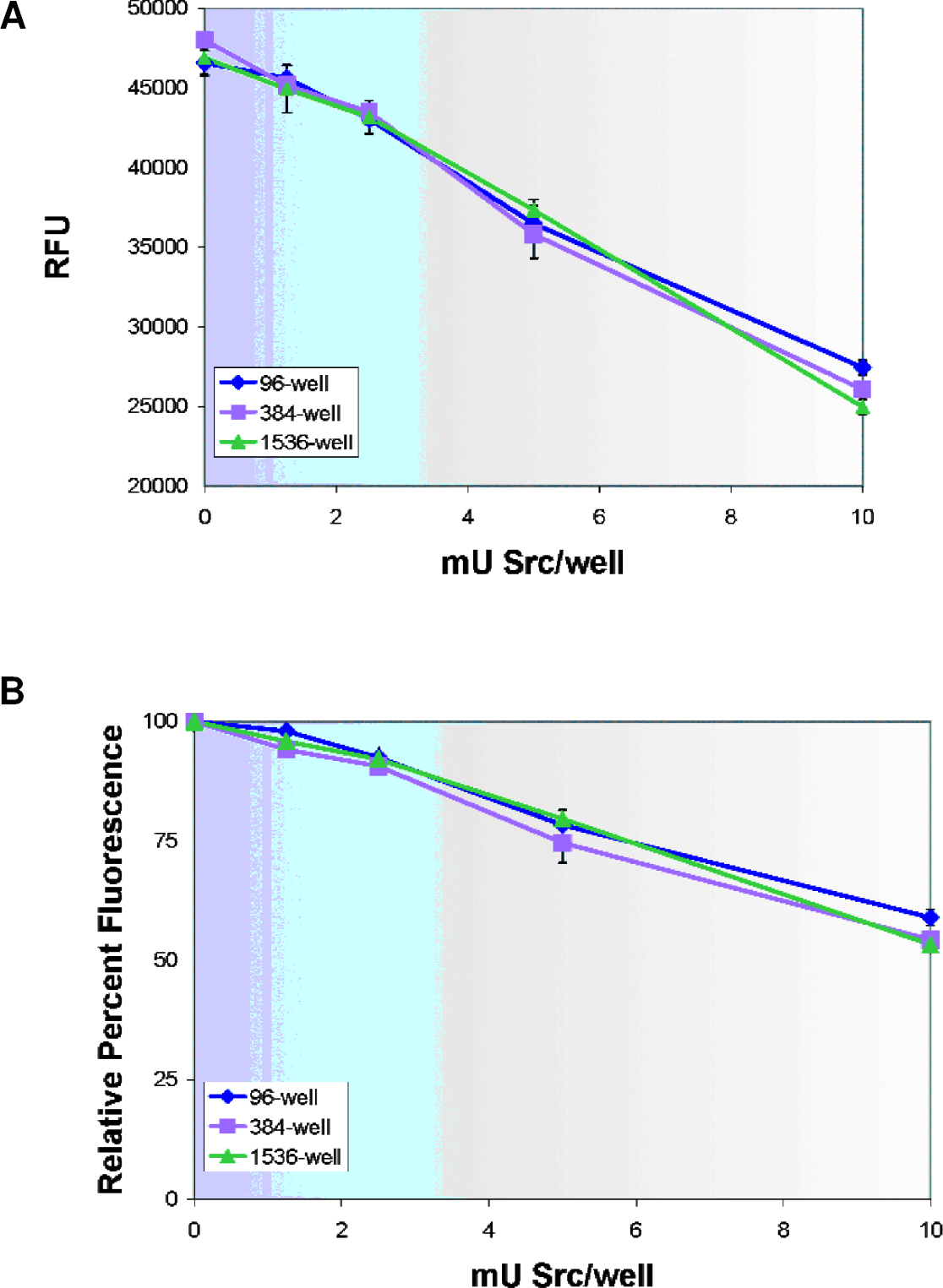
Enzyme activity can be measured equally in a 96-, 384-, or 1536- well format using the IQ™ Technology. Src tyrosine kinase was incubated in a reaction mixture containing a final concentration of 500 uM ATP and 10 μM fluorophore-labeled TK1 peptide for 1 hour at room temperature, followed by addition of 0.5X IQ™ WS. The instrument gain was set to read the same RFU for the highest value and the resulting data are not significantly different either in RFU (A), or when converted to relative percent fluorescence (B).
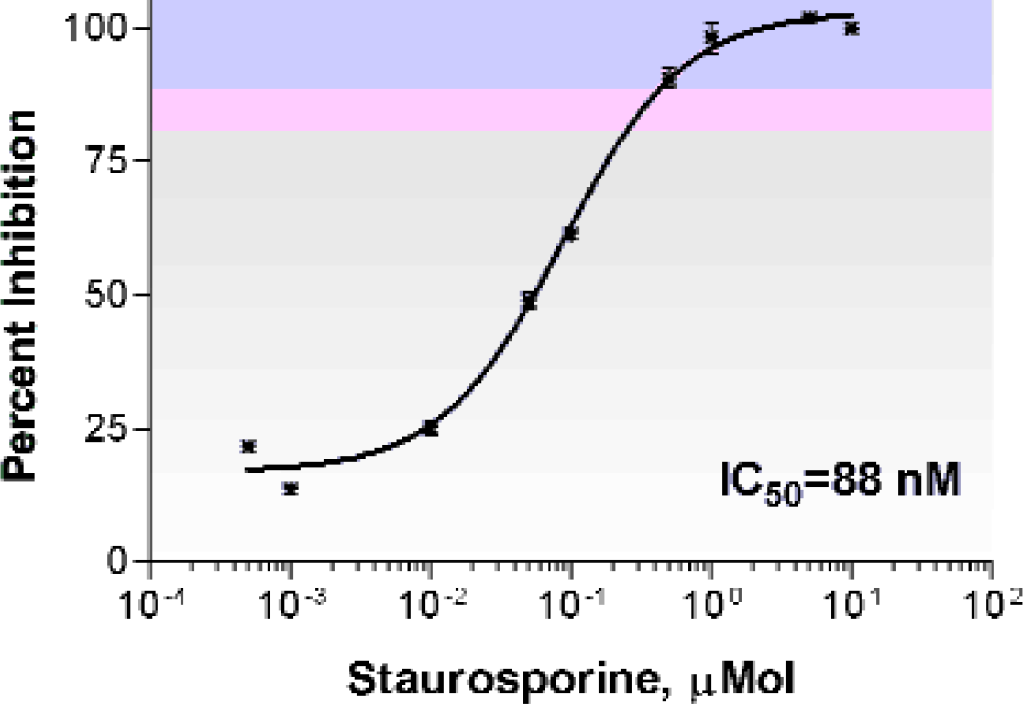
Inhibition of PKB phosphorylation of Crosstide peptide by Staurosporine. PKB was preincubated with varying concentrations of staurosporine in triplicate for 20 minutes, then 30 μM final concentration crosstide peptide and other reaction components were added as described in Materials and Methods. The reaction was initiated by the addition of 20 μM ATP. After addition of IQ™ reagents, the fluorescence intensity was measured and the data converted to percent inhibition.
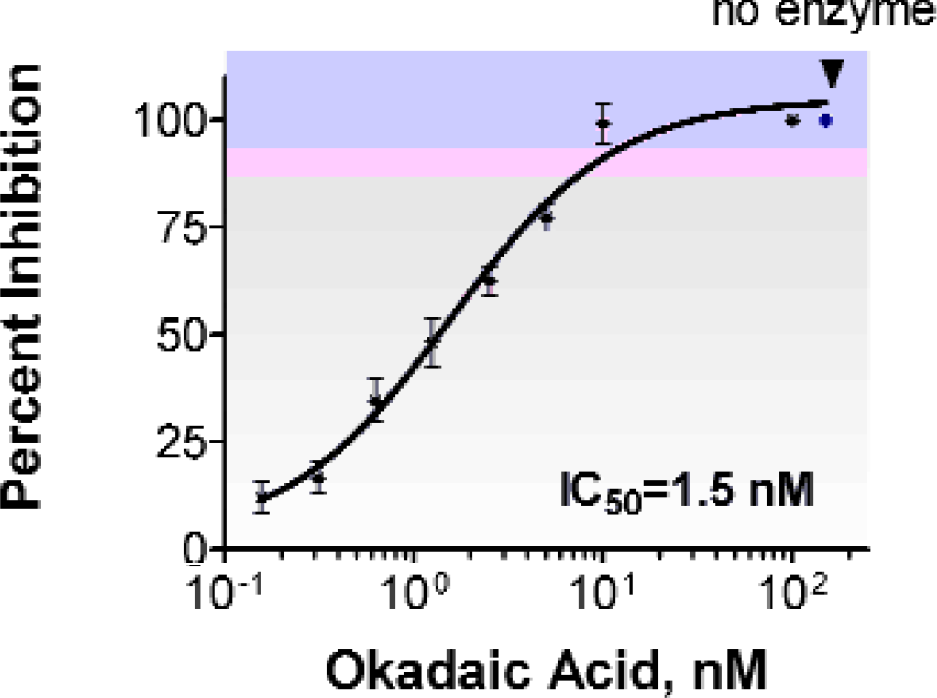
Serine/Threonine phosphatase assay utilizing the IQ™ Technology. Inhibition of PP2A activity was measured in a 96-well format using the IQ™ Technology with the substrate phosphokemptide at a final concentration of 10 μM versus varying concentrations of okadaic acid, a known phosphatase inhibitor.
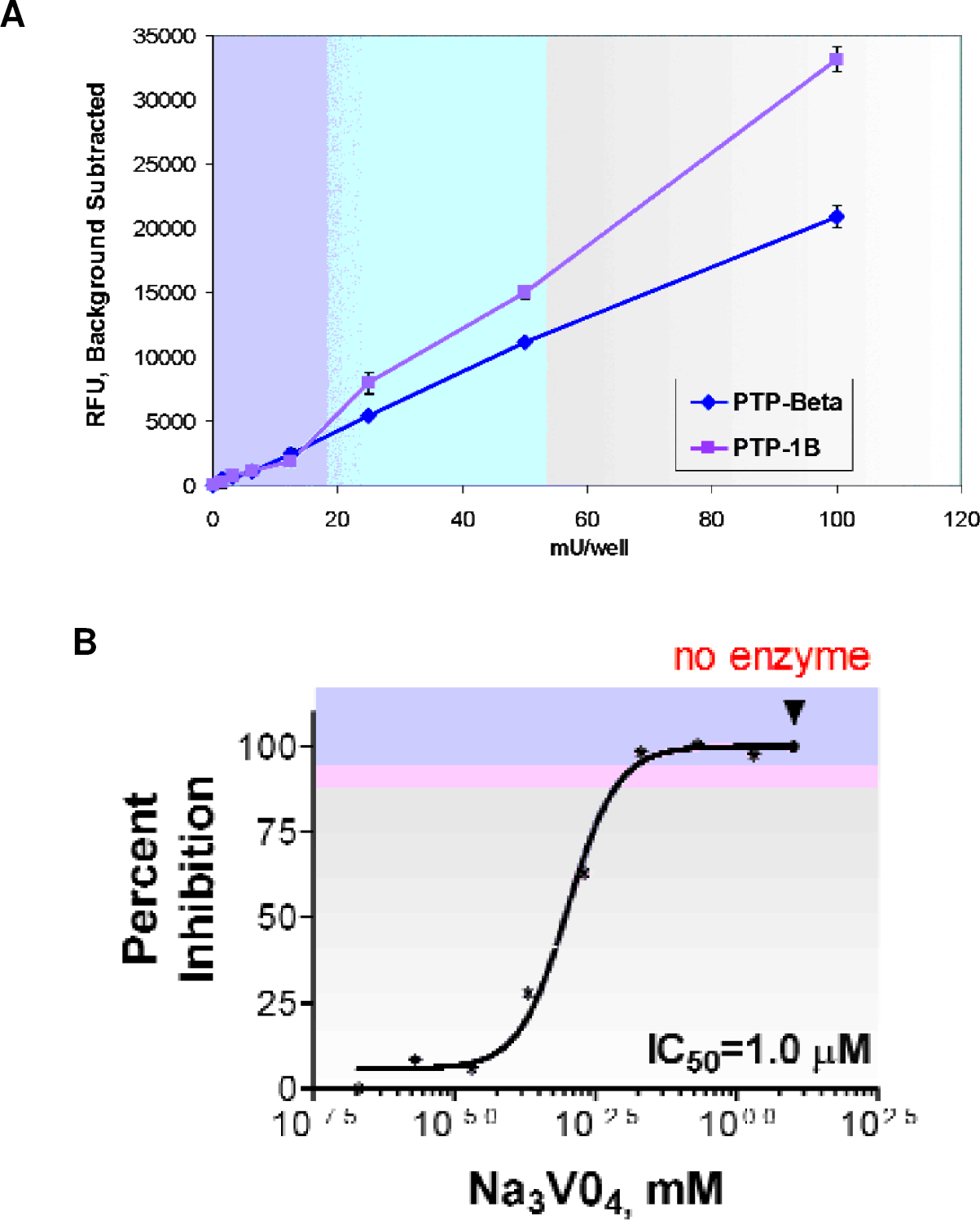
Tyrosine phosphatase assays utilizing the IQ™ Technology. Two tyrosine phosphatases, PTP-1B and PTP-Beta, were diluted out 2-fold over several concentrations and the activity was measured as described in Materials and Methods utilizing the phosphotyrosine peptide, phosphoTK1 (Figure 9A). PTP-1B was then assayed for inhibition by sodium orthovanadate (Figure 9B).
Conclusions
The IQ™ Homogeneous Assay Platform is a novel method for high throughput screening of kinase and phosphatase activity. Key benefits of this technology include the ability to utilize a common reagent for the direct detection of enzymatic end-product without the need for an antibody or radioisotope, insensitivity to high concentrations of ATP, wide flexibility in substrate concentration, and low enzyme requirements. The IQ™ Platform is versatile, flexible, and robust. Assays are readily scaled from 96-to 384- to 1536-well plate formats. A large number of organics, detergents, and other reagents that might be used in an enzyme reaction have been tested and shown not to interfere in the detection of activity. The technology provides Z″ factors greater than 0.7 at low levels of substrate conversion. The IQ™ Assay Platform includes specific assay kits and reagent pack formats for commonly used enzymes. Custom peptide synthesis is available for customers to customize their assays to enable analysis of any protein kinase or phosphatase.
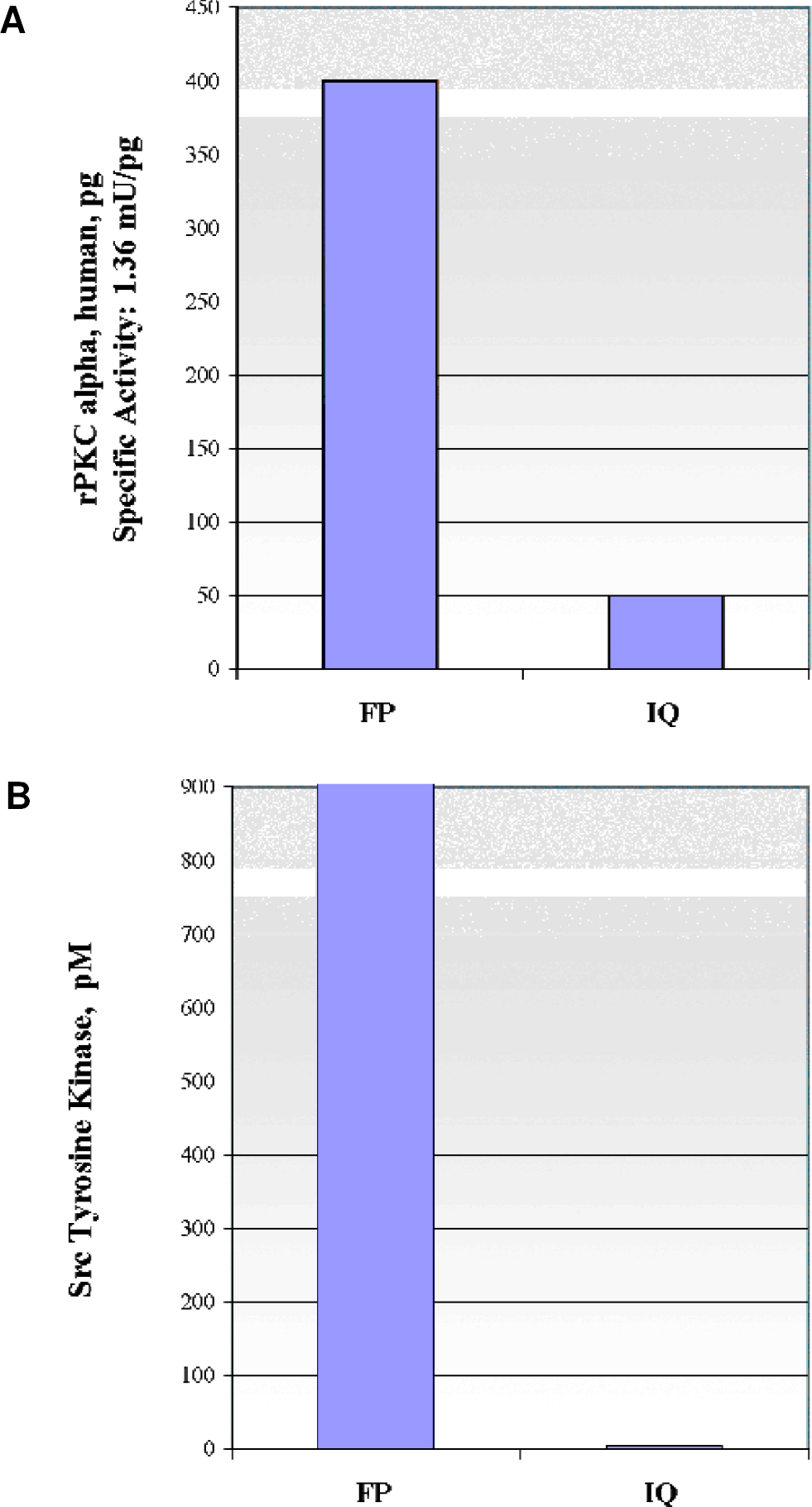
Comparison of IQ™ Technology to fluorescence polarization (FP) immunoassays. rhPKCα and Src Tyrosine kinase were diluted serially 2-fold in separate black 96-well plates in dilution buffers. For the PKC comparison, in separate wells, either 60 μM fluorophore- labeled pseudosubstrate or 60 μM unlabeled pseudosubstrate were pre-aliquoted in replicates of three. For the Src comparison, in separate wells, either 10 μM fluorophore- labeled TK1 or 10 μM unlabeled TK1 were prealiquoted in replicates of three. The reactions were started by the addition of the enzyme-containing reaction mixtures (see Materials and Methods) and incubated for 1.5 hours. The reaction was stopped by the addition of either 120 μl of 0.25X IQ™ Working Solution or the FP detection mixture. Fluorescence intensity was measured at 560/590 for the IQ™ wells, and fluorescence polarization was measured at 485/535 for the FP wells. The minimum required enzyme was defined for the IQ™ detection by calculating the amount of enzyme required for 10% product formation. At this enzyme concentration, no change in polarization was observed in the FP assay (data not shown). For FP detection, Eight-fold more PKC enzyme was required (A) and 300-fold more Src enzyme was required (B) to convert enough product to completely displace the tracer in a competitive immunoassay as compared to the IQ™ detection.