




Abstract
Background and objective:
Pathogenic variants of RYR1, the gene encoding the principal sarcoplasmic reticulum calcium release channel (RyR1) with a crucial role in excitation-contraction coupling, are among the most common genetic causes of non-dystrophic neuromuscular disorders. We recently conducted a questionnaire study focusing on functional impairments, fatigue, and quality of life (QoL) in patients with RYR1-related diseases (RYR1-RD) throughout the recognized disease spectrum. In this previous questionnaire study the medical perspective was taken, reflective of a study protocol designed by neurologists and psychologists. With this present study we wanted to specifically address the patient perspective.
Methods:
Together with affected individuals, family members, and advocates concerned with RYR1-RD, we developed an online patient survey that was completed by 227 patients or their parents/other caretakers (143 females and 84 males, 0–85 years). We invited 12 individuals, representing most of the patient group based on age, sex, race, and type and severity of diagnosis, to share their personal experiences on living with a RYR1-RD during an international workshop in July 2022. Data were analyzed through a mixed-methods approach, employing both a quantitative analysis of the survey results and a qualitative analysis of the testimonials.
Results:
Data obtained from the combined quantitative and qualitative analyses provide important insights on six topics: 1) Diagnosis; 2) Symptoms and impact of the condition; 3) Physical activity; 4) Treatment; 5) Clinical research and studies; and 6) Expectations.
Conclusions:
Together, this study provides a unique patient perspective on the RYR1-RD spectrum, associated disease impact, suitable physical activities and expectations of future treatments and trials, and thus, offers an essential contribution to future research.
Keywords
INTRODUCTION
Pathogenic variants of RYR1, the gene encoding the principal sarcoplasmic reticulum (SR) calcium release channel (RyR1) with a crucial role in excitation-contraction coupling (ECC), are one of the most common genetic causes of non-dystrophic neuromuscular disorders. RYR1 pathogenic variants give rise to a wide variety of RYR1-related diseases (RYR1-RD) presenting throughout life, ranging from early-onset congenital myopathies to episodic manifestations in adulthood including malignant hyperthermia during anesthesia and exertional rhabdomyolysis on otherwise largely healthy individuals [1, 2]. This wide RYR1-associated clinical spectrum is due to the highly variable functional impact of different RYR1 pathogenic variants, mode of inheritance, as well as type and location of specific mutations.
We recently conducted a questionnaire study focusing on functional impairments, fatigue and quality of life (QoL) in Dutch patients exhibiting the entire clinical spectrum of RYR1-RD [3]. We could demonstrate that both permanent and episodic RYR1-RD are associated with a substantial disease impact, characterized by functional limitations and severe fatigue, resulting in significant loss of QoL. The results of this study raised awareness and recognition of typical symptoms in individuals affected by RYR1-RD. In addition, the study also improved patient management and defined specific areas in need of further research, particularly concerning the disease impact associated with these common neuromuscular disorders.
The perspective taken in the previous questionnaire study was the distinct medical perspective, reflective of a study protocol designed by neurologists and psychologists. Many clinicians, however, remain largely unaware of the impact of RYR1-RD on the daily life of their patients, and of their expectations towards future treatments. These aspects are gradually becoming a topic of research in other neuromuscular diseases [4, 5], but have not yet been covered in RYR1-RD. To address these issues, members of the RYR-1 Foundation, the international patient association dedicated to RYR1-RD, initiated an online survey in advance of an international scientific and patient workshop dedicated to these conditions. The results of this survey demonstrate the strong patient need to share their firsthand perspectives with the leading international RYR1 experts.
The “RYR-1-Related Diseases International Research Workshop: From Mechanisms to Treatments,” held on July 21 – July 22, 2022 in Pittsburg (PA, USA), was the first-ever patient-led international research workshop devoted exclusively to RYR1-RD [6]. The scientific goal of the workshop was to provide a forum that connects leading international RYR1 disease experts (researchers, clinicians, and geneticists) with affected individuals, family members, and patient advocates to share knowledge, exchange ideas, form collaborations, and develop new strategies for finding effective therapies. Additional objectives were to develop consensus recommendations for clinical/research priorities, to identify actionable items needed to move the field forward, and to provide a platform for trainees to engage with RYR1 patients/family members and established leaders in the field. During this workshop, the study team presented the results of the online survey and invited twelve patients to present their testimonial of living with RYR1. This manuscript describes the results of both the patient survey and the individual testimonials, using a mixed-methods approach; employing a quantitative analysis of the survey, and a qualitative analysis of the testimonials.
METHODS
Study team
The study team that designed and executed the survey consisted of 14 individuals, including affected individuals, family members, and advocates concerned with RYR1-RD. Three of these individuals (DH, BS, JR) participated in virtual meetings of the scientific and medical experts (AS, RD, NV) involved in planning and organizing the international workshop (from November 2021 through June 2022).
Design of online survey
The study team discussed a series of topics, based on what they had heard from different patients in internal discussions within the RYR-1 Foundation, to generate the first set of questions to evaluate and understand the daily challenges faced by individuals living with RYR1-RD. The resulting set of questions was subsequently discussed with the scientific and medical experts to evaluate the most relevant questions and to reach a consensus about the final questions based on clinical importance and relevance. This resulted in an survey of 21 questions covering five different themes: Demographics (1–3); Diagnosis (4–9); Symptoms and impact of the condition (10–12); Physical activity (13–16); and Clinical research and studies (17–21). The complete survey is included as Supplemental data A: Online survey.
This survey used a descriptive cross-sectional design and was available to all individuals with RYR1-RD that met the inclusion criteria through the online survey platform ‘Survey Monkey’. The survey was active from May 9th-June 25th, 2022. The inclusion criteria included: 1) Having received a medical diagnosis of a RYR1-RD; and 2) Being able to understand and write English language. For individuals <5 years old, parents or legal guardians were invited to complete the survey. Individuals between 5–17 years old were invited to involve their parents or legal guardians in answering the questions.
A purposive sampling approach was used, and the sampling frames included: “The RYR-1 Foundation” Facebook (FB), Twitter, and Instagram pages, “ryr1.org”; “RYR-1 Families” FB group; “Living with RYR-1 - Support Group” FB page; “Central Core Disease & Minicore: a place for support, learning & friends” FB page, and The RYR-1 Foundation’s email list. Specific instructions given were: ‘Provide the best guess if you are not completely sure’; and ‘Skip any question you do not want to answer’. Participants were informed that the goal of the survey was to help researchers and experts to further learn about and better understand the impact of living with a RYR1-RD, and to help researchers develop new strategies to identify and assess suitable therapies.
Invitation and instruction for testimonials
Firstly, patients who are member of the RYR-1 Foundation were invited via email. From those who reported being interested and the study team, participants were selected based on age, sex, race, and type and severity of diagnosis to represent a broad range of individuals affected by RYR1-RD. This selection was made by the patients who participated in the study group. A group of 12 individuals who were either directly or indirectly affected by an RYR1-RD were invited to provide brief testimonials (around 7 minutes) during the international workshop that summarize their perspective on what it is like to live with or care for someone with a RYR1-RD. These individuals were instructed to talk about the process of being diagnosed, symptoms and impact of RYR1-RD on their daily life, physical and mental well-being, their past and current treatments and expectations of future research. The participants were encouraged to include specific experiences, concerns, and ideas for researchers and medical experts. The written instruction for the testimonials is added as Supplemental data B: Instruction for testimonials.
Ethical considerations
Information was collected without asking survey respondents to disclose their identity. Consequently, information submitted was not considered protected health information. Hence, the Health Insurance Portability and Accountability Act (WMO) did not need to control the use of this information. Notwithstanding this, the RYR-1 Foundation has maintained strict safeguards to protect patient information from use or disclosure that is not consistent with its goals. Furthermore, the authors performed data acquisition, analysis, interpretation, and publication in line with the good clinical practice guidelines of Radboud university medical center. Finally, the Radboud Research Ethics Committee deemed this research not subject to the WMO (2024-17388).
Data storage and analysis
The categories were partly overlapping with the themes from survey: Diagnosis; Symptoms and impact of the condition; Treatment, and Expectations. For the main themes, subthemes were created (life before diagnosis, diagnosis, symptoms, effect on physical functioning, effect on daily life, effect on mental health, treatment, expectations, and gaining knowledge) and with three researchers (LS, SC, NV) the most meaningful quotes were selected per subtheme that best represented the themes.
RESULTS
A concise summary of the survey results and the testimonials were included in the workshop report [6]. We here present the full dataset, starting with the quantitative data followed by qualitative data on the following themes: 1) Diagnosis; 2) Symptoms and impact of the condition; 3) Physical activity; 4) Treatment; 5) Clinical research and studies, and 6) Expectations. Themes 1 and 2 were discussed in both the survey and testimonial. Theme 3 and 5 were only discussed in the survey and theme 4 and 6 only in the testimonials. In the testimonials, all themes were divided into different key aspects.
Responses
Demographics of the participants that presented their testimonial at the RYR-1-Related Diseases International Research Workshop: From Mechanisms to Treatments (Pittsburgh, USA, July 2022)
*Testimonial was provided by the mother of the patient. **These numbers correspond to the patient numbers in the tables with quotes from the testimonials.
Number of quotes in the different themes
Below we describe the survey results followed by the results from the testimonials according to the main themes of each data collection tool as explained in the methods section. Numbers of patients and percentages are reported from the survey. Cases where not all participants responded to a specific question are explicitly indicated.
Diagnosis
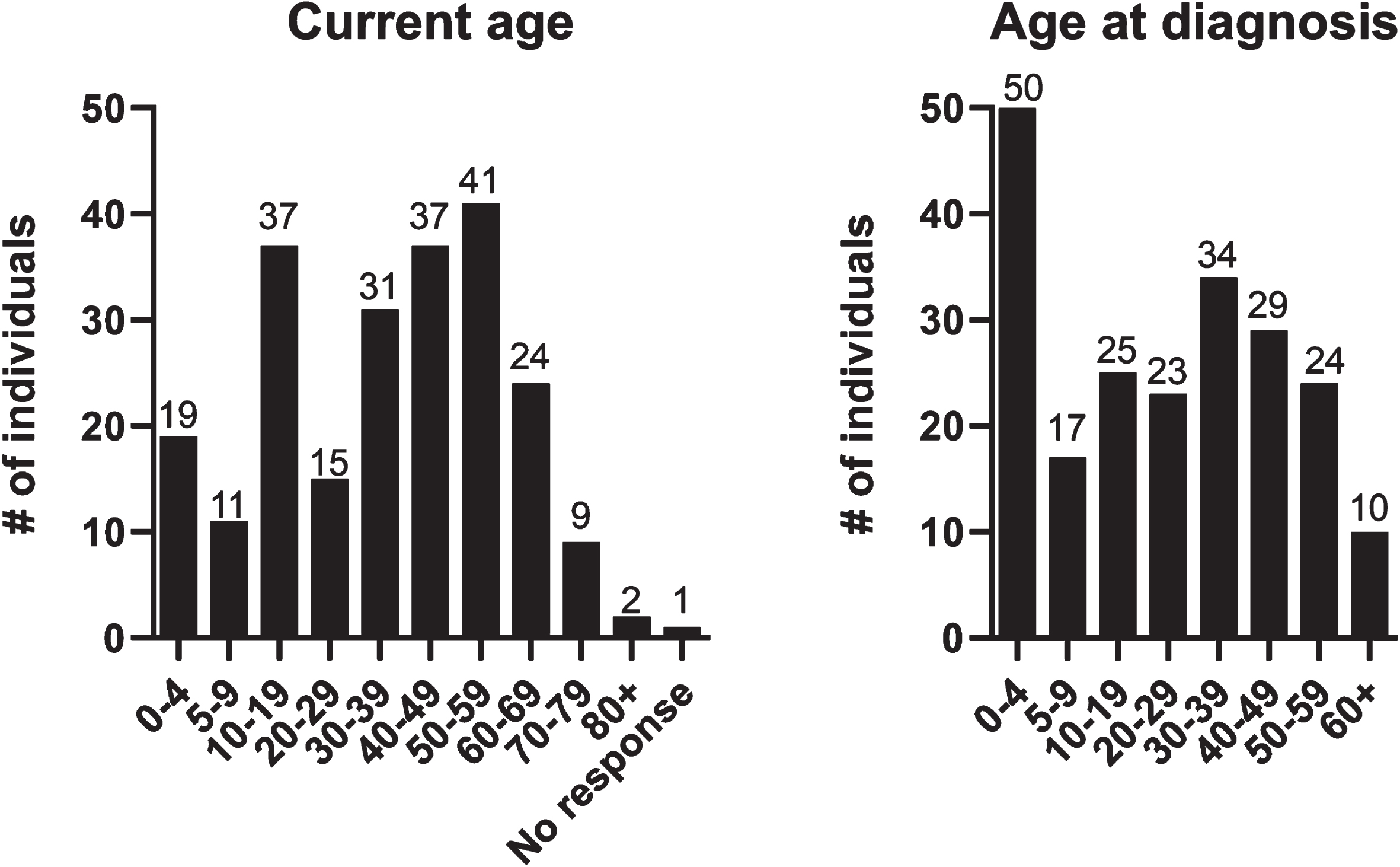
The current age and the age at diagnosis. The y-axis depicts the number of patients for each age group. These histograms show the wide range of the current age of participants and the age at diagnosis.
There was a wide range of RYR1-RD, with Central Core Disease (CCD) being most common (n = 92/173, 53%). Malignant Hyperthermia Susceptibility (MHS) (n = 29/173, 17%), Centronuclear Myopathy (CNM) (n = 10/173, 6%), Congenital Fiber Type Disproportion (CFTD) (n = 9/173, 5%), and Multi-minicore Disease (MmD) (n = 6/173, 3%) were other, but less frequent, diagnoses. 18 participants indicated ‘other’ for this question, with explanations of ‘unsure’, ‘unspecified’, or ‘new variant’ (Fig. 2A). Nine patients had a diagnosis of both MHS and a myopathy. Inheritance was autosomal dominant (AD) (n = 61/215, 28%), autosomal recessive (AR) (n = 59/215, 27%), or de novo or spontaneous (n = 21/215, 10%). Many of the participants reported not knowing the mode of inheritance (n = 74/215; 34%) (Fig. 2B).
Participants reported their current physical ability as able to walk unassisted (n = 145/223, 65%), able to walk with assistance (n = 27/223, 12%), require wheelchair assistance (n = 13/223, 6%), and require full-time use of a wheelchair (n = 38/223, 17%). Patients with an AR or de novo mutation more often required full-time wheelchair use (30.5% and 38% respectively, vs 5%, p < 0.001). Almost half of the participants considered their symptoms as progressive (n = 107/223, 47%), and one third reported those as stable (n = 77/223, 34%). Others were not able to rate their progression because of comorbidities or variable symptoms.
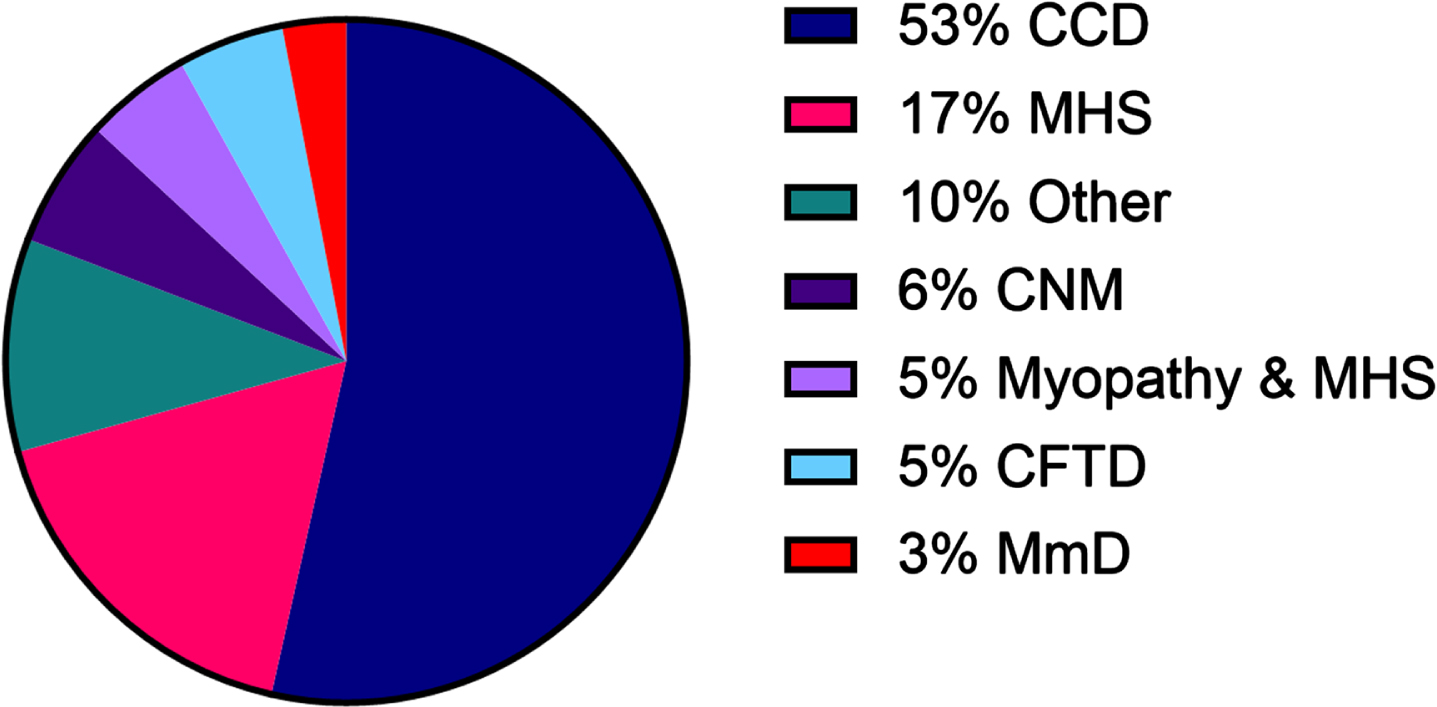
The genotypes of the included patients (N = 173). CCD: central core disease; MHS: malignant hyperthermia susceptibility; Other: unsure, unspecified or new variant; CNM: centronuclear myopathy; CFTD: congenital fibre type disproportion myopathy; MmD: multi-mini core disease. N = 173.
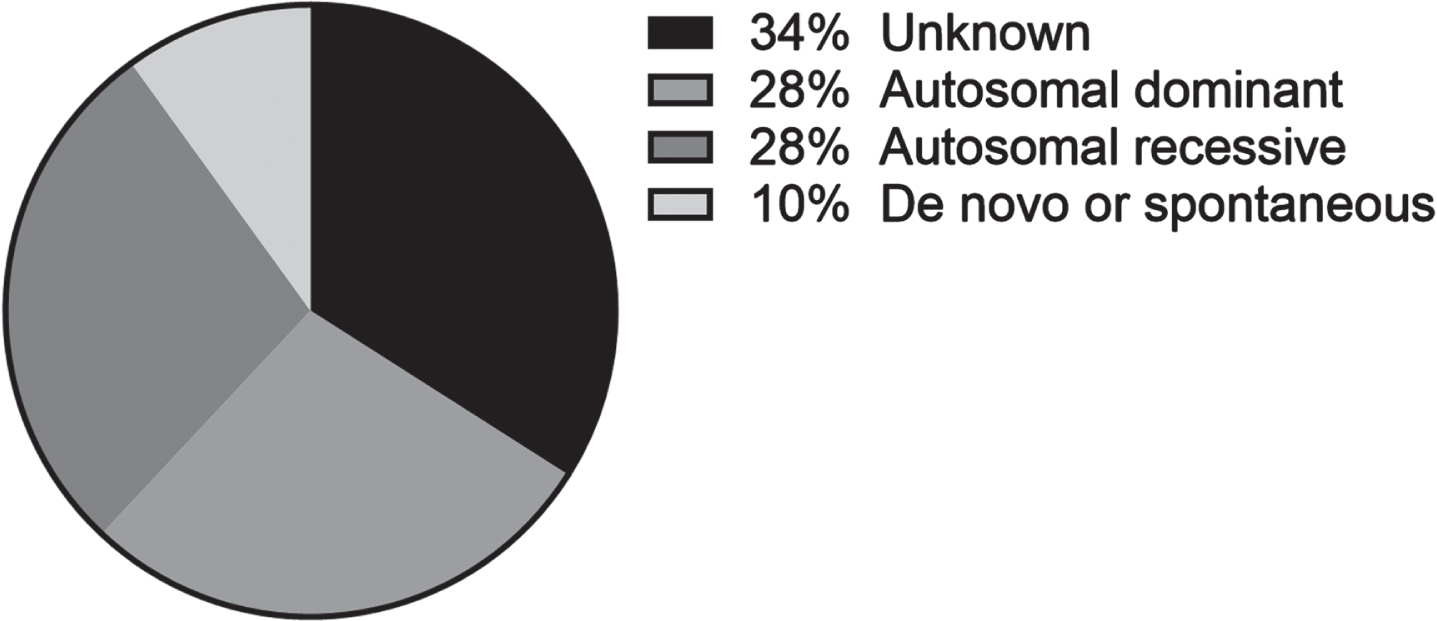
The different modes of inheritance of RYR1-RD (N = 215).
Illustrative quotes on diagnosis (from testimonials)
Life before diagnosis. In the 1980 s and 1990 s, little information was known about RYR1-RDs. The pattern of weakness, age of onset, specific symptoms and the severity of symptoms often resulted in a wide differential diagnosis, and muscle biopsies were often required to confirm the diagnosis. In general, patients commented on the difficulty of being diagnosed with a rare disease. Patients underscored the early onset of symptoms including developmental delay, but also how these early signs were often missed or only acknowledged after several years.
Diagnosis. In general, patients mentioned their family history of RYR1-RDs through their parents, siblings, or other family members, going back for generations. They reported an intrafamilial variability of disease severity and the way they experienced their own diagnosis or the diagnosis of their child. One patient mentioned that they had to wait for months to see a neuromuscular specialist and for some patients it took years to be diagnosed. This caused a lot of stress for the patient and their family, mainly because of the associated uncertainty. Parents without a medical education background faced significant challenges in finding the right diagnostic path. Other parents mentioned that they felt lonely since they did not know anyone else with a similar experience. Additionally, these parents expressed how the RYR-1 Foundation and the patient community has helped them. Overall, patients described their diagnostic process as a long journey with many hospital visits, additional testing, and many unanswered questions. One parent mentioned the relief they felt when they finally had an answer to their child’s diagnosis, even though it was not the diagnosis they were hoping to hear. Most of the parents expressed their worries and stress about life going forward after diagnosis as well.
Symptoms and impact of the condition
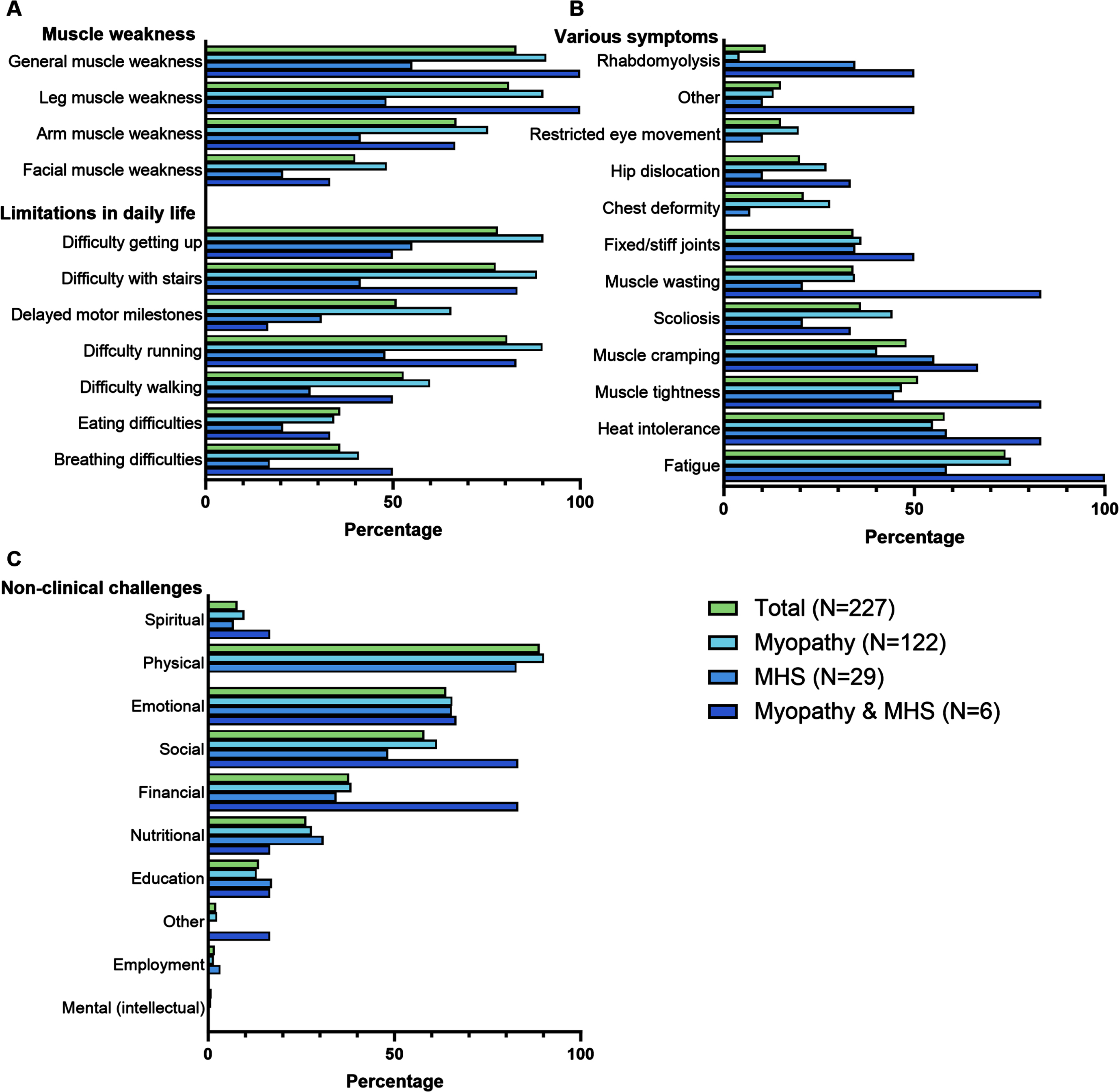
Reported symptoms. The percentage of patients per group RYR1-RD divided into A) Muscle weakness and limitations in daily life, B) Various symptoms and C) Non-clinical challenges.
The patients that required full-time use of a wheelchair (n = 38) or walked with assistance (n = 13) had significantly more symptoms than those able to walk unassisted (n = 145) (mean number of symptoms 13.5±3.3 and 11.6±3.8 vs. 9.12±4.2 respectively; p < 0.001). Those who required full-time use of a wheelchair also reported significantly more frequent breathing difficulties than all other mobility groups (0.76±0.43 vs. 0.26±0.44, 0.37±0.49, and 0.31±0.48; p < 0.001). Breathing difficulties did not differ between different RYR1-RD types. Analyzing the difference between males and females resulted in significantly more total number of symptoms for females (10.8±4.1 vs 9.2±4.3; p = 0.004); in particular, females reported generalized muscle weakness more frequently (0.89±0.32 vs 0.75±0.44, p = 0.006). The mode of inheritance did not have an influence on the amount of symptoms. When correlating fatigue with limitations in daily life and muscle weakness, significant associations were found for all those symptoms, except for breathing difficulties and delayed motor milestones, with difficulties running and getting up having the largest correlation with fatigue. However, these associations were poor to fair [10] (Table 4).
Correlation between fatigue and physical and non-clinical challenges
*p < 0.05/17 = 0.003.
The second question of this part of the survey was related to the impact of RYR1-RD on general well-being. The question ‘Does RYR-1 impact your well-being in any of the following areas’ prompted the following responses: ‘physically’ (n = 202/227, 89%), ‘emotionally’ (n = 145/227, 64%), ‘socially’ (n = 132/227, 58%), financially (n = 86/227, 38%), nutritionally (n = 60/227, 26%), educationally (31/227, 12%), and spiritually (n = 18/227, 7%) (Fig. 3C). In addition, respondents were asked to elaborate to this question with open comments (n = 168/227); examples of each category of these is presented in Table 5.
Answers from survey participants on the open question on impact of RYR1-RD on various aspects of daily life (from survey)
No differences were found between the different types of RYR1-RD (myopathy, MHS or both) for the most frequently mentioned non-clinical challenges (physical, emotional, and social) or the total number of non-clinical challenges. When differentiating between the different ambulation statuses, participants who require full-time wheelchair use reported more frequently social manifestations and a greater total number of other non-clinical challenges compared to those able to walk unassisted (0.76±0.43 vs 0.5±0.50; p = 0.017, and 3.9±1.7 vs 2.7±1.6; p < 0.001, respectively). Females more often reported their social well-being as adversely affected compared to male patients (0.64±0.48 vs 0.48±0.50; p = 0.018). Adults more often indicated their emotional well-being to be adversely affected compared to children (0.71±0.46 vs 0.48±0.50; p = 0.001). When assessing the correlation between these symptoms and fatigue, a few significant associations were found (Table 4) with only poor to fair correlations.
Illustrative quotes on symptoms and impact of the condition (from testimonials)
Symptoms. Symptoms of RYR1-RD presented in some patients at birth and developed later in life in others. Congenital symptoms included dislocated hips, fractured legs, and physical difficulties. Additionally, some patients had severe dental malocclusion, requiring jaw surgery. Other patients went through a series of back braces and operations to treat scoliosis. In addition to the physical limitations, non-neuromuscular symptoms like respiratory weakness and chronic fatigue were reported as well. Chewing and/or swallowing difficulties contributed to difficulty in maintaining weight. Being unable to regulate body temperature, suffering from leg cramps, or feeling numb in the legs were additional symptoms mentioned. In some patients, these symptoms continued to worsen over time.
Effect on physical functioning. Overall, patients experienced significant physical difficulties. This was mainly expressed through delayed attainment of motor milestones and muscle weakness. For example, being able to walk independently was a challenge. As patients became older, challenges remained for other physical activities like climbing stairs and/or running. Other difficulties that were mentioned included sitting down, getting up, bending over, tying shoelaces, standing up for a couple of minutes and maintaining balance. The severity in physical functioning varied amongst participants. Many patients reported not having been able to keep up with their peers in childhood or adulthood. Some (grand)parents expressed how they would like to keep up with their (grand)children. Most participants used various tools to cope with their physical struggles. One parent had made a custom tricycle for their child. Additionally, patients used forearm crutches, canes, wheelchairs and chair lifts. While the vast majority of participants shared their experiences with physical inabilities, a few participants mentioned that they had achieved most motor milestones and were still able to live a life without difficulty or much adaption.
Effect on daily life. Participants emphasized the effect of the condition on their daily life and how various symptoms affected their QoL. For example, some participants expressed how fatigue and fear of falling impacted their daily life. While some participants had just enough energy for work, other participants had to retire early due to their condition. The fatigue and pain were also reported as barriers to social participation, being a reason for some participants to avoid going out. One patient explained how there were small things that they were not able to do that would probably be taken for granted by healthy persons/other individuals. For example, being able to walk certain distances, climb a step or flight of stairs and lift heavier objects. Despite their limitations, patients wanted to be independent, and children wanted to keep up with their peers. Most patients mentioned how they can still function independently despite their disease, especially with some modifications, for example by using a (powered) wheelchair. Simultaneously, they also expressed how they required assistance with care and support by others. Patients explained how they were able to go to college, graduate, have a social life, take care of themselves, and feel accomplished and proud. However, patients also recognized how their condition, at least, partly defined them, impacting choices and how they felt they were seen by others. With age, these challenges became more frequent and impactful. For patients, an effective treatment would allow an improvement in daily life and becoming/remaining independent.
Effect on mental health. RYR1-RD impacted both patients and family members, experiencing a long process of accepting the condition. Parents felt lonely and isolated at times, not knowing anyone in a similar position. Some patients talked about the difficulties they faced during their childhood. Patients felt embarrassed, for example, about their scars, and one individual mentioned being bullied because of a back brace. In general, they found it difficult making friends. Family members felt episodes of guilt and had difficulties processing the condition as well. Overall, patients experienced feelings of disappointment, being defeated, and grief. The sense of being different caused feelings of loneliness. Additionally, it was also mentioned how patients felt very grateful for the support they received from family, friends, and healthcare providers. The willingness of healthcare providers to try to understand and assist patients was appreciated. Some patients mentioned how their religion, and the support of family and friends had strengthened them. While one participant explained the difficulty of asking for help, another participant mentioned how friends and family were an encouragement to participate in activities and become independent. Despite the difficulties and impossibilities patients experienced, it was also mentioned how some individuals tried to focus on all the possibilities they have. However, there was a need for professional support for mental health expressed for patients and family members.
Physical activity
A wide range of specific physical activities was reported by 193 patients, including walking (n = 130/193, 67%), physical therapy (n = 63/193, 33%), swimming (n = 53/193, 27%), weight and resistance training (n = 39/193, 20%), and cycling (n = 33/193, 17%). Most patients reported to be able to maintain or improve their strength and/or endurance (n = 94/197, 48%), while 52 patients (26%) experienced no improvement. The other participants (n = 51/197, 26%) indicated they were unsure. Reasons for not participating in sports were ‘I cannot design an exercise routine that works for me’ (23/40, 58%); ’I am concerned for my safety’ (n = 10/40, 25%); ‘I do not believe exercise will maintain or improve my condition’ (n = 9/40, 23%); and ‘I do not have time’ (n = 3/40, 8%).
Illustrative quotes on treatment (from testimonials)
Treatment
Currently there is no definitive treatment available for RYR1-RD. However, various therapies were being used to help relieve symptoms. Furthermore, a quarter of the patients reported how they optimized their nutrition and supplementation, for example, by taking creatine powder to promote muscle mass, as well as various vitamins. One MHS patient explained how they used low dose dantrolene and how this had led to an acceptable QoL. Another patient used non-invasive ventilation, allowing for a gain in energy and an overall better mood. Most patients had started some kind of physical therapy. In some cases, this was combined with occupational therapy and speech therapy. One patient mentioned the use of different types of treatment like heat therapy, massage, cupping, but also pain medications to reduce muscle pain and back spasms. Several patients had the opportunity to participate in a clinical drug trial, with an overall positive experience. In general, participants described that while the study drug was not expected to cure the disease, it had been the only option so far to potentially improve their QoL. Additionally, another motivator for participating in a clinical trial or trying various types of supplements was to find an effective treatment for others, especially for parents and their own children.
Clinical research and studies
With 154 patients responding to ‘what researchers need to know or understand better about living with RYR-1?’ the majority stated many issues other than strictly medical concerns (including pain) patients frequently face in their daily life. Also, participants indicated certain nutritional modifications and medications they thought might help with their symptoms. A selection of the responses to this open question are presented in Table 8. Finally, participant questions for the medical community primarily focused on improvement of physical and emotional well-being (n = 167/210, 80%), relieving everyday symptoms (n = 107/210, 51%), and the impact of environmental factors (n = 129/210, 61%).
Answers on the open question on what researchers need to know or better understand about living with RYR-1 RM (from survey)
Illustrative quotes on expectations (from testimonials)
Expectations
Expectations. Participants shared their thoughts and expectations regarding future treatments. In general, participants hope for an effective treatment, at least slowing down the progression of their disease. Some participants expressed the wish to regain strength, endurance, and the possibility of being able to perform activities like running, climbing stairs, or lifting objects. Other participants emphasized the motivation of helping other patients and families, for example, through participation in clinical trials to further advance the knowledge of the disease while also giving something back to the scientific community. One participant mentioned the wish to advocate for others and being able to get in contact with these patients. Several participants expressed the need for a cure for themselves and future patients to treat symptoms like muscle cramps, fatigue, and ophthalmoparesis. The expectation of decline in function over time was perceived as worrisome. While one participant elaborated on their experienced disease progression, another participant mentioned the fear as a parent with an affected child and the possible challenges for the future.
Gaining knowledge. Participants emphasized the importance of gaining knowledge about the condition and possible treatments. Most participants conducted their own search for information, mainly out of curiosity, but also due to a lack of sufficient information provided by their healthcare providers. Additionally, one participant mentioned the importance of comprehensive information, especially for people with a non-scientific background and due to the large amount of available information. Most participants expressed how much the diagnosis has meant for them, even with the absence of a cure. Simultaneously, participants also elaborated on the access to support. An understanding of the disease and knowing that research is being conducted was deemed impactful. Being able to meet people with a similar diagnosis and similar challenges was helpful as well. Participants had contact with others through social media, e-mail, and video calls. It was important for patients and family members to meet their peers and to be able to relate to other people. The crucial role of the patient organization was mentioned here as well, mainly by providing access to information, addressing the challenges, and connecting people. Finally, many individuals expressed their sincere gratitude for the work of the clinicians and researchers in the field, while also encouraging them to continue to make progress in therapy development.
DISCUSSION
Through the survey conducted in this study, we collected views of patients with a wide range of RYR1-RD (n = 227). The results show that individuals of all ages are affected by RYR1-RD, and that the age at diagnosis varies widely. Patients with a myopathy were diagnosed earlier than those with MHS (median of 18.5 and 29.0, respectively). Most patients, both with a myopathy and MHS, were ambulant, and approximately half of the participants considered their disease progressive. Based on the survey results and 12 testimonials, patients reported a large impact of RYR1-RD on their lives. Most survey respondents reported being engaged in regular physical activity or exercise, half of whom had experienced improvement of strength and/or endurance. Finally, most patients were willing to consider participation in future clinical trials.
When reflecting on these findings, we note that the reported types of RYR1-RD are similar to those reported in previous publications in the field, with CCD and MHS being the most prevalent [1, 2]. However, this study provides the most comprehensive patient perspective to date on the wide impact of RYR1-RD on daily life, providing unique and important insights for future consideration. Participants reported multiple domains of daily life influenced by their disease: physical, social, emotional, and less frequently, financial, nutritional, and spiritual. Only 8% of participants reported that the RYR1-RD did not impact their overall well-being. These findings are in line with a recent study on the health-related QoL in individuals affected with RYR1-RD [11]. The most valuable domains revealed by the qualitative analyses of this study were the importance of social impacts, the development of coping strategies, both physical and psychological, and the identification of fatigue and weakness as key symptoms.
The findings support previous observations from a questionnaire study in Dutch patients with RYR1-RD, demonstrating substantial functional impairments and chronic fatigue compared to healthy controls [3]. As expected, we found that, fatigue, pain, and associated physical and social difficulties were more pronounced in individuals with RYR1-related congenital myopathies compared to individuals with MHS. Emotional well-being was more impacted in adults than in children. Children were generally diagnosed at an earlier age, most likely owing to recent increased scientific and medical knowledge on RYR1-RD. Most adults remember only knowing something was wrong when they were young, but not what it was and how to deal with it. For most adult patients, their diagnosis was a long tortuous journey that took many years that also significantly impacted other family members.
Furthermore, our results showed a low correlation between fatigue and several other symptoms such as muscle weakness. However, fatigue resulted in a significant burden on their daily lives. Fatigue is influenced by several factors, directly or indirectly [12]. Therefore, the separate correlations can be low but the impact on fatigue high. We concluded that relatively mild cases of the RYR1-RD clinical spectrum are nevertheless associated with severe fatigue and functional limitations, resulting in substantial loss of QoL [3]. For example, the daily burden experienced by individuals with MHS was confirmed in our recent cross-sectional study showing a high prevalence of neuromuscular symptoms such as myalgia, muscle cramps and fatigue, resulting in frequent medical consultations to identify the cause of these symptoms [13]. Consistent with this, the combination of neuromuscular and non-neuromuscular symptoms occasionally worsening over time was described in the testimonials by some patients.
Patients with RYR1-RD reported to be physically active, frequently engaging in walking, cycling, physical therapy, and swimming or water aerobics, with no difference in frequency in training between individuals with different types of RYR1-RD. Remarkably, weight or resistance training was also reported by 17% of all patients, activities not usually recommended for individuals with myopathies [14–16]. A wide range of other physical activities and sports were reported, including horseback riding, yoga and Pilates. Difficulties finding a suitable form of exercise or concerns for safety were reported as specific barriers to participation in physical activities. Thus, guidance regarding recommended forms of exercise, physical therapy and training could be added to the recently developed clinical care guidelines developed by the RYR-1 Foundation [17]. Patients were found to make use of various tools to cope with their physical struggles. Physical function differed amongst the patients, and some expressed how they felt like they could still live a life without difficulty or much adaptation. However, the loss of strength and endurance over time can be a significant barrier to several types of activities. Patients were aware of the emotional impact of their disease, and thus, need resources to help them cope with these feelings, something especially experienced by parents. A similar mix of emotional responses was also reported in the testimonials. Although some patients mentioned challenging emotional aspects associated with living with a RYR1-RD, the support from family, friends and healthcare providers has helped them to cope with these feelings.
Finally, this study also offered a very helpful and unique patient perspective on future clinical trials. Most participants indicated that they were (likely) willing to participate, with the main barriers to participation being the anticipated impact on daily life activities and safety concerns. This information is important as the patient perspective and consideration of potential barriers for participation is highly relevant for clinical trial design and increasingly being considered. While perspectives have already been provided by patient advocacy groups for spinal muscular atrophy [5, 18], this valuable input is still lacking for many other neuromuscular conditions. Some participants also reported on their experiences related to ongoing or completed clinical trials. Future research should focus on the patient perspective towards therapeutic expectations and clinical trial design, which could significantly improve recruitment, retention, and study outcomes [5].
This study has several limitations. First, as participation in the survey was anonymous, diagnosis was reported by patients and could not be independently verified by the clinicians who had diagnosed them. This was a deliberate choice of the patients who initiated this survey to reduce ascertainment bias by not limiting participation to individuals with recent contact with medical care professionals. Second, the study design includes an ascertainment bias to individuals with access to internet and who were informed about the RYR-1 Foundation and its activities. Third, the survey consisted of customized questions only. The researchers had considered adding validated questionnaires on functional abilities or fatigue, but deliberately chose not to do so and to focus on the questions raised by the patient community. Being a non-validated questionnaire, the formulations of certain questions might have led to different interpretations, possibly impacting the results. For example, it was expected that breathing difficulties were more frequent for patients with a congenital myopathy compared to MHS. However, this was not found in the survey results, which could reflect different interpretations by participants of what constitutes breathing difficulties. If a question about the participants’ well-being does not reveal a particular problem, it does not necessarily mean that the specific well-being aspect is not different compared to individuals without an underlying myopathy or RYR1-RD. For example, if participants made alterations to their school program, their educational well-being might be like that of individuals without an underlying myopathy or RYR1-RD because they can go to school as they see fit. However, the questions used in this survey provide a general idea of how participants are impacted by their disease. Finally, the survey was only available in English, which may have resulted in a study population that is not globally representative.
An important strength of this study is that the survey was performed as a collaborative effort between the patient community, a patient advocate organization (RYR-1 Foundation), and clinician-researchers. The questions covered are topics that are important for the patient community. The design and execution of the survey, as well as presentation of the survey results and patients’ testimonials during the workshop, were supported and facilitated by the RYR-1 Foundation and results quantitatively and qualitatively evaluated in consultation with academic researchers. Nevertheless, this study was primarily driven by RYR1-RD patients and families, which resulted in robust participation, an aspect whose importance is increasingly recognized by both regulatory and reimbursement authorities.
In conclusion, this study provides a unique patient perspective on the diagnostic journey, disease impact, psychosocial challenges, physical activities, as well as patient expectations for future treatments and clinical trials of individuals with RYR1-RD.
Footnotes
ACKNOWLEDGMENTS
The authors would like to thank the RYR-1 Foundation Study team that designed and executed the study and all participants of this study for their time to complete the survey and for sharing their testimonials. Several authors of this publication are members of the Netherlands Neuromuscular Center (NL-NMD) and the European Reference Network for rare neuromuscular diseases (EURO-NMD).
FUNDING
This work was financially supported by the Princes Beatrix Fund (Grant number W.OR22-10) and the National Institutes of Health (Grant number AR078000).
CONFLICT OF INTEREST
Heinz Jungbluth is an Editorial Board member of this journal, but was not involved in the peer-review process nor had access to any information regarding its peer review.
The other authors report no further conflicts of interest.
DATA AVAILABILITY
Due to the nature of this research, participants of this study did not agree for their data to be shared publicly, so supporting data is not available.
