




Abstract
An Autism Spectrum Disorder (ASD) affected individual has several difficulties with social-emotional cues. The existing model is observed with emotional face processing in adolescents and ASD and Typical Development (TD) by utilizing various body parameters. Scanning facial expressions is the initial task, and recognizing the face’s sensitivity to different emotional expressions is the next complex task. To address this shortcoming, in this work, a new autism and visual Sensory Processing Disorder (SPD) detection model for supporting healthcare applications by processing facial expressions and sensory data of heart rate and body temperature. Here, initially, the individual data regarding facial emotions and other body parameters like heart rate and body temperature are collected from various subjects. Then, the selection of optimal features is executed by a hybrid algorithm named Density Factor-based Artificial Bee Honey Badger Optimization (DF-ABHBO), where the most essential features are attained and fed to the detection phase. The optimal feature selection is made by resolving the fitness function with constraints like correlation, data variance, and cosine similarity for inter and intra-class. Finally, the autism and visual SPD detection are performed through a Hybrid Weight Optimized Deep Neural Recurrent Network (HWODNRN), where the hyperparameter and weights of “Deep Neural Network (DNN) and Recurrent Neural Network (RNN)” are optimized with the developed DF-ABHBO technique. From the result analysis, the accuracy and F1-score rate of the offered DF-ABHBO-HWODNRN method have attained 96% and 93%. The findings obtained from the simulations of the designed system achieve better performance.
Keywords
Introduction
ASD-affected Individuals contain different characteristics like communicative difficulties, repetitive or derestricted behaviors, and impairments concerning emotional and social reciprocity. So, an efficient skillful face processing model is a highly important task for successful social functioning by considering other individual emotions. The researchers stated that considering the emotional facial expression of ASD-affected individuals in facial processing is a highly complex task [12]. ASD mainly affects the neurological function and also the speech function of children and also leads to uncontrolled aggressive behavior in the affected children. If ASD defect is not detected in an early stage without providing effective treatment, then it may surely cause huge impacts on the health of autism-affected individuals. It may create more economic pressure, affect the family relationship, and also become a burden in social and medical care [26]. ASD is considered a challenging and prevalent neuro-developmental disorder that can be identified through qualitative evaluations of social communication [8].
Recognition of facial distress describes complexity in the adult affected with ASD. It involves impaired identification of sad and fearful expressions, especially in adults affected by social concern at a superior level [30]. Social nervousness moderates the attained neural response to facial emotion when facial processing is performed in ASD [3]. But, in analysis and studies, the symptoms for facial affect identification deficiency and ASD-affected children are observed to be the same. If the deficiency still exists, then relationships among various social behaviors and facial affect observation skills seem unclear [24]. In recent days, no accurate studies are analyzed the social behavior of children affected with “High Functioning Autism (HFA)” in everyday life that are inspired to perform facial expression recognition accurately. Moreover, the Computer-Aided Design (CAD) is utilized to identify autism spectrum disorder with the help of white matter tracts. Consequently, the symptoms of autism include social interaction and restricted and repetitive behaviors [14]. Observing the connection between independently calculated behavioral indicators of social skill and anxiety and facial affect recognition skills has been considered an essential feature of performing analysis. These findings classify the critical development trajectory of minimal visual attention in superior risk-affected children. Here, the interactive puzzle game activity can help the children and verbal communication skills of children with ASD Moreover, it can be able to detect the children’s task performance automatically and also the verbal communication behaviors throughout the gameplay [42].
A neural approach to processing different sensory inputs, like auditory inputs, tactile and vestibular, plays an essential role in postnatal social-sensory analysis, which lays the foundation for social learning through time and multisensory processing [34]. Different patterns have utilized additional sensory processing channels to enhance the conventional visual attention findings that offer a robust approach to detect the capable action attained in neuro-development earlier [41]. The sensory processing channel must enhance visual attention in tactile perception [22]. Sense of touch commonly plays an essential role in identifying and discriminating external stimulation [1]. Remapping somatosensory in human immaturity based on a neural approach is considered a cortical network, which minimizes the capability of dynamically upgraded location in superficial touch attained by limb movement in the first year of life [19]. Deep learning approaches utilized for ASD diagnosis are mainly focused on neuroimaging-related models. Neuroimaging models are considered non-invasive disease markers utilized in ASD observation [25]. Based on the complex function and structure of the brain, the optimum process is developed in ASD analysis along with neuroimaging data without utilizing efficient artificial intelligence [40]. Rehabilitation tools offered huge support to ASD-affected individuals with the help of deep learning approaches. Several important complexities are analyzed in automatic rehabilitation and detection models [10]. The supervised learning approaches require regular data collection, and training data are improvised in the system. So, they are not suitable for the clinical population because labeled data has become highly challenging due to its challenges in introspection and communication [7]. Different challenges attained in the conventional approaches led to the development of a new autism and visual SPD-based detection model to attain an effective detection rate. Moreover, the developed model performs better than the existing conventional approaches while validating with various performance measures. Additionally, it can be effectively handle a larger amount of training data to provide effective outcomes. However, the result shows that the accuracy rate provides better performance in the developed model. Thus, suitable treatment is suggested by clinicians to people who are affected by the disorders.
Multiple contributions are made in the developed model that is listed below.
The autism and visual SPD detection approach is designed by novel deep structured architectures and heuristic approaches for identifying autism and visual SPD in individuals at the initial stage. It helps to provide appropriate treatment for the affected individuals before reaching its severity. The performance enhancement of the offered model is applicable in real time environments like clinical and mobile based applications. An enhanced detection model named HWODNRN to detect autism and SPD with higher accuracy by tuning the parameter of DNN and RNN using the developed DF-ABHBO and thus, making the accurate identification of disorders to provide accurate treatment. Moreover, the developed HWODNRN method resolves the gradient and overfitting issues. Thus, it helps to enhance the system’s performance. A developed heuristic approach DF-ABHBO to choose the accurate features, optimize the weight of DNN and RNN, and tune hidden neuron count in DNN and epochs count in RNN to maximize the correlation and data variance. Moreover, the DF-ABHBO algorithm is utilized to enhance the detection performance regarding accuracy. However, the developed DF-ABHBO algorithm enhances the feature propagation and solves the complex optimization issues. Validate the efficacy of offered autism and visual SPD detection model with various conventional approaches by considering baseline classifier.
The residual of these sub-divisions of the offered approach is discussed below. Conventional literature works related to autism, and visual SPD are discussed in Division II. The developed autism and visual SPD detection model is explained in division III. Optimal feature selection for visual SPD detection is elaborated in Division IV. Weight optimization based on developed HWODNRN is offered in Division V. Different result and discussion performed on the developed model is analyzed in Division VI, and Division VII concludes with the developed model.
Related works
Barnawi et al. [5] focused on designing an emotion recognition and realistic enhancement based on expression and perception in ASD-affected infants. Initially, the Emotional Care System (ECS) was utilized in ASD-affected individuals by fixing wearable robots as a system carrier. Deep emotional interactions between the ASD-affected children were realized through a first-view perspective. Later, the emotional integration approach was highly applicable in non-line and line-of-sight communication based on sight scenarios. The multimodal data fusion approaches were developed based on emotions obtained from different angles, and emotion computing designs were implemented with audio-visual data. The validation outcome of the suggested model with the conventional model was verified and displayed based on its feasibility.
Ramírez-Duque et al. [28] recommended a dynamic anxiety-based detection model using optimized neural network approaches. Artificial Neural Network (ANN) was utilized to detect anxiety that was trained using developed “Trace and Forage Optimization (TFO)” by fusing the feature to secure the search agent. Different analyses were performed with various measures like sensitivity, accuracy, and specificity. The developed anxiety identification model achieved a highly accurate outcome by utilizing Database for Emotion Analysis Using Physiological Signals (DEAP) datasets with training percentages.
Brass et al. [9] initiated a technological-based tool named Child-Robot Interaction (CRI) to perform automatic behavior analysis. The robot-based tools utilized CRI theories to identify the interest among the children affected with ASD and also offered highly significant outcomes attained from therapeutic intervention and analysis by comparing with conventional models. The feasibility rate of the suggested method was improved using a traditional ASD diagnosis tool. Then scalable unstructured networks were developed with the help of machine learning and a Robot Operating System (ROS) to perform the effective automatic facial examination.
Fulceri et al. [16] generated a gut-brain axis disruption-based detection model to perform exploitation in normal gut microbiota, and also it minimized the production of gut and toxins absorption. The major goal of the randomized controlled trial was to set the effect of supplements over probiotic mixture in ASD-affected individuals. The major goal was to validate the occurring effects of probiotic supplementation on urinary concentrations.
Beidel et al. [6] examined the emotional detection capabilities in 7–13 years old children, and various findings denoted that most of the children identified several emotions more accurately than disgust emotion. No evidence was found that negative interpretation biases occurred in children with SP or HFA. The entire group displayed the same capability to contrast non-neutral and neutral facial expressions. Behavioral ratings achieved based on social anxiety or social effectiveness were uncorrelated over facial expression capability among the children. Anagnostou et al. [2]demonstrated a real-time and unsupervised reaction recognition model. A novel learning framework was developed according to Kalman filtering theory to detect the physiological reaction based on cardiac activity. System performances were validated with the help of attained sample data from ASD-affected children.
Balaji and Raja [4] developed a sensor-based model to attain customized learning based on the interests and needs of the children. This device was designed with different inbuilt sensors with certain functions like playing audio content, displaying the pressed button, and clicking the sensor. If a user liked the displayed video content, which was contrasted with their feelings, then it became so easy to learn their feelings based on videos, and further, a new device has to be developed according to their preference. By utilizing these models, the mental health of ASD-affected children has been monitored, and reports were offered to mentors and parents. Hirsch et al. [18] offered an emotional face recognition model according to their behavior and neural and autonomic correlation in adolescents affected with ASD by utilizing Eye-tracking and Event-Related Potentials (ERPs) with multiple patterns. Scanning faces are observed to be more similar among the group, which is considered the initial task. Later, face-sensitive ERPs varied due to emotional expression attained in TD. The developed ASD model has shown improved neural responding in nonsocial validation. The entire ASD represented a typical emotional face detection model with minimized neural differentiation among emotions and minimized the attained relationship gap between neural processing of faces and gaze behavior.
Choi et al. [11] have examined an autism disorder with genetic components. Moreover, various genomic technologies have been developed to detect ASD by microarray and Next-Generation Sequencing (NGS) technology. Consequently, the large-scale sequencing array and also the statistical method were used to identify the ASD genes from the de-novo-inherited variants. The empirical evaluation has revealed that the designed method has attained superior performance.
Kerr et al. [21] have suggested a revised algorithm for detecting the symptoms of autism and Anorexia Nervosa (AN). Here, the AQ-10 and Autism Diagnostic Observation Schedule-2 (ADOS-2) were analyzed. From the result analysis, the offered approach has shown elevated performance compared with other existing approaches.
Ghosh et al. [33] have developed an AI-driven approach to detect autism automatically. Here, the author has examined the feelings of autistic individuals. Moreover, various machine learning and IoT devices were assisted in detecting autism using automated systems. Thus, the empirical analysis has proved that the better performance.
Yu et al. [39] investigated SPD activities to reveal the behavioral and movement activities of the children. Moreover, the time-varying factors and foot balance index were analyzed with the help of one-dimensional Statistical Parametric Mapping (SPM1d). Consequently, the plantar loading strategy was utilized to provide the clinical implications of training and rehabilitation of daily tasks.
Existing facial expressions-based ASD assessment approaches
Manfredonia et al. (2019), have studied the facial expression in ASD. The author has mainly focused on the capability of individuals with ASD to generate facial expressions of emotions. The facial expressions in ASD have been measured with the help of facial expression analysis software (FACET) and the Janssen Autism Knowledge Engine (JAKE). Leo et al. (2019), have fused advanced machine learning and computer vision strategies into a framework to validate the facial expressions of children. The monitoring of facial muscle movements involved in facial expression using sensors. Drimalla et al. (2021), have examined the facial imitation capacity of individuals with and without autism in an emotion recognition paradigm. In this work, the main intent was to expose the relationship between facial imitation and emotion recognition for ASC. Belen et al. (2020), have examined computer vision analysis in ASD diagnosis. Here, diverse publicly available datasets are also studied with their applications in autism research. Samad et al. (2019), have developed the latest psychovisual human study to elicit spontaneous facial expressions.
Problem statement
Superiorities and critical issues of existing autism and Visual SPD detection approaches
Superiorities and critical issues of existing autism and Visual SPD detection approaches
The occurrence of ASD has brought a large economic and mental burden to society that leads to severe public health problems. High timeliness needs for emotion transmission are needed for autism detection. To overcome these problems, some methodologies were designed, and the superiorities and critical issues of the methods are given in Table 1. Multimodal Data Fusion Method [5] exactly identifies the symptoms of autism in children and improves the emotional cognition of the children. But, they did not meet the high-movability and high-timeliness interaction demand of the first-emotional care system. ANN with TFO [28] enhances the ability of disorder identification. ANN has improved the system’s robustness because losing one or more cells, or neural networks does not change diagnosis performance. However, strong databases are required to get high accuracy, sensitivity, and sensitivity while using ANN. ROS with machine learning algorithms [9] automatically registers fused observation events and visual tracking patterns, and also it was capable of faster significant gains from the therapeutic intervention and diagnosis. On the other hand, it fails when occlusion by the child’s hands is engendered, and the occurrence probability is high. A Quantitative Electroencephalography (QEEG) technique [16] reduces the total costs of the entire treatment and enhances compliance and adherence to the system. But it causes poor intestinal inflammation as well as environmental toxicity. E-prime Version 2.0 [6] predicts declarations more quickly and accurately than mild expressions. Yet, it does not assure the effectiveness of social functioning and provides less accuracy. Kalman Filter [2] is more effective in terms of sensitivity and specificity when a larger population undergoes anxiety treatment. Hence, produces some unwanted signals and will not identify the accurate symptoms. The decision Tree (DT) Model [4] provides better behavioral features and patterns that are probably achieved by clinical equipment. Yet, it is required to focus on the areas like Communication and attention. ERPs [18] reduce the neural differentiation between emotions and behaviors, and it needs many movements of a particular ASD population. The Transmitted and De novo Association (TADA) test [11] is used to detect autism with strong genetic components. Moreover, it has a high fault rate to decrease the system’s performance. The revised algorithm [21]can be able to detect the symptoms of ADS and AN. However, it takes a huge processing time to detect the accurate outcome. The Artificial Intelligence (AI)-driven approach [33] is used to detect autism with the help of an automated system. Moreover, it cannot resolve overfitting issues.
Hence, these challenges in the existing systems motivate us to design the latest autism diagnosis system with advanced deep-structured architectures. The latest DF-ABHBO algorithm is utilized to tune the constraints of deep-structured architectures. The proposed method attains a low error rate. Additionally, the processing time is less in the current work for detecting accurate classified outcomes. Moreover, the present work can be used to solve the overfitting issues. This performance enhancement is helpful for medical and clinical applications. The outcomes of the designed method revealed that it attains better performance regarding standard metrics like accuracy, precision, sensitivity etc. This approach is helped to recognize the accurate symptoms for early diagnosis.
Wearable devices, together with the sensor transform, are useful, and it is used as the alternative to processing manual way of transferring the reported information to an interactive way of sharing data of the patients from their natural settings. Wearable sensor devices have been utilized for medical applications in recent days for monitoring the health of individuals or affected patients. Lingling et al. [15] developed an integrated data system using wearable sensors with a cloud platform for tracking environmental constraints. The data was obtained through certain embedded sensors and also through databases. Xu et al. [38] proposed an IoT-cloud-aided healthcare system to ensure emergency healthcare services manage the effectiveness of the smart healthcare environment. In the works [23, 27], the authors have suggested automatic health monitoring frameworks in fog environments by involving wearable IoT devices to monitor ECG data in real-time based on the web browser. It has become imperative to monitor the health, behavioral, and environmental parameters of an individual suffering from ASD and SPD at the initial stage [13]. Most healthcare frameworks with wearable sensor devices have not considered the associations between these parameters. Hence, an effective requirement is desired to identify the irregular event and to predict the scale of health severities like ASD and SPD that affects the individuals by correlating some health parameters.
Novel autism and visual sensory processing disorder detection
Sensory processing disorder problems
SPD affects the processing capability of children and different sensory data are utilized to regulate the function as well as the performance of the motor. Dysfunction sensory integration is performed very easily but it is considered highly complex when performing sensory processing. Nowadays, the SPD detection model is defined as a highly reliable diagnostic tool in the disease classification model. Sensory abnormalities create unfavorable things in the lives of ASDaffected individuals. Sensory processing issues based on enhanced risk factors like communication, social impairments, and repetitive and limited characters harm the adaptive character. According to data collected from existing studies, sensory processing issues are highly related to behavioral problems, problematic mealtime behaviors and sleep disturbances. Multiple types of research are performed based on sensory processing and the analysis performed on the children aged between 5 to 13 years old ASD affected using Dunn’s sensory processing model and also different sensoryrelated issues like abnormal mealtime behaviors and sleep disturbances are observed. Multiple unknown pre-natal issues like premature birth and reduced oxygen rate at childbirth may cause children sensoryrelated issues. Recent research displayed that few children may be affected with sensory integration issues due to their genetic predisposition and hereditary, which may lead to susceptible anoxia issues at birth, other pregnancy issues, early childhood issues and environmental toxinsrelated issues. Childbirth with a lack of oxygen is subjected to auditory damage and tactile processing areas of the brain that create poor sensory processing among the children. Then, different research has determined an effective relationship between intrauterine and asphyxia in growth retardation studies based on neuro-development research. Different research has displayed that prenatal maternal stress happened in primates subjected to specifically tactile and sensory defensiveness. There is no specific research available to perform the analysis on the SPD’s relationship to find the early childhood peri-natal or pre-natal problems. But, only a few researchers have used the initial stage issues of sensory processing and performance of motor in children along with motor coordinationrelated issues and the children affected with autism. The general architectural view of SPD is presented in Fig. 1.
General architectural view of SPD.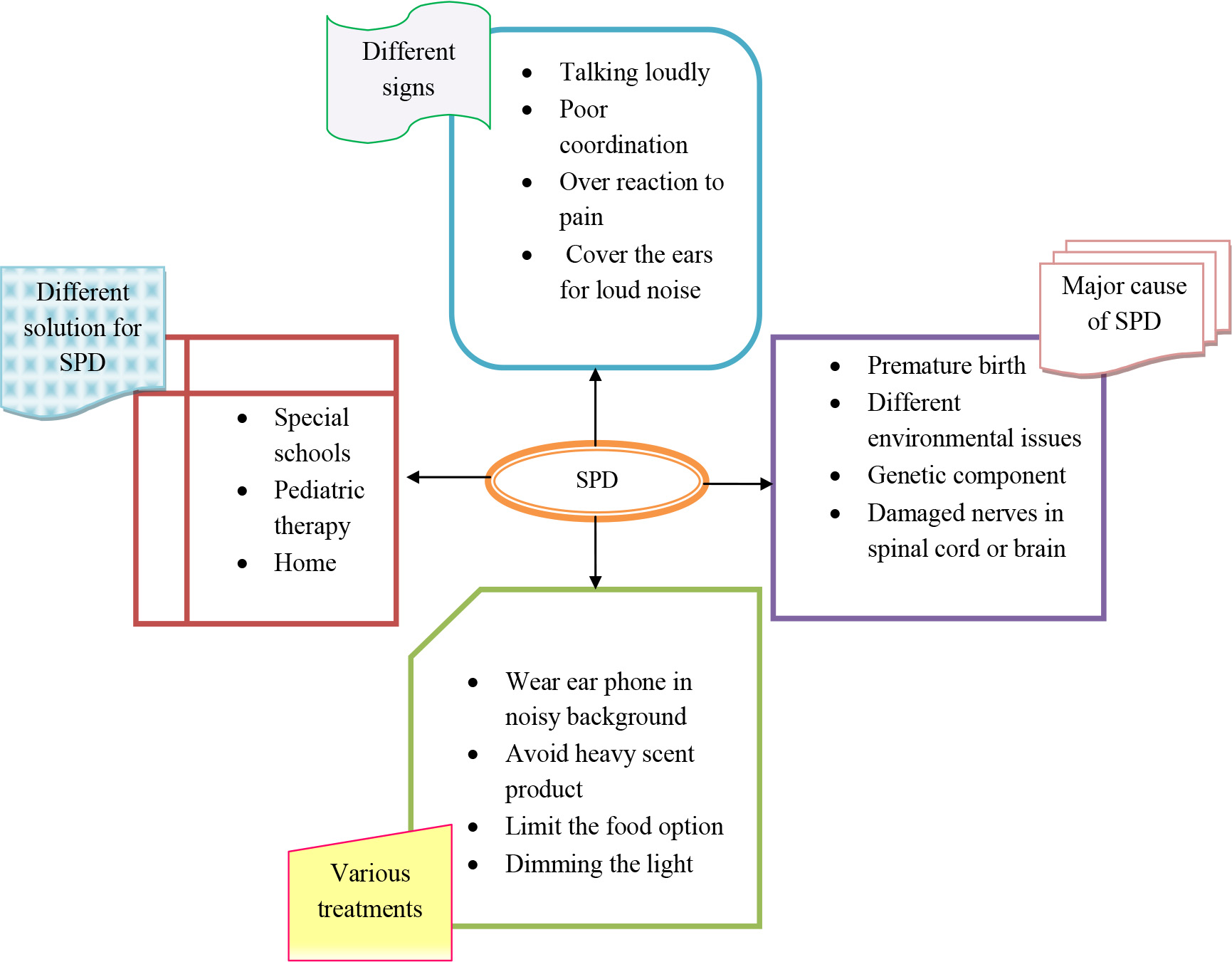
Mostly, the individuals are affected with autism as well as SPD at the time of birth, and also different symptoms are detected in the early developmental stage. Humans affected with ASD showcased more defects in social interaction, interests, repetitive behavior patterns, activities, and social communication. Different ASD and SPD signs may be observed in infants before 10 months, and also effective analyses are performed between the months of 18 to 24. Various computer vision-based analyses were performed to analyze the child’s behaviors, and also automatic video coding was to summarize the interventions to help the clinics as well as the hospital to reduce the delay of ASD analysis (Kumar et al. 2022) (Sai, et al. 2020). Various inventions based on the Continuous Rate Infusion (CRI) approach has offered the transformed traditional observation analysis by robotic devices for systematically monitoring the characteristic of children who produce ASD-based signals. Initially, different diagnosis systems were developed to assist ASD therapists and offered different analyses with the help of robotic devices and offered preliminary open loop-based remotely operated model. But, these developed models are utilized for performing autonomous feedback to improve the system interaction rate effectively. However, multiple systems have the capability of changing the characteristics of the robot based on environmental interaction as well as child response with the help of a closed loop-based artificial cognition model. These systems were designed to suspect and provide technological mechanisms to ensure flexibility in a superior naturalistic interaction model. Different researchers have performed an automated model to analyze the social character of modulation using certain specific scenarios and affect the social behavior of children. But, based on positive evidence, the developed technology is rarely applied, particularly for ASD diagnoses. Multiple conventional approaches are mainly utilized to assess the children’s character, train the patient’s sociability and analyze the disease state by using different research conducted on inpatients based on their emotions and offered emotion detection, treatment, and research on ASD. So, there is no emotional interaction in ASD that affects an individual deeply. The developed research solution offers an immersive interactive experience to the children by rejecting the required system mobility rate. So, to tackle above mentioned challenges in conventional approaches, it is highly necessary to promote a new design for autism and visual SPD detection model. The structural view of developed autism and the visual SPD detection model is presented in Fig. 2.
Structural view of developed autism and visual SPD detection model.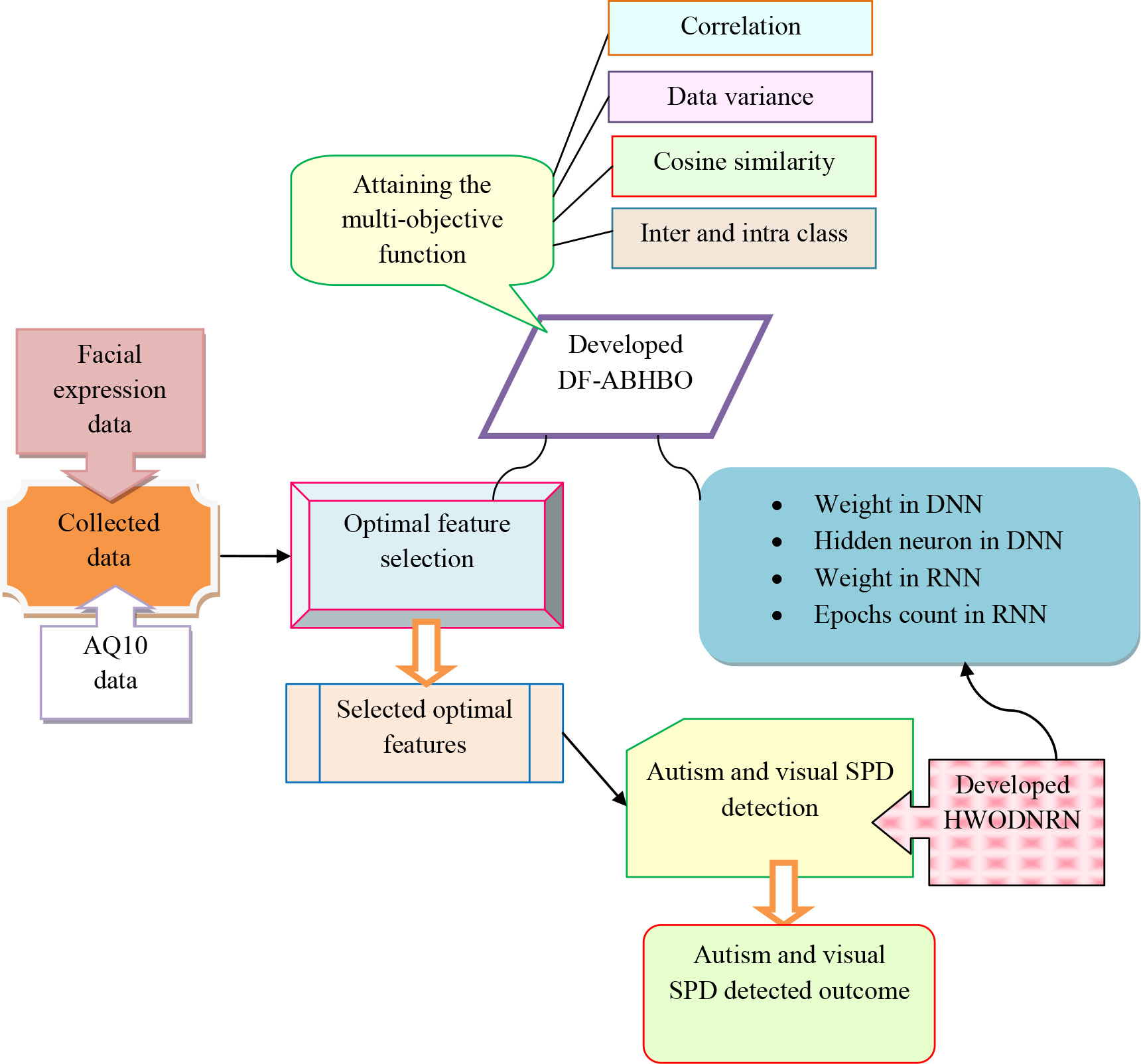
New autism and visual SPD detection model is developed according to the deep learning technique. Various data like body temperature, heart beat rate, and facial expression are acquired from benchmark resources, and they are offered for the selection of the optimal feature phase. The selection of optimal features is performed using the developed hybrid optimization approach named DF-ABHBO. The optimal features are used for resolving multi-objective functions such as data variance, correlation, and cosine similarity in intra and inter-classes. Later, selected optimal features are given in the autism and visual SPD detection phase. Here RNN and DNN are utilized for detecting autism and visual SPD in individuals. Different parameters like hidden neuron count in DNN, weight in DNN, weight in RNN, and epochs count in RNN are optimized with the help of the developed DF-ABHBO model.
Different data utilized for the analysis are collected manually, including physical and facial expression data. ASD is considered a neurodevelopment condition that is highly related to healthcare costs, and thus, it is required for the development of effective early diagnosis that drastically reduces the ASD effect. The waiting time for the analysis is so long because it holds multiple procedures, which are cost ineffective. Due to this type of economic impact, autism cases are increasing rapidly worldwide, and so an effective observation model is highly essential to screen the disorder in its early stage. ASD cases are increasing rapidly, so datasets with behavior traits are also highly necessary. But, these types of datasets create complexity and don’t perform the analysis fully. So, enhancing the efficacy rate, specificity, predictive accuracy, and sensitivity of the ASD observation process is essential. Only a limited amount of autism datasets related to clinical screening are available, and most of the data presented are genetic. So, a new dataset named AQ10 is developed based on autism screening performed in individuals and holds 20 features for the analysis to determine influential autistic traits and enhance the ASD classification rate. In these datasets, ten behavior features of individuals are collected and proved that they are more effective in detecting ASD from different controls in behavior science. The dataset utilized for the analysis holds various information about positive emotions, negative emotions, body temperature, heartbeat rate, and emotions like “angry, disgust, fear, happy, neutral, sad, and surprise” in Table 2. Thus, this paper collected data manually for detecting SPD and Autism detection.
Samples of multiple emotions for the detection of autism and visual SPD
Samples of multiple emotions for the detection of autism and visual SPD
The acquired data for the analysis are denoted as
Proposed DF-ABHBO
A new algorithm named DF-ABHBO is implemented in the developed autism and SPD detection model to tune different parameters like number of suitable hidden neuron count in DNN, weight in DNN, RNN, and the epochs count in RNN to enhance the autism and SPD detection rate. Artificial Bee Colony (ABC) [20] is a commonly available data function that easily resolves complex functions. But, it is affected by the local optima problem, and the system becomes slow when performing sequential processing. So, another optimization approach termed the Honey Badger Algorithm (HBA) [17] is utilized. HBA approach has high dynamic search ability and also provides a better capability of global search. This newly developed DF-ABHBO performs effective optimization on RNN and DNN. The density factor
Here, the term
HBA is designed by the motivation of the food-searching character of a honey badger. The animal honey badger is used to find the victim by digging or smelling over honeyguide birds. This approach is executed under two different operational modes like honey mode and digging mode, and also contains two different phases such as exploitation and exploration. The population solutions of the algorithm are validated with the help of Eq. (2).
The
Here, the lower bound is denoted by
The intensity of prey smell is denoted by
Here the terms
The density factor is referred by
The new position is indicated by
ABC [20] is developed by the inspiration of the foraging character of honey bees. Three different types of bees are introduced that are onlooker bees, scouts, and employee bees. The ABC approaches permit to reach in good exploitation as well as exploration along with high local minima avoidance. This approach altered the current food resources at the time of performing optimization and also chose the position with superior food amount. The main contribution of this approach is to identify the best food resources. The employed bees are highly responsible for performing global optimization, where a new solution is generated, as in Eq. (10).
Here the variable
The food source’s objective value is fitness is given by ftns. The basic ABC approach can alter one dimension of the following food source position. The pseudo-code for the offered DF-ABHBO is given in Algorithm 1.
Optimal feature selection model based on developed DF-ABHBO approach.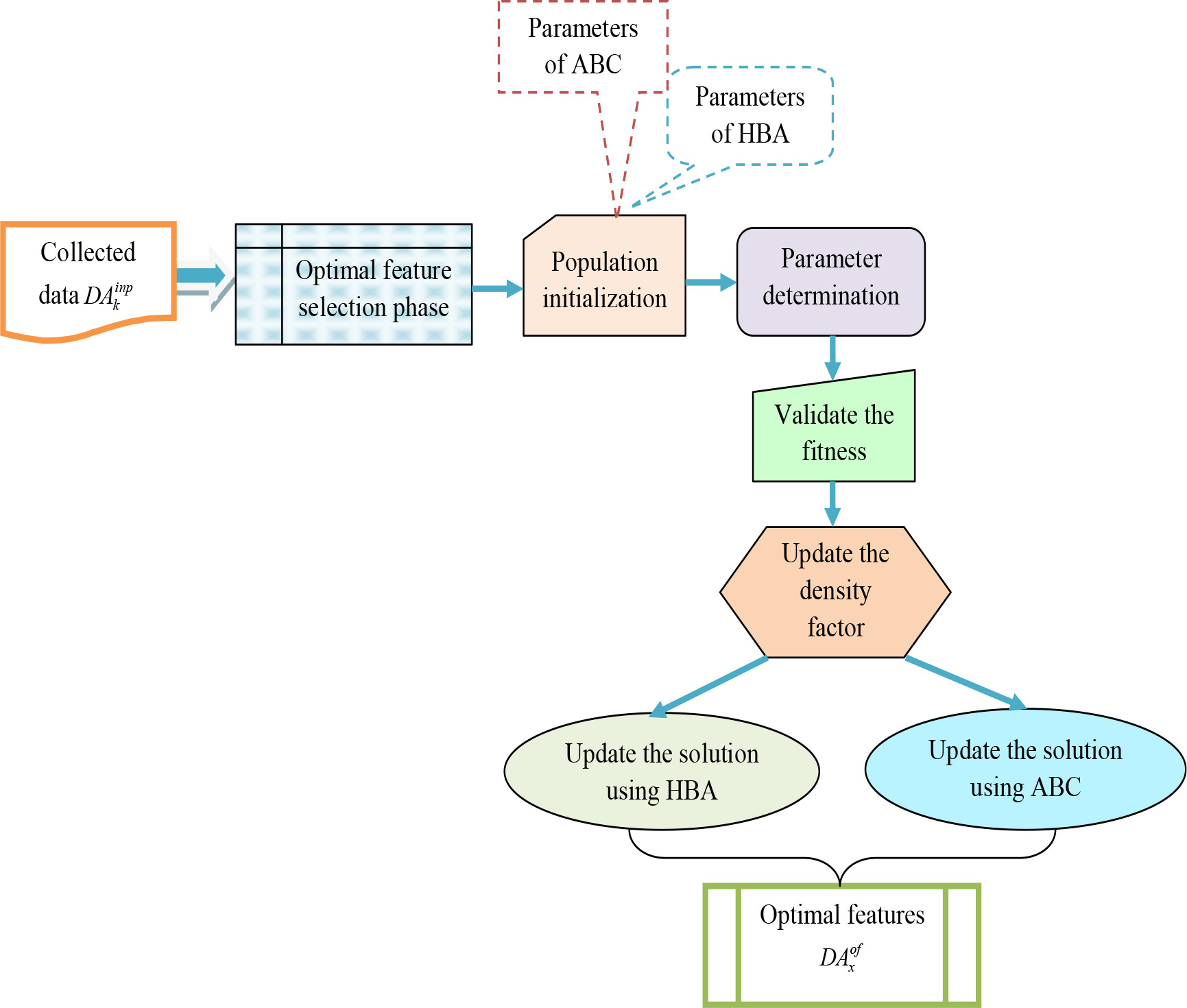
The acquired input data
Basic DNN and RNN
DNN [29] model is the combined version of “Feed Forward Neural Network (FFN) and Multi-Layer Perceptron (MLP)”. DNN includes several neurons that are connected in the forward direction. DNN can be offered as
The entire lower layer’s neurons are associated with the neuron
The basic DNN structure contains several hidden layers with it. The performance rate of ReLU is so fast, and it is easy to perform training with a higher number of hidden neurons presented in the layer, and various outcomes obtained from the DNN became the trust value for the node.
RNN [37] is a commonly used deep learning approach for processing sequential data. The memory function of RNN is mainly utilized to acquire early information from previous time steps attained in the network. Validation outcomes of the early time step are offered as the input to the next time step, so they are considered a neural cyclic network. In the RNN, network neurons in the hidden layer are connected, and validation outcomes of a hidden neuron are acquired from the input layer, which is the output layer of the existing time step in the neuron. The mathematical representation of RNN is provided in Eq. (15).
The nonlinear activation function is given by
The developed HWODNRN is utilized for offering superior autism and visual SPD detection rates by analyzing the affected individuals. DNN is highly extendable and utilized to analyze a huge variety of data based on its characteristic features to perform accurate detection. But, it requires a superior amount of data for the training process, and also, they are expensive at the training time. So, to tackle all the mentioned limitations in DNN, an efficient classifier RNN is integrated with DNN. RNN can process all types of input presented in any form, and also it is highly utilized to predict different time series. So, to perform accurate detection in autism and visual SPD, a new HWODNRN is utilized. The different parameters, like the hidden neuron count in DNN, weight in DNN, weight in RNN, and epochs in RNN, are optimized with the help of the offered DF-ABHBO model in diverse optimized ranges. The hidden neuron count of DNN is optimized in the range of [5,255], and the epochs of RNN are optimized in the range of [50,100]. The multi-objective function for the developed HWODNRN-based autism and visual SPD detection involves accuracy, inter-correlation, inter-variance, inter-cosine similarity, intra-correlation, intra-variance, and intra-cosine similarity as in Eq. (18).
The hidden neuron count in DNN is indicated by
Developed HWODNRN-based autism and visual SPD detection model.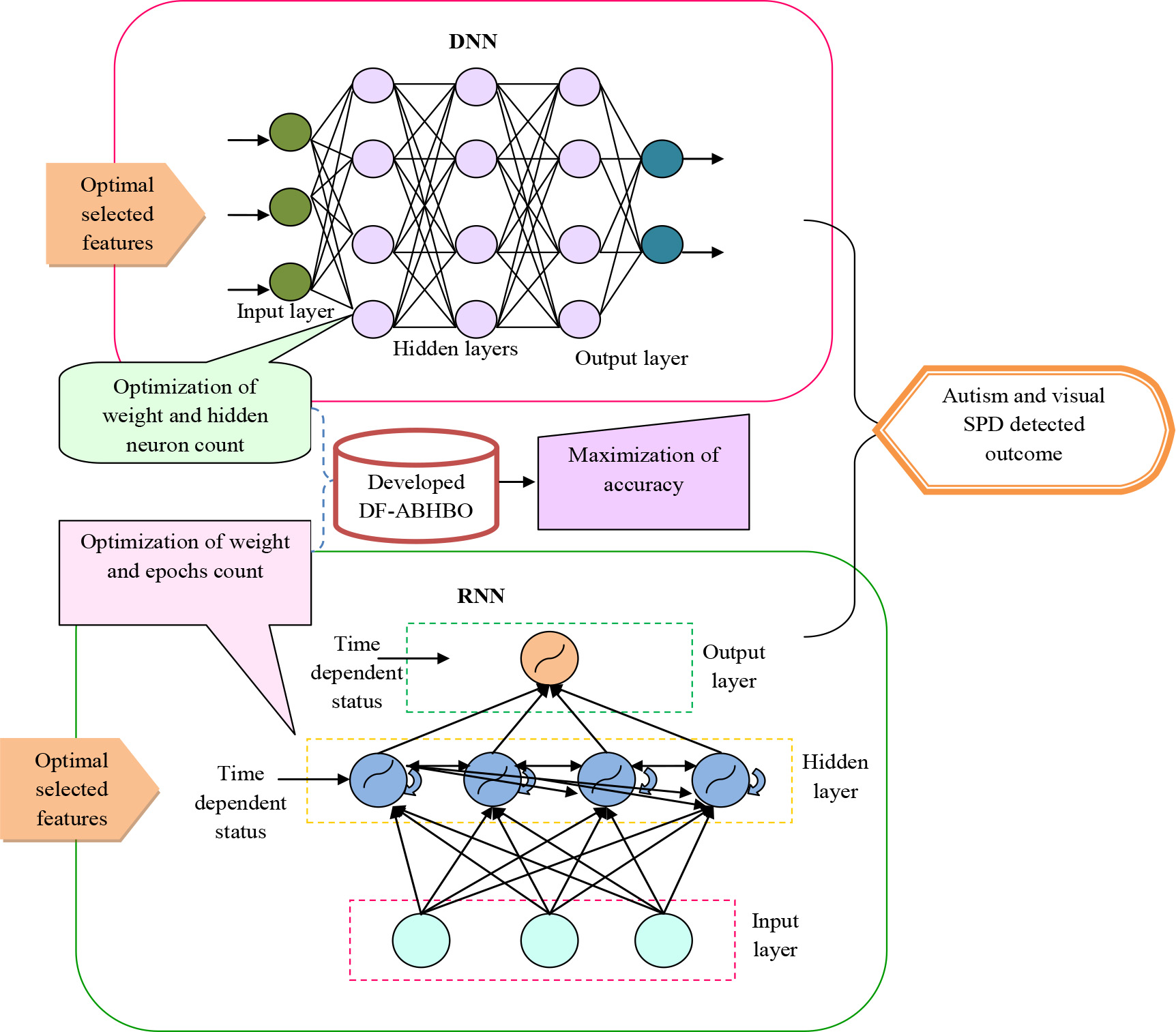
Here, “the true positive and true negative values are shown by vb and vc, respectively, and false positive and false negative values are given by vd and ve, respectively”. The HWODNRN-based autism and visual SPD detection model is represented in Fig. 4.
Experimental setup
The experiments on the proposed autism and visual SPD diagnosis model were conducted in Python, and also the efficacy of the classification model was determined with multiple conventional models. The maximum iteration rate of 25 and population size of 10 were used to perform effective analysis. Various classifiers like “DT [4], ANN [28], RNN [35], and Ensemble Learning (EL) [36] were used for comparative analysis, and also different heuristic approaches like Particle Swarm Optimization (PSO) [31], Whale Optimization Algorithm (WOA) [43], ABC [20] and HBO [17]” were also considered.
Analysis of developed autism and visual SPD detection approach with diverse classifiers over “(a) accuracy, (b) F1-score, (c) FDR, (d) FNR, (e) FPR, (f) MCC, (g) NVP, (h) precision, (i)sensitivity and (j) specificity”.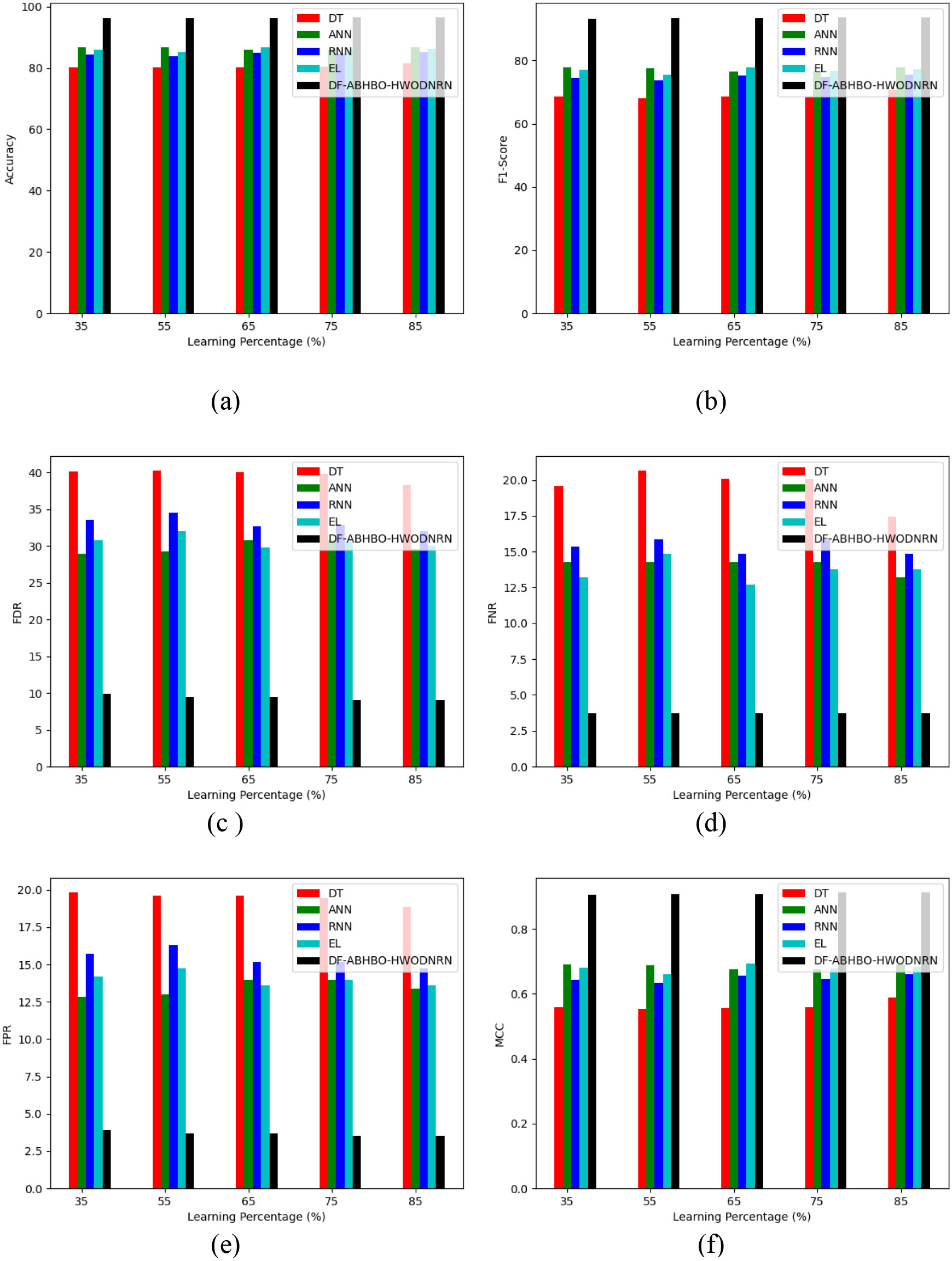
continued.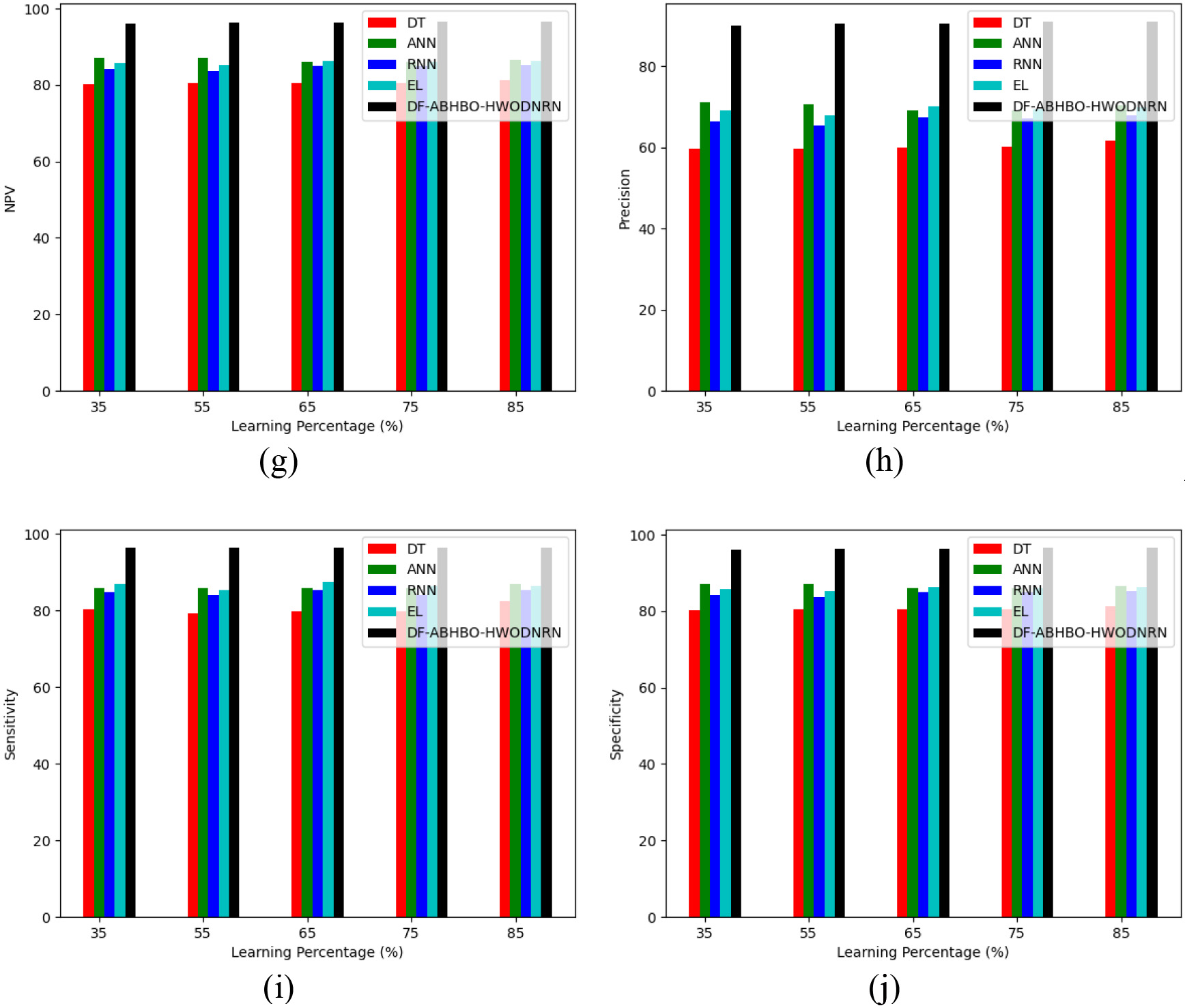
The suggested autism and visual SPD detection model is evaluated with various quantitative measures.
Sensitivity ES is “the proportion of positives that are correctly identified,” as in Eq. (20).
Net Present Value (NPV) GF is “the sum of all persons without disease in testing,” as in Eq. (21).
F1-score DR is “the measurement of the accuracy in the conducted test,” as in Eq. (22).
False Positive Rate (FPR) AE is “the ratio between the numbers of negative events wrongly categorized as positive (false positives) and the total number of actual negative events,” as in Eq. (23).
Matthews Correlation Coefficient (MCC) EW is “a measure of the quality of binary classifications of testing” as in Eq. (24).
False Negative Rate (FNR) DQ is “the proportion of positives which yield negative test outcomes with the test” as in Eq. (25).
Precision VE is “the fraction of relevant instances among the retrieved instances,” as in Eq. (26).
Specificity CF is “the proportion of negatives that are correctly identified,” as in Eq. (27).
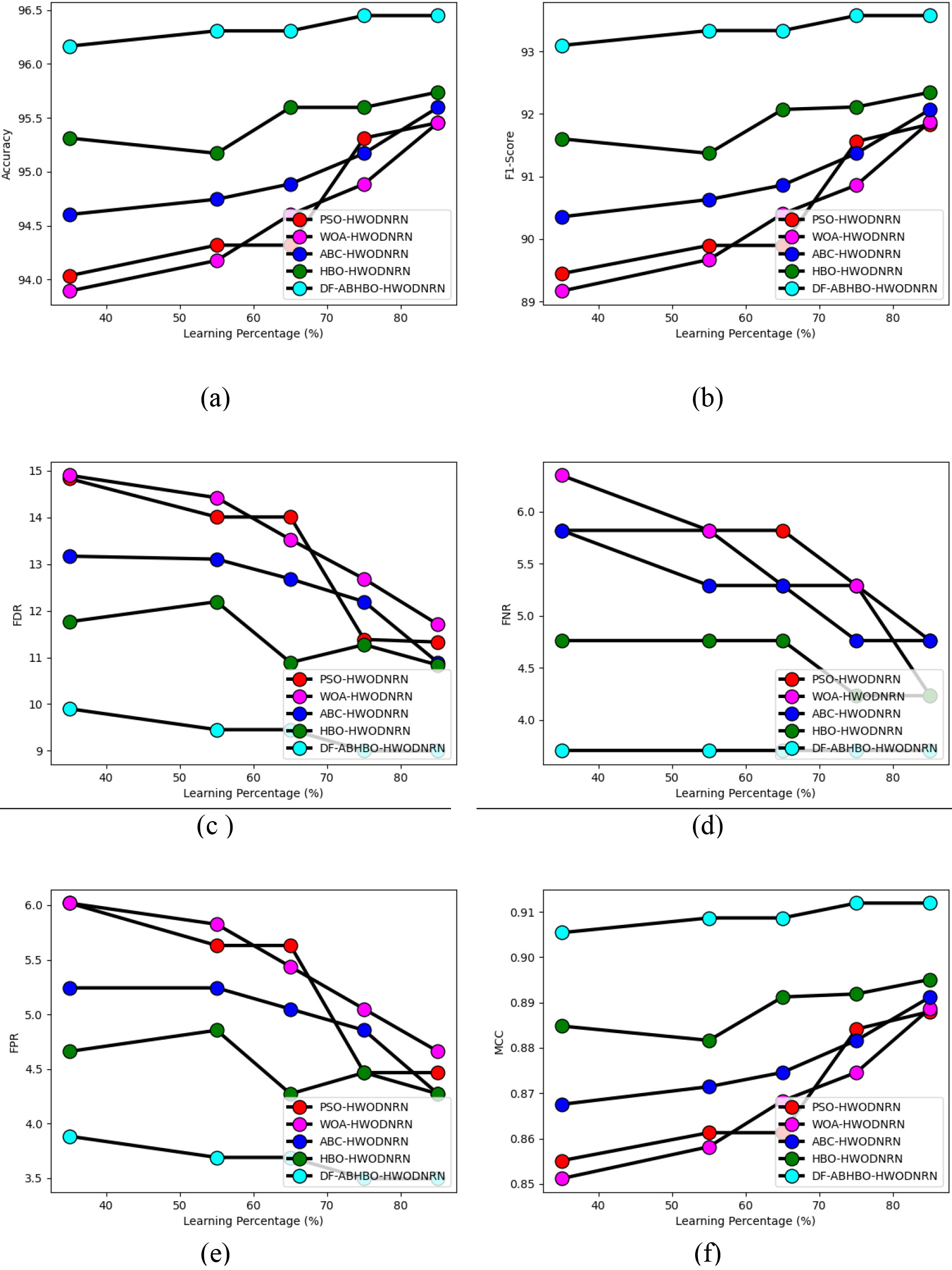
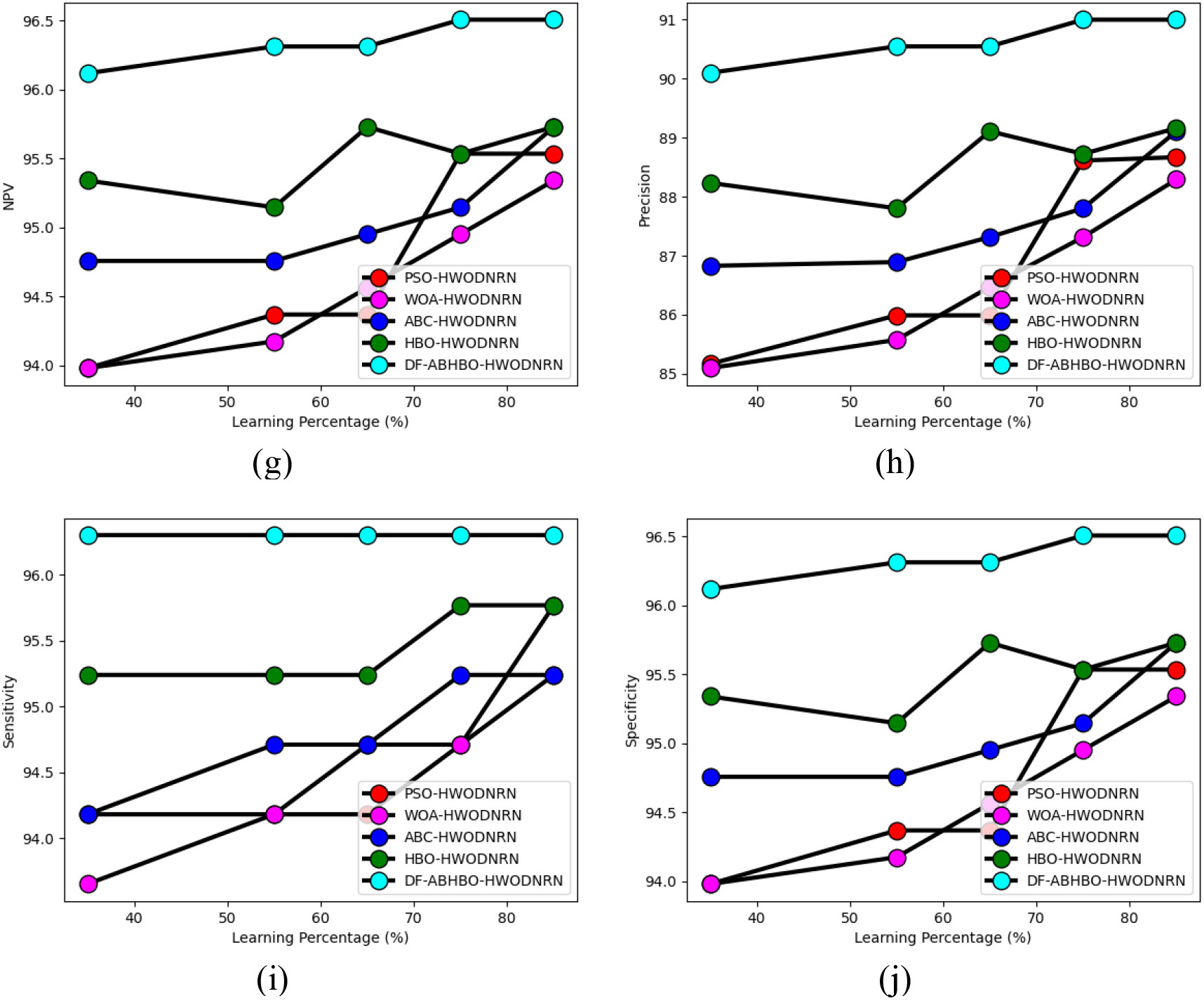
Analysis of offered autism and visual SPD-based detection approach with diverse algorithms over “(a) accuracy, (b) F1-score, (c) FDR, (d) FNR, (e) FPR, (f) MCC, (g) NVP, (h) precision, (i)sensitivity and (j) specificity”.
continued. 5-Fold cross-validation (
Different analysis performed on the designed DF-ABHBO-based autism and visual SPD model is shown in Fig. 5. The accuracy evaluation on the designed DF-ABHBO model is contrasted with different classifiers like DT, ANN, RNN, and EL and secured a superior detection rate of 21.5%, 12.9%, 17.07%, and 14.28%. Therefore, the offered method attained an effective detection rate in autism and visual SPD in affected individuals in the early stage.
K-fold evaluation on the offered autism and visual SPD model with multiple approaches over “(a) accuracy, (b) F1-score, (c) FDR, (d) FNR, (e) FPR, (f) MCC, (g) NVP, (h) precision, (i)sensitivity and (j) specificity”.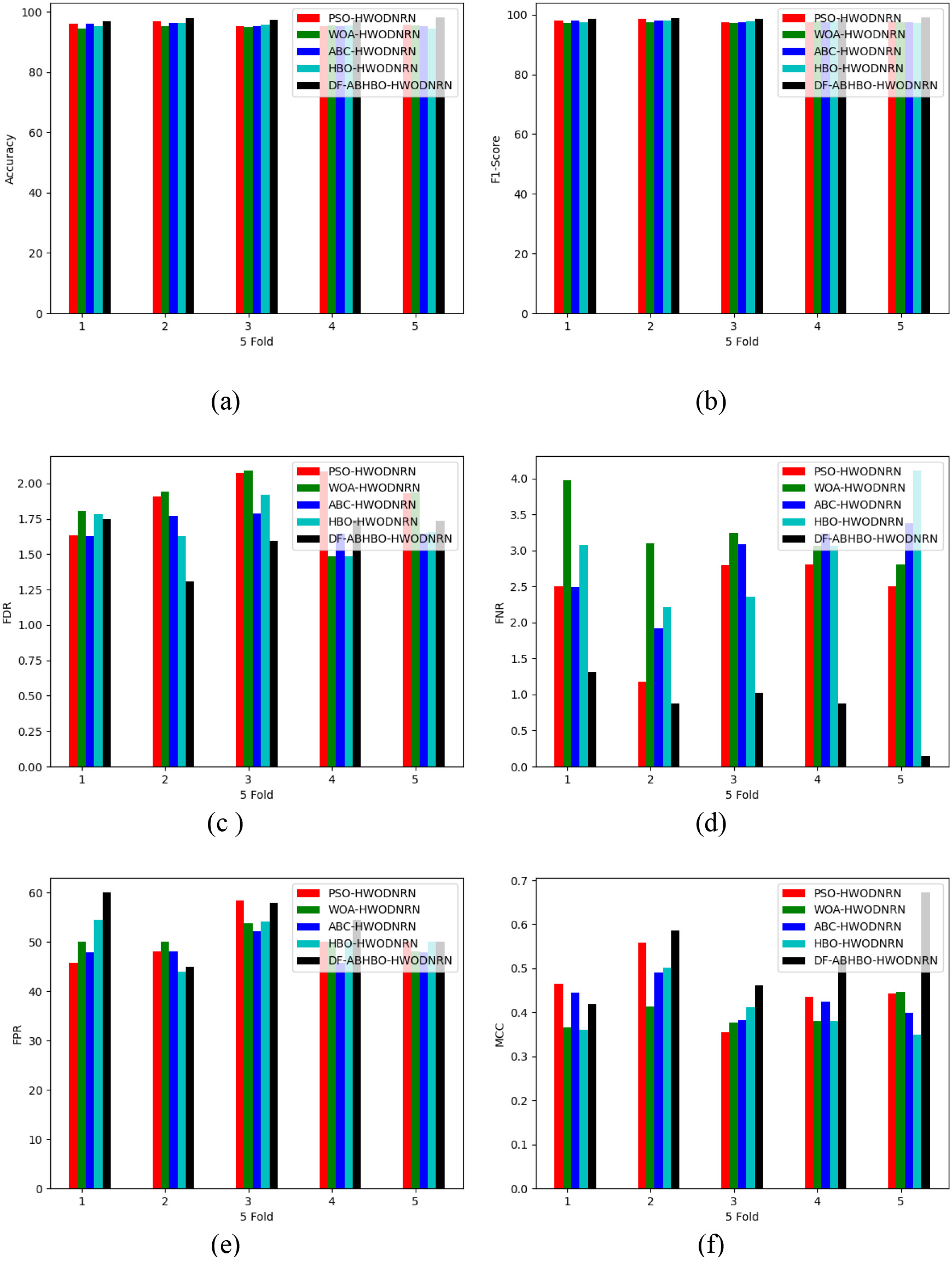
continued.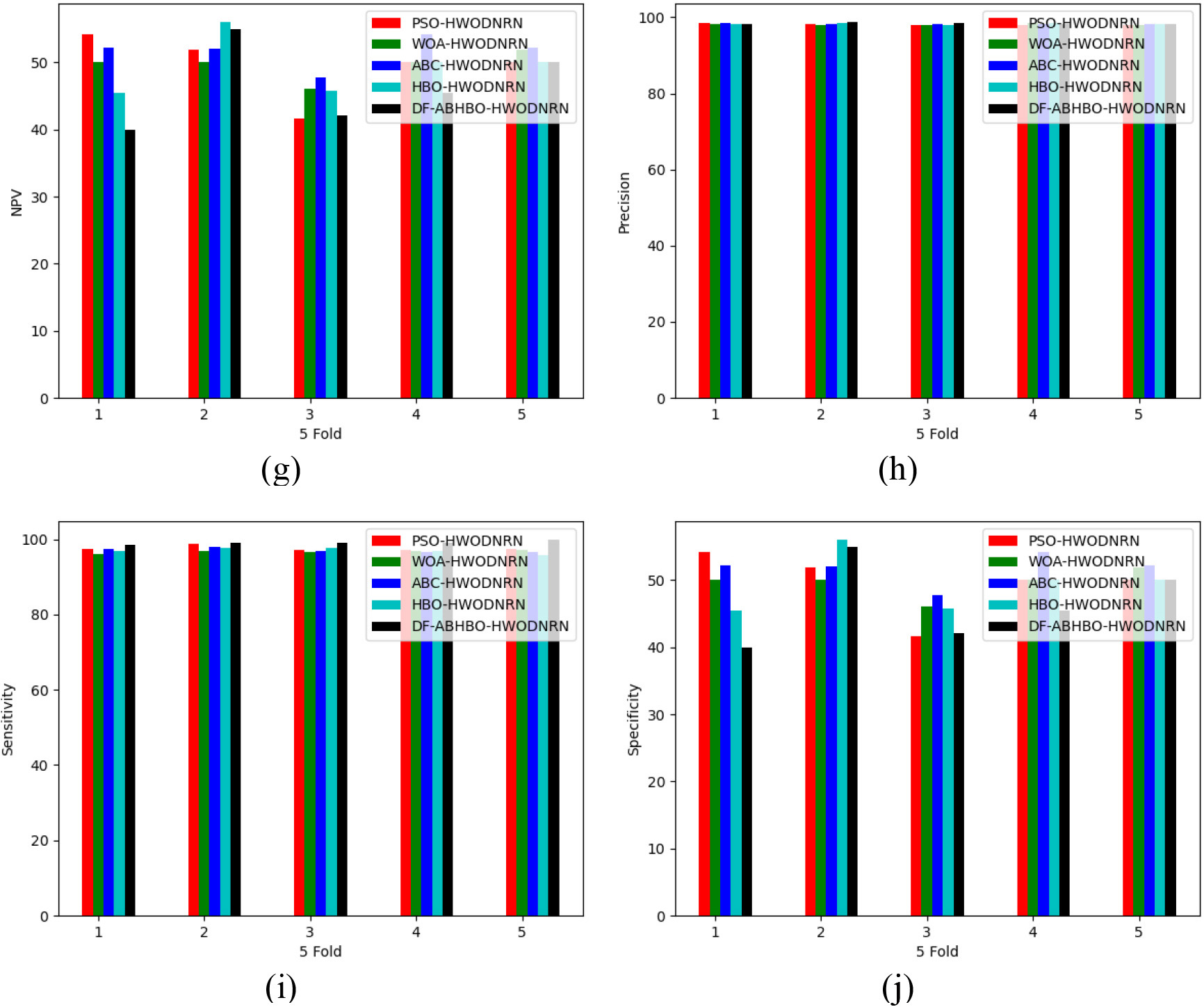
Estimation of the offered autism and the visual SPD model is weighted up with the existing approach is shown in Fig. 6. From the graph analysis, the learning percentage has been divided into five data. For example, if the learning percentage is 65%, then the remaining 35% of the data has been performed in the testing phase. The suggested autism and visual SPD approach achieved an effective detection rate in the developed model. The F1-score analysis on the offered DF-ABHBO model attained 2.4% enhanced than PSO-HWODNRN, 2.5% superior to WOA-HWODNRN, 2.18% improved than ABC-HWODNRN and 1.62% greater than HBO-HWODNRN, respectively. So, the developed DF-ABHBO-HWODNRN model has a better efficacy rate to provide accurate detection results in autism and visual SPD-affected individuals.
5-fold analysis on developed detection mode with baseline approaches
The developed DF-ABHBO-based autism and visual SPD detection model is contrasted with multiple heuristic approaches that are presented in Fig. 7. The suggested autism and visual SPD model achieved 4.3%, 6.7%, 5.5%, and 4.9% superior detection rate to conventional approaches like PSO-HWODNRN, WOA-HWODNRN, ABC-HWODNRN, and HBO-HWODNRN, respectively. Thus, the offered method achieved more accurate detection performance than conventional heuristic models.
K-fold analysis on developed autism and visual SPD model with different classifiers “(a) accuracy, (b) F1-score, (c) FDR, (d) FNR, (e) FPR, (f) MCC, (g) NVP, (h) precision, (i)sensitivity and (j) specificity”.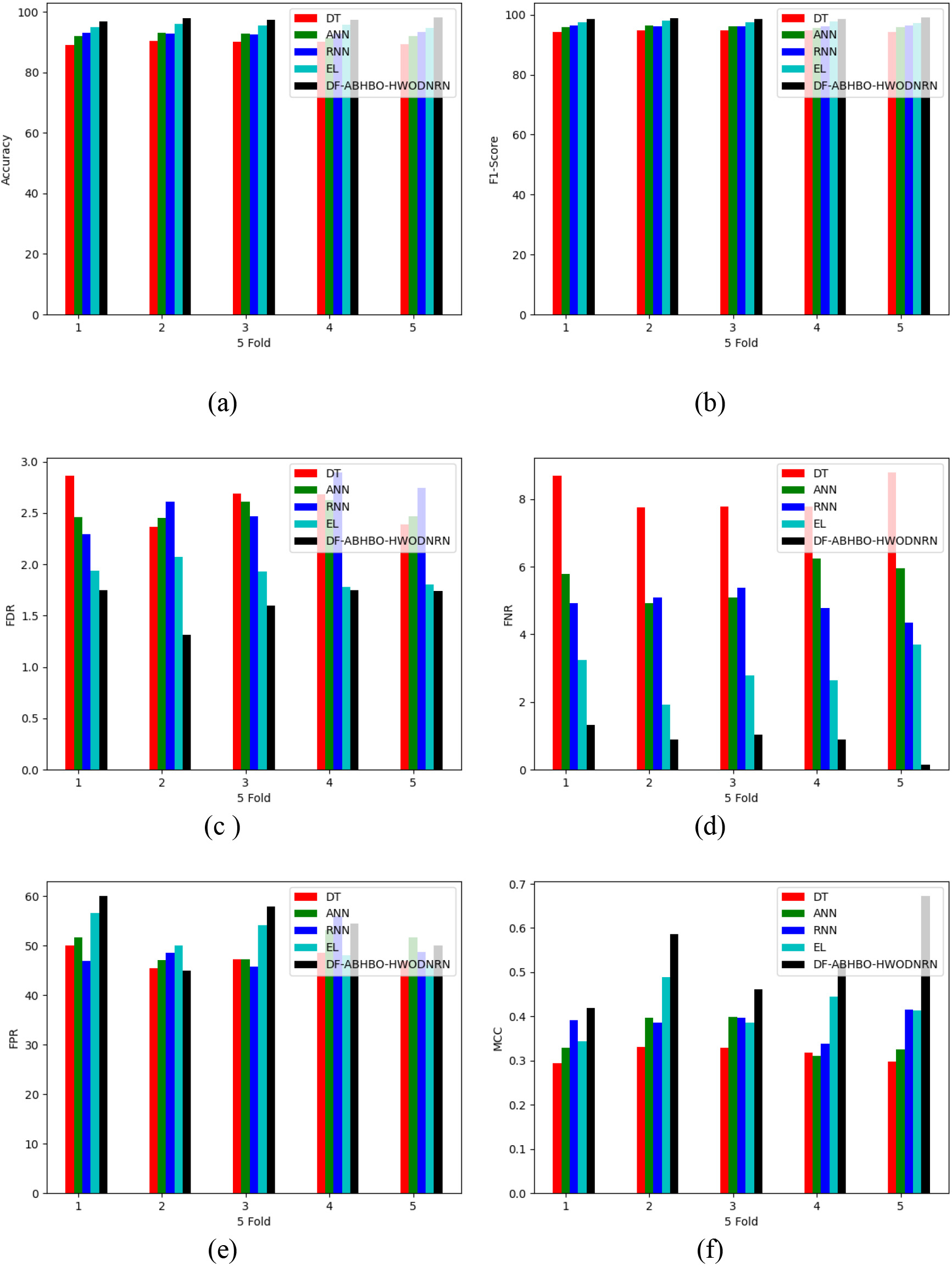
Evaluation of developed autism and visual SPD-based detection model with various algorithms
continued.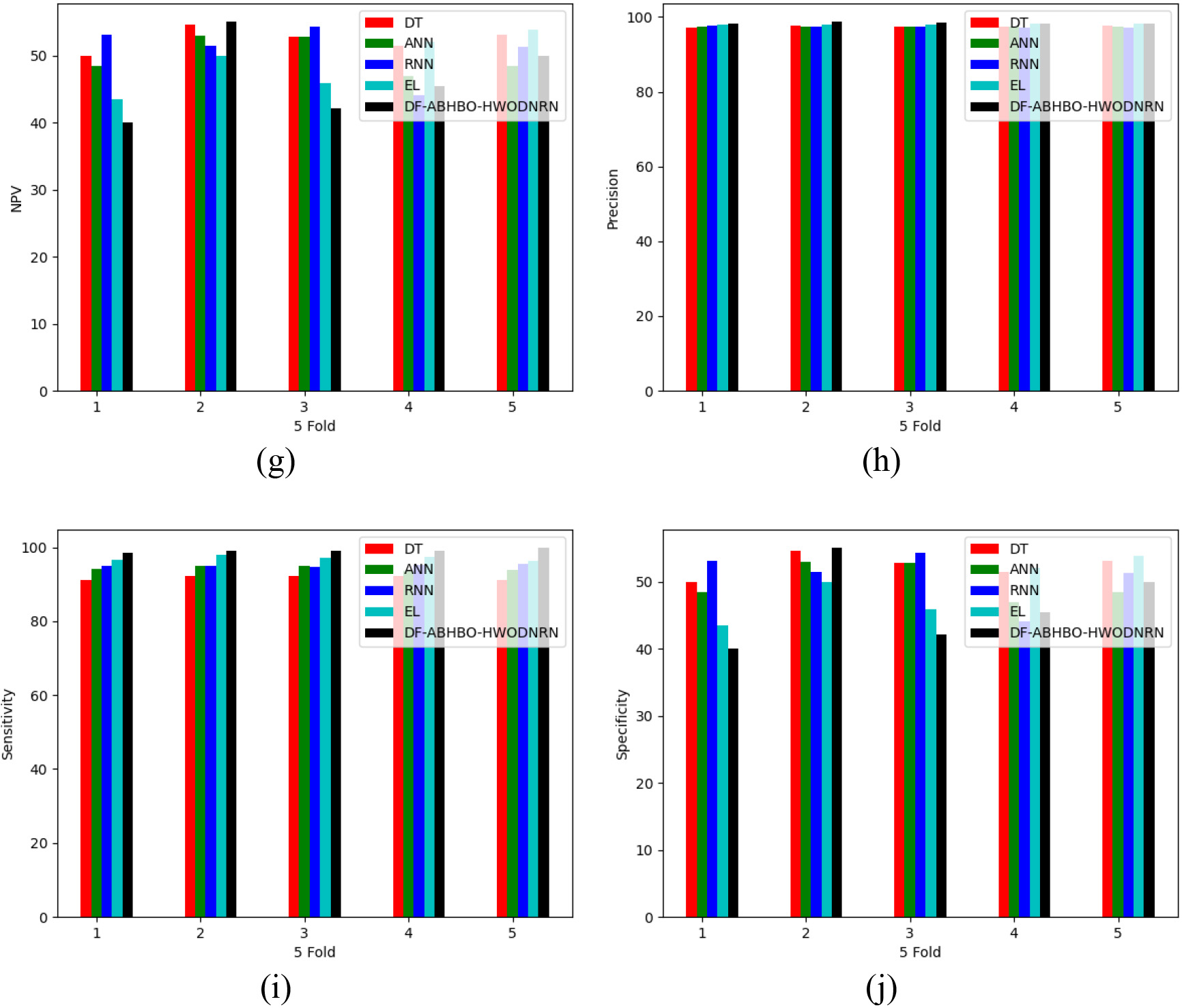
The 5-fold analysis performed on the developed DF-ABHBO-based autism and visual SPD identification model, along with several classifiers, are represented in Fig. 8. Here, the K-fold is split into five datasets. Moreover, the k-fold is validated through all the performance measures to provide better performance for the designed method. The sensitivity analysis performed on initiated autism and visual SPD model has enhanced the performed rate as 8.9%, 6.5%, 7.7%, and 5.4% better than DT, ANN, RNN, and EL, respectively. Thus, the suggested detection model offered enhanced autism and visual SPD detection rate in individuals in the early stage.
Validation of the designed model with heuristic algorithms
Overall efficacy analysis on developed autism and visual SPD detection model is showcased in Table 3. The accuracy of the designed method is achieved at 1.046% superior to PSO-HWODNRN, 1.04% enhanced than WOA-HWODNRN, 0.89% improved ABC-HWODNRN, and 0.74% advanced than HBO-HWODNRN, respectively. The developed detection model achieved a highly accurate autism and visual SPD detection rate.
Evaluation of developed autism and visual SPD-based detection model with various classifiers
Evaluation of developed autism and visual SPD-based detection model with various classifiers
Comparative analysis of the designed method
Different analyses on the proposed DF-ABHBO-based autism and visual SPD detection model, together with several classifiers, are displayed in Table 4. The sensitivity analysis performed on the designed DF-ABHBO model achieved an efficient performance rate of 16.6%, 10.9%, 13.04%, and 11.6% than the baseline approaches like DT, ANN, RNN, and EL, respectively. Thus, the developed autism and visual SPD detection model achieved a better detection rate than other conventional approaches.
Comparative analysis of designed autism and visual SPD-based detection model
Evaluation of the offered DF-ABHBO-HWODNRN method of autism and the visual SPD-based detection model is shown in Table 5. Moreover, the offered DF-ABHBO-HWODNRN method attains 5.2%, 3.7%, and 5.3% enhanced than ANN-TFO, ERP, and ROS-ML regarding precision. Thus, the simulation outcome has proved that the suggested method has achieved enriched performance compared with the other conventional approaches.
Evaluation of confusion matrix for the offered approach
Evaluation of the confusion matrix for the offered DF-ABHBO-HWODNRN method of autism and the visual SPD-based detection model is shown in Fig. 9. The presented graph result shows that the predicted value of the designed method tries to achieve the actual value regarding accuracy.
Estimation of a confusion matrix for the developed autism and visual SPD model.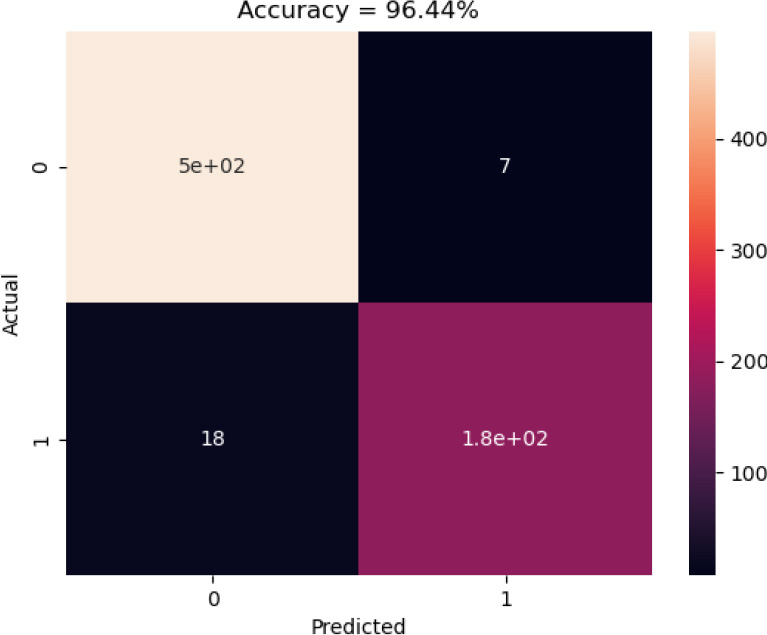
A few of the critical issues of the existing deep-structured architectures are depicted as follows. DT does not the ability to employ all types of systems, and also it does not apply to long-text data. Moreover, depression medical treatment is a challenging task in DT models. The prediction of sadness emotion is complicated in the ANN model. RNN degrades the classification performance owing to the noisy sample issues and also it achieves less recognition ability. The non-depression classes and depression classes are equal owing to these affecting the accuracy rate in the EL model. By overcoming this issue, the latest DF-ABHBO-HWODNRN-based recognition model is promoted for enlarging the performance.
Conclusion
In recent years, ASD and SPD becomes quite increasingly among children’s. Due to the diverse listening environments, the reading as well as the spelling becomes quite complicated among the childrens. Moreover, the response between normal and typical development becomes a serious challenge. Additionally, the sample size is very limited in the existing work. Due to the small training samples, the accurate outcomes are not provided in the existing methods. Thus, we designed a novel autism and visual SPD detection approach using deep learning approaches to provide an accurate detection rate in the individual at the initial stage of disease growth. Different data like facial expression, heartbeat rate, body temperature rate, and so on were collected from the standard dataset and offered for the selection of the optimal feature phase. Here, the optimal features were selected with the offered DF-ABHBO. Later, the acquired optimal features were subjected to HWODNRN to attain effective autism and visual SPD detection rates. The accuracy and precision rate of the suggested autism and visual SPD detection model is 96.44% and 91% for all datasets. The sensitivity analysis on the developed DF-ABHBO model was conducted and showed an efficient performance rate of 16.6%, 10.9%, 13.04%, and 11.6% than the baseline approaches like DT, ANN, RNN, and EL, respectively. Thus, the developed autism and visual SPD detection model has achieved an effective detection rate compared to other comparative conventional frameworks. Throghout the analysis, the simulation outcome of the designed model proved that it has the ability to resolve misclassification issues. In future work, the different age groups of males and females with autism disorder will be evaluated using larger datasets and assessing the sensory subtypes of the different age groups will be investigated. Further, the hypothesis driven models like fiber tractography will be explored in the future.