




Abstract
OBJECTIVE:
Human multiple myeloma (MM) is a kind of common tumor in middle-aged and elderly people, in which the osteolytic lesion is formed mainly through inhibiting osteoblast (OB) differentiation and promoting osteoclast (OC) differentiation. Dickkopf-1 (DKK1) is a soluble Wnt inhibitor, which has an important correlation with the pathogenesis of human MM. Therefore, the correlations of DKK1 with pathogenesis and prognosis of human MM were investigated in this study.
METHODS:
The DKK1 expression in tissues and serum of myeloma patients was detected via immunohistochemistry and enzyme-linked immunosorbent assay (ELISA). Correlation between DKK1 expression and survival time of patients was analyzed via Kaplan-Meier analysis. To further study the mechanism of DKK1 expression in pathogenesis and prognosis of human MM, MM cells were treated with DKK1 neutralizing antibody (BHQ880) or transfected with DKK1-small-interfering ribonucleic acid (siRNA) to study its effects on OB differentiation, osteocalcin level,
RESULTS:
The DKK1 expression in tissues and serum of myeloma patients was significantly higher than that in control group (
CONCLUSION:
DKK1 is closely related to the pathogenesis and prognosis of human MM, which might be a potential biomarker for the diagnosis of MM.
Introduction
Human multiple myeloma (MM) mainly leads to the blocked osteoblast (OB) differentiation and development of osteolytic lesion due to decline in osteocalcin deposition, whose mechanism mainly depends on the osteolysis caused by the imbalance between OB development and osteoclast (OC) differentiation [1, 2]. Generally, the osteolytic lesion cannot be repaired through the chemically-synthesized drugs [3]. A large number of studies have demonstrated that the pathogenesis of human MM is related to the inhibition of OB differentiation [4, 5].
In recent years, the secretory protein Dickkopf-1 (DKK1) regulated by Wnt has been widely studied in osteolytic lesion of MM [6, 7, 8]. The Wnt pathway plays an important role in cell proliferation and differentiation. The declined DKK1 level in classic Wnt pathway is related to the OB differentiation and osteocalcin deposition in several cancers such as prostate cancer and colon cancer [9, 10]. The Wnt signaling pathway exerts functions through regulating
In addition, poor prognosis has been reported in elderly patients with MM [16], and DKK1 is an important factor affecting the pathogenesis of human MM. In this study, therefore, the serum DKK1 in patients with myeloma was detected, and the correlation between the DKK1 expression level and prognosis was analyzed. Moreover, the effects of DKK1 on the biological behaviors of MM U266 cells in vitro were also evaluated.
Materials and methods
Materials
Main reagents and consuming materials
DKK1 neutralizing antibody (BHQ880) was purchased from Beijing Novartis Pharmaceutical Co., Ltd. DKK1-siRNA transfection kit was purchased from Wuhan Booute Biotechnology Co., Ltd. Human DKK1 enzyme-linked immunosorbent assay (ELISA) kit was purchased from Sangon, Shanghai. Interleukin-6 (IL-6) quantitative detection kit was bought from Beijing Hotgen Biotechnology Co., Ltd. Radioimmunoprecipitation assay (RIPA) lysis solution was bought from Beijing Biolab Technology Co., Ltd. Anti-DKK1 antibody, anti-
Data source and cell lines
The data of 58 MM patients were obtained from the Gansu Provincial Hospital, and patients were aged 60–70 years old with an average of 66 years old. Meanwhile, 45 age and gender-matched healthy individuals were recruited as a control group. Fifty-eight patients were followed up for 5 years (60 months), the prognosis was observed according to the follow-up conditions, and the survival time was analyzed based on the follow-up results. The MM U266 cell lines were purchased from the China Center for Type Culture Collection (Wuhan University), and cultured in the RPMI 1640 medium supplemented with 10% fetal bovine serum (FBS) under 5% CO
Methods
Detection of DKK1 via ELISA
ELISA was performed according to instructions of the kit. Briefly, the kit was firstly warmed up at room temperature for 2 h, and samples were added into the DKK1 monoclonal antibody-coated plate, followed by reaction at room temperature for 45 min and washing with the washing solution for 3 times. Then the biotinylated anti-DKK1 antibody and horseradish peroxidase (HRP)-labeled avidin were added in order, followed by reaction at room temperature for 1 h and washing with the washing solution for 3 times. After the plate was patted dry, the color developing solution was added for color development for 10 min under dark followed by measuring the optical density (OD) at 450 nm. The standard curve was plotted based on the standard sample, and the DKK1 concentration in sample was calculated.
Hematoxylin-eosin (HE) staining
The bone tissues were fixed in the pre-cooled absolute ethanol at
Determination of osteocalcin deposition
The preosteoblasts were cultured for 3 weeks using the OB differentiation medium added with
Determination of cell activity
The proliferative activity of MM U266 cells was detected via methyl thiazolyl tetrazolium (MTT) assay. U266 cells transfected with siRNA and control cells without transfection with siRNA were inoculated into a 24-well plate (1
Detection of IL-6
The IL-6 protein content in the cell supernatant was detected via double-antibody sandwich ELISA according to instructions of the kit. Briefly, the samples to be tested were added into the IL-6 monoclonal antibody-coated ELISA plate, and the antigen in samples bound to the antibody to form the antibody-antigen complex. Then HRP-labeled IL-6 monoclonal antibody was added to form the antibody-antigen-HRP complex, followed by blue reaction under the action of tetramethylbenzidine (TMB) substrate and yellow reaction under the action of stop buffer. The OD was detected at 450 nm, and the IL-6 concentration was calculated according to the standard curve plotted based on the standard sample.
Western blotting
After treatment under different conditions, cells were fully lysed using the RIPA lysis solution, added with the protein loading buffer, boiled in water for 10 min and pre-cooled at 4
Immunofluorescence detection
U266 cells were silenced using DKK1-siRNA till the logarithmic growth phase, and cultured for another 3 d, followed by immunofluorescence detection of DKK1 protein. Briefly, cells were washed gently with PBS for 3 times and fixed with pre-cooled absolute ethanol at
Statistical analysis
GraphPad Prism5 software was used for data processing in this study, and results were expressed as mean
DKK1 expression in myeloma in clinical cases.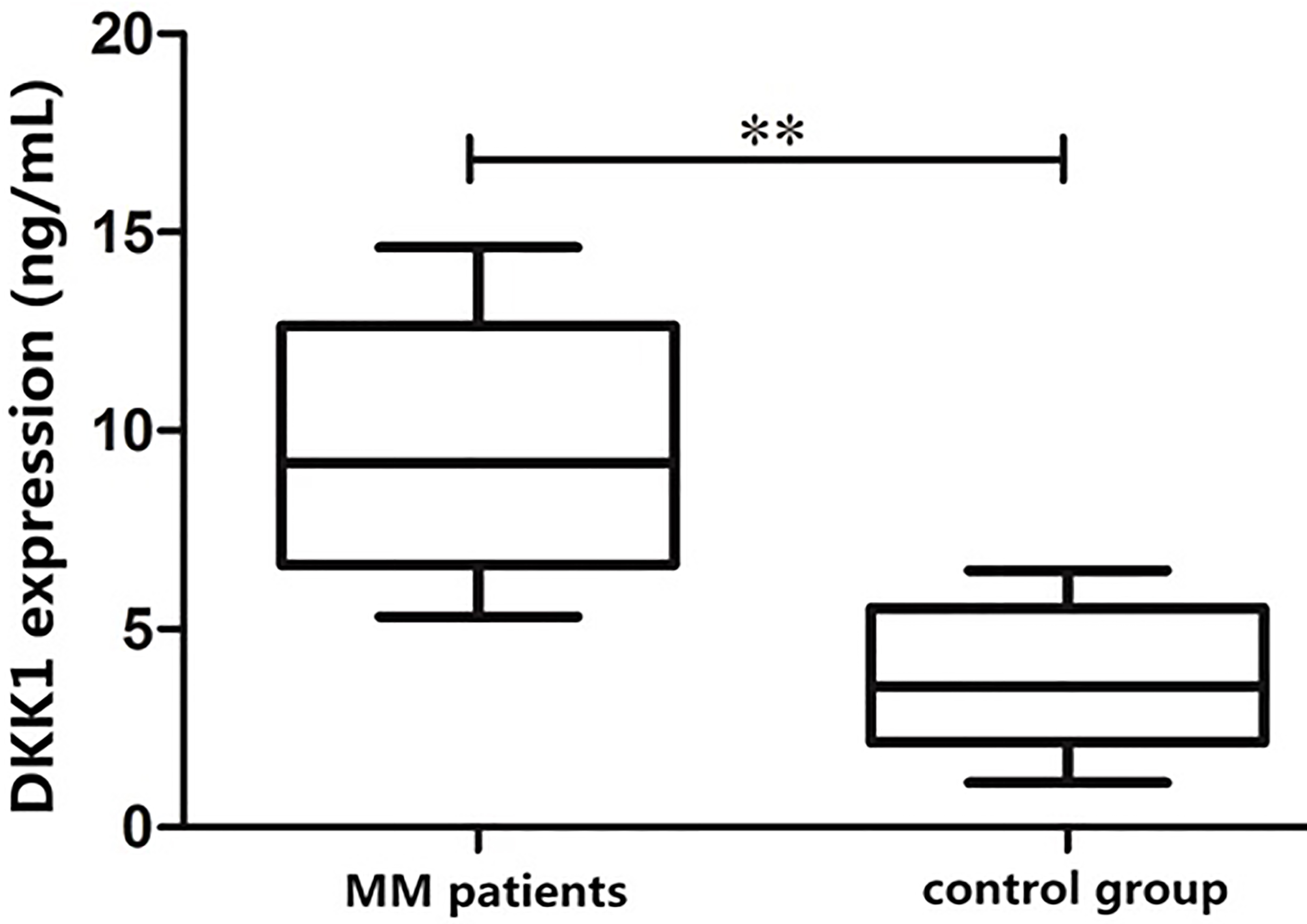
DKK1 expression in patients with multiple myeloma
The DKK1 expression was detected via ELISA in 58 myeloma patients and 45 healthy individuals. Results revealed that the serum DKK1 expression in myeloma patients was significantly higher than that in control group (
Effect of DKK1 expression on survival time of patients
The correlation between survival time and DKK1 expression level in 58 myeloma patients was analyzed via Kaplan-Meier analysis. Fifty-eight myeloma patients were divided into DKK1 low-expression group (
Correlation between DKK1 expression and survival time of patients.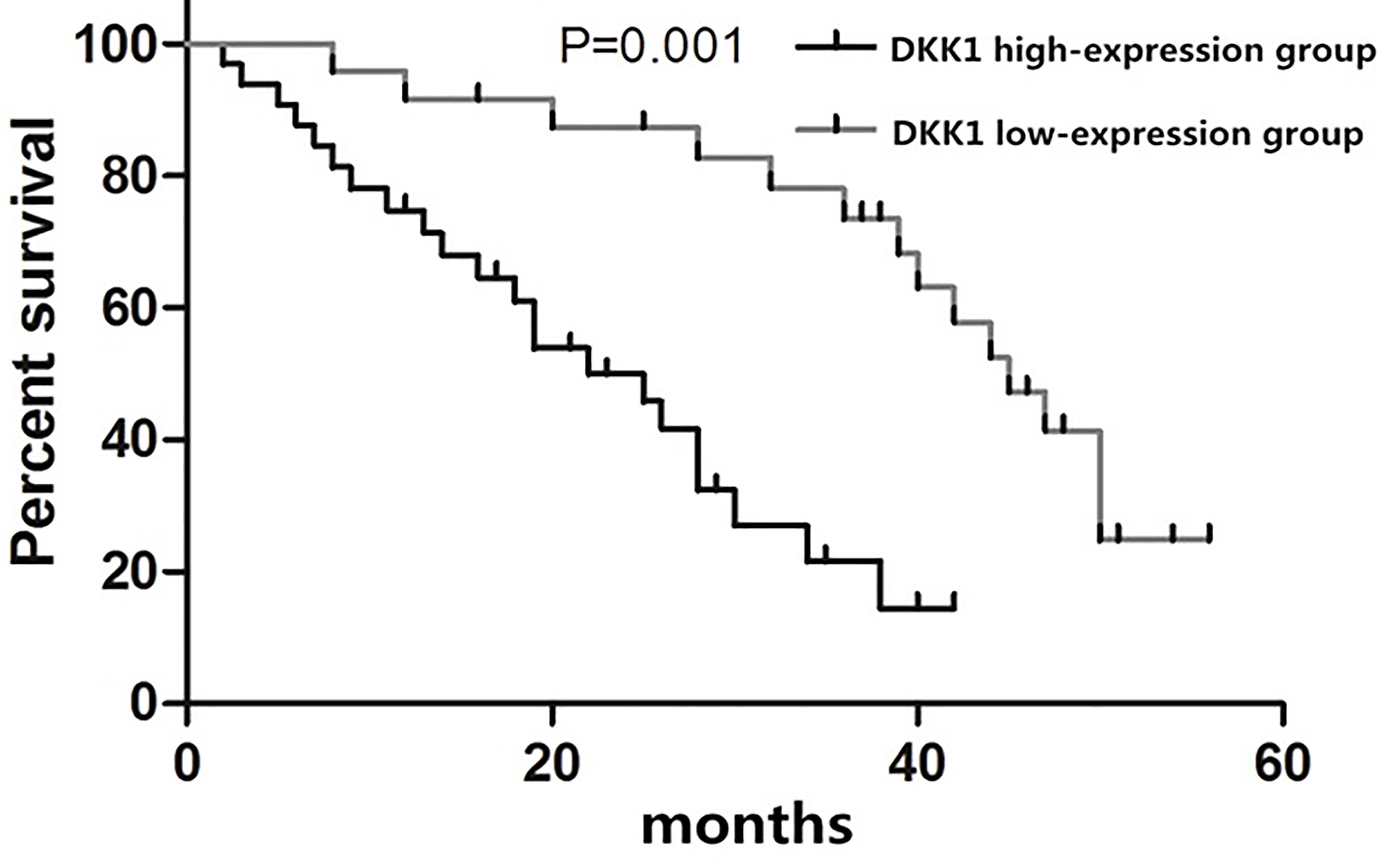
Effect of DKK1 neutralizing antibody on OB differentiation.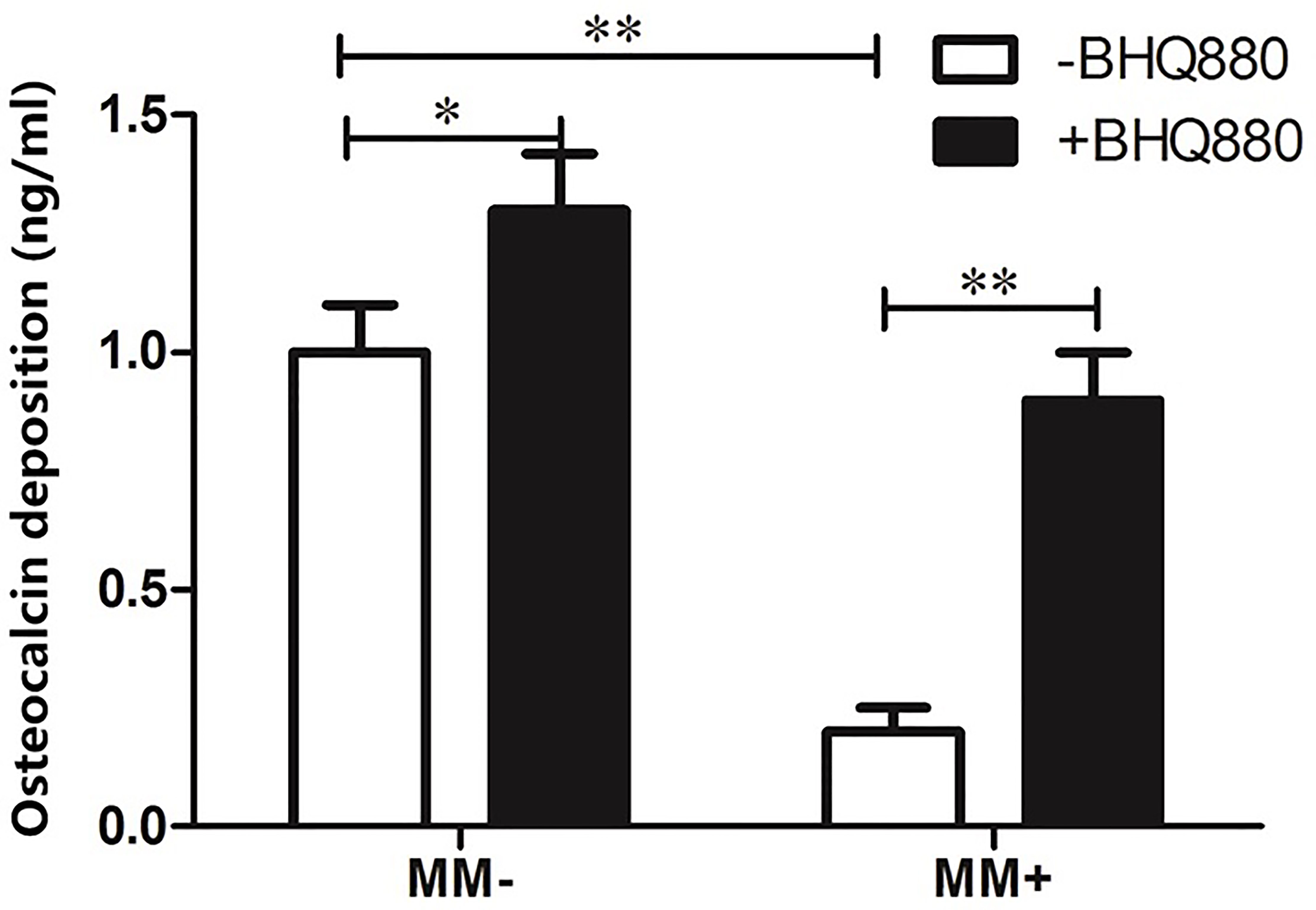
Detection of DKK1 expression after U266 cells are transfected with DKK1-siRNA via Western blotting and immunofluorescence assay.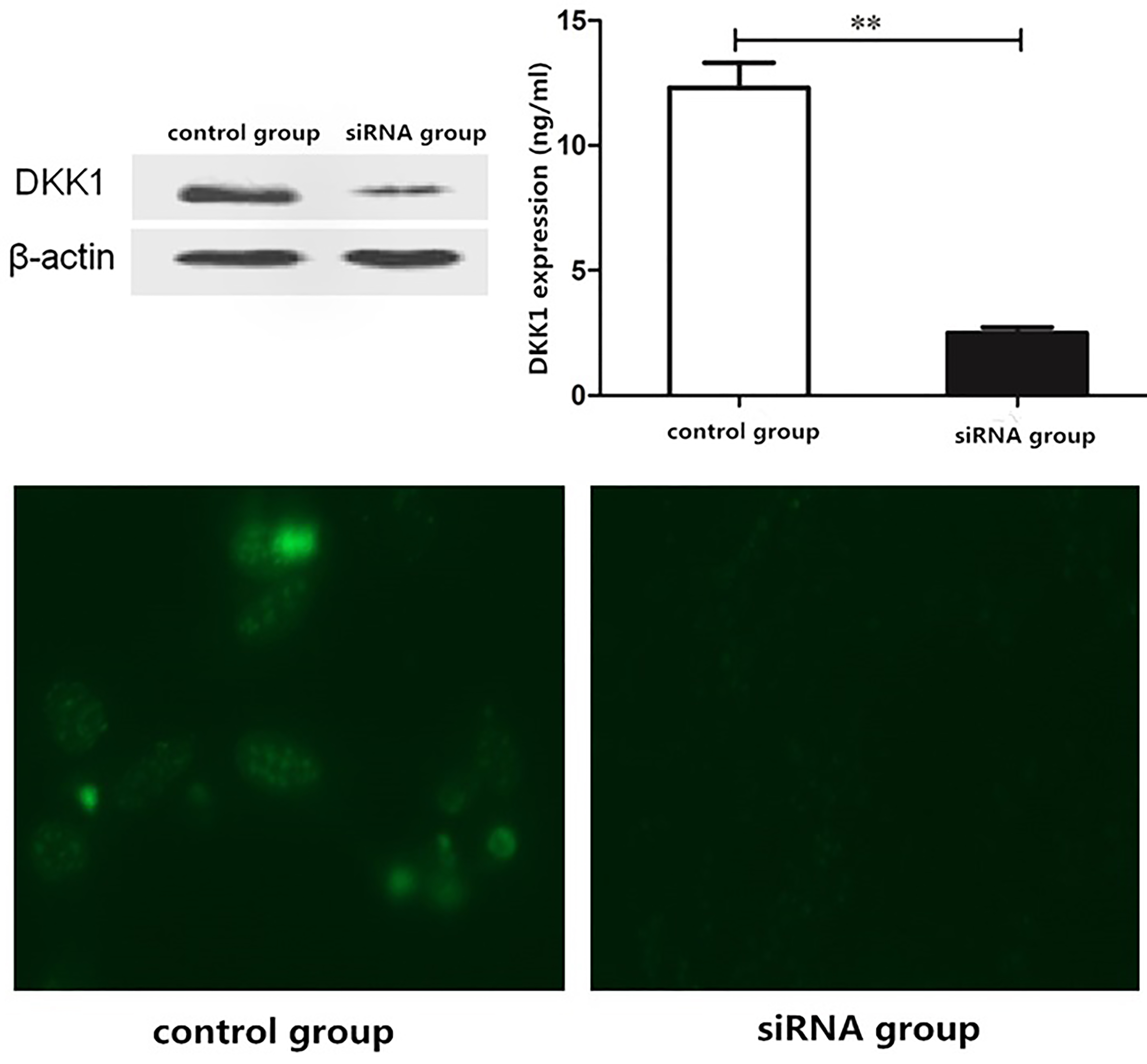
MM usually inhibits OB differentiation and increases OC differentiation. Osteocalcin is an important sign of OB differentiation, therefore the osteocalcin deposition was determined to reflect OB differentiation in this study. OB group and OB
Silencing of DKK1 expression via DKK1-siRNA transfection into U266 cells
To further verify the effect of DKK1 on MM, MM U266 cells were transfected with DKK1-siRNA. The DKK1 expression after silencing was detected to verify the effect of siRNA interference on DKK1 expression. Results of Western blotting, ELISA and immunofluorescence assay revealed that the DKK1 expression was significantly declined in U266 cells transfected with DKK1-siRNA (
Detection of changes in IL-6 content and 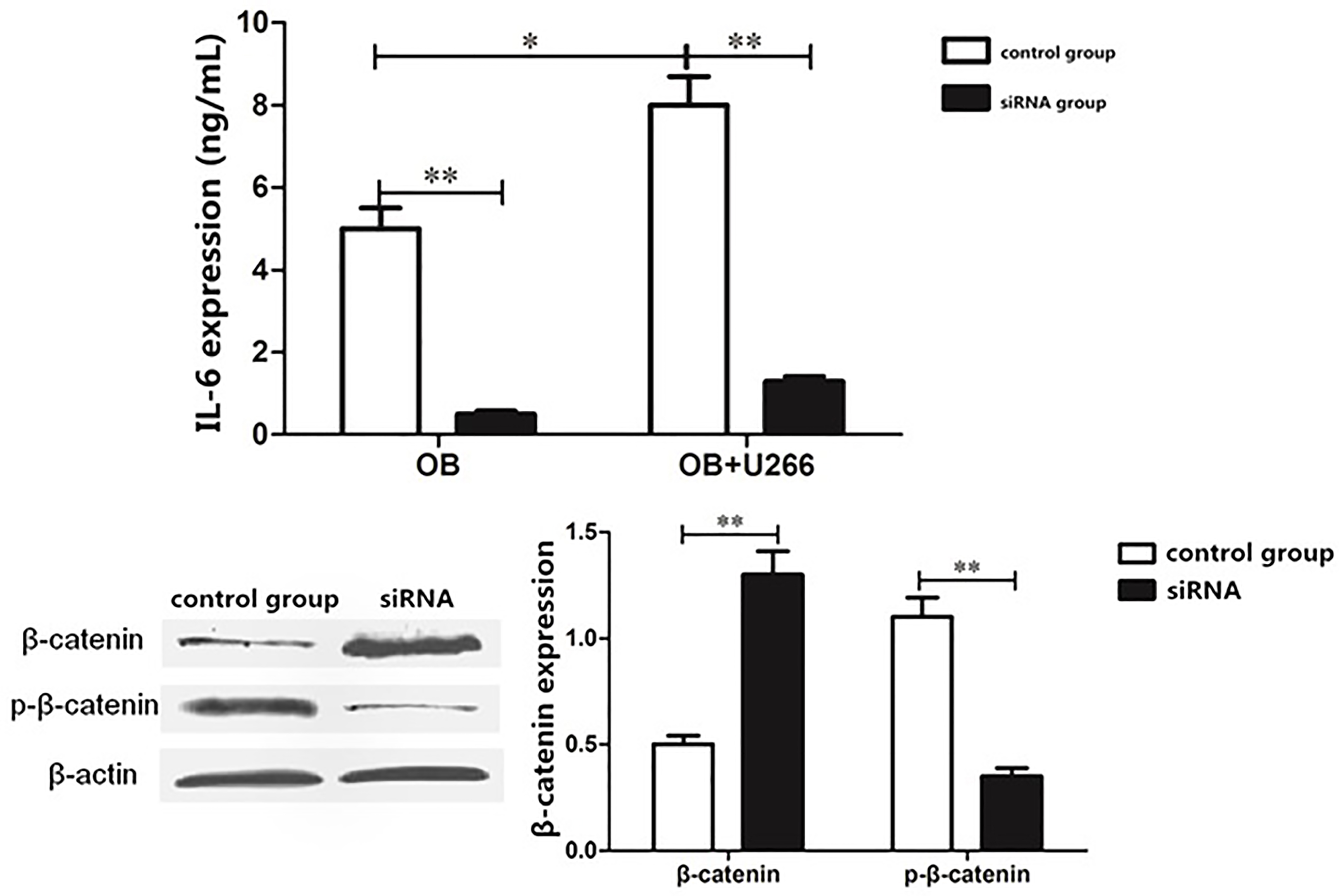
The IL-6 content after siRNA interference was detected by IL-6 ELISA kit, and the
Moreover, the regulation on
Effect of DKK1 inhibition on the activity of U266 cells
To identify the effect of DKK1 on the proliferative activity of U266 cells, we measured the proliferative activity of U266 cells at different time points (24 h, 48 h and 72 h) after siRNA interference of DKK1 by MTT assay. The activity of U266 cells was significantly reduced in DKK1-siRNA group compared with that in control group, which was decreased to about 50% after 72 h (Fig. 6), indicating that DKK1 inhibition significantly reduces the activity of U266 cells (
Detection of activity of U266 cells after siRNA interference in DKK1 via MTT assay.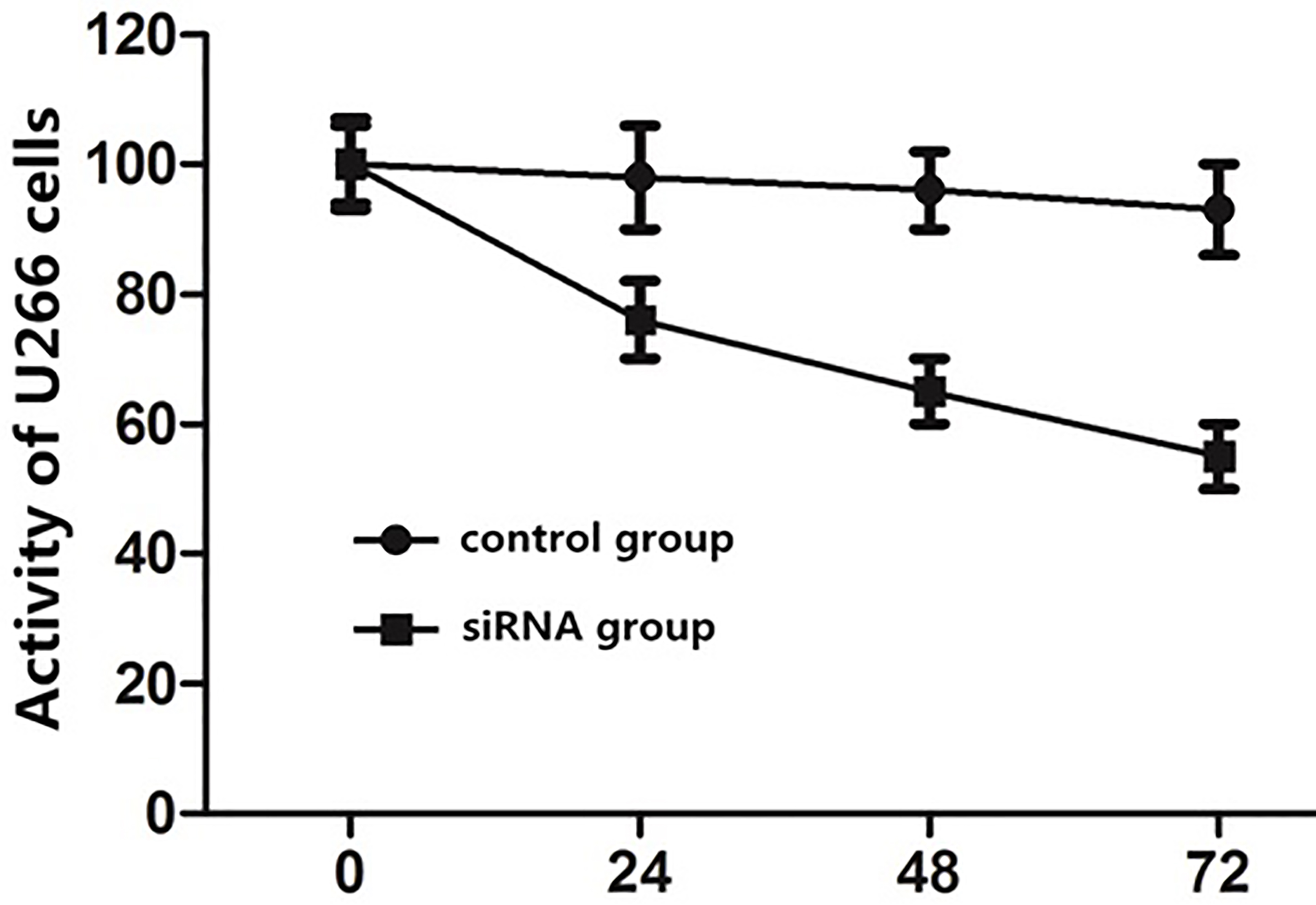
Effect of siRNA interference in DKK1 on OB differentiation.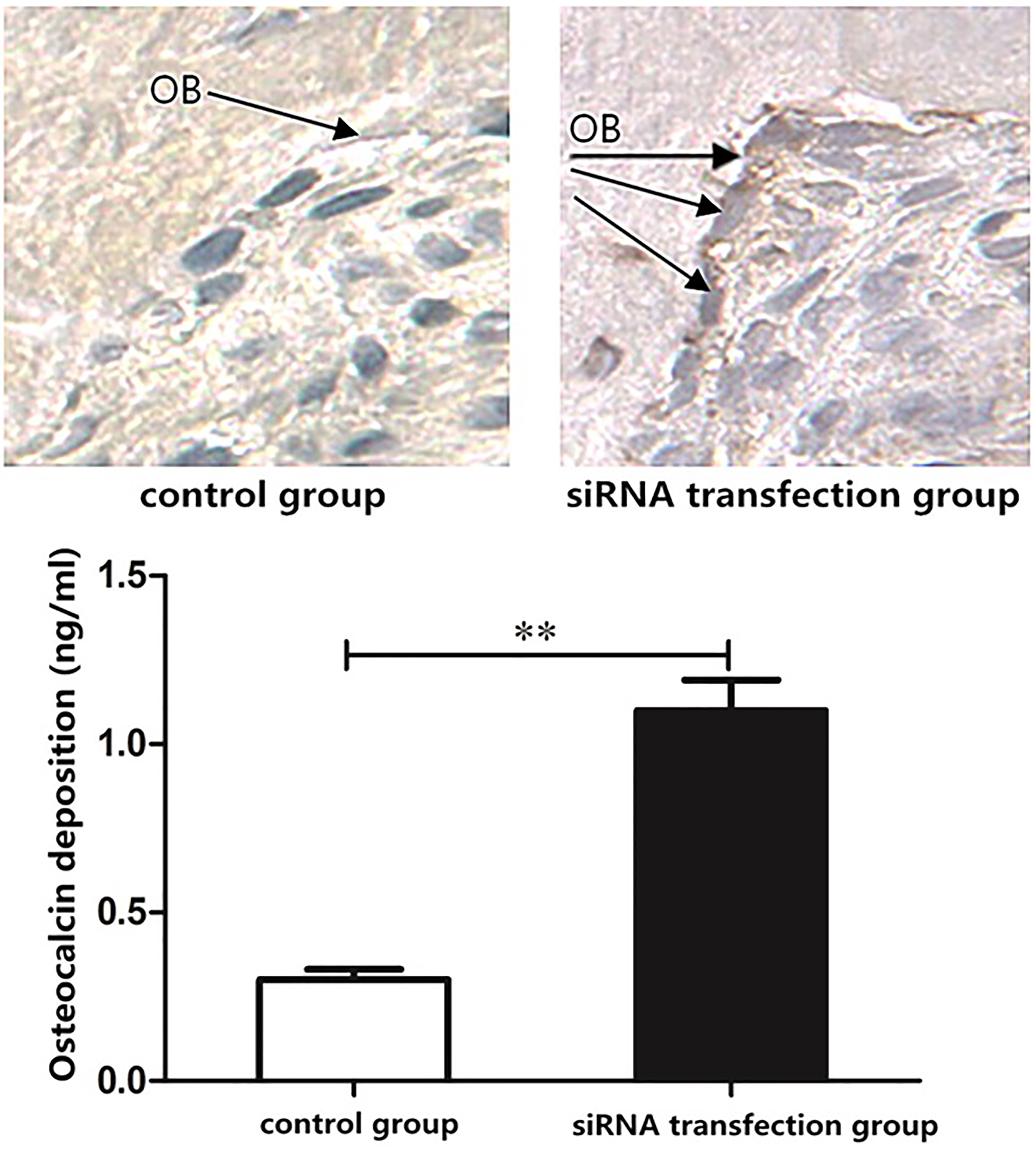
To investigate whether DKKI inhibition affects OB differentiation, we performed in-vivo mouse test through injection of U266 cells with siRNA interference and control cells. The serum osteocalcin was detected via ELISA, and OB differentiation was detected using the immunohistochemical method. OB differentiation in siRNA transfection group was significantly higher than that in control group, and results of ELISA showed that the osteocalcin content was significantly increased in siRNA transfection group compared with that in control group (
Discussion
Human MM mainly causes the osteolytic disease, and its treatment method is the intervention targeting OC currently, such as bisphosphonates [17]. However, the treatment targeting OB differentiation remains vacant. Therefore, the effects of DKK1 on pathogenesis and prognosis of human MM were investigated in this study. In recent years, many studies have demonstrated that there is a certain correlation between DKK1 and pathogenesis of myeloma. Kaiser et al. studied the correlation between the serum DKK1 level and the pathogenesis of myeloma in patients in 2008 [18]. In 2009, Heider studied and showed that the serum DKK1 level in patients was significantly higher before treatment, and significantly declined after treatment [19].
In this study, we showed that serum DKK1 in myeloma patients was significantly higher than that in healthy individuals and the DKK1 expression level was correlated with the survival time of patients with longer survival time in patients with low DKK1 level.
To further study the effect of DKK1 on OB in the progression of MM, DKK1 neutralizing antibody and siRNA interference technique were used. We found BHQ880 promoted the osteocalcin deposition, and MM cells had a certain inhibitory effect on the osteocalcin deposition. Similar results were obtained via siRNA interference. After siRNA interference, OB differentiation and osteocalcin deposition were promoted, levels of IL-6 and
Conclusion
Higher DKK1 expression is found in patients with myeloma and is associated with the median survival time. Inhibition of DKK1 promotes OB differentiation and increases osteocalcin deposition, suggesting therapeutic targeting DKK1 might be a novel approach for the treatment of myeloma.
Footnotes
Acknowledgments
This work was supported by Research Fund of Gansu Provincial Hospital (no. 17GSSY2-2).
Conflict of interest
None.