




Abstract
Summary and conclusions
(1) Feeding of cobaltous chloride to cholesterol-fed chickens reduced the incidence and severity of their aortic lesions and caused blood cholesterol concentrations to be lower than in controls.
The amounts of cholesterol in β-lipoprotein were similarly reduced and 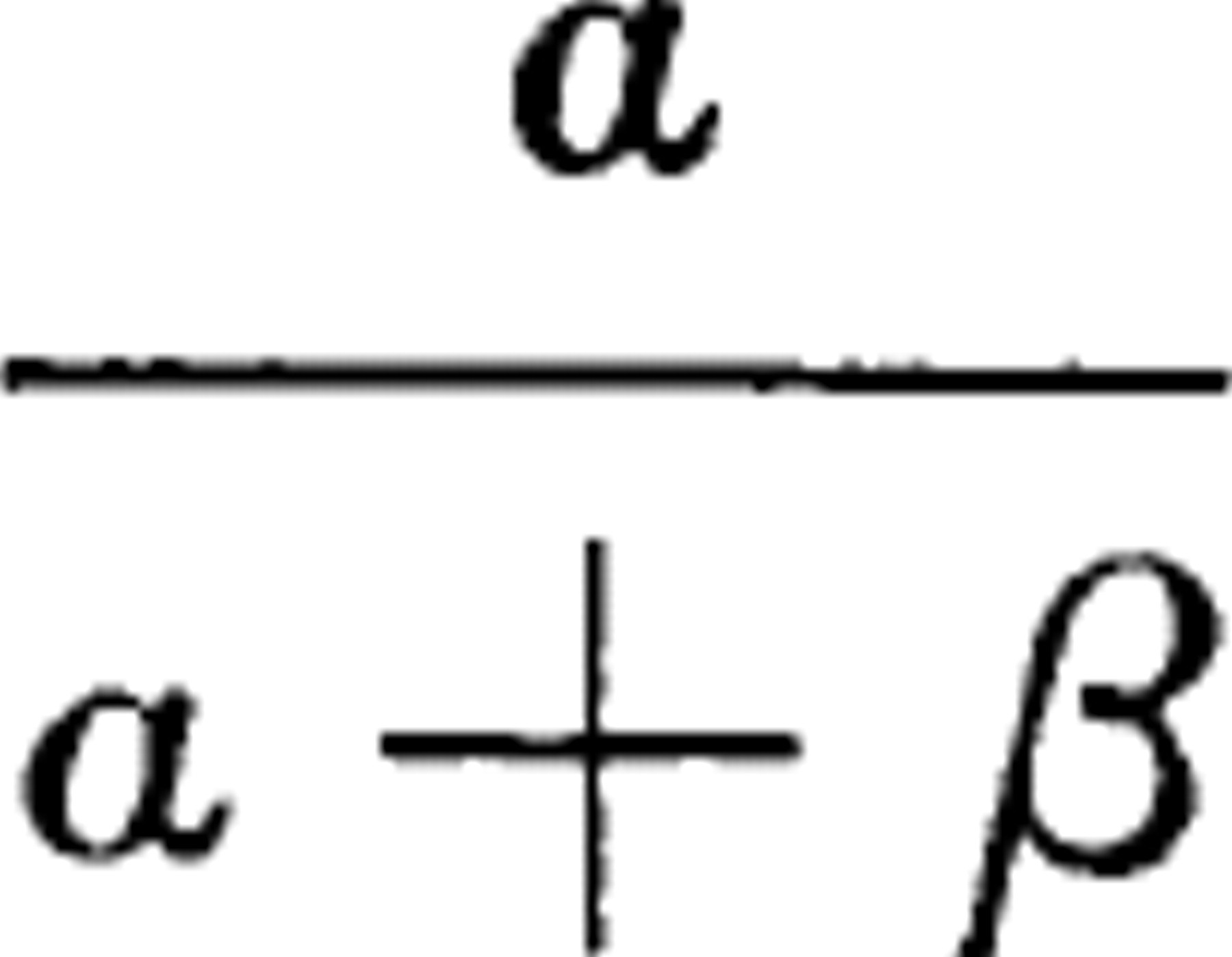 ratios were increased. There was no consistent effect on lipid phosphorus concentrations. Cobalt in the diet did not seem to influence activity of the thyroid. When given either in the diet or intravenously, cobalt did not change the structure of the pancreatic α-cells. (2) Subcutaneous injection of cobaltous chloride generally increased the incidence and severity of aortic lesions and concentration of cholesterol in blood. These findings are similar to those of Caren and Carbo in the rabbit(8). (3) The influence of cobalt in the diet on lipid pattern and aortic lesions was opposite to that of parenterally administered cobalt. It did not produce other effects indicative of previously reported specific systemic actions. Siperstein, Nichols, and Chaikoff(1) concluded that blood-cholesterol-lowering effect of ferric chloride given in the diet was due to precipitation of bile acids, resulting in decreased cholesterol absorption. It is concluded here that the effect of cobalt in the diet of cholesterol-fed chickens similarly is due to a local action in the intestinal tract.
Get full access to this article
View all access options for this article.