




Abstract
Recognizing the urgent need to understand how education systems can effectively respond to global crises, we conducted a qualitative evidence synthesis to examine the educational experiences and psychosocial wellbeing of secondary students during the COVID-19 pandemic (March 2020–January 2024). Comprehensive searches were conducted across eight electronic databases, resulting in 41 eligible studies. Thematic synthesis revealed five descriptive themes: challenging online learning experiences; benefits of online learning; complexities associated with education-related disruptions and transitions; social connections and support; and emerging educational needs. Twenty corresponding subthemes were also identified. Lastly, three analytical themes were developed based on the literature reviewed, including student resilience and adaptability through crisis; the digital divide and educational inequality; and reimagining the future of education. Findings revealed that secondary students experienced several education-related challenges and benefits during the pandemic; they also highlight the need for effective, inclusive, and accessible educational practices that can be adopted now and in future crises. This review represents an important and timely contribution to the literature via its explicit focus on secondary students worldwide and the application of a novel and rigorous qualitative synthesis methodology, with implications for the evolving educational landscape.
Keywords
On March 11, 2020, the World Health Organization (WHO) declared the novel coronavirus (COVID-19) outbreak a global pandemic (WHO, 2020a). Worldwide, governments and public health professionals responded to this emergency by recommending and implementing a range of public health and social measures aimed at slowing the spread of the virus (WHO, 2020b); such measures included masking, physical distancing, and the closure of public institutions and spaces, the latter of which involved the mandated suspension of in-person education (Organization for Economic Cooperation and Development [OECD], 2020; Reimers, 2023). Following school closures, emergency remote learning—defined as temporary, fully remote teaching solutions including online platforms, TV/radio broadcasts, and the distribution of take-home learning materials (e.g., Pregowska et al., 2021)—was implemented across the globe (OECD, 2020).
According to the OECD (2020), primary and secondary school closures took place in 188 countries from March to June 2020, affecting the education of over 1.7 billion children and adolescents. It was also estimated that more than 90 percent of education ministries worldwide implemented various remote learning approaches between March 2020 and February 2021 (Dreesen et al., 2020; UNESCO, UNICEF, & World Bank, 2020). Remote learning has varied greatly across geographic locations as well as within communities; while some school systems were equipped with remote learning resources prior to the COVID-19 pandemic, others were tasked with acquiring and using new technologies, tools, and strategies, often with minimal training, preparation, or infrastructure in place (Pregowska et al., 2021). Not surprisingly, such unprecedented shifts in education have had a profound impact on educational systems, students, teachers, and families. According to Reimers (2023), widespread educational disruptions resulting from pandemic-related school closures represent “the most significant shock to education systems globally since public education was first ‘invented’” (p. 6).
One cohort of young people that has been particularly impacted by the challenges associated with the loss and/or disruption of their regular school environment is secondary students (i.e., typically aged 11–19, encompassing junior and senior high school; e.g., Offner, 2022; Verhoeven et al., 2019). The secondary school environment has been highlighted as an important contributor to the psychosocial wellbeing of adolescents (Arain, 2013; McNeely & Blanchard, 2009), as individuals develop a more concrete sense of “self” and are influenced primarily by peers and environments outside of the family/home during this time (Arain, 2013; McNeely & Blanchard, 2009; Offner, 2022). Consequently, disruptions to the educational environment during this critical developmental phase are likely to impact adolescents’ growth and overall well-being (Hatzichristou et al., 2021; Nandlall et al., 2022; Offner, 2022; Verhoeven et al., 2019).
In 2021, Bond et al. published a systematic review (n = 81 qualitative, quantitative, and mixed-methods studies from 38 countries) exploring the teaching and learning experiences of secondary students, as well as the perspectives of their parents and educators during the first year of the COVID-19 pandemic. Key findings revealed that educational tools such as the use of online assessments, collaborative learning management systems, synchronous lessons, and teacher-created videos were particularly effective in fostering students’ engagement during emergency remote learning. Conversely, social isolation was the most frequently cited factor leading to academic disengagement among students (e.g., poor attendance in online classes, difficulties working with peers, and challenges associated with seeking help from teachers).
Findings from Bond et al.’s (2021) systematic review also revealed that parental support was critical for secondary students’ success, although social inequities affected some caregivers’ capacity to engage with their children’s learning (e.g., to provide the necessary materials, technological and content support, and study spaces in the home environment). In terms of future directions, the review identified several gaps in the literature, including the need to explore and develop effective online assessment practices, peer collaboration techniques, and strategies to enhance parental engagement in online learning environments. Additionally, the authors highlighted the pressing need for researchers to explore the impact of reduced social engagement and prolonged online learning on secondary students’ social-emotional development.
Indeed, a focus on the educational experiences of students and the impact of these experiences on their psychosocial well-being is critical. A recent systematic review and meta-analysis (n = 104 cross-sectional studies containing >2 million student participants worldwide, ranging in educational level from primary to postgraduate) conducted by Fang et al. (2022) explored the prevalence of psychological stress among students during the first two years of the COVID-19 pandemic. Results showed that in comparison to pre-pandemic rates, students reported a higher incidence of psychological stress during the COVID-19 pandemic. Specifically, pooled prevalence rates for depression, anxiety, stress, and fear symptoms among students during the pandemic were found to be 32%, 28%, 31%, and 33%, respectively. In conclusion, Fang et al. highlighted the importance of exploring psychological stress in student populations in research moving forward.
In another systematic review published in 2022, Viner et al. were able to delve into the broader psychosocial and health-related impacts of school closures on primary and secondary school students during the first wave of the COVID-19 pandemic (i.e., February to July 2020; n = 36 studies from 11 countries). Among other findings, Viner et al. reported that overall, early school closures were found to be associated with several adverse mental health (i.e., anxiety and depressive symptoms) and behavioral outcomes (e.g., defiance, restlessness, and inattention) among students. The authors noted that disruptions to routine, social interaction, and access to school-based supports were likely among the factors that played a role in the negative outcomes observed among students in many studies.
To date, there has yet to be a comprehensive qualitative exploration of the educational experiences, including the psychosocial well-being, of secondary students during the COVID-19 pandemic. Bond et al.’s (2021) systematic review pertaining to the secondary school environment was conducted early in the pandemic and contained a combination of qualitative, quantitative, and mixed methods studies focused on the perspectives of students, teachers, parents, and school leaders. Although this approach provided a useful overview of the literature in this area from multiple perspectives, the researchers did not offer an in-depth analysis of the qualitative data. While quantitative studies are useful for identifying broad patterns, they are often limited in their ability to capture lived experience, contextual nuance, and meaning-making (Lim, 2024). This review draws exclusively on qualitative data—a substantial amount of which has been published since the Bond et al. review—to center the student voice and explore the emotional, social, and academic dimensions of their experiences during a time of global crisis. These aspects are best explored through qualitative synthesis, which can capture the depth and context of students’ experiences in ways that quantitative methods cannot.
In the current review, Thomas and Harden’s (2008) thematic synthesis approach—a novel yet increasingly recognized method in qualitative evidence synthesis (QES)—was used to systematically interpret findings from primary qualitative studies. Indeed, the importance of reviewing high-quality qualitative research, via approaches including QES, has been widely recognized (Carroll, 2017; Clark, 2016; Flemming & Jones, 2020; Thomas & Harden, 2008). As such, the purpose of this review was to examine the qualitative literature pertaining to the self-reported educational experiences (e.g., perceptions, preferences, satisfaction) and psychosocial well-being of secondary school students, globally, during the COVID-19 pandemic (i.e., from March 2020–January 2024).
Methods
A QES approach was used to systematically explore multiple sources of qualitative data, while also allowing for the identification of key themes and patterns across studies (Clark, 2016; Thomas & Harden, 2008). The use of QES has been recommended in several areas of study (e.g., health promotion, education) as a useful means through which scholars can engage with extant qualitative literature to enhance the scientific base and innovation in these fields (Clark, 2016).
Reporting Framework
The QES was conducted and reported in accordance with the ENTREQ (i.e., ENhancing Transparency in REporting the synthesis of Qualitative research; Tong et al., 2012) framework, which consists of a 21-item checklist designed to improve the reporting—and therefore, the quality and reliability—of qualitative syntheses (Flemming & Noyes, 2021; Tong et al., 2012).
Search Strategy
A comprehensive search strategy for this QES was developed in alignment with the study objectives using a combination of modified PICOS (population, intervention, comparison, outcome, and study type; Methley et al., 2014) and PICo (population, phenomena of interest, and context; Hosseini et al., 2024) frameworks. While the traditional PICOS framework (Methley et al., 2014) was used to operationalize the population (secondary students), outcome (educational experiences), and study type (qualitative), the PICo framework (Hosseini et al., 2024) guided our operationalization of the phenomenon of interest (education) and context (COVID-19 pandemic). Search terms were identified in consultation with a university librarian and based on existing literature in the areas of education, child/adolescent health, and psychology. Table 1 contains an overview of the search terminology used for the study, organized by modified PICOS and PICo categories.
Qualitative Evidence Synthesis (QES) Search Strategy and Terminology, by Modified PICOS and PICo Framework Categories*
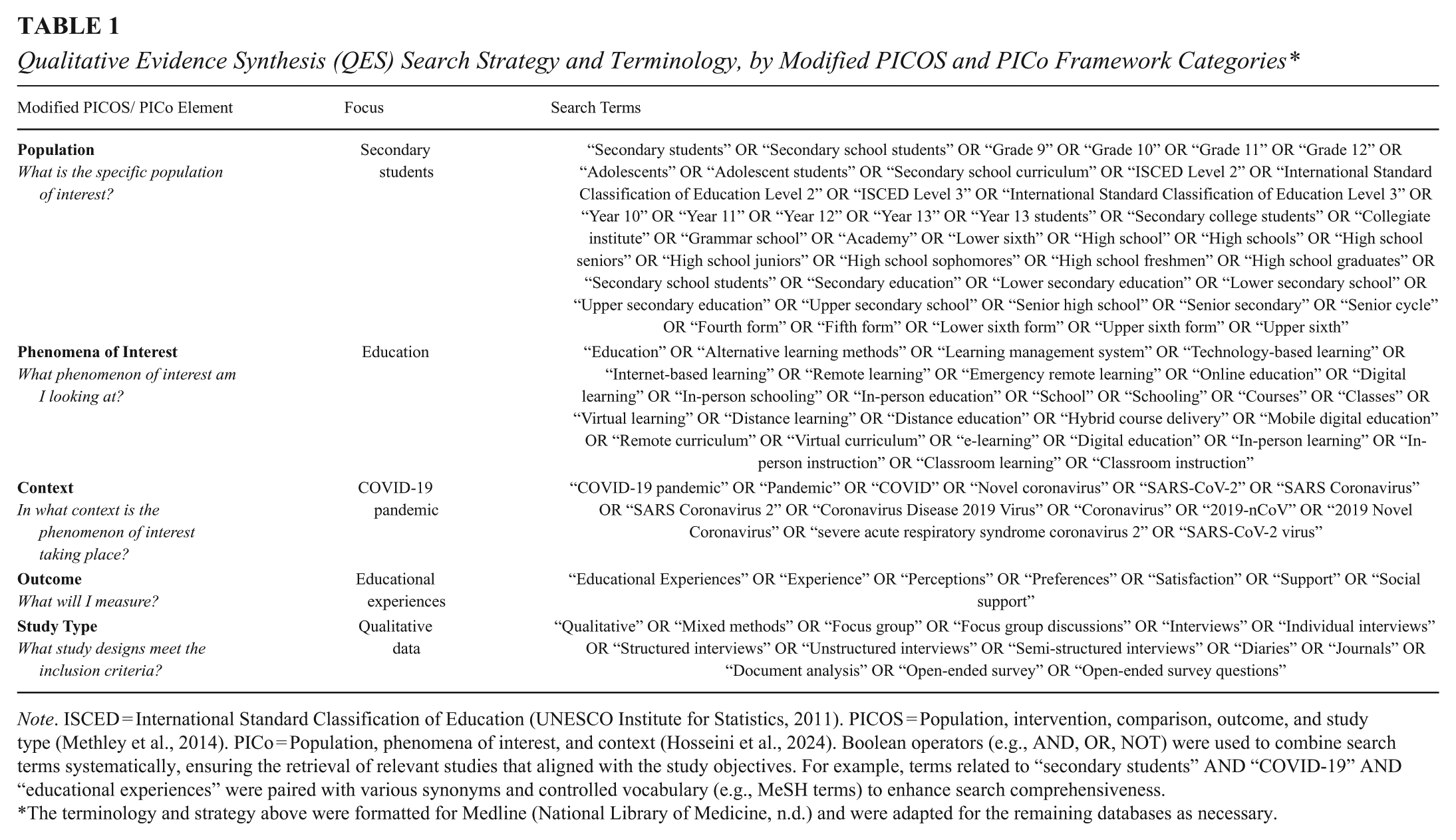
Note. ISCED = International Standard Classification of Education (UNESCO Institute for Statistics, 2011). PICOS = Population, intervention, comparison, outcome, and study type (Methley et al., 2014). PICo = Population, phenomena of interest, and context (Hosseini et al., 2024). Boolean operators (e.g., AND, OR, NOT) were used to combine search terms systematically, ensuring the retrieval of relevant studies that aligned with the study objectives. For example, terms related to “secondary students” AND “COVID-19” AND “educational experiences” were paired with various synonyms and controlled vocabulary (e.g., MeSH terms) to enhance search comprehensiveness.
The terminology and strategy above were formatted for Medline (National Library of Medicine, n.d.) and were adapted for the remaining databases as necessary.
In line with recommended database selection practices for systematic reviews (Bramer et al., 2017), eight electronic databases deemed relevant to the topic areas (i.e., CINAHL, EMBASE, MEDLINE, PsycINFO, Scopus, ERIC, the Education Database through Western Libraries, and Web of Science) were identified and comprehensively searched. Following the initial database search, Google Scholar was also utilized to identify additional peer-reviewed articles that may not have been captured previously. The first full QES search took place in August 2023, and a second iteration of searches, including database and citation searches, took place in January 2024. The entire search process was completed by January 31, 2024.
Eligibility Criteria
Inclusion Criteria
Qualitative or mixed-methods studies were included if they: (a) focused on secondary students, as defined by the International Standard Classification of Education (ISCED) framework (UNESCO Institute for Statistics, 2011); (b) explored students’ educational experiences of remote and/or in-person learning (including, but not limited to, student preferences, satisfaction, and perceptions of support); (c) contained data collected during the COVID-19 pandemic from March 2020 through to January 31, 2024; (d) reported qualitative data (separate from quantitative data if mixed-methods) regarding secondary students’ educational experiences; and (d) were available in English and full-text via the databases searched. For the present review, secondary students were operationally defined as those in lower secondary school (ISCED 2; commonly referred to as junior secondary school, middle school, or junior high school, age range = 11–15 years) or upper secondary school (ISCED 3; commonly referred to as senior secondary or high school, age range = 16–19 years; National Center for Education Statistics [NCES], n.d.; UNESCO Institute for Statistics, 2011). The date range used in this review (2020–2024) reflects the ongoing nature of the COVID-19 pandemic as noted by the World Health Organization (e.g., Bartels, 2024).
Exclusion Criteria
Studies were excluded from this QES if they: (a) did not include a focus on secondary students as defined previously (e.g., they focused on elementary or college/university students); (b) did not explore students’ educational experiences (e.g., they focused on outcomes such as students’ academic achievement); (c) included data reported only by individuals other than students (e.g., parents, teachers, or peers); (d) reported data collected prior to the COVID-19 pandemic; (e) did not contain and/or report qualitative data; (f) were qualitative protocol documents, secondary studies (reviews or meta-analyses), unpublished studies, or grey literature; and (g) were not available in English and/or full-text. Grey literature was excluded to ensure that only studies that underwent the peer-review process and met established standards for publication in academic journals were included.
Study Screening and Extraction Process
The study screening process was conducted by two researchers using Meade and Richardson’s (1997) model, consisting of three sequential stages: title, abstract, and full text reviews. Initially, both researchers independently assessed the potential eligibility of each title, assigning them to preliminary “include” or “exclude” categories in Covidence (Cochrane Community, n.d.). Next, the researchers conducted independent reviews of study abstracts, again deciding whether to include or exclude studies based on the a priori inclusion and exclusion criteria. Lastly, full-text screening was conducted for studies remaining in the “include” category. Disagreements were resolved through real-time discussion until consensus was achieved; if consensus could not be reached, a third reviewer made the final decision. Interrater reliability was quantified using the kappa statistic (McHugh, 2012), with values ranging from −1 (complete disagreement) to 1 (perfect agreement). This statistic was calculated at each stage of the screening process; the two reviewers agreed on 100% of studies at the title and abstract stages, achieving a kappa statistic of 1.00 (McHugh, 2012). During the full-text stage, the reviewers disagreed on 10% of studies, resulting in a kappa statistic of .90, which indicates a high level of agreement (Belur et al., 2021; McHugh, 2012).
Data Extraction
Upon completion of the screening process, information and data from each included study were extracted by two researchers using an Excel spreadsheet. Study information included participant characteristics (i.e., sample size, age, education level, and/or grades of study), geographic location(s) of the study, date(s) of data collection, recruitment methods, study design, data collection processes, and qualitative data analysis. All portions of study results sections containing qualitative data relevant to secondary students’ educational experiences (required) and psychosocial well-being (if available) were extracted and included for analysis, as well as any portions of study discussion sections (e.g., participant and/or author quotes) that may have been relevant to the study objective.
Quality Assessments
There are varied opinions about whether quality assessments should be conducted for qualitative studies included in reviews and evidence syntheses (e.g., Carmona et al., 2022; Flemming & Noyes, 2021; Garside, 2014; Noyes et al., 2018a, 2018b). For example, Flemming and Briggs (2007) have suggested that quality appraisals in QES are not always necessary, particularly when the primary aim of the review is to provide a rich and comprehensive understanding of a phenomenon (versus assessing the validity or reliability of primary qualitative studies). Furthermore, qualitative studies included in many syntheses are often diverse in nature (i.e., including different study designs, data collection methods, and analytical approaches; Flemming & Noyes, 2021; Noyes et al., 2018b); thus, the use of a one-size-fits-all quality appraisal method could potentially oversimplify or misrepresent the nuanced findings that each study contributes to the QES (Flemming & Briggs, 2007). For these reasons and given the focus of our QES (i.e., to gain an in-depth understanding of secondary students’ educational experiences during the COVID-19 pandemic), a formal quality appraisal was not completed.
Data Synthesis
In line with recommendations advanced by the Cochrane Qualitative and Implementation Methods Group (i.e., Cargo et al., 2018; Flemming et al., 2018; Harden et al., 2018; Harris et al., 2018; Noyes et al., 2018a, 2018b), Thomas and Harden’s (2008) thematic synthesis approach was used. This method, similar in nature to Braun and Clarke’s (2006) thematic analysis, facilitates an in-depth exploration of similarities, variations, and trends across primary studies containing qualitative data. More specifically, Thomas and Harden’s thematic synthesis method allows researchers to establish themes and patterns, as well as potential links between study authors’ interpretations and participants’ insights (Thomas & Harden, 2008).
The data synthesis process was conducted using an inductive approach and was completed in three stages: (1) line-by-line coding of the qualitative findings reported in primary studies; (2) the construction of codes into descriptive themes; and (3) the generation of analytical themes (Thomas & Harden, 2008). According to Thomas and Harden (2008), line-by-line coding involves reviewing the full text (including all written sections, figures, tables, and appendices) of each study to identify preliminary codes. These codes, established initially as tentative labels or descriptors used to capture keywords or ideas reported in each study, were entered into NVivo 14 (Lumivero, 2023). Once the two reviewers completed this step, preliminary codes were discussed, refined, and agreed upon—at times with the assistance/input of a third reviewer—before proceeding to the next stage of data synthesis.
The second step of Thomas and Harden’s (2008) thematic synthesis process involves organizing codes based on similarities and/or differences and grouping related codes into descriptive themes and subthemes. Through iterative review and discussion among a team of two to three researchers, preliminary codes were organized into descriptive themes and subthemes. This process involved making comparisons within and across studies, coding subsequent studies into preexisting concepts, and creating new concepts when necessary (Thomas & Harden, 2008). Throughout this process—and unique to Thomas and Harden’s (2008) approach to qualitative evidence synthesis—the review team consistently referred back to the primary studies to ensure that the themes and subthemes that were emerging were based on both the experiences of the study participants themselves (i.e., first-order constructs generated via participant quotes; Noblit & Hare, 1988), as well as the broader study findings as interpreted and reported by the author(s) (i.e., second-order constructs; Noblit & Hare, 1988).
The third and final step in Thomas and Harden’s (2008) data synthesis framework involves the development of analytical themes, which represent deeper-level interpretations and insights derived from the descriptive themes generated in the previous step. More specifically, the generation of analytical themes involves synthesizing and analyzing the data at a more conceptual level to go beyond mere description, to offer practical and/or theoretical insights that emanate from the overarching objectives of the QES (Noblit & Hare, 1988; Thomas & Harden, 2008). In the present study, the team of reviewers first thoroughly examined and discussed the descriptive themes within the context of the QES research questions and objectives. Initial ideas for analytical themes were then generated, refined, and subsequently defined by the reviewers through further brainstorming and discussion. As part of these discussions, connections were also made to the broader literature to assess the implications of the findings, providing both practical and theoretical insights.
Results
Database searches yielded 1,266 references (n = 1,261 from the first search in August 2023, plus 5 from the second search in January 2024), which, after duplicates were removed (n = 157), resulted in a total of 1,109 unique studies. Subsequent title and abstract screening using the predetermined inclusion and exclusion criteria resulted in the exclusion of 1,009 studies. Of the 100 studies remaining for full-text review, 59 were excluded for failing to meet the study eligibility criteria. Thus, a total of 41 studies remained and were deemed eligible for inclusion in the QES. See Figure 1 for a detailed Preferred Reporting Items for Systematic Reviews and Meta-analyses (PRISMA; Page et al., 2021) flow diagram for the identification, screening, and selection of included studies.
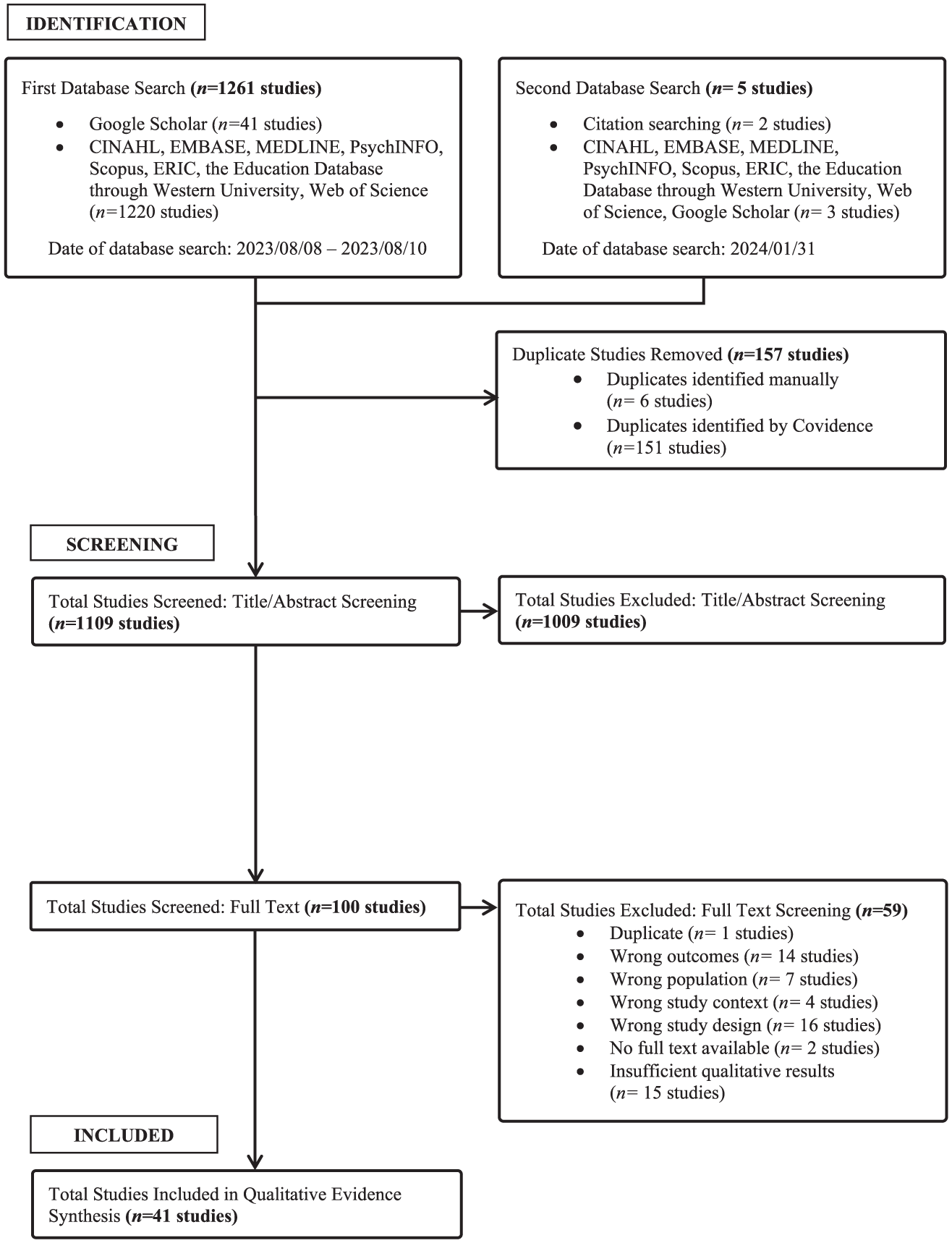
PRISMA flow diagram outlining the identification, screening, and selection of primary studies included in the qualitative evidence synthesis (QES).
The 41 studies included in the QES contained more than 7,000 secondary student participants from 23 countries; the United States (n = 9; 22%), the United Kingdom (n = 7; 17%), and Turkey (n = 3; 7%) emerged as the nations in which study publication was most prevalent. Regarding study type, more than half of the included studies were qualitative studies (n = 24; 57%), while the remainder were mixed methods (n = 18; 43%). Several qualitative data collection methods were reported across studies, used alone or in combination, including virtual and/or telephone-based semi-structured interviews (n = 30; 73%), virtual focus and discussion groups (n = 8; 20%), online surveys containing open-ended questions (n = 8; 20%), and in-person interviews (n = 1; 2%). Braun and Clarke’s (2006) thematic analysis emerged as the most common method of data analysis utilized by study authors (n = 21; 51%), followed by content analysis (approaches by Hsieh & Shannon, 2005; Lindgren et al., 2020; n = 6; 15%) and phenomenological analysis (approaches by Moustakas, 1994; J. A. Smith et al., 2009; n = 3; 7%). Supplementary file 1 (online) contains a detailed summary of the 41 studies involved, including study characteristics and findings pertaining to the primary and secondary (if applicable) objectives.
Descriptive Themes
The second phase of Thomas and Harden’s (2008) thematic synthesis process resulted in the generation of five descriptive themes and 20 corresponding subthemes related to students’ self-reported educational experiences and psychosocial well-being. These include:
(1) Challenging Online Learning Experiences (n = 5 subthemes: disruptions to learning routines and environments; technological and resource challenges; engagement, motivation and learning-related challenges; academic concerns; and mental and emotional challenges);
(2) Benefits of Online Learning (n = 5 subthemes: increased flexibility and access to resources; autonomy, personal growth, and skill development; benefits of asynchronous online learning; benefits of synchronous online learning; and mental and emotional benefits);
(3) Complexities Associated with Education-Related Disruptions and Transitions (n = 4 subthemes: perceptions of loss; missing aspects of the in-person learning environment; the “learning curve” and adapting to online learning; and concerns about transitions between online and in-person learning environments);
(4) Social Connections and Support (n = 3 subthemes: experiences of support from teachers; changing family dynamics; and missing social interactions and connectedness with peers and others); and
(5) Emerging Educational Needs (n = 3 subthemes: flexible learning environments and assessment options; enhanced technological/online learning training for teachers; and improved personalized/accessible learning options).
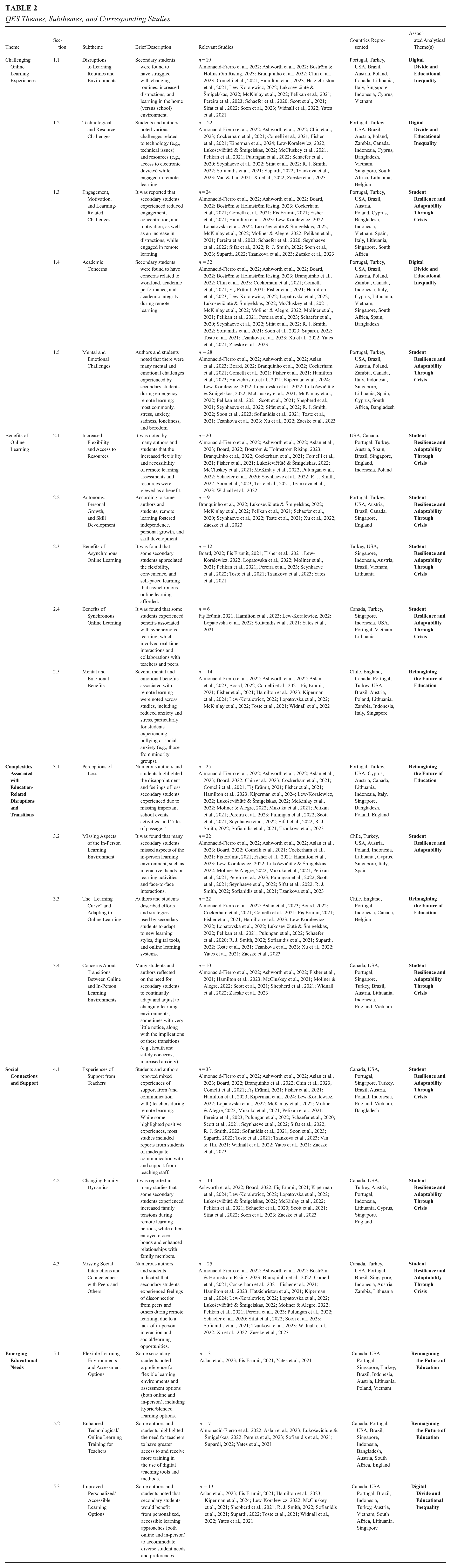
Table 2 contains an overview of the abovementioned themes and subthemes, alongside the corresponding study references. Figure 2 provides a visual representation of these findings.
QES Themes, Subthemes, and Corresponding Studies
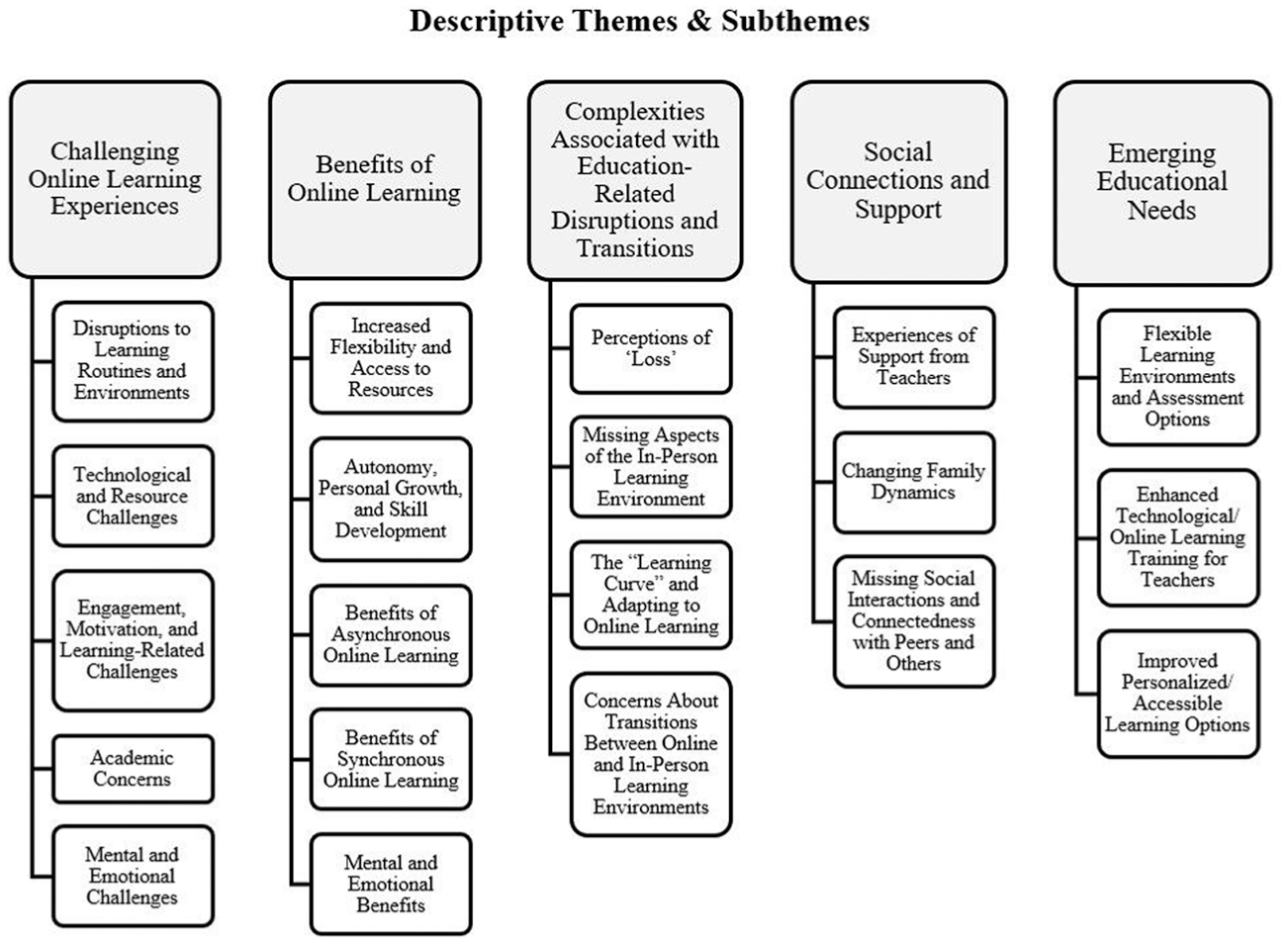
Descriptive themes and subthemes identified in the qualitative evidence synthesis (QES).
Descriptive Theme 1: Challenging Online Learning Experiences
The Challenging Online Experiences theme, and corresponding five subthemes, encapsulate the many challenges experienced by secondary students during the COVID-19 pandemic, which was noted to have greatly impacted students’ educational environments and experiences. An overview of all descriptive themes, subthemes, and illustrative quotes from both authors and participants in the studies included in the QES can be found in Supplementary File 2 (online).
Disruptions to Learning Routines and Environments
In several studies (n = 19; 41%; see Table 2, Section 1.1, for corresponding references), secondary students indicated that they experienced challenges with regard to changing routines, increased distractions, and learning in the home (versus school) environment during the COVID-19 pandemic. For example, in a Chilean study conducted by Almonacid-Fierro et al. (2022), a student expressed, “nothing is the same as before, the meals, the timetables, the routine, everything is a bit messed up, sometimes I am online until late and then I get up at noon, and then everything is altered” (p. 460). Similarly, in a study conducted by Widnall et al. (2022) exploring adolescents’ educational experiences during the pandemic in England, a secondary student noted that the “time and days just all blurred into one and there was no routine really” (p. 6).
Insofar as learning environments are concerned, challenges associated with remote learning, including the “blurred” lines between home and school environments, were noted. For example, in a study conducted by McKinlay et al. (2022) in the United Kingdom, one secondary student stated, “When I’ve sat in my room all day, there’s no distinguishing between the room where I sleep and the room where I do all my work” (p. 4). Similarly, in their study conducted with secondary students in Singapore, Soon et al. (2023) reported that, “Some students found it difficult to learn at home because they associated their homes with leisure and relaxation” (p. 67).
Technological and Resource Challenges
The notion that the transition to remote learning introduced a range of technology- and resource-related challenges for secondary students was noted in more than half of the studies (n = 22; 54%; see Table 2, Section 1.2). For example, in a study exploring secondary students’ perceptions of teaching and learning needs/preferences during the COVID-19 pandemic in Chile, one participant noted that, “The (internet) connection from home is very difficult, not all of us can connect at class time there is always someone who has connection problems, and who is left behind with the subject” (Almonacid-Fierro et al., 2022, p. 460).
Indeed, in what some authors referred to as “the digital divide” (Sifat et al., 2022; R. J. Smith, 2022), it was found that not all secondary students had equal access to technologies; rather, some students, particularly those from low socioeconomic backgrounds, struggled to engage in remote learning due to a lack of access to technological resources including laptops and Wi-Fi (Sifat et al., 2022; R. J. Smith, 2022; Xu et al., 2022). As one secondary student in a study conducted by Sifat et al. (2022) in Bangladesh noted: “I am suddenly feeling disconnected from the other students. Due to a lack of device, I cannot engage in online classes regularly” (p. 6). This experience of educational inequity was highlighted further by a secondary student in a study concerning the challenges and opportunities of remote learning for Black students and their parents in the United States: “Some students reported not receiving any hotspots during distance learning despite the District’s public announcement that every family received one” (R. J. Smith, 2022, p. 49).
Engagement, Motivation, and Learning-Related Challenges
The authors of more than half of the included studies (n = 24, 59%; see Table 2, Section 1.3) reported that pandemic-related educational disruptions resulted in reduced engagement and motivation among secondary students. Specifically, a “fatigue effect, stemming from the prolonged condition of isolation, increased focus on studying, and disproportionate technology use” was noted by Tzankova et al. (2023, p. 12749).
With regard to student engagement in online classes, one secondary student from England indicated that “nobody puts their camera on or unmutes except the teacher. . . . Everyone just stays silent and maybe types in the chat” (Widnall et al., 2022, p. 6). Further, Pelikan et al. (2021) noted that “concentrating and avoiding distractions as well as a lack of motivation and [self]-discipline” were key online learning-related challenges for secondary students in Austria (p. 405). Similar findings were outlined in many studies; one student who participated in a US-based study conducted by Schaefer et al. (2020) poignantly reflected: “I lean on my hand, bored, tired, and wanting to be anywhere in the world but in this spot with the same chair, the same counter, the same laptop, the same annoying light, and the same day as all the other days” (p. 8).
Academic Concerns
Secondary students in the majority of studies (n = 32; 78%; see Table 2, Section 1.4) reported feeling overwhelmed by academic concerns and a perceived heavier workload during remote learning. For example, in a Canadian study conducted by Chin et al. (2023), one secondary student noted, “I’ve been an honours student for three years in a row, and suddenly I’m getting 60s that dropped to 40s,” resulting in “multiple breakdowns about school” (p. 8). This sentiment was echoed by students in a study conducted by Branquinho et al. (2022) in Portugal, whereby one participant lamented: “With distance learning, the workload has increased significantly . . . online classes seriously harm my academic performance” (p. 405).
Some secondary students also voiced concerns related to academic integrity. For example, a secondary student in a study conducted by Xu et al. (2022) noted: “There was a person in my class that copied his whole essay from the Internet; he also pays other people to write his homework for him and got A’s. The teacher did not know that since we are not in-person” (Xu et al., 2022, p. 92).
Mental and Emotional Challenges
Students in many studies (n = 28; 68%; see Table 2, Section 1.5) reported experiencing a range of mental and emotional challenges during the COVID-19 pandemic, including stress, anxiety, sadness, and boredom. The authors of a study conducted with high school students in Chile noted that, “Fear, frustration, sadness, and depression can be observed in the (students’) testimonies, which is a matter of concern since if the student does not learn to manage his or her emotions, he or she will not be able to perform academically” (Almonacid-Fierro et al., 2022, p. 460). From a student perspective, one participant in Brazil noted, “I feel terrible; there is a lump in the throat and an immense desire to cry” (Comelli et al., 2021, p. 61), while a participant in Austria voiced, “You sometimes ask yourself what the point is of going further, because at the moment, everything seems hopeless” (Pelikan et al., 2021, p. 409).
Descriptive Theme 2: Benefits of Online Learning
The Benefits of Online Learning theme and its five associated subthemes capture some of the unique advantages associated with the pandemic-related transition to remote learning, as perceived by secondary students.
Increased Flexibility and Access to Resources
The increased flexibility and accessibility of remote learning opportunities, assessments, and resources were notable benefits reported by students in nearly half of the studies (n = 20; 49%; see Table 2, Section 2.1). For instance, in their study exploring family and high school student experiences of learning during the pandemic in Chile, Almonacid-Fierro et al. (2022) highlighted that “there is a certain advantage of online education in terms of the assessment process. . . . This is because the assessments can be flexible and the use of technology facilitates access to information which is reflected in the young people’s performance” (p. 461). Additionally, a student participant in this study shared, “I like the virtual assessment. I am calmer, more relaxed; sometimes I don’t even turn on the camera and nothing happens, whereas at school I always got nervous . . .” (Almonacid-Fierro et al., 2022, p. 461).
Of course, benefiting from the increased flexibility of online learning requires access to technology, resources, support, and space. This experience of privilege was highlighted in a study exploring secondary students’ online learning experiences during the COVID-19 pandemic in China, Lebanon, and the United States (Xu et al., 2022). Specifically, a participant from Lebanon shared: “I experience lagging in the video quality very often . . . I think I am more privileged than other Lebanese because I have my own device and I can afford WIFI. Most Lebanese found online learning really hard because not everyone can afford WIFI/electricity with the political and economic crisis in our country; and most families only have one laptop for the oldest child” (Xu et al., 2022, p. 8).
Autonomy, Personal Growth, and Skill Development
In a subset of studies (n = 9; 22%; see Table 2, Section 2.2), engaging in learning during the COVID-19 pandemic reportedly fostered independence, personal growth, and the development of important skills—both academic and nonacademic—among some students. For example, in a study exploring the experiences of young people in the United Kingdom during the COVID-19 pandemic, McKinlay et al. (2022) noted that, “The opportunity to be at home [during remote learning] could provide comfort and facilitate time management and autonomy for many students” and that “several young adults also commented on the personal growth and increased self-awareness that they had observed” (p. 8). Similarly, when reflecting on their experiences of online synchronous learning during the early stage of the pandemic in Italy, a secondary student expressed, “I liked the slower pace and the fact that I can organize the study independently” (Tzankova et al., 2023, p. 12749).
The COVID-19 pandemic and remote learning environment were also noted to have fostered the development of critical self-management and self-regulation skills for students belonging to traditionally underserved and underrepresented communities, such as LGBTQ+ individuals (Kiperman et al., 2024), racial minority groups (R. J. Smith, 2022), and students with learning differences/disabilities (Toste et al., 2021). For example, in their study exploring the experiences of secondary students with disabilities during the early months of the pandemic in the United States, Toste et al. (2021) noted that, “Multiple students commented on the use of self-management and self-regulation skills, skills that are associated with self-determination, even though these were skills they felt were inherently difficult for them” (p. 169).
Benefits of Asynchronous Online Learning
Secondary students in multiple studies (n = 12; 29%; see Table 2, Section 2.3) indicated that they appreciated the flexibility, convenience, and self-paced nature that asynchronous online learning offered them throughout the COVID-19 pandemic. As noted in several studies, this format allowed some secondary students to manage their own schedules and revisit course materials as needed, all of which was perceived to have enhanced their learning experience (e.g., Lew-Koralewicz, 2022; Lopatovska et al., 2022; Moliner et al., 2021; Tzankova et al., 2023). For example, in a study focused on students’ mathematics achievement during the COVID-19 pandemic in Spain, Moliner et al. (2021) noted that, “Students preferred watching the pre-recorded classes to attending the live lessons. The main reason given was that the teacher’s explanations were repeated several times, so students felt that with this option, they could save time and better organize their daily workload” (p. 182). Similarly, in a study focused on secondary students’ virtual learning experiences during the COVID-19 pandemic in the United States, one participant pointed out: “I liked how everything was on videos and it wasn’t just like a bunch of writing everywhere. It was just with the person talking to you and they just told you everything that you had to do for the assignment” (Board, 2022, p. 88).
Benefits of Synchronous Online Learning
Secondary students in some studies (n = 6; 15%; see Table 2, Section 2.4) also reported that synchronous online learning offered significant benefits. This approach was viewed by some students as more structured in nature and beneficial to their overall learning and wellbeing (Hamilton et al., 2023; Yates et al., 2021). As Yates et al. (2021) pointed out in their study on students’ educational experiences during the pandemic in New Zealand, “Synchronous collaboration was emotionally supportive because students could see friends and teachers and share concerns for general wellbeing” (p. 66). Several students echoed these sentiments; for example, in a study conducted by Hamilton et al. (2023) on the impact of the COVID-19 pandemic on students with autism spectrum disorder, a participant remarked, “I think I’m getting more out of [synchronous online lessons] currently because I’m able to function better when I know there’s a beginning and an end time” (p. 7).
Mental and Emotional Benefits
Mental and emotional benefits associated with remote learning during the COVID-19 pandemic were noted in some studies (n = 14; 34%; see Table 2, Section 2.5), although to a lesser extent than the related challenges. Benefits noted by students included reduced anxiety and stress, both in the general student population and among students belonging to traditionally underserved and underrepresented communities. In one study conducted by Kiperman et al. (2024) exploring the educational experiences of LGBTQ+ youth during the COVID-19 pandemic in the United States, the authors noted, “Given the research documenting school-based minority stress for LGBTQ+ youth, it is not surprising that some participants experienced relief by not being in-person during the pandemic” (p. 24). Similar findings were outlined in a study conducted by Lew-Koralewicz (2022) exploring the experiences of secondary students with autism spectrum disorder in Poland. These authors noted that, “Going to school [in-person] is a stressor” (p. 7), and that attending school online during the pandemic “reduce[d] the negative, unpleasant stimuli they face in their regular school day” (p. 7).
Descriptive Theme 3: Complexities Associated With Education-Related Transitions
The third theme and corresponding subthemes relate to the numerous challenges secondary students experienced as a result of educational disruptions throughout the COVID-19 pandemic, as they navigated the abrupt (and often repeated) transitions between traditional in-person and remote learning environments.
Perceptions of Loss
Secondary students in more than half of the studies (n = 25; 61%; see Table 2, Section 3.1) articulated feelings of disappointment and loss due to missing important school events, social activities and opportunities, and “rites of passage” during school closures. As noted by Tzankova et al. (2023) in their study of secondary students in Italy, the shift to remote learning “could be perceived as depriving students of the essence of the school experience, identified in the value of face-to-face and extracurricular activities, as well as relationships” (p. 12751). Similarly, a secondary student from a study conducted by Chin et al. (2023) in Canada expressed: “I feel so unhappy and cheated to lose the experiences [at school] I so desperately long for: dances, assemblies, spirit weeks, club meetings, etc. I wonder whether I’ll ever get those experiences that you remember for the rest of your life” (p. 8).
Missing Aspects of the In-Person Learning Environment
Secondary students in more than half (n = 22; 54%; see Table 2, Section 3.2) of studies indicated that they missed aspects of the in-person learning environment, such as hands-on learning activities and face-to-face interactions. One secondary student in the United States highlighted their preference for in-person learning during the pandemic: “I feel like I learned better hands-on because I can benefit from that way compared to just looking at the screen all day” (Board, 2022, p. 92). Similarly, a participant in a study conducted in Brazil stated: “I prefer in-person classes . . . I feel that I have learned almost nothing. If we had been attending in-person classes, we would have learned more” (Comelli et al., 2021, p. 62).
Secondary students also expressed feelings of missing out on important interpersonal experiences offered in some in-class learning environments. As one secondary student in Turkey noted during the early stages of the pandemic: “I can’t wait to go to school. Let me see our teachers, my friends, let me chat with them, let the classroom environment be there” (Fiş Erümit, 2021, p. 87).
The “Learning Curve” and Adapting to Online Learning
Strategies used by students to adapt to new learning styles, digital tools, and online learning systems implemented throughout the COVID-19 pandemic were described in many studies (n = 22; 54%; see Table 2, Section 3.3). As noted by Pulungan et al. (2022) in their study exploring Indonesian high school students’ experiences of learning mathematics from home during the pandemic, “Even though it is new for students to use online learning platforms, students have made efforts to use them so that they can follow the learning process to completion” (p. 164). Similarly, Zaeske et al. (2023) noted in their US-based study: “Participants also discussed the learning curve associated with using online platforms and the need for self-directed learning when teachers struggled with technology” (p. 467).
Secondary students also commented on the process of adapting to remote learning during the COVID-19 pandemic. In a study focused on secondary students with disabilities, one participant noted, “I personally don’t find it as effective as being in person, but frankly, there’s not really another option right now . . . I’m kind of having to adapt to it” (Toste et al., 2021, p. 169). In another study conducted in Brazil, a student commented, “It was a little tricky and I was confused, but now I am so adapted that I prefer remote classes . . . I think it was a good time to learn new ways to communicate with our teachers, colleagues, and with our family at home” (Comelli et al., 2021, pp. 61–63).
Concerns About Transitions Between Online and In-Person Learning Environments
Challenges experienced by secondary students in relation to the rapidly changing learning environments associated with the COVID-19 pandemic were noted in approximately one-quarter of the included studies (n = 10; 24%; see Table 2, Section 3.4). Speaking to the fears and anxieties experienced by students when returning to an in-person learning environment following school closures, Scott et al. (2021) noted that many students in their English study “did want to return to regular face-to-face teaching, see their friends, and resume activities; but reflected acutely on the danger, stresses, and strains that resumption signified” (p. 12). For example, one secondary student in their study spoke specifically to the potential dangers of returning to in-person learning when it was perceived as unsafe to do so: I definitely think there is going to be another spike [in COVID-19 rates] from schools re-opening, there’s no social distancing going on and the corridors are packed so closely together. If one person gets COVID then it’ll spread very quickly but people will still blame young people for the spike even though it’s not our fault, we’re being forced to go back to school. (p. 8)
Descriptive Theme 4: Social Connections and Support
The fourth theme and its corresponding three subthemes relate to the experiences of secondary students, both positive and negative, regarding social connectedness and support in different educational contexts during the COVID-19 pandemic.
Experiences of Support from Teachers
Secondary students in approximately 80% (n = 33; see Table 2, Section 4.1) of included studies reported mixed experiences of support from teachers during the COVID-19 pandemic. While some students noted positive interactions with teachers (e.g., “My teachers are very good. They were always available” [Tzankova et al., 2023, p. 12751]), students in other studies reported experiences of inadequate levels of support from teachers and teaching staff. For example, in their study exploring the experiences of young people during the COVID-19 pandemic in the United Kingdom, McKinlay et al. (2022) noted that for secondary students in particular, “Poor communication and a perceived lack of support from education providers also resulted in some students feeling forgotten about or unfairly treated” (p. 5). A secondary student in another study conducted in the United Kingdom echoed this sentiment, stating: “We’re teaching ourselves everything and they would say [to] email us if you have any problems and I’d email a teacher, I emailed about three, and none of them replied, so it was very difficult to get help” (Fisher et al., 2021, p. 3).
Changing Family Dynamics
Secondary students in approximately one-third of studies (n = 14; 34%; see Table 2, Section 4.2) were found to have experienced changes in family dynamics and relationships while engaged in pandemic-related remote learning. With regard to family-related challenges, many students reported increased tension and disagreement with their parents and siblings while engaged in remote learning. For example, in their study exploring adolescents’ experiences during the COVID-19 pandemic in Lithuania, Lukoševičiūtė and Šmigelskas (2022) reported that some secondary students “lacked privacy and their own space” (p. 6) and that many students “mentioned disagreements with their parents and quarrels with their siblings” (p. 7). These findings were similar to those reported by McKinlay et al. (2022) in their UK-based study, in which they noted that, “Participants living with family members said that they experienced difficulties getting along with parents and siblings during lockdown, particularly when living together in small homes or when everyone was working from home” (p. 6).
Conversely, some secondary students reported experiencing improvements in family dynamics and that they valued the closeness and enhanced support offered by family members during emergency remote learning. For example, one student from a study conducted by Board (2022) in the United States noted that, “When the pandemic hit, I relied on my parents for more support” (p. 93). Indeed, as Lew-Koralewicz (2022) noted, “In well-functioning families, adolescents . . . had an increased feeling of security and were able to strengthen their relationships with relatives, which was definitely a positive effect of the pandemic” (p. 7).
Missing Social Interactions and Connectedness With Peers and Others
Students in more than half of the studies (n = 25; 61%; see Table 2, Section 4.3) indicated that they experienced feelings of disconnection from peers and others (e.g., teachers, community members) during pandemic-related remote learning. In their study exploring secondary students in Sweden during the COVID-19 pandemic, Boström and Holmström Rising (2023) found that, “Students’ school connection was affected . . . affecting both learning and well-being” (p. 7), concluding that, “School is an important area for students’ learning, but also for their socialization and connection with friends” (p. 7). Similar findings were reported by Sofianidis et al. (2021) in their study on the impact of the first school closure on students in Cyprus: A main challenge of the school closure raised by students in our study is that distance education took away the “socialisation” element of school life. . . . They reported their feelings of loneliness and boredom due to lack of connection with their classmates and teachers. (p. 17)
While technology was used by secondary students to remain socially connected with friends and classmates, many indicated that it was not as effective as in-person social interaction. To this end, in their study of student experiences during lockdown in England, Ashworth et al. (2022) noted that, “Whilst some still enjoyed talking to their friends online, most felt that they were drifting from them and found using technology to keep in touch ‘really weird, almost unnatural’” (p. 523). Secondary students also reported missing the casual interactions that occurred in school hallways; as a participant in a study conducted in the United States expressed, “I’ve definitely felt more lonely because I feel like I’ve less of a connection to, especially my school friends . . . at school before . . . there’s like always little interactions walking through the halls . . . there aren’t as many casual little conversations” (Lopatovska et al., 2022, p. 536).
Descriptive Theme 5: Students’ Needs and Preferences
This theme, as reflected via the three subthemes outlined later, provides an overview of the needs and suggested areas of improvement that arose from authors and students in response to the profound impact of the COVID-19 pandemic on secondary students’ educational experiences.
Flexible Learning Environments and Assessment Options
In three studies (7%; see Table 2, Section 5.1), secondary students from diverse geographical locations noted a preference for flexible learning environments and assessment options in both online and in-person educational settings. In a study conducted in Turkey, Aslan et al. (2023) indicated that nearly one-third of secondary students reported that they “[found] it nice to carry out distance education activities” and credited their flexible nature for their “positive thoughts” about remote learning during the COVID-19 pandemic (p. 17253).
Some students also indicated that hybrid and/or blended learning options were preferred, given their more flexible nature. For example, a secondary student in Turkey noted that, “In my opinion, it would be nice if education were given partly from a distance and partly at school in the future” (Fiş Erümit, 2021, p. 87).
Enhanced Technological/Online Learning Training for Teachers
The need for additional training for teachers in the use of technology and digital teaching tools (including online learning platforms) was highlighted in a subset of studies (n = 7; 17%; see Table 2, Section 5.2). For example, in a study exploring the impact of school closures on secondary education in Cyprus during the early pandemic, Sofiandis et al. (2021) found that, “In addition to the challenges related to students’ access to infrastructure, another main and very crucial challenge identified by the students was teachers’ lack of familiarity with e-learning technologies and their instructional uses” (p. 11). A student interviewed by the authors of this study also reported that it is “necessary to further train teachers . . . in the use of computers, but mainly in the proper use of the Microsoft TEAMS platform, for the use and management of which students were not given the necessary instructions” (Sofianidis et al., 2021, p. 12).
Improved Personalized/Accessible Learning Options
Students in approximately one-third of studies (n = 13; 32%; see Table 2, Section 5.3) highlighted the need for enhanced personalized learning approaches in secondary schools, both online and in-person, to accommodate diverse needs and preferences. For instance, in their study exploring the educational experiences of student-athletes in Alberta, Canada, Shepherd et al. (2021) noted that: “Participant experiences . . . highlight that it is not necessarily a one-size-fits-all approach, and that tailored approaches, or alternatives to the norm should be suggested as resources and supports are developed for high school student-athletes” (p. 11).
Many secondary students expressed a need for accessible education and resources and emphasized the importance of tailored support in the learning environment. In a study conducted by Sofiandis et al. (2021) in Cyprus, one student shared their frustration with the lack of support received for their unique learning needs: “Because I use specific software for the lessons, the teachers could not provide me with differentiated material because they did not have access to the software at home to prepare it” (p. 10). This participant stated further, “I hope that if the lockdown continues in September, distance learning will be ready to meet the needs of each child (special education/speech therapy/differentiated material/attendant/interpretation, etc.)” (p. 10).
Our findings also revealed that many secondary students, especially those with disabilities and learning differences, found that having access to resources and learning supports online was beneficial to their learning experience; as a result, some students noted that these resources should be more widely accessible to students. In their study exploring the experiences of secondary students with disabilities during the pandemic, Toste et al. (2021) noted that while some participants described a lack of the traditional learning supports received during in-person learning, “Many students also remarked that use of online tools made materials more accessible to them (perhaps inadvertently)” (p. 168).
Analytical Themes
In line with Thomas and Harden’s (2008) thematic synthesis approach, three analytical themes were identified, including: Student Resilience and Adaptability Through Crisis; The Digital Divide and Educational Inequality; and Reimagining the Future of Education. Table 2 outlines the mapping of each analytical theme onto the corresponding descriptive theme(s) and subtheme(s).
Analytical Theme 1: Student Resilience and Adaptability Through Crisis
The COVID-19 pandemic has catalyzed transformations in student learning and relationships, all of which have required students to adapt—sometimes very quickly—to unprecedented circumstances. Thus, it is not surprising that the findings of several studies included in the QES showed that secondary students have exhibited a great deal of resilience and adaptability throughout this time of global crisis—navigating new online platforms and changing relationships with family, peers, and teachers, managing disrupted routines, and engaging in academic studies in new and constantly changing environments.
Secondary students’ resilience and adaptability were illustrated by several authors, including Cockerham et al. (2021), who found that some students thrived in the virtual learning environment, forming online study groups and adapting their learning approaches through online project collaborations. Furthermore, Almonacid-Fierro et al. (2022) reported that secondary students employed and developed several strategies used to overcome technical issues and adapt to pandemic-related distance learning, including new self-regulation and digital literacy skills.
Similarly, Schaefer et al. (2020) highlighted that despite facing numerous challenges, such as balancing academic and personal responsibilities and navigating changing family dynamics, secondary students adapted and coped with the challenges of remote learning through improved time management skills, enhanced autonomy and self-motivation, and the development of new routines. The adaptability of secondary students—a common finding in many studies in relation to remote learning during the COVID-19 pandemic—underscores students’ resilience as they navigated new education-related tasks and environments.
Analytical Theme 2: The Digital Divide and Educational Inequality
The second analytical theme generated in this QES pertains to the worldwide disparities in access to technology and resources, which have been exposed and exacerbated by the COVID-19 pandemic and the consequent shift to remote learning. This “digital divide” has contributed further to existing educational inequities and, generally speaking, has impacted secondary students’ ability to engage with and benefit from online learning. In their study of adolescent students in Bangledesh, Sifat et al. (2022) stated that, “COVID-19 has created a form of digital divide among adolescents” (p. 6). Further, in a study conducted by Supardi (2022) to explore secondary students’ experiences with remote learning in disadvantaged, rural, and remote areas in Indonesia, students were (according to the authors), “forced to take part in distanced learning without the support of adequate educational facilities such as the internet and other high-tech devices” (p. 1471). Indeed, Supardi (2022) found that, for some participants, “there was no learning using the internet because there was no internet or electricity coverage in their area” (p. 1466). Similarly, Sofiandis et al. (2021) noted that the shift to remote learning that took place in Cyprus during the early COVID-19 pandemic “exposed important challenges that need to be addressed in order to unlock the true educational potential of digital technologies and to make distance, online, and blended learning effective, inclusive, and engaging for all learners” (p. 2). Such challenges, according to many authors (e.g., Sifat et al., 2022; Sofiandis et al., 2021; Supardi, 2022), included inequitable access to technology, limited internet access and connectivity issues, and limitations in institutions’ infrastructure and digital learning resources.
The previously noted challenges were not limited to secondary students in low- and middle-income countries. For example, in a study exploring the experiences of remote learning for Black students and their parents in the United States, R. J. Smith (2022) found that “access to quality broadband remained challenging for students, leaving some to purchase internet, travel to other family members’ homes, find free WIFI access at fast-food restaurants and other locations to complete assignments” (pp. 87−88). Beyond access, the ability to engage effectively with digital technologies (i.e., digital literacy) has been noted to be linked with academic success (e.g., R. J. Smith, 2022). As Board (2022) has pointed out, having access to technology is “only one part of the equation when considering technology’s role in education” (p. 45). This issue was also captured by R. J. Smith (2022), who stated that, “While the focus on closing the digital divide has focused mostly on broadening access to broadband and devices, students and parents felt they lacked access to capacity-building opportunities that would aid them in utilizing this technology” (p. 88).
Analytical Theme 3: Reimagining the Future of Education
The many descriptive themes and subthemes identified in this QES, based on the voices and experiences of secondary students, could serve as a catalyst for reimagining the future of education more broadly. Beyond the descriptive findings presented in this study, our findings also highlight and emphasize the importance of prioritizing students’ voices in creating transformative shifts in education, ideally toward a more flexible, inclusive, and student-centered approach to learning. In particular, actively seeking and prioritizing the diverse voices of secondary students from underrepresented communities (e.g., those with disabilities and learning differences) is an important recommendation. In their study exploring the pandemic-related experiences of adolescents with autism spectrum disorder in Poland, Lew-Koralewicz (2022) noted that listening to these students’ perspectives “allows researchers, clinicians and teachers to better understand the needs of this group” (p. 11). These authors also highlighted the immense need for educators to tailor supports to students’ unique abilities. Similarly, in their study of youth with autism spectrum disorder in England, Hamilton et al. (2023) recommended that, “More research that includes the first-person perspectives of . . . young people [with autism spectrum disorder] is needed in order to gain a fuller understanding of the impact of COVID-19 on learning, development and wellbeing” (p. 2).
Another recommendation that emerged from this review pertains to the availability and accessibility of mental health supports for secondary students in educational settings. For example, in their study exploring the impact of school closures on secondary students in Scotland, McCluskey et al. (2021) found that, “Nearly all participants expressed a view that there had not been enough support in terms of mental health and well-being for young people during lockdown” (p. 55) and concluded that there is a “need for schools to develop dedicated specialised support for mental health and well-being, available to all” (p. 56). R. J. Smith (2022) echoed and expanded upon this recommendation in their study exploring the experiences of Black students and families during remote learning in the United States, highlighting that, “The more educators and policymakers can consider how to address whole-family [social-emotional learning] and mental health supports, the better the outcomes for students and the adults who care for them” (p. 106).
Discussion
The purpose of this QES was to examine the self-reported educational experiences and psychosocial well-being of secondary students globally during the COVID-19 pandemic. Overall, the findings demonstrate that secondary students worldwide have reported a mix of educational experiences and psychosocial well-being-related outcomes, both positive and negative, throughout the pandemic. Broadly speaking, these findings align with those reported in other studies; for example, in their systematic review of 42 studies, Panagouli et al. (2021) found that disruptions to traditional learning environments led to varied educational outcomes and psychosocial effects amongst secondary students, concluding that “online learning created a new educational reality, which either benefited students or promoted educational loss” (Panagouli et al., 2021, p. 12).
Descriptive Themes
With regard to challenges, many secondary students reported experiencing disruptions to their learning routines and environments, noting a blurring of lines between home and school. Students also reported encountering technological and resource challenges, such as poor internet connectivity and lack of access to the internet and/or necessary devices—issues that were found to be particularly pronounced among students from underserved and underrepresented communities (e.g., LGBTQ+ youth, racial minority groups, and students with learning differences and disabilities). Many secondary students also reported missing elements of in-person learning and expressed feelings of disappointment and loss associated with missing important school events and milestones.
These findings correspond with and expand upon those outlined in existing reviews. For example, in Bond et al.’s (2021) systematic review on secondary students’ experiences with emergency remote learning during the COVID-19 pandemic (n = 81 studies from 38 countries), significant challenges associated with the impact of social isolation on academic engagement, maintaining motivation in asynchronous learning environments, and disparities in access to reliable technology were noted by students. While Bond et al. offered a comprehensive synthesis of online and blended learning in secondary education—capturing early (i.e., prior to and during the early months of 2021) pandemic-related trends from both student and teacher perspectives—our review focused specifically on the educational experiences of secondary students throughout the pandemic (i.e., up to early 2024) as reported in qualitative studies only; in fact, of the 41 studies included in this QES, only three were included in Bond et al.’s systematic review. The current findings also highlight new perspectives not documented in previous syntheses, including students’ experiences of disrupted routines and milestones, emotional challenges during remote learning, complexities in adapting between online and in-person education, and students’ calls for more flexible, personalized, and supportive educational practices. In short, our findings contribute a unique, nuanced, and student-centered understanding of how the COVID-19 pandemic impacted the learning and well-being of secondary students across diverse contexts.
The findings of this QES also highlight some unique benefits reported by secondary students while engaged in remote learning during the COVID-19 pandemic. Several students noted that they enjoyed the increased flexibility and accessibility of online assessments and resources while learning at home, which was perceived by some students to have facilitated improved academic performance. Students in some studies also reported increases in independence, autonomy, and skill development during remote learning; these findings, while appearing less prominently in the existing literature, are in line with those reported by Bond et al. (2021), who found that remote learning during the COVID-19 pandemic fostered independence and autonomy among secondary students and that many students adapted to this new mode of learning via the use of newly developed time management strategies. That these particular skills and benefits emerged for some secondary students during a period of profound uncertainty and disruption, as schools rapidly transitioned to remote learning amidst an ongoing public health crisis, is particularly notable.
Results also showed that some secondary students with learning differences and/or disabilities indicated that they found the online learning environment to be particularly beneficial. For example, Toste et al. (2021) found that the increased flexibility associated with online learning was particularly beneficial for students with attention deficit hyperactivity disorder and other learning disabilities, as it enabled these individuals to self-regulate and better manage their educational tasks. These findings are in alignment with existing literature related to the experiences of students with disabilities during pandemic-related remote learning (e.g., Averett, 2021; Heyworth et al., 2021). For example, in their study exploring the impact of remote learning on adolescents with autism and their parents in Australia, Heyworth et al. (2021) found that the freedom to take breaks and control the pace of their learning during online classes resulted in improved mental health and learning outcomes for these students.
The results of this review also show that secondary students experienced a complex interplay of negative and positive psychosocial impacts as a result of remote learning during the COVID-19 pandemic. For example, many students reported experiencing social and emotional challenges throughout the pandemic, the most common of which appeared to be stress, anxiety, sadness, loneliness, and boredom. Perhaps not surprisingly, a number of published systematic reviews and meta-analyses have shown that globally, secondary students have reported experiencing increased stress, anxiety, sadness, loneliness, and hopelessness during the COVID-19 pandemic (e.g., Bond et al., 2021; Bozkurt et al., 2022; Fang et al., 2022).
The results related to psychosocial outcomes experienced during the COVID-19 pandemic underscore the importance of social connectedness and belonging amongst secondary students. More than half of the studies included in this review suggested that students experienced feelings of disconnection from peers, teachers, and community members during pandemic-related remote learning. Students also reported feelings of loneliness and boredom due to the lack of in-person interactions, for which technology could not fully compensate. These findings are also consistent with existing literature (e.g., Lampropoulou et al., 2023). In addition, the recent United States Surgeon General’s report highlighting the “epidemic of loneliness” (Office of the Surgeon General, 2023) noted that adolescents and young adults experienced heightened levels of anxiety, stress, and depression during the pandemic due to significant disruptions in their daily routines, academic challenges, and reduced face-to-face interactions with peers.
While described to a lesser extent than the challenges associated with remote learning, the findings of the QES also captured the unique positive psychosocial outcomes experienced by students globally during the COVID-19 pandemic. Indeed, while the psychosocial benefits reported by students tend to receive less research attention than the mental health challenges experienced (Allen et al., 2023), they are important to explore. As researchers outside of the realm of this QES have eloquently noted, In times of intense crisis, such as COVID-19, it is understandable that research is heavily directed towards addressing the ways in which people are wounded and weakened. However, this need not come at the expense of also investigating the ways in which people are sustained and strengthened. (Waters et al., p. 1)
The perceived mental and emotional benefits experienced by secondary students in this review were found to be particularly salient among students who reported experiencing social rejection, anxiety, and bullying in the in-person school environment, as well as those with learning differences. Benefits included feelings of “relief,” reduced stress, anxiety, and depression, and a sense of safety and comfort in the remote learning environment. Such benefits have been noted in existing reviews of the literature in this area. For example, Bond et al. (2021) noted in their systematic review that some secondary students, particularly those from “wealthier households, with stable internet connection and educated parents,” were more likely to experience increased happiness and comfort, decreased anxiety and stress, and “a heightened sense of wellbeing as a result of learning from home” (p. 25). The findings pertaining to the psychosocial benefits experienced by secondary students with social challenges, disabilities, and learning differences during the pandemic also echo those of other studies. For example, the reduction in social pressures and distractions while learning remotely, as well as the sensory and social safety of the home environment, were noted to have played a crucial role in reducing sensory overload and anxiety for students with autism spectrum disorder (Heyworth et al., 2021) and disabilities (Averett, 2021).
With regard to social outcomes specifically, some secondary students reported improved dynamics with family members, communication with teachers, and relationships with peers during pandemic-related remote learning. In many cases, such beneficial social outcomes were reported to have contributed to students’ overall well-being and again were found to be particularly important for the psychosocial well-being of students from underrepresented communities. Such findings are not surprising given the widely accepted notion that all humans possess an innate desire to connect meaningfully with others (Baumeister & Leary, 1995) and that the benefits of connection and meaningful social interactions have been amplified throughout the COVID-19 pandemic (Allen et al., 2023; Brown et al., 2024). In the context of the broader literature in this area, Allen et al. (2023) recently found that a strong sense of belonging was linked to enhanced emotional processing, positive coping, and stress-related growth among secondary students in Australia during the COVID-19 pandemic. Similarly, Brown et al. (2024) noted that adolescents in Canada who reported having a heightened sense of belonging experienced lower levels of anxiety and depression during pandemic-related school closures. Together, these findings underscore the importance of fostering environments that enhance perceptions of belonging among secondary students during times of significant social disruption.
Analytical Themes
A unique contribution of a QES is the development of analytical themes, which allow for the generation of insights beyond those identified via the descriptive themes and subthemes. The first analytical theme (Student Resilience and Adaptability Through Crisis) suggests that secondary students have demonstrated a considerable amount of resilience and adaptability globally in response to the educational disruptions caused by the COVID-19 pandemic. This conclusion is supported by findings in the literature (e.g., Bozkurt et al., 2022; del Carmen Torres-Gázquez et al., 2023; Lampropoulou et al., 2023; Zhang et al., 2020). For example, in their meta-narrative review encompassing 89 studies and more than 252,000 primary and secondary students, Bozkurt et al. (2022) found that improved mental health outcomes and academic success were associated with higher levels of resilience and positive coping mechanisms amongst secondary students during the COVID-19 pandemic. Together, these findings underscore how the development of resilience, adaptability, and coping strategies during the pandemic—and in future crises—has the potential to benefit secondary students throughout their educational journeys.
The second analytical theme, The Digital Divide and Educational Inequality, supports the notion that the “digital divide”—referring to disparities in access to technology and the benefits derived from this access (Ballesta Pagán et al., 2018; van de Werfhorst et al., 2022)—has significantly impacted secondary students’ ability to engage with and benefit from remote learning during the COVID-19 pandemic. Researchers have previously documented the socioeconomic disparities and educational inequalities that impact secondary students’ access to and effective use of digital technologies in education (e.g., Ballesta Pagán et al., 2018; Lai & Widmar, 2021; Ma, 2021; Van de Werfhorst et al., 2022). For example, prior to the COVID-19 pandemic, Ballesta Pagán et al. (2018) found that students who were immigrants/migrants; came from an underrepresented, underserved, or low socioeconomic status household; and/or who had learning disabilities/differences faced considerable academic challenges (e.g., lower grades and test scores, higher secondary school dropout rates, and reduced access to the internet, educational resources, and parental support) compared to their peers. The authors suggested that, beyond providing digital devices, schools must adequately train teachers and provide students with equitable access to digital technologies and internet connectivity to achieve socio-educational equity and inclusion. More recently, Ma (2021) highlighted the persistent digital divide between high-SES and low-SES schools using data from the Organization for Economic Cooperation and Development (OECD) Programme for International Student Assessment across 47 countries.
While many of the studies included in this QES explored within-country disparities in access to technology and support, it is important to acknowledge the between-country inequalities that shape students’ educational experiences globally. The majority of studies included in this review were conducted in high-income countries where digital infrastructure and institutional supports were generally more robust and widely available to students during the pandemic. Together, these findings emphasize how the digital divide continues to disproportionately impact underrepresented, underserved, and low SES students and communities globally.
The third analytical theme generated in this review (Reimagining the Future of Education) lends to the notion that reimagining the future of secondary education requires a transformative shift toward more flexible, inclusive, and student-centered approaches. Indeed, in a study conducted by Tesar (2021) exploring the transformative possibilities for education brought about by the COVID-19 pandemic, the importance of proactive (versus reactive) strategies in educational planning was emphasized, highlighting the need to better prepare for future possible disruptions in education. This study included diverse stakeholders, such as educators, policymakers, and students, all of whom noted that incorporating flexible learning options and strategies in both physical (in-person) and online spaces is crucial (Tesar, 2021). Adding to this perspective, Basham et al. (2020) argue that Universal Design for Learning (UDL) provides a critical framework for redesigning education to ensure inclusivity, accessibility, and resilience in the face of future disruptions. Basham et al. (2020) underscore that embedding UDL principles in both policy and practice can proactively address barriers to learning, ensuring that education systems are better equipped to navigate future crises. Further, as Suzylily and Lim (2022) concluded in their study exploring the impact of pandemic-related remote learning through the lens of the United Nations’ Sustainable Development Goals, “As the world advances and evolves, students’ learning techniques should be dynamic for continued relevance,” and that “it is likely that schools and institutions will blend online and physical learning for better preparation for any future crisis” (p. 74).
Such educational transformations and possibilities, however, cannot solely be based on the views of researchers, educators, politicians, and other “experts”; rather, listening to and amplifying students’ voices is critical if sustainable changes are to take place. Student voices were clearly amplified in the current QES; in addition, numerous authors of the included studies spoke to the value and importance of listening to and learning from secondary students to: (a) better understand their unique needs and (b) develop and tailor solutions accordingly.
Future Directions and Limitations
It is clear that there is an urgent need for global educational policies that address the digital divide. Ensuring equitable access to the internet and digital technologies for all students is critical for mitigating the educational disparities observed in many studies. The geographic imbalance (i.e., primary focus on high-income countries) in the evidence base reviewed for this QES limits the transferability of findings to low- and middle-income country (LMIC) contexts where students encountered more profound barriers to online learning (Suzylily & Lim, 2022). As such, future research is needed to explore the experiences of students in LMIC settings, where educational disruptions and digital exclusion may have had an even greater impact on students’ experiences and well-being. It is also critical that schools and policymakers prioritize providing the necessary resources and supports (e.g., affordable internet access, adequate devices, digital literacy training for students, families, and teachers) to underserved communities. Developing and directing training and resources toward innovative technological solutions that are available to and accessible by all students is essential to addressing the digital divide and ensuring equitable access to education. Indeed, the findings of this review can be used by stakeholders in various settings (e.g., research, school, policy) to inform the development of emergency preparedness plans that center the secondary student voice and promote flexible, equitable learning environments moving forward.
With regard to future research directions, there is a need for longitudinal studies that track the long-term effects of the pandemic on educational outcomes, psychosocial well-being, including belonging and social connectedness, and the efficacy of remote learning among secondary students. Such studies could provide valuable insights into the resilience of educational systems and students in the face of future global crises. Moving forward, researchers might also explore the impact and effectiveness of emerging educational technologies and learning frameworks (e.g., UDL; Basham et al., 2020) that have been highlighted and accelerated by the COVID-19 pandemic. These understandings, including the potential benefits and challenges associated with certain technologies for different cohorts (e.g., students, teachers, and caregivers), and in different geographical locations, will be crucial for shaping future global educational practices.
Importantly, researchers and policymakers must continue to center the voices of students, particularly those from marginalized communities, to inform more equitable and targeted educational policies and supports. Several key concerns raised by students in this review—such as the emotional toll of social isolation, the lack of agency in educational decision-making, and the need for more flexible, accessible academic and mental health supports—remain insufficiently addressed in current policy efforts and merit greater attention moving forward.
Of course, this review is not without its limitations. The synthesis captures data collected until the end of January 2024, which may not fully reflect the ongoing impacts of the pandemic on secondary students (Bartels, 2024). Additionally, the reliance on self-reported data introduces potential biases, including recall bias (participants may inaccurately remember past experiences), social desirability bias (participants may respond in ways they believe are socially acceptable), and confirmation bias (the tendency to focus on data that aligns with preexisting beliefs; Baldwin et al., 2022). Moreover, selection bias (the inclusion of certain studies over others due to language or accessibility criteria) may have influenced the representativeness of findings (Baldwin et al., 2022). These biases were mitigated through rigorous adherence to established frameworks for qualitative synthesis (Tong et al., 2012) and by transparently documenting analytic choices to ensure accountability (Baldwin et al., 2022). It should also be noted that the absence of a formal quality appraisal may have impacted our findings in that all studies were considered equally, regardless of study quality. While this could introduce variability in the strength of included evidence, this approach aligns with established practices in qualitative evidence synthesis (e.g., Flemming & Noyes, 2021; Noyes et al., 2018b), which prioritize conceptual richness and inclusivity over rigid study exclusion criteria. The decision to focus on peer-reviewed literature, as well as theses and dissertations that met rigorous academic standards, was made to enhance the methodological rigor and credibility of our synthesis. Despite this, we recognize that the exclusion of grey literature and other non-peer-reviewed sources (e.g., government reports, organizational documents) may have narrowed the range of perspectives included and introduced a risk of publication bias. The inclusion of studies available in English and full-text only may also have excluded perspectives from non-English-speaking students and regions, potentially limiting the generalizability of findings. Lastly, while this review prioritizes the student voice via self-reported qualitative data, future research could benefit from triangulating these perspectives with complementary insights from parents, educators, and/or administrators to enhance credibility and offer a more holistic view of the secondary student experience.
Conclusion
The results of this review highlight the multifaceted educational and psychosocial impacts of the COVID-19 pandemic on secondary students globally. The descriptive themes and subthemes that emerged from the qualitative data found in 41 primary studies (containing more than 7,000 participants from 23 different countries) demonstrate that secondary students have experienced a combination of challenges and benefits associated with remote learning during the pandemic, experiences which have also impacted their psychosocial well-being both positively and negatively. Further, the analytical themes generated in this QES provide unique insights related to secondary students’ resilience and adaptability, the exacerbation of educational inequalities worldwide, and the need to reimagine future educational practices. Among other implications, these findings underscore the importance of developing and implementing flexible, inclusive, and accessible educational practices, designed in partnership with secondary students, to support students’ diverse needs. Finally, as society continues to navigate the impacts of the COVID-19 pandemic on young people globally, it is critical to identify and assess the value and effectiveness of emerging technologies in enhancing educational equity and access.
Supplemental Material
sj-docx-1-rer-10.3102_00346543251367772 – Supplemental material for Secondary Students’ Educational Experiences During the COVID-19 Pandemic: A Qualitative Evidence Synthesis
Supplemental material, sj-docx-1-rer-10.3102_00346543251367772 for Secondary Students’ Educational Experiences During the COVID-19 Pandemic: A Qualitative Evidence Synthesis by Hannah D. Litchfield, Balraj Gill, Jennifer D. Irwin, Trish Tucker, Barbara Fenesi and Shauna M. Burke in Review of Educational Research
Supplemental Material
sj-docx-2-rer-10.3102_00346543251367772 – Supplemental material for Secondary Students’ Educational Experiences During the COVID-19 Pandemic: A Qualitative Evidence Synthesis
Supplemental material, sj-docx-2-rer-10.3102_00346543251367772 for Secondary Students’ Educational Experiences During the COVID-19 Pandemic: A Qualitative Evidence Synthesis by Hannah D. Litchfield, Balraj Gill, Jennifer D. Irwin, Trish Tucker, Barbara Fenesi and Shauna M. Burke in Review of Educational Research
Footnotes

Authors
HANNAH D. LITCHFIELD is a certified project manager (PMP) on the Education Team at the Centre for Addiction and Mental Health (CAMH), 1001 Queen Street West, Toronto, ON M6J 1H4, Canada; email:
BALRAJ GILL is a graduate student in the Health and Rehabilitation Sciences program (MSc) at Western University, 1151 Richmond Street, London, ON N6A 3K7, Canada; email:
DR. JENNIFER D. IRWIN is a professor in the faculty of health sciences at Western University, School of Health Studies, 1151 Richmond Street, London, ON N6A 3K7, Canada; email:
DR. TRISH TUCKER is associate director of research and a professor and faculty scholar at Western University, Child Health & Physical Activity Laboratory, 1151 Richmond Street, London, ON N6A 3K7, Canada; email:
DR. BARBARA FENESI is assistant professor and Tier 2 SSHRC Canada Research Chair in The Science of Learning – Applied Psychology at Western University, Faculty of Education, 1137 Western Road, London, ON N6G 1G7, Canada; email:
DR. SHAUNA M. BURKE is associate professor and faculty scholar in the faculty of health sciences at Western University, Arthur and Sonia Labatt Health Sciences Building, London, ON N6A 3K7, Canada; email:
References
Supplementary Material
Please find the following supplemental material available below.
For Open Access articles published under a Creative Commons License, all supplemental material carries the same license as the article it is associated with.
For non-Open Access articles published, all supplemental material carries a non-exclusive license, and permission requests for re-use of supplemental material or any part of supplemental material shall be sent directly to the copyright owner as specified in the copyright notice associated with the article.
