




Abstract
Objective
The purpose of this study was to quantify rates of back pain among whitewater rafting guides and to look for correlations between the presence of back pain and specific activities associated with guiding. The secondary objective was to provide suggestions for outfitters according to the results of this study, which may be of assistance to their guide staff.
Methods
A mail-out–mail-back survey was sent to 2510 rafting guides working in Washington, Oregon, Idaho, Utah, Colorado, and the Grand Canyon during the summer of 2004 to quantify whitewater raft guiding characteristics and incidence of back pain.
Results
Of the 390 surveys returned, 77.4% of guides reported back pain while guiding and 20.8% had back pain lasting longer than 1 week at the time of the survey. Stacking 5 or more inflated boats for transport was correlated with the presence of pain (χ2 = 8.4, ν = 1, P < .01), and loading and unloading rafts while guests are waiting was correlated with back pain lasting longer than 1 week (χ2 = 8.1, ν = 1, P < .01).
Conclusions
The rates of back pain among, and activities of, whitewater rafting guides were reported. Rates of back pain among whitewater rafting guides who returned our survey appear similar to the general population. Although determining a particular cause of pain is difficult, the typical injury seems to be relatively minor in scope.
Introduction
From the days of the earliest western-river explorers such as Lewis and Clark and John Wesley Powel through the middle of the 20th century, running whitewater rivers was the sole realm of adventurers and explorers. The introduction of military-surplus inflatable boats after World War II allowed river runners to tackle more difficult rapids and to start taking paying guests down the rivers with them in large numbers. Today, nearly 10 million people per year go whitewater rafting, 1 and there is a nation-wide industry supporting the activity.
As rafting has evolved from a collective adventure to a professionally guided pastime, the role of the rafting guide has changed as well. In addition to their previous roles as knowledgeable and skilled guides, professional river runners are now also expected to provide customer service and cater to their guests as the many different rafting companies compete with each other for business. According to the lead author (D.M.J.), who has 6 years of experience as a rafting guide, many modern commercial rafting guides place their own needs second to those of their customers and push their bodies in ways that recreational rafters do not.
Previous research on whitewater sport injuries has examined recreational participants of both rafting and kayaking 2 –5 without focusing on the occupational injuries of rafting guides. Working as a whitewater rafting guide, however, exposes the worker to a variety of known risk activities for low back pain. Back pain has been reported to be caused by both lifting 6 –10 and rowing, 11 –13 2 activities that make up a large part of the day for a guide working on an oar boat. Both whitewater rafters and surfboat rowers use a fixed seat and experience dramatically changing water conditions. Guides working on paddleboats replace rowing with asymmetrical twisting, which has also been reported to cause back pain.10,14–16
Therefore, it is reasonable to suspect that working as a rafting guide may cause back pain. Because of the attractiveness of the job, 17 however, guides may be willing to accept back pain as a natural part of employment. Because back pain is the second leading cause of visits to a doctor, 18 the topic should not be overlooked in any industry, even one that is described as a “dream job.” However, the ever-increasing cost of workers’ compensation insurance may have some rafting outfitters wary of looking too closely at rates of back pain among their staff for fear of having their insurance costs rise even further.
This study was undertaken to determine the prevalence of back pain among rafting guides and to attempt to find a correlation between specific guide activities and pain. Before undertaking the survey, the following were hypothesized: 1) there would be high rates of back pain, 2) there would be high rates of low-grade back pain and that there would be low rates of both severe back pain and disabling injuries, 3) self-reported causes of back pain would be predominantly nonspecific or idiopathic, 4) the incidence of back pain would be higher among guides who were less active in the winter, and 5) the incidence of back pain would be higher among guides who lift above their torso regularly or who are rushed when lifting and carrying. In addition, the secondary goal of the survey was to eventually provide recommendations to both outfitters and guides about how to minimize back pain among the guide staff within the confines of a functional whitewater rafting operation.
Methods
Procedures
Participation was solicited in the summer of 2004 from rafting guides working in Washington, Oregon, Idaho, Utah, Colorado, and the Grand Canyon. State licensing boards, outfitter associations, and river regulatory agencies were used to identify 205 outfitters. Outfitters were contacted in the spring of 2004 to request their participation and ascertain the number of guides in their employ. By the time of the first survey mailing, 163 outfitters had agreed to participate. Of the outfitters who declined participation, 14 claimed to be worried about workers’ compensation claims. The remainder either did not give a reason or did not respond to repeated messages.
In late June 2004 a poster announcing the upcoming survey was sent to each company. During the first week of July 2004, each company was sent the complete survey package for distribution to their guide staff. Two weeks later, a poster reminding guides to complete their survey was sent to each company. Each survey included a preaddressed, postage-paid envelope to facilitate return of the questionnaire. The Oregon Survey Research Laboratory conducted mailings and return-mail collection. All but a few of the returned surveys were collected by early August. Because names and addresses of individual guides could not be collected, specific follow-up mailings to guides who did not return their survey could not be conducted.
Participants
On the basis of the number of guides provided by each outfitter in the spring, 2510 surveys were sent to the outfitters with the request that they distribute the surveys to their guide staff.
Approval for this work was obtained from the Committee for the Protection of Human Subjects/Institutional Review Board at the University of Oregon. Every survey included a letter explaining the confidential nature of the survey and that the return of the questionnaire constituted consent to participate. Surveys included a tracking code to identify the company, but there was no mechanism to link a survey to any one guide.
Survey Instrument
A survey instrument (see Appendix, available at
As a motivator to encourage good return rates, each survey also included an entry into a raffle to win 1 of 5 pieces of gear or clothing donated to this project. The raffle entry was printed on a postcard that could be returned separately from the questionnaire to ensure anonymity if the guide so chose. The raffle drawing was held, and prizes were mailed, in mid-August 2004. Fewer than a dozen surveys were returned after the raffle drawing.
Analysis
Microsoft Excel was used to calculate descriptive statistics, and relationships were evaluated by chi-square tests or regression analysis depending on the nature of the data. Significance was considered at P < .05. Bonferroni corrections were applied to follow-up analysis of the chi-square tests.
Results
Of the 2510 surveys sent to outfitters, responses were received from 390 guides from 91 companies that employ a total of 1554 guides. The overall return rate was 15.5%; however, the return rate from represented companies was 25.1%. The returned surveys represented companies from all 6 regions: 12 guides from 4 companies in Washington, 50 guides from 15 companies in Oregon, 79 guides from 25 companies in Idaho, 57 guides from 10 companies in Utah, 173 guides from 30 companies in Colorado, and 19 guides from 6 companies in the Grand Canyon.
In many cases, surveys were not filled out completely. Questions were skipped, sometimes with a note of explanation, sometimes without. All surveys were included in the tabulations; however, blank responses were not counted. As a result, the total number of responses from each question does not always equal 390.
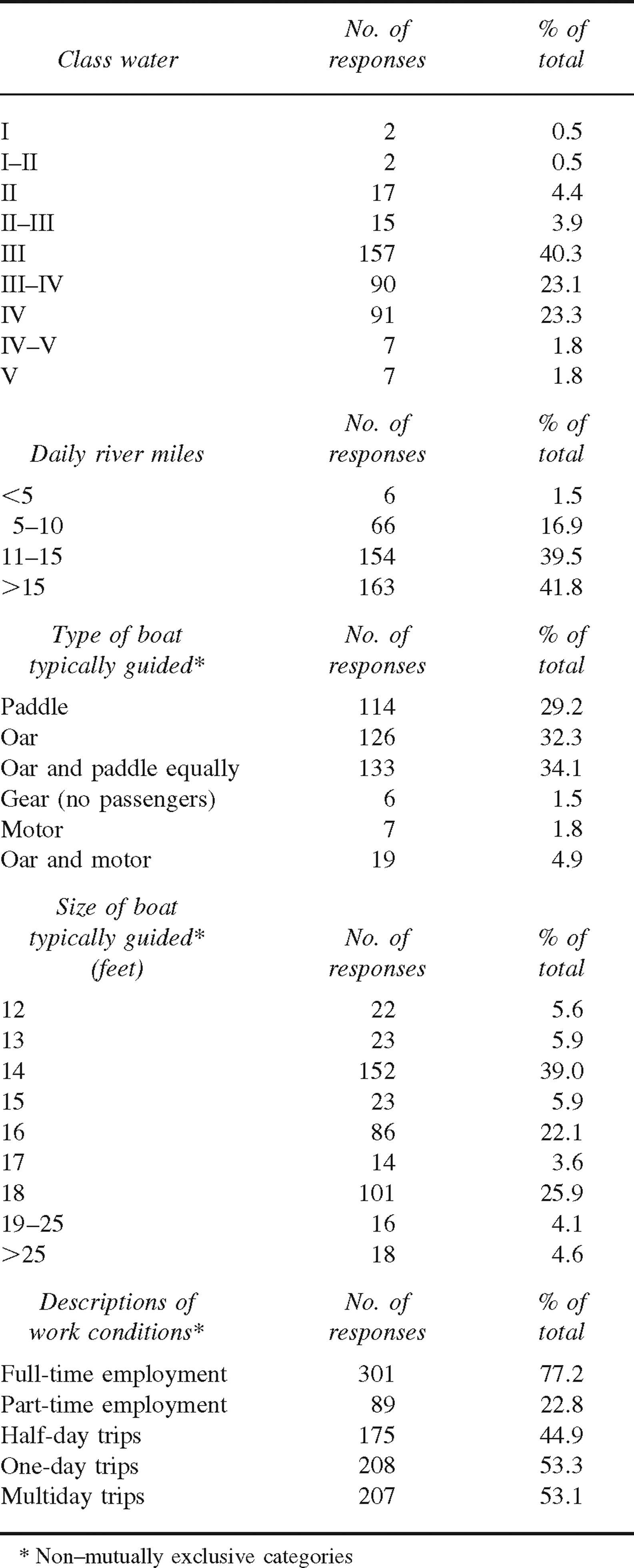
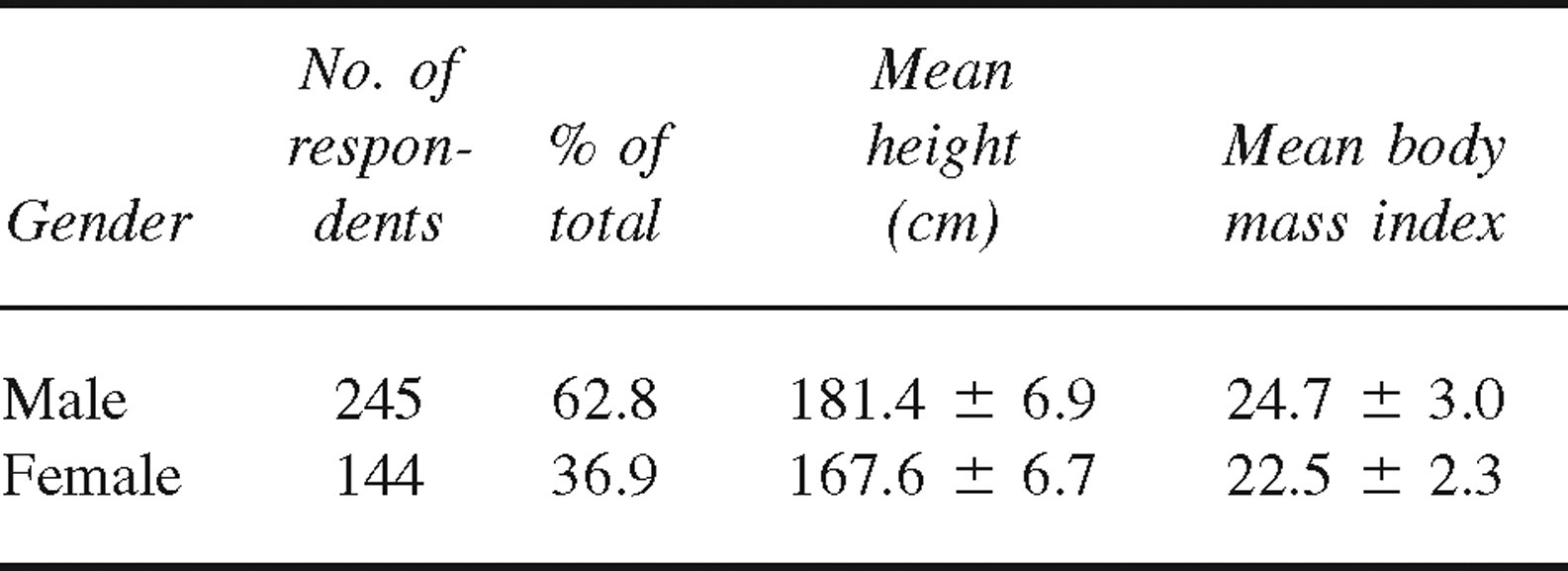
General information was gathered on the classification of rivers guided, daily mileage, boat type and size, and types of trips (Table 1). The majority of the subjects were in their 20s (Figure 1), were male, and had lower body-mass indices than do average Americans 19 (Table 2).
Whitewater rafting guiding characteristics (n = 390)
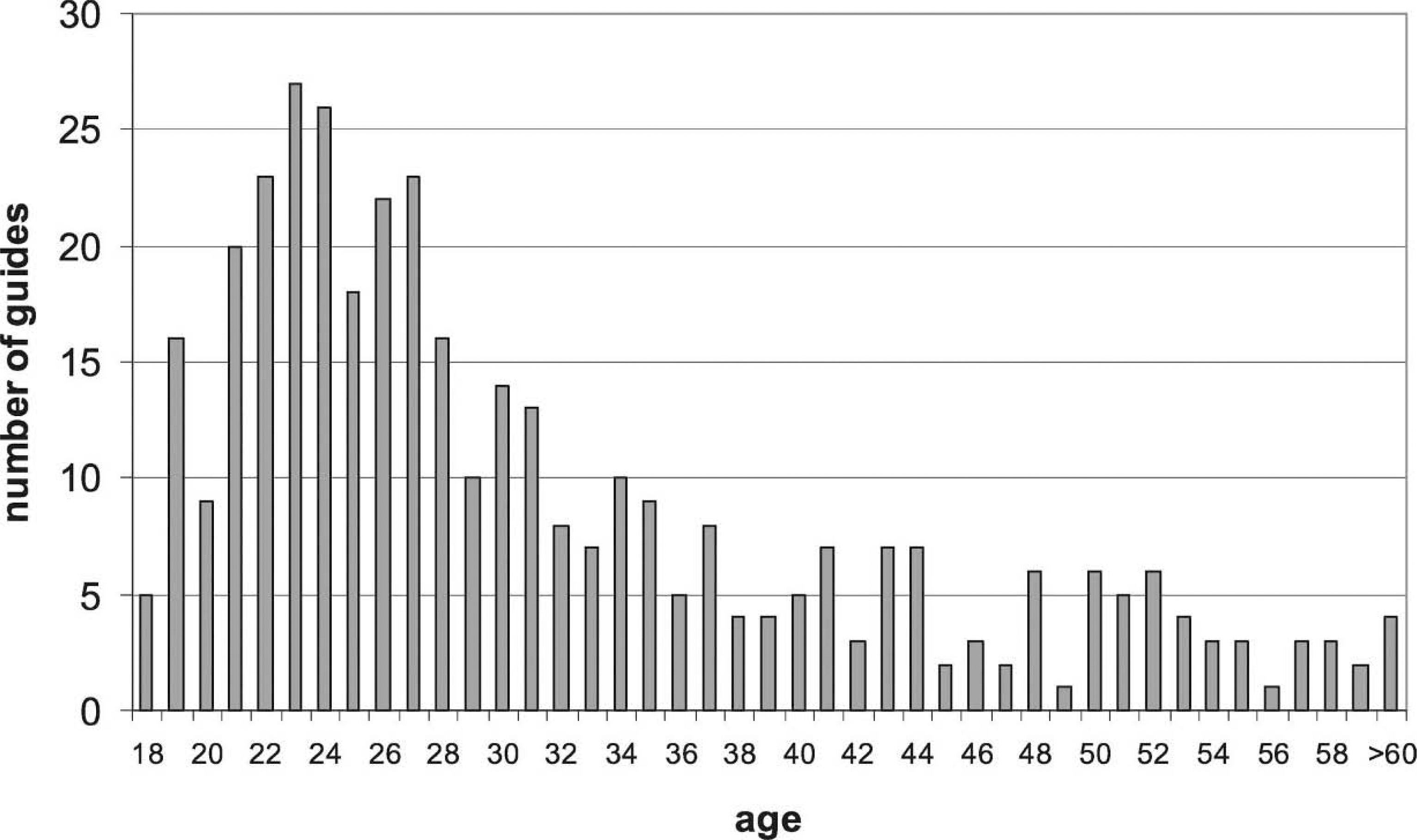
Histogram of the ages of working river guides (n = 390)
Subject (n = 390) characteristics
Rate of Back Pain
Of the 390 responses to the survey, 302 guides (77.4%) had back pain at some point while guiding, whereas 149 guides (38.2%) had back pain at the time of the survey. There were 81 guides (20.8%) with current back pain lasting longer than 1 week and 69 guides (17.7%) who required treatment for their back pain by a medical professional. Many of the guides who indicated that they had not received treatment for their back pain included a comment such as “but I should” or “if I had the money/insurance.”
Severity of Pain
Of the 302 guides who reported back pain while working as a rafting guide, 112 (37%) described their pain as chronic or persevering, 71 (23.5%) claimed that their back pain hindered their daily activities, and 29 (9.6%) claimed that their back pain had prevented them from guiding. Among the 81 guides who had back pain lasting longer than 1 week, 60 (74.1%) described the pain as chronic or persevering, 30 (37%) claimed that their back pain hindered their daily activities, and 14 (17.3%) claimed that their back pain had prevented them from guiding. The average pain intensity reported by guides with current back pain, on a scale from 1 (“slight”) to 10 (“extreme”), was 4.7 (Figure 2).
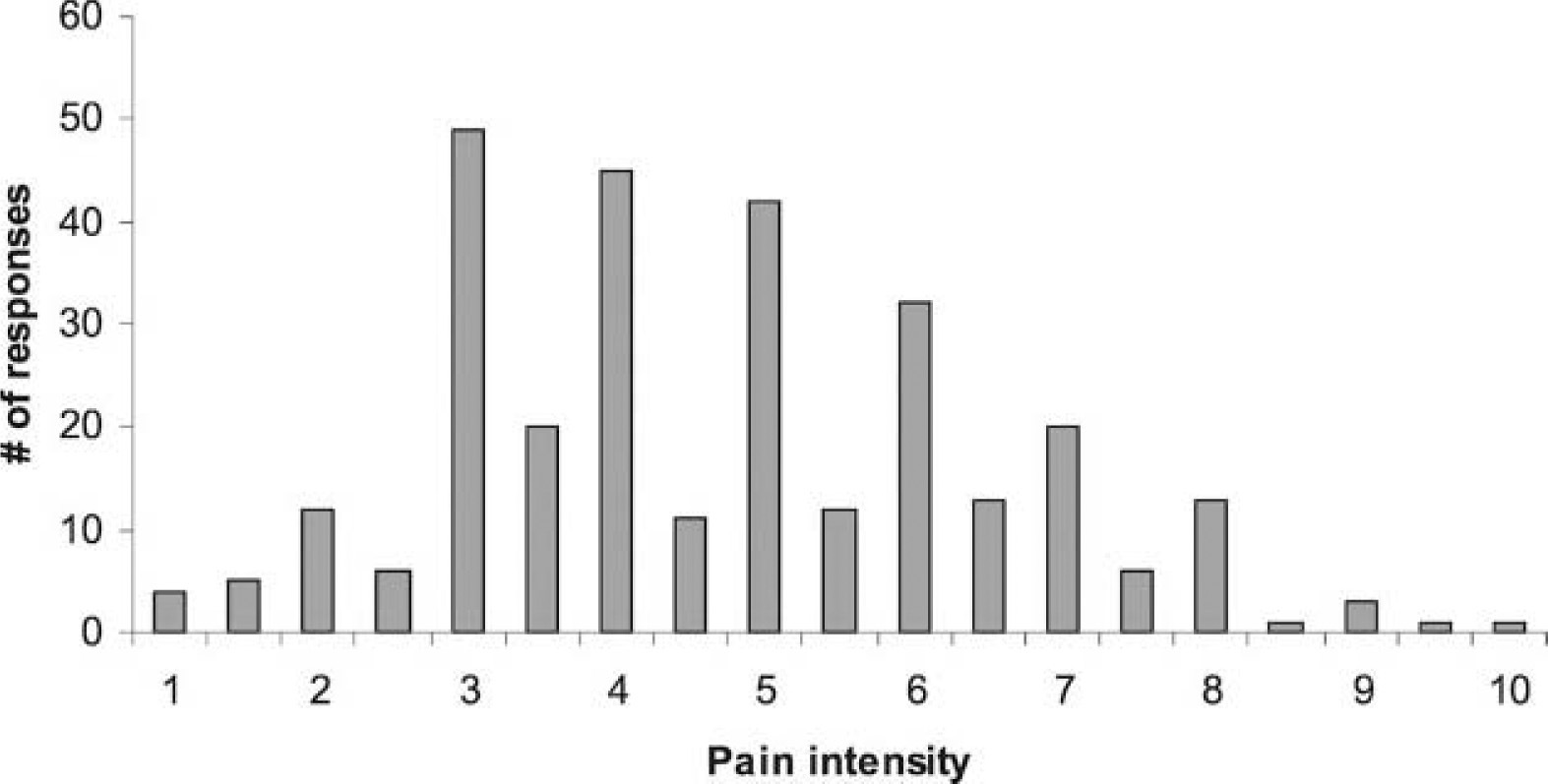
Histogram of self-reported ranking of current back pain. Subjects (n = 390) were asked to mark on a continuum from “slight” to “extreme,” with numerical indications at whole-number values. The majority of marks were made directly on a whole-number indicator
Self-Reported Causes of Back Pain
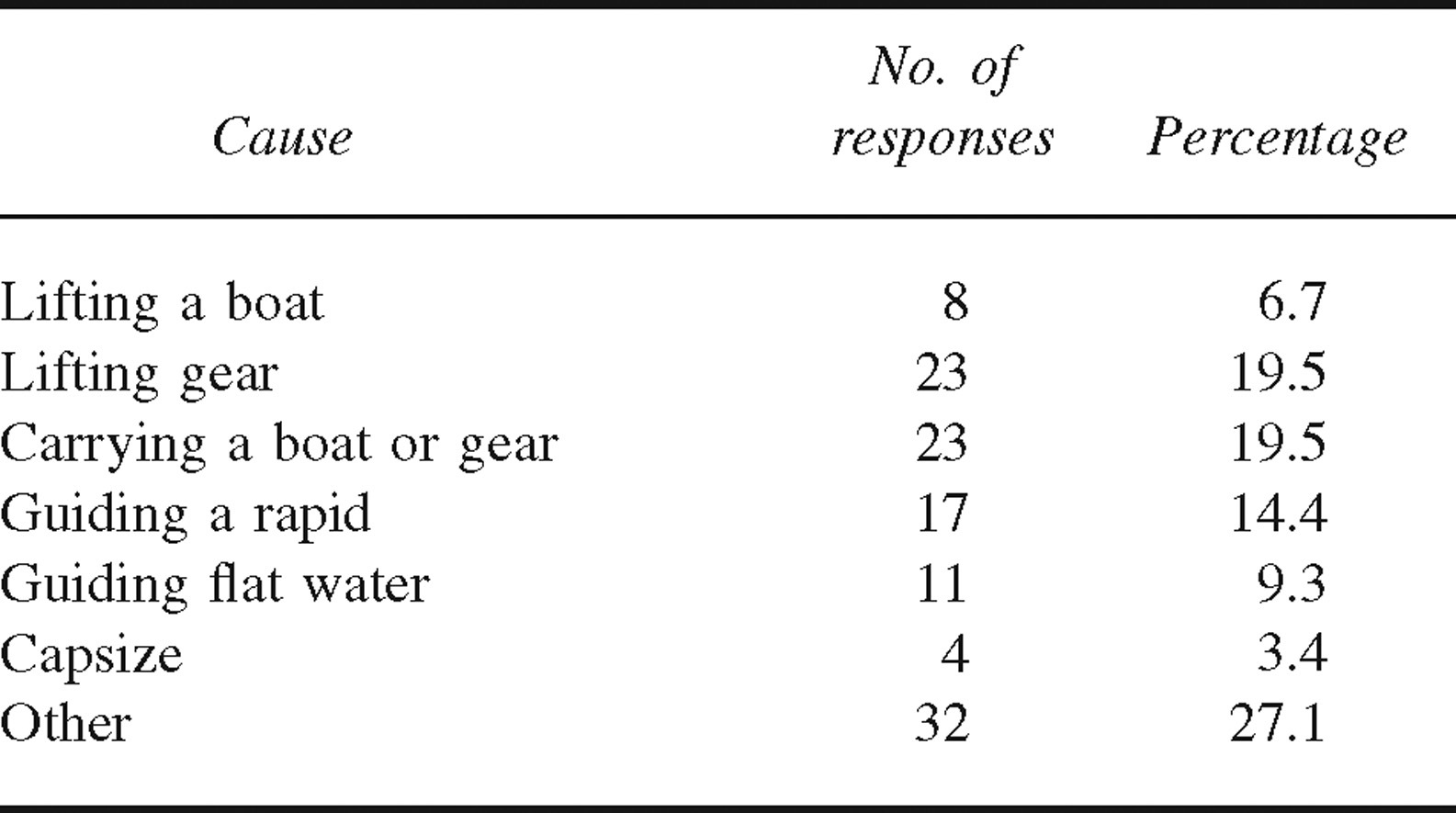
Of the 302 guides with back pain, 223 (73.8%) associated their back pain with guiding. Guides who associated their pain with guiding were asked at what point in the season their pain began. An additional 8 guides who had not claimed to associate their back pain with guiding also answered the question, resulting in 103 guides (34.1%) who claimed their back pain began near the beginning of the season, 106 guides (35.1%) who claimed their back pain began near the middle of the season, and 21 guides (7%) who claimed their back pain began near the end of the season. Of the 223 guides who associated their pain with guiding, 108 (35.8% of respondents with pain) associated their back pain with a specific incident, though 118 indicated a particular event (Table 3) and 92 of those guides claimed the offending activity was within normal practices at their company.
Reported specific causes of back pain (n = 118)
Back Pain Related to Physical Activity Levels
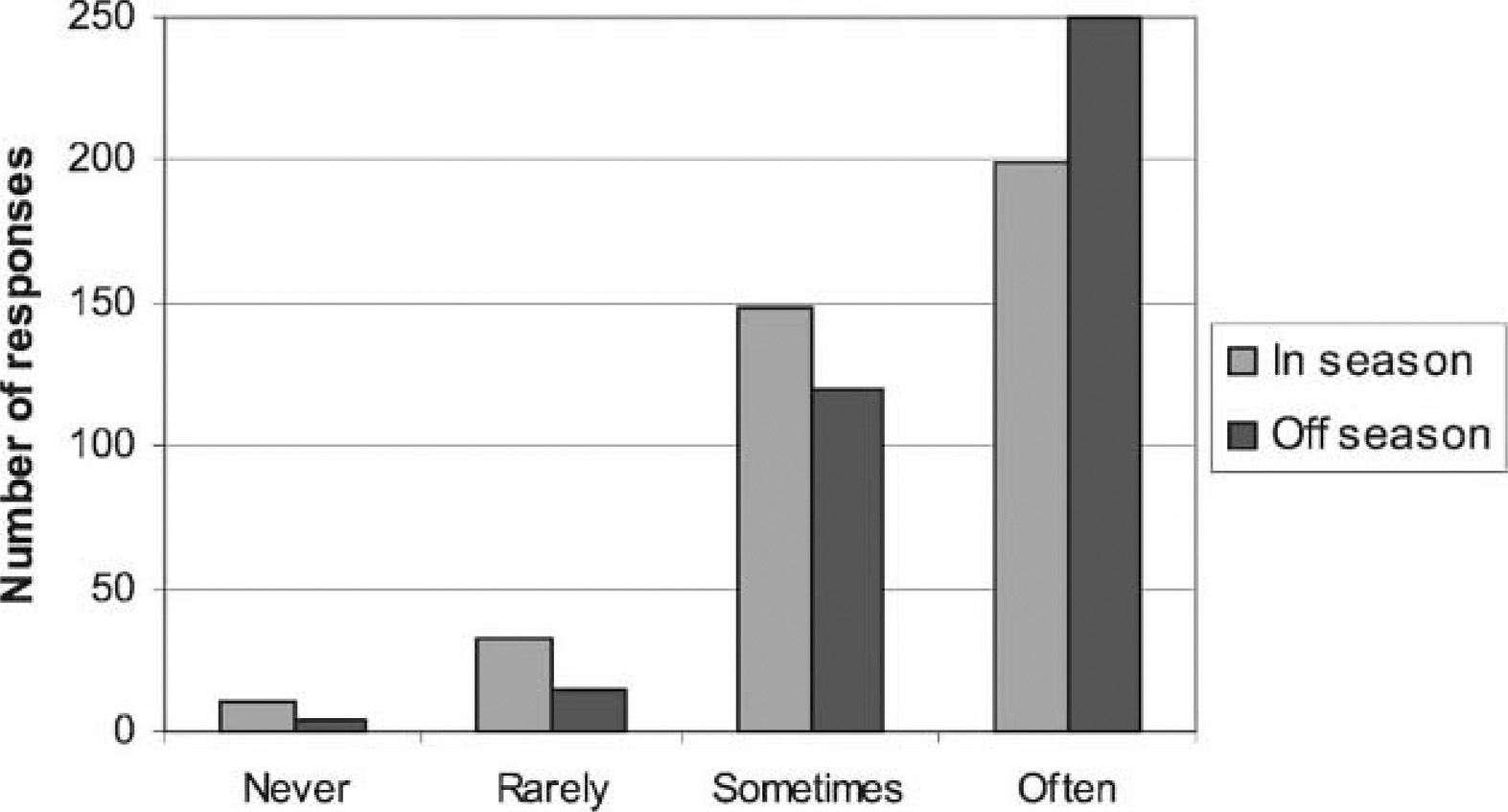
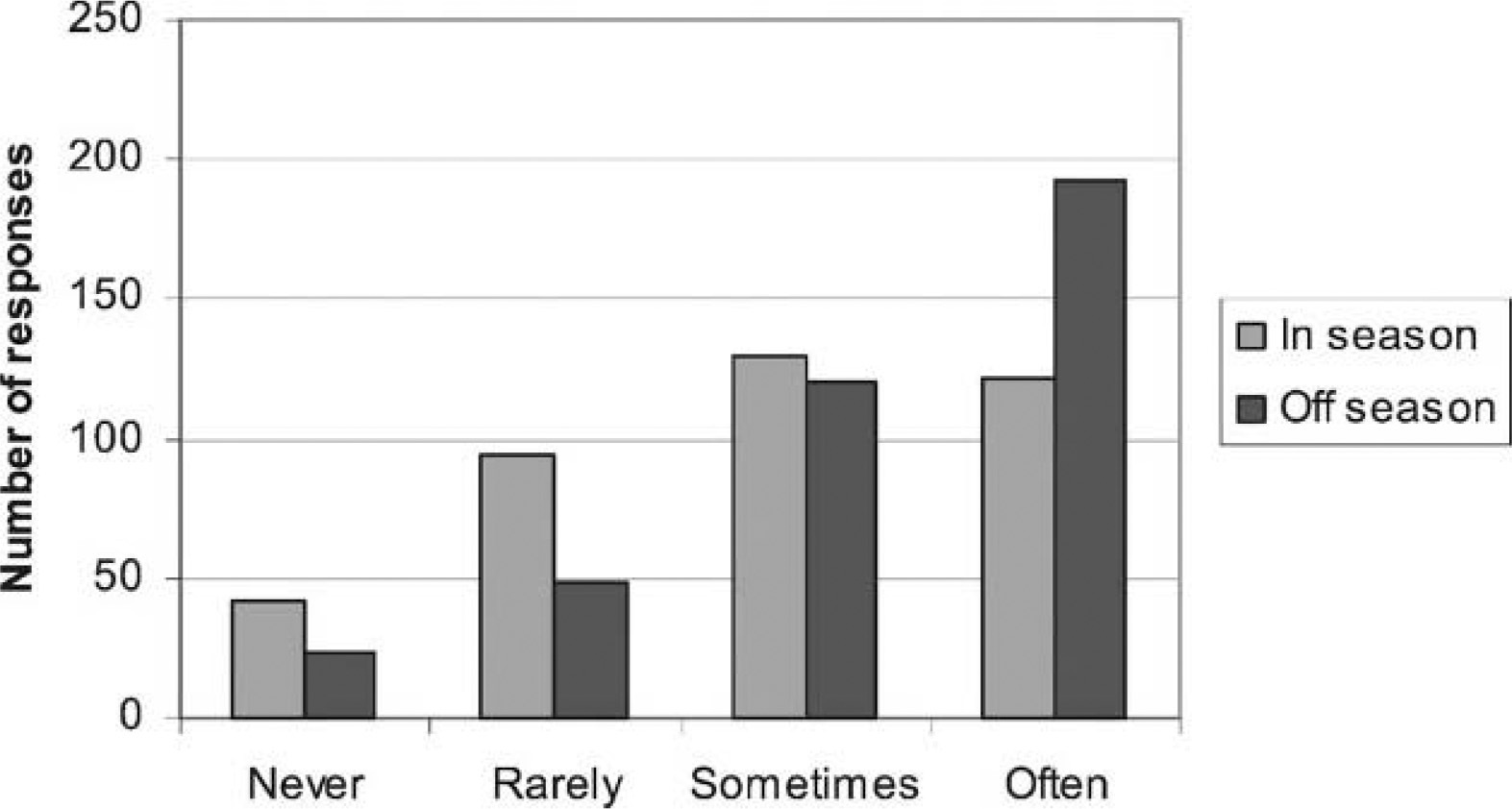
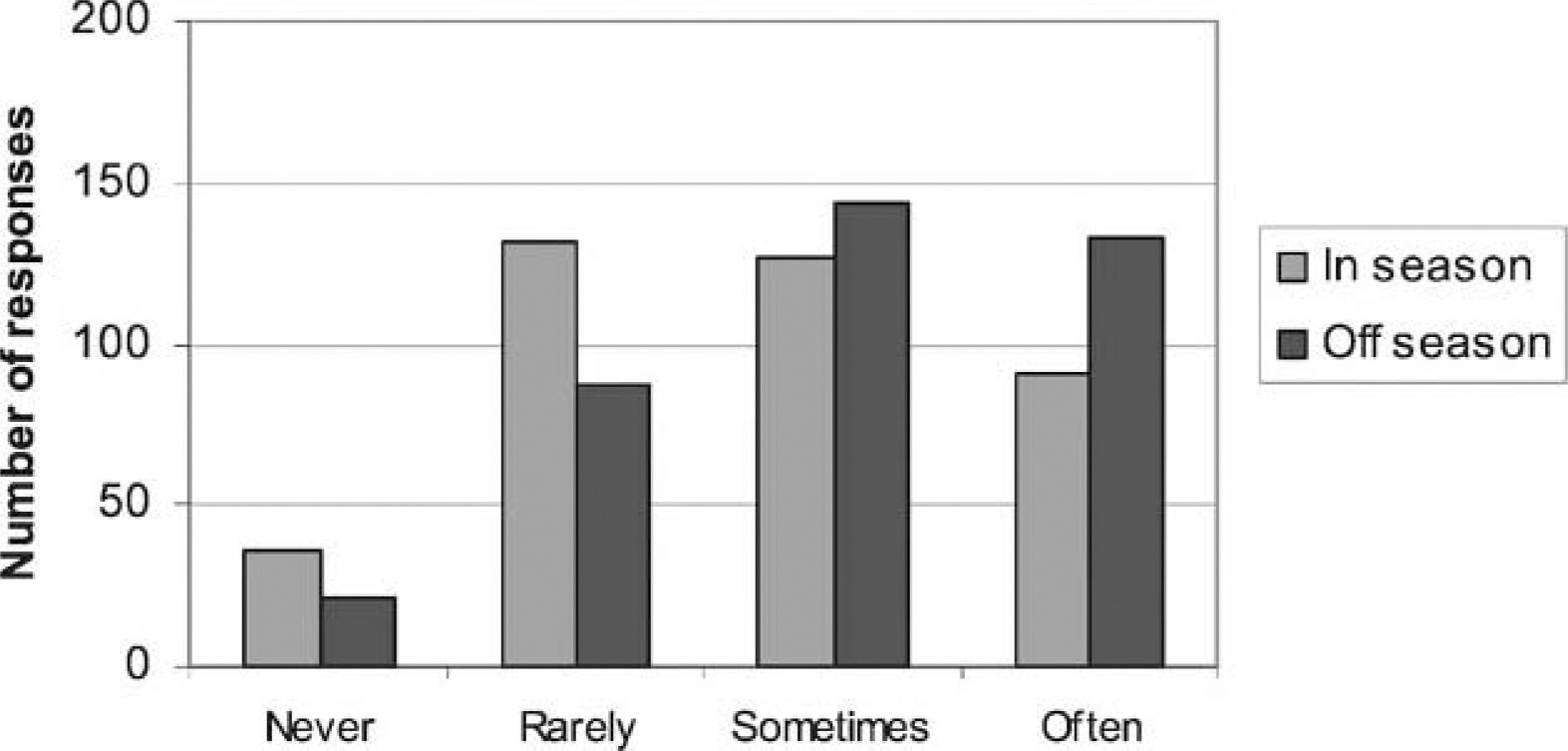
During the rafting season, 89% of all subjects reported participating in active recreation (such as mountain biking, kayaking, or team sports) “sometimes” or “often,” and 90.3% of guides reported participation in active recreation during the off-season (Figure 3). Fewer guides (64.4%) reported exercising for fitness “sometimes” or “often” during the rafting season than during the off-season (80.3%; Figure 4). Similarly, 55.9% of guides reported exercising their trunk muscles “sometimes” or “often” during the rafting season, compared with 71% of guides during the off-season (Figure 5). The least common fitness activity was stretching or yoga, with 48.7% of guides reporting stretching or doing yoga “sometimes” or “often” during the rafting season and 59.7% during the off-season (Figure 6).
Self-reported frequency of active recreation
Self-reported frequency of exercise for fitness
Self-reported frequency of trunk muscle exercise
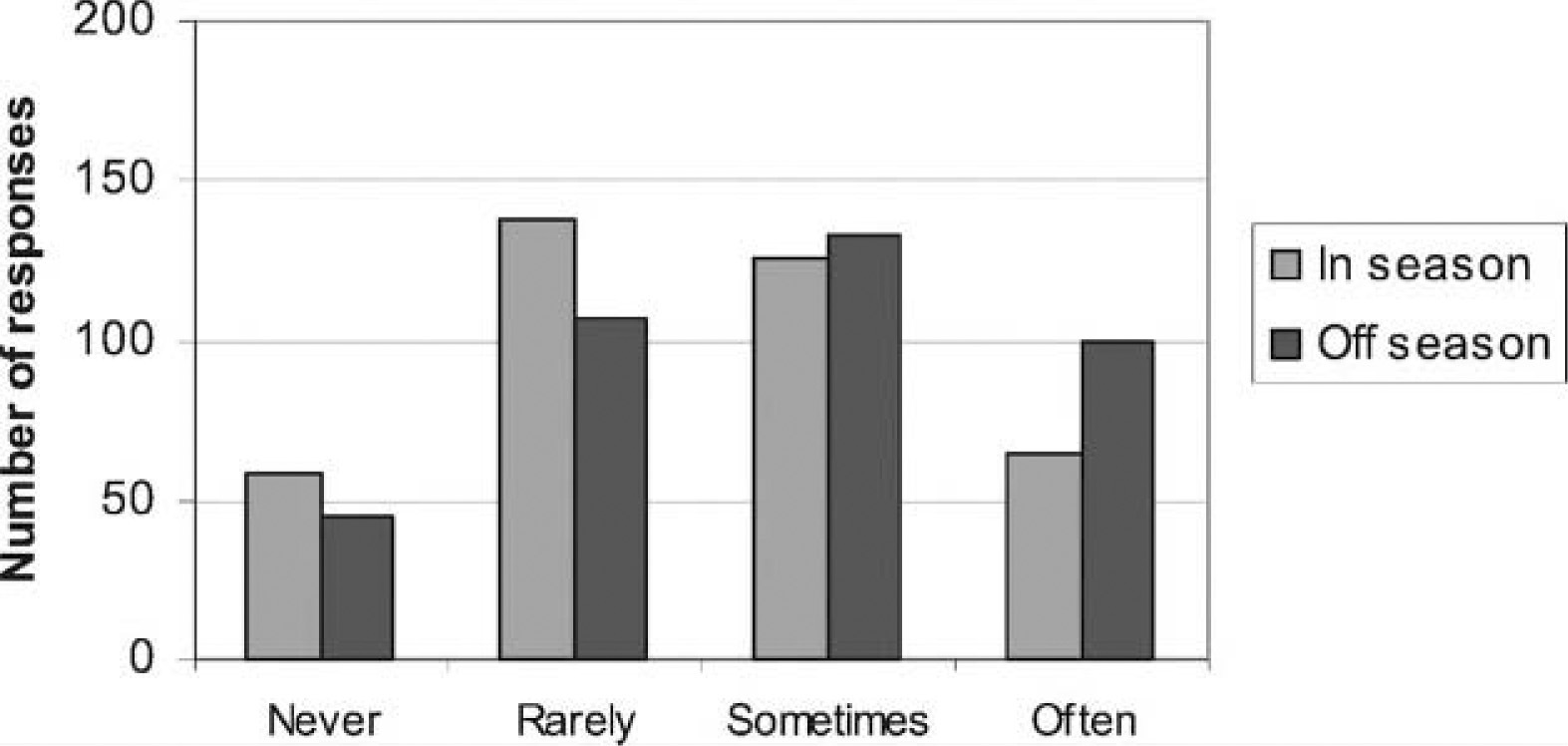
Self-reported frequency of stretching or yoga
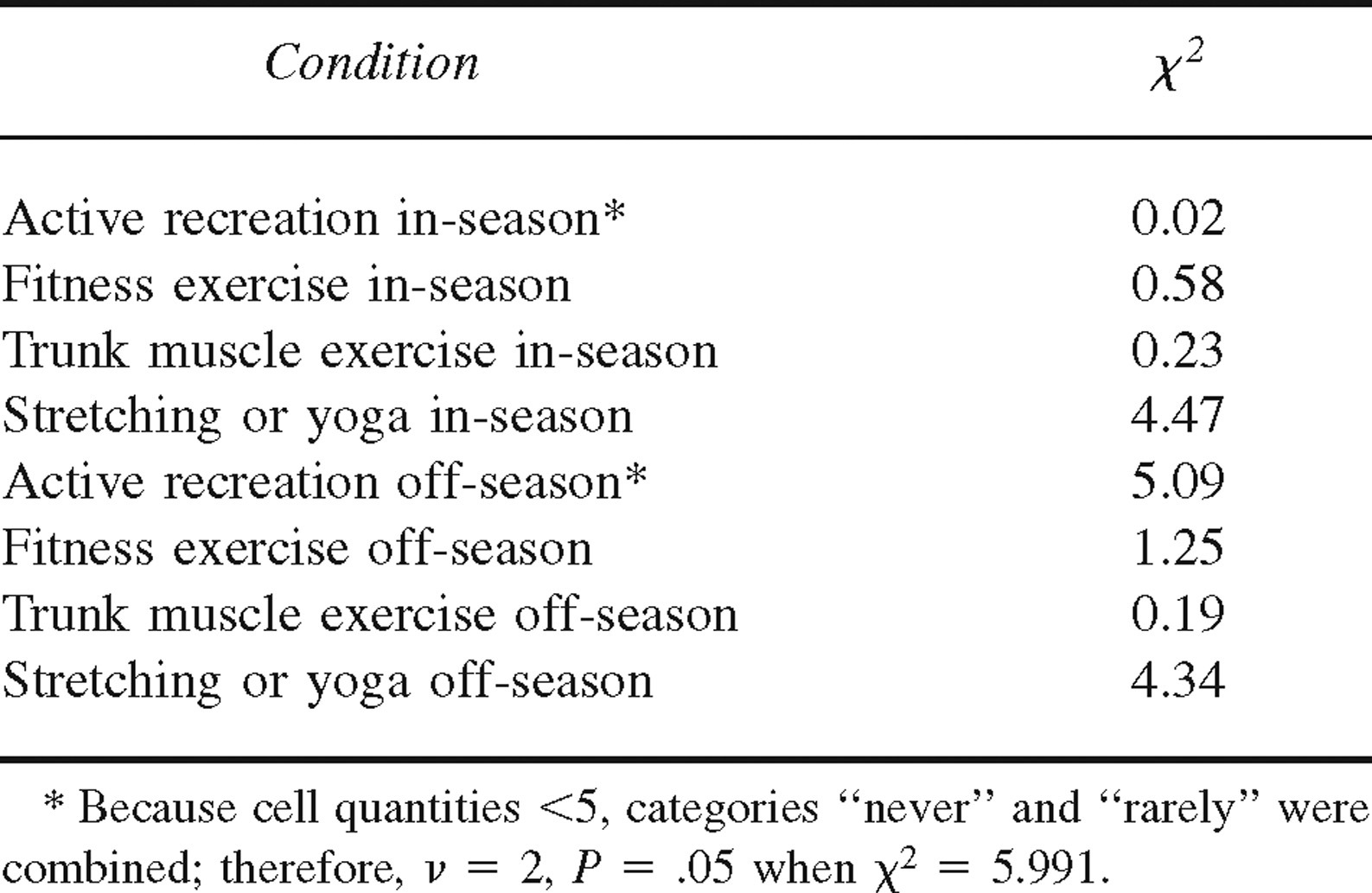
No significant deviation from expected rates was found when comparing each measure of physical activity, both in-season and off-season, with the presence of back pain (Table 4). Post hoc analysis was conducted comparing activity levels and self-reported back pain intensity. There was no significant correlation between either individual or total reported activity levels and intensity of back pain, either in-season or off-season (linear regression, P > .05).
Chi-square test results relating presence of pain with different conditions ν = 3, P = .05 when χ2 = 7.815
Back Pain Related to Lifting
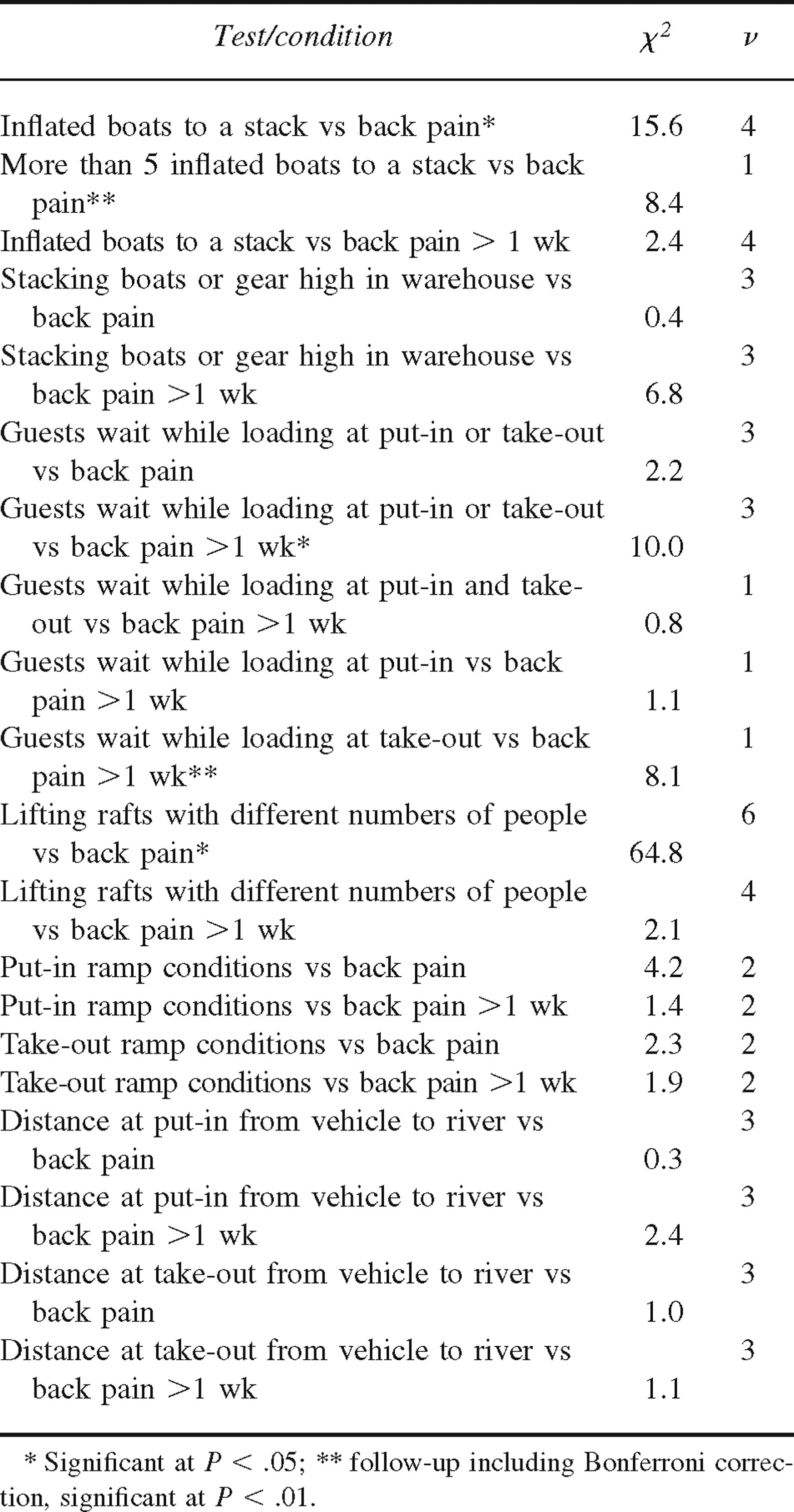
Different lifting scenarios were compared with both the presence of back pain while guiding and current pain lasting longer than 1 week (Table 5). Meaningful relationships were found in 3 categories: The number of inflated boats to a stack was correlated with back pain, and follow-up analysis found that guides who regularly stacked 5 or more inflated boats in a single stack were more likely to have back pain. Loading rafts while guests wait at the take-out was correlated with back pain lasting longer than 1 week. The rates of pain deviated from the expected rates with the number of guides lifting a raft. The variation appears with guides who lifted rafts with 1 other person (79% fewer subjects with pain than expected) and guides who lifted rafts with 3 other people (13% more subjects with pain than expected).
Correlation between lifting and back pain
Only 214 subjects (54.9%) reported that their employer taught them how to correctly lift heavy objects. The majority of guides (67.9%) reported lifting with a combination of knee and back bending, whereas 29.2% of guides reported lifting with knee bending only. Only 8 guides (2.0%) reported lifting with only back bending. Neither the self-reported lifting technique nor the outfitter providing lifting instructions was correlated with a variation from expected rates of back pain.
Discussion
Receiving adequate response rates in mail-out–mail-back surveys is always challenging. The challenge was intensified in this study by the transient nature of many rafting guides, who often live out of their trucks for the entire season. As a result, the decision was made to request that outfitters distribute surveys to their guide staff. The owner of one company returned the cover letter accompanying the survey with a note indicating that she would not distribute the survey because she felt that the questions were suggestive and would lead to additional workers’ compensation claims. It is entirely possible that additional outfitters decided against distributing the survey, which is why both the overall return rate and the participating company return rate were calculated.
Clearly, receiving returned surveys from only a small percentage of the targeted subjects places great limitation on the conclusions that can be drawn from this study. In addition to the low response rate, guides who do not have back pain may have been less likely to fill out the survey, skewing results toward higher rates of back pain. Because the subjects could have interpreted questions differently, self-reported responses may vary among different subjects.
As expected from the population chosen, the survey responses were nearly evenly distributed between paddleboat and oar-boat guides, with a small sampling from motor guides as well. There was a good distribution between daily guides and multiday guides, again as was expected. Therefore, although the response rate could have been affected by the guides’ predisposition to return the survey, the inferences made should be generally applicable to whitewater raft guiding, with the caveat of possible self-selection because of the presence of pain.
Rate of Back Pain
The point prevalence of back pain in the current study (20.8% of guides had back pain lasting 1 week or longer) is similar to the general population (5%– 30%)6,10,20,21; however, it is difficult to draw comparisons because the small return rate of our survey may have included a higher percentage of guides with back pain than truly exists in this population. The study participants are both younger and thinner than the general population, 19 which could indicate that rafting guides are at greater risk for back pain than their nonguiding peers. With a survey return rate of only 15% and no control group, however, any comparison would be premature. The rate of back pain among guides may actually be much lower than what was found in this survey. Future studies could also develop a more closely matched control group to further facilitate comparisons.
Severity of Pain
Although 77.4% of subjects reported having had back pain at some time while guiding, only 7.4% of respondents reported missing work because of their pain, compared with rates of 9% to 29% in other studies. 20 This could indicate that the risk of serious back injury working as a rafting guide may actually be lower than in many other industries, or it could be attributed to psychological factors (97.7% of guides claimed to love their job and thus may be less likely to avoid work because of back pain) or monetary considerations (workers with paid time off reported missing work because of back pain more often than did workers without paid time off 20 ). Because only 28.7% of subjects reported that their back pain was “chronic or persevering,” it appears that the back pain typically experienced by rafting guides is most often short lived.
Self-Reported Causes of Back Pain
The additional comments provided by guides with many years of experience often indicated that they used poor lifting techniques when they were younger but that they now ask for help more often, lift “smarter,” and are able to either avoid or minimize their back pain. Many guides’ comments also suggested that back pain results from guiding exclusively paddleboats full time. Although the current survey did not ask for guides’ annual number of river days, future studies might look for a relationship between the number of river days guiding different types of boats and back pain. Similarly, shoulder and elbow pain was frequently cited in the comments section of the survey and should be considered for future studies.
Several guides made comments about how rafting has decreased their back pain. In their experience, they developed back pain from sedentary employment, and the physicality of whitewater rafting strengthened their back and decreased or eliminated their back pain.
Back Pain Related to Physical Activity Levels
The hypothesis that guides who were less active during the off-season would experience more back pain was developed with the expectation of a much lower level of exercise and activity among the subjects.15,22 Perhaps because of the active lifestyles led by rafting guides, there does not appear to be an identifiable activity pattern correlated to either the presence of back pain or back pain intensity. It appears as though the fourth hypothesis stating that the incidence of back pain would be higher among guides who were less active in the off-season was incorrect. Therefore, 3 possible conclusions can be inferred. The first possibility is that working as a rafting guide is not hard on the back, but rather the extremely active lifestyles led by guides lead to overuse injuries.23,24 The second is that exercise and activity in the off-season do not prevent the low back pain caused by working as a rafting guide. The third possibility is that the current survey was not sensitive enough to determine the effect of off-season activity on back pain.
Back Pain Related to Lifting
The relationship found in the current study between stacking 5 inflated boats on a trailer and back pain could be explained in different ways. When loading a raft onto a tall stack, guides must “throw” the boat up, lifting the boat from the ground rapidly to gather sufficient momentum to gain the top of the stack. Very rapid torso motions may lead to muscle strains caused by inadequate muscle coordination. 8 In addition, lifting above shoulder height decreases the ability to safely hold a given weight by up to 50%, 8 and the higher center of mass leads to greater instability. 8 Another factor is that the raft does not always stay balanced and may fall back down on the guides. Catching an unexpectedly dropped load can lead to compressive forces 70% greater than planned assumption of the same load. 7 This rationale could also explain the trend toward back pain lasting longer than 1 week and stacking rafts and heavy gear high in the warehouse.
The relationship between loading rafts while guests are waiting and back pain lasting longer than 1 week could be influenced by rapid lifting, as discussed earlier, or also by fatigue. Muscle fatigue has been shown to be a predictor for low back pain 25 because of the increase in stress on passive tissues as muscle activation becomes insufficient. Increased fatigue also affects muscle coordination during lifting, 23 and poor muscle unit coordination may increase the chance of injury. 8 Even momentary losses of stability may lead to unexpected nociceptor displacement, which can induce muscle spasm or overcompensation injuries. 26
In addition to spinal loading in the sagittal plane, many rafting guides include twisting and lateral bending as they lift. Rotation of the trunk when lifting is a risk factor for low back pain 10 because of the higher muscle tensions generated while bending and twisting than during sagittal-plane lifting. 8 Although this survey did not ask directly about use of twisting motions, it is likely that guides combine twisting and lifting when throwing boats to the top of tall stacks or rushing to load gear at a take-out.
As more people participate in a lift, communication becomes increasingly important. It can be speculated that the low rates of pain among guides who lift rafts with only 1 other person is due to their ability to communicate clearly and time the lift well. Conversely, lifting rafts with 3 other people could possibly increase the likelihood of a person missing a signal or being out of synch, leading to dropped boats and high loads for those who are left holding on to the boat. Of course, it is also possible that guides with existing back pain are already in the habit of asking for additional help when lifting boats.
Self-reported lifting technique was not correlated with the presence of back pain. These data, however, may be more suspect than other portions of the survey because of misconceptions of what truly constitutes using the legs for lifting. Future studies could perhaps include either enhanced descriptors in the question or direct observation of the guides’ lifting to assess the biomechanics actually used.
A compelling problem lies with the 18.5% of guides who do not believe their employers are doing everything they can to provide a safe work environment. Both low supervisor support and low coworker support have been associated with back pain. 10 It is possible that outfitters could improve their employees’ perceptions, as well as their health, by actively encouraging guides to slow down and ask for help whenever they are lifting boats or gear.
This analysis, however, must be tempered by the knowledge that only a small percentage of the surveys were returned. Although these relationships exist in the subjects surveyed, further, more highly controlled studies may find different results.
Suggestions for Outfitters
Although this study did not conclusively reveal existing practices that should either be encouraged or discouraged, there are still several simple steps that whitewater rafting outfitters may adopt in an effort to decrease the incidence of back pain among their guides. Although these suggestions come primarily from the literature and consultation with various health professionals, the results of the current study do not contradict these suggestions.
At the beginning of each season, it is suggested that all guides be taught or reminded how to lift heavy objects, including advice to 1) utilize a deep knee bend; 2) keep the weight close to the torso; 3) minimize rotation or twisting while lifting; and 4) conduct lifts with a controlled, measured pace. 8 Special attention should be paid to overhead lifts, with the recommendations that 1) additional help be requested to minimize the per-person load and 2) good communication between lifting participants be maintained. Also, when throwing rafts overhead, if the raft falls off the stack, all participants in the lift should get out of the way and allow the raft to land on the ground rather than try to catch the falling raft. One possible suggestion for reducing back pain is to use a mechanical lift and hoist system for any overhead lifting. A more practical approach for many companies, however, may be for outfitters to actively promote loading their truck or trailer in a controlled fashion without undue rushing and encourage their guides to ask for more people to help with any heavy or overhead lifting.
In addition, outfitters could encourage and enable guides to take sufficient time off to rest during the rafting season (some guides work 7 days a week during busy times of year). This may allow those bouts of back pain that are self-limiting 27 to resolve without further insult. Accidents will still happen, such as the guides who reported falls while scouting rapids as the cause of their back pain, but in two thirds of the cases in the current study the guide did not associate pain with a specific incident. Therefore, it is suggested that a limited amount of rest may facilitate recovery.
This survey was undertaken to ask rafting guides about their typical patterns of behavior and create a dialog about why back pain might have been associated with this behavior when relationships were revealed. Because of the mechanism used, this survey and the relationships it exposed were never intended to pinpoint the precise cause of back pain in rafting guides. Further research, however, could shed more light on a problem that is widely perceived to be significant among the target population.
Conclusions
The activities and incidence of back pain as reported by river guides were compiled and reported. Working as a whitewater rafting guide appears to carry a limited risk of developing back pain. Determining a particular causative factor is difficult from the current study, though the typical injury seems to be relatively minor in scope. An initial report of whitewater rafting guide activities and back pain was developed, but further studies are needed to sufficiently identify the specific causes of back pain among rafting guides.
Footnotes
Acknowledgments
The authors would like to thank Dr Gary Klug and Dr John Halliwill for their assistance with this project; the Oregon Survey Research Laboratory; and especially the outfitters who distributed, and the guides who returned, these surveys. Raffle items were provided by Northwest River Supply, Oregon River Sports, and The River Connection.