




Abstract
Multiple Criteria Decision-Making (MCDM) is one of the most reliable and applicable decision-making tools to address real-life complex and multi-dimensional problems in accordance with the concepts of sustainable development and circular economy. Although there have been several literature reviews on several MCDM methods, there is a research gap in conducting a literature review on the Multi-Attributive Border Approximation area Comparison (MABAC) as a useful technique to deal with intelligent decision-making systems. This study attempts to present a comprehensive literature review of 117 articles on recent developments and applications of MABAC. Future outlook is provided considering challenges and current trends.
Keywords
Introduction
Decision-making is one of the most significant and vital activities of management to achieve organizational goals, which is highly dependent on its quality. It comprises accurate definition of objectives, finding various possible solutions and assessing their feasibility based on limitations, evaluating the outcomes, and finally, choosing and implementing the best solution. Decision-making is known as the essence of management based on the experts’ points of view. It should be pointed out that, however, decision-making problems have been complicated by an increased level of complexity, compelling decision-makers to go through new technologies and tools that simplify the processes supporting decision-making (Biswas et al., 2022; Pérez-Gladish et al., 2020; Rani et al., 2021; Torkayesh et al., 2021a).
Multiple Criteria Decision-Making (MCDM) approaches include a variety of decision-making methods which have been applied and developed for many years at various educational and industrial levels, particularly in the fields of management, Industrial Engineering (IE) and Operations Research (OR). MCDM methods are classified into two main groups: Multiple Objective Decision-making (MODM) techniques for finding the best possible solution in the design phase, and Multiple Attribute Decision-Making (MADM) techniques for choosing the best alternative. Since the practical applications of MADM are higher than MODM, a large number of MADM approaches have been offered by scholars over the last 60 years and this trend will continue. The decision-making problems regarding MADM include several main components such as the main goal(s), criteria (sometimes accompanied with sub-criteria) or a set of performance measures, decision-maker or a team of decision-makers, and a set of decision alternatives along with a set of unknown and a set of output results. Nowadays, there are many opportunities to extend the existing MADM techniques in order to make them more efficient in tackling complex and intelligent decision-making systems.
On the other hand, the sustainable development concept along with the circular economy approach has recently stuck out for governments, industries and researchers to conduct their decision-making processes. In fact, handling these non-ignorable issues along with other decisions leads to multi-dimensional complex decision-making. Due to this, this study tries to address these concepts in line with the application of MCDM approaches where Multi-Attributive Border Approximation area Comparison (MABAC) is regarded as one of the most potent methods to cope with intelligent decision-making systems (Gong et al., 2020). Next sections review the MABAC from a comprehensive perspective to address different real-world applications.
Decision-Making for Sustainability and Circularity
Sustainability is being able to keep up with a perceptible behaviour for an unknown period of time. In order to present a clear definition, three areas related to economic, environmental and social aspects should be addressed at the same time. Effective economic decision-making has always been a critical issue in private or public organizations.
The built-in connection between the environment and economic growth originates from the study performed by Nordhaus (1991), where he asserted that the reduction of emissions will restrict its effect and guarantee a higher economic growth in the future. In the last two decades, the research community has been keeping track and modelling the relationships between economic growth, environmental sustainability and human welfare as a basic topic.
Over the years, the significant increase of economic activities and vast amounts of consumption have created difficulties for long-term planning and hindered sustainable management from emerging and growing sufficiently (Colapinto et al., 2019). Hence, it has become more and more essential to integrate the interests of the different stakeholders associated with or influenced by long-term planning actions, in order to provide a balance between their requirements including economic development along with the environmental, social and future generations. Sustainability decision-making models in this regard can be taken into account as a baseline condition to reach sustainable development, such that economic representatives often go for decision-making processes in order to enhance their organizations’ performance (Carayannis et al., 2018). Figure 1 represents the annual evolution of scientific attempts on MCDM applications to address Sustainable Development Goals (SDGs) between 2016 and 2020 and according to 143 articles reviewed by Sousa et al. (2021). As can be seen, a steep upward trend has started from 2019 which demonstrates the significance of sustainability to be addressed in decision-making problems. Sousa et al. (2021) also defined the 2030 agenda framework for different classifications of SDGs to be addressed with MCDM methodologies.
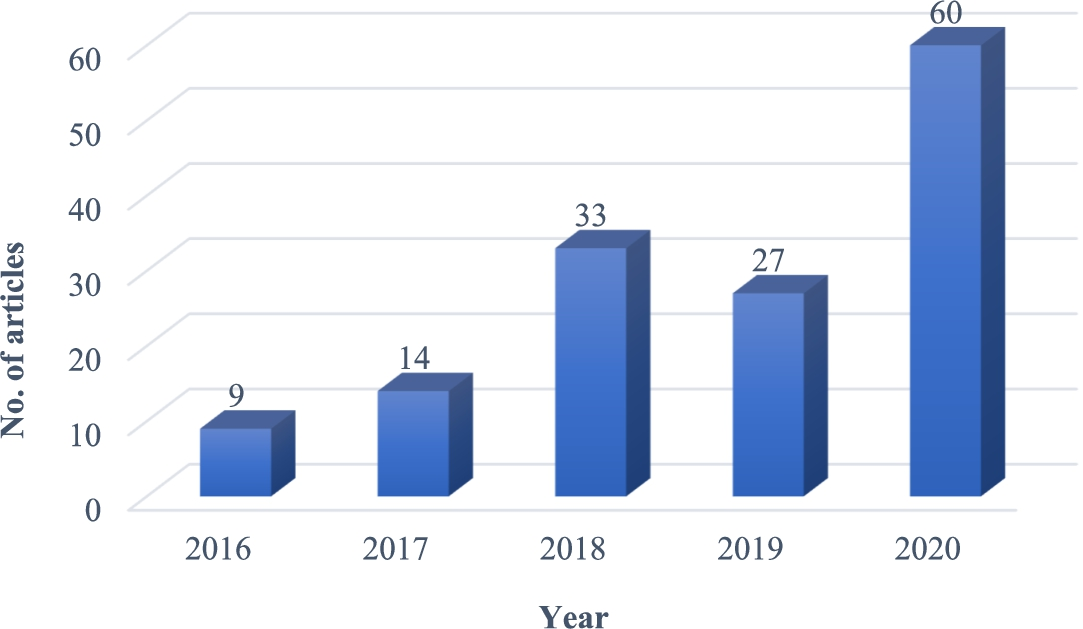
Annual scientific production from 2016 to 2020 on the application of MCDM methods to address SDGs (Sousa et al., 2021).
The decision-makers (policymakers and public/private performers) seek appropriate trade-offs, while adapting economic, social and environmental criteria or objectives (Yazdani et al., 2020a). Accordingly, each stakeholder has to treat diverse and contradictory criteria/objectives, giving rise to complex and intelligent MCDM (Torkayesh et al., 2021). Plenty of researchers have counted on and utilized the MADM and MODM models as formal and standard methodologies using the obtainable technical information to balance and assess stakeholder values, develop solutions and enhance environmental and social sustainability. One of the most-addressed fields is Supply Chain Management (SCM) (Haleh and Hamidi, 2011; Liao et al., 2020; Wang and Hsu, 2012).
In the meantime, and with the search for alternative solutions as the means to create more sustainable economies, the circular economy concept emerged. The circular economy aims not only for the reasonable usage of resources but also to minimize the demand for their generation and the re-utilization of those already in effect (Machado and Davim, 2020). Following this framework, it replaces the linear economic end-of-life approach with new circular streams through re-utilization, restoration and rehabilitation within integrated and fundamental processes. The circular economy, in supporting the dissociation of economic growth from proliferating resource consumption, a relationship otherwise recognized as unavoidable, reformulates the functional flows of production chains and causes doubts about the hegemonic model coming from wastage and disposal.
For establishing any circular economy, one decisive aspect comprises the means of waste management (Ali et al., 2021; Lahri et al., 2021). According to this framework, recycling plays a key and fundamental role in terms of transforming such waste into new/raw materials/products with the possibility of re-utilization. Given the applicability of recycling for this process, there are major demands to significantly uplift the waste recovery rate, mainly in cities and the major suburbs. For example, the utility of integrated multi-criteria evaluation to provide a circular city can be illustrated in Fig. 2.
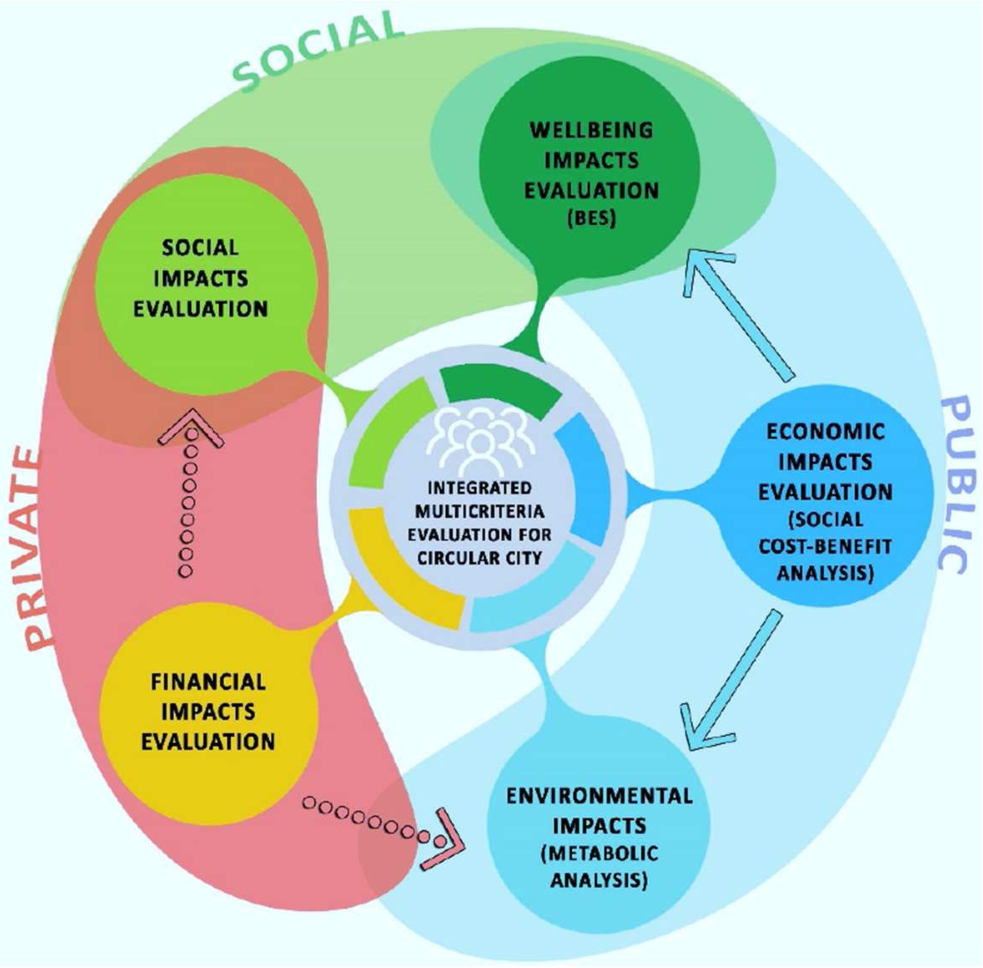
Integrated multi-criteria framework for a circular city (Nocca and Girard, 2018).
Consistent with sustainable development, there is increasing agreement on the necessity of a gradual and continuous transition to a more sustainable economic growth and almost all countries are encountering this emerging challenge (Mardani et al., 2020). This proposed mechanism sets clear targets for waste reduction in all steps of the value chain from production to consumption, recovery, repair and re-manufacturing, recycling and waste management, and secondary raw material that affect the development of the economy. Furthermore, this approach provides a long-term direction for recycling and waste management.
Over the last few years, the application of MCDM techniques for evaluating circular economy perspective and sustainability issues has increased sharply, and to the best of our knowledge, we can claim that these methodologies can be efficiently utilized to deal with these emerging concepts in decision-making problems since they have revealed their usefulness to address a large variety of environmental and management problems.
The application of MCDM techniques in sustainable development and circular economy is much less mature than its application in other fields of study. The MABAC technique is known as one of the most novel MADM techniques and the literature has not maintained the same rate of progress with the quick extension of knowledge in this field. Consequently, there is still a need for a comprehensive review study on the applications of the MABAC method with an outlook for sustainability issues in different areas of applications as one of the most efficient methods in expert decision-making. This research systematically reviews the previous efforts paid off to investigate the applicability of MABAC in decision-making problems. It gives and adds notable insights into the literature of MABAC by taking into account a variety of novel perspectives in the evaluation of articles, including the classification of the published studies based on their time trends, journals, locations, application areas, MCDM goals and other joint MCDM approaches.
Structure of the Article
The structure of the remaining sections is as follows. Section 2 introduces the MABAC in detail. Section 3 reviews the most relevant studies in the literature about MABAC in terms of different criteria. Applications of MABAC are investigated in Section 4. Section 5 presents methodological and managerial insights. Section 6 concludes the research and discusses the main findings and challenges, and finally gives a useful outlook including recommendations for future studies.
MABAC Method
Pamučar and Ćirović (2015) developed the MABAC method in 2015, and to date, this multi-criteria methodology has found wide application for tackling numerous real-world problems. The main advantages of the MABAC multi-criteria framework include:
The algorithm of the MABAC method is represented in Fig. 3.
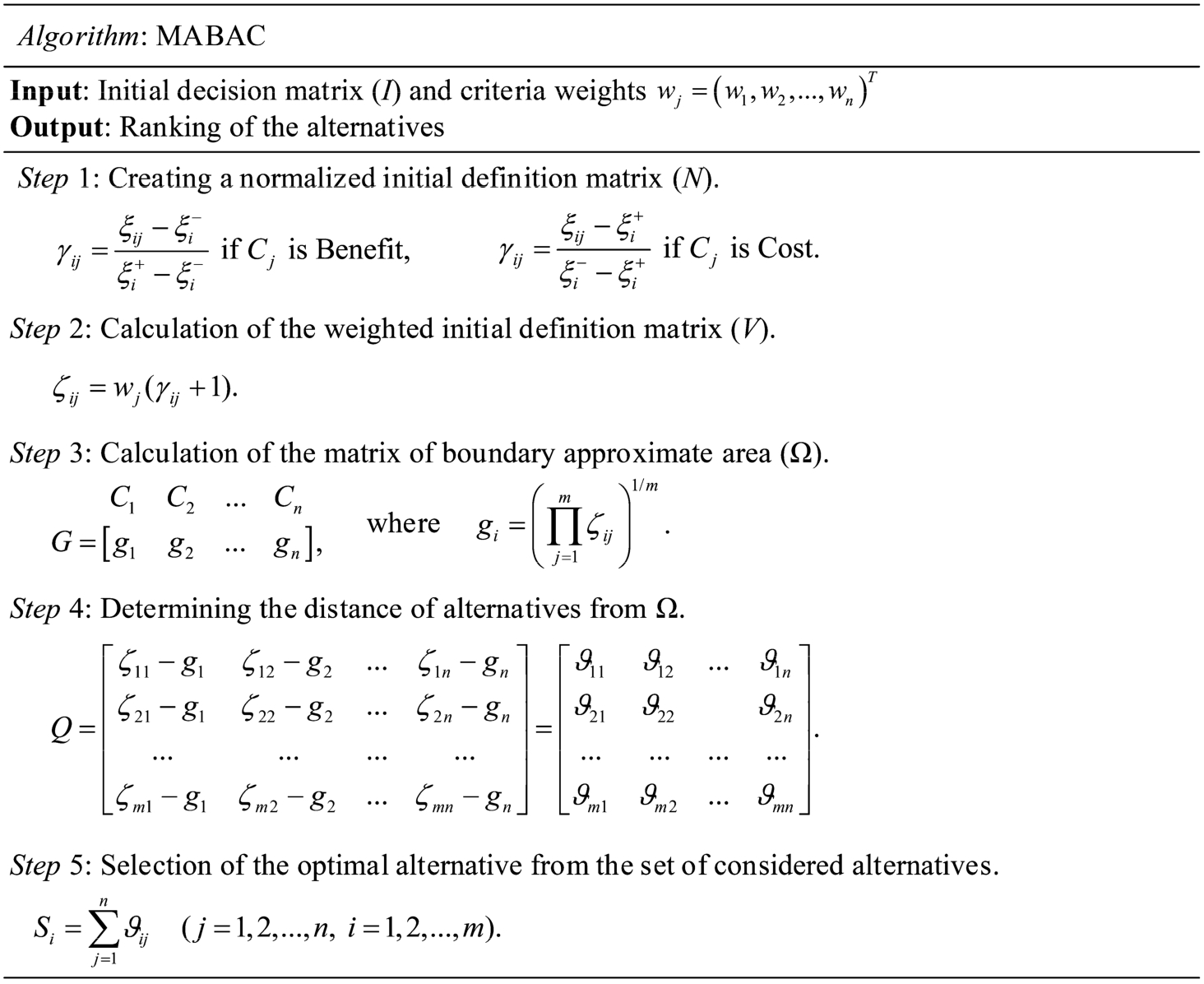
MABAC method algorithm.
The mathematical formulation of the MABAC method is based on determining the distance of alternatives from the boundary approximate area (Ω). Based on the defined distances of alternatives from Ω, all alternatives are classified into two sets, which we call the upper approximate area (
Since the ideal alternative is in
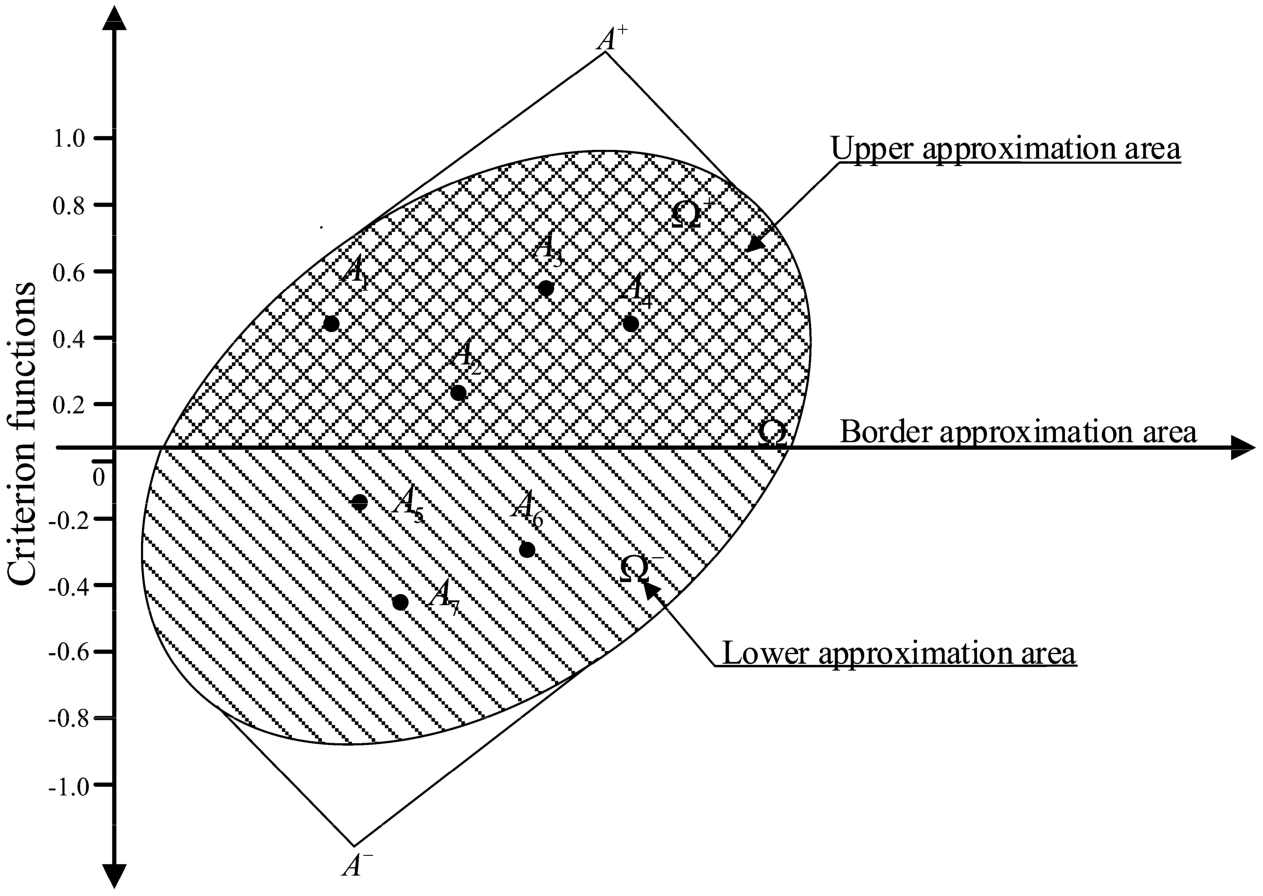
Approximate areas of the MABAC method.
Over recent decades, MCDM methods have attracted high interest to be used in order to reliably address complicated decision-making problems. MABAC technique is one of the recently developed MCDM methods to address the ranking of several alternatives with respect to several decision criteria under a multi-aspect environment. Due to the high applicability of the MABAC method, a large number of articles have investigated different types of complicated decision-making problems using different versions of the MABAC. Figure 5 shows the steps conducted to search articles through different databases until the end of May 2022. Finally, 117 articles were selected for the literature review process.
For this purpose, all 117 selected articles are reviewed under different trends. First, articles are studied based on their published year, location of contributing authors and co-authors, journals that articles are published in, methods combined with the MABAC, uncertainty sets implemented for the MABAC, and most importantly, different applications of the MABAC in different industries and fields.
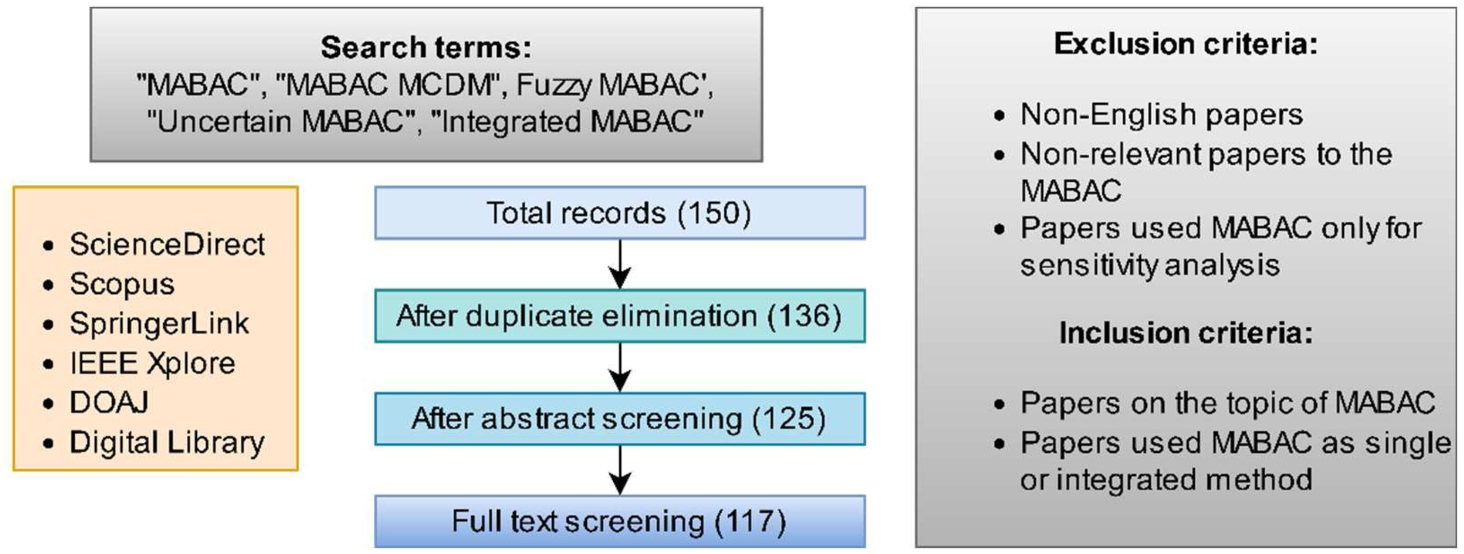
Article search methodology.
MABAC method has been one of the most frequently developed MCDM methods since its development in 2015 (Pamučar and Ćirović, 2015). The growing rate of articles using the MABAC ascertains the demand for reliable decision-making tools for complex and multi-aspect decision-making problems. Figure 6 presents the distribution of published studies which have employed the MABAC method as a single decision-making model or part of an integrated decision model since 2015. According to Fig. 6, records show an important increase in the number of studies after 2017 which followed an increasing trend until 2022.
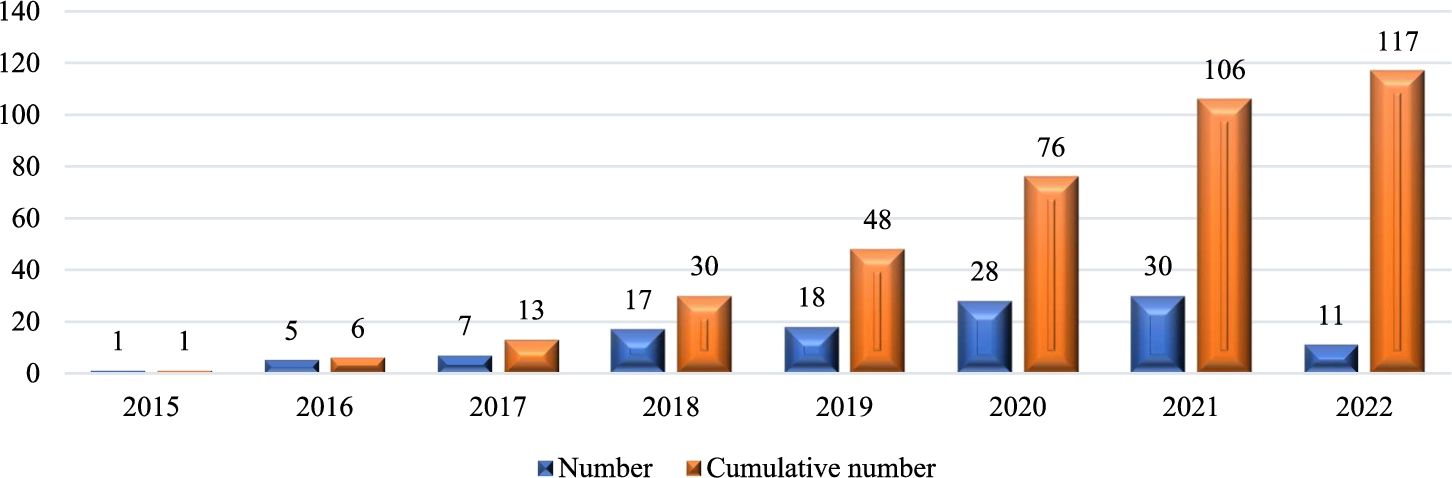
Timeline of MABAC-based studies.
In order to highlight the contribution of countries which have used the MABAC method as a single MCDM or as a part of an integrated MCDM model, the location of authors of all the papers is considered. According to Fig. 7, it can be observed that countries like China, Serbia, and India are countries in which most of the studies are carried out to tackle different MCDM problems using the MABAC method. Location distribution of published articles indicates how more complicated decision-making problems are subjected to be tackled using the MCDM concept. Based on our meta-analysis results, at least one author from China contributed to 55 articles, at least one author from Serbia contributed to 26 articles, and at least one author from India contributed to 25 articles. Lithuania, Turkey, Bosnia and Herzegovina, Iran, Chile, Canada, USA, Spain, Vietnam, and UK are countries in which authors have contributed to more than one article.
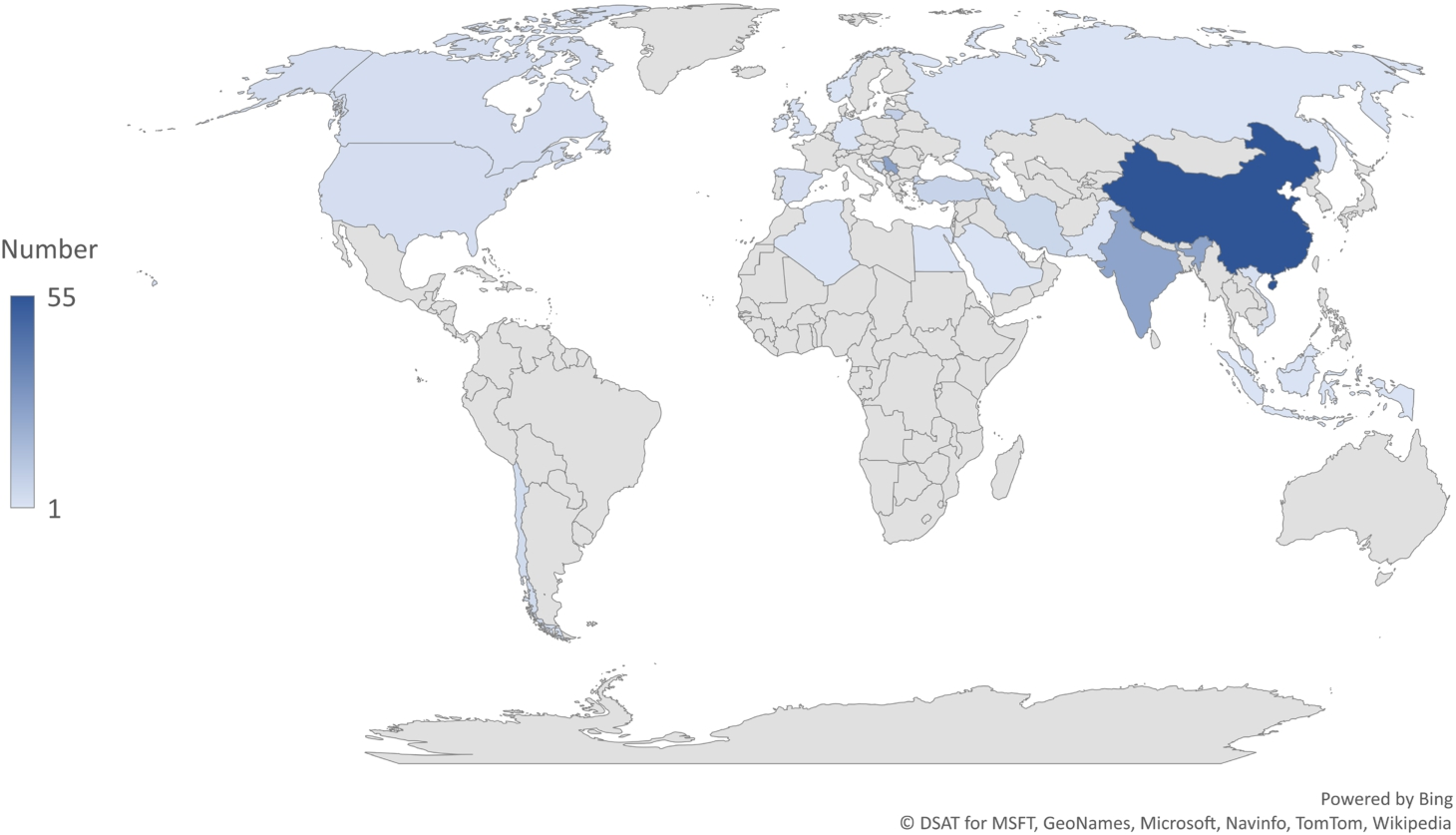
Locational distribution of authors publishing MABAC studies.

VOSviewer network analysis based on co-authorship in terms of published documents.
In order to provide further information regarding the locational distribution of authors applying the MABAC method, VOSviewer (version 1.6.18) developed by Van Eck and Waltman (2010) is used. In this regard, two networks are depicted based on the co-authorship analysis in terms of countries considering the total number of published documents and citations of the published documents. Figure 8 represents the co-authorship analysis weighted by the total number of documents published in each country. According to Fig. 9, China and Serbia share most of the published studies which have used MABAC. An important insight from Fig. 8 is about the high link strength of Serbia compared to China. Although China holds a higher share of published studies, Serbia has the highest co-authorship degree with a total of 17 countries, whereas China has co-authorship with 10 countries. This analysis shows how Serbian researchers are in favor of collaboration on various research studies with partners from different countries.

VOSviewer network analysis based on co-authorship in terms of citations of published documents.
In a similar way, Fig. 9 shows the co-authorship analysis based on the total number of citations from each country. Although Serbia holds a lower number of published studies compared to China (almost half), Serbia’s total number of citations is very close to China’s total citation. Unlike Fig. 8, we observe that India, Bosnia and Herzegovina and Lithuania have been shown in a more highlighted way due to their high citations. The high total citation of China is due to its high number of published studies; however, a large proportion of Serbia’s citations are related to the very first paper which introduced MABAC by Pamučar and Ćirović (2015).
As illustrated in Fig. 5, 117 articles passed the search processing framework in order to be considered for the review process. Among 117 articles, our list includes 115 journal articles, one online digital library, and one conference. Decision-making: Applications in Management and Engineering, Journal of Intelligent & Fuzzy Systems, International Journal of Intelligent Systems, Expert Systems with Applications, and Computational and Applied Mathematics are the main targets of decision-making studies which used the MABAC method. Selected 117 articles for the review process are published in 65 journals which shows how complicated decision-making problems exist in various research fields (see Table 1).
Journal distribution of published MABAC studies.
Journal distribution of published MABAC studies.
Table 1 presents detailed information on journals, online libraries, and conferences which have published different versions of the MABAC method for different applications.
Considering the high complexity of decision-making problems, new MCDM methods are continuously being developed to increase the capacity of decision-makers in expressing their opinions. Generally, MCDM based decision-making tools can be categorized into two types of singular MCDM-based methods, and integrated MCDM-based methods. In the context of integrated MCDM-based methods, we investigated MCDM models that are used in integrated form with the MABAC method. The major contribution of such methods is to calculate the weight vector of criteria as well as generate integrated ranking results. Table 2 presents the frequency of different MCDM methods that are used next to MABAC to tackle different complicated problems. Best-Worst Method (BWM), as one of the most well-known MCDM methods, is frequently used with the MABAC method in 14 articles. Furthermore, Analytical Hierarchy Process (AHP), DEcision-MAking Trial and Evaluation Laboratory (DEMATEL), and Shannon Entropy are used as MCDM methods integrated with the MABAC. With a short look at Table 2, it is understood that most of the MCDM approaches integrated with the MABAC are specific methods developed for the weight determination process.
Frequency of methods combined with MABAC.
Frequency of methods combined with MABAC.
Another important point regarding the integration of MCDM methods is reflected in the implementation of uncertainty sets to enhance the possibility of expressing uncertain, vague, and incomplete information in decision-making process. 98 out of 117 reviewed studies have implemented the MABAC method under different types of uncertainty sets. Triangular fuzzy set has the highest share among all uncertainty sets. Hesitant fuzzy set and rough theory, are the second and third frequently used uncertain models with the MABAC, respectively. Table 3 presents a piece of detailed information about the 32 different types of uncertainties that are implemented for the MABAC method to address different MCDM problems.
Integration of uncertainty sets into MABAC.
In this section, selected articles are categorized and reviewed with respect to their applications and fields in different industries. Based on the findings of the initial review process, we identified 11 applications that MABAC and its extensions are used to address different decision-making problems. Identified categories and yearly distribution of articles in each category is shown in Fig. 10.
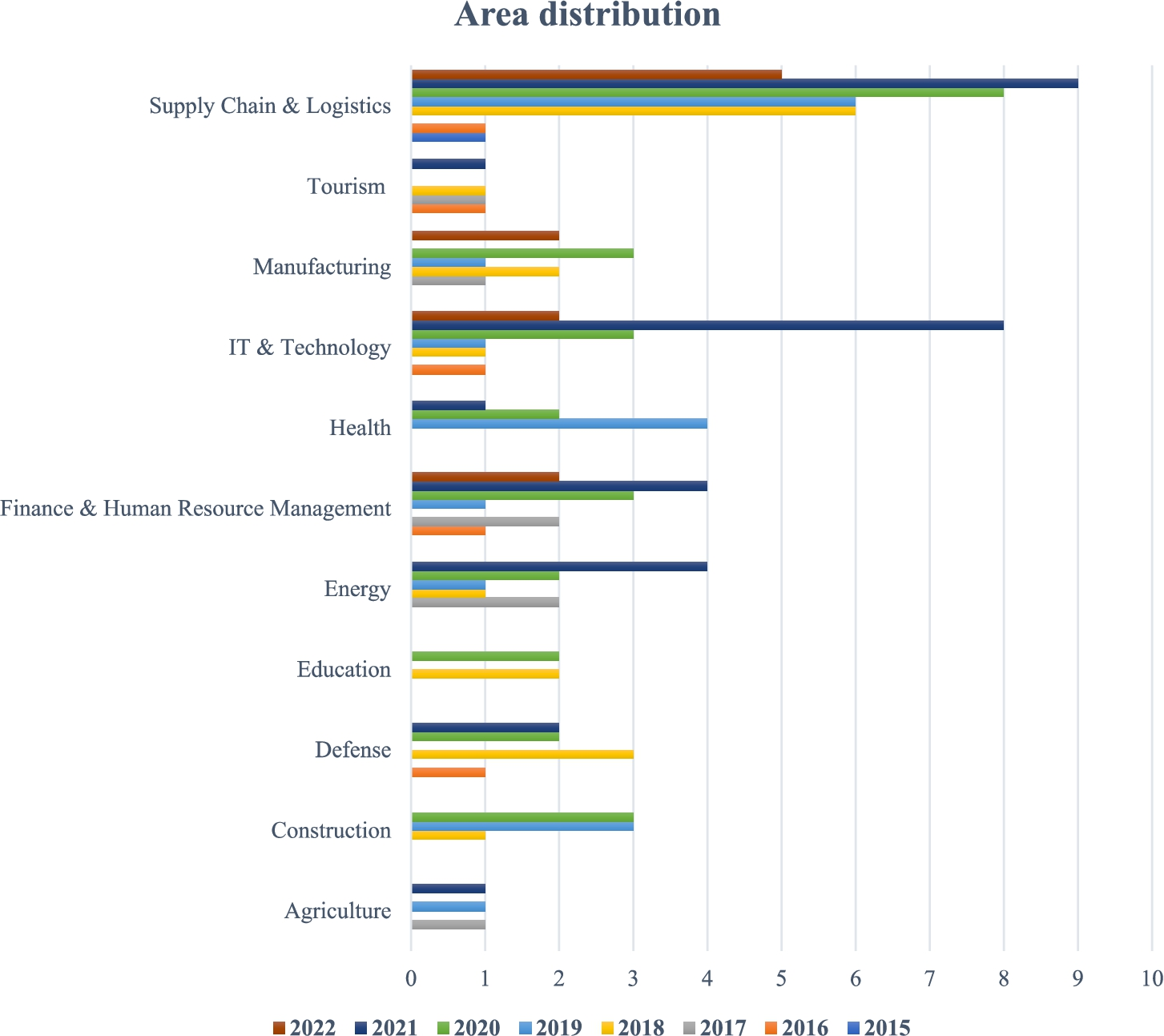
Detailed survey of MABAC studies based on application.
Figure 10 illustrates that supply chain and logistics is the most frequent application category that MABAC and its extensions have used to address. Energy management, finance and human resource management, defence industry, and tourism industry are other important application categories that use MABAC to tackle different decision-making problems.
In order to investigate how interesting these applications have been for other researchers, google scholar citations of each application category are collected (end of May 2022). According to Table 4, supply chain and logistics have the highest number of citations in comparison to other application categories. Energy management, finance and human resource management, defence industry, and tourism industry are other application categories with 359, 325, 256, and 218 citations, respectively.
The agriculture industry and sustainable farming are considered fundamental areas that cover economic, environmental, ecological, and social aspects. The growing rate of farm and crop production with high productivity using high-tech and modern devices extends the agricultural sector’s economic, environmental, and social boundaries. Therefore, different agricultural processes go through various decision-making procedures to determine a specific policy. MCDM methods have been applied in several directions for agricultural uses, such as in location selection, portfolio evaluation, and assessment of edible and other products (Golfam et al., 2019; Jafari Shalamzari et al., 2019; Qureshi et al., 2018; Zamani et al., 2020). Land location selection problems aim to select appropriate lands based on their applicability for specific agricultural activities. Strategic decision-making for agricultural activities is of high significance where different elements of an agricultural project are evaluated and investigated through a wide range of decision analysis processes. Table 5 presents a summary of agriculture studies, which used different versions of the MABAC method for decision-making purposes.
Use of agrochemicals, fragmented crop health management, harvesting practices, integrated crop health solutions, utilization of bio-chemicals on the agro-product, industrial heat consumption, total electricity consumed, biomass resources availability, land price, and workforce price are considered as essential factors.
Google Scholar citations of application areas.
Google Scholar citations of application areas.
Applications of MABAC for the agriculture industry.
The construction sector has been considered one of the oldest industries globally and is recognized for being traditional and underdeveloped in many areas such as information technology, SCM, innovation, and risk assessment (Al-Werikat, 2017). Construction projects must be accomplished in complicated dynamic environments that are mostly characterized by risk and uncertainty, and the construction object’s life cycle is full of various risks (Schatteman et al., 2008; Zavadskas et al., 2010). As a result, construction projects face problems that cause delays and failure to satisfy the determined time frame and cost. Many studies illustrate numerous pieces of evidence that many construction projects fail to achieve their budget, time, and even quality goals. It is necessary to assess and analyse the complexity of managing risk policies in different projects appropriately. In this regard, risk assessment in construction projects should be applied differently in each project to evaluate risks in various activities of the project. It also can be considered a vital part of the MCDM process. A summary of the objective, methods used, and possible case study is summarized in Table 6.
Applications of MABAC for construction management.
Applications of MABAC for construction management.
The defence industry’s promotion is a viable strategic option for countries to endogenize digitization technologies and, therefore, nationalize the necessary means to be the protagonist of their development (Ambros, 2017). Military operations contain essential activities that have numerous risks from various perspectives. However, these operations are conducted for multiple purposes, categorized as the lowest damage taken and the maximum damage given (Karaşan et al., 2019). Therefore, since the defence industry has to deal with many uncertainties, including multi-criteria and many alternatives, it is worthwhile to utilize the MCDM methodologies.
The military decision-making process is an analytical process for troops’ movements, designing operations, logistics, or air defence planning. Logistics is considered one of the significant challenging areas in the defensce industry, and provider selection is one of the most complicated logistical management problems. As a result, numerous studies have been done to develop methods for evaluating transport service providers. In Table 7, we provided a short review of the MABAC methods in the defence industry.
Applications of MABAC for the defence industry.
Applications of MABAC for the defence industry.
Education is defined as systematic efforts that society builds up to deliver the knowledge, attitude, value, and skill out of their group members to boost individuals’ potential and changes that occurred in themselves. Therefore, education is the foundation of a society that brings economic wealth, political stability, and social prosperity (Idris et al., 2012). Nowadays, the educational sector has to deal with many challenges such as technology, which comes with its downsides, lack of educational innovation, government policies and spending, educational resources, teaching quality, assessment, and attainment.
Webpages are considered standard information that has been gradually improving over the years. Educational institutions utilize this resource to guarantee that the best quality of information transmission is achieved. According to the importance of university websites’ quality, teaching quality is also an essential factor in evaluating educational institutions. Undergraduate Teaching Audit and Evaluation (UTAE) is a fundamental element of the quality assurance and monitoring system. It examines whether universities have succeeded in their targets or not, which could be regarded as a complicated MCDM problem. The summary of these studies is shown in Table 8.
Applications of MABAC for the education sector.
Applications of MABAC for the education sector.
In this modern world, energy is required for a society’s sustainable development (Amer and Daim, 2011). The global fossil fuel reserves are bounded and unevenly distributed, leading to severe economic and political conflicts. Also, fossil energy availability is not the primary concern; the main problem lies in the impacts caused by the CO2 produced when these massive amounts of remaining fossil fuels are used. Therefore, energy crises and environmental issues have elicited increasing attention. Hence, energy-saving has become necessary.
It is crucial to develop alternative technologies and other energy resources, e.g., renewable energies, gas-to-liquid, biomass-to-liquid, syncrude from oil sands, and waste-to-energy technologies for the production of fuels for different usages. As a result, most countries have developed new energy security policies to reduce energy costs and increase energy sustainability, which plays an essential role in the country’s economic growth and social development, and the quality of people’s lives (Kaiser et al., 2013). Table 9 presents a short review of the MABAC methods for energy management.
Applications of MABAC for energy management.
Applications of MABAC for energy management.
Human Resource Financial Management (HRFM) is defined as a framework to develop and propose a new approach to deal with the issues, which remain unanswered by HRM and FM. HRM is defined as a process of placing the right person at the right place and at the right time, while FM is considered the process of making financial decisions based on the data gathered by accounting.
HRM keeps its prime concentration on developing human resources, and financial management can canalize companies’ investments and expenditures to maximize their profits (Chaudhary and Prasad, 2010). The HR and finance departments work towards one ultimate common goal of achieving a higher level of performance and profitability. In today’s competitive environment, the world of HRM is changing more rapidly than can be imagined. Constant environmental changes indicate that HR managers have to deal with constant challenges. They should respond by taking advantage of gradual yet reflective changes in this area’s nature, current practices, and overall HRM policies, mission, and vision.
To address the numerous quantitative and qualitative criteria that influence HRM’s affordability and sustainability, MCDM is a suitable technique that allows the quantitative and qualitative criteria to be incorporated into one evaluation process. Several financial decision problems are MCDM problems, and the tools utilized in the field of MCDM contribute both to the quality of the FM process and the quality of the resulting decisions. A review of related studies is provided in Table 10.
Applications of MABAC for finance and human resource management.
Applications of MABAC for finance and human resource management.
Healthcare is a broad term that pertains to a system that contains the maintenance and improvement of medical services to cater to people’s medical demands. The role of healthcare systems in the quality of life and social welfare in modern society has been well recognized (Hashemkhani Zolfani et al., 2020; Yazdani et al., 2020c). There are many participants involved in healthcare delivery, each having their concerns and interests (Mosadeghrad, 2014). The healthcare system has many sub-systems that operate at different levels (outside of the organization, stakeholders, suppliers, technologies, organization, program level, and point of care), each with specific goals, resources (financial, human, and equipment), and processes (formal and informal). As a result, complexity is increasingly being embraced in healthcare, which brings uncertainties and risks.
In the following, to increase patient safety, health information technology (HIT) has been introduced. HIT indicates numerous opportunities for improving and transforming healthcare systems, including improving clinical outcomes, decreasing human errors, facilitating care coordination, utilizing developed equipment, improving practice efficiencies, and tracking data over time (Alotaibi and Federico, 2017). Patient safety improvement and the quality of healthcare delivery regarding the HIT concept have received considerable attention. Proposing a new algorithm for patient-centered treatment selection, evaluation, and selection of best suppliers for hi-tech medical products and equipment are some areas combined with various MCDM methods to improve and facilitate care coordination. A summary of the evidence of MABAC approach usage in healthcare systems is provided in Table 11.
Applications of MABAC for healthcare management.
Applications of MABAC for healthcare management.
The business world has been adopting new technologies, which has quickly affected every feature of how businesses operate. Technology has provided an innovative and better approach to manage a business in the last decades, making transactions faster, more effective and more convenient. Information technology (IT) systems emerge in the form of many technologically advanced devices. It helps deliver critical information to managers to make crucial decisions regarding their organization’s operations. It involves studying and applying computers and any type of telecommunications that store, retrieve, analyse, transmit, manipulate, and send information.
Some of the biggest challenges currently are information security, cloud computing, risk management and governance, technology selection, integration and up-gradation, resource management, hiring, communication, fraud monitoring, and business continuity/disaster recovery. Dealing with the above-mentioned technological challenges by making decisions based on various MCDM and MADM methods has been accompanied by significant results. Thanks to these methods, the above-mentioned technological challenges have been successfully addressed.
The proliferation and extensive use of information and communication technologies (ICTs) are revolutionizing the approach people and companies work. They can help people and organizations substantially decrease the cost of their business processes and operations (Taylor, 2015). ICTs contain every communication device and application imaginable, such as phones, computer hardware and software, and web applications. The final goal for a company is to be able to use communication technology productively. An outline of the paramount results of IT and technology studies using the MABAC methods is highlighted in Table 12.
Applications of MABAC for IT & Technology.
Applications of MABAC for IT & Technology.
Manufacturing industries have traditionally played a vital role in countries’ economic development and improvement as they employ the workforce and produce items needed by strategic importance sectors such as national infrastructure and defence (Haraguchi et al., 2017). Manufacturing systems include the manufacturing and processing of items and result in either creation of new goods or in value addition. It is described as broad-spectrum with technological advancements, which primarily focuses on improving and developing productivity by considering the optimal number of materials, technology, methods, machinery, and labour.
Since several manufacturing alternatives are available for each stage, selecting a manufacturing process for any product or service is complicated as different manufacturing processes vary in their performance, productivity, and economics. The selection of convenient alternatives from the group of contrasting and diverse manufacturing system stages can be achieved through MCDM techniques. Therefore, MCDM models take a unique and essential place in manufacturing systems (Ghaleb et al., 2020). Excellence in developing and accomplishing manufacturing processes that prepare unique production capabilities with quality and cost advantages can determine market success and the key to future competitiveness in manufactured products because this strategy cannot be easily duplicated. These motivate the manufacturing companies to struggle along several product dimensions, including design, manufacturing process, utilization of various technologies, methods and tools, and others.
The type of manufacturing process chosen depends on the facility, the staff, and the information systems available. Altogether, while manufacturers worldwide have reached new standards in technology adoption and equipment innovation, many strain points hinder optimization, efficiency, and even safety. These main points lead to risks and uncertainties in manufacturing systems. Table 13 presents a summary of manufacturing studies addressed by the MABAC method.
Applications of MABAC for manufacturing.
Applications of MABAC for manufacturing.
Tourism is a cultural, societal, and economic factor that involves people’s movement to other countries or locations for individual or professional purposes. It is a multi-aspect commercial activity with immense job creation potential by its labour-intensive nature, revenue creation through tax collection from the hotel sectors, gaining massive foreign exchange and prelation of cross-cultural apprehension and cooperation, business opportunities for entrepreneurs, and economic development of the country (Arshad et al., 2018).
Some of the issues raised in this regard are service quality, tourism destination, ecotourism, marketing, location selection, security, and medical condition. MCDM approaches have been proposed to help experts make the best choices in the tourism industry (Mardani et al., 2016). Table 14 gives a short review of the MABAC methods in the tourism industry.
Applications of MABAC for the tourism industry.
Applications of MABAC for the tourism industry.
A supply chain is defined as the network of all the individuals, organizations, resources, activities, and technologies involved in creating and selling a product or service. It includes everything from the supplier’s delivery of source materials to the manufacturer through its eventual delivery to the end-user. Nowadays, markets have changed drastically with the growth in collaboration between competitors, supply chain partners, outsourcing, integrated supply chain systems, and innovation and technology advancement. As a result, mapping out an supply chain is essential in performing an external analysis in a strategic planning process (Arawati, 2011).
The global marketplace provides tremendous opportunities for companies to reach strategic competitiveness through effective SCM. Companies have been increasingly interested in efficient SCM because they have met extreme competition due to decreased product life cycle time, varying customer demands, and rising manufacturing and transportation costs. This made companies recognize the vital role of SCM to reach organizational purposes via speeding up innovations and product launching to the dynamic market, choosing the most appropriate supplier, green supply chain, improving customer value, optimizing the use of resources, reducing different types of costs such as production, inventory, transportation, and finally enhancing profitability (Moosivand et al., 2019). SCM challenges are MCDM issues because, in the entire supply chain cycle, various criteria related to each sub-criterion of the supply chain cycle should be investigated. To manage the entire supply chain, each criterion’s relationship should be identified, which impacts the performance of the supply chain. Finally, based on the criteria determined, decisions should be made. Therefore, decision-making is critical in managing the supply chain cycle, and SCM is an MCDM problem (Khan et al., 2018).
The selection of potential suppliers has been known as one of the essential concerns that companies face while maintaining a strategically competitive position. Therefore, it is necessary to commit to fair assessment and supplier selection during the phase of purchasing, which can primarily affect the product’s final price. Traditionally, supply chain was primarily considered based on economic aspects, but companies are becoming much more concerned about environmental problems. Green Supply Chain Management (GSCM) with environmental protection concepts increases attention from practitioners and researchers (Mishra et al., 2019).
As mentioned before, material selection has been known as one of the crucial stages in the designing phase in SCM. Evaluation and selection of the optimum material for a product are crucial for companies to survive in today’s fiercely competitive environment. Xue et al. (2016) believed that material selection problems in product design could be considered within the framework of MCDM. They introduced a novel approach based on IVIFSs and MABAC methods for handling material selection problems with incomplete weight information.
Logistics have been known as the backbone of global trade, consisting of a network of transportation, warehousing, and inventory of raw materials and goods. Logistics process management has always been a complicated task, but with time it becomes even more labourious. Some key challenges facing the logistics process are as followed: choosing the most appropriate transportation system, reduction of transport costs, compliance with regulations, streamlining operations, offering segmented, personalized services and workforce management.
There are also several aspects of decision-making in the transportation system, such as determining clean technology vehicles. Besides, the mobility sector containing all kinds of transportation systems is dealing with global challenges regarding green environmental issues. It is also worth considering that smart customers do not always make their purchasing decisions using structured cost comparison approaches and are concerned with new technologies that inherently raise fuel efficiency and reduce Greenhouse Gas (GHG) emissions such as CO2 and better air quality. Some of these studies of the MABAC for supply chain and logistics are highlighted in Table 15.
Applications of MABAC for supply chain & logistics.
Applications of MABAC for supply chain & logistics.
MCDM approaches in form of weighting and ranking techniques have attracted a lot of attention from different sectors, specifically the sectors which are directly connected to sustainable development and circular economy. In current societies, achieving SDGs within the Agenda 2030 is considered among the top and highly prioritized governmental and non-governmental organizations in order to meet the required standards. However, the complexity and multi-dimensionality of the problems related to sustainability and circularity create a need for reliable and robust tools to generate reliable solutions, otherwise not only the sustainability and circularity goals would not be met, but also severe and costly consequences may occur. On the other hand, not all relevant problems can be addressed quantitatively; therefore, the utilization of qualitative-based techniques with a user-friendly environment for decision-makers from different sectors is of high significance. MABAC method, as a ranking MCDM approach, is one of the well-established MCDM techniques that can be used for a broad range of sustainability and circularity problems.
According to the results of the review, MABAC technique and its extensions have shown a promising performance in various application areas. As mentioned in Section 2, MABAC provides three main advantages including providing consistent results in the event of a change in the units of measurement, stable solutions in the event of a change in the type of criteria formulation, and a simplified algorithm suitable for large-scale problems. However, MABAC can be improved considering its structural limitations. One of the serious shortcomings in the traditional form of MABAC is its normalization technique which is based on a max-min normalization formula. However, using a single normalization technique may lead to biased solutions. Recently, novel methods such as mulTi-noRmalization mUlti-distance aSsessmenT (TRUST) (Torkayesh and Deveci, 2021) and Double Normalization-based Multiple Aggregation (DNMA) (Liao and Wu, 2020) were developed to mitigate the biasedness of single normalization techniques. Therefore, an improved version of the MABAC can be developed by considering multiple normalization techniques. On the other hand, the complexity of real-life problems and restricted choices based on governmental or non-governmental standards are other concerns that can improve the traditional MABAC. One of the possible ways to empower the traditional MABAC is the utilization of constrained-based criteria in order to include real-life standards within the computations (Abdelli et al., 2019).
The findings of Section 4 represent how successful MABAC has been considering its applicability for diverse application areas. In recent years, sustainable development and circular economy have become very broad terms addressing various types of problems in many application areas. Several key application areas still exist in that MABAC can play a key role in addressing multi-dimensional problems. Transportation and fuel planning are two important application areas that strongly contribute to sustainability and circularity targets related to GHG emissions, and batteries of electric vehicles. To support circularity, MABAC can be used in various decision-making related to recycling and remanufacturing facilities which can mitigate environmental and social impacts and increase economic benefits. Moreover, social sustainability and its targets regarding education, equity, employment, and healthcare can be other application areas in which MABAC can be applied.
Conclusions
The emergence of concepts like sustainable development and circular economy has raised the need for multi-dimensional complex decision-making tools to enhance the capability of the decision-making process. Recent decades have been known as the golden era of developing MCDM methods in a different form under various uncertainty sets to tackle important complex problems. MABAC is one of the most frequently used methods in different applications over the last 5 years. In this paper, we comprehensively reviewed the development and applications of the MABAC method through its developments and applications. Reviewed papers were categorized into eleven application areas. Apart from application categorization, all papers were systematically reviewed based on different metrics such as publication year, authors, combined methodology, uncertainty set, case study, and journals. A large proportion of papers, 30 out of 117, were published in 2021 in international journals. Authors from China published more than other countries. Journal of “Decision-making: Applications in Management and Engineering” published 10 papers and ranked as the top journal publishing MABAC studies. BWM and AHP entropy are two frequently integrated MCDM models with the MABAC method. Most of the uncertain MABAC studies were implemented under triangular fuzzy sets. Finally, findings indicate that supply chain & logistics is the most important target for decision-making problems solved with a different form of MABAC with 36 papers and a total of 844 Google Scholar citations.
This review represented important points about past development and application of the MABAC method. However, there are manifold ways to both extend the MABAC method and apply it based on the world’s current uncertain and complex environments. Important fields that emerged in recent years are sustainable development and circular economy which can be dealt with MABAC to develop and run expert decision-making models. Waste management is one of the important areas in both concepts of sustainability and circular economy which can be addressed using MABAC. On the other hand, transportation planning, fuel planning, and climate change strategy development are important applications strongly contributing to sustainable development and circular economy where MABAC can be used. Moreover, MABAC has been developed under different fuzzy-based uncertainty sets; however, there exists no study to consider uncertainty in the decision-making environment and the impact of future events on the its process. The concept of stratification is one of the newly introduced topics that can be used within the MABAC method to enhance its capability in making reliable decisions (Pamucar et al., 2023; Torkayesh et al., 2022). In the same context, most of the previous uncertainty sets focused on the incorporation of the uncertainty related to the decision-makers’ opinions. However, all decisions may not be directly implemented based on their opinions whereas experts’ judgments over the decision-makers’ opinions play an important role in finalizing the decision. For this purpose, MABAC can be improved by an extension under extended Z-numbers (Tian et al., 2021) where experts’ judgments on the decision-makers’ opinions are considered in the decision-making process for more reliable and robust solutions. Another important future direction is related to the integration of the MABAC method with big data tools in order to develop big data decision support systems for various complex problems (Maghsoodi et al., 2023; Simic et al., 2022). Finally, the integration of the MABAC method with probabilistic linguistic information is anticipated to be investigated since it is natural for decision-makers to employ probabilistic linguistic information (Liao et al., 2020).