






Abstract
The ideal animal model would contribute no confounding variables in experimental science. Variables affect experimental design resulting in increased animal use or repeated studies. We demonstrated a simple refinement which may reduce the number of animals used experimentally while simultaneously improving animal welfare. The objective of this study was to determine if the presence of a hut was an impact on physiological stress levels, as determined by faecal cortisol concentration, during a routine four-day acclimatization period of newly received male Hartley-Outbred guineapigs. We hypothesized that those animals provided with huts would have decreased physiological stress compared with animals not provided with huts. We examined this effect within both paired and single-housed animals. A between-subjects one-way analysis of variance revealed that pair-housed animals with a hut had significantly lower faecal cortisol concentration than pair-housed animals without a hut and the presence and absence of a hut had no significant impact on faecal cortisol concentration in single-housed animals. These findings show that presence of a hut is beneficial in reducing physiological stress when pair housing male guineapigs and does not appear to have an impact when single housing male guineapigs. In addition, we have shown that faecal cortisol, and therefore physiological stress, is still increasing on study day 4 suggesting a longer acclimatization period is necessary. A simple refinement in housing environment and acclimatization time can both reduce the number of animals used experimentally and improve animal welfare.
The guineapig has been used as a research model for decades.
1
The physiological response of this species makes it an ideal animal model for multiple research applications such as anaphylaxis, delayed hypersensitivity and pharmacology, to name a few
While there is a plethora of information on the available methods and utility of cortisol and coritisol/glucocorticoid metabolites as a stress measure, 4–11 there is a dearth of information that is gender and quarantine/acclimatization specific in the guineapig species. Cortisol is the major glucocorticoid in the guineapig. 12,13 A recent study has shown that a transport recovery time of 10–14 days is necessary for the guineapig species. 14 While it is recognized that this time frame may be ideal, the high throughput often demanded in pharmaceutical development precludes this as standard operating procedure. We completed this study to evaluate our current quarantine/acclimatization practice in the guineapig species. Animals are ordered by body weight which corresponds to a weaning age of 25 days. Following transport age upon receipt is approximated as 30 ± 2 days. The age and gender selection of study animals chosen for this project parallels that of the weekly shipment of guineapigs received into our facility. The relevance of this selection to the study design is that this allows a true assessment of our current practices. In addition, we anticipated mitigation of study variables due to territorial stress which likely had not begun to develop in what is defined as the pre-adolescent age of less than 40 days. 1,15,16
Currently our facility receives and holds male guineapigs for four days prior to release for study activity. The objective of this study was to determine whether the presence of a hut was an impact on physiological stress levels during this quarantine/acclimatization period. Our hypothesis was that animals provided with huts would have decreased physiological stress compared with animals not provided with huts. We examined this effect within both pair- and single-housed animals as this is a factor which may vary according to the size and age of the animal and the nature of the protocol under which it is received. It was not the objective of this study to draw a comparison between pair- and single-housed animals. Physiological stress was quantified by enzyme-linked immunosorbent assay (ELISA) measurement of daily faecal cortisol concentration per cage. Statistical analysis of daily faecal cortisol concentration between animals with and without huts was performed within each of the pair- and single-housed group arrangements.
There was no modification in shipping or receiving procedures as these are considered separate standard procedures. These processes may be evaluated in a separate study as a result of this study. The macro-environment (ambient light, temperature, etc) was unchanged.
Materials and methods
Animals
Sixty juvenile male Hartley-Outbred guineapigs (210–310 g body weight range; Charles River Canada, Saint Constant, Quebec, Canada) were housed and utilized according to the recommendations in the Guide for Care and Use of Laboratory Animals 2 and the USDA Animal Welfare Act and Animal Welfare Regulations. 17,18 These conditions also met FELASA recommendations. USDA recommends 387.0 cm2 floor area per animal with a 17.8 cm enclosure height. FELASA follows European Council recommendations 19 using 350 cm2 floor area per animal and 23 cm height. All animal procedures were performed on protocols approved by the Alcon Laboratories Institutional Animal Care and Use Committee. All animals were specific pathogen free for Sendai virus, pneumonia virus of mice, reovirus, lymphocytic choriomeningitis virus and guineapig adenovirus, Encephalitozoon cuniculi, Pasteurella multocida and pneumotropica, endo- and ectoparasites, Bordetella bronchiseptica, Helicobacter bilis and hepaticus and other species, Klebsiella pneumonia and oxytoca, Mycoplasma spp., Pseudomonas aeruginosa, Salmonella spp., Streptobacillus moniliformis, Streptococcus pneumoniae and zooepidemicus, groups B and G beta streptococcus and Clostridium piliforme (Charles River Laboratory, Wilmington, MA, USA).
Husbandry
Animal housing rooms were environmentally controlled and monitored (Metasys Facility Management System). The rodent housing room was maintained at a controlled light–dark cycle (06:00 to 18:00 h), humidity (30–70%), ambient temperature (20–26°C) and high-efficiency particulate absorbing (HEPA) filtered heating ventilating and air conditioning (HVAC) room exchange (15 per hour). Guineapigs were housed in Lenderking Suspended Comfort cage racks (27.94 cm × 48.26 cm × 24.25 cm; Lenderking Caging Products, Millersville, MD, USA), fed ad libitum with PMI Certified GuineaPig Chow #5026 (PMI Nutrition International LLC, Brentwood, MO, USA) and supplemented with fresh kale, fresh carrot or fruit crunchies (Bioserv product number F05798; Frenchtown, NJ, USA). Water was provided ad libitum from a potable supply that was monitored monthly for quality. Pan liners were typically changed three times each week and cage change-outs occurred biweekly. Husbandry was altered during the conduct of this study as pan liners were not provided and pans were rinsed daily. This study was conducted between these biweekly change-outs.
Study design
Animals were placed in two housing conditions, single or pair housed. There were two divisions, hut and no-hut, within each housing condition. Environments were defined as single, single-hut, paired and paired-hut creating two study groups, hut or no-hut, within each housing condition, single and paired. There were 10 cages in each study group providing 10 replicate samples per group. Day 1 was defined as the morning 24 h following receipt and placement into cages. All faeces for each 24 h period, or study day, were collected from each cage between the hours of 08:00 and 10:00 each morning. This time slot coincided with the hour of initial housing and established start time of the four-day study period to correct for circadian influence. Faecal cortisol level was obtained using the homogenization–evaporation technique and ELISA quantification. Study groups were compared for statistically significant differences after elimination of outliers and verification of normal distribution.
Sample collection
Fine aluminium mesh was secured to cage pans prior to receipt of the animal. This would suspend faecal pellets minimizing cortisol washout from urine or water contamination in the pan. All faecal pellets were collected from each cage pan between 08:00 and 10:00 h daily beginning 24 h after receipt of animals into the facility. Pellets were then placed into a prelabelled 50 or 15 mL conical vial(s) (VWR International, Westchester, PA, USA) and stored at −80°C prior to sample preparation. Cage pans were rinsed clean of urine. The aluminium mesh was dried with paper towels and replaced beneath the cage of origin. Due to suspended cage design and modified pan use sample collection occurred without direct contact or manipulation of the animal.
Sample preparation
The frozen faecal pellets were homogenized in a coffee grinder. Cortisol extraction from aliquots of known gram weight by ethanol was done as described in the literature. Evaporation was done using a Jouan evaporating centrifuge (Jouan RC 10.22; Jouan SA-BP; Saint Malaire, France). Samples were stored at −80°C pending quantitative analysis.
Quantitative analysis
Dried residues were removed from storage (−80°C) and reconstituted in 1.5 mL of enzyme immunoassay (EIA) extraction buffer as provided by the Cortisol EIA kit (Product Number EA65; Oxford Biochemical Research Inc, Oxford, MI, USA). Serial dilutions and assays were performed per kit instructions. Samples were run in triplicate at 1:100 dilution of the reconstitute with the EIA extraction buffer. Resultant cortisol values in ng/mL were multiplied to known grams per sample to obtain faecal cortisol concentration (ng/24 h).
Statistical analysis
Statistical analysis was performed using Origin 7.5 Software (Origin Lab Corporation, Northampton, MA, USA). Outliers (box plot 10, 90) within each study group were identified for each study day and removed. Shapiro–Wilk Normality test was performed on the remaining data. A between-subjects one-way analysis of variance (ANOVA) was performed between hut and no-hut study groups within the single and paired housing conditions. Tukey's test was used to identify significant means.
Results
Summary of results (mean ± SE): daily faecal cortisol concentration (ng/24 h)
*Results of daily between-subjects one-way ANOVA having statistical significance at 95% CL
The daily faecal cortisol concentration (mean ± SE) for the paired no-hut group was 2039 ± 481, 2774 ± 698, 3416 ± 499 and 3541 ± 450 ng and for the paired-hut group was 795 ± 136, 1173 ± 115, 1070 ± 86 and 2007 ± 241 ng on days 1, 2, 3 and 4, respectively. In paired guineapigs there was a significant difference in daily faecal cortisol concentration between the hut and no-hut groups (one-way ANOVA; confidence level [CL] 95) on each of the four study days: day 1 F (1,17) = 6.77, P < 0.05; day 2 F (1,17) = 5.68, P < 0.05; day 3 F (1,17) = 23.78, P < 0.001 and day 4 F (1,17) = 4.77, P < 0.05. Summary of results is provided in Table 1.
Each group had higher mean daily faecal cortisol levels on day 4 than on day 1. And paired animals without a hut had the highest daily faecal cortisol levels of all groups on any day which occurred on day 4. Single animals with a hut had the lowest faecal cortisol level of all groups which occurred on day 1.
Discussion
The findings of this study support our hypothesis and show that the presence of a hut was beneficial in reducing physiological stress when pair housing male guineapigs. The presence or absence of a hut did not have an impact when single housing male guineapigs. The pair-housed animals with a hut may have benefitted from a buffer effect as the hut may serve as a sanctuary from territorial stress between these paired males. While occasional brief stampeding was noted initially on entry into the room, no direct aggressive behaviour between males was observed at sample collection times. We did observe males sharing huts (Figure 1) and demonstrating play and exploring behaviour directed towards the hut. The young age of our study animals made the likelihood of true aggressive behaviour low; therefore, the hut may have served as more of a play device than a buffer to aggression. A recent review of animal behaviour captures well the importance of play and exploring as observable behaviours to indicate positive animal welfare effects.
20
Housing environment. This cage demonstrates the housing condition for the animals in the ‘hut’ study groups. The same cage and feed hopper are used without a hut for animals in the ‘no-hut’ study groups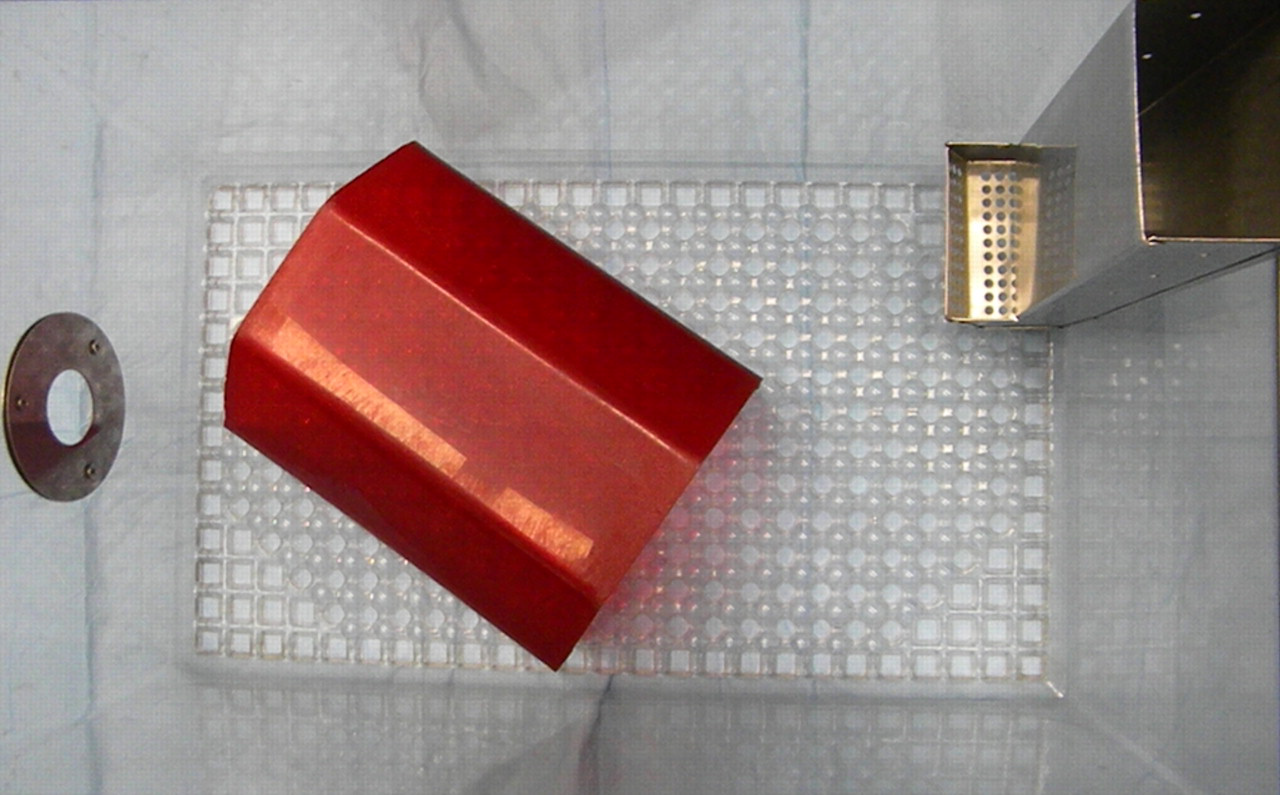
The absence of an observable effect in the single-housed animal groups may indicate that the presence of the hut does not promote stress in this species, which is considered neophytic or fearful of new things. All animals were ground transported in group compartments and travelled four days prior to receipt into our facility. Due to the social nature of this species stress induced upon single housing may have occurred. It has been shown that when the guineapig is isolated from auditory and olfactory contact with other guineapigs, the resulting grossly observable impact is minimal decreased water intake and body weight. 21 Our findings reflect that despite olfactory, auditory and visual contact single-housed guineapigs had the highest percent increases, from baseline on day 1 to day 4, in faecal cortisol levels. This reinforces the importance of understanding subclinical impacts on study models. Due to abstinence from direct contact in our current study design measurement of body weight was contraindicated. Daily water intake could be obtained without direct contact and should be considered for future study design. In addition we concluded, as predicted in the findings of the publication by Stemkens-Sevens et al., 14 that physiological stress was still increasing on day 4. This reinforces the importance of extending current quarantine/acclimatization time, an easy and simple method to eliminate this subclinical variable. Depending on the nature of the study, this variable could impact on results significantly and subsequently result in repeated studies or larger groups of animals to, for example, compensate for outliers. This is where, by providing not only a hut to paired-housed male guineapigs but also appropriate quarantine/acclimatization time, the gained reduction in use of animals could be seen.
We will continue to provide huts to all guineapigs as a standard operating procedure and consider extensions to quarantine/acclimatization time where possible. Projects in which study objectives will be affected by the potential presence of elevated physiological stress will be identified and prioritized for this refinement when appropriate. A longer follow-up study, approximately 14–21 days, to determine the faecal cortisol plateau as well as evaluate the impact of the hut on the time to reach the plateau may be conducted at a future date. Additionally, as the current study was solely to evaluate the impact of the hut, future study design should evaluate possible impacts between the single and paired housing conditions. Moreover, a final consideration for future study design may be increasing the frequency of faeces collection to aid identifying possible trends in daily cortisol excretion and faeces production. Faecal excretion of hormones, e.g. cortisol and its metabolites, represents hormonal production after a certain time period identification of which can vary with gastric transit time across species. A foundational explanation of the concepts surrounding the physiology of stress and metabolism, excretion, faecal sampling and measurement of faecal glucocorticoids is provided by Mostl and Palme. 6 This understanding coupled with the awareness of subclinical impacts in the animal model can reveal refinements, as shown in this study, which benefit animal welfare, improve scientific results and reduce animal use.
Footnotes
ACKNOWLEDGEMENTS
The authors thank Clint Vant ‘Land, Sherry Smith, Olga Dembinska, Deana Trawick and Stacy Curry of Alcon Laboratories for advisement, direction and/or use of lab space and equipment during the conduct of this study and to Alcon Laboratories Animal Resources and Research Support Department for assistance during activities conducted within the animal vivarium.