




Abstract
Using a human-centric view, this work investigates how digitalization impacts the human and social capital of projects beyond task orientation. How do leaders nurture psychological safety—encouraging interpersonal risk-taking—to support digitalization, fostering creativity, learning and growth? Through empirical research with interviews, focus groups, and soft systems methodology, we identified six factors conducive to psychological safety in digitally enabled projects: adaptability, learning, communication, organizational development, technology, and workplace. The findings revealed a threefold role for leadership in developing innovative and highly collaborative project teams: strategic leadership, horizontal leadership, and project leadership, positioning human and social capital at the core of digitalization in projects.
Introduction
Digital transformation is impacting how businesses operate and affects organizations systemically at a human level. The increasingly pervasive digital information changes what projects deliver and how (Whyte, 2019). Digitization is a largely technical term, referring to transferring information from analogue to binary, whereas digitalization refers to the process of changing businesses to digital ventures (Gartner, 2013; Ross, 2017). Although this is a subtle difference in terms, it is significant, with digitalization embracing the wider context of technology in use (Marnewick & Marnewick, 2022; Morgan, 2019; Papadonikolaki et al., 2022). Due to the interdisciplinarity of engineering project teams, collaboration becomes challenging as the structures of project teams that undergo digitalization are affected (Papadonikolaki et al., 2019). Digital technologies implicate new occupational groups, new kinds of professional accountability, and greater integration across professional roles (Jaradat et al., 2013). Marnewick and Marnewick (2021) showed that project managers’ experiences of digitalization place more emphasis on social competences (communication and collaboration) rather than technical aspects of digital intelligence, for example, cybersecurity.
This emphasis on social competences shows a recognition of the impact of digitalization on the human and social capital of projects beyond task orientation. According to Ivanov (2023), human-centricity is key societal pillar of sustainability in Industry 5.0. The term Industry 5.0 was introduced by the European Commission and highlights the stakeholder value of new technologies by placing planetary health and human health and well-being at the epicenter of production processes (Breque et al., 2021). This recognizes that to adopt more sustainable ways of production, an emphasis on the worker as a key industry producer and their health and well-being are crucial for sustainable production futures. Human–machine interactions are becoming pivotal in leveraging the potential of digitalization, echoing Bandura’s (2001) sociocognitive theory of how mass communication influences change in individuals and teams. There are reports about both positive and negative effects of digitalization on worker well-being (Cijan et al., 2019; Kaihlanen et al., 2023). Through a human-centered approach, this study focuses on psychological safety as an aspect of well-being, and how leaders can nurture it during the transition to Industry 5.0.
The origins of psychological safety are found in the work of Kahn (1990) who discussed it in organizations at an individual level. Psychological safety refers to the belief that one can speak up, take interpersonal risks, and be oneself without fear of negative repercussions such as humiliation, ostracization, or career damage in a work or group setting (Edmondson et al., 2001). Edmondson (1999) reconceptualized psychological safety as a team-level construct where people feel that their opinions are valued, can admit mistakes without retribution, and are free to express their thoughts and ideas. Psychological safety is essential for fostering creativity, learning, and high-functioning teams. Edmondson et al. (2001) explored psychological safety in various settings, including healthcare, aviation, and corporate environments, linking it to the impact of technology on work. Psychological safety is important for (1) fostering an innovative environment; (2) encouraging open feedback, learning, and growth; (3) trust and collaboration; (4) conflict management; and (5) employee engagement, increased productivity, and job satisfaction (Edmondson et al., 2001).
As a team-level construct, psychological safety is critically important to projects that become increasingly pivotal in global economic growth, accelerating infrastructure development (Söderlund et al., 2017), seen through society’s projectification (Schoper et al., 2018). This research seeks to explore: How can leaders establish psychological safety in project teams affected by digitalization? We contribute to psychological safety during the transition to Industry 5.0 by studying how leaders in digitally enabled teams—that is, teams that incorporate advanced digital technologies such as artificial intelligence (AI), mixed realities, and digital twins—facilitate this transition. Our study contributes with a new unique dataset and identified leadership patterns conducive of psychological safety. After framing the article’s theoretical background, we present the soft systems methodology followed by data and, finally, discuss findings and theoretical and practical implications.
Theoretical Framing
Psychological Safety in Project Teams
The origins of psychological safety are based on Schein and Bennis’s (1965) study of personal and organizational changes in teamwork. They described psychological safety as reducing “a person’s anxiety about being basically accepted and worthwhile” (Schein & Bennis, 1965, p. 279). Decades later, Kahn (1990) renewed the focus on psychological safety as fundamental for team dynamics and organizational behavior. Accordingly, psychological safety lies in the importance of personal engagement and authenticity in the workplace (Kahn, 1990). At its core, psychological safety refers to humans’ perception of the consequences of taking an interpersonal risk in a team or organizational context. It relates to the degree to which humans feel safe to express and be themselves without fear of negative consequences to self-image, status, or career. Employees are more dedicated and effective at work when feeling able to show their personal selves.
Departing from the conceptualizations of Schein and Bennis (1965) and Kahn (1990), Edmondson (1999) argued that psychological safety is better considered at a team level. She defined it as “shared belief held by team members that the team is safe for interpersonal risk taking” (Edmondson, 1999, p. 354)—a quite different view from older individual-level definitions. This view found many applications in healthcare, creative environments, engineering, pharmaceuticals, and other sectors organized around teamwork. This is particularly relevant in today’s projectified society (Jensen et al., 2016), where ordinary work is increasingly carried out in projects (Schoper et al., 2018; Shenhar & Dvir, 2007).
Due to the interpersonal aspect of psychological safety, its impact on project teams is profound and multifaceted. Teams with high levels of psychological safety are trusting, open, and respectful (Edmondson et al., 2001). This environment encourages team members to speak up, share ideas, and express concerns without fear of ridicule or reprisal. Among the positive impacts of psychological safety, it supports learning (Edmondson et al., 2001). In teams with a psychologically safe climate, people are more inclined to admit mistakes, seek feedback, collaborate, and experiment—all crucial behaviors for complex, knowledge-intensive work. This is particularly relevant in project teams where teamwork, leadership, innovation, problem-solving, and continuous adaptation are keys to success (Yang et al., 2011). In turn, this positively influences the absorptive capacity of such teams as they develop collaborative learning routines in cross-organizational settings, for example, project alliances (Love et al., 2024).
In the realm of project organizing, the psychological safety of team members may determine project success or failure. Project teams often work under intense pressure and tight deadlines in traditional waterfall-types of projects, exacerbating interpersonal tensions and stifling creativity. A psychologically safe environment fosters a culture of open communication and collaborative problem-solving (Edmondson et al., 2001). Team members feel empowered to contribute unique ideas, challenge existing processes, and contribute with diverse perspectives (Edmondson et al., 2001). This not only enhances the quality of decision-making but also ensures a more inclusive approach to projects. Furthermore, psychologically safe teams are better at learning from their mistakes and failures, which is essential for continuous improvement and adaptation in projects (Sage et al., 2014). The inevitable errors and rework experienced in projects become learning opportunities in psychologically safe teams (Love & Matthews, 2024). Error prevention is replaced by an error management approach, thereby addressing a frequent cause of poor performance in project-based industries such as construction (Love et al., 2023).
However, cultivating psychological safety in project teams is challenging as it requires consistent and active effort from leaders and team members alike. Emotional intelligence in projects is linked to creating a positive project environment with increased team member job satisfaction also conducive to project success (Rezvani et al., 2016). Especially in complex project undertakings—including projects undergoing digitalization—the role of leaders in displaying emotional competences is crucial. Leaders must model the behavior they wish to see, for example, admitting their own mistakes and encouraging open dialogue. They need to actively listen, show empathy, and demonstrate a genuine interest in their team members’ thoughts and feelings. This creates an atmosphere where team members feel valued and respected, fostering a sense of belonging and security. Additionally, team members have a role in reinforcing this culture by engaging respectfully with one another, being open to feedback, and supporting their colleagues. The collective effort toward maintaining psychological safety can significantly enhance team performance and job satisfaction (Rezvani et al., 2016), leading to successful project outcomes (Yang et al., 2011).
From Industry 5.0 to Society 5.0: Dynamic Environments
Psychological safety, though traditionally an organizational construct, is directly relevant to Industry 5.0’s digital transformation agenda as it impacts productivity and project success. As teams continue to navigate complex and challenging projects, psychological safety remains integral to fostering successful, resilient, and high-performing teams. This is particularly true in projects whose nature is innately interorganizational, complex, multifaceted, and temporary. These challenges are also accentuated in dynamic environments pushing change in project settings due to intense digitalization, global efforts for sustainable development, and building resilience in project-based organizations.
Since the 18th century, the world has delivered and experienced a series of technological advancements to address the challenge of producing more goods from limited natural resources meeting ever-growing consumption demand (Ghobakhloo, 2020). There have been five transformative periods of industrial revolutions in human history, each with different interplays of technology and society. The first industrial revolution was a mechanization period, followed by a second industrial revolution characterized by mass production and electrification, with humans developing complex organizational skills of administration and management in factories. The third industrial revolution concerned computers and automation engaging humans in servitization and knowledge work. The fourth industrial revolution—or Industry 4.0—focused on the integration of cyber-physical systems, such as Internet of Things (IoT), big data, AI, and virtual reality (VR) toward smart and interconnected production (Buer et al., 2018), making humans connectors between the digital and physical worlds.
Extant research has shown the shortcomings of technological determinism and how over-emphasizing technology rather than people who use the technology can significantly impede the embeddedness of sociotechnical practices. Examples of the technology-centric approach include the creation of a digital divide across the supply chain of production (Dainty et al., 2017) that creates asymmetries on how organizations interact with one another and digital technologies through formal and informal relations (Papadonikolaki et al., 2017). In a recent review of digital technologies in built environment projects, it was found that digital technologies were primarily self-referential in their use, with little integration between the social and technological aspects of systems (Papadonikolaki et al., 2022).
Industry 4.0 has undoubtedly placed more emphasis on technology over humans, with organizational implications. Recent advancements and learnings from implementing Industry 4.0 show the need for a more resilient, sustainable, and humane way of production (Ivanov, 2023). The human and organizational challenges of the fifth industrial revolution—or Industry 5.0—bring forward the need for conceptualizing Society 5.0. Carayannis and Morawska-Jancelewicz (2022) position Industry 5.0 as a driver for Society 5.0. The concept of Society 5.0 was first introduced by the Japanese government in 2016 as part of their 5th Science and Technology Basic Plan (Deguchi et al., 2020) and its basic premise is the use of technological innovation for human well-being and sustainable development.
In Industry 5.0 and Society 5.0, humans are central to technological progress in a balanced partnership and careful consideration of human–machine interactions. Human capital is an old concept that was redefined as an intangible economic concept by Becker (1964), referring to the value that humans bring through their development to economic prosperity. Later, Bourdieu (2011) defined social capital as the aggregate of resources related to human relationships. While Industry 5.0 and Society 5.0 explicitly relate to human capital, there exists an implicit link to social capital. This is because the technology brings value not only through human–machine interactions but also through human to human–machine interactions through formal and informal relations during digital technology use (Papadonikolaki et al., 2017).
The Theoretical Lens of Sociocognitive Theory and Learning
As the study focuses on psychological safety, it was important to use a sociological theory to guide the interpretation of the phenomenon and use it as an analytical basis. Bandura’s (2001) sociocognitive theory of mass communication explores how symbolic communication influences human thought, emotion, and behavior through two primary pathways. The first is a direct pathway involving media or artifacts promoting change by informing, enabling, motivating, and guiding individuals. The second is an indirect, socially mediated pathway linking individuals to social networks and their environment, providing natural incentives and personalized guidance for change (Bandura, 2001). The theory also examines how new behaviors spread through society via social networks through psychosocial factors that influence this diffusion process (Bandura, 2001). The sociocognitive theory was selected as compatible to both direct and indirect levels and resonating with both individual (see Kahn, 1990; Schein & Bennis, 1965) and collective (see Edmondson, 1999) views of psychological safety.
Delving deeper into Bandura’s (2001) sociocognitive theory, a number of principles explicate how leaders support psychological safety in digitally enabled project teams. The role of the individual as a proactive and self-regulating agent is central in sociocognitive theory. Through Bandura’s (2001) transactional view of self and society, three levels are important and influence one another bidirectionally: (1) personal, including cognition; (2) behavioral, entailing the behaviors/actions after interacting with the social environment; and (3) environmental determinants. The aforementioned triadic reciprocal causation of personal/behavioral/environmental influences is based on communication as a symbolic process through which individuals learn (microlevel), replicate behaviors (mesolevel), and contribute to social diffusion through structural interconnectedness in social systems (macrolevel) (Bandura, 2001).
In psychological safety research, Edmondson and Lei (2014) distinguished psychological safety at three levels of analysis: (1) individual level, including leadership behaviors; (2) organizational level, linked to human resources (HR), performance, and learning; and (3) group level based on significant differences found in the interpersonal climate among groups within the organization (Edmondson, 1999). In our study, the group level of psychological safety research corresponds to the mesolevel of Bandura’s (2001) sociocognitive theory. Here it refers to the project team facing the challenge of interorganizational composition influenced by team leadership, trust, learning, information sharing, social interactions, task orientation, problem-solving, innovation, and change management (Drouin et al., 2021).
A core mechanism of Bandura’s (2001) sociocognitive theory is observational learning. People learn and replicate behaviors they observe in others, particularly when these behaviors are effective. As the study’s emphasis is on social context and interactions among agents in such organizational settings, Vygotsky’s (1978) sociocultural theory explains the learning mechanisms. Vygotsky (1978) emphasizes the fundamental role of social interaction in social cognition. Learning occurs through social interactions for learning, such as collaboration, mentoring, and teamwork, where employees learn from their more experienced colleagues. Vygotsky’s (1978) sociocultural theory also emphasizes the mediated use of cultural tools and signs that organizations rely on for communication, training, and development, such as digital technologies, in how employees are learning. Therefore, through these social interactions, learning is collaborative and takes place through cooperative dialogues aligning with organizational practices such as team-based projects and knowledge-sharing networks (Vygotsky & Cole, 1978). Finally, a central mechanism is scaffolding, where more experienced individuals provide temporary support to help learners achieve higher levels of understanding, for example, through mentorship and coaching. Vygotsky’s theories are directly applicable to project teams and collaborative projects.
Alongside organizational learning, there is learning within project structures. Learning in and across projects is a central theme in project leadership. Essentially, team members have multiple-team memberships (Chan et al., 2021) where intra- and interorganizational memberships both correlate to team learning. Such learning is multilevel and also occurs in project-based contexts and networks (Wiewiora et al., 2020). Wiewiora et al. (2020) established that learning in project-based contexts concerns individual, project, and organizational levels. In this context, leaders, including project managers, senior leaders, and project management office (PMO) personnel influence different levels of learning. Here, we depart form the top-down view of project leadership conducive to team learning (Chang et al., 2021) and instead focus on balanced, distributed leadership in project teams (Drouin et al., 2021). Through the lens of sociocognitive space, Drouin et al. (2021) identified different instances of balanced (team-centered, emergent, or distributed leadership), vertical and horizontal leadership behaviors governed and legitimized through empowerment, self-management, and shared understanding of skills. Similarly, we depart from leadership as a human-directed concept and focus on leading, where leadership behaviors can also be displayed by team members who support the learning about digital technologies of their teammates through their behaviors.
Research Gap
Drawing on sociocognitive and learning theory to understand the Industry 5.0 transition, we reveal how leaders nurture psychological safety in digitally enabled project teams. This study brings together the fields of psychological safety and digital transformation. By focusing on psychological safety in project teams, it integrates the concept of psychological safety with digitally enabled project teams that are pivotal for how Industry 5.0 facilitates Society 5.0 through balanced human–machine interactions and project leadership. Human-centricity is pivotal for Industry 5.0 and, due to its relation to the human–machine partnership in production, Industry 5.0 tightly links with psychological safety. As a team-level construct following Edmondson’s (1999) definition, project learning and project leadership become the core in conceptualizing how leaders support their teams by facilitating psychological safety amid the changes resulting from digital transformation. To bind the concepts of psychological safety, learning, and leadership, we use Bandura’s (2001) sociocognitive theory of how digital technologies as mass communication means influence direct and indirect changes of individuals and teams and Vygotsky’s (1978) sociocultural theory to explain the learning mechanisms through social interactions.
Methodology
Methodological Rationale for Qualitative Systems Research
A systems thinking approach to explain digital transformation’s impact on project teams was followed. A system is a complex set of interacting elements with complexity arising due to its diverse behaviors and properties (Bérard, 2010). Systems thinking is key to addressing complexity (Luhmann et al., 2013) by assisting managers in informed decision-making and through learning about interrelationships among system variables (Richmond, 1994) often involving models to analyze and understand the complex system. In a complex system involving many diverse stakeholders, there is a need for appropriate methodological support to engage these diverse participants during the model design process (Bérard, 2010). We followed Soft Systems Methodology (SSM) connecting purposeful activity systems to reflect on change and learning (Checkland, 1989). SSM has seven main steps as shown in Figure 1.
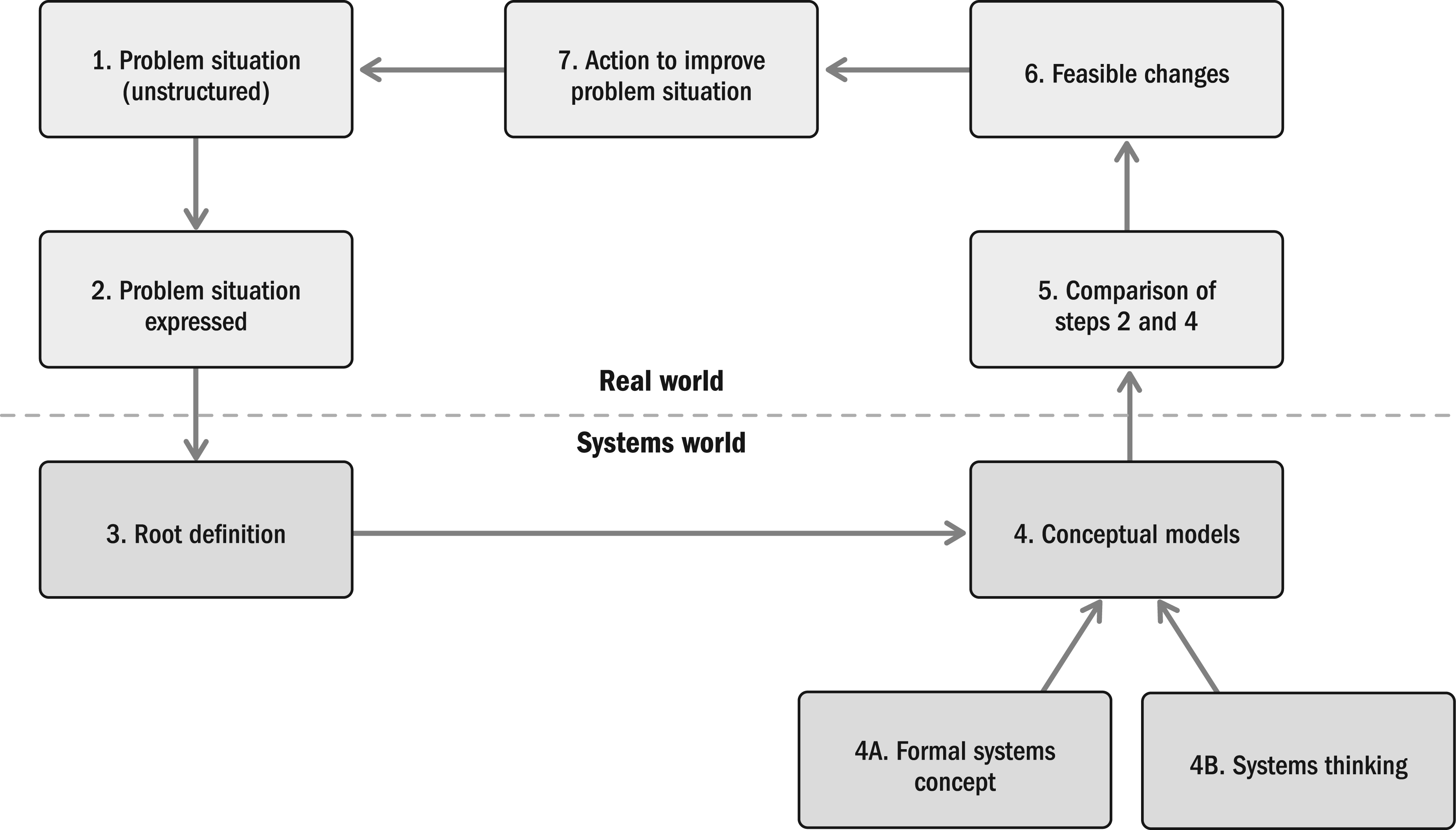
The seven steps of Soft Systems Methodology (SSM) by Carmen Reaiche and Samantha Papavasiliou, licensed under CC BY (Attribution) 4.0.
The study is based on a two-stage qualitative methodology within the SSM. Due to the how research question, multimethods, and data types were deployed. Creswell (1994) claimed that combining and triangulating different data sources enhance research accuracy. First, qualitative data through interviews were collected to align with the qualitative nature of the topic and explore expectations and perceptions of experts on psychological safety in digitally enabled project teams. Afterward, a focus group was deployed to complement and triangulate the data collection; the two research stages were:
Stage 1: Interviews with 14 multistakeholder experts from the construction sector across the demand and supply chain; and Stage 2: Focus group with participants recruited from interviewees (n = 3) to validate the preliminary interview findings and complement SSM.
As we established the theoretical links of psychological safety and learning, we collected data on episodes of learning apart from experts’ experiences and perceptions on the phenomenon of psychological safety in digitally enabled teams. We used Luhmann’s definition of episodes (Seidl & Hendry, 2003) that create opportunities for strategic change and reflection. Complex sociotechnical systems are largely influenced by humans and organizational cultures (Luhmann et al., 2013). In Luhmann’s theory of change, an episode is a sequence of events with a beginning and an end offering opportunities for communicative practices and social mechanisms for reflection that do not disrupt the organizational system. Here, we draw upon educational literature on learning episodes to describe a specific period where new information can be introduced, practiced, or reviewed (Sousa, 2007). This relates to change management and organizational learning context in moving from single-loop learning where errors are corrected (Argyris, 1976) to double-loop learning where team members deeply reflect and challenge their underlying beliefs and policies to address complex issues (Argyris, 1977). Following SSM methodology (Burge, 2015), data on such learning episodes were collected through interviews (real world, Stage 1), analyzed by the researchers (in systems thinking world) and validated from the focus group (real world, Stage 2).
Interview Data Collection and Analysis
In Stage 1, data were collected through interviews with industry experts to increase data richness (Creswell, 1994), because interviews are considered appropriate means to capture their input. The study context was United Kingdom (UK) construction, which underwent a digital transformation through Building Information Modeling (BIM), blockchain, and digital twins automating processes potentially making them more efficient, faster, and safer. While the context is important, this study can reveal similarities in other sectors with project-based engineering, such as new product development, aerospace, or healthcare, all of which have been previously studied in the context of psychological safety (Edmondson & Lei, 2014). The focus of the interviews was to elicit experts’ experiences and perspectives on practices for establishing psychological safety in teams due to digitalization. Fourteen industry experts were interviewed online between May and September 2023, with an average interview duration of 45 minutes. The sample provided saturation, when no new information was added (Bazeley, 2013). The interviewee sampling criteria were:
Familiarity with psychological safety (Team) leadership experience Background in engineering or business Junior and senior roles
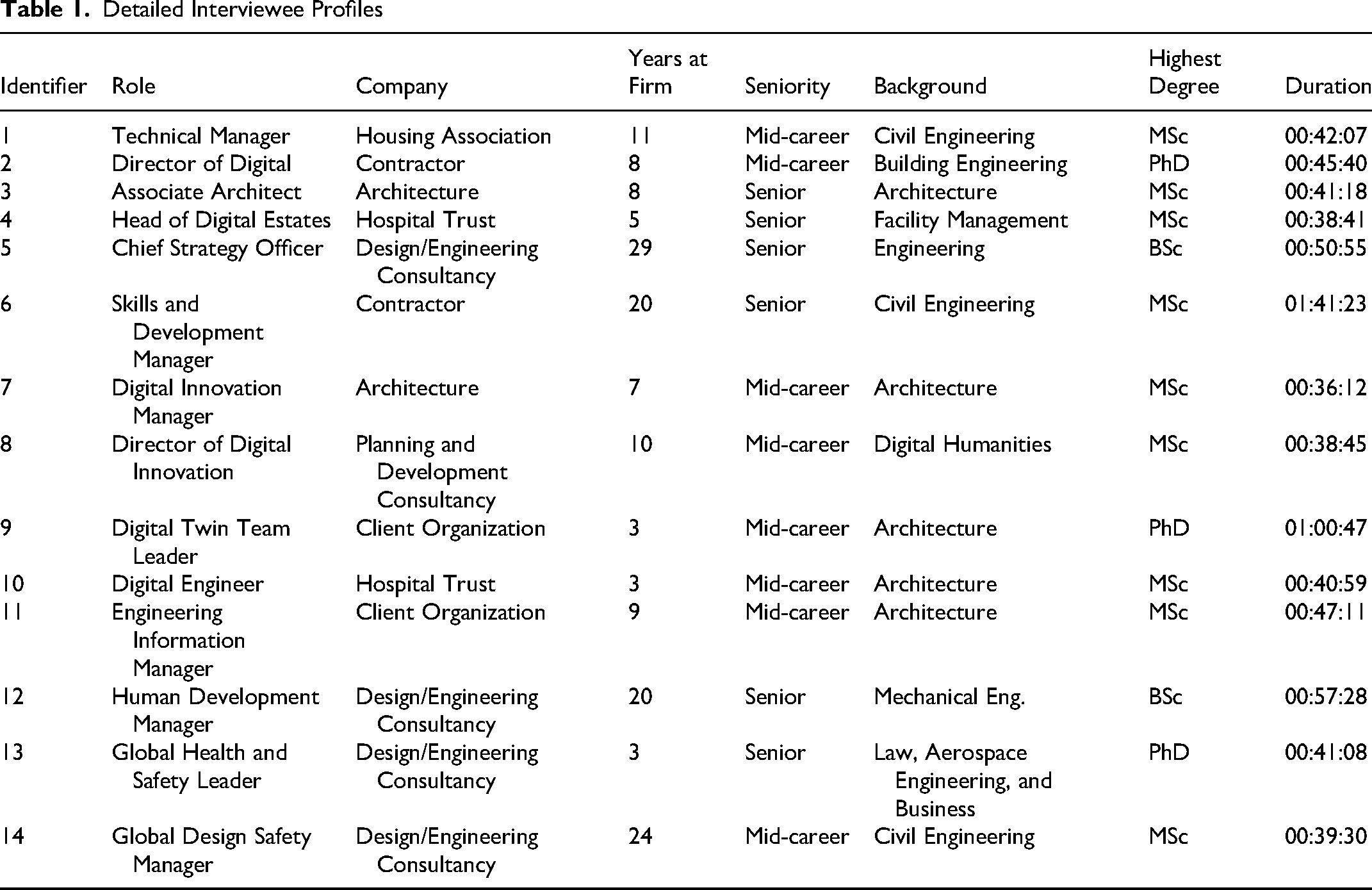
Table 1 presents the interviewees’ basic profiles, backgrounds, and roles across industries and policies.
Detailed Interviewee Profiles
All interviewees had been appropriately briefed through the interview protocol prior to the interviews and signed consent forms allowing audio recording. Seven semistructured open-ended questions were designed to reflect the research aim that allowed for additional follow-ups:
Could you briefly describe your background, experience, and current role? How has digital transformation influenced your steps, practices, and courses of action in leading your team? How are your team members coping with the upsurge of digitalization in projects? Could you describe your actions/changes implemented for creating psychological safety [definition provided] in your team/group during digital transformation? What strategic changes are needed in your organization for psychological safety? Describe how external stakeholders to your organization can raise psychological safety in project teams? Do you have any additional information/views on the topic?
The interviews were anonymized, combined, analyzed, and the findings reported only in their aggregate form, so interviewees were not identifiable. The transcripts were analyzed through coding (Miles & Huberman, 1994)—both deductive and inductive coding, consistent with qualitative content analysis. Inductive codes (data-based) from repetitive ideas emerged from the data as in vivo codes, based on words or phrases directly from data (Saldanā, 2009) presenting personal and unique quotations of interviewees. As there is no definitive manner to rigorously analyze qualitative data (Robson & McCartan, 2016), the theoretical framing was used for analysis (Blumer, 1954). Constructs of theoretical framing were used as deductive (theory-based) codes directing data analysis such as learning, teams, leadership, and so forth. The coding took place in atlas.ti software.
The fourth interview question about learning episodes was analyzed through SSM steps 1 and 2 (see Figure 1) by creating rich pictures to express the problem situation. For each learning episode provided by an interviewee, a rich picture of the phenomenon was created that connected some or all intraorganizational, intrateam, and interorganizational learning levels. Afterward, SSM steps 3 and 4 were followed.
Focus Group Data Collection and Analysis
In Stage 2, the preliminary findings were synthesized to reflect on leadership for psychologically safe digital teams through a focus group. The focus group had two main tasks: (1) to seek validation of Stage 1 interview data analysis and (2) to continue the learning episodes analysis using SSM, steps 5 through 7 by comparing models with the real world, making adjustments, and outlining actions. Employing research validation methods to triangulate the results strengthens the research rigor (Sarantakos, 2005). Here we focused on internal validation to check whether the preliminary data analysis was accurate, involving the interviewees (Boudreau et al., 2001). The focus group stage attracted three of the interviewees (Interviewees, 1, 2, and 4) in a representative sample and took place online in July 2024.
Data and Results
Data Analysis and Insights From the Interviews
After transcription, the interviews were analyzed through qualitative data analysis combining deductive (theory-driven) and inductive (data-driven) coding (Saldanā, 2009), known as the blended approach (Graebner et al., 2012) or abduction (Alvesson & Kärreman, 2007), providing rigor and approaching the phenomenon holistically (Fereday & Muir-Cochrane, 2006). The interviews unpacked examples of how Industry 5.0 changes leadership, impacting the psychological safety of project teams and organizations. The data was analyzed in two main cycles of coding. In the first cycle of coding, the first author coded the data inductively creating codes bottom-up based on interviews (first-order codes). Afterward, when analyzing more deeply the impact of digitalization on psychological safety of project teams, she clustered the codes inductively and thematically (second-order codes) to identify patterns formulating leadership behaviors for establishing psychological safety in digitally enabled project teams. The second cycle of coding provided high-level categories from the first coding cycle (Gioia et al., 2013) as anchors supporting the findings. Finally, the second-order codes were clustered in three categories of the three levels of psychological safety by Edmondson and Lei (2014): (1) individual, (2) organizational, and (3) group level to show the interactions between human capital and projects following a scale from micro to macro (see Figure 2). The following sections show the data through quotations. The symbol […] is used to indicate the omission of redundant/repeated information and inaudible vocalizations such as “uhms.”
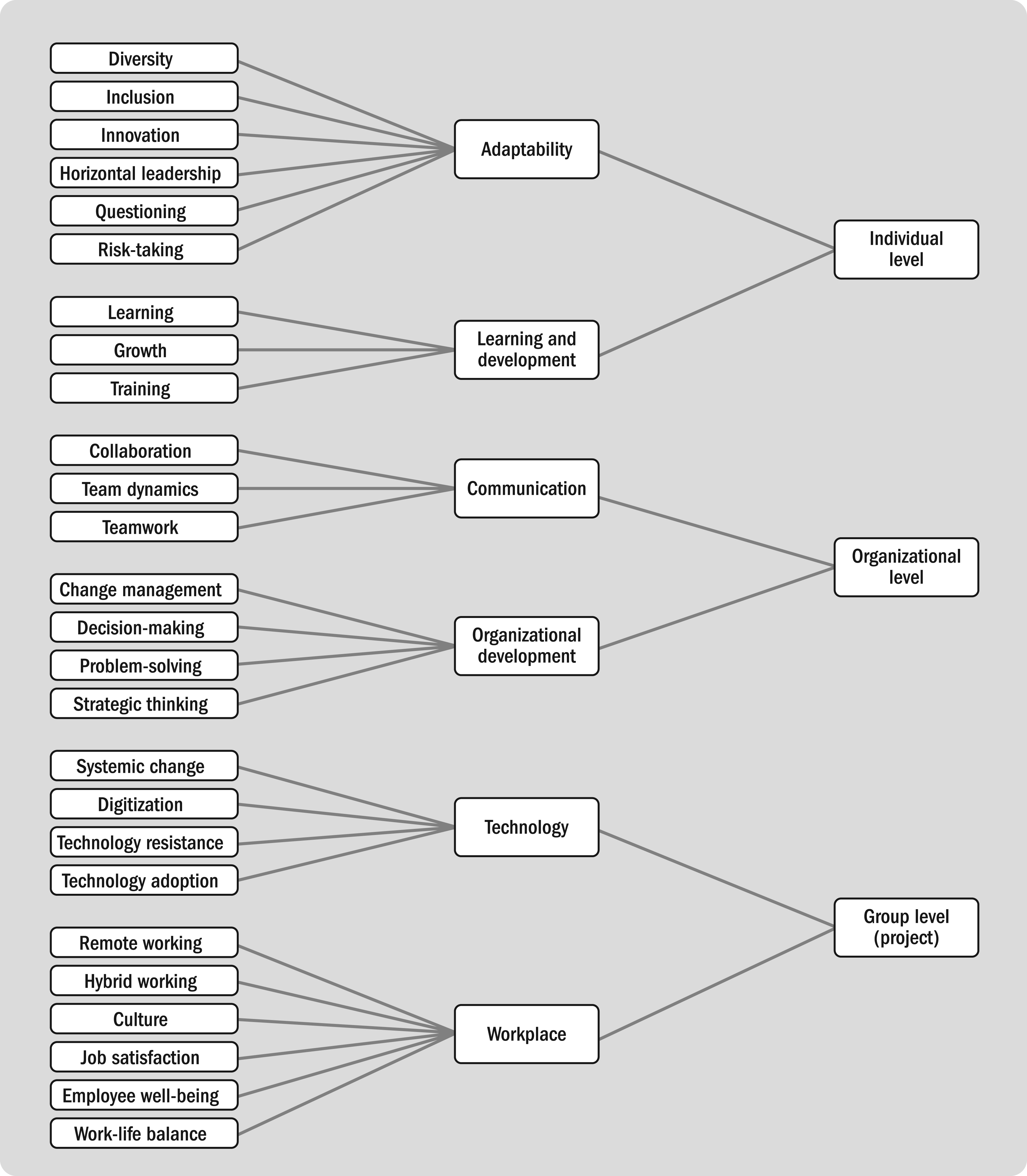
First and second rounds of coding (from left to right) and clusters (right column).
Psychological Safety in Digitally Enabled Project Teams
Individual Characteristics
The three main overarching clusters of the coding indicate the three levels of psychological safety: (1) individual behavior, (2) organizational level, and (3) group level following Edmondson and Lei (2014), adjusted here to the project level. On the individual level, psychological safety was supported by individual features of adaptability and learning. Adaptability related to inclusive and proactive approaches to change, such as innovative thinking and questioning, according to which people were keen to explore new technologies and opportunities as Interviewee 8 explained: I think architects are maybe quite open or, at least in my experience, to new things, you know; as an industry we’re always doing research and exploring new options and precedents and materialities. So, I think this applies well to, kind of, exploring new technologies as well if that’s your particular area of interest.
Aligning with psychological safety theories, Interviewee 4 highlighted that risk-taking was an important condition for ensuring psychological safety: You can’t have such…It’s changing so much, technology, that you can’t sit there and wait around for the perfect solution. We would constantly just end up so far behind with everything. We’ve just got to try these things out a little bit and have that culture.
Individual and proactive leadership characteristics beyond hierarchical organization were conducive to psychological safety: “I think with some things, it just takes generations to work through. As with technology, I think culture change can be a generational thing.” (Interviewee 12). Individual adaptability to change is part of the broader horizontal transformation of the role of leadership. As Interviewee 12 stated: There's been a […] very strong tone from the top around psychological safety and leaders wanting to hear what’s going on. And I really think it's making a difference. […] I've seen people withholding information from leaders in the past because they were afraid of how the leader would react.
Another individual feature of psychological safety is learning and development. Interviewee 12 stressed that: It's certainly quite revealing about whether people have growth mindsets or not in terms of the extent to which they're prepared to adopt new technology. And the worry is that if leaders don't engage enough, then they lose the sense of the art of the possible.
Interviewee 3 explained that: There are quite a lot of tools, so I guess it’s always learning—learning about these new tools, how to use them. That is very important because it makes your response a little bit better—How you respond to any issues that come up or queries, or how you collaborate with other people.
Equally, Interviewee 11 explained the role of individual leadership characteristics and intrinsic motivation in developing this growth mindset: The idea is if everyone is being allowed to blossom and get on with their job, and it’s not a toxic environment in that we’re open to suggestions and change… That’s part of us as a leader: not to be wary or scared of change. It’s almost like a gardener—your team is the garden and the flowers. What you’re doing is you’re pruning them and developing and encouraging your team. Out of that will come change, whether it’s innovation… What you’re doing is you’re creating that environment to support change.
Organizational Leadership
At a collective level, communication was an emerging overarching code related to how leadership at organizations was conducive to psychological safety. Increased communication had cascading effects on collaboration and effective teamwork across different hierarchical levels, supporting psychological safety: Because then that’s one person fighting this sea of 50,000 people, all of them with a better idea. So, we’ve tried to make that, and are making that, progressively—it’s not immediate—the challenge of everybody. That creates safety for the team, because they’ve got friends, and their friends are in high places. It’s not on them to try and fight these unwinnable wars. (Interviewee 5).
Within teams, interactions between leaders and team members were needed to be more transformational rather than transactional to codevelop positive team dynamics: The idea is we’re not a monopoly, in the sense of the leader or the team leader is the all-knowing expert. Quite often, the leader is there like the chair of a meeting to ensure that there are certain line management functions that are fulfilled as part of your HR requirements. Then the team needs to be dynamic, so it’s all about having the right skills and the right people to really create that environment where they are happy, they are efficient, and they can be developed and fulfilled. (Interviewee 11).
Change management was found to be a key factor in establishing psychological safety in teams undergoing digital transformation. Interviewee 11 stated: I think change management is a weak part of, not just our digital transformation but in all aspects. I think that’s coming out from the infrastructure client group evidence where we’re clearly saying that digital transformation isn’t the technology.
At a strategic level, Interviewee 8 explained that organizational-wide activities and nurturing strategic thinkers supported change around digitalization: Yes, we’re seeing the emergence of new roles at that senior leadership level with a focus on digitalization or digital transformation. That’s great to have somebody with a strategic, kind of, advantage point and maybe insight into conversations at the senior level.”
As Interviewee 11 stated: “Innovation isn’t about the technology, it’s about how technology was used. Then how do you do your knowledge management and training?” Due to the vast amount of data used in Industry 5.0, streamlined organizational processes are needed to support decision-making and foster psychological safety by limiting noise and increasing trust: I think sometimes it's overwhelming. I think people… There's a lot of noise, so they don't quite know what's the relevant data, what has been verified, what's current. (…) Is it still current? Has it been reviewed and verified? And how do you then use it to make decisions? (Interviewee14).
Project Leadership
An important aspect of project leadership was the implementation of technological options, such as AI, that guide project delivery. Nevertheless, the importance of human factors was acknowledged as central in implementing AI across the sector: So, getting that idea right, and not thinking that AI is the solution to everything. Because there’s some things where human analytics will be just as good as AI. So, I think the first thing when we do this in the sector is to really think about human error and human potential. Because we need to balance those out and get that balance right. I think the second area thematically that I would look at is the loss of skill. (Interviewee 13). And often I think that's why public sector entities are coming to us because we're a bit more tech-savvy. But that also causes problems because sometimes that means the client can't actually engage with us on the technology we are using. […] But even so, I think there's probably a common issue, a common generational issue about adopting and adapting, so when technology changes everyone adopts it because whatever the old system is obsolete, but they don't necessarily adapt the way they work. (Interviewee 11)
Another crucial area of how project leadership could support psychological safety in digitally enabled teams was in the workplace. First, the cultures of different teams that come together in an interorganizational project was important and when they clashed, psychological safety was impacted negatively. Interviewee 5 shared that: My experience with this other practice that we worked closely with for—I don’t know, five years until the completion of the project—was very different. I could see that their office culture was completely different, how they were greeting each other. They had quite a large team, as well. I think there were seven or eight of them on the team. How they were behaving within the team was very different from what I had experienced in my practice. I could say there was quite a lot more reluctance to come forward, say, if something wasn’t right or if they had made a mistake. I mean, that may not be the same case today because connectivity is different, but at the time, it very much felt like people were being asked to go and do design on-site, because the client or the client's agent wanted to be able to stand over them. I very quickly became aware that with a lot of my staff, when put under that kind of pressure, the error rate started going up, and they started making more mistakes. Sickness could be affected as well. People's general well-being and job satisfaction were impacted.
Remote work can allow flexibility and diverse people from different locations working together in a safer environment: I guess with all these additional technologies that are available, it’s made it easier for people to work from different locations geographically. So, for example, the project I’ve just finished, the team (especially from the engineering side), they were in many different locations. Some of them were in Cardiff, Bristol, and Manchester. They were able to keep up to date with the project even though we were not always sitting in the same location. So, that’s a bit easier. (Interviewee 5).
Hybrid working patterns leverage opportunities that digital technologies provide. Greater flexibility in how the team comes together and functions. As Interviewee 6 shared: If you take my smaller team now and how I'm leading the team—I'll talk as a leader—so, my team is completely remote. We only get together when we choose to meet clients together, because we're just too geographically spread out, but I use technology to really reinforce the sense of team.
However, hybrid working also has the challenges of evading psychological safety and postponing confrontation. As Interviewee 11 explained: It’s just that some people also use technology as a way of hiding. […] Actually, if that’s the case and they need to be engaging, maybe what should be happening is that they do more in-office time, you know.
These various working patterns enabled by technology can eventually support better work-life balance and higher job satisfaction through psychological safety. As Interviewee 5 shared: “This idea of creating psychologically safe teams, it’s very important, isn’t it? […] That seems to be quite an important factor in creating teams that are a bit more happy.”
Soft Systems of Psychological Safety in Digitally Enabled Teams
SSM involves seven steps to understand and improve a soft human factor–related problem situation role through systems thinking and participatory research. Through iterative and flexible stages, researchers and practitioners revisit and refine earlier stages as new insights emerge. The seven SSM steps in Figure 1 are tabulated (Table 2) to explain how they were followed, clarifying the research type per step (third column from the right), data collection, and analysis methods (second and first columns from the right, respectively). Since interviews were the basis for SSM steps 1 and 2, this section focuses on explaining SSM steps 3 and 4 and the next subsection focuses on SSM steps 5 through 7.
Detailed Steps of How the Soft Systems Methodology (SSM) Was Followed in the Study
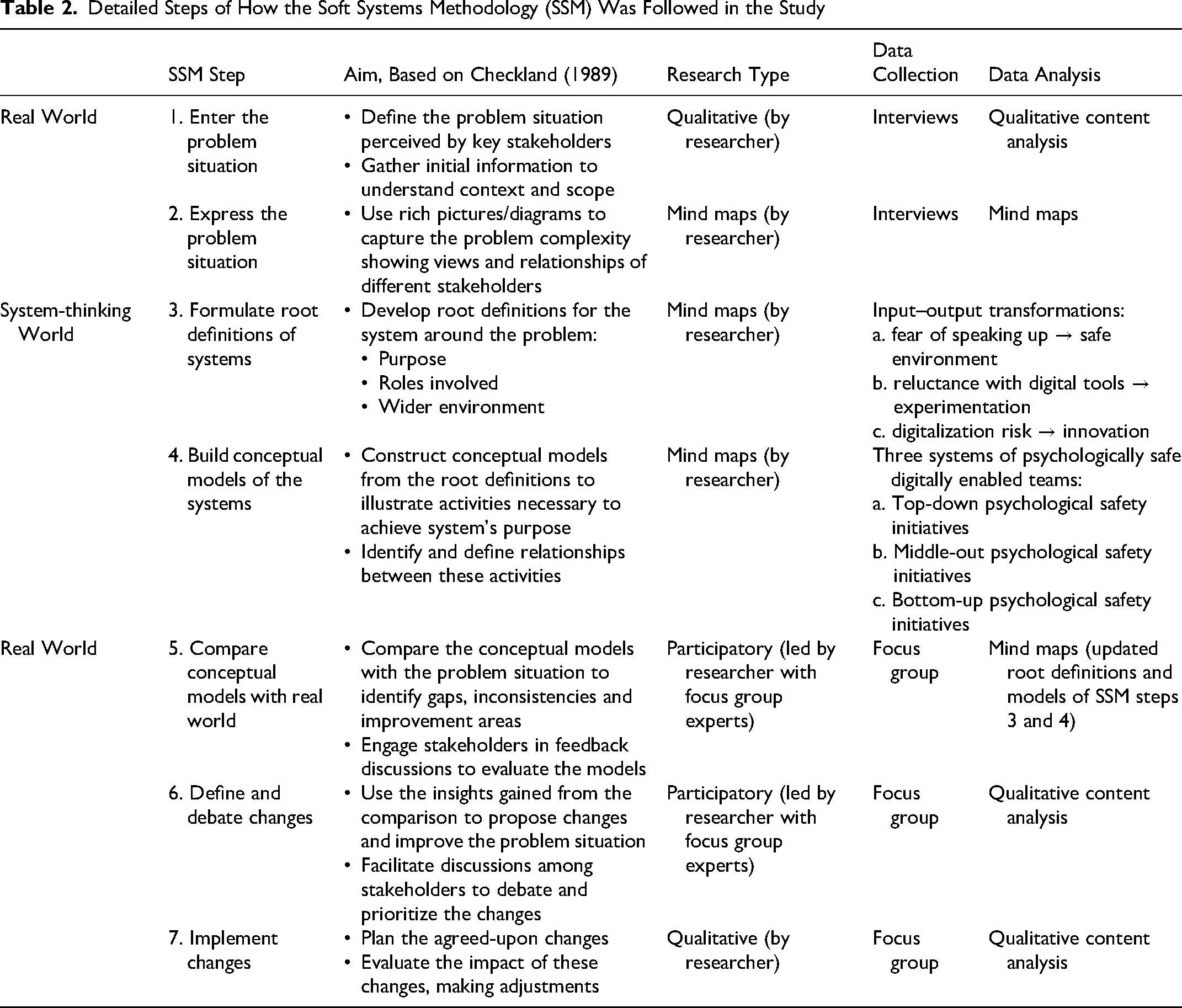
Following the SSM, in step 3, 14 mind maps (one per interviewee’s learning episode shared during the fourth interview question) were developed. For brevity of academic communication and confidentiality, these diagrams are excluded. Each interviewee provided rich descriptions about psychological safety in their organizations. Examples of these situations and representative quotations were:
Transitioning from a culture of fear to safely speaking up: “A lot of the things, we had to learn ourselves through trial and error, rather than formal training courses. Of course, everybody learns at a different speed. […]. Sometimes, people were not willing to come forward to say that they didn’t know how to do something or needed additional training.” (Interviewee 5) Managing tensions of resistance with using digital tools versus experimentation: “The people came back and said: ‘Oh, well, actually, I didn't realize… because I didn't know the system.’’ I think that's just a good example of how having a psychologically safe culture can help people adapt to technology. You can have those conversations.” (Interviewee 12) Overcoming digitalization risks to innovate: “What we see is happening when we implement something new, (is) there are bound to be knock-on consequences that we don’t understand. I don’t want that to be destabilising to a team. I don’t want people to be disheartened.” (Interviewee 1).
In step 4, conceptual models of psychologically safe situations were developed based on repeated patterns identified across the 14 mind maps described above. The SSM discovered three systems of digitally enabled psychologically safe teams as follows: (a) top-down, (b) middle-out, and (c) bottom-up psychological safety initiatives, as shown in Figure 3. In the top-down approach, there was a strong push from corporate strategy to increase awareness of psychological safety through various initiatives and workgroups, such as the Diversity & Inclusion (D&I) or Well-Being groups. Often, however, these strategies clashed with other strategic priorities and workgroups. On Figure 3 top/(a), an example is shown where a new digital platform was introduced in the firm that created tensions with D&I policies and advice. The internal team emerged stronger after resolving this conflict, enabling use of this platform with their collaborators. As Interviewee 8 shared: “There were a few people within the company who expressed concern about this, that this could feel excluding […]. This was something we took back to our partner organization.” In the middle-out strategy, both the team leader and the internal team were psychologically safe enough to voice their disagreements and be bold enough to coordinate activities with their project partners. As Interviewee 2 explained: “…to ask people chair a meeting, is not just one person chairing, but it becomes a team activity. And then the outcome, was to feel that we are a team” (see Figure 3 middle/[b]). In the bottom-up approach, intraorganizational teams were a safe milieu of experimentation, and useful crossovers with project teams were generated where psychological safety initiatives converged. Interviewee 5 explained that in some projects it was due to their intraorganizational safety awareness that they could resolve external conflicts in projects where “there was always that tension between us and them, trying to understand how they work and what happened and trying to resolve that in the best way” (see Figure 3 bottom/[c]).
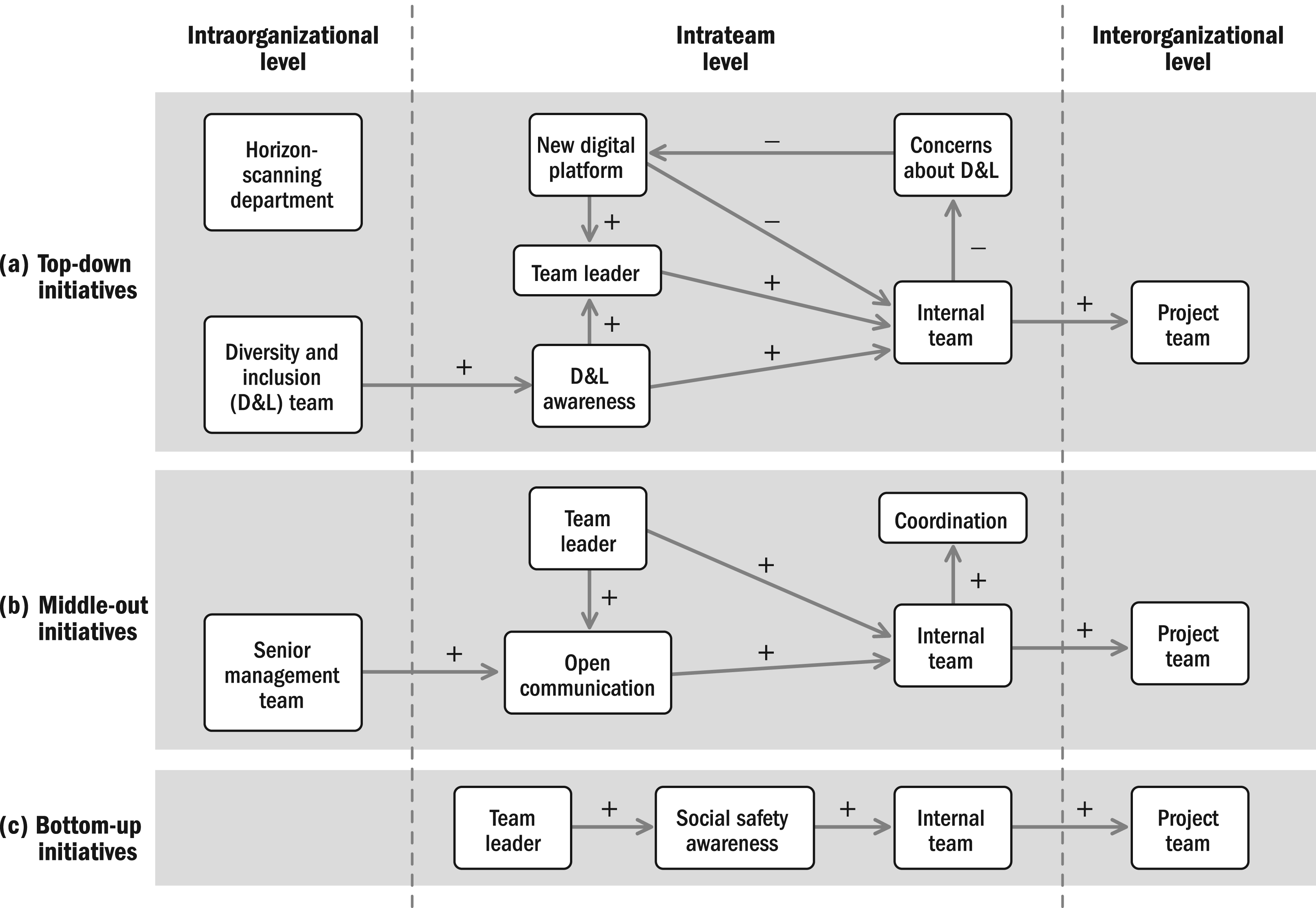
Mind maps summarizing the three patterns of psychological safety initiatives: (a) top-down, (b) middle-out, and (c) bottom-up, using Causal Loop Diagram (CLD) notation—the arrows with ‘+'indicate reinforcing/positive action and the arrows with ‘-’ show balancing/negative actions.
Reflection and Validation From the Focus Group
The focus group addressed SSM steps 5 through 7. In step 5, the mind maps were explained and enriched with insights from participants and afterward steps 6 and 7 focused on discussing them and reflecting on how to improve psychological safety across the three identified patterns. Regarding the top-down initiatives, the participants acknowledged that for these initiatives because “a lot of compliance is needed” (Interviewee 2), they are hard to roll out. Also, it emerged that senior leaders have a central role to play in these as they need to be authentic in how they communicate strategies for psychological safety, “so that people feel part of the conversation” (Interviewee 2). They also emphasized: “If it does not work one time, then try to reintroduce the initiative later and give it time for people, even if you don’t see results” (Interviewee 5).
Concerning the middle-out initiatives, once again, the focus group participants recognized the pattern and additionally reflected that in the real world “balance of the messaging of where to get to and how to do this is needed. The message does not always come effectively to the team, due to different expectations of the team” such as digital divide (Interviewee 1). Here, the role of senior leaders is more of enabling rather than doing. The focus group participants agreed that at this level the role of the individual becomes more central: “People must feel safe to say when they do not feel safe. People should be able to judge for themselves and have accountability and feel ready to share” (Interviewee 2). In essence, this requires colleagues to work closely together, collaborate, and be one another’s sounding board, before sharing big ideas with the team. This is also where project work becomes central in mobilizing individuals outside their comfort zone.
In the bottom-up initiatives, the participants shared a wealth of examples on how teams self-organize, for example, through chats, games, and online collaborative spaces, which senior leaders did not plan and/or anticipate. The need for standardization or curation of such approaches emerged too. Here, the participants emphasized that although individual actors are central in these psychological safety initiatives, the role of senior leaders becomes important in providing top management support: “If there is no support from the top, it will be difficult to support the initiative” (Interviewee 5). This area of bottom-up initiatives for psychological safety was prominently discussed with the focus group, highlighting its novelty and original positioning.
Discussion
Findings
This study explored how leaders can establish psychological safety in digitally enabled project teams. The study revealed different patterns of how teams and team members were affected. First, different enabling factors at the individual, organizational, and group/project levels (Edmondson & Lei, 2014) were identified (see Figure 2). At an individual level, these were related to adaptability through questioning, innovative mindset, risk-taking behaviors, and learning through a growth mindset. In teams with members keen to experiment with digital tools, the teams were not significantly affected psychologically by digital change. Adaptability is a key individual factor of psychological safety in fostering cross-cultural adaptation and team effectiveness in rapidly changing work environments (Wang & Ning, 2024).
At an organizational level, likewise, environments fostering psychological safety encourage adaptability, continuous learning, and effective communication, all of which are vital for organizational development (Wang & Ning, 2024). The roles of strategy and senior leaders were formative in supporting change management and increasing collaboration in digitally enabled work. This insight resonates with Jin and Peng (2024) who examined how psychological safety influences innovative performance in the high-tech sector through increased and open communication as a significant mediator that enhances innovation. Open communication has been previously identified as a factor for developing a stronger team climate for psychological safety, which leads to team creativity and innovation (Sacramento et al., 2024). This in turn outlines an important role for leaders in developing teams that are open to experimentation (Sacramento et al., 2024). Additionally, the roles of horizontal leadership and humility in enhancing team dynamics and collective intelligence are important in fostering psychological safety (Mrayyan & Al-Rjoub, 2024; Shankar & Tewari, 2023).
At a project level, although the interview questions did not cover the COVID-19 pandemic, the factors of online/remote and hybrid working emerged strongly in the data. Several interviewees reflected on it and the rapid change it brought toward digitalization. The disruptive nature of the COVID-19 pandemic served as a catalyst for innovation and digital transformation, because many organizations and projects were compelled to change. After worldwide lockdowns, many organizations headed to the new normal, reconfiguring their business processes and practices through digital technologies, communication platforms, and information systems (Kamal, 2020). The rapidly changing environment accelerated by the pandemic revealed a widened digital divide (Zheng & Walsham, 2021). In particular, construction clients and engineers (structural or mechanical) were less technologically ready and struggled the most to manage psychological safety in their teams, followed by contractors. These professions were less exposed to digital transformation and deployed traditional workflows and tools.
Theoretical Contributions
The learning episode analysis through SSM revealed organizational initiatives and interventions, such as frequent meetings, novel tools, and well-being policies, which leaders implemented to support their teams amid digital change. Similarly, by challenging their existing beliefs and actions, the learning episodes analysis showed that the teams moved from single- to double-loop learning and deep reflection (Argyris, 1976; Argyris, 1977) on psychological safety. These organizational interventions were eventually conducive to higher psychological safety in interorganizational project settings too, where teams with different organizational cultures came together to work in remote or hybrid working patterns. Three systems of digitally enabled psychologically safe teams emerged: (1) top-down, (2) middle-out, and (3) bottom-up systems—each with a different approach to dealing with change and leaders of psychological safety initiatives, suggesting a threefold role of leadership. These systems provide new evidence of the evolving theories and role of digital leadership (Morgan & Papadonikolaki, 2021; Papadonikolaki et al., 2020), extending the Society 5.0 concept to including digital leadership too (Breque et al., 2021).
The top-down pattern followed traditional leadership schemes creating paradoxical tensions as different digitalization and well-being/diversity strategies clashed as they were logical on their own but irrational when juxtaposed (Smith & Lewis, 2011). This shows contradictory tensions of digitalization and human well-being and the complex realities of project team management, echoing recent studies on organizational and strategic paradoxes of digitalization (Leonardi & Treem, 2020; Sun & Tell, 2024). Figure 3a shows how a psychologically safe team was able to confidently navigate these tensions. The middle-out strategy resonated with balanced, team-centered, and emergent/distributed leadership (Drouin et al., 2021), where leading was more profound than top-down leadership. The bottom-up initiatives for establishing psychological safety were underpinned by social interactions and observational learning (Bandura, 2001; Vygotsky & Cole, 1978) across intraorganizational and project teams. In projects, due to multiteam membership (Chan et al., 2021), psychological safety was supported through the mediated use of digital technologies as tools and signs that organizations rely on for communication, training, and project delivery.
Theoretically, this study provides new evidence on human-centered organizational change management and psychological safety on how to balance disruption and digital anxiety through leadership action toward psychological safety (Lewin, 1947; Schein, 1999). Leaders’ behavior is crucial in establishing psychological safety in project teams amid the digital transformation brought forward by Industry 5.0. The role of project leaders relates to their capacity for cognitive and emotional complexity (Floris & Cuganesan, 2019). This study resonates with findings about how leadership in project teams, through emotional intelligence and creating a psychologically safe environment in the complex environment of digital transformation, can increase employee well-being and project and team success (Rezvani et al., 2016). By focusing on dynamics at the team level, we revealed new theoretical dimensions and relations and how leaders can support their teams when digitalization affects the nature of their work. The study identified new emerging pathways of the impact of psychological safety on teams, particularly on project teams contributing to understanding the project level as prior work focused on intraorganizational teams.
Methodological Implications and Limitations
Methodologically, this study used more than interviews, which are key in eliciting expert views in organizational settings. SSM has a long tradition of been applied to project studies because many of the concepts are intangible (Neal, 1995). By using SSM, we responded to calls to reunite systems thinking and project studies (Yeo, 1993). Additionally, through SSM, we bridged the soft/hard dichotomization in projects (Gustavsson & Hallin, 2014), as although projects and digitalization are considered hard, they are delivered and used by soft humans who are the core in SSM. SSM has been successfully applied in the project organizing setting to explicate how to deal with change (Sankaran et al., 2009) and manage relationships (Sewchurran & Barron, 2008). In developing our study’s SSM approach, we used rich pictures (Marnewick et al., 2024) in the initial steps and afterward notation of causal mapping that was also effectively used in a system view to unpack complex problems in project studies (Ackermann & Alexander, 2016; Edkins et al., 2007).
Finally, all studies come with inherent limitations, especially in data collection. First and foremost, the study was based on a UK context, and findings could be extrapolated under certain conditions to other European countries. Because findings were drawn from self-reported experiences, some potential response biases exist. Although robust interviewee selection criteria were applied to reduce impression management or retrospective sensemaking (Eisenhardt & Graebner, 2007), this resulted in a limited sample. Additionally, to reduce social desirability bias from the interviews, we used preemptive measures such as indirect questioning and debriefing (Bergen & Labonté, 2020; Fisher, 1993; Nederhof, 1985). We addressed this limited sample shortcoming with the multimethod approach, including triangulation via focus groups for communicative research validation (Sarantakos, 2005) by involving the experts to check data accuracy and enrich the interpretations. Finally, the SSM method provided a structured approach to engage the experts throughout the study and increase their participation and commitment to high-quality research practices.
Practical Implications
Aside from their theoretical contribution, the findings are also relevant for project managers and project leaders who deal with digital change. Although this study focused on the construction sector, the findings reveal similarities in other sectors with project-based engineering, such as new product development, aerospace, and pharmaceuticals, which have also been previously studied alongside psychological safety (Edmondson & Lei, 2014). In such settings, the intense project-based nature of work can form sparks of innovation growth when there is psychological safety. After all, digitalization intermediates people’s cognition and is positively associated with increasing trust and open communication (McAllister, 1995). Our interview sample consisted of mid- to senior-level career experts who were leading teams. The length of employment in their organization was also a factor for shaping relevant diversity and psychological safety initiatives at a broader scale and ensuring top management support.
As digitalization necessitates a change management approach, the psychological safety of individuals and teams undergoing the change is key for transitioning from Industry 5.0 to Society 5.0. Although there is a proliferation of studies on Industry 5.0 across sectors, the implications for Society 5.0 are less discernible. Most studies focus on technological factors and less on human and social capital, for example, the manufacturing Industry 5.0 (Latino, 2025). In automotive and healthcare Industry 5.0 studies—due to their focus on users such as senior citizens or patients—the emphasis on Society 5.0 is attenuated (Murugan et al., 2024; Stanojčić et al., 2022). Thus, this study offers valuable directions for leaders fostering the move from Industry 5.0 to Society 5.0 focusing on worker well-being.
The managerial recommendations follow the triple-level view of psychological safety:
First, at the individual level, the role of leaders is in attracting, developing, and retaining digital talent (Lewis & Heckman, 2006; Papadonikolaki et al., 2025) by ensuring they create not only stimulating but also safe environments. Talent management becomes strategic in the digitalization of projects (Liu et al., 2024; Papadonikolaki et al., 2025). There, strategic alignment of digitalization visions with well-being and inclusion initiatives is crucially important for avoiding tensions among strategic priorities. Second, leaders need to become acutely aware of how leadership evolves too, and how novel leaders emerge from within teams and shape practices and projects through empowerment (Drouin et al., 2021). Leadership is becoming an outcome of collective genius (Hill et al., 2014) and creating a psychologically safe environment becomes a collective responsibility. Finally, the study showed the intricate relations and dynamics between intraorganizational and project teams and how managers and leaders need to be highly equipped to navigate the conflicts of organizational cultures while undergoing digital change and committed to delivering successful projects. These complex situations necessitate awareness and commitment to psychological safety from all.
Awareness and commitment can prepare digitally enabled projects for Society 5.0, because recognizing the role of leadership in psychological safety can increase human well-being and directly support human and social capital.
Conclusion
Through a human-centered approach, this study explored how psychological safety within digitally enabled project teams can be enhanced during the shift toward Industry 5.0, with a particular focus on leadership dynamics and learning episodes within teams. Through a qualitative approach, including semistructured interviews with 14 industry experts and a subsequent focus group for validation following Soft Systems Methodology (SSM), we structured our research on understanding the complex relationships among leaders, teams, and digitalization. Through SSM, we captured rich qualitative data that highlighted both individual-level adaptability and team-level dynamics that foster psychological safety. Key findings emphasized that project leaders play a crucial role in establishing psychologically safe environments, especially as they navigate the increasing use of digital tools. Leadership in this context is increasingly distributed and emergent, involving not only traditional leaders but also team members who share knowledge and support one another. The interaction among individual behaviors, organizational cultures, and project-specific dynamics underscores the importance of balanced leadership approaches. This work contributes to the ongoing discourse on Industry 5.0 by integrating psychological safety as a vital component of human-centric digital transformation. It also points toward the need for ongoing learning, adaptability, and the use of sociocognitive and sociocultural frameworks, such as those of Bandura and Vygotsky, to better understand how teams operate and thrive in a digitalized world.
