




Abstract
Objective:
A reproduction management strategy is an essential component of any cattle production operation. Options include palpation per rectum, transrectal sonography, or biochemical blood tests. To determine the best method, veterinary costs must be weighed against operational costs of maintaining open cattle.
Materials and Methods:
An online literature search using PubMed, Medline, CINAHL, EBSCO, and Google Scholar was completed to find relevant articles regarding pregnancy detection in cattle, costs of reproductive management in cattle, and pregnancy loss in cattle. Priority was given to original research articles pertaining to palpation per rectum, transrectal ultrasound, fetal gender, and pregnancy loss.
Results:
Transrectal sonography can detect a pregnancy up to 15 days earlier than palpation per rectum and has sensitivities and specificities as high as 97% when performed between days 21 and 35 post artificial insemination.
Conclusion:
Cattle producers can be confident that transrectal sonography is a useful tool in the beef and dairy cattle industry. Its use facilitates reproductive management decisions, such as re-breeding or culling, thus reducing expenses, and increasing profitability.
Keywords
The beef cattle industry has 3 categories or phases of development: cow-calf producers, stockers, and feedlot/finishing. Commercial beef cow-calf producers focus on producing a calf to sell and retaining a small percentage of the calves to replace older cows. In the beef industry, producers sell calves to backgrounding or stocker operations between 7 and 12 months of age. The expectation is for a cow to produce a calf for sale once every 12 months, and to produce 5 to 6 calves over the time of ownership.1,2 In the dairy industry, the focus is to add more cows to the heard to increase milk production, or to sell a bull calf, or low producing cow at market for beef. In both cattle industries, accurate pregnancy diagnosis is crucial to create income and a consumer product for market.
Cattle industry profits depend on the selling prices at the time the cattle are sent to market. Beef and dairy cattle producers do not control market prices. Timing to market can impact profit; dairy cattle prices are highest between March and May while beef cattle tend to sell at higher prices in the fall. 3 Managing the breeding cycle to optimize the timing to sell at market is an essential component of cattle production. 3 In addition to market prices, producers consider operational costs and efficiency to maximize profits. Advancing technology may help improve profitability, and more producers are looking to sonography as a technology tool to improve their reproductive management operations. Sonographic technology may help the producer manage pregnancy diagnosis that aids in better, more cost-effective management decisions. This literature review compares transrectal sonography to palpation per rectum to determine which technique best predicts pregnancy in cattle.
Materials and Methods
An online literature search using PubMed, Medline, CINAHL, EBSCO, and Google Scholar to find relevant articles regarding pregnancy detection in cattle, costs of reproductive management in cattle, and pregnancy loss in cattle. Priority was given to original research articles pertaining to palpation per rectum, transrectal sonography, fetal gender identification, and pregnancy loss. Sixteen research studies that included the accuracy or safety of transrectal palpation, chemical assay, or transrectal sonography were analyzed. An additional 22 research or review articles were included for their relevance to the background on the cattle industry and reproduction management.
Bovine Reproductive Cycle
An understanding of the bovine reproduction cycle allows producers to manage their herds. Heifers are female cattle that have not produced a calf while a cow has produced at least one calf. The reproductive anatomy includes vagina, cervix, uterus, uterine horns, oviducts (fallopian tubes) and ovaries. At 9 to 15 months, a heifer should enter her first heat, also known as estrus. 4 Dairy cattle tend to enter estrus earlier than beef cattle. 4 At this time, the heifer should then enter estrus about every 21 to 28 days, and like humans, this cycle is regulated hormonally.
A bovine gestation period is approximately 283 days. 4 At day 0, ovulation occurs, and the dominant follicle is present. 5 The corpus luteum develops at days 1 to 2 and enlarges through days 15 to 16 and produces progesterone. 5 At this time, 5 if there is not a pregnancy, progesterone production decreases, and the corpus luteum dissolves by day 18. Once fertilization occurs, the corpus luteum continues to produce progesterone.
After fertilization, embryogenesis6,7 occurs between 24 hours and days 5 to 6. At day 7 of estrus, the embryo implants.6,7 By day 18 to 22, the placenta attaches, and the heartbeat is established around 22 days. 7 At 45 days gestation, the uterine horn is enlarged and prominent. The uterine horn is fluid filled, enlarged, and pulled over the pelvic brim of the cow at 60 days gestation. 1 At 90 days gestation, both uterine horns are swollen and positioned deep into the cow’s body cavity. 1 At 120 days gestation, the uterine characteristics are similar, but the fetus is larger. 1
Need for Reproduction Management Strategy
The reproductive strategy varies for dairy versus beef cattle. The beef cattle production profits are tied to market pricing, and beef cattle producers must strictly manage herd reproduction. 1 Beef cattle producers have the following goals for calving: a calving interval of no more than 12 months, weaning calves at 5 to 9 months, and a planned 90-day (or less) breeding period.2,5,8 The goals are to achieve 100% pregnancy in the herd so that approximately 10% of the cattle will be kept to replace aging and ailing cows, while the remaining 90% will be sold.
Breeding includes planned artificial insemination (AI) as well as putting cows and heifers in the pasture with bulls.2,5,8 There are usually 2 cycles of AI, with exposure to bulls in between. Heifer breeding should begin about 30 days earlier than cows. 9 Additionally, best practices in management include pregnancy verification that occurs at some interval following the second AI and is at least 30 days after the planned breeding cycle concludes.1,9
There are time and labor costs associated with pregnancy testing. Corralling the herd occurs multiple times: once for synchronizing estrus in the herd (insertion of a hormone device), twice for AI, and once for pregnancy checking. The producer confines each cow to a chute, one at a time, for the procedures. Figure 1 provides an example of placing a cow in a chute after the herd has been corralled. Each time corral occurs, the producer incurs costs of time, money, or both.
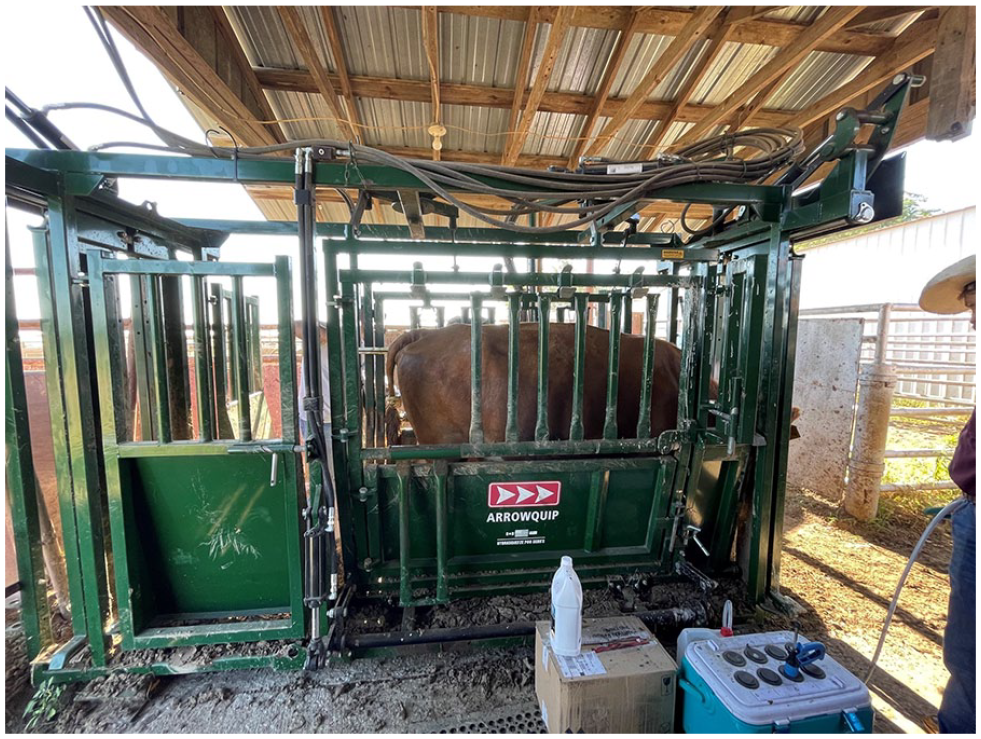
Example of cattle in chute in preparation for either artificial insemination or a sonography exam. In the foreground are equipment and supplies for vaccinations and other testing. Because it is labor intensive and expensive to round up a herd, producers will attempt to do as many tasks as possible with the cattle in the chute.
At the point of pregnancy testing, the producer separates cattle into a pregnant and non-pregnant (aka open). Pregnant cattle are placed on a pregnancy support plan, and the producer’s focus turns to management decisions for the open cattle. Choices for managing this group include re-breeding in the same breeding season, holding for the second breeding season, or culling from the herd, that is, selling for beef. Open heifers pose a risk to the producer, as failure to get pregnant suggests they have low fertility and a low probability of meeting the long-term calving needs. 10 Artificial insemination, pregnancy testing, and other maintenance costs can be up to $900 per year per head.1,9,11,12 Early culling decisions can increase income1,8,13 as much as 20%.
Pregnancy Detection Techniques
There are 3 techniques for pregnancy verification: transrectal ultrasonography (TRUS), palpation per rectum (PPR), or laboratory blood chemistry testing. All techniques incur veterinary, supply, time, and labor costs. The most cost-effective technique often depends on the accuracy of the technique, the size of the operation, whether the producer can perform some of the techniques, and if they can join with other producers to share equipment and veterinary costs. 1 The best technique is the one that optimizes pregnancy detection, can be performed rapidly, incurs minimal expenses, and the decision may be unique to each operation.
The oldest and most widely used technique to verify pregnancy in cattle is the palpation per rectum (PPR) technique.14,15 In Figure 2, there is an example of the PPR technique. At 60 days, PPR is considered accurate.1,9 The technique requires palpation and recognition the following structures: a membrane, the amniotic sac, and the placentomes. 1 A palpator may be able to determine pregnancy by noting the size and location of the uterine horns as well as detecting changes in the uterine tone. 1 Palpation per rectum can provide information regarding pregnancy status, predicted calving dates, and can predict twin pregnancy.16,17 The supplies that are needed include a reproductive sleeve (see Figure 2) that covers the palpator’s arm and a lubricant. There are no other major equipment costs for transrectal palpation, and the success of the technique depends on the skill of the palpator. A veterinarian will charge between 3 and 5 dollars per head plus a visiting fee.1,13,18 The producer can perform this examination which reduces costs.
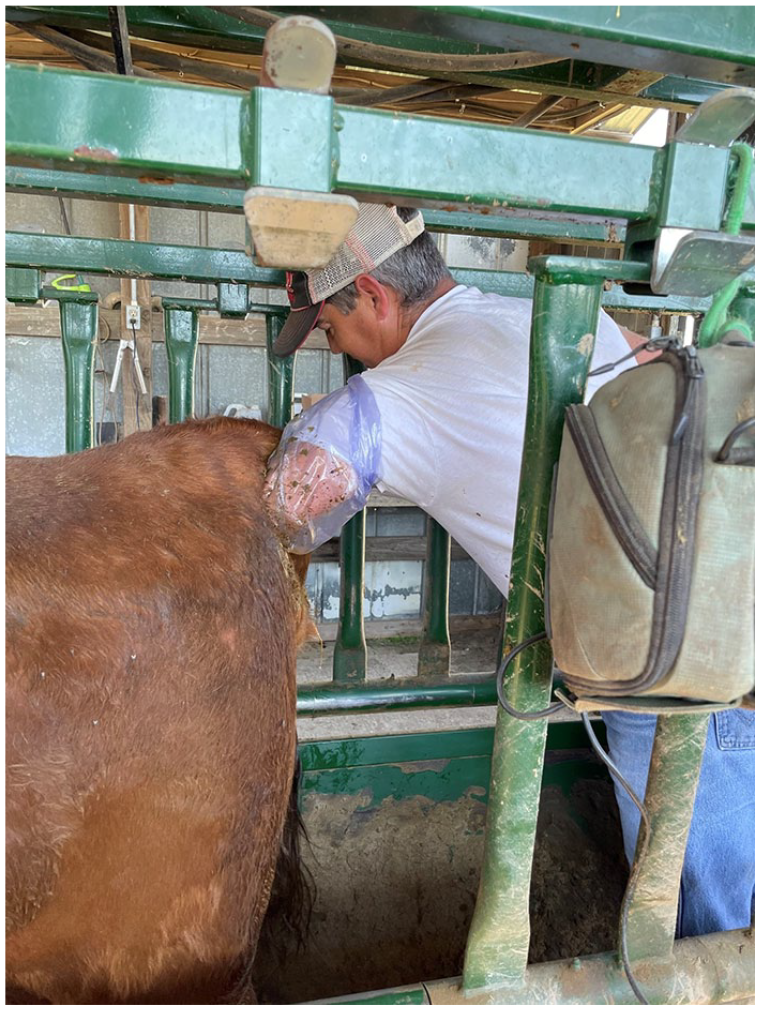
The veterinarian has his arm covered in a reproductive sleeve up to his shoulder. He is inserting his arm, up to his mid-bicep, deep into the rectum. The arm must go into the rectum this deep because the pregnancy is deep in the pelvis. This position poses more risk for musculoskeletal injury due to the awkward position, as well as safety risks if the cow were to move quickly, jerk, or kick during the rectal palpation.
A second reproductive monitoring strategy is biochemical assay testing or milk progesterone sampling.1,9,17 Biochemical tests can yield up to 93% to 99% accuracy, whereas milk progesterone testing is most accurate at predicting non-pregnant status. 1 The costs range from $2.50 to $3.50 per head.1,13 Additional costs may include needles, syringes, and vials. Biochemical testing yields the best results when performed around day 30 post-breeding. 19 False positives may result from either early pregnancy loss, or recent parturition.1,9,19,20 Cross-contamination and delay in receiving results are the primary limitations.1,9 Because of the delay in results, most large-scale producers do not recognize cost-savings with the biochemical or milk progesterone tests. 9
The third, technique to determine pregnancy in cattle is TRUS, which includes a transducer inserted into the rectum.1,8,15,18,19 Either a veterinarian or a trained producer performs the procedure which confirms pregnancy and can estimate gestational age. In some states, veterinarians are the only group of people who can charge for these sonographic services. 18 When properly trained, producers can accurately detect pregnancies with TRUS at 45 days post conception, but experienced veterinarians can accurately detect pregnancy as early as 25 days postconception. 19 The cost1,13of ultrasound equipment systems ranges from $7,000 to $16,000. The cost combined with the knowledge and training needed, is why veterinarians tend to be the primary purchaser.1,13,21 Additional supplies needed to perform TRUS include reproductive sleeve (see Figure 2) and lubricant. For pregnancy status verification, veterinarians charge between $3 and $10 dollars per head plus a visiting fee.13,18 If the producer requests more information, such a fetal age or fetal sex, the fees will increase.13,18
Ultrasonography in the Cattle Industry
There are differences in the systems used in cattle operations compared to that used in human diagnostic sonography. Because the producer will scan multiple cattle in one session, the system must be portable and durable (see Figure 3). Scanning usually occurs outdoors, where access to electrical outlets is not practical as well as no ability to control lighting conditions. These systems need to run on long-life battery power and have quick recharging capabilities. Lastly, because they are used outdoors, they must be sturdy enough to survive extreme weather conditions. 22 There is not usually a hard copy record of the sonogram, and data obtained is more often recorded via the producer’s own record management system, or by marking the cattle pregnant or open and sorting them into those groups at the time of diagnosis. 19 Figure 4 is an example of a portable battery-operated unit mounted on the side of the chute.
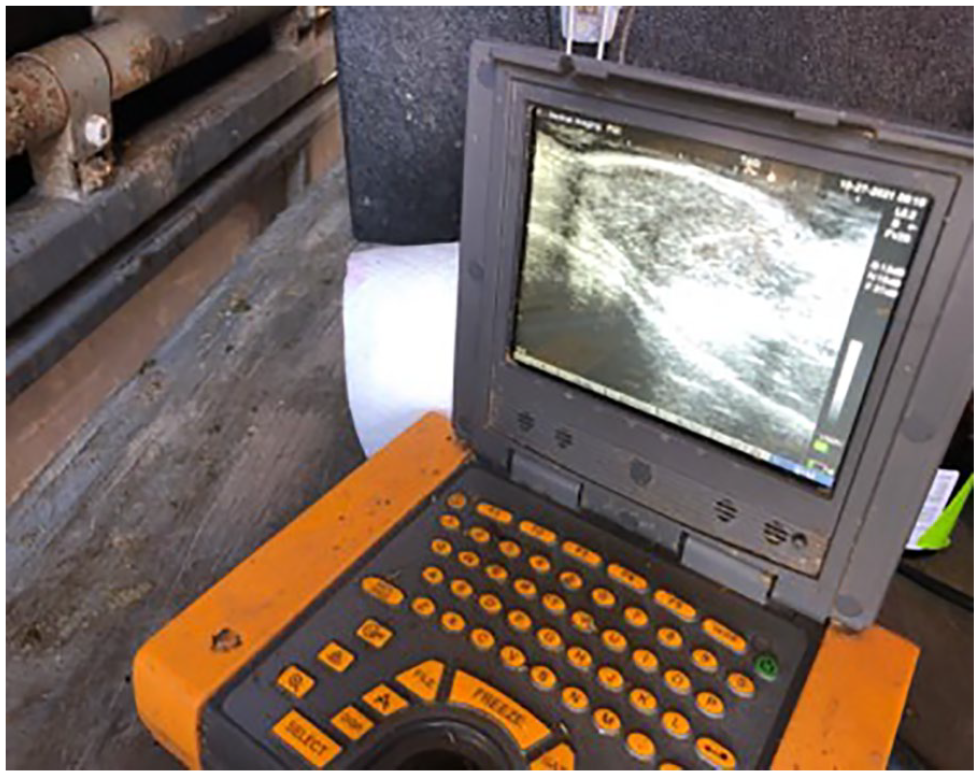
Example of a portable, battery-operated system used in cattle operations.
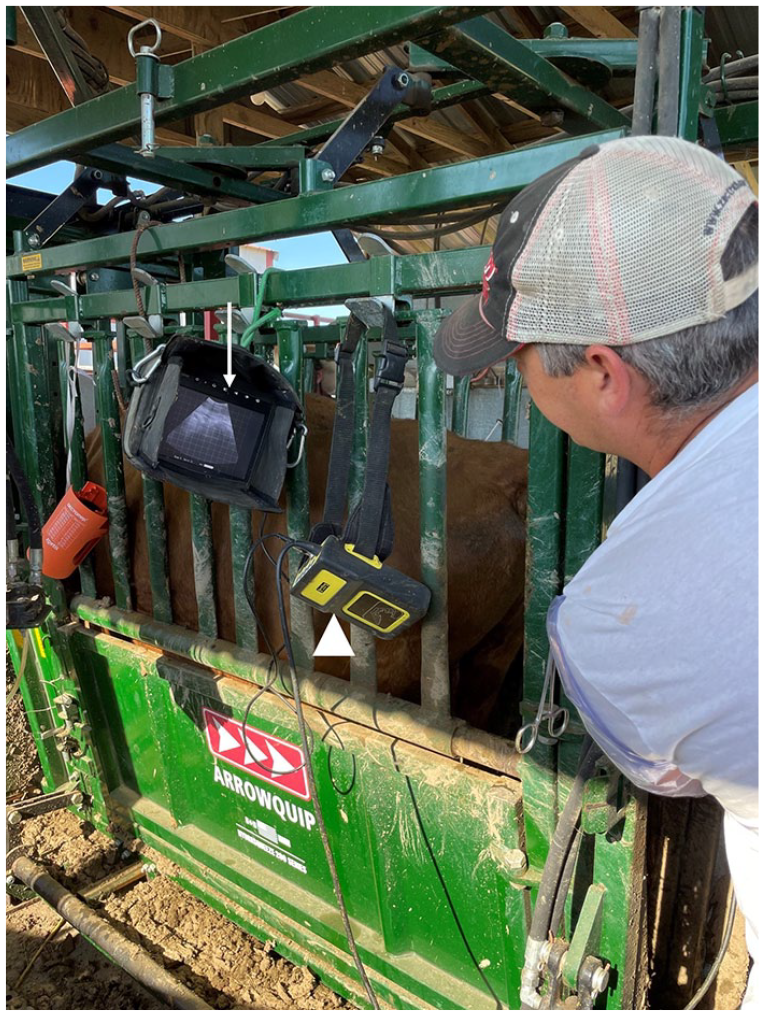
Example of scanning. Note the system is mounted on the side of the chute (straight arrow) using carabiner clips and cords. Note the distance from the cow’s rectum to the ultrasound equipment system. The veterinarian is using a transducer mounted on a repro arm (not shown) to aid in minimizing the reach of his shoulder and arm.
The overall goal for imaging is different from a diagnostic medical exam for a human patient. The primary aim when performing sonography is to have quick identification of pregnant or open cattle and rapid throughput. The producer does not judge the sonographic image for quality, and fetal anomalies are not a concern because the process of AI removes genetic abnormalities from the gene pool. An ultrasound equipment system that is dedicated to cattle operations has limited presets and controls such as depth and brightness (see Figure 5). There are no measuring calipers, instead the image will also include an overlay grid pattern set in centimeter increments which is used to measure size/depth (see Figure 6). Cleanliness is not important, and equipment disinfection typically occurs only when blood is present on the reproductive sleeve. It is common for the systems to be exposed to dirt and bovine body fluids (see Figure 6).
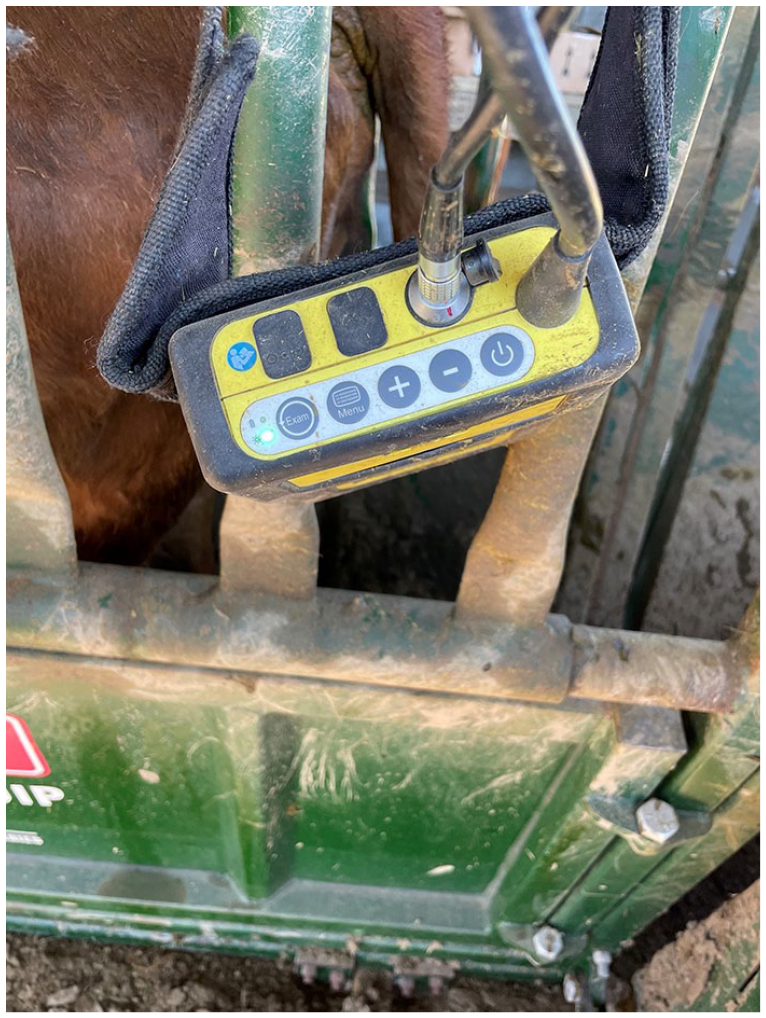
Ultrasound equipment system control panel. This panel includes controls for: depth and brightness. This control panel will also determine the size of the on-screen grid used for measuring.
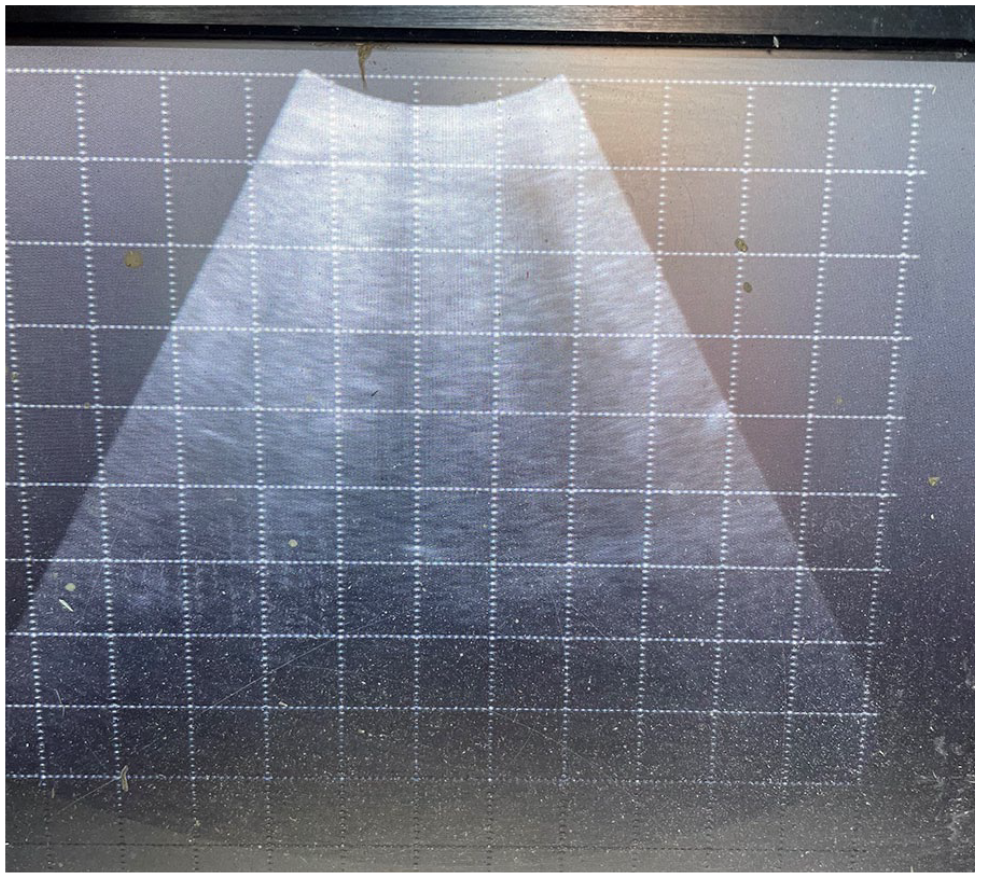
The grid overlay on the screen display. The operator sets this grid in centimeter increments and to determine depth and distance. Distance measurements can be used to determine gestational age if the producer requests it. Age determinations and more complex exams require extra veterinary fees. The dirt and debris seen on the bottom of the screen is common.
The operator will choose between a linear or convex real time B mode ultrasound transducer based on the chosen TRUS method. The linear probe is inserted into the rectum with the scanner’s arm similar to the PPR technique (see Figure 4), whereas convex transducers are used with an extension arm, also called a repro arm (see Figure 7). When using the linear transducer, the operator dons a reproductive sleeve on their arm (see Figure 2), holds the transducer in their hand and applies lube to their hand and transducer. The linear transducer lays face down in the palm of the hand with the leading edge at the tip of the middle finger, pointer, and ring fingers along the side and thumb at the back edge, forming a cone shape to help stabilize the transducer while scanning. The producer pushes their hand gently into the rectum while holding the transducer. The examiner has risks for injury in this procedure due to how far they insert their arm into the rectum to bring a deeply located uterus into the transducer field of view.
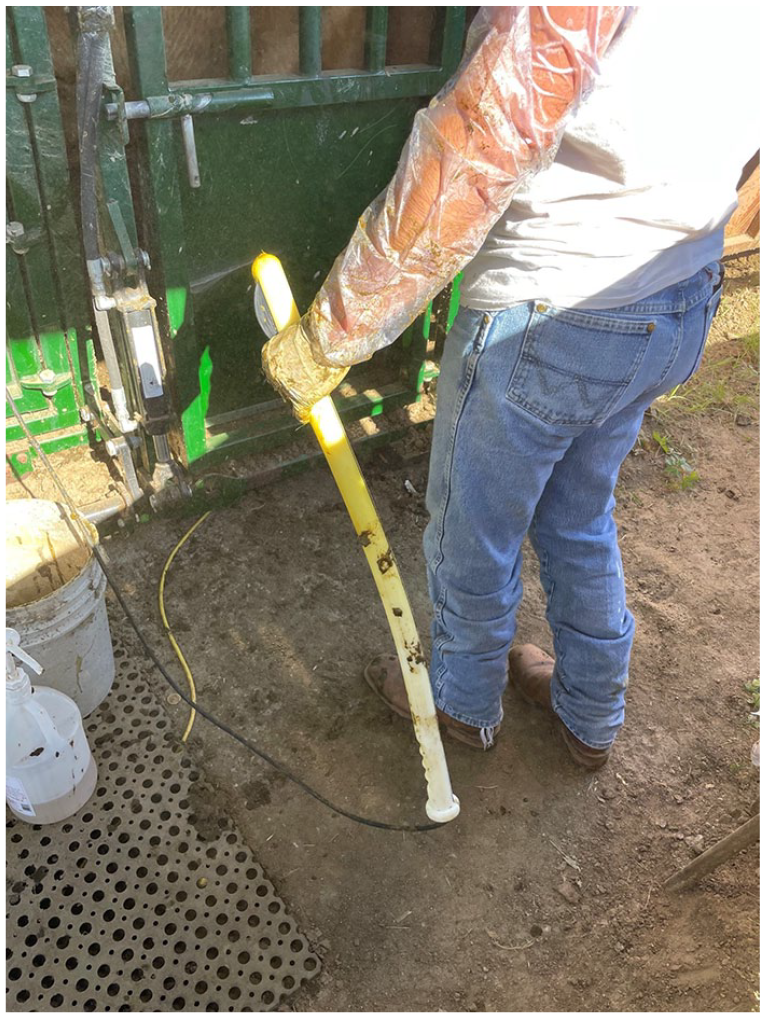
The veterinarian has a repro arm in his left hand. The transducer is mounted on the end of it. The repro arm is inserted into the rectum. The length of the arm allows the scanner to position himself away from the cattle’s hind quarters which prevents him from being kicked. The repro arm is advantageous over rectal palpation because the scanner’s arm is not inserted into the rectum, which protects it from awkward positions if the cow suddenly jerks, kicks, or moves. Note the reproductive sleeve worn on the left arm.
The repro arm is an alternative form of transrectal scanning (see Figure 7). A convex transducer is embedded on the end of repro arm (see Figure 8), and the operator holds the repro arm while inserting it into the rectum. The producer may find this technique more challenging because of his inability to feel and locate the reproductive tract as one would with palpation. Advantages of the technique include less operator strain or injury because their arm is not held in an awkward position for extended time. Additionally, the repro arm technique decreases total exam time and allows for hundreds of cattle to be examined in a day. Figure 9 demonstrates the use of the repro arm while scanning.
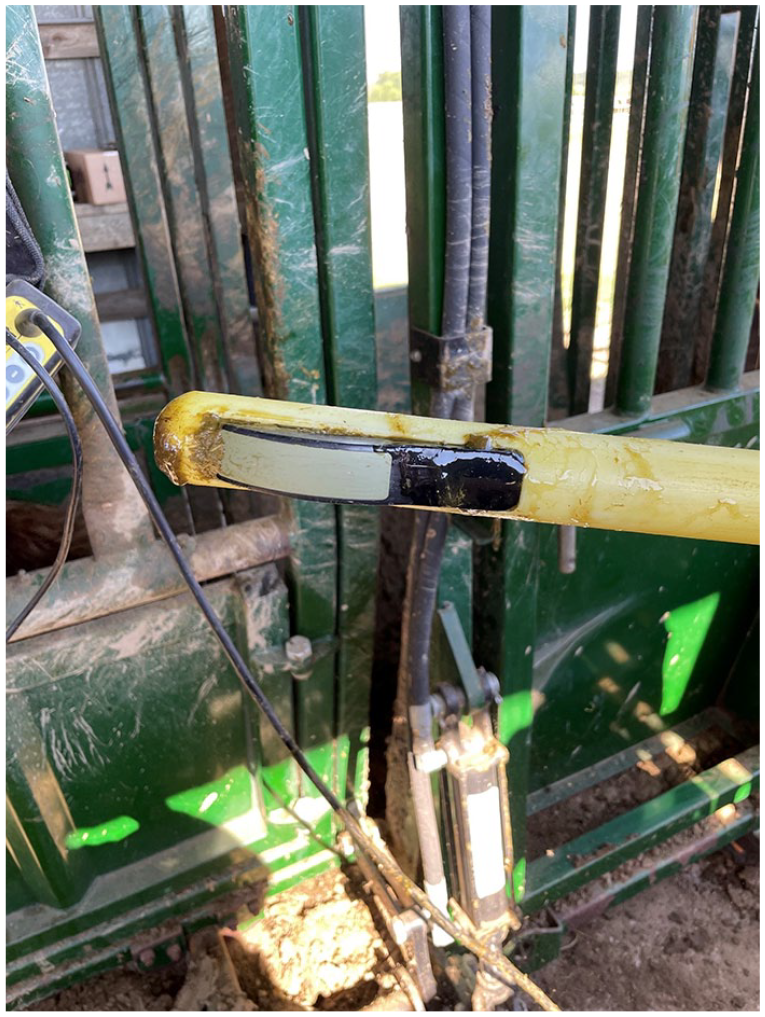
The curvilinear transducer is embedded into the end of the repro arm.
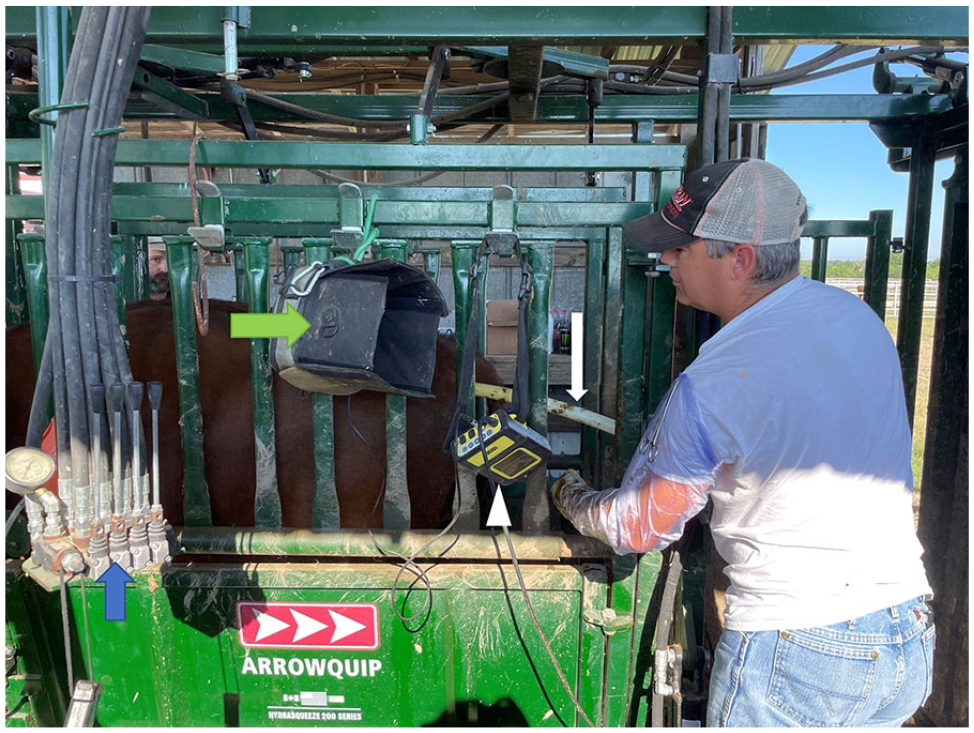
Scanning with repro arm. Note the examiner’s position and distance from the cow’s rectum while scanning with the repro arm (white arrow). The examiner’s scanning arm is more protected with this technique as well as reduced risk of being kicked or having his arm twisted if he were scanning via the arm in the rectum or performing rectal palpation. Note the reproductive sleeve on the left arm goes all the way up to the shoulder. The green arrow is pointing to the ultrasound equipment screen. The white arrowhead indicates the ultrasound equipment system control panel. The blue arrow is pointing to the hydraulics that are used to operate the chute.
The bladder is an anechoic landmark, with the uterus located superiorly. The sonographic appearance of a bovine uterus is an echogenic rosette in transverse plane. Figure 10 is an example of the bladder and the pregnant uterus. The examiner locates the uterus and scans each uterine horn (see Figure 11) and scans laterally out to the ovaries looking for signs of a pregnancy.19,21 The signs of pregnancy include visualization of any of the following: anechoic round area in the uterine horns, fluid in the uterus, cotyledons/placentomes (see Figure 12) and/or an amnion, or the presence of fetus.19,21 Evidence of pregnancy include identification of any fetal parts such as visualization of snout (see Figure 13), skull (see Figure 13), spine (see Figure 14), extremities (see Figure 15), orbits (see Figure 16), abdomen (see Figure 17), thorax (see Figure 17), and so on. An open cow will present with a bladder, and no evidence of pregnancy (see Figure 18). Incorrect pregnancy diagnoses can be due to an accumulation of proestrus or estrus fluid within the uterus, pathological fluid, or embryonic loss. 19 A transrectal sonogram can be done as early as 20 days postbreeding to confirm pregnancy.19,22 Waiting 30 to 45 days after breeding is preferred because it reduces possible damage to the young fetus and is more accurate.1,9,19,22
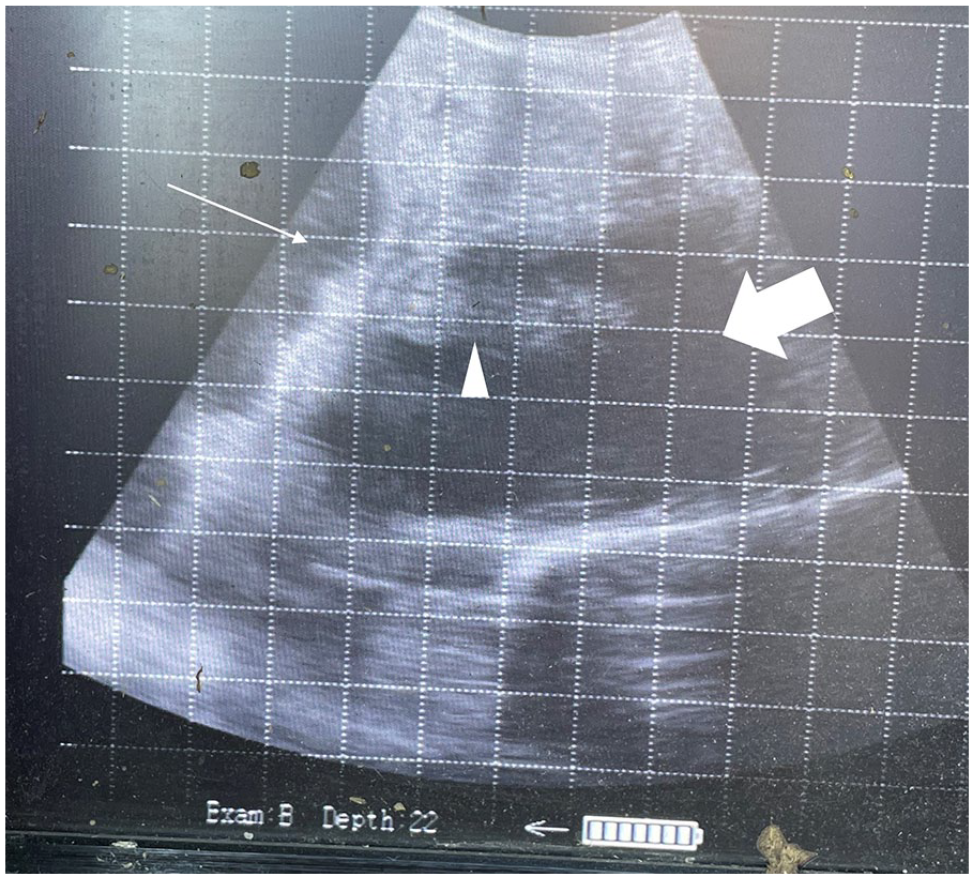
Pregnant uterus (thin white arrow). The thick white arrow is pointing to the bladder, and the arrowhead is pointing to artifact in the bladder.
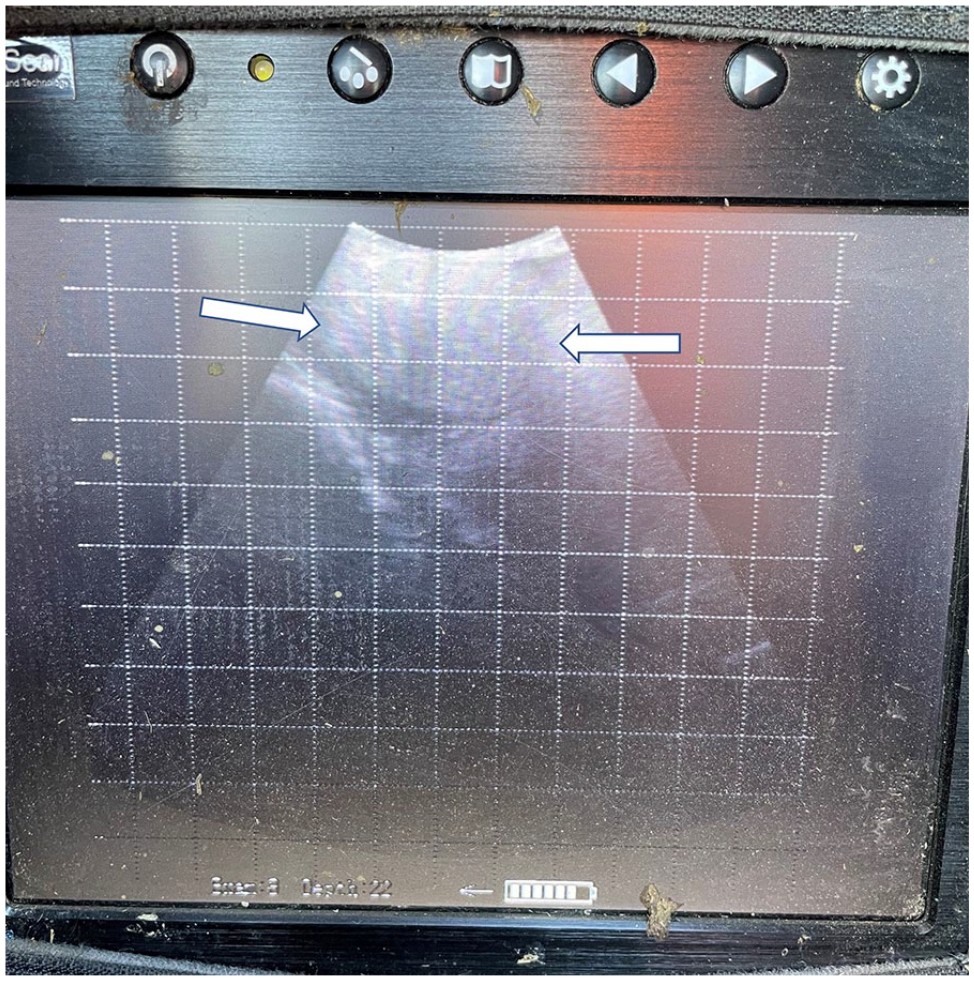
The uterine horn is located between the white arrows.
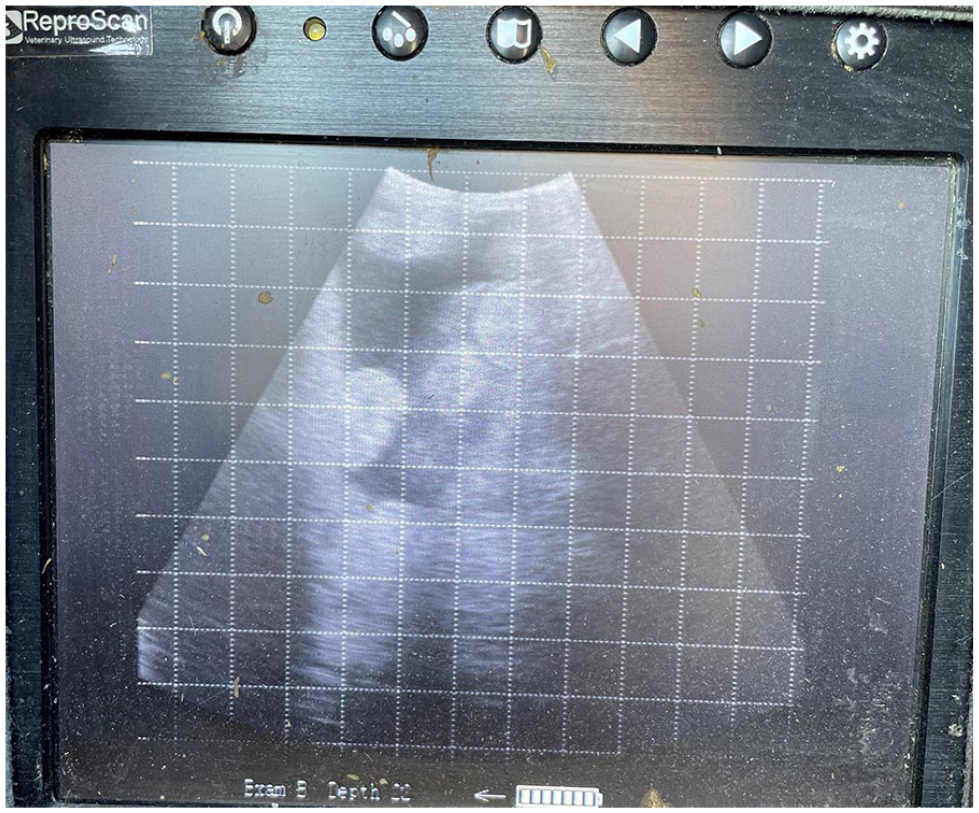
The cotton ball like structures are placenta cotelydons.
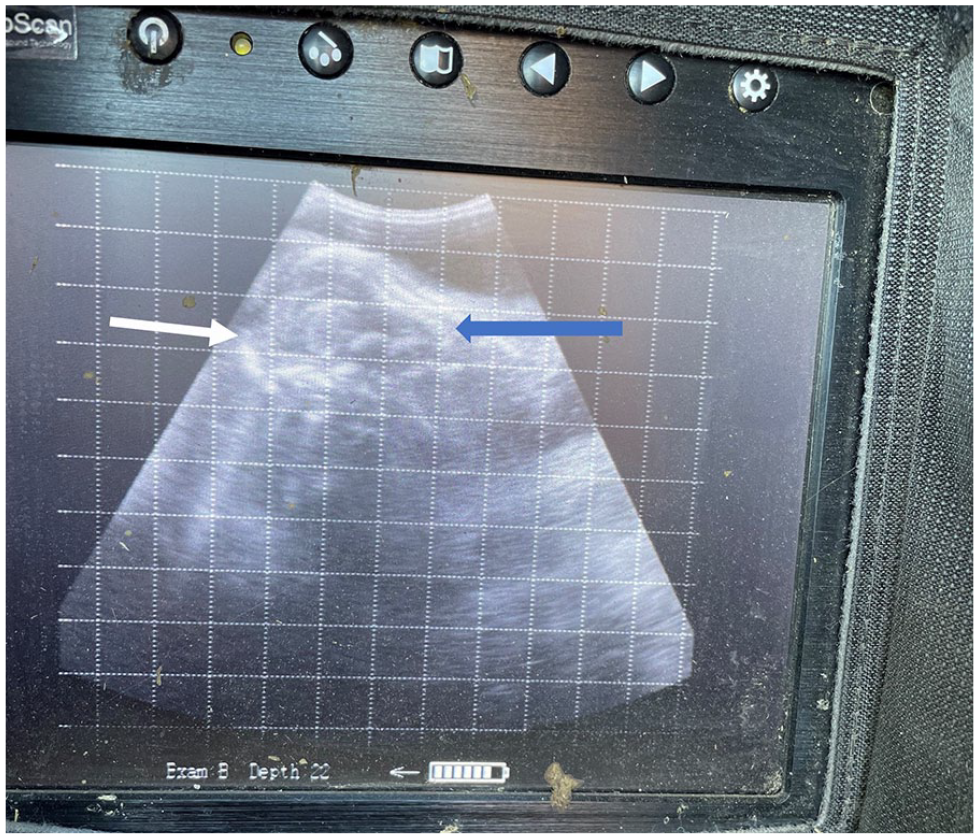
The fetal skull (white arrow) and the fetal snout are shown (blue arrow).
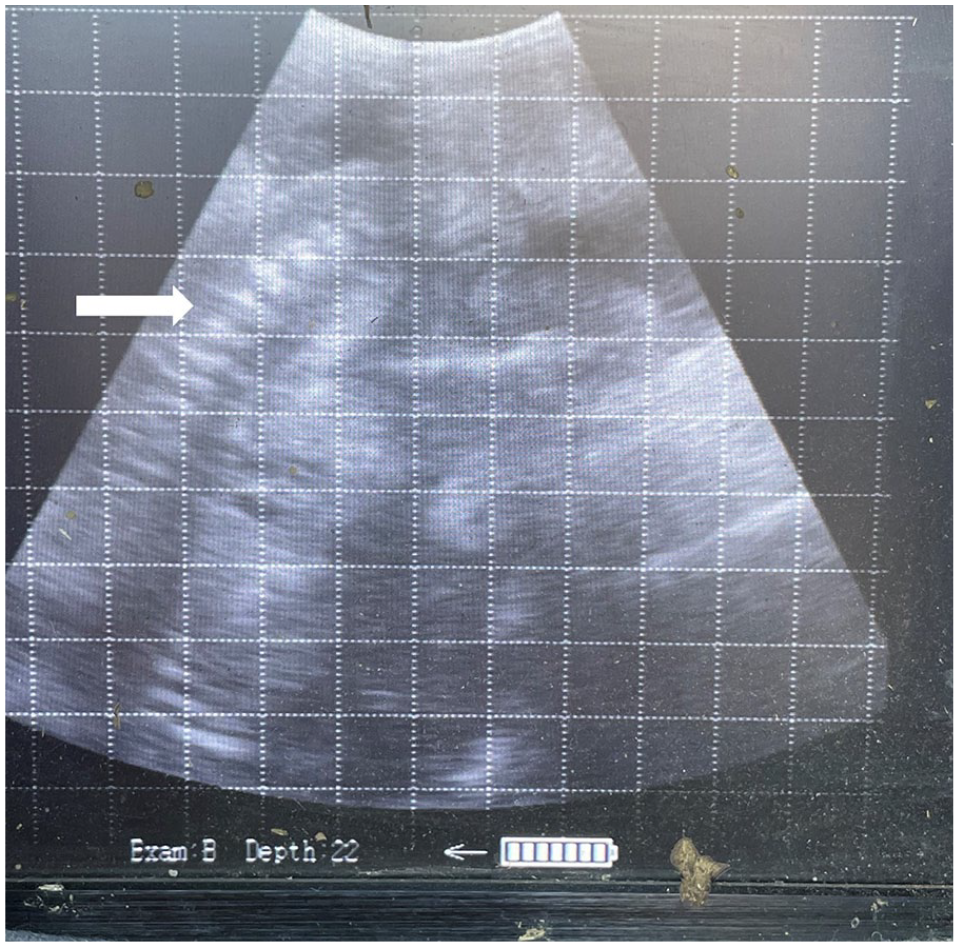
The fetal spine is indicated with the white arrow.
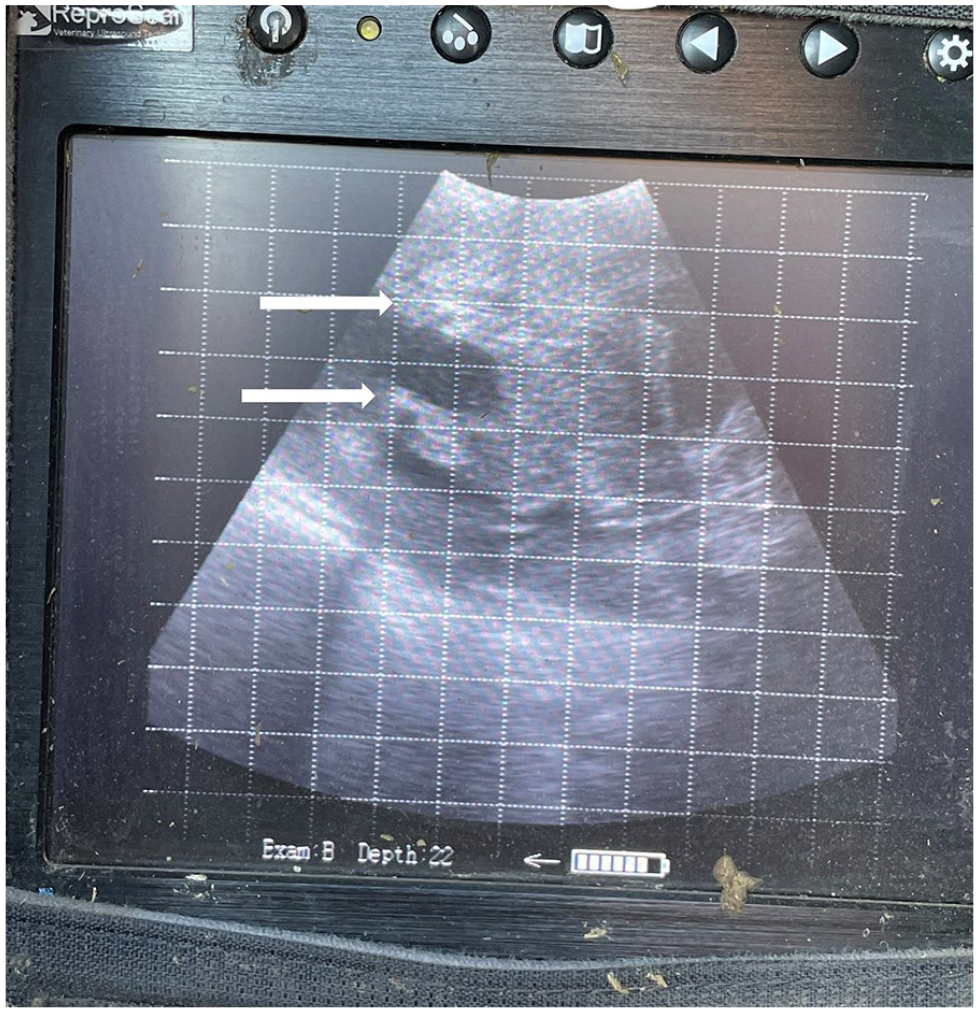
The fetal extremities are indicated with the white arrows.
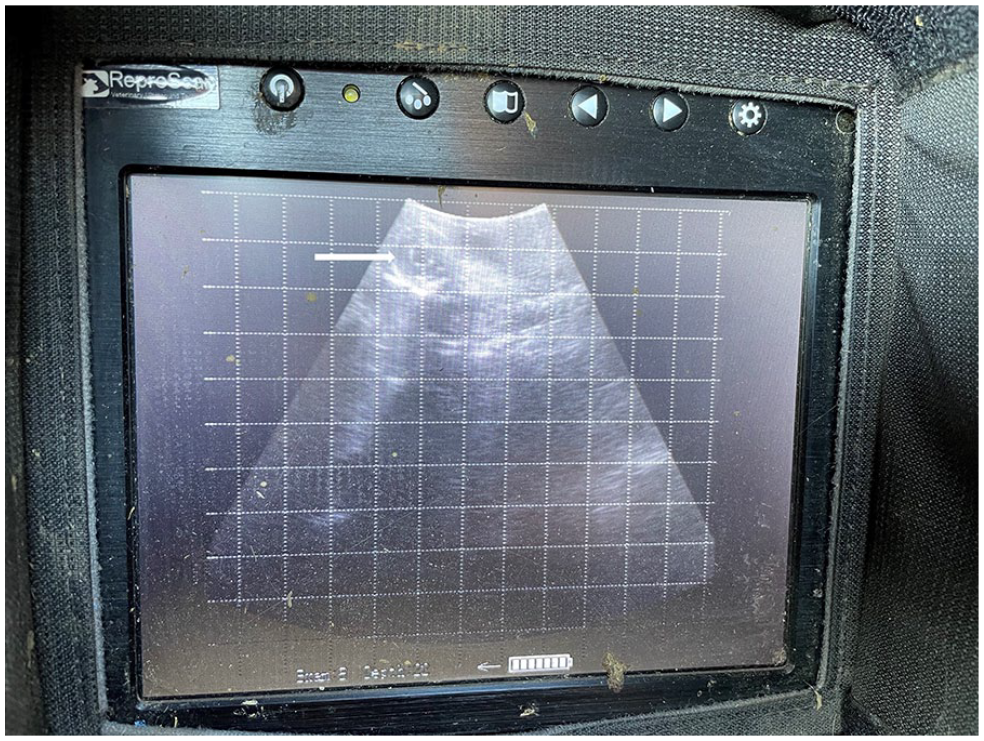
The fetal eye/orbit is indicated with the white arrow.
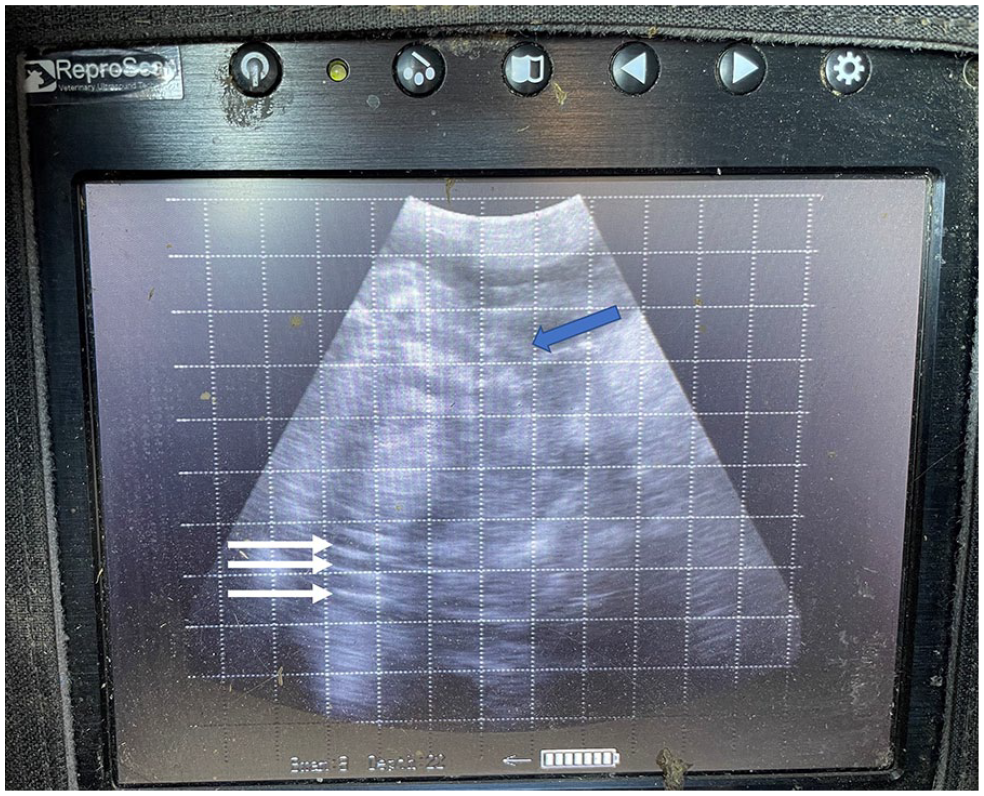
The fetal abdomen is indicated with the blue arrow and thorax is shown with the white arrows pointing to fetal ribs.
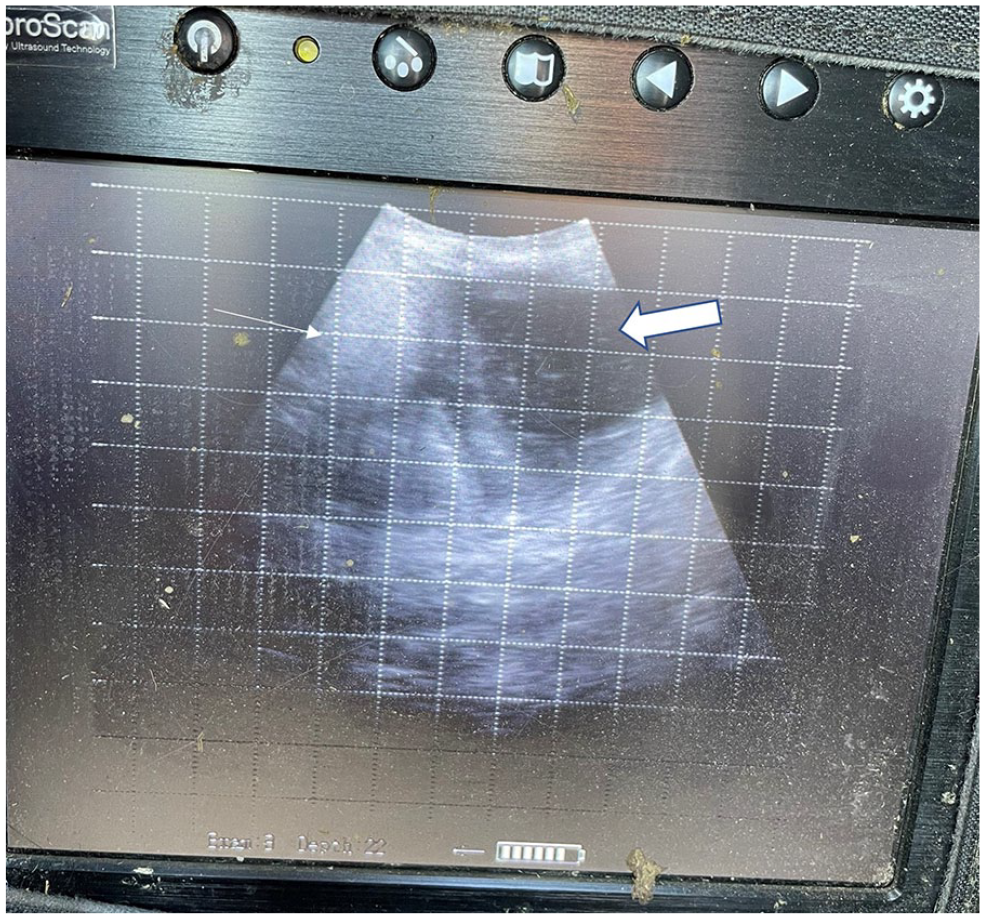
An open cow is shown. The thick white arrow is pointing to the bladder. The thin white arrow is pointing to the uterus which does not have any evidence of pregnancy.
Accuracy of Pregnancy PPR and TRUS Monitoring Techniques
A bovine fetus can be seen as early as 9 to 13 days via TRUS in the research setting20,23,24; however, it is more common to see a fetal pole around 20 to 25 days gestation. 19 On days 10 to 16, Kastelic et al 25 accurately predicted pregnancy 50% of the time, but improved accuracy to 100% when performing TRUS on days 20 and 22. Pieterse et al, 26 made a pregnancy diagnosis with TRUS 21 to 25 days after artificial insemination with a sensitivity and specificity of 44.8% and 82.3%, respectively, but sensitivity and specificity increased to 97.7% and 87.7%, respectively, when TRUS was performed 26 to 33 days post-insemination. Nation et al 15 performed TRUS at 28 and 35 days after AI and correctly identified 96% of the pregnant cows and 97% of the non-pregnant cows, resulting in an overall accuracy of 96.5%.
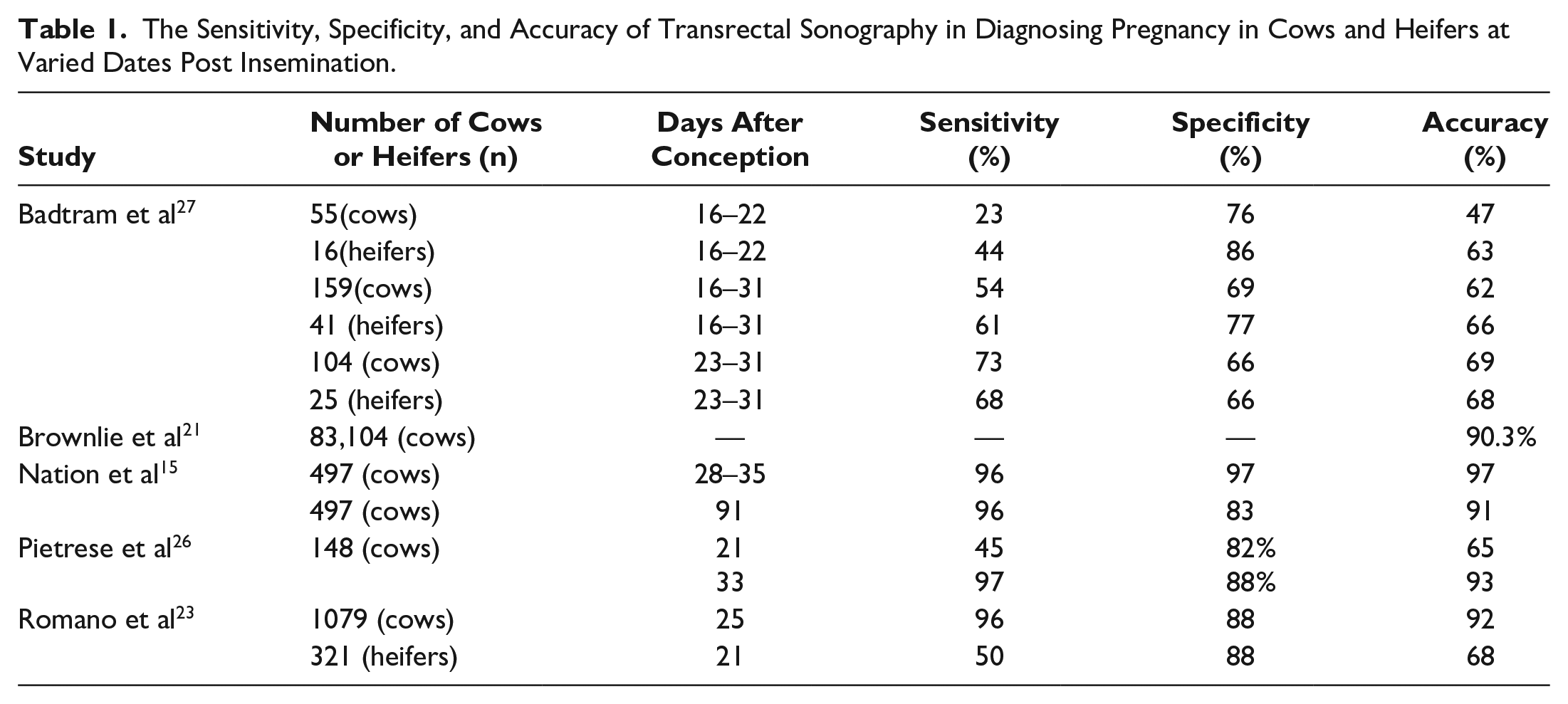
Romano et al 23 found sensitivity of detecting pregnancy with TRUS increased from 74.5% at 24 days gestation to 100% at 29 days gestation, and that specificity plateaued at 96.6% on day 26 of gestation in cows. In heifers, the sensitivity increased from 50% at 21 days gestation to 100% at 26 days gestation. 23 TRUS specificity for the group of heifers 23 increased from 87.5% at 21 days gestation and remained at 94% starting 23 days after gestation. The overall sensitivity was 89.2% for cows and 96.8% for heifers, and specificity was 93% for cows and 93.4% for heifers. 23 Badtram et al 27 compared intra-operator variability at days 16 to 22, 16 to 31, and 23 to 31. At the earliest TRUS, the accuracy was 49% for operator A, and 51% for operator B, and that in the subsequent scans they had similar accuracies of 63% and 64% for the 16 to 31 day scans, and 73% for both at the final 23 to 31 day scans. 27 There were no statistical differences between the operators. 27 The sensitivity 27 for detection pregnancy was highest for cows at 23 to 31 days, 73% and the highest specificity was found in heifers at days 16 to 22 at 86%. Badtram et al 27 determined that accuracy for both was greatest at days 23 to 31. Brownlie et al 21 determined that TRUS could predict calving date within 10 days with 90.3% of cows calving within 10 days of their predicted calving date. When TRUS is performed at 40 days or later, it is 100% accurate and ranges around 94% accuracy when used between 26 and 33 days of gestation.19,21,23,26,27 Table 1 summarizes the sensitivity, specificity, and accuracy of TRUS.
The Sensitivity, Specificity, and Accuracy of Transrectal Sonography in Diagnosing Pregnancy in Cows and Heifers at Varied Dates Post Insemination.
Performing PPR in a similar period of 21 to 35 days, Gowan et al 28 demonstrated a sensitivity of 76% and specificity of 75%, but when performed between 36 and 42 days, sensitivity and specificity improved to 83% and 95%, respectively. Karen et al 29 demonstrated an accuracy of 37.5% and a specificity of 91% days 31 to 35, and that accuracy improved to 94% and sensitivity to 96% at days 46 to 50. At days 51 to 55, both accuracy and sensitivity 29 were 100%. Day et al 30 found that sensitivity varied among palpators, 29% to 64%, but that specificity is much less varied, ranging between 99% and 100%. Day et al 30 reported overall accuracy rates for veterinarian-palpators to be 95% to 97%. Mathews and Morton 31 was 81% accurate at predicting calving date within a 10-day window, while 7% calved later than that window. Experienced veterinarians can achieve around a 96% accuracy in predicting pregnancy via PPR and can predict the calving date within a 10-day window with an 89% accuracy.27,30,31
Minimizing pregnancy loss is a key component of the reproductive management strategy. Romano et al 32 and Fosgate and Smith 33 have implied that PPR has an elevated risk of embryonic loss that ranges from 6.4% with PPR between 34 and 50 days, and 3.6% when performed between 35 and 41 days. Alexander et al 34 had similar findings with embryonic loss of 5.3% from between days 30 and 45 and a recheck at day 60. Early studies have been criticized for faulty methodology, including lack of control groups.16,35 More recent studies have demonstrated that PPR does not contribute to a higher pregnancy loss compared to doing nothing or doing TRUS.16,24,34,35 Pregnancy loss with TRUS was reported between 4.2% and 6.5% when sonography was performed at 25 to 30 days post breeding and then rectally palpated 60 days later. 30 However, Baxter and Ward 36 and Ball and Logue 37 demonstrated that TRUS use does not increase pregnancy loss rates.
Discussion
For the producer, knowing pregnancy status in the herd is a primary business goal, as financial viability of an operation depends on this knowledge. Herd efficiency improves when the AI or breeding to pregnancy diagnosis window is 30 to 90 days.1–3,12,13 Accuracy rates of both TRUS15,20–30 and PPR17,27–31 are close to 96%, which does not answer the question of which is the best reproductive monitoring technique. The important financial decisions are related to open cattle. When a cow or heifer is open, the producer can rebreed her and reduce the number of days that she is open, hold her to the next breeding cycle, or cull her from the herd to reduce management and feeding costs. Pregnancy testing should wait until at least 30 days postbreeding to increase accuracy and efficiency but waiting much longer will diminish opportunities to rebreed.19,20,24
Since the important cost decisions are based on the open cow or heifer, it is tempting to prioritize the reproductive monitoring techniques that have the best specificity. If specificity alone were considered, then PPR might be considered the superior technique, because it has been shown to achieve 100% specificity. 28 This high specificity 28 occurs late in the cycle, around day 50, which may not allow enough time for rebreeding or will lengthen the calving time. Blood assay and progesterone monitoring are inexpensive techniques that accurately predict non-pregnant status, but they incur a time delay for results, which may limit opportunities for rebreeding. 9 The preferable monitoring technique is one that is used early in pregnancy, has instant results, allows time for re-breeding if it is desired, and is accurate.
Both PPR and TRUS can be used early in the breeding season with day 45 the optimal day for PPR 1 and as early as day 25 for TRUS. 1 Pregnancy detection by palpation can be performed as early as 40 days, but is unable to detect fetal structures or a heartbeat. 1 Because TRUS has a high accuracy for pregnancy detection, can be performed rapidly on a large scale, and can diagnose a pregnancy earlier in the breeding season, there may be more benefits to TRUS compared to PPR.
The earlier the heifer is bred in the season, the earlier she will calve, the longer postpartum window before rebreeding and subsequently her calf will be larger than those born later in the calving season, providing more pounds per calf at weaning time.2,13,15 Heifers that calve earlier in the calving season also have a superior lifetime productivity, therefore increasing efficiency for the producer.2,13,15 Increasing herd efficiency increases the number of cattle in the industry that will become either reproducing cows or products for beef and dairy consumption. The best pregnancy detection technique depends on the business model and herd size. TRUS can detect the fetal heart at 22 days of gestation, is highly accurate, and can be performed quickly. Therefore, TRUS is a desirable method for identifying early pregnancy. In large cattle operations, the increase in efficiency and early pregnancy detection with TRUS can offset the additional costs.
Additional uses of TRUS that are beyond the scope this review include the opportunity to perform ovarian monitoring, allowing for more knowledge about the natural heat cycles for the herd. 8 Ovarian follicle monitoring with TRUS throughout estrus could provide valuable information for the timing of AI and can help identify non-cyclic cows earlier.8,22 Embryo transfer monitoring with TRUS could alert the producers to pregnancy loss earlier. Fetal gender identification is not widespread in the industry, and more research may be beneficial to operations such as purebred and dairy. 19 Both could use this information as a marketing strategy when selling bred cows and heifers pregnant with a particular fetal gender. 19 Monitoring male-reproduction is not well described in the literature and presents as an opportunity for improved reproductive management.8,18–20,22,38 There is a paucity of research on TRUS cost-effectiveness, which could cause producers to hesitate to add TRUS to their operations. More versatility with the technology provides opportunity to bring down the cost of the technology, and wide-scale cost analysis is needed for TRUS to be the favored pregnancy detection technique in cattle operations. The decision to add TRUS to a cattle operation is one that producers make with careful evaluation of operational goals and budgets.
Conclusion
Transrectal ultrasonography and palpation per rectum are accurate and safe techniques to evaluate pregnancy in cattle. TRUS is the more expensive method but detects pregnancy earlier in the breeding cycle, which can assist with controlling operational costs. TRUS has an additional advantage of determining fetal gender, which can facilitate sales contracts. If the producer places value on knowing the pregnancy status earlier in the breeding cycle, the additional costs of TRUS can prove beneficial.
Footnotes
Acknowledgements
The authors would like to extend special acknowledgements to Watson Family Ranch, LLC Morris, OK and Glover Veterinary Services, Inc Checotah, OK for their permission to photograph their business operations.
Declaration of Conflicting Interests
The authors declared no potential conflicts of interest with respect to the research, authorship, and/or publication of this article.
Funding
The authors received no financial support for the research, authorship, and/or publication of this article.
