




Abstract
Understanding the cyclic response of mine tailings is key for areas with moderate to high seismicity and an active mining industry (e.g. the United States, Peru, and Chile). However, assessing the cyclic response of mine tailings still relies on procedures and correlations developed for natural soils (i.e. sands and clays). This is due to information on the cyclic response of mine tailings being rather scarce compared to natural soils. Hence, it remains unclear if more efficient approaches can be implemented. This study presents an experimental database focused on the cyclic response of mine tailings compiled from various sources. The database is organized considering three classes, where all three contain cyclic simple shear (CSS) information. Class A also includes triaxial (Tx) and cone penetration testing (CPTu) information, Class B has Tx or CPTu information, and Class C contains no additional information beyond CSS. Most materials belong to Class A. It is worth noting that Class C (only cyclic information) is comparable with most databases for natural soils, hence highlighting the uniqueness of our database. In total, the database contains 129 CSS tests on 20 materials that represent a broad range of mine tailings. Thirteen materials belong to Class A, 5 to Class B, and 2 to Class C. In discussing the database, key information (e.g. the range of liquefaction resistance curves) is shared. In addition, potential assessments that can be conducted with the database are illustrated. The study closes by presenting the database organization and discussing potential uses. The database is available under the following DOI: https://doi.org/10.17603/ds2-1k0a-dt17
Introduction
Mine tailings are residual material left after extracting a target ore (e.g. iron, copper, gold) from the in situ material (e.g. rock and soil) through physical and chemical processes and are often stored in tailings storage facilities (TSFs). Gaining insights into the cyclic response of mine tailings is critical for TSFs in countries with active seismicity (e.g. Chile). Mine tailings are often classified as silty sands or pure silts, which poses unique challenges to geotechnical engineers as most engineering approaches have been developed for sands and clays, and comparatively very little exists for silts. Previous studies (mostly focused on static loading) have highlighted that the scaling of mechanical properties (e.g. more influential role of compressibility on stiffness and strength) in mine tailings is also quite different from naturally occurring soils (Jefferies and Been, 2016; Macedo and Vergaray, 2021) even for those with similar gradations (Geremew and Yanful, 2012; Ishihara et al., 1980). The safe storage of tailings is directly linked to the mining operation as a whole and the properties of the deposited tailings. For instance, the properties of the deposited tailings are particularly important in the performance of centerline and upstream TSFs (Macedo and Petalas, 2019). Recent failures of TSFs (e. g., Brumadinho (Robertson, 2019), Cadia (Morgenstern et al., 2018), Fundao (Morgenstern et al., 2016)) have promoted debates within the tailings community which have resulted in the global industry standards on tailings management (GISTM) (International Council on Mining and Metals (ICMM), United Nations Environment Programme (UNEP), and Principles for Responsible Investment (PRI), 2020), aiming to reduce TSF failures worldwide. Considering the recent TSF failures Morgenstern (2018) evaluated 15 TSF incidents and classified their contributing factors into three categories: engineering, operations, and regulatory. Morgenstern (2018) determined that engineering was the primary concerning factor. Other experts, such as Been (2016) and Jefferies (2021), have also reached similar conclusions in their independent studies. These studies highlight the need for further research into the mechanical response of mine tailings under static and cyclic loading. In this context, this article discusses a mine tailings database (Arnold and Macedo, 2023), mainly focused on cyclic simple shear (CSS) tests, that can be instrumental in advancing the understanding of the cyclic (e.g. seismic) response of mine tailings. To the best of our knowledge, the database discussed in this study is the first focused on the cyclic response of mine tailings.
In discussing the cyclic response of mine tailings, it is important to highlight that for countries with large mining sectors in high seismic areas, the response of mine tailings to seismic loading (often inspected through CSS tests) is a major concern. Notable case histories involving the damage or failure of TSFs due to seismic activity include 1928 Barahona TSF, Chile (Troncoso et al., 1993; Valenzuela, 2016); 1965 El Cobre, Chile (Dobry and Alvarez, 1967; Valenzuela, 2016; Zongjie et al., 2019); 1978 Mochikoshi TSF, Japan (Byrne and Seid-Karbasi, 2003); 1994 Tapo Canyon, USA (Zongjie et al., 2019); 2010 Las Palmas failure, Chile (Moss et al., 2019; Valenzuela, 2016); and 2011 Ohya Mine, Japan (Ishihara et al., 2015; Zongjie et al., 2019). For instance, the 2010 Las Palmas failure in Chile is a prime example of the consequences that a seismic-induced TSF failure can cause. The Las Palmas failure was associated with seismic-induced liquefaction on the stored tailings and resulted in the loss of human life and the significant outflow of hazardous tailings materials with consequential environmental impacts. This is not an uncommon event either, Villavicencio et al. (2013) noted that between 1901 and 2013, the primary cause of TSF failures in Chile was seismically induced. Furthermore, of the 38 failures studied, nearly 50% involved liquefaction with flow failure. The mining industry in Chile is vital, not only to the country itself but also to any country seeking raw materials such as copper or lithium, of which Chile produces 28% and 22% of the global share, respectively. Thus, advancing the understanding of the cyclic response of mine tailings is paramount in assessing the seismic performance of TSFs in seismic countries like Chile.
Previous efforts focused on creating databases for the cyclic response of particulate materials have been mainly focused on natural soils (e.g. ElGhoraiby et al., 2018; Kwan et al., 2022; Wichtmann and Triantafyllidis, 2016a, 2016b). Most of these efforts have considered only the laboratory scale through the compilation of cyclic tests (triaxial, (Tx) and simple shear), with few notable studies also considering the field scale to some extent (e.g. Montalva et al., 2022). In this context, an aspect of our study to highlight is that different scales—that is, laboratory (static and cyclic) and field—are considered, which is unusual for mine tailings (Jefferies and Been, 2016). Examples of existing databases examining the cyclic response of natural soils include the study by Kwan et al. (2022), who released a publicly available database of CSS tests on Nevada sand. The database was unique in that it included modulated harmonic loading. Montalva et al. (2022) released a database that contains field and lab data for liquefaction case histories on natural soils in Chile. However, the number of sites with both field and laboratory information is limited. Another ongoing and rather robust program pertaining to soil liquefaction databases is the Next Generation Liquefaction (NGL) database and model development program. This program seeks to advance liquefaction research through the development of a comprehensive database of liquefaction data (Stewart et al., 2016), including laboratory and field information. There have also been a significant number of proprietary databases that have been used to develop various design methodologies for cyclic response in natural soils (e.g. Montgomery et al., 2014; Seed, 1983; Sivathayalan and Ha, 2011; Vaid et al., 2001). In terms of proprietary databases, there are challenges to highlight. For instance, Stewart et al. (2016) described how research has historically been conducted on cyclic liquefaction triggering, which also holds true for most research areas within geotechnical engineering. They note that individuals or small teams of researchers analyze case history databases to derive predictive models of liquefaction. These databases are built through various means, but typically only the team itself would have access to the data for a given database due to its proprietary nature. This has resulted in numerous databases and derived correlations for liquefaction triggering (Idriss and Boulanger, 2008; Moss et al., 2006; Robertson and Wride, 1998; Seed and Idriss, 1971) with each performing better or worse depending on the application. The described approach is not ideal as data on liquefaction case histories are limited, so by splitting the limited data among various databases, the true potential of the data as a whole may be lost. Indeed, none of the models developed with splintered data would be as robust as a model developed with all available data. Therefore, we advocate for having public databases that can benefit the tailings community as it has also been highlighted by others (e.g. Jefferies and Been, 2016).
It is also relevant to highlight that most of the available methods in geotechnical earthquake engineering do not take full advantage of modern data-driven approaches (Liu and Macedo, 2022); as a scientific community, we are not truly pushing the boundaries of what is achievable with our available data. Recent efforts (e.g. Cho, 2020; Durante and Rathje, 2021; Geyin et al., 2022; Kong et al., 2019; Liu and Macedo, 2022; Macedo et al., 2021; Macedo and Liu, 2022; Wang et al., 2020; Xie et al., 2020) have highlighted that data-driven approaches (e.g. machine learning—ML, deep learning—DL) enable greater value from data sets by continually extracting higher-level features from the data and by capturing complex data interactions where traditional statistical methods are limited. The use of data-driven approaches is steadily increasing in geotechnical engineering (Zhang et al., 2021). However, a key factor is the availability of geotechnical databases, as also highlighted by Xie et al. (2020). This study embraces the spirit of increasing the availability of data sets with a focus on the cyclic response of mine tailings.
Database
The database developed in this study, which is focused on the cyclic response of mine tailings collected from active operations, comprises 129 CSS tests on 20 different mine tailings materials. In addition, a unique aspect of the database is that for a subset of materials, Tx tests conducted to assess the critical state line (CSL) and cone penetration tests (CPTu) that can bring field-scale information are also available. The Tx tests allow for the definition of the CSL for 15 materials, and there is CPTu information for 16 materials (see Table 1). Tailings engineers often conduct only CSS tests or Tx tests, and there is not always field-scale (i.e. CPTu) information available. Having Tx, CSS, and CPTu information is quite rare for mine tailings; hence, the database discussed in this study has the potential to open interesting avenues to improve our understanding of the mechanical response of mine tailings. The materials are categorized into three separate classes: A, B, and C. Class A denotes those materials where CSS, TX, and CPTu information are all available. Class B denotes those materials where only two types of data are available; one of which is CSS data. Finally, class C denotes materials where only CSS data are available.
Material classes and data availability
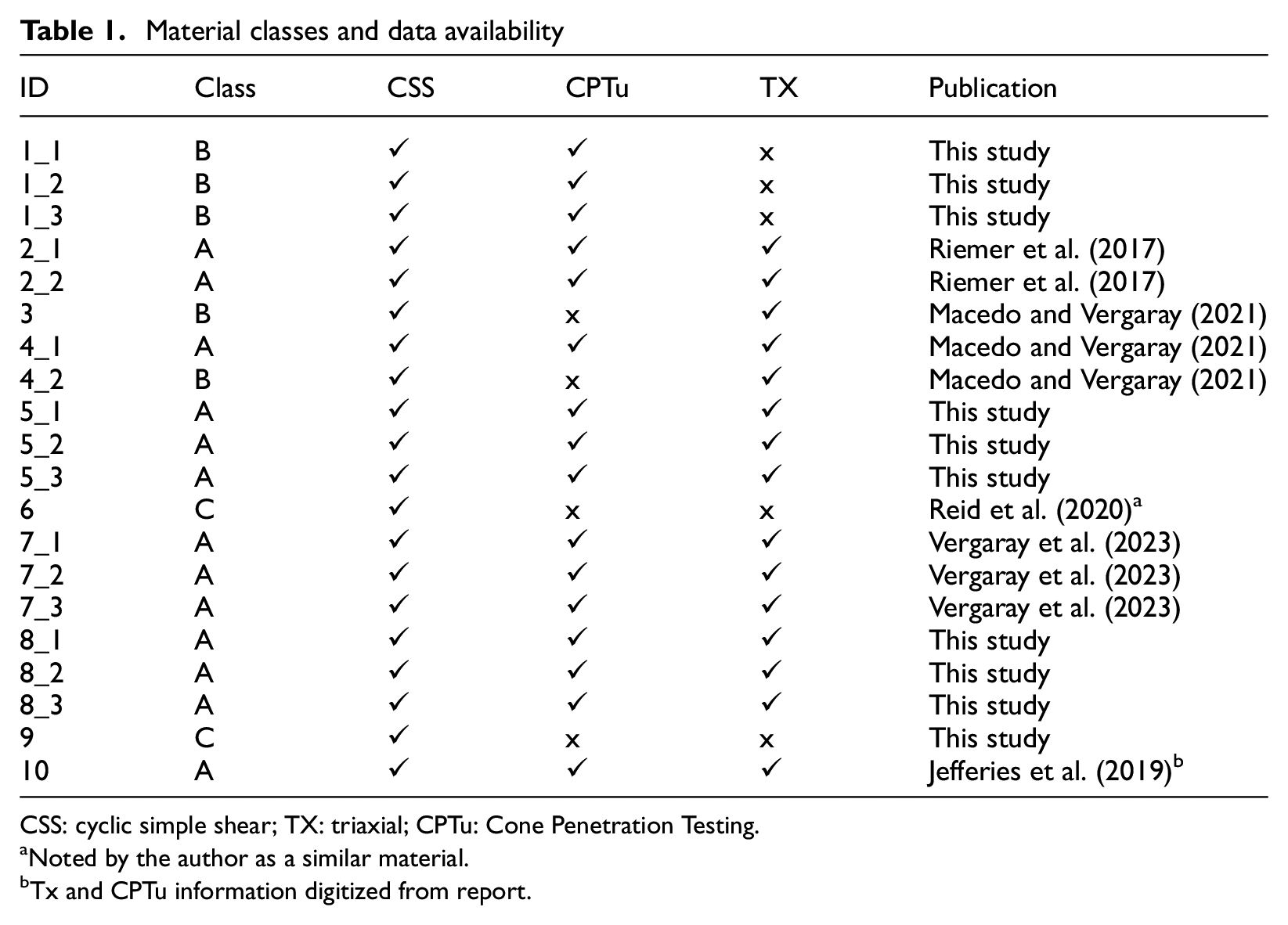
CSS: cyclic simple shear; TX: triaxial; CPTu: Cone Penetration Testing.
Noted by the author as a similar material.
Tx and CPTu information digitized from report.
As shown in Table 1, the majority of materials comprise class A: the most robust data set. Only a few remaining materials fall into class B, with only two materials comprising class C. Most publicly available databases focused on the cyclic response of natural soils only contain cyclic testing data, which is comparable to our class C. This highlights the uniqueness of the database given that most materials fall within classes A and B, where CPTu and/or Tx information is also provided. In general, the tests were conducted under ASTM standards and are representative of the current state of practice in tailings engineering. The authors checked test data individually and removed potentially problematic data. Specifically, tests with stress path discontinuity and sudden changes in the material response were removed. It was decided to keep all other data as there was no evidence of artifacts in the experimental response.
Material properties (e.g. fines content—FC, plasticity—PI, ore type) can be instrumental in better understanding the cyclic response of mine tailings. Thus, any additional information regarding the material that is not directly related to the testing procedure (i.e. metadata) is also compiled in the database when available. Figure 1 contains the particle size distributions (PSD) for all mine tailings within the database. The database contains a wide range of FCs ranging from nearly 100% to as low as 15%. The majority of the tailings have little to no plasticity (PI ≤ 3). However, there are several samples with PI ≥ 7. This is highlighted by the histograms in Figure 2a and b. Three ore types (copper, tin, and gold) are available, with tin being the dominant type within the database. Figure 3 shows the range of CSL assessed from the available Tx tests grouped by FC. Of note, a CSL is defined by its slope (
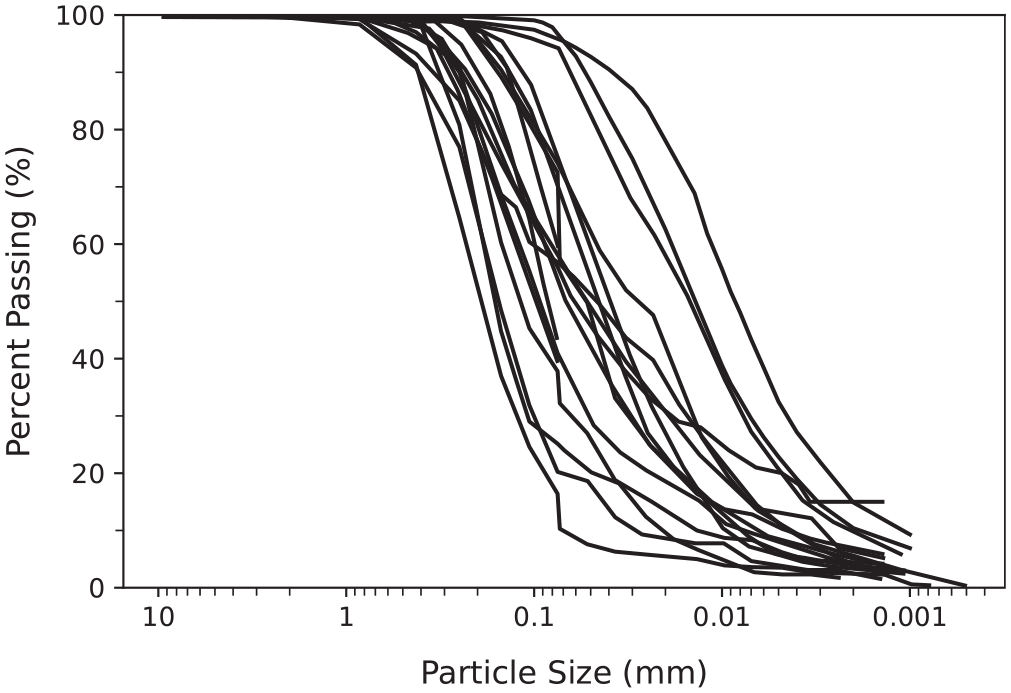
Range of PSD for database materials.
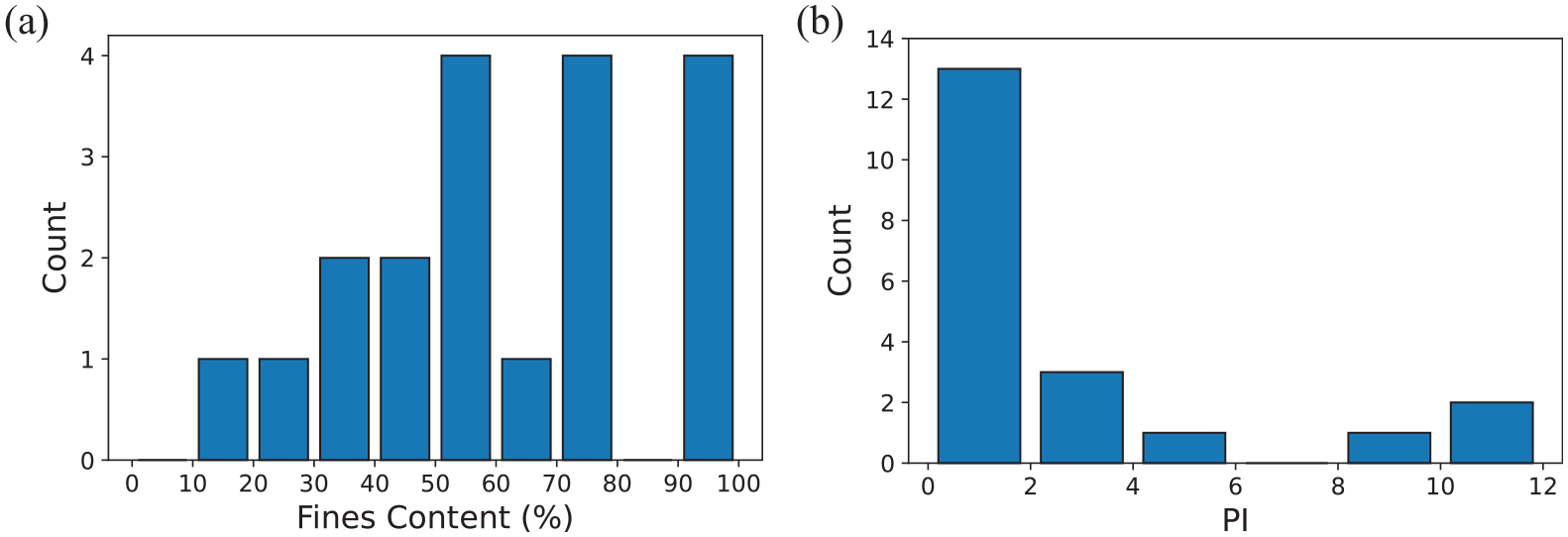
Distribution of (a) FC and (b) PI within the database.
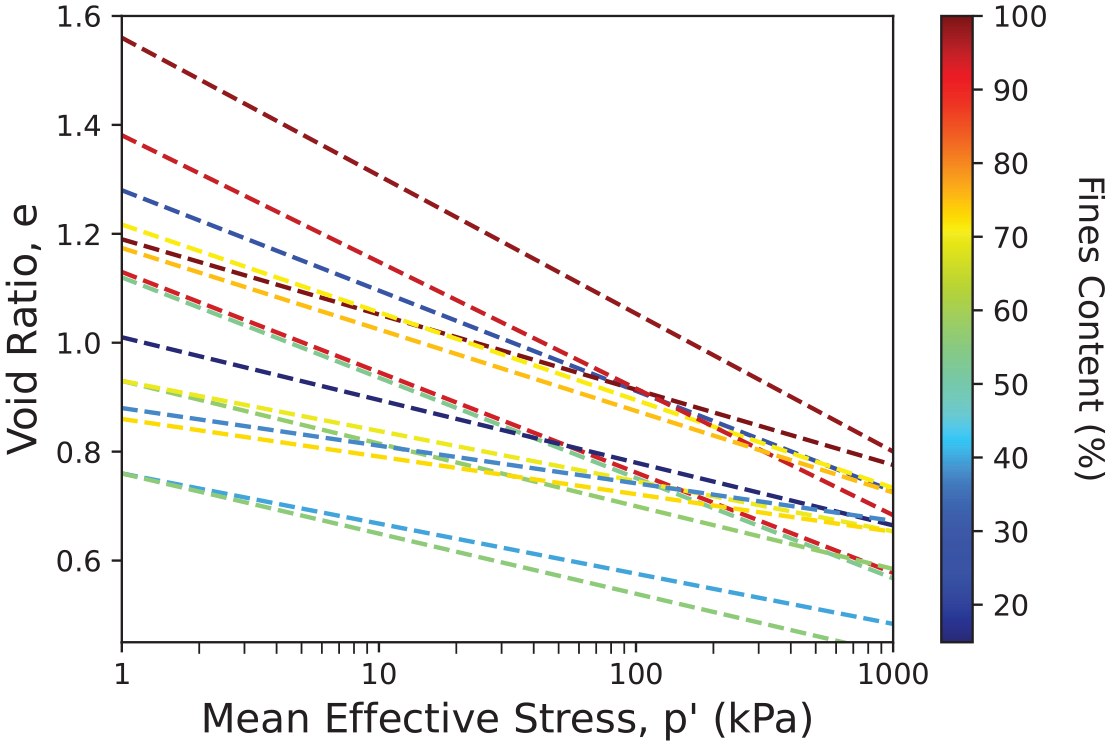
All CSL available within database identified by FC.
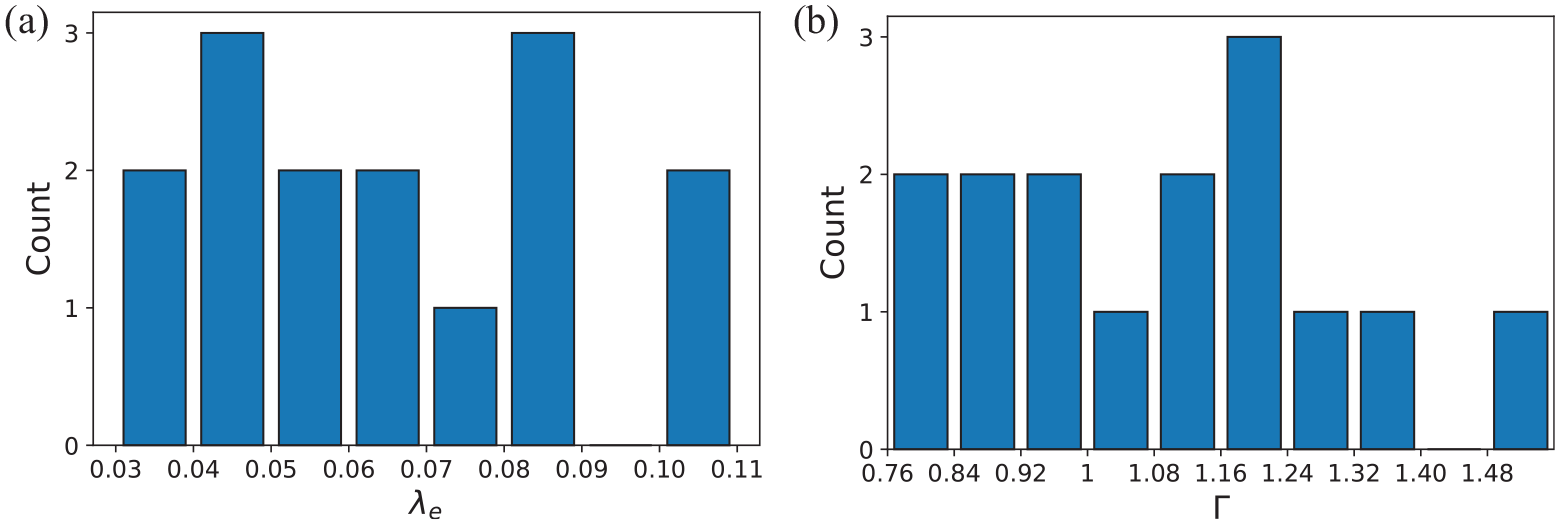
Range of (a)
The CSS tests from our database have been conducted under constant volume conditions, which is the standard of practice in tailings engineering. Several authors (e.g. Dyvik et al., 1987; Finn et al., 1978) have shown that in the constant volume condition, the change in vertical stress is representative of the change in pore pressure. Thus, while pore pressure is not directly measured, it can be inferred through the change in vertical stresses. The majority of samples were reconstituted using slurry deposition (e.g. see Ingabire, 2019 for a common procedure used in tailings testing); however, a select few (8_1, 8_2, 8_3, 9, and 10) were molded via moist tamping, of which 8_1, 8_2, and 8_3 were flushed with
A wide range of testing conditions is present in the CSS tests of the database. For instance, Figure 5a and b shows the range of
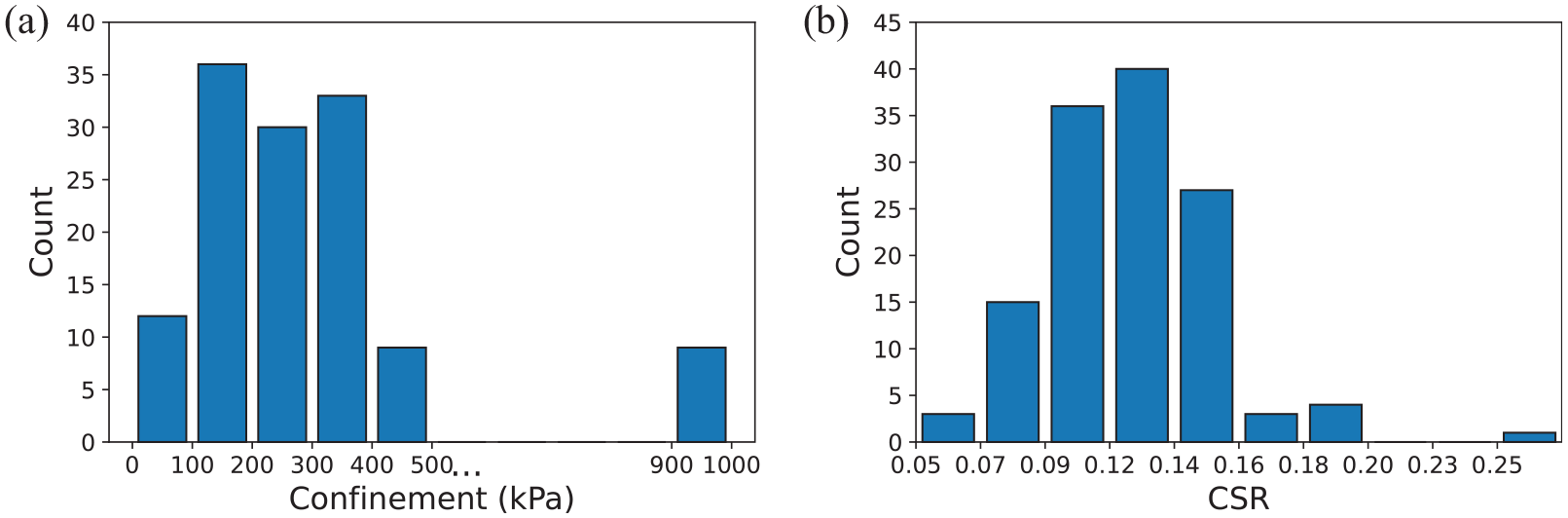
Range of (a) confinement and (b) CSR for CSS testing within database.
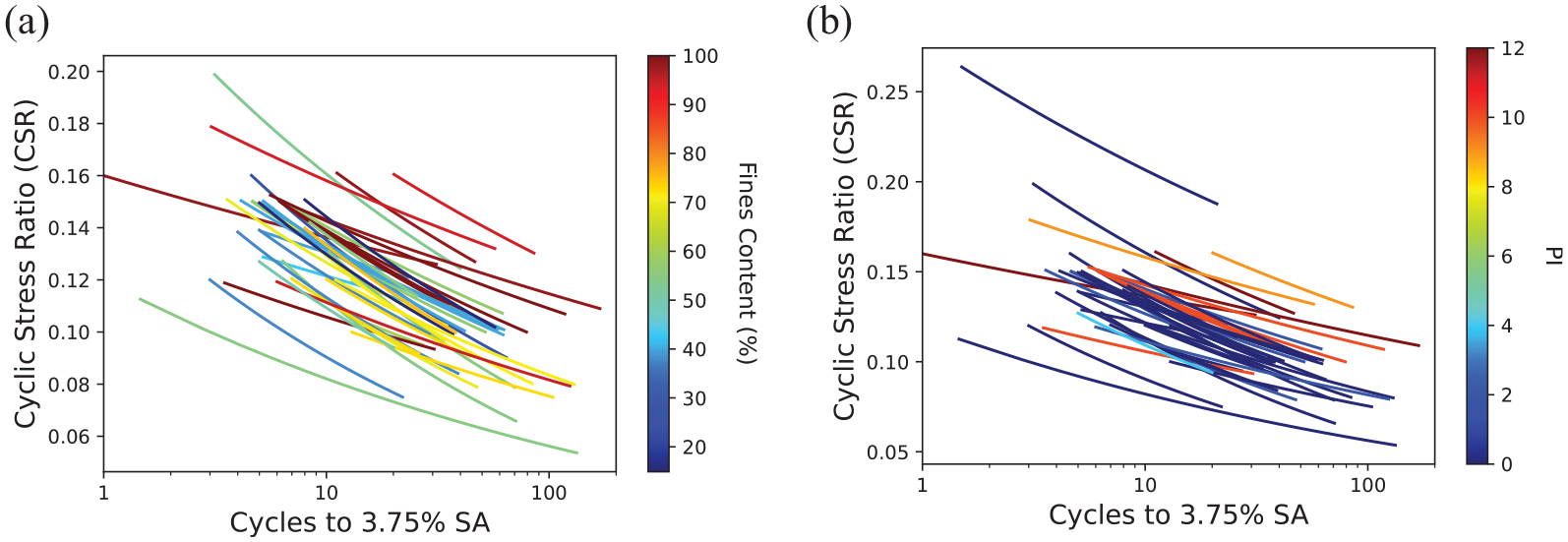
Liquefaction resistance curves from database considering (a) FC and (b) PI.
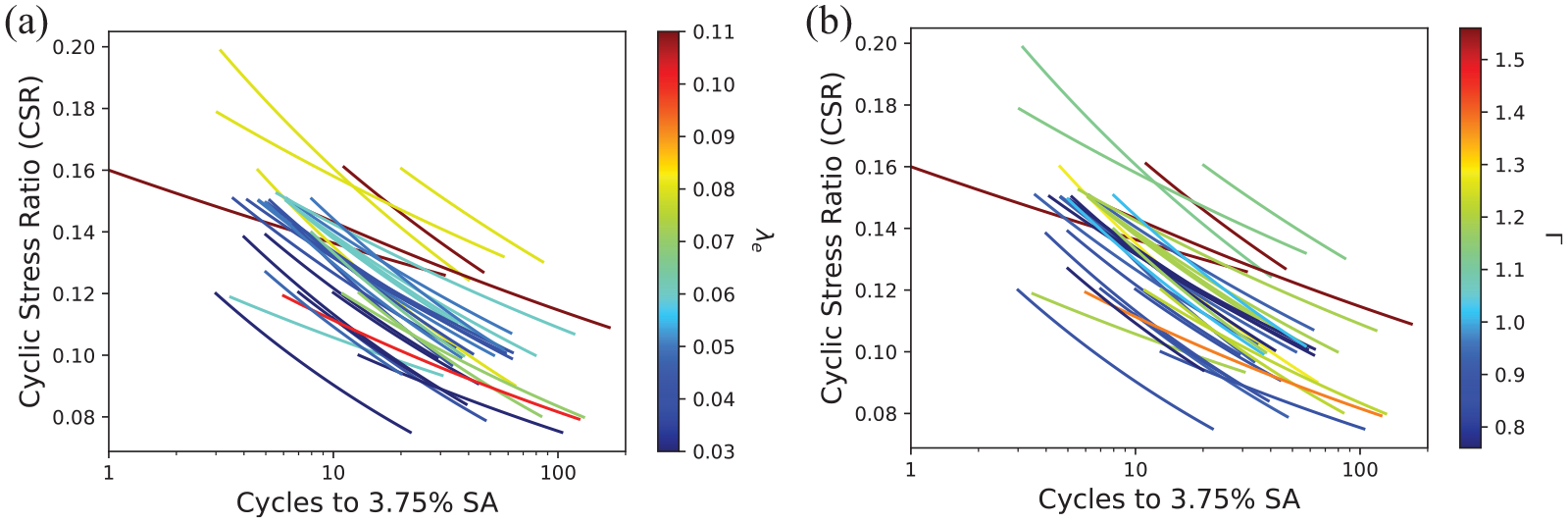
Liquefaction resistance curves from database considering (a)
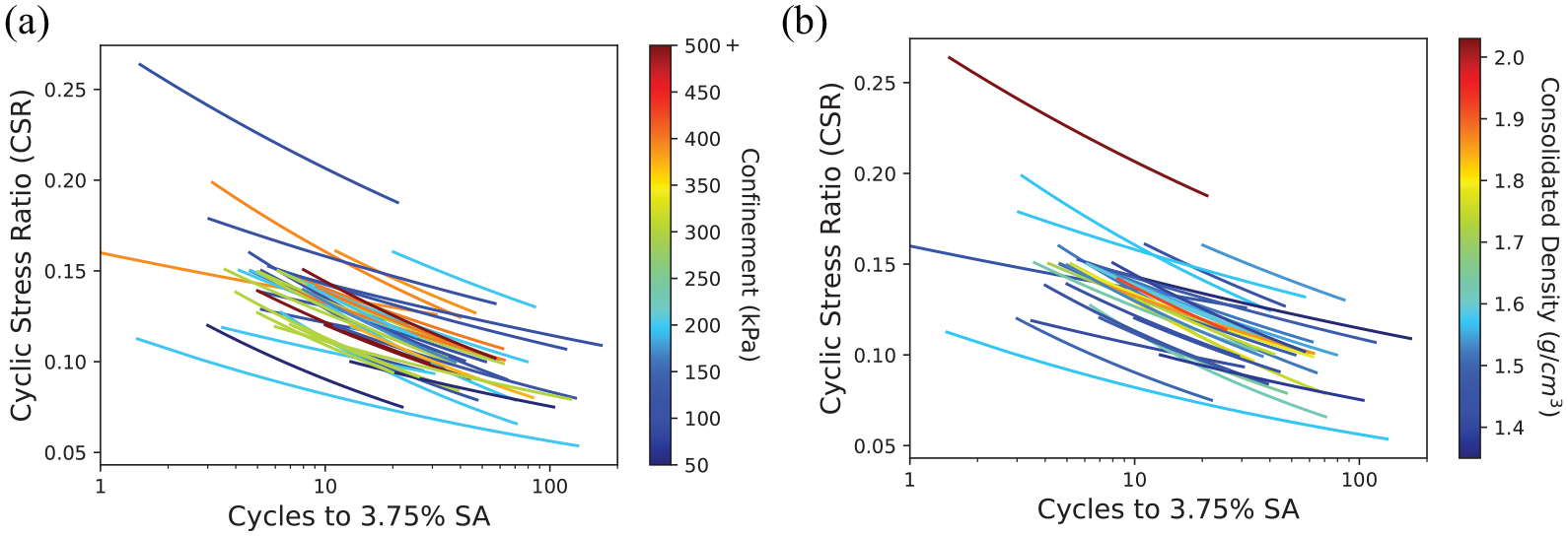
Liquefaction resistance curves from database considering (a) confinement and (b) consolidated density.
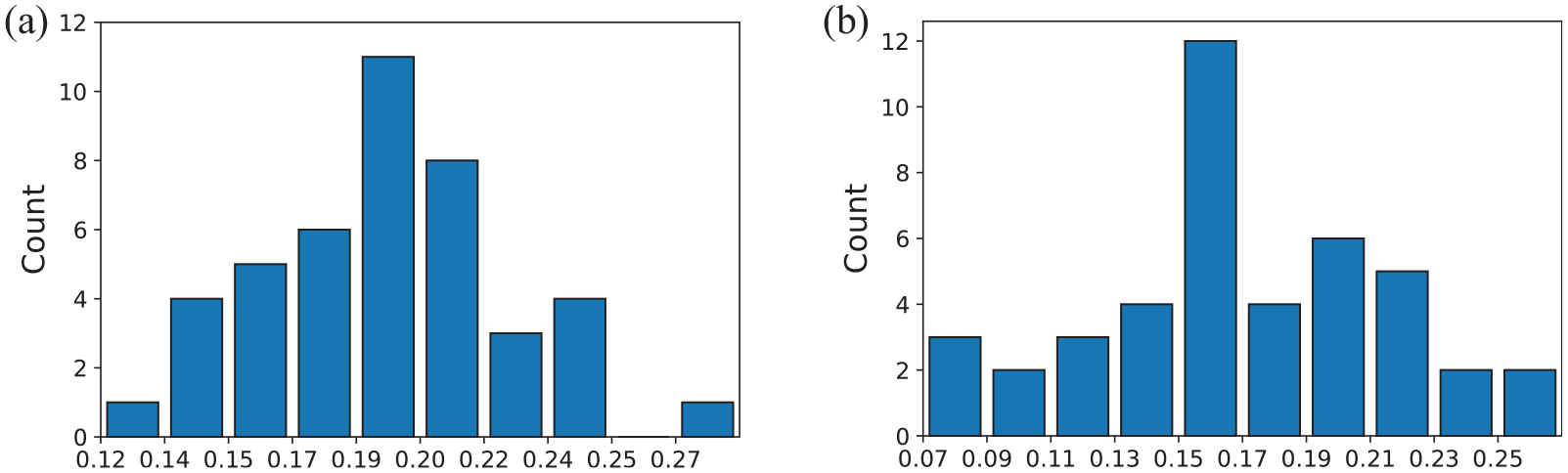
Range of liquefaction curve fitting parameters (a) a factor and (b) b factor.
In terms of the CPTu information, Figure 10 shows a distribution of representative tip resistance
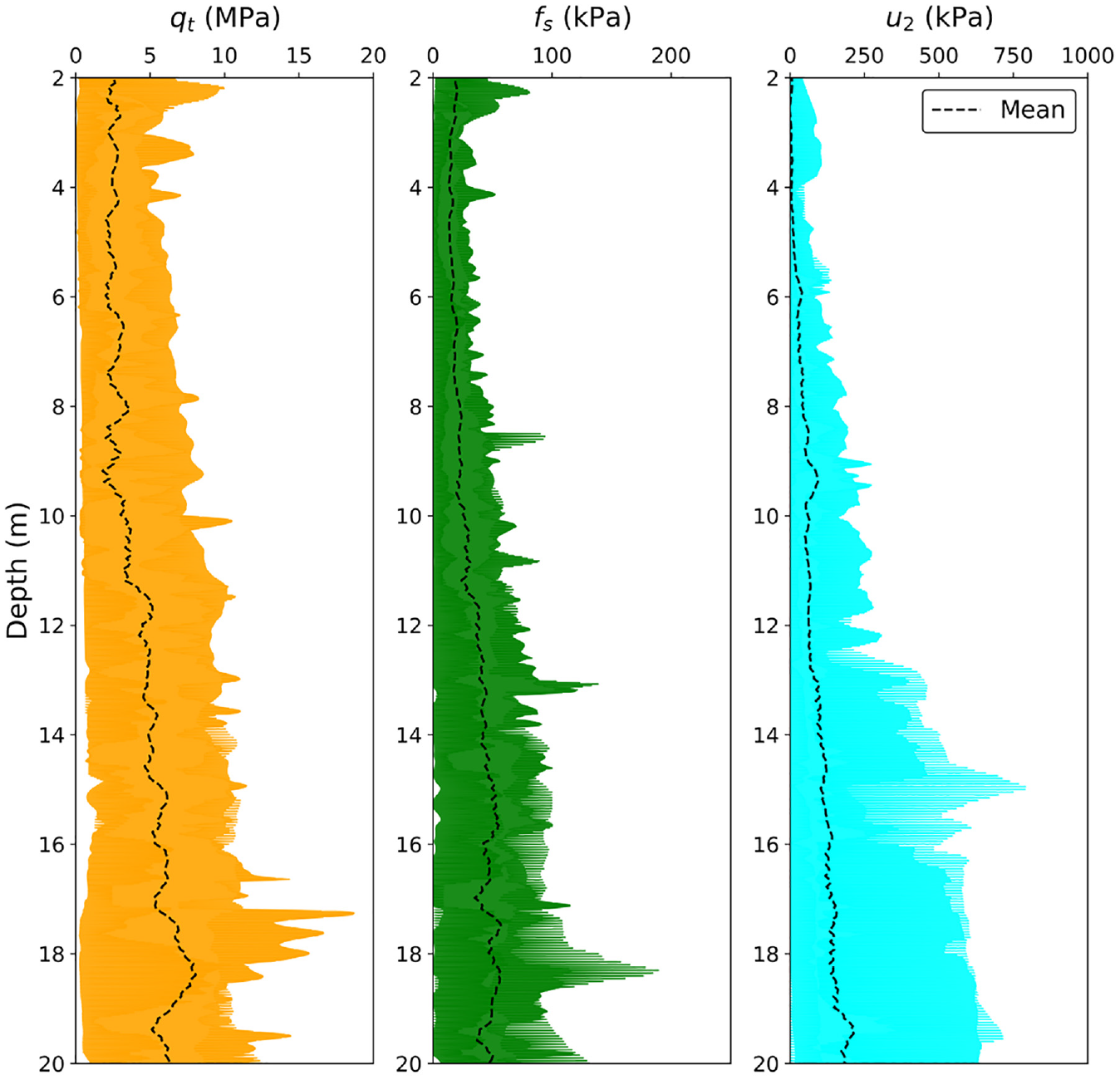
Range of CPTu response in database.
Example of database implementation
To showcase the robustness of the database, particularly class A materials, this section will give a brief overview of the data available for a few select materials. The materials chosen are 7_1, 7_2, and 7_3, which are copper tailings. The reason for this is that these materials originate from the same TSF and thus allow for deeper insight into the mechanical response of the tailings facility as a whole. As shown in Table 2, these three samples contain a wide range of FC: 15%, 38%, and 73%. However, all are non-plastic
Select metadata for samples 7_1, 7_2, and 7_3
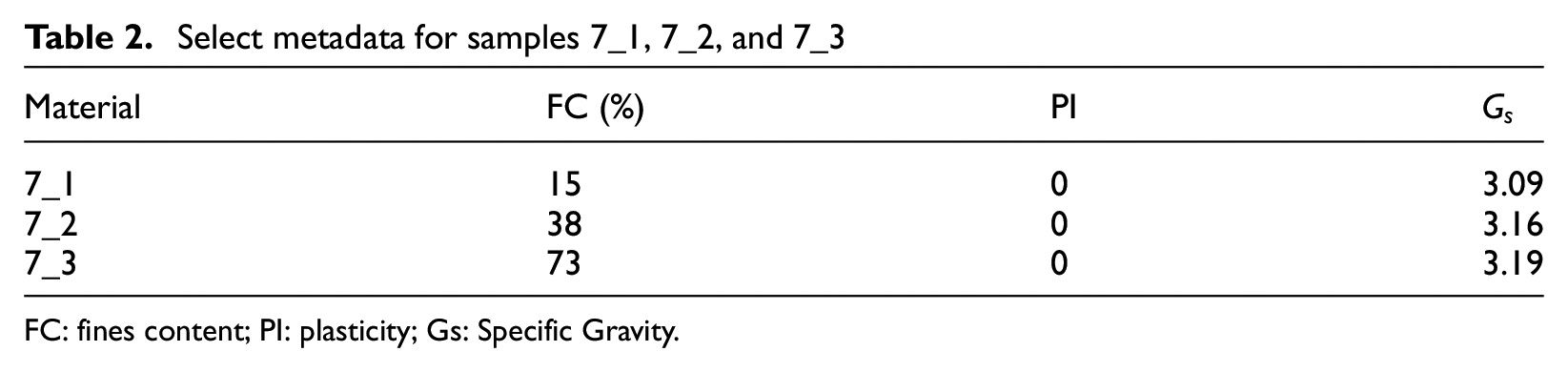
FC: fines content; PI: plasticity; Gs: Specific Gravity.
The general results from the CSS testing are shown in Figure 11 as well as the stress-strain response from a selected test (Figure 12). This set suggests that as FC increases, the effect of confinement on the liquefaction curves becomes less. This can be observed in sample 7_1, having a larger gap between the 50 kPa and 1 MPa tests as compared to sample 7_3. This behavior is also noted by Wijewickreme et al. (2019) on the response of fine-grained soils.
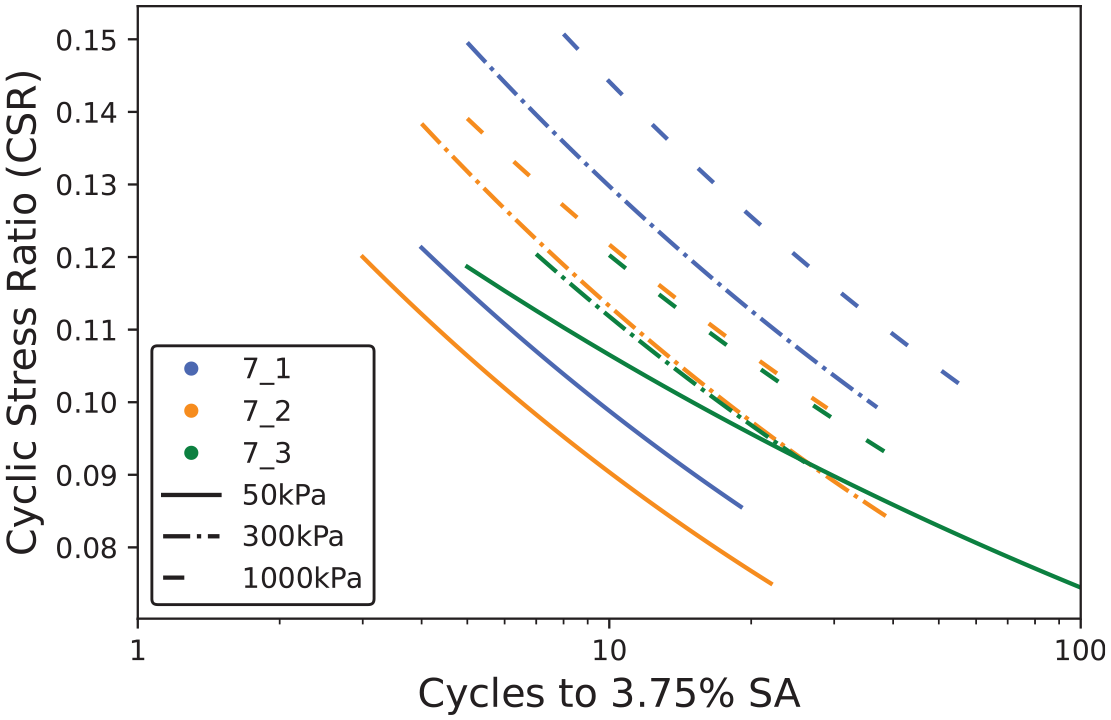
Liquefaction curves for materials 7_1, 7_2, and 7_3.
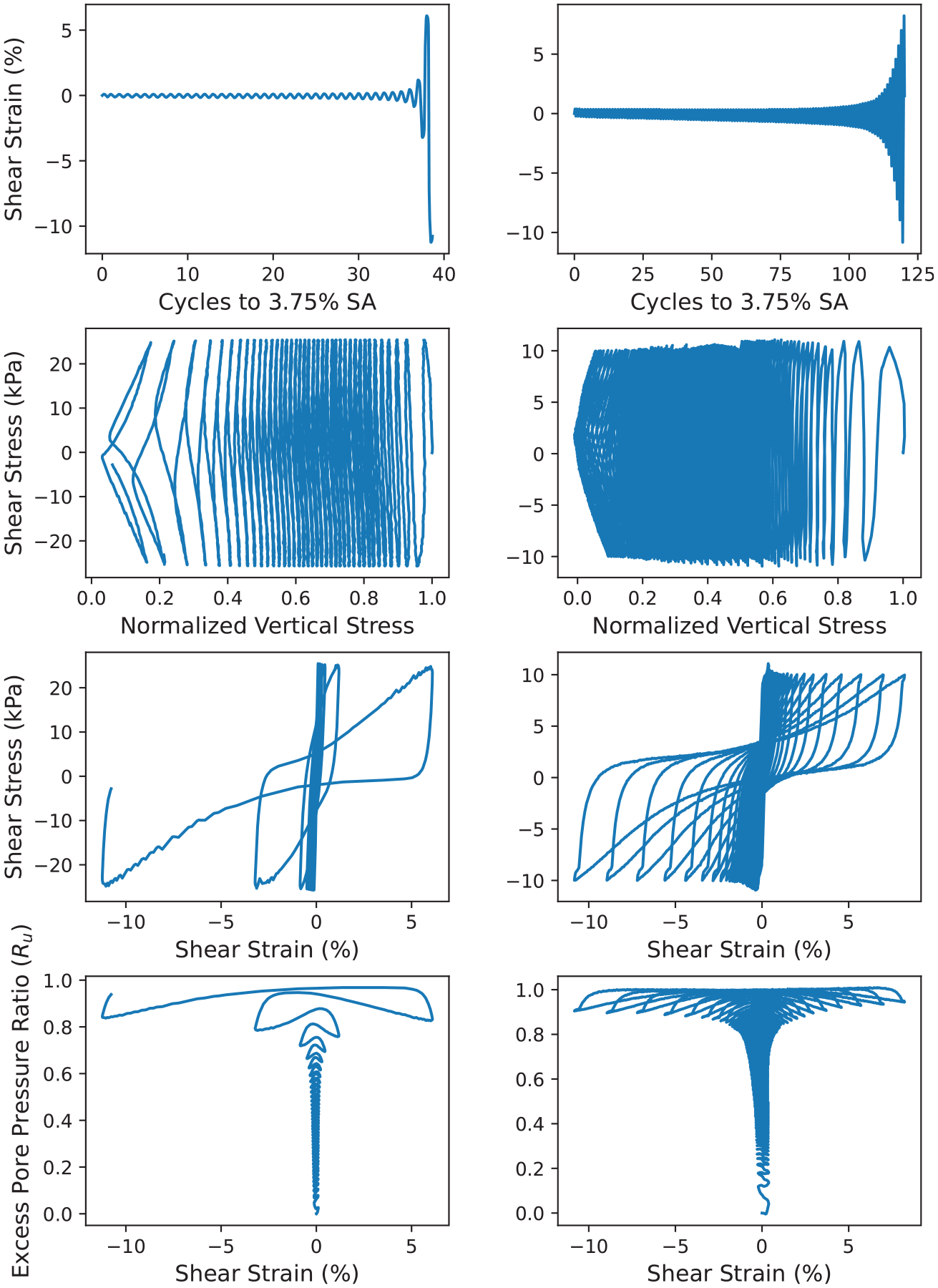
Potential effects of plasticity on cyclic response. From left to right: 7_2 (non-plastic) and 5_1 (plastic).
Figure 12 highlights the potential effects of plasticity on the cyclic response. As previously noted, sample 7_2 has no plasticity, but when compared against sample 5_1, which has a PI ≥ 7, there is a noticeable difference in the response. The non-plastic sample continues to see an increase in the accumulation of shear strain per cycle post-triggering (i.e. liquefaction), but the sample with plasticity shows controlled increments of strain well beyond the excess pore pressure ratio
Moving on to the Tx response of the materials, Figure 13 shows the resulting CSL interpretations for these materials considering stresses above 10 kPa. A quick visual assessment yields several notable features. As can be seen, materials with increasing FC show a decreasing trend in void ratio Vergaray et al. (2023) performs an in-depth analysis of the PSD and CSL with regard to particle packing and FC that provides context for the highlighted observation. This type of analysis is possible with all materials where Tx and PSD data are available (e.g. class A and B materials within this database) and may also provide insights into the cyclic response. Figure 14 shows the available CPTu data for these materials. The range of readings (i.e.
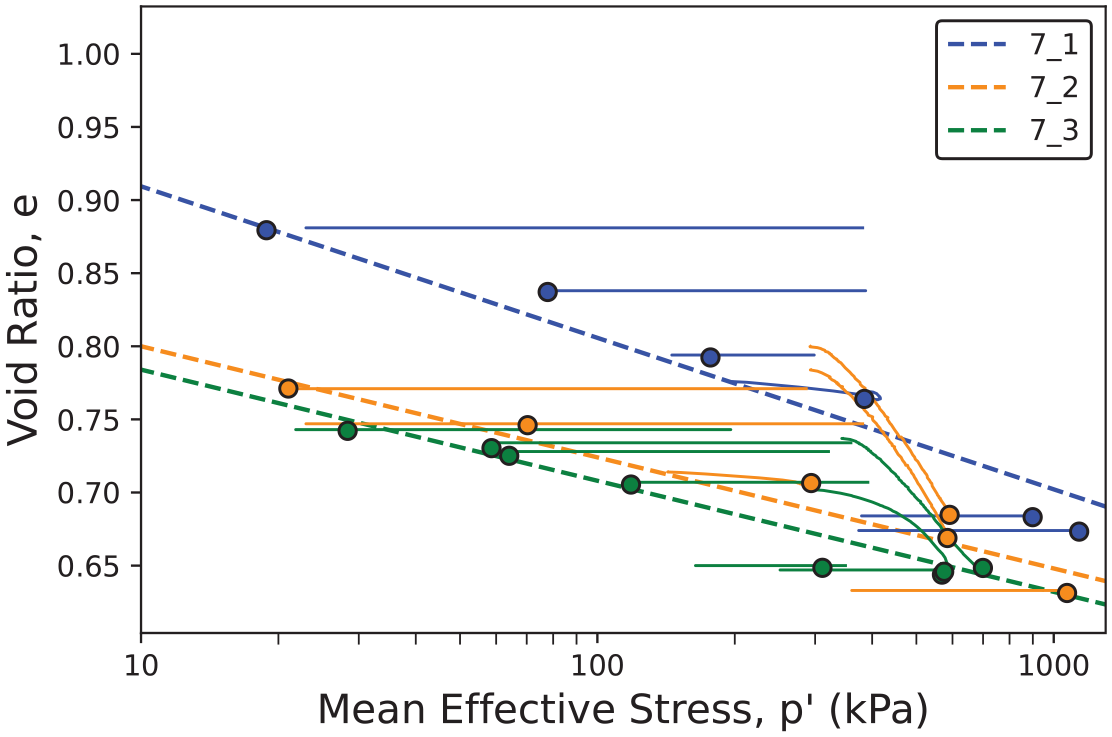
CSLs for materials 7_1, 7_2, and 7_3.
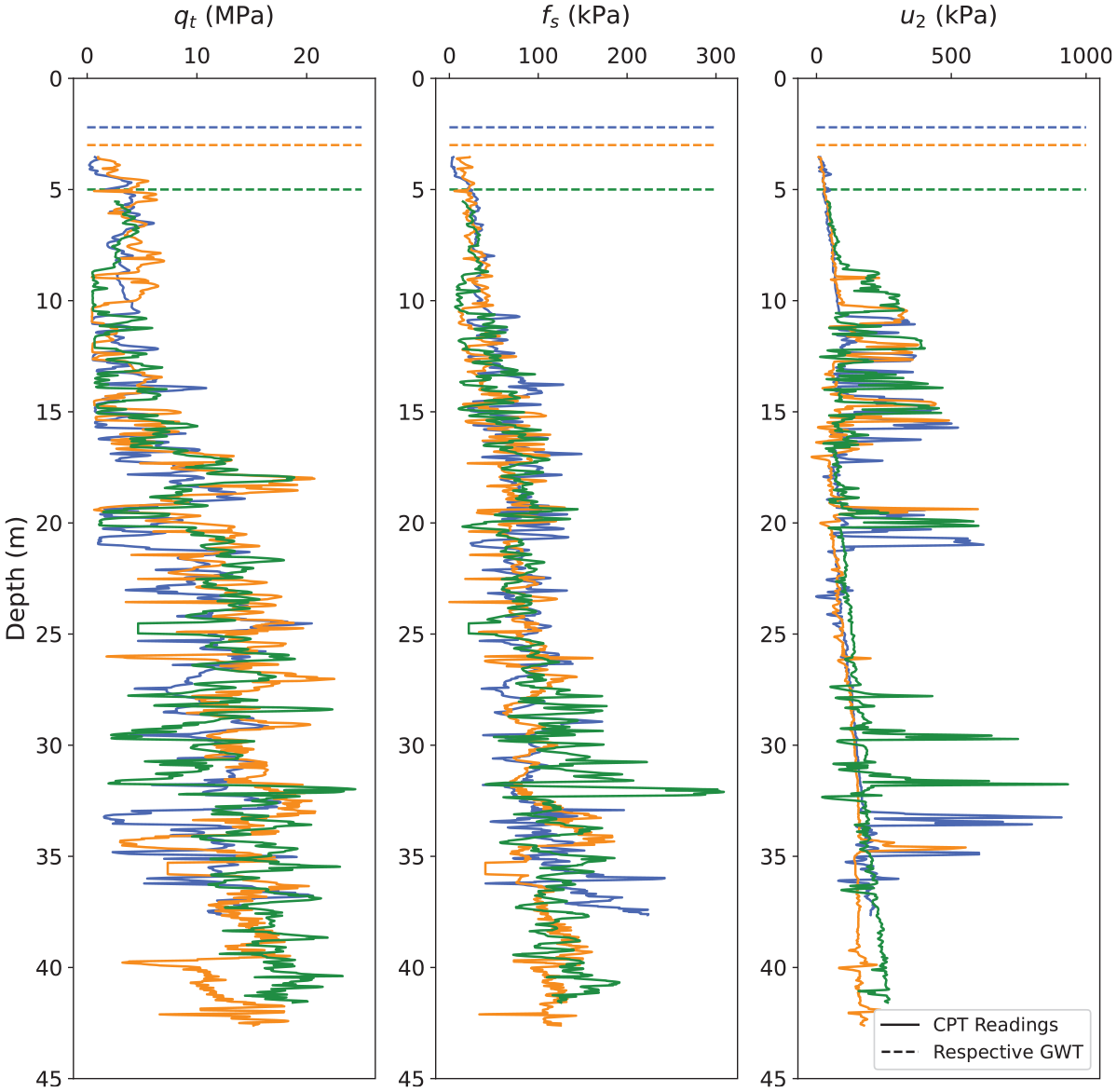
CPTu soundings for TSF 7 where materials 7_1, 7_2, and 7_3 have been collected.
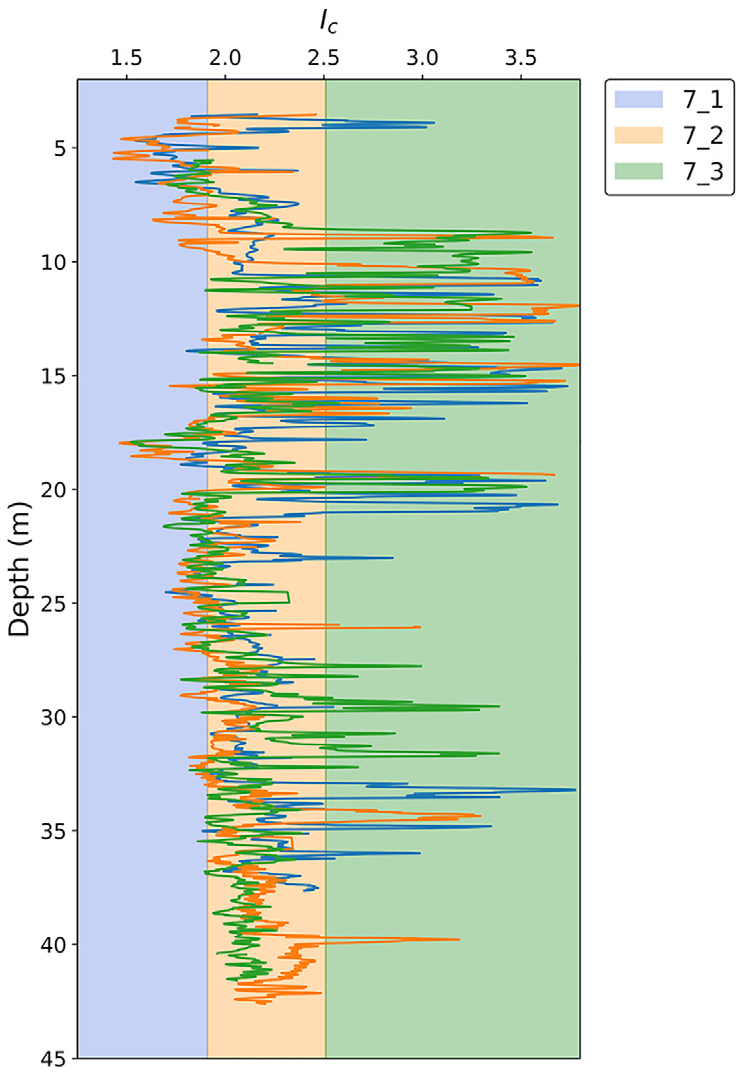
CPTu layering corresponding to lab samples 7_1, 7_2, and 7_3.
Database access and organization
This section will describe the organization of the database and how users may access the data. As previously stated, the database (Arnold and Macedo, 2023) is intended to be publicly available using the following digital object identifier (DOI): https://doi.org/10.17603/ds2-1k0a-dt17. Since the database contains a wide array of data for many materials, it is important to maintain an organized structure of relationships among the various data sets. To this end, each material is assigned a material ID indicated in Table 1. The first number indicates the TSF facility and the second number indicates the gradation. This notation was adopted as some materials in the database come from the same TSF and could potentially be used in conjugation for certain analyses. Using the material ID assigned for a given material as well as the remaining information provided in Table 1, one can determine all available data and relationships.
The database is organized into a main directory containing a sub-directory for each data type in the database as schematically illustrated in Figure 16. The data files within are identified by material ID. The main directory also contains a sub-directory that is denoted as “MetaData.” This sub-directory contains all of the metadata tables for the materials within the database. That includes testing conditions (confinement, stresses, strains, etc.), available material characteristics (FC, PI, ore type, etc.), and derived mechanical properties from CSS and Tx (e.g.
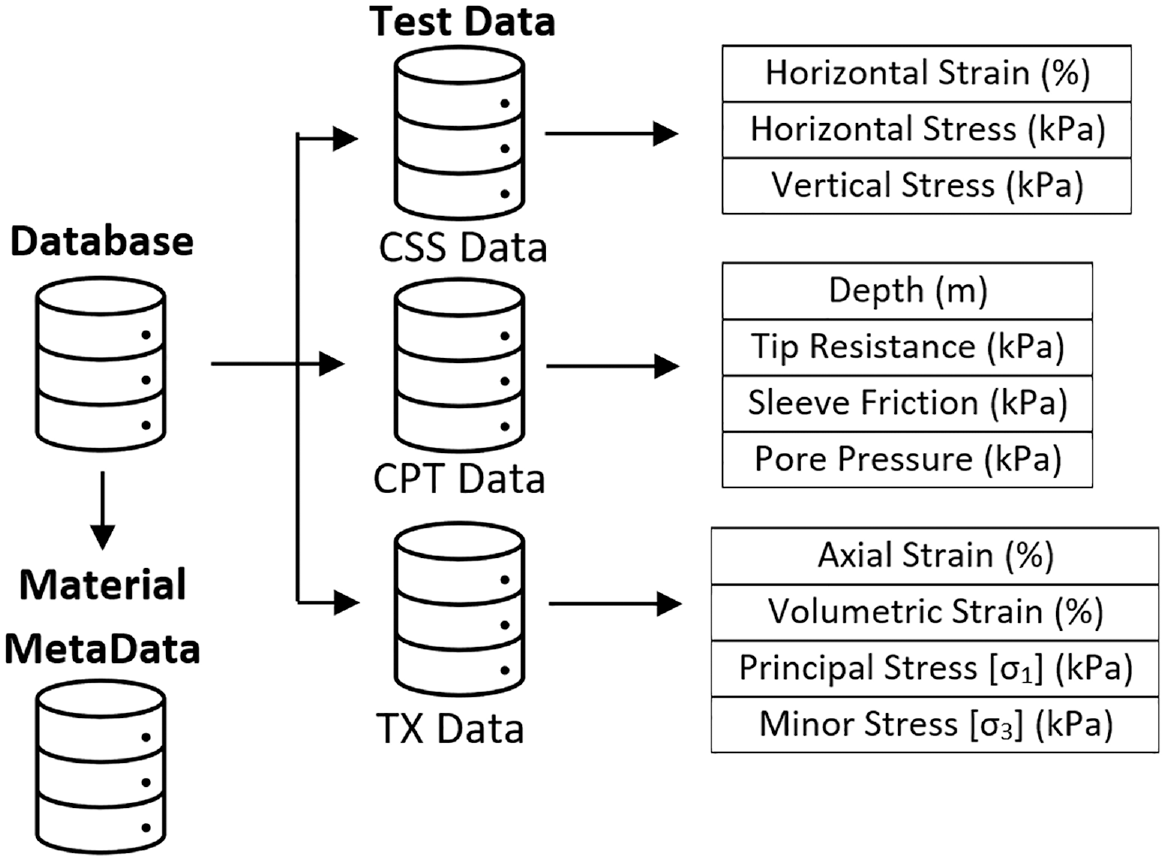
Database layout.
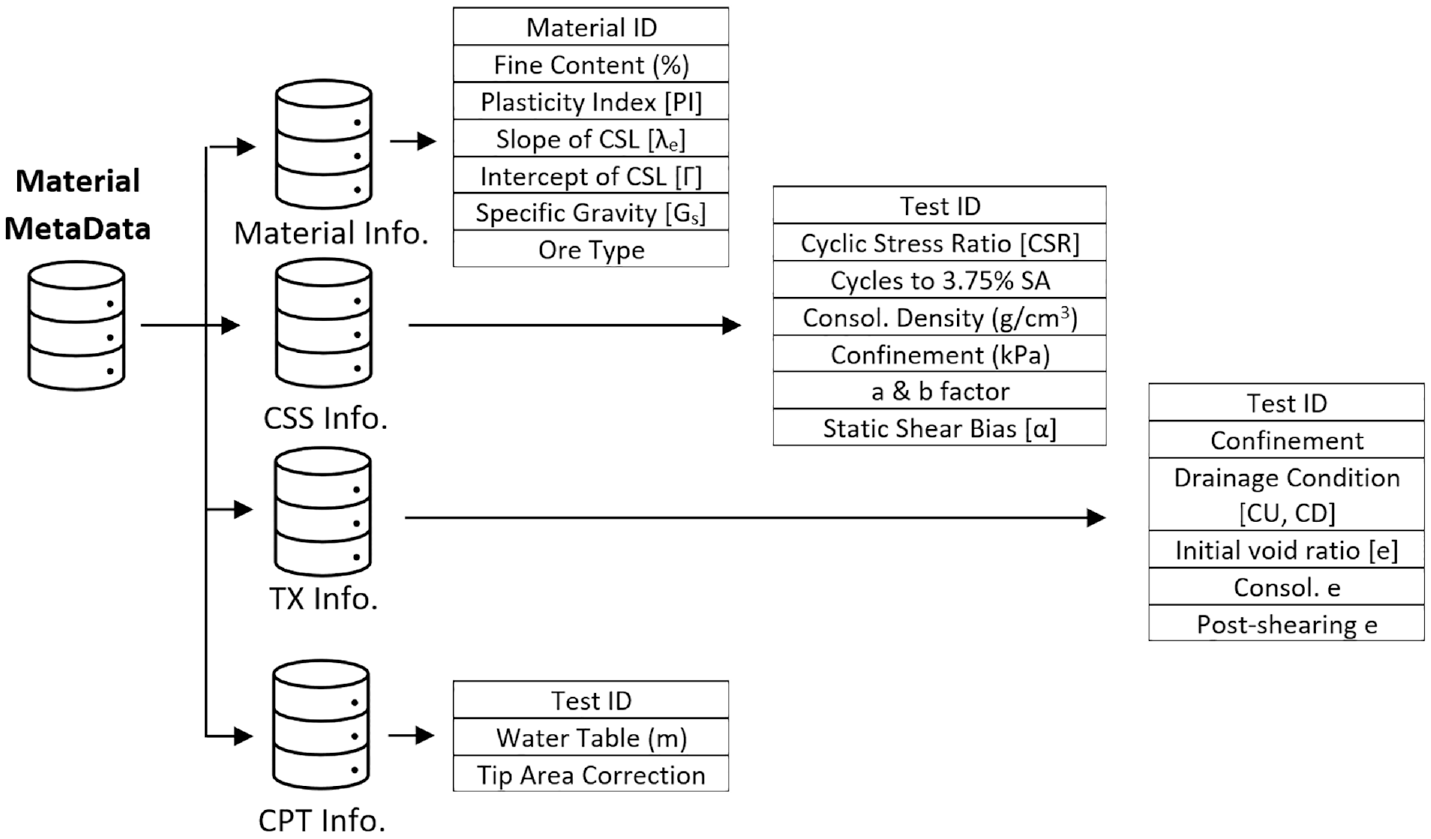
Scheme of metadata tables.
Summary
As discussed in the introduction section, information on the cyclic response of mine tailings is scarce compared to the available information for natural soils. Importantly, even in the case of natural soils, most available databases focused on providing information on cyclic responses only consider cyclic tests (e.g. CSS) without providing complementary data that would potentially allow better the integration of mechanical properties (e.g. estimated from Tx tests) or field-scale responses (e.g. CPTu). In this context, we organized our database materials into three classes (i.e. class A, class B, and class C) based on the amount of data available for a given material. Remarkably, most materials in our database belong to class A (see Table 1 for details). Once general aspects of the database are discussed, statistical features are also shared through histograms of relevant information. Ultimately, the potential users are welcome to conduct more statistical analyses. To illustrate potential uses of the database, we also discussed potential information that can be inspected from the database using three selected gradations. Finally, the database organization was discussed.
Examples of potential uses of the database to advance our understanding of the cyclic response of mine tailings include (but are not limited to) the evaluation of compressibility effects on the cyclic response of mine tailings, methods for identifying the onset of mine tailings liquefaction in laboratory testing, calibration of constitutive models for cyclic behavior, and so on. The examples listed above could also potentially benefit from modern data-driven approaches (ML/DL), as discussed in the “Introduction” section of this study. Realizing the power of ML/DP in tailings engineering will not be feasible without data. Thus, we encourage the tailings community to share their data as it would potentially benefit the whole community. The database can be accessed at https://doi.org/10.17603/ds2-1k0a-dt17
Footnotes
Acknowledgements
This material is based upon work supported by the National Science Foundation (NSF) under the Grant No. CMMI 2145092. Any opinions, findings, conclusions, or recommendations expressed in this material are those of the author(s) and do not necessarily reflect the views of the National Science Foundation. We also thank Ruben Vargas and Solange Paihua from Knight Piesold for facilitating data access through materials shipped to Georgia Tech for testing and data sharing. Last, we also thank TAILENG members who facilitated the access to some data.
Declaration of conflicting interests
The author(s) declared no potential conflicts of interest with respect to the research, authorship, and/or publication of this article.
Funding
The author(s) disclosed receipt of the following financial support for the research, authorship, and/or publication of this article: This material is based upon work supported by the National Science Foundation (NSF) under the Grant No. CMMI 2145092. Any opinions, findings, conclusions, or recommendations expressed in this material are those of the author(s) and do not necessarily reflect the views of the National Science Foundation.