




Abstract
Background:
Radiofrequency (RF) technologies are widely used for non-invasive facial rejuvenation. While monopolar RF (M-RF) provides deeper tissue heating, monopolar-bipolar RF (MB-RF) platforms aim to target multiple dermal depths to improve both contouring and surface texture. Real-world patient satisfaction data on MB-RF remain limited.
Methods:
A descriptive cross-sectional survey was conducted at cosmetic dermatology facilities in Ho Chi Minh City (March-July 2025). Adults (≥18 years) undergoing MB-RF with the DENSITY NOIR device were enrolled. Participants rated improvements in firmness/contouring, pore appearance, skin tone and wrinkles at one-week and one-month post-treatment. Overall satisfaction, comfort and willingness to repeat the treatment were recorded. A planned subgroup analysis was performed for participants with prior M-RF experience.
Results:
Of 130 participants, 31 (23.9%) had previously undergone M-RF. MB-RF achieved 63.1–64.6% satisfaction for firmness/contouring with texture-related satisfaction ranged from 60.8%–62.3%. Overall satisfaction was 69.2%, with low discomfort (2.3%). Subgroup analysis showed no significant efficacy differences between MB-RF and prior M-RF, but MB-RF was significantly more comfortable and preferred for reuse.
Conclusion:
MB-RF (DENSITY NOIR) provides high patient satisfaction with strong tolerability and comparable efficacy to prior M-RF, positioning it as a patient-preferred non-invasive rejuvenation option.
Introduction
Skin ageing is multifactorial, influenced by intrinsic factors such as genetic programming and oxidative stress, as well as extrinsic contributions including ultraviolet radiation, pollution, smoking and lifestyle habits. These mechanisms collectively lead to collagen degradation, reduced elasticity, surface textural changes and gradual contour loss, making facial rejuvenation a major focus in aesthetic dermatology. 1 With increasing demand for non-invasive, low-downtime procedures, RF technology has become a widely adopted modality for skin tightening and dermal remodelling.
RF devices deliver controlled thermal energy to the dermis and subdermal tissues, promoting collagen denaturation, neocollagenesis and elastin remodelling without damaging the epidermis. Monopolar radiofrequency (M-RF) systems are known for deeper tissue penetration and effective skin tightening, while bipolar RF (B-RF) focuses energy more superficially, improving skin texture and fine lines. However, single-modality systems may not adequately address the full spectrum of ageing changes, particularly when both contouring and textual enhancement are desired. 2 Sequential or combined RF systems, such as MB-RF platforms, have therefore emerged as an evolution of traditional RF therapies. By delivering energy at multiple depths, MB-RF aims to improve both lifting and surface quality in a single treatment. Early evidence shows enhanced collagen and elastin synthesis and improved dermal remodelling with sequential RF compared with single-mode devices. Yet, despite the widespread clinical use of RF technologies, real-world patient satisfaction data comparing MB-RF and M-RF remain limited. 3
Understanding patient-reported outcomes is important, as perceived comfort, visible improvement and willingness to repeat treatment strongly influence long-term adherence in aesthetic practice. This study addresses this evidence gap by evaluating the treatment experience, satisfaction and perceived efficacy of MB-RFF among patients in cosmetic dermatology facilities in Ho Chi Minh City and comparing outcomes with those who had previously undergone M-RF. The objectives of this study were (a) to assess patient-reported efficacy and satisfaction with MB-RF and (b) to compare treatment outcomes, comfort levels and willingness to reuse MB-RF versus prior M-RF experience where applicable.
Materials and Methods
Study Design and Setting
This was a descriptive cross-sectional survey conducted at cosmetic dermatology facilities in Ho Chi Minh City, Vietnam. Data was collected between March 2025 and July 2025 from individuals seeking non-invasive skin firming or rejuvenation treatments. This study was conducted in accordance with the principles of the Declaration of Helsinki. Written informed consent was obtained from all participants, including specific consent for the use and publication of clinical images.
Study Participants
Participants were eligible if they were aged ≥ 18 years and underwent MB-RF treatment during the study period. Individuals with active dermatologic disease, acute skin infection at the treatment site or psychiatric conditions that could impair reliability were excluded. All treatments were performed using the DENSITY NOIR (Jeisys Medical Inc., Seoul, Republic of Korea) MB-RF device. Participants were excluded if they had active dermatologic disease, acute skin infections at the treatment site or psychiatric disorders that could impair reliability.
Sample Size Calculation
The sample size was estimated using the single-proportion formula, with a 95% confidence level (α = 0.05), an expected satisfaction rate of 91.7% based on prior literature and a 5% margin of error. The minimum required sample size was 117. Allowing an anticipated 10% non-response rate, the final target sample size was set at 130 participants.
Participants who met the eligibility criteria during the study period were enrolled until the required sample size was achieved.
Study Variables and Outcomes
Demographic information, reason for consultation, treated anatomical area and history of prior M-RF use were recorded.
Treatment Efficacy
Participants rated perceived improvements at one-week and one-month after treatment for the following domains: Skin firmness and facial contouring, pore appearance, skin tone and superficial wrinkles.
Satisfaction and Experience
Overall treatment satisfaction was assessed using a five-point Likert scale (very dissatisfied to very satisfied). Additional parameters included perceived time to visible results, perceived treatment effectiveness, emotional well-being after beginning treatment, discomfort during the procedure and willingness to undergo the treatment again. Participants with prior M-RF experience provided parallel ratings for their earlier M-RF treatment.
Subgroup Analysis
A planned subgroup analysis was conducted among participants who had undergone M-RF treatment at least one year earlier to compare perceived outcomes.
Data Collection
Data was collected using a structured, interviewer-administered questionnaire. All participants completed both the efficacy and satisfaction components. A subset of participants had previously undergone M-RF treatment at least one year earlier; these individuals were included for planned subgroup analyses. Those with prior M-RF experience answered additional comparative questions.
Statistical Analysis
Data was analysed using STATA version 14.0. Descriptive statistics (frequency, percentage, mean ± standard error) were used for participant characteristics and satisfaction scores. Comparative analyses between MB-RF and M-RF outcomes among participants with experience of both modalities were performed using appropriate paired statistical tests. A P value < .05 was considered statistically significant.
Results
Participant Characteristics
A total of 130 individuals participated in the survey. Most participants were over 40 years of age (56.2%) and female (96.9%). The majority sought treatment for skin firming (55.4%) or overall facial rejuvenation (30.8%). Almost all participants underwent treatment on the facial area (98.5%). Thirty-one participants (23.9%) had received M-RF at least one year prior, while the remaining 99 (76.2%) were first-time RF users receiving MB-RF. Table 1 summarises participant characteristics.
General Characteristics of Study Participants (n = 130).
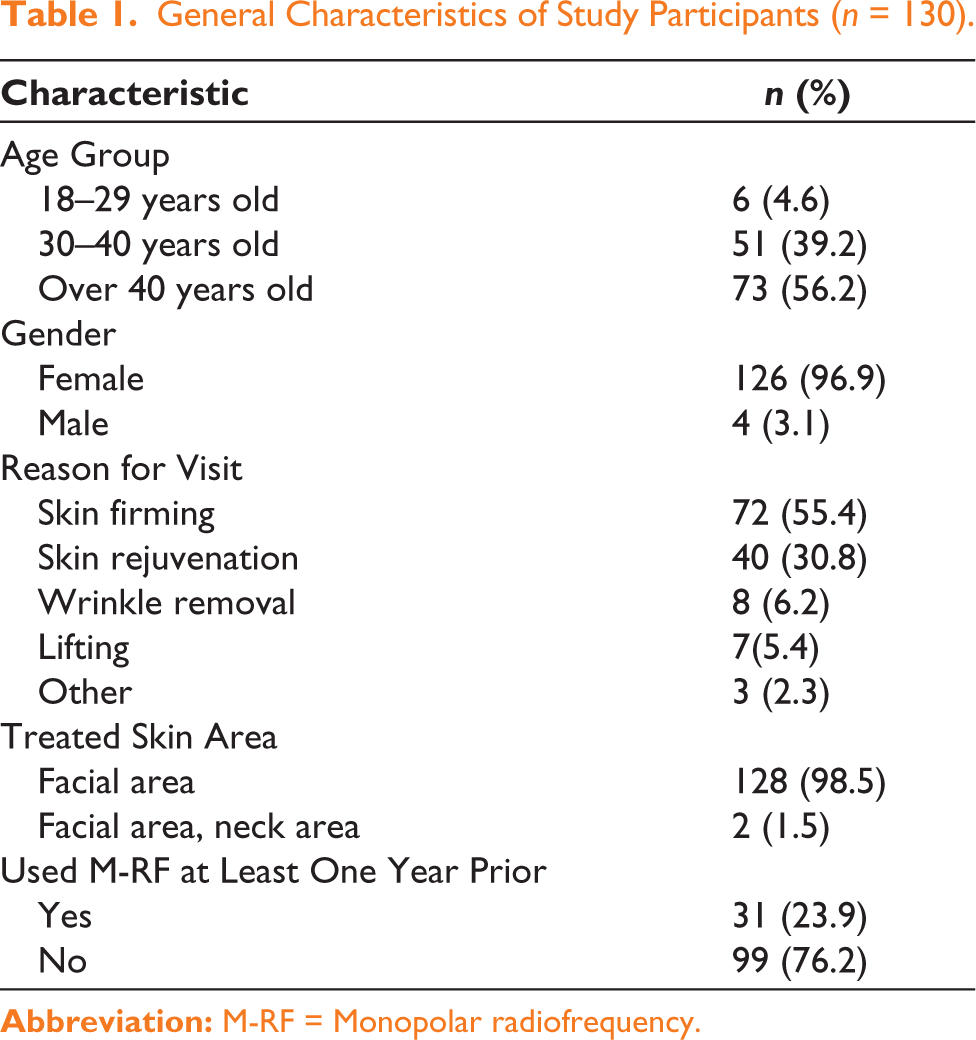
Abbreviation: M-RF = Monopolar radiofrequency.
Patient-reported Outcomes with MB-RF Treatment
Firmness and Contouring
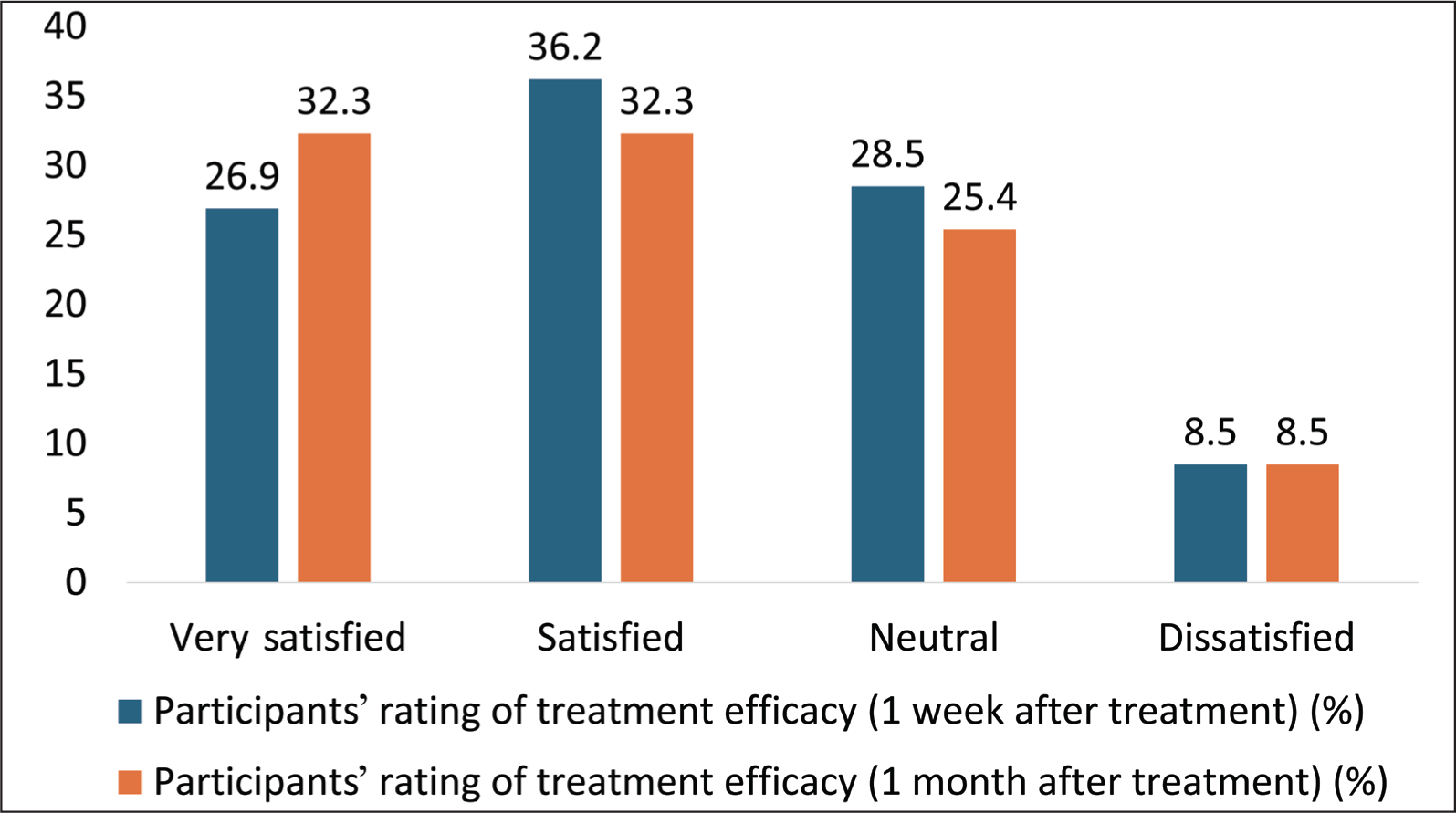
Participants reported high satisfaction with skin firmness and contouring following MB-RF. At one-week post-treatment, 63.1% of participants rated themselves as satisfied or very satisfied. This improvement persisted at one-month, with 64.6% expressing satisfaction (Figure 1).
Participants’ Ratings of Improvement in Skin Firmness and Facial Contouring Following MB-RF Treatment at One-week and One-month Post-procedure.
Texture-related Parameters (Pores, Tone, Wrinkles)
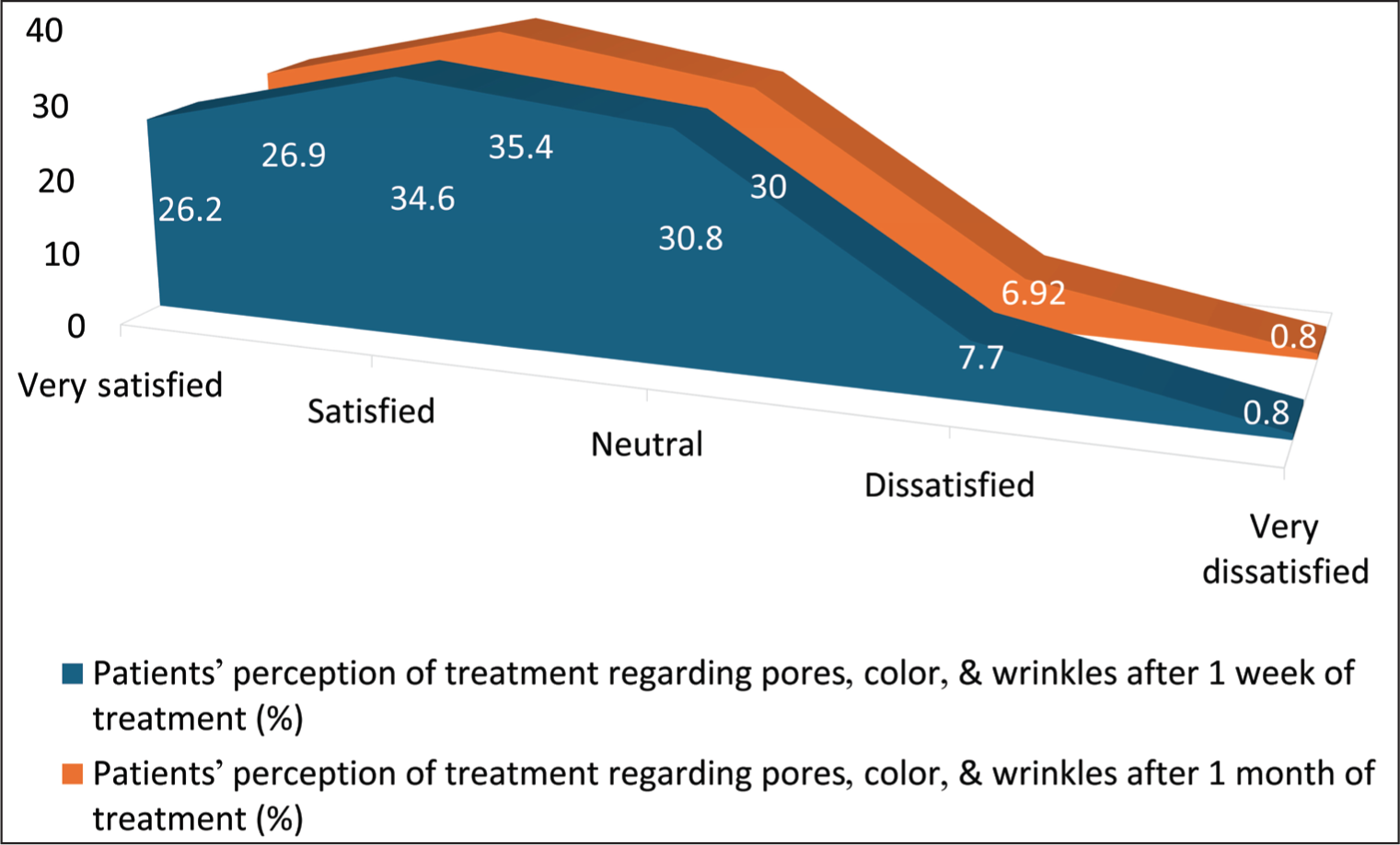
Satisfaction with pore appearance, skin tone and superficial wrinkles was also high. At one-week, 60.8% of participants reported being satisfied or very satisfied, increasing marginally to 62.3% at one-month. Only <8% expressed dissatisfaction at either time point. Detailed distribution is provided in Figure 2.
Participants’ Ratings of Improvement in Pore Appearance, Skin Tone and Superficial Wrinkles After MB-RF Treatment at One-week and One-month.
Overall Satisfaction and Treatment Experience
MB-RF demonstrated strong overall acceptability (Table 2). Overall satisfaction with MB-RF was 69.2% (very satisfied or satisfied), with 23.8% neutral. Only 6.9% reported dissatisfaction.
Overall Participant Satisfaction with MB-RF Treatment Across Key Experiential Parameters (n = 130).

Patient Experience with M-RF
Among the 31 participants with prior M-RF experience, satisfaction patterns were similar in terms of efficacy but differed substantially in comfort.
Firmness and Contouring
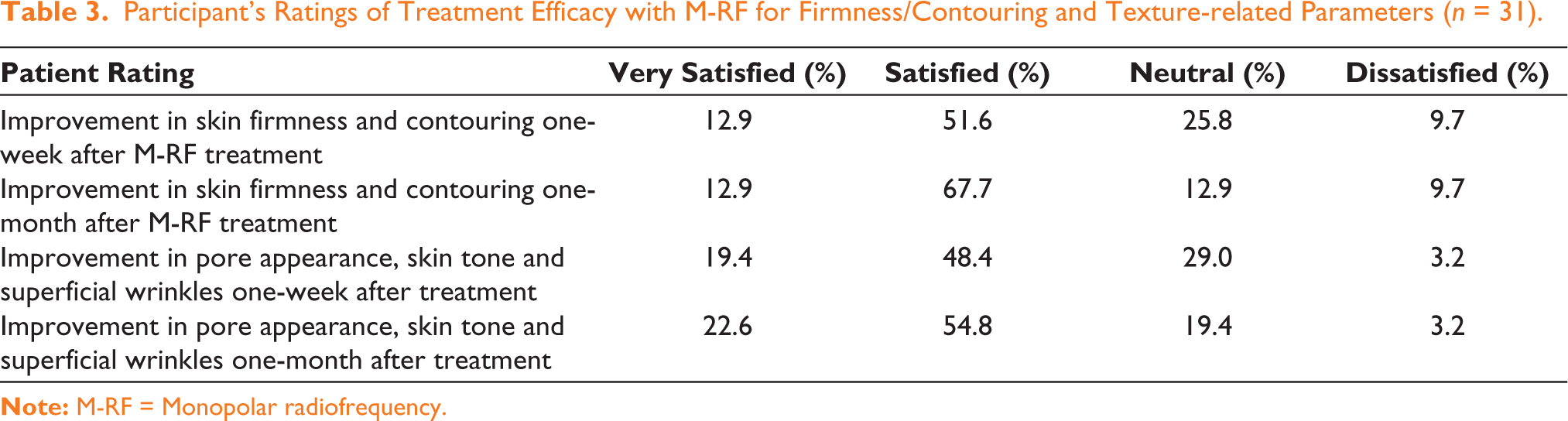
For M-RF, 64.5% of participants reported being satisfied or very satisfied at one-week, increasing to 80.6% at one-month (Table 3).
Texture-related Parameter
Improvement in pore appearance, skin tone and superficial wrinkles was noted by the majority of patients using M-RF. Satisfaction reached 67.8% at one-week and 77.4% at one-month (Table 3).
Participant’s Ratings of Treatment Efficacy with M-RF for Firmness/Contouring and Texture-related Parameters (n = 31).
Overall Satisfaction and Treatment Experience
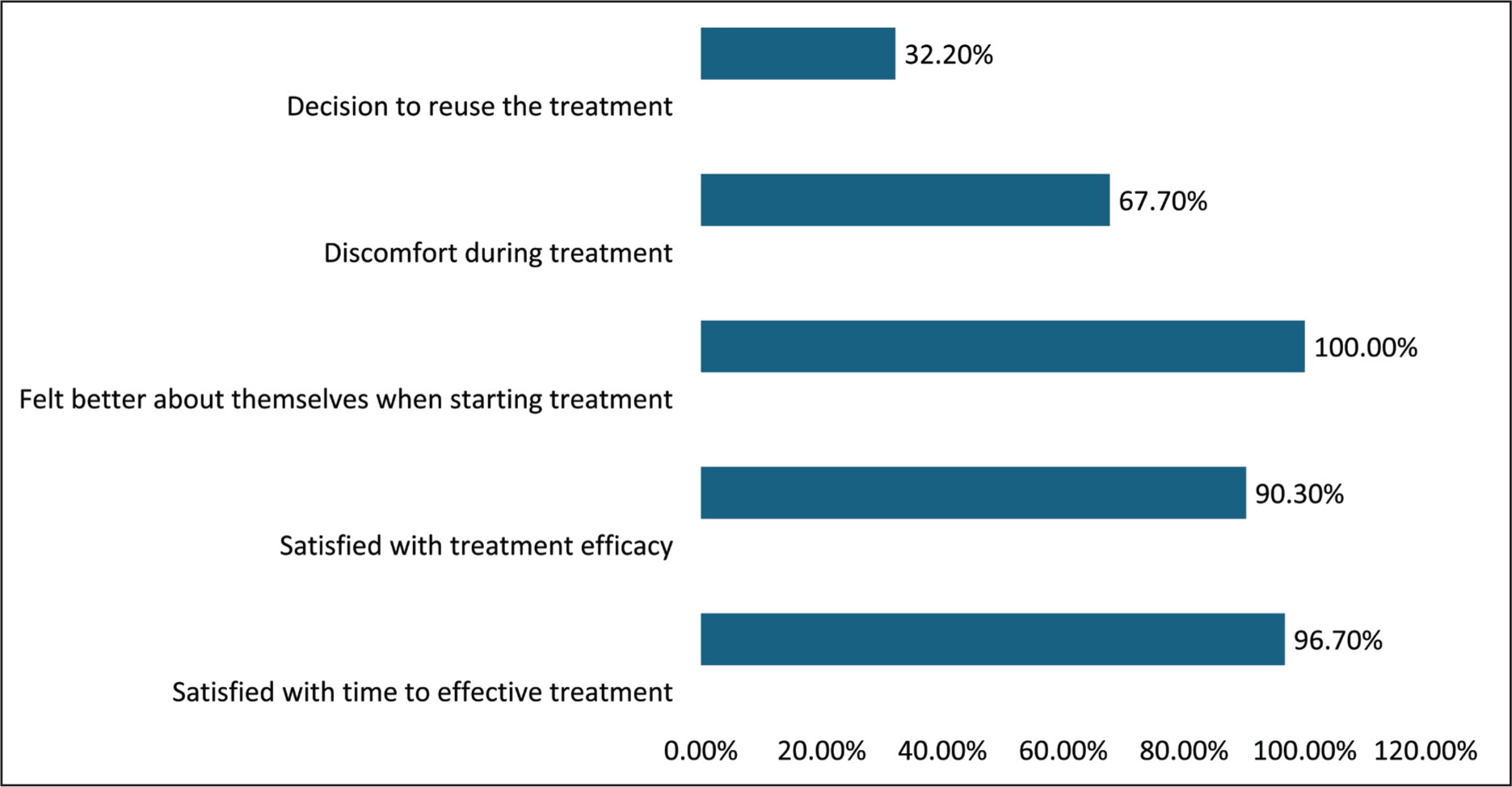
While efficacy perceptions were favourable, comfort scores were markedly lower than MB-RF (Figure 3). Overall satisfaction with M-RF reached 61.3%, with 29% neutral and 9.7% dissatisfied.
Overall Satisfaction, Treatment Comfort and Willingness to Repeat the Treatment Among Participants with Prior M-RF Experience (n = 31).
Comparative Analysis of MB-RF and M-RF
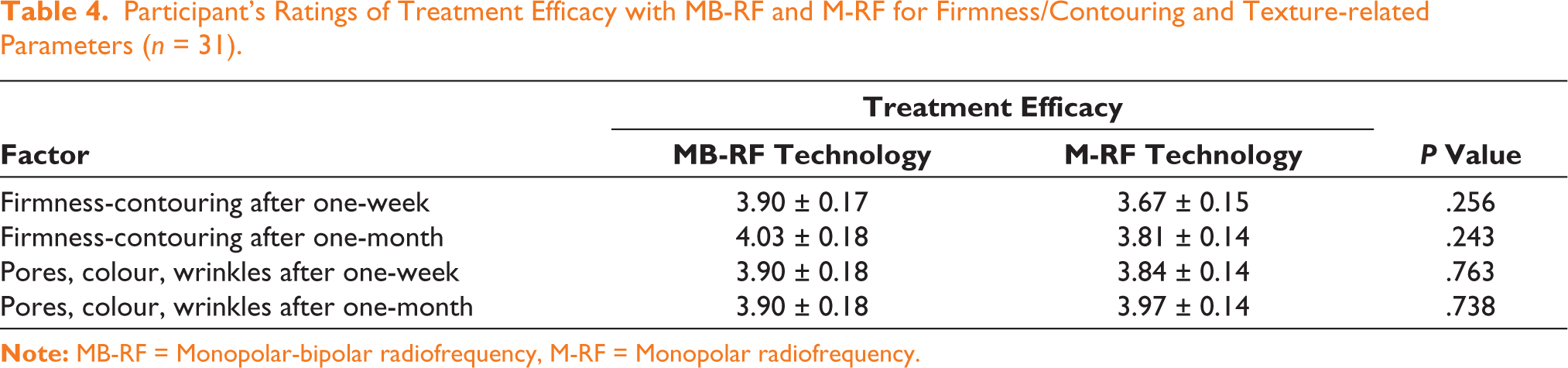
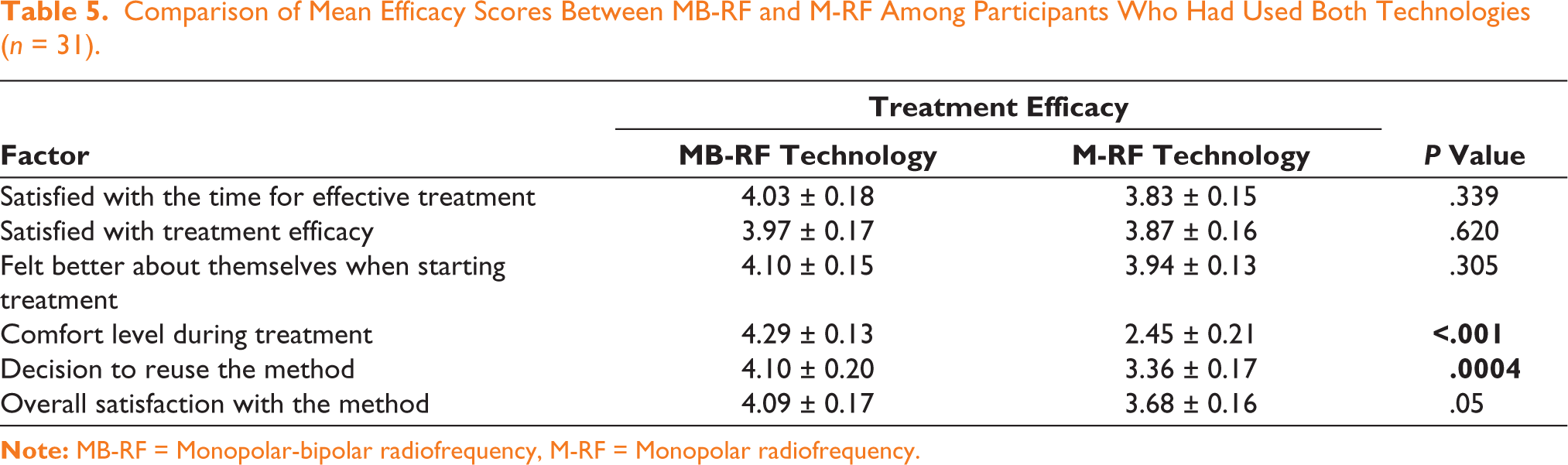
Comparative evaluation among participants who had used both modalities (n = 31) revealed no statistically significant differences between MB-RF and M-RF for either firmness/contouring or texture-related outcomes at one-week or one-month (all P > .24). However, participants reported significantly higher comfort and willingness to reuse the MB-RF compared with the M-RF treatment (P < 0.05). Mean scores for both modalities ranged between 3.67 and 4.03 across all parameters (Tables 4 and 5).
Participant’s Ratings of Treatment Efficacy with MB-RF and M-RF for Firmness/Contouring and Texture-related Parameters (n = 31).
Comparison of Mean Efficacy Scores Between MB-RF and M-RF Among Participants Who Had Used Both Technologies (n = 31).
Representative Clinical Images
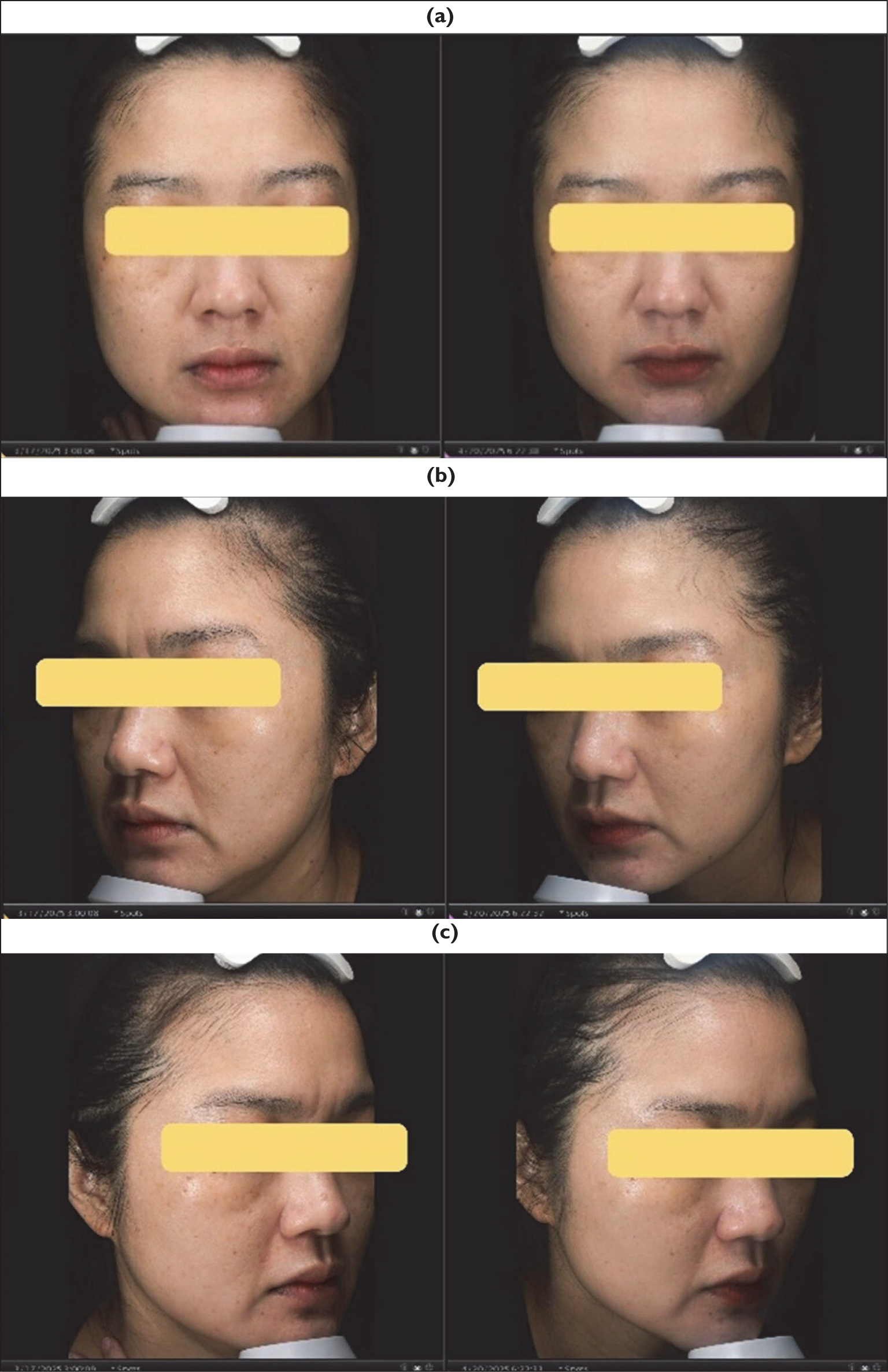
To visually complement the patient-reported outcomes, standardised pre-and post-treatment photographs of a representative participant treated with MB-RF is presented. These images illustrate clinically appreciable improvements commonly reported in the survey, including enhanced skin firmness, improved facial contour definition and visible refinement in surface texture. Figure 4 demonstrate improvements in mid-and lower face firmness with clearer jawline definition. Figures 4a-c were obtained using identical camera settings, lighting conditions, facial positioning and background to ensure comparability. Across frontal and oblique views, visible improvements were observed at one-month post-treatment, including enhanced skin luminosity, softening of superficial wrinkles, improved periorbital and mid-face smoothness and more uniform skin texture. These objective visual changes correspond with the patient-reported improvements in tone, texture and contour documented in the survey results.
(a) Frontal View at Baseline and One-month Post Treatment. (b) Right Oblique View at Baseline and One-month Post Treatment. (c) Left Oblique View at Baseline and One-month Post Treatment.
Discussion
This study evaluated patient-reported outcomes of MB-RF and M-RF for facial rejuvenation among 130 individuals seeking skin firming, lifting or texture improvement. Consistent with global aesthetic trends, the majority of participants were women over 40 years of age, reflecting the higher demand for non-invasive anti-ageing procedures in this demographic. The findings demonstrate that both MB-RF and M-RF provide clinically meaningful improvements in firmness, contouring and texture-related parameters; however, MB-RF offered a substantially more comfortable treatment experience and a higher likelihood of repeat use.
In this survey, MB-RF achieved over 90% satisfaction in firmness and contouring at both one-week and one-month, with comparable improvements noted in pore appearance, tone and superficial wrinkles. These results align with previous reports indicating that RF-based therapies induce neocollagenesis, dermal remodelling and soft-tissue tightening through controlled thermal energy delivery.4,5 The consistency of results between early (one-week) and later (one-month) time points suggests that MB-RF produces both immediate and progressive improvements, likely reflecting collagen contraction followed by neocollagenesis.
Although M-RF demonstrated similar efficacy, showing improvements in firmness, contouring and texture parameters that mirror findings from controlled trials, 6 the key differentiator between the two modalities was treatment comfort. Approximately two-thirds of M-RF users reported that discomfort is a major determinant of treatment adherence, pretreatment willingness and patient loyalty. The sequential pulsed design of MB-RF may contribute to a more tolerable experience by distributing thermal load across multiple tissue depths, reducing peak heat sensation without compromising dermal impact. This interpretation is supported by preclinical findings showing enhanced collagen and elastin production, increased epidermal thickness and more controlled fibroblast activation with sequential RF compared to M-RF. 7
The comparative analysis conducted among participants who had experienced both devices further strengthens these observations. Although efficacy scores between MB-RF and M-RF did not differ significantly, MB-RF scored markedly higher for comfort and reuse intent. These findings underscore an important clinical insight: When two modalities deliver comparable aesthetic outcomes, patient experience becomes the decisive factor influencing treatment selection and long-term acceptance. This position of MB-RF as a patient-preferred modality in aesthetic practice is particularly important for individuals seeking regular maintenance procedures.
However, the interpretation of these findings should be contextualised within the study’s methodological limitations. The cross-sectional design captures perceptions at a single time point and objective measures such as investigator-graded scales, imaging-based assessments or biophysical parameters were not included. The one-month follow-up window may not fully reflect the long-term trajectory of collagen remodelling and satisfaction with M-RF was based on treatments performed at least one year earlier, introducing potential recall bias. Additionally, the near-exclusive inclusion of women from an urban setting may limit generalisability to broader populations.
Despite these limitations, this real-world dataset offers valuable insights into patient preferences and experiences with two widely used RF technologies. The high response rate, inclusion of paying clients and direct within-patient comparison among a subset of participants enhance the practical relevance of the findings for aesthetic dermatology and clinical decision-making.
Future research should focus on prospective, controlled studies that incorporate both subjective and objective endpoints, longer follow-up periods and diverse populations. Comparative thermographic analyses, histological evaluation and incorporation of AI-based skin assessment tools could further elucidate the mechanistic advantages of sequential RF systems. Additionally, exploring energy-dose optimisation, treatment protocols and combination approaches may provide deeper insights into how MB-RF can be integrated into multimodal aesthetic strategies.
Conclusion
Both MB-RF (DENSITY NOIR) and M-RF demonstrated meaningful improvements in skin firmness, contouring and texture in this real-world cohort. While efficacy outcomes were comparable between the two modalities, MB-RF was consistently associated with markedly greater comfort, a more favourable treatment experience and a significantly higher willingness for repeat use. These patient-centred advantages suggest that MB-RF may offer a more acceptable and sustainable option for individuals seeking non-invasive facial rejuvenation, particularly in settings where comfort and adherence are key to long-term aesthetic maintenance.
Although the findings are limited by the study’s cross-sectional design and reliance on self-reported measures, they provide valuable insights into real-world patient preferences and highlight the importance of integrating both efficacy and treatment tolerability into clinical decision-making. Future controlled studies with objective assessments and extended follow-up are warranted to validate these results and further clarify the role of sequential RF technologies within contemporary aesthetic practice.
Footnotes
Acknowledgements
The author would like to acknowledge and appreciate the medical writing support provided by Ms Pooja S Banerjee and Dr Nikita Agrawal from Krystelis Ltd.
Any Other Identifying Information Related to the Authors and/or Their Institutions,Funders,Approval Committees,that Might Compromise Anonymity
None.
Data Availability Statement
All relevant data supporting the findings of this study are included within the manuscript. Any data supporting the findings of this study are available from the author upon reasonable request.
Declaration of Conflicting Interests
The author declared no potential conflicts of interest with respect to the research, authorship and/or publication of this article.
Ethical Approval and Informed Consent Statements
This survey-based study did not require formal ethical approval. Written informed consent was obtained from all participants, including specific consent for the use and publication of clinical images.
Funding
The author received no financial support for the research, authorship and/or publication of this article.