




Abstract
Conceptions of autism and neurodiversity vary widely, with differing views on how they are portrayed in contemporary culture. Although autism scholars have long advocated for greater involvement of autistic individuals in knowledge creation, meaningful co-production between autistic stakeholders, researchers, and the broader community remains limited. To explore differences in autism knowledge between autistic and non-autistic people, we used a qualitative method called visual elicitation. We invited the public to upload an image they felt represented autism and explain their choice. Through thematic analysis of these images and their accompanying descriptions, we identified three key themes highlighting how autism is currently conceptualised: metaphors, the medical model, and the social model of disability. We then used inferential statistics to explore if and how these conceptualisations differed across autistic and non-autistic respondents. Only one of these themes differentially occurred across groups. Autistic participants were more likely to focus on the social model of disability and its subthemes compared to non-autistic participants. To showcase the depth of these responses, we recreated selected images using AI to include here. The findings highlight the influence of the neurodiversity movement and the role of autism-related imagery in shaping public perceptions.
Lay Abstract
Autism and neurodiversity are understood in different ways, and these perspectives influence how they are portrayed in culture. To explore this, we asked autistic and non-autistic people to share images they felt represented autism and explain their choices. By analysing these images and descriptions, we found three main themes: metaphors, the medical view of autism, and the social view of disability. Autistic participants were more likely to focus on the social model, which emphasises how society shapes disability. To deepen our understanding, we recreated selected images using AI. The study highlights the impact of the neurodiversity movement and the power of images in shaping public views on autism. We also offer recommendations for better engaging with these ideas.
Introduction
The phrase ‘a picture is worth a thousand words’ is particularly relevant in today's visually-driven online culture, where images, memes, gifs, and emojis dominate communication. This trend reflects a need for quick, impactful expression, enabling people to convey complex emotions or ideas in a single image. These visual elements often act as a cultural shorthand, carrying shared meanings and sparking discourse (Highfield & Leaver, 2016; Wagener, 2021).
Image-based discourse is especially effective in exploring how people symbolically perceive topics that challenge existing norms or are outside their immediate social experience, such as new technologies, environmental issues, or social innovations (Wagner et al., 2002). Wagner's concept of ‘symbolic coping’ describes the societal process of collectively making sense of novel phenomena through media and cultural symbols. This method has been applied to various domains (i.e., technological advances (Wagner et al., 2002), environmental issues (Wagner & Kronberger, 2001), and in healthcare (Puhrová et al., 2022)) but remains less explored in areas like disability and its intersection with social identity. Given the importance of images and symbols in enabling and retrospectively understanding social movements (Korff & Drost, 1993), studying how people visualise topics like autism is a valuable and novel exploration for several reasons.
Capturing respondents’ impressions of visual data has strong historical roots within psychological enquiry. Going back to the turn of the 20th century, early psychoanalytic techniques centred upon asking people to describe what they saw in abstract images and relating this to their immediate experiences (Curtis, 2016). Advances in approaches to sociology and anthropology in the 1960s led to the development of photo-elicitation techniques where participants produced photographs that were symbolic of their experiences in a way that spurred social change and deinstitutionalised knowledge production (Harper, 2002). Across these historic contexts, it is clear how including visual elements in qualitative research affords many benefits.
As discussed in Pauwels (2015), who describes methods for using ‘visual elicitation’ techniques in qualitative research, having participants choose images that they think represent a topic can serve as a ‘door opener’, providing a structure for a participant's open-ended response. The chosen images then serve as a concrete talking point and can provoke more evocative and personal responses than more sterile prompts or interview questions. Importantly, by focusing on the image rather than the monolithic ‘topic’, the respondent may feel more comfortable taking on the role of expert which encourages them to speak more freely, as they are discussing things that have already been captured in the image rather than having to produce opinions or insights on the spot. Finally, visual elicitation is focused on deinstitutionalising knowledge and understanding what everyday people directly perceive through images they choose and explain.
Autism is a topic that may particularly benefit from visual elicitation to deinstitutionalise knowledge and spur discussion of its symbolic messaging. While autism is not a new condition, it continues to experience a good deal of ‘mixed messaging’ in the way that it is communicated to specific target audiences. Historically, beginning with Kanner's case studies, the condition was viewed as rare and associated with severe social challenges (Volkmar & McPartland, 2014), often leading to institutionalisation and educational segregation (Thompson, 2013). However, changes in diagnostic criteria, such as those in the Diagnostic and Statistical Manual of Mental Disorders, Fifth Edition (DSM-5) (American Psychiatric Association, 2013), have expanded understanding, and autism prevalence is now an estimated one in 36 children (Maenner et al., 2023), making it a common neurodevelopmental condition. Autism now encompasses diverse traits and support needs, and has gained cultural prominence through media representations and public discourse on neurodivergence and prominent neurodivergent people who show the complexities and dualities of the condition (Gabarron et al., 2022; Jones et al., 2023).
Autism as a condition is increasingly discussed in news media (Karaminis et al., 2023) and fictional media (Nordahl-Hansen et al., 2018), and often in polarising ways, including people who either focus on framing autism as a natural difference or a disease to be treated. In relation to the former, the term neurodivergence, first coined by sociologists, journalists and online activists in the late 1990s (Botha et al., 2024), highlights how natural brain variations exist across the entire population, and specific variations account for diversity in the human experience. The concept of neurodivergence being natural and beneficial for society has reshaped perceptions of autism in a positive direction, moving away from deficit-based views to recognising neurodivergent strengths (Maw et al., 2024) and a need for inclusivity within public institutions (Ainscow et al., 2019).
At the same time, there are persistent views of autism as an inherently disabling condition that is conflated with agendas linking autism to adverse environmental effects such as pollutants and early childhood vaccinations (Mann, 2018). Recently, the US health secretary Robert F Kennedy Jr. announced in his first press conference an agenda to uncover the cause of autism and explore its link with toxins, using stigmatising language about autistic people which framed them as unable to live independent, meaningful lives (Dunbar, 2025). The proliferation of the concept of autism as a disease needing a cure can also be seen in the amount of research funding spent on biological research rather than initiatives to improve real-life outcomes (Harris et al., 2021), underscoring the schism between those advocating for acceptance versus treatment, and the power structures at play in these spheres.
Continued discussion of autism in public spaces prompts symbolic coping as society navigates its understanding of neurodivergence, disability and the like. To explore cultural interpretations and stereotypes, this study invited participants to select and explain images representing autism, leveraging visual elicitation to uncover abstract and collective perceptions of the condition. Specifically, we used a technique coined by Pauwels (2015) as ‘auto-driven visual elicitation’ in which the participants both produce visual data through found pictures and then comment on their choices. This approach yields two types of data, verbal and visual, which allows analysis of both images and justifications. By asking participants to share images, we gained insights into how autism has been made relevant to them through symbolic representations, reflecting both individual perspectives and broader cultural narratives. Importantly, we also collected data from both autistic and non-autistic participants to better understand how the lived experience of autism plays a role in symbolic coping. This innovative approach highlights the potential of visual discourse for qualitative research in understanding complex, evolving topics. Visual elicitation not only allows the generation of scientific knowledge about autism perceptions but also raises awareness of problems or mismatches in autism knowledge between those with and without lived experience, empowering those in the minority to improve understanding of lived experience at the societal level.
Here we conducted thematic analysis on both the image our participants chose to represent autism as well as their verbal description of how and why that image was chosen. Both the image and text were treated as a single unit of analysis to fully capture the depth of response and to protect against overinterpretations by the research team as to why individuals chose a given picture. Following this thematic analysis, we undertook additional inferential statistical analysis to compare how often each theme came up in the images, and if these themes differed across autistic and non-autistic respondents.
Methods
Methodological Rationale: Exploratory Sequential Mixed Methods Design
This study adopts an exploratory sequential mixed methods design (Creswell & Plano Clark, 2011; Subedi, 2016), in which qualitative data collection and analysis precede and inform subsequent quantitative investigation. This involves first gathering qualitative data to explore a phenomenon and then using quantitative data to explain the relationships found in the qualitative data. Creswell and Plano Clark (2011) argue that by collecting both types of data sequentially allows one form of data play a supportive role to the other form of data. In this article, the quantitative data are used to support the primary form of data (qualitative). This approach is particularly appropriate for examining complex social phenomena, to address a social issue for a marginalised or underrepresented population, such as those involving neurodivergent experiences, and to engage in research that brings about change. In this case, existing empirical frameworks may inadequately capture lived realities of being neurodivergent. Thus, initiating the research qualitatively enables the identification of emergent themes, conceptual categories, and context-specific constructs that are often obscured by normatively designed instruments.
By centring participants’ voices, both autistic and non-autistic, the qualitative phase ensures that subsequent operationalisations of key variables are grounded in experiential authenticity. The quantitative phase then systematically assesses the prevalence, variation, and generalizability of these emergent insights, enabling statistically robust comparison across neurotypes. This design enhances the construct and ecological validity of the research by resisting a priori assumptions and privileging inductively derived categories. It also enables the triangulation of findings and integration of interpretive depth with empirical breadth, facilitating a nuanced understanding of group-level differences without reducing neurodivergent perspectives to deficit-based framings. In doing so, the approach advances methodological inclusivity and epistemic justice, particularly in domains where neurotypical-centric paradigms have historically marginalized autistic ways of knowing and being.
Participants
The sample consisted of 163 (31 autistic and 132 neurotypical) adults recruited through online opportunity sampling. All participants were over 18; the sample consisted of 29 males, 126 females, five non-binary, and three others (see Table 1). Participants were recruited through social media sites (such as Facebook, Twitter, and Reddit). To recruit autistic participants, posts were placed on autism-related Facebook and Reddit pages. Before participating, participants were aware of the study's aim and gave fully informed consent online through Qualtrics. Ethical approval was granted by Edge Hill University's Psychology Department ethics committee.
Participant Sample Information.

Materials/Procedure
Participants were asked to provide demographic information (age, gender, ethnicity, and assigned sex at birth) and then select an image from the internet to conceptualize what autism means to them, avoiding images with words. They were asked to explain their choice in no more than 150 words to capture their reasoning rather than relying on researchers’ interpretations. Following this, participants were asked about their clinical autism diagnosis, including the age of diagnosis and whether a professional provided it. All participants who indicated they had a diagnosis also confirmed it was a medical diagnosis. Participants were also asked about their prior knowledge of autism and whether they had a personal connection to someone with the condition.
Analysis Approach
Both images and textual responses were analysed as unified data. Thematic analysis (Braun & Clarke, 2006, 2022) was chosen for its flexibility and ability to incorporate both visual and textual data, allowing for an accurate interpretation of participants’ intended meanings. This method was preferred over grounded theory and IPA because it focused on data-driven insights rather than theoretical frameworks (Braun & Clarke, 2019).
The six-step thematic analysis process was applied:
Familiarization: Two independent researchers thoroughly reviewed the dataset multiple times. Generating initial codes: Each researcher independently identified initial codes in the data. Searching for themes: The researchers collaboratively grouped the codes into potential themes and examined links between them. Reviewing themes: The themes were reviewed for coherence and relevance. Defining and naming themes: Themes were refined and given descriptive labels. Writing up: A comprehensive report was prepared, including the frequency of themes.
A codebook was developed to ensure clarity and consistency in coding. Codes were grouped into subthemes and subsequently organized into overarching themes. After thematic analysis, quantitative content analysis was conducted to examine theme prevalence. Inter-rater reliability was ensured to minimise bias, with two independent researchers coding the data. Due to copyright restrictions, original participant-uploaded images could not be published. Instead, researchers used AI art generators (e.g., DALL-E) to create comparable images. Prompts were iteratively refined to produce visuals closely resembling the originals. A second researcher verified these AI-generated images to ensure they accurately reflected the original submissions. Three illustrative examples were selected per subtheme for inclusion.
Positionality Statement
The qualitative analysis presented in this study was conducted by two researchers who both identify as neurodivergent and as members of the autistic and attention-deficit/hyperactivity disorder communities. Our lived experiences have inevitably shaped the interpretative lens through which we approached the data. Our neurodivergence informed not only our choice of research questions and methodological frameworks but also influenced the nuances of our data interpretation, particularly in relation to alternative communication styles, sensory experiences, and expressions of autistic identity that may be overlooked or misinterpreted by non-autistic researchers. This insider status facilitated a more nuanced, empathetic engagement with responses that spoke to lived experience. We recognize that our positionalities introduced particular interpretative biases; however, we contend that these biases serve as a critical counterpoint to the historical dominance of outsider interpretations in autism research. Our collaborative analysis was intentionally dialogic and reflexive, involving iterative discussions and critical self-awareness to balance insider insight with analytic rigor. This approach aligns with the principles of participatory and emancipatory research paradigms, which seek to centre the voices and expertise of those most affected by the phenomena under investigation.
Results
Using thematic analysis, the two coders identified three themes and several subthemes within each theme. The three main themes were autism metaphors and iconography, the medical model of autism, and the social model of autism. Subthemes are discussed throughout the analysis section. When providing extracts from participants’ text responses, the following textual conventions are used: Words omitted to shorten quote: …
Illustrative pictures found below descriptions for each sub theme in Figures 1–16.

Recreated Images for Subtheme Beauty and Colour.
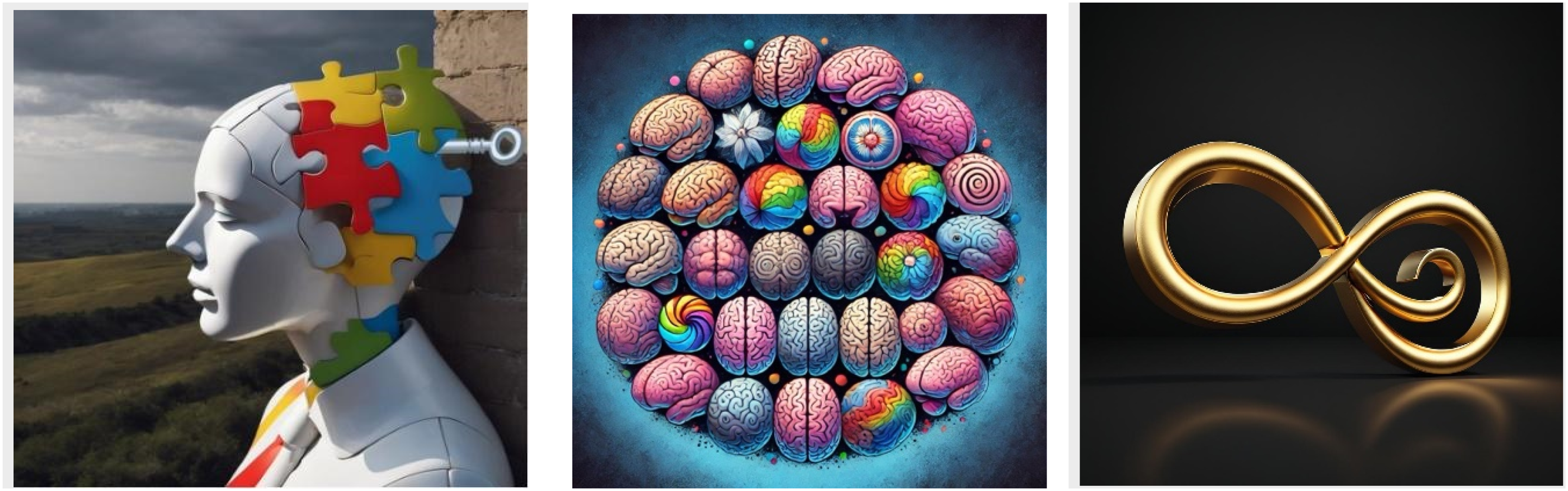
Recreated Images for Subtheme Symbols and Iconography.

Recreated Images for Subtheme Animals.

Recreated Images for Subtheme Metaphors.
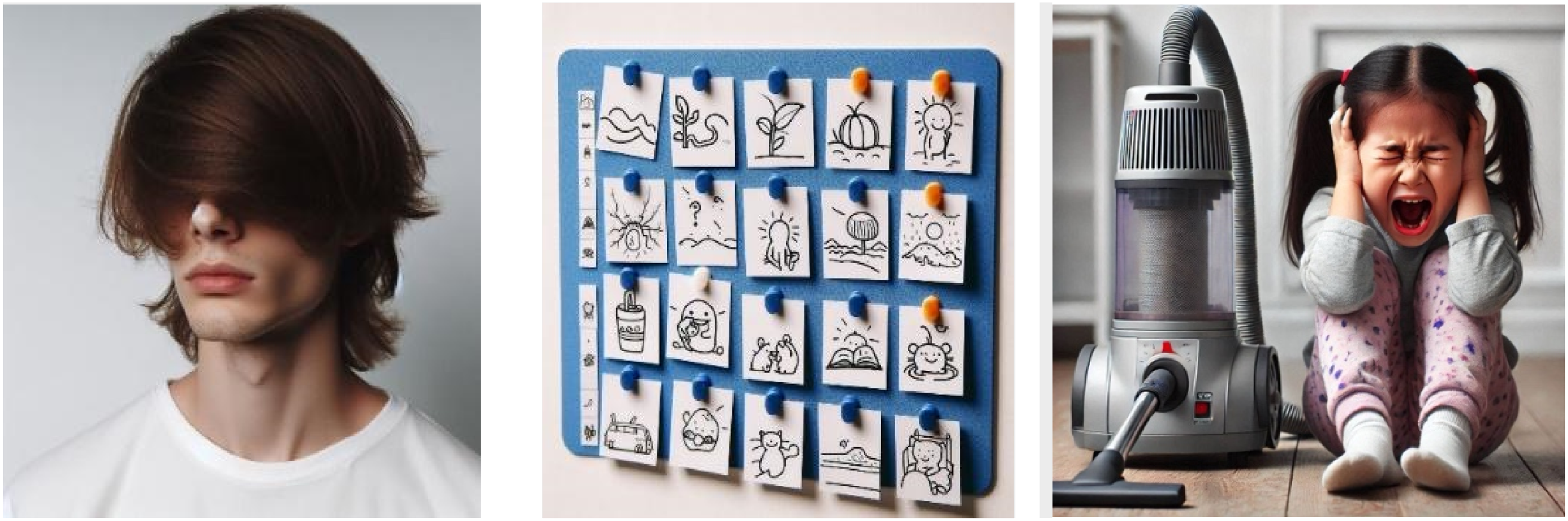
Recreated Images for Subtheme Social and Communication Differences.

Recreated Images for Subtheme Special Interests and Passions.

Recreated Images for Subtheme Repetitive Movements and Stimming.

Recreated Images for Subtheme Structure and Systems.

Recreated Images for Subtheme Sensory Overload.

Recreated Images for Subtheme Challenges.

Recreated Images for Subtheme Masking.

Recreated Images for Subtheme Isolation.

Recreated Images for Subtheme Emotions.

Recreated Images for Subtheme Misunderstandings.

Recreated Images for Subtheme Positives and Challenges.

Recreated Images for Subtheme Support Systems.
Theme 1 – Autism Metaphors and Iconography
Participants demonstrated knowledge of autism iconography and symbols to represent autism's meaning to them. There were an overwhelming number of similar pictures showing the power behind autism ‘branding’ within society. This theme comprised four subthemes:
Beauty and Colour
Participants frequently used colourful and abstract imagery to reflect autism's diversity and to challenge stereotypes (see Figure 1). Bright, bold colours symbolized individuality and variety, while chromatic images were used to critique simplistic views of autism. Some participants highlighted how autism is often stereotyped, especially in gendered ways. For instance, one participant favoured a rainbow prism over the blue puzzle piece, noting, ‘The rainbow prism better represents us—diverse in gender, sexuality, and individuality—and in this picture the girl is looking at the camera, breaking the stereotype that autistic people can't make eye contact’. Others chose colourful symbols to represent the richness of neurodiversity. A picture of umbrellas from Liverpool's Umbrella Project was described as ‘embodying the variety within autism spectrum condition (ASC)’ and representing the beauty and complexity of neurodiversity.
Participants used abstract images like colour wheels to describe autism's intricacy. One noted, ‘The colour wheel reflects autism's variety—some colours are simple to identify, while others blend categories, much like the spectrum of autism itself’. An autistic individual shared a personal connection to swirls, explaining, ‘I see the world in swirls—in clouds, nature, and rivers. Swirls represent constancy and beauty, which is how I interpret my autism. They help me understand and connect with the world’. These interpretations showcase the powerful role of imagery in breaking stereotypes, celebrating diversity, and communicating the lived experiences of autistic individuals.
Symbols and Iconography
Symbols representing autism have evolved over time, with organizations and individuals embracing diverse imagery to reflect the condition's complexity. Common symbols include rainbows, infinity symbols, puzzle pieces, brains, and butterflies, each carrying unique interpretations (see Figure 2 for a selection of images in this subtheme). Rainbows frequently symbolize the spectrum nature of autism, celebrating its diversity and beauty. A participant likened the autism spectrum to a rainbow, stating, ‘You see a rainbow and think of it as one entity, but up close, it's made of individual colours—just like autism’.
Puzzle pieces, a longstanding but contested symbol, elicited varied responses. Some viewed them positively, reflecting strengths in problem-solving and logical thinking. Others described puzzles as metaphors for understanding autism itself or navigating the world as an autistic individual. For example, one participant remarked, ‘The puzzle represents how people with autism try to fit in ‒ they may not understand why they’re different, but they want to be accepted’.
Brain imagery ‒ often colourful or patterned with symbols ‒ was associated with the neurological basis of autism and its cognitive diversity. One participant highlighted, ‘Different brains symbolize how everyone is unique, with varied interests and abilities’. Infinity symbols, particularly the gold infinity, represented autism's infinite diversity without the ‘negative connotations’ of the puzzle piece. As one participant expressed, it was a way to ‘identify as autistic without embarrassment or ambiguity’. These symbols illustrate how individuals conceptualize autism's heterogeneity and how imagery can shape public understanding, acceptance, and self-identification.
Animals
Participants often used animals in their responses to symbolize autism's uniqueness, diversity, and relatable characteristics, with butterflies, cats, and other animals serving as metaphors for various aspects of autistic experience (see Figure 3 for a selection of images).
Butterflies were frequently associated with beauty, individuality, and freedom of expression. One participant described autism as ‘so unique … it's like a colourful butterfly’, while another linked the butterfly's flight to the joy autistic children find in movement, particularly dance. Another used butterflies and other winged insects to represent the autism spectrum, comparing butterflies to those with exceptional talents and bees or wasps to individuals who may struggle more, sometimes reacting defensively to their environment.
Autistic participants who chose images of cats often found them deeply relatable. Cats were described as embodying traits such as intelligence, emotional sensitivity, and a preference for indirect communication. One participant stated, ‘I see myself as being more similar to cats than humans. I relate to their sensory perception and calm demeanour, and I’m happy with my autism, even if it's a disability’. Another described the parallels between human and feline communication struggles, highlighting how rigid boundaries can cause friction but also offer comfort.
In addition to cats, dogs were used to illustrate unconditional love and acceptance. A participant who chose their family dog shared, ‘Appa wouldn’t care if anyone was autistic as long as they loved him’, emphasizing the simplicity and non-judgmental nature of animals compared to human social interactions. These animal metaphors provided participants with a meaningful way to convey the richness and complexity of autism, offering both personal identification and broader reflections on non-human social styles. It also drew attention to the natural world and, in a sense, the naturalness of autism as depicted in other species.
Metaphors
Participants used powerful, deeply personal metaphors to describe their lived experiences of autism, often conveying abstract or complex feelings in ways that illuminated its nuances and challenges. Metaphors like the terrarium depicted autism as a comforting, self-contained space filled with personal interests and preferences. One participant said, ‘My autism feels like a safe glass enclosure … I can venture outside safely for a time, but I am better off inside’. Similarly, the Hogwarts castle symbolised autism's complexity and potential, described as ‘confusing and mysterious, but filled with wondrous opportunities for those who embrace it’.
A glass of water represented the effort required for socialising and managing interactions, as one participant explained: ‘[My husband's] ability to “people” is like a cup filling. When full, he absolutely needs to be alone’. This metaphor provided a tangible way to express the limits of energy for social engagement, offering insight into balancing personal needs with external demands. Art was frequently used to capture the emotional weight of autism. Edward Munch's The Scream symbolised sensory overload and feelings of isolation. As one participant noted, ‘The main figure is overwhelmed while others in the background remain unaffected ‒ mirroring the autistic experience of being different and isolated’.
Mythological figures like Cassandra served as metaphors for the autistic perspective on societal norms and isolation. A participant likened Cassandra's fate ‒ speaking truths no one believed and suffering ostracisation ‒ to their own experience of challenging neurotypical customs. They stated, ‘Cassandra's isolation and anguish resonate with how autistic individuals are often dismissed or misunderstood, leading to profound loneliness’.
These metaphors collectively highlight autism's multifaceted nature ‒ its strengths, challenges, and personal significance (see Figure 4 for a selection of images). They reflect how autistic individuals navigate a world that is often perplexing and isolating while finding meaning, beauty, and self-understanding within their unique perspectives. They also highlight the connection autistic and neurotypical people find in works of fiction and art to symbolise personal experiences with the condition.
Theme 2 – Medical Model of Autism
The next theme concerned the representation of autism through images and explanations centred upon the current diagnostic characteristics as described in the DSM-V and International Statistical Classification of Diseases and Related Health Problems, 10th Revision. The six subthemes were: Social and Communication Differences, Special Interests and Passions, Repetitive Movements and Stimming, Structure and Systems, and Sensory Overload.
Social and Communication Differences
This theme focused on the social and communication differences often observed in autistic individuals, highlighting challenges in forming connections, navigating social norms, and overcoming communication barriers (see Figure 5 for a selection of images). Participants frequently noted differences in social motivation and behaviour, often perceived as distinct from neurotypical norms. For instance, one participant chose an image of a person with hair obscuring their face, interpreting it as representing disengagement and a lack of eye contact. They remarked that such behaviours may be misunderstood as unattractive or disconnected, reflecting the challenges autistic individuals face in social interactions. Others associated similar imagery with traits such as vagueness, difficulty fitting into societal expectations, and a lack of facial expression, particularly in young males, who were stereotypically associated with autism.
Language delays and non-verbal communication were another focus of this subtheme. One participant selected an image of a pictorial exchange system, emphasising how such tools are invaluable for non-speaking autistic individuals. They explained that systems like these provide essential means for those who cannot speak to express themselves more effectively, fostering better understanding and interaction. Participants also discussed how sensory overload intersects with communication difficulties. For instance, an image showing a child with their hands over their ears when in the same space as a vacuum was used to highlight how overstimulation can create barriers to effective communication. One participant described how educators, peers, and relatives might misinterpret autistic individuals’ responses to overstimulating environments, complicating efforts to connect or understand their needs.
Across responses, participants highlighted how social and communication differences are often misunderstood or lead to marginalisation. These differences ‒ whether in facial expressions, social behaviours, or the use of assistive communication tools ‒ reflect the unique challenges autistic individuals may face when navigating a neurotypical world. This subtheme underscores the importance of fostering understanding, adapting communication approaches, and creating environments that respect and accommodate diverse social and communicative styles.
Special Interests and Passions
Participants highlighted the centrality of special interests or passions in the lives of autistic individuals, often describing these interests as sources of joy, comfort, and focus (see Figure 6 for a selection of images). One image featuring a child with a stuffed bear was used to symbolise the concept of special interests. A participant noted how such interests flourish in safe environments, emphasising the importance of creating spaces where autistic individuals can freely express their passions. Similarly, participants associated special interests with intense enthusiasm and a sense of identity.
Common hobbies in the autism community, such as music, puzzles, animals, and engineering, were often linked to autistic individuals’ strengths. For example, an image showing a boy with Legos was used to illustrate fascination with specific activities. One participant remarked, ‘Children with autism sometimes get overly obsessed and fascinated with things or hobbies’, framing these interests as a defining characteristic (though admittedly one that was somewhat pathologised given the word choice). Autistic individuals’ affinity for animals was also discussed. A personal photograph of one participant walking an alpaca served as the basis of their discussion of the importance of animal contact for improving their mental health as an autistic woman. The participant described feeling ‘comfortable and safe’ in this activity, showcasing how animal-related interests can provide a sense of security and fulfilment.
These responses underscore the value of special interests as a cornerstone of many autistic individuals’ experiences. They highlight how such passions offer not only joy but also opportunities for personal expression, learning, and connection. Encouraging and supporting these interests can foster positive outcomes and deeper understanding in both personal and social contexts.
Repetitive Movements and Stimming
Stimming, or self-stimulatory behaviour, is a common characteristic of autism, and participants often referred to it as an essential coping mechanism and a form of emotional expression. Participants highlighted how stimming often represents emotions such as happiness, excitement, or anxiety (see Figure 7 for a selection of images). For example, one image depicted repetitive hand movements in a small child, and was described as a response to heightened emotional states. Similarly a cartoon showing hand flapping, was noted to illustrate joy and the broader significance of stimming as an emotional outlet. One participant stated, ‘It represents self-stimulatory behaviour … to express their emotions or as a method of calming down’.
Stimming was also framed as a positive and functional strategy for managing sensory inputs. One participant described how stimming is used to process their environment: ‘I interact with the world around me through the form of stimming. It is comforting and helps me process what is occurring around me’. This behaviour was also linked to deeper emotional experiences. The participant explained that the image, which portrays a hand reaching into the sky, symbolized the feeling of ‘grasping for something unattainable’ and resonated with their experience of autism.
Responses show how stimming is both a personal and communal experience within the autistic community. While often misunderstood by others, participants reframed stimming as a valuable tool for self-regulation and emotional expression. These interpretations underscore the importance of recognizing stimming not as a deficit but as a meaningful and adaptive behaviour.
Structure and Systems
Autistic individuals often prefer routine and structured environments, and participants frequently highlighted this trait through symbolic imagery and personal anecdotes (see Figure 8 for a selection of images). These images and descriptions emphasize the significance of order, predictability, and concrete thinking in the lives of autistic people. Participants often associated autism with a preference for black-and-white thinking, where structure and order provide comfort. For instance, one participant described a ‘black and white lens’, suggesting that autistic individuals often view the world in a logical and structured way. They noted the challenges faced by autistic people in navigating neurotypical social cues, which are often ambiguous and require more explicit learning. Another participant chose an image featuring an eye with wires, linking it to the perception of a ‘mechanical’ or ‘computer-like’ way of processing the world. They described how deviations from expected patterns or transitions could disrupt functioning, potentially causing anxiety or meltdowns.
Participants frequently chose images of blocks and puzzles to represent structured thinking and problem-solving abilities, which align with strengths often associated with autism. For example, one participant referred to an image of a child stacking cans, as a representation of their own childhood. They explained how they engaged in activities like ‘grouping, stacking, and lining up objects’, rather than imaginative play. This response underscores a preference for organization and repetition, which provided a sense of comfort and mastery.
The preference for structure and routine was often linked to creating a sense of safety in an unpredictable world. Participants highlighted how structured thinking is not only a characteristic of autism but also an adaptive mechanism that helps autistic people navigate the sensory and social complexities of their environment. The participants’ reflections offer a nuanced understanding of how structure and order play vital roles in the lives of autistic individuals. They also challenge stereotypes, showing that what might appear as rigidity can instead be a reflection of strengths in problem-solving and adaptability within a self-defined framework.
Sensory Overload
The DSM-5 now recognises sensory processing issues, such as hyper- or hyposensitivity to sounds, smells, sights, and tactile sensations, as a core aspect of autism. Participants highlighted sensory challenges as key to understanding autism (see Figure 9 for a selection of images).
Many participants discussed sensory issues as integral to their understanding of autism. In relation to a drawing of a human torso with an explosion of colour in the place of the head, one person wrote about ‘the overwhelming nonsensical confusion of the neurotypical world, that autistic people have to navigate’. Another referenced a cartoon of someone covering their ears amid noise, illustrating sensory overload and its impact on daily life. The many symbols overhead showed ‘the myriad pieces of sensory data that autistic people receive’, as representative of the common autistic experience of overstimulation and struggling to juggle everyday demands.
Images often depicted noise, pained expressions, or noise-cancelling headphones, highlighting auditory challenges and coping mechanisms that can be of assistance. One participant noted that children covering their ears often signal discomfort in unfamiliar environments. Noisiness was linked to fear and stress, while headphones were portrayed as a useful tool that led to happy expressions and personal control, allowing autistic people to integrate in an otherwise challenging environment, and improving their experiences within schools, crowds, stores and at the dentist.
Theme 3 – Social Model
Many participants provided descriptions and images that were related to autistic people attempting to belong to a world that is not equipped for them, in line with the social model of disability. This main theme was comprised of six subthemes: Challenges, Masking, Isolation, Emotions, Misunderstanding, Positives and Benefits, and Support Systems.
Challenges
This subtheme explores how autistic individuals stand out in society, often leading to challenging emotions in a neurotypical world. Participants reflected on feeling different, misunderstood, or excluded (see Figure 10 for a selection of images). One woman described a surreal image of a ladder symbolising barriers, stating, ‘Things feel out of reach, like understanding jokes or social interactions, and unnecessarily harder for me than others’. These barriers were often seen as pointlessly exclusionary, leading to a hierarchy where autistic people were below neurotypicals.
Surrealism was commonly used to portray struggles with interpreting social situations—beautiful yet melancholic. For instance, a participant linked a painting of a person kneeling by a colourful tree to feeling disconnected, explaining, ‘You see the beauty but can’t grasp its true meaning, much like in social interactions’. Art was often used to portray the inner confusion of understanding one's own emotions or memories due to overstimulation or as a downstream effect of missing social cues and being negatively judged. Another topic was the difficulty of recognition and diagnosis, particularly for women, who are often misdiagnosed or overlooked due to a male bias in autism research. One participant related to an image of a girl sitting by a window, describing the isolation and frustration of being diagnosed as an adult, emphasising the need for gender-inclusive autism research and accommodations. Many participants discussed the impact a missed diagnosis has on female autistic people, including a lack of confidence and missed opportunities for help.
Masking
Masking refers to when autistic individuals hide their authentic selves to appear neurotypical. Participants shared how masking helps them navigate social situations but comes at a high personal cost (see Figure 11 for a selection of images). One participant noted, ‘You spend so long masking you forget who you are without it’, and linked masking to ‘social burnout’. Masking was described as a performative necessity, requiring autistic symptoms to be hidden and neurotypical behaviours to be learned, often leading to burnout. In discussing an image of a woman with a depleted battery, another participant highlighted the exhaustion of constantly trying to fit in. Masking was linked to being tired, and at the end of a long day of masking, autistic people feel exhausted in their attempts to play a part.
A different participant described masking as learning to ‘put on a face’ to interpret and respond to others, which feels stressful and isolating. They connected this to an image of a woman visibly upset beneath her ‘mask’. Several people chose pictures of a person feeling a less positive emotion under their mask, yet pretending to be happy to fit in with neurotypicals. One autistic individual related to an image of someone at their computer, sharing, ‘I try to appear social and upbeat, but it tires me out. I feel more like myself when I’m alone, expressing myself through writing or art without judgment’. Many people discussed the antidote to masking as finding places and people to whom one can show their authentic self, including engaging in passions which often meant not having to mask.
Isolation
Isolation and loneliness are central to the lived experiences of many autistic individuals, often stemming from social differences and external judgment. Participants highlighted how autism can lead to exclusion and feelings of being misunderstood (see Figure 12 for a selection of images). Autistic people particularly noted that when they try and join in, they are judged harshly, which makes them resist future social contact. One participant, referencing a cartoon of a man standing alone at a party, shared, ‘My autism makes it hard to engage in social activities. I often isolate myself, which is embarrassing’.
Another noted feeling perpetually out of place in a neurotypical world, describing it as a ‘constant barrier’ and a lack of space to exist authentically, particularly when expected to feign enjoyment in social interactions. Several participants used pictures of imposed barriers which separated them from groups, making them physically apart from what could be conceived as neurotypical society. Isolation was not only social but also internal for some. A participant described a black-and-white image of a woman with her eye region blurred, writing that life often feels ‘lonely and frustrating, like my brain and body are disconnected. It's as if I’m a guest in my own body, while others seem to understand and belong’. These experiences underscore the profound sense of disconnection autistic individuals may feel from others and even from themselves.
Emotions
The images and descriptions chosen by participants revealed the strong emotional context surrounding autism, emphasising that it is far from a neutral term or condition. Emotions associated with autistic individuals ranged from happiness and joy to intense struggles like meltdowns, while societal attitudes toward autism encompassed fear, judgment, and acceptance (see Figure 13 for a selection of images).
Emotional depictions often presented extremes. Negative emotions experienced by autistic people, such as those shown in an image of a boy grappling with various feelings, highlight the internal conflicts and misunderstandings they face. One participant noted, ‘Behaviour may seem like it's showing one thing, but the person may want to convey something different’. Others mentioned ‘meltdowns’ or the experience some autistic people have of physical sensations resulting from emotional fluctuations and negative sensory experiences.
Many participants discussed emotions stemming from societal marginalisation, including fear, guilt, shame, and stress. For instance, one described the isolation depicted in an image as: ‘It's hard living in a world not made for you. I’m othered everywhere, even in my own home. I’ve tried, but now I’ve given up’. Constant rejection from others led to intense loneliness, where ‘it can be so lonely not being able to fit in or meet others who take you for who you are’.
However, not all emotions were negative. Positive associations, particularly with images of autistic children, included joy and excitement. One participant reflected on an image of a young boy playing with water by writing ‘The autistic children I’ve met often appear to be joyous and full of excitement’. These diverse portrayals underscore the deeply emotional and multifaceted experiences of autistic individuals and how society perceives them. Many, for instance, depicted autistic children as having a vitality that not only reflected their joy but sparked joy in others, while images of adults instead often centered upon the negative emotional experiences arising from stigma.
Misunderstandings
This subtheme explores misunderstandings as a core part of the autistic experience. Participants highlighted how autism often means struggling to grasp the unspoken ‘rules’ of neurotypical society, leaving them feeling like outsiders (see Figure 14 for a selection of images). One participant, referencing a comic of a frog, remarked, ‘It feels like everyone else knows what is going on, but I just don’t know what the rules are’. This sense of exclusion was tied to the complexities of social situations, which autistic individuals described as baffling compared to the intuitive understanding of neurotypicals.
The world was often perceived as operating on hidden rules or meanings inaccessible to autistic people. One participant, choosing an image of a sign with ambiguous meaning, explained, ‘Without the context, it doesn’t make sense. I feel like I’ve been left behind because I can’t see the context that others are seeing’. Misunderstandings extended beyond social norms to societal perceptions of autism itself. A stark black-and-white cartoon of an isolated woman symbolised the misconception about autism as uniform, with one participant noting that, in reality, ‘It is completely different for everyone’.
Another participant addressed internalised ableism stemming from childhood experiences, choosing an image of a person sitting with their head in their hands. They shared, ‘I was taught to repress my natural habits through ABA-like therapy, which made me feel wrong. Today, I’m learning to deconstruct this view’. These narratives reflect the challenges autistic individuals face in understanding and being understood, as well as the emotional toll of societal misunderstandings.
Positives and Benefits
While many responses acknowledged the struggles associated with autism, others emphasised positivity, highlighting happiness, strengths, and the beauty of cognitive diversity (see Figure 15 for a selection of images). One participant, referencing an image of two happy children, noted, ‘There's no real way to identify someone as autistic just by looking. People with autism don’t always show distinctive symptoms’. Many others discussed the importance of not being able to visibly identify autistic people as a lesson in not having pre-conceived notions about the condition and taking people as they are.
Participants celebrated the unique talents often found in autistic individuals and viewed neurodiversity as a testament to the vastness of human potential. One person who chose a picture of a lightbulb surrounded by trash described the creativity that comes out of sometimes what looks on the outside like a messy or disorganised process, but how that divergent process can be hard. ‘While it's a huge blessing to be able to think differently, and focus so hard on tasks that bring joy, being different can sometimes make you feel like a rubbish human, with rubbish ideas, because you can't get the basic stuff done’.
Some responses focused on advocacy and representation. A participant chose an image of a popular female autistic social media personality, explaining, ‘They document their life to dispel myths, provide information, and challenge stereotypes. I wanted to choose an authentic image’. These reflections underscore a shift toward appreciating autism as a source of individuality and strength, fostering understanding and celebration of neurodiversity through powerful people in many industries who publicly claim the autistic identity.
Support Systems
Support systems play a vital role in the lives of autistic individuals, fostering acceptance and enabling them to thrive (see Figure 16 for a selection of images). One participant advocated for adopting the social model of disability, writing, ‘If we support individuals so they can be themselves rather than “fixing them”, society would be much more positive’. Many participants highlighted the importance of supportive relationships with teachers, family members, and friends. Educators shared how meaningful connections with autistic students helped build understanding, while others reflected on familial love, such as a father's visible devotion to his autistic son, exemplified by his advocacy work.
Support was often described as a calming force amidst external chaos. One participant selected an image of a young boy being guided by his mother, a beacon of light and compassion, explaining, ‘The background represents chaos outside my control, while the foreground symbolises the comforts and support of those closest to me’.
Accommodations were frequently noted as transformative. Adjustments like noise-cancelling headphones, special education environments, and diversified teaching methods were seen as crucial for improving the well-being of autistic individuals. One participant chose an image of a happy girl with headphones, saying, ‘Reasonable adjustments allow people to manage difficult aspects of autism. Recognition and support make a big difference, turning challenges into positive outcomes’. These insights show the importance of understanding, care, and accommodations in creating a more inclusive and empowering environment for autistic people.
Quantitative Findings
To gain a better understanding of whether these conceptualisations varied between those with and without a diagnosis of autism, quantitative content analysis and inferential testing were undertaken. Two independent coders inspected each picture and indicated the presence (or absence) of each subtheme described above. A Cohen's Kappa was conducted for each code to test the interrater reliability of the coding system (see Table 2). All Cohen's Kappa were above .74 and significant (all ps < .001). Coders largely agreed on the subthemes, as all 16 codes were in the almost perfect agreement range (>.86).
Level of Agreement Between the Two Coders Measured via Cohen's Kappa.

As shown in Table 3 some codes were more common across the pictures, such as Beauty and Colour (50.7%), Emotions (40.9%), Social and Communication Differences (38.4%), and Positive and benefits (37.7%), while other codes appeared less frequently, such as Stimming (2.5%), Animals (6.3%), and Masking (8.8%). Table 3 also shows the Chi-squares testing whether participants with and without autism provided different kinds of pictures. The Chi-squares indicated that people with autism were more likely to upload an image presenting Metaphors (p = .043), Challenges (p = .041), Isolation (p < .001), Emotions (p = .010), and Misunderstanding (p = .033) compared to people without autism. No other comparisons between autistic and non-autistic participantswere significant. As autism is often conceived of as a male condition, as a secondary analysis we also explored whether male and female participants provided pictures that included different codes (see Table 3). Chi-squares indicated that largely pictures provided by males and females were very similar, the only significant difference being for the Special Interests code (p = .001), which were more frequently uploaded by male participants.
List of Codes with the Count (and Percentage) of How Many Times They Were Present in the Images Uploaded by All Participants, Male and Female Participants, and by Participants With and Without Autism.

*p < .05, **p < .01, ***p < .001.
Chi-squares were also conducted to test whether having a relative with autism (Table 4) and the level of knowledge on autism (Table 5) affected the selection of images with different subthemes. Results suggested that having a relative with autism had no effect on the image selection. In contrast, knowledge of autism appears to have an effect only on the use of Animals and Masking themes. At closer look, it appears that the effect of Animals is an artificial finding due to the only individual who indicated having no knowledge selected an image with animals (i.e., 100%), while only 5% of the sample in the other levels of knowledge selected it. More interestingly, Masking appears to have been selected more by individuals with a lot of knowledge of autism compared to those who had less knowledge. Surprisingly, however, few individuals who indicated to have a great deal of knowledge on autism selected images related to masking (5.7%).
Presence of Subthemes Divided by the Participants Having a Relative With Autism With Chi-Square.

Presence of Subthemes Divided by the Participants Knowledge of Autism With Chi-Square.

*p < .05, **p < .01, ***p < .001.
Discussion
Our findings paint a picture of how autism is conceptualised in society using image elicitation. It shows how autism is conceptualised broadly under three themes: metaphors and iconography, the medical model and the social model of disabilities. For the most part, these themes were equally represented across people with and without autism, those with close autism knowledge and contacts and males and females. There were some key differences in conceptualisation across groups, which are discussed in more detail below.
Theme 1: Metaphors and Iconography
Autistic and non-autistic individuals often use metaphors, images, and icons to describe autism, influenced by campaigns like Autism Speaks and Autism Awareness Month (Itkonen & Ream, 2013). While debates persist over the appropriateness of certain symbols (e.g., the puzzle piece, Broderick & Ne'eman, 2008), symbols that include rainbows and colours, often used to represent neurodivergence as beautiful and multifaceted, had complex meanings tied to ambiguity and individual experience. This mirrors LGBTQ+ symbolism, reflecting shared struggles for acceptance, especially since autistic individuals are more likely to be LGBTQ+ (Dewinter et al., 2017).
Symbols like puzzles and brains were particularly common in the data. The puzzle piece, although controversial due to associations with Autism Speaks and negative connotations of autism as ‘incomplete’ (Gernsbacher et al., 2018) was used in diverse ways by participants, often reflecting a penchant for using logic, a mismatch between person and environment, or the difficulty in understanding how a puzzle ‘fits’ together. This evolving interpretation suggests that symbols like the puzzle piece are being recontextualised in line with growing neurodiversity acceptance.
A key difference between autistic and non-autistic participants was the use of personal, meaningful metaphors. Both groups often used common symbols like rainbows and brains, representing the autistic spectrum and the beauty of neurodivergence. However, autistic participants were significantly more likely to use abstract, personal metaphors, reflecting lived experiences and offering deeper, nuanced representations of autism. This suggests autistic people are uniquely positioned to expand understanding beyond surface-level depictions (Gillespie-Lynch et al., 2017). Many autistic individuals selected symbols that reflected their unique inner experiences, often inspired by art, rather than adopting commonly recognized symbols. These personalized symbols conveyed deeper stories of being autistic, highlighting the importance of understanding autism through lived experiences and autistic-led symbolism. This suggests a potential future shift towards more individualized symbols that offer richer, personal narratives beyond conventional tropes. Autistic rather than non-autistic people were also more likely to cite the need for new symbols beyond the puzzle piece like the infinity symbol or a kaleidoscope, highlighting the lived experience of being reticent to use symbols that have a negative history.
Theme 2: Medical Model of Autism
This theme examines how diagnostic criteria are used to identify autistic behaviours and traits. Though few used biological theories to explain autistic differences, many responses referenced DSM V criteria and clinical descriptions of the conditions, using images and descriptions to highlight both visible differences (e.g., wearing headphones, stimming) and inner experiences (e.g., sensory overload, black-and-white thinking). These subthemes reflect a shared understanding of autism's clinical features among both autistic and non-autistic participants, emphasising visible and invisible differences. Both autistic and non-autistic participants showed a shared understanding of autism's clinical features, reflecting the increasing awareness and acceptance of how autism is diagnosed in a healthcare setting and the importance of clear diagnostic criteria.
On one hand, familiarity with clinical levels of autistic traits supports timely diagnoses and societal understanding, an area of particular importance given the impact a missed diagnosis has on quality of life (Atherton et al., 2022; Leedham et al., 2020). On the other hand, the overemphasis of differences, particularly deficits, risks perpetuating stereotypes and stigma (Gernsbacher & Yergeau, 2019; Mac Carthaigh, 2020). Autism's diversity and strengths must be equally recognised to foster acceptance and challenge myths, ensuring a balanced understanding beyond purely clinical perspectives (Ortega, 2009).
Within the responses that fell under the medical model, there were indeed many instances of participants discussing interventions, developmental delays, and stereotypical behaviours often associated with autism. It is clear that while it is in many ways positive that society is familiar with how autism is recognised according to clinical diagnostic criteria, this should be tempered with an equal familiarity with the strengths inherent to autism (which were more often captured in the Metaphor theme), or the experiences of living with autism (which will be discussed in the Social Model theme).
Gender differences emerged in this theme. Male participants were more likely to choose images and provide text that focused on autistic people's special interests, often describing traditionally male hobbies. This aligns with evidence suggesting special interests may be more pronounced or visible in males (Allely, 2019), and that female special interests are more likely to be shared by non-autistic women and are thus less likely to stand out (Bourson & Prevost, 2022).
Interestingly, autistic and non-autistic people alike gave an equal proportion of responses that fell within the medical model of disability. For those with lived experiences of the condition, it may be that current diagnostic criteria were relevant to their understanding of their autistic traits. Specifically, discussing the clinical features of autism may reflect the positive experience of going through the diagnostic process. For instance, qualitative research on the experiences of receiving a diagnosis as an autistic adult largely find that while supports are still lacking, having a diagnosis is a relief as for the first time these adults felt accurately recognised by medical professionals and connected to other autistic people (Kiehl et al., 2024). Though the medical model is often used as a counter to the more positive social model and framed as a model in which autistic people are defined by their deficits, the presence of autistic people also sharing images and text that describe the clinical characteristics of autism could also be seen as empowering. It shows the relevance of understanding one's clinical characteristics and perhaps an acceptance of how these diagnostic features are useful and fitting in their own lives.
Theme 3: Social Model of Autism
This theme emphasizes that autism is disabling primarily because society is designed for neurotypical people, creating a mismatch that hinders autistic individuals (Woods, 2017). Rooted in the social model of disability, it highlights how societal structures and values, rather than autistic traits themselves, create challenges. Subthemes include masking, isolation, emotions, and the potential for societal adjustments to help autistic people thrive. It was in this theme that the largest differences between autistic and non-autistic respondents emerged. For example, 56% and 64% of autistic participants highlighted isolation and emotional struggles in their images and text (e.g., rejection, anxiety, confusion), compared to only 13% and 35% of neurotypical participants. This highlights a gap in neurotypical understanding of the emotional and social costs of autism. Autistic participants often depicted their inner struggles ‒ masking, social anxiety, burnout ‒ but also shared hopeful images celebrating diversity and the value of different perspectives. Non-autistic participants were less likely to provide data that fell into the social model themes, revealing a gap in understanding autistic lived experiences. Non-autistic people were instead significantly more likely to instead relate autism to more abstract symbolism or clinical definitions. While in many ways it makes sense that people without the lived experience of autism would be less likely to discuss how it might feel to be an autistic person, it also highlights the double empathy problem as discussed by scholars like Milton (2012). While non-autistic people are comfortable ‘celebrating’ autism as a beautiful rainbow, or describing an autistic clinical trait, they are less likely to think about what it could feel like to be an autistic person, particularly the painful parts of being a person with a neurodevelopmental difference in a society not designed for them. While a non-autistic person may not have experiences of being neurodivergent per se, the experiences related by autistic people in this theme were universal. They expressed feelings of loneliness, confusion, and shame, but also self-acceptance, pride, and hope; universal emotions that touch everyone at some point in time.
As discussed by disability scholars, learning about the lived experience of autistic people is paramount, as it clarifies what should be a priority in policy, practice and research (DePape & Lindsay, 2016). Bridging this gap requires promoting ‘double empathy’, where neurotypical people can better grasp emotions like loneliness, confusion, and stress often experienced by autistic people when they are placed in disempowering situations (Milton, 2012). While autistic people understand how they are viewed clinically, this data suggests non-autistic people are not equally understanding of the emotional, societal impact of having autism. Society must move beyond simply celebrating autism or defining it clinically and focus on understanding the lived realities of having a neurological difference. This deeper empathy is vital for inclusive policy, practice, and research (Pellicano et al., 2014). The pictures in this theme are perhaps the most helpful in relating what the autistic experience is to non-autistic people, as they evoke emotions and experiences everyone has felt at some point in their lives.
Strengths, Limitations and Future Directions
Visual elicitation provides a powerful tool for large-scale qualitative research, particularly for exploring abstract and emotional topics like autism. Its strengths lie in enabling participants to use readily available images to articulate complex ideas creatively, bypassing artistic skills. Starting with an image gives participants a foundation to develop commentary, reducing social desirability bias and fostering richer, more authentic responses (Bergen & Labonté, 2019).
AI-generated, copyright-free images allowed comparable illustrations for publication, though not identical to participants’ original choices, and ethical concerns about AI art should be noted. Future studies could explore having participants create personalised images, enhancing creativity and expression. This approach could be especially impactful for autistic participants, many of whom are highly visual (Grandin, 2009), offering unique insights into their conceptualisations of autism.
This project revealed evolving societal perceptions of autism and highlighted differences between autistic and non-autistic perspectives. Over 100 unique images were collected, offering a visual dataset to further examine how autism is perceived. Future research could track changes in autism's symbolic representation over time, examining shifts in the popularity of choosing imagery common in branding or relating to common autism myths and stereotypes (e.g., puzzles, computers) versus newer symbols (e.g., infinity signs, masks). This could deepen understanding of societal changes in ‘symbolic coping’ and how autism is conceptualized visually and emotionally. Future work may want to further explore how to use autistic people's images of the social and emotional side of autism to raise awareness and acceptance for the condition. While our data suggests that branding of autism through symbols and discussion of clinical autistic traits are understood equally between autistic and non-autistic people, the unique contribution of the social model is much more recognisable among autistic people. Using more personalised images that tell an emotional story, created by autistic people, would be a useful change to the way autism is presented within popular discourse. Future work showcasing autistic people's visual representations of the condition would be useful in impacting public perception.
Conclusion
Autism understanding is in a period of ‘symbolic coping’, transitioning from ‘autism awareness’ to ‘autism acceptance’. This shift is evident in the images and descriptions analysed. While many participants demonstrated awareness of autism through clinical traits (Medical Model) and cultural symbols of neurodiversity (Symbols and Iconography), there remains significant room for growth in acceptance, ensuring autistic people are treated equitably in society.
Autistic participants were more likely to select nuanced, lived-experience-driven metaphors and images aligned with the social model of disability, highlighting the stress and challenges of being different in a neurotypical world. This underscores the importance of amplifying autistic voices to enrich public understanding of autism beyond clinical descriptions. While the medical model identifies traits, the social model captures the emotional and societal realities of being autistic.
This study highlights the power of images in shaping public perceptions of evolving topics like autism and demonstrates the potential to enhance autism visibility by introducing imagery that reflects the full spectrum of autistic experiences. Future research could apply similar methods to explore public perceptions of other issues, comparing lived experiences with general awareness to inform messaging and promote understanding.
Footnotes

Funding
The authors received no financial support for the research, authorship, and/or publication of this article.
Declaration of Conflicting Interests
The authors declared no potential conflicts of interest with respect to the research, authorship, and/or publication of this article.