




Abstract
This paper investigates the integration of social justice in mathematics teaching in Pakistani classrooms. It has been widely observed that mathematics lessons usually focus on factual recall and procedural fluency which do not promote students’ capability of using mathematics for critical analysis of societal practices. Therefore, critical mathematics education makes an effort to shift the focus of mathematics teaching from procedural fluency to thinking critically about mathematical concepts, understanding the socio-political context of mathematics, and promoting a more inclusive and equitable learning environment. Hence, this approach recognizes that mathematics is not a neutral subject but is influenced by cultural, social, and historical factors. Like many countries, Pakistan also views education as a prerequisite for fighting poverty, improving living standards, and eliminating all forms of discrimination. So, these purposes of education can be better achieved by developing a sense of awareness and importance of social issues among students. Therefore, this action research explored the integration of the concepts of social justice in teaching mathematics. Consequently, the study incorporated a range of mathematical concepts such as percentages, fractions, and decimals to engage students in discussion, debate, and thinking to explore alternatives to address the inequalities prevalent in the society. The study concludes that social justice pedagogy allows students to explore mathematics beyond the classrooms, develop a deeper understanding of mathematical concepts, and acquire knowledge to become critical individuals. Moreover, integrating social justice issues into teaching mathematics has potential to help students develop an awareness of social inequality and a sense of social agency.
Keywords
Introduction
In today's world, many low-income countries (LICs), including Pakistan are facing an economic crisis, leading to social conflict and a lack of trust in their public institutes. This situation results in creating a population of disillusioned and alienated youth. However, this instability, financial crisis, and mistrust among young people can be eradicated by giving them “rational education,” an approach to education that emphasizes logical thinking, critical reasoning, and evidence-based decision-making. This approach aims to cultivate students’ ability to analyze information, evaluate arguments, and make informed choices (Wright, 2017). Therefore, rational education needs to be considered as a prerequisite for fighting poverty, improving living standards, raising enlightened individuals, and eliminating all forms of discrimination (Leon & Walt, 2001). Consequently, there is a dire need to enrich the moral and social development of youth to help them play their role in society as critical and responsible individuals. The initiative in this direction is not far from Pakistan's national agenda. The National Education Policy of Pakistan (2017) states that education aims to enable students to realize their potential, which will help them contribute to the development of their society. However, this goes against the general perception that mathematics is a neutral subject where fixed and context-free rules are applied to given situations; thus, mathematics appears to be oblivious to the issues of social justice, such as socio-cultural and gender inequality. Hence, in the given scenario, school mathematics inadvertently ends up contributing towards the persistent inequalities existing within a society (Altman & Mann, 2014; Mann, 2014). Research on Pakistani classrooms shows that teaching mathematics often entails knowledge acquisition and drill and practice (Amirali, 2000; Halai, 2008; Halai et al., 2007). A nationwide study in Pakistan revealed that most teachers in classrooms often read and explain textbook content rather than engaging students to understand and apply the material in real-life scenarios (Bhutta & Rizvi, 2022). However, teaching mathematics for social justice (TMSJ) has a scope to make the learners realize their potential for change and enable them to play the role of active and responsible individuals who challenge society's status quo rather than conform to it (Chapman, 2010; Gutstein, 2006; Hackman, 2005; Wright, 2017).
This paper presents the findings of action research exploring how students in mathematics class are engaged in identifying and analyzing the critical features of a society, which may be global as well as local, or close to students’ contexts. Hence, this article helps to understand how teachers can develop students’ understanding of socio-political issues using the concepts of mathematics, which would eventually help the students become lifelong learners and change agents.
Teaching mathematics for social justice
Teaching mathematics for social justice is a problem-posing pedagogy that uses mathematics as a questioning/analytical tool with the help of student engagement in learning mathematics that can be used to investigate social justice issues (Gutstein, 2006). Likewise, teaching mathematics for social justice education is considered a systematic tool to empower students to become engaged and active individuals in society (Brown, 2013; Frankenstein, 2012). Several mathematicians, such as Andersson (2010), Greer et al. (2009), Gregson (2013), Wright (2014), Wonnacott (2011) and Verschaffel et al. (2010), have argued that actual learning happens when students discover mathematical concepts in their socio-cultural contexts. Consequently, this type of learning develops learners’ analytical and rational thinking in learning mathematics because topics of social issues that teachers integrate into teaching content subjects are parts of their lived experiences.
Background
Until the 19th century, mathematics was often seen as a neutral discipline, free from arguments and controversy and indifferent to politics and social life (Ernest, 2018; Ernest et al., 2016). Most of the time, mathematics then, and even now, has been taught through using formulas, context-free exercise sums, and the prescribed algorithms (Wright, 2014). However, Gutstein (2003) argued that this kind of teaching did not allow students to connect mathematics learning with their social background and life experiences. Consequently, students often acquire false perceptions of the subject and are unable to realize its full power and applicability in social practices (Gutstein, 2003; 2006). Later, in line with Gutstein's work, several researchers and educators (e.g., Andersson, 2010; Brown, 2013; Gregson, 2013; Wonnacott, 2011; Wright, 2014) started questioning the way the subject was conceptualized in the school curriculum and broadened the purpose of mathematics education. There is no doubt that a part of mathematics is absolute and may be discovered with abstract mathematical thinking, but there is still much space for the social construction of mathematical knowledge, which Ernest et al. (2016) referred to as the “fabulist body of knowledge.” However, Frankenstein (1983) argued against the notion and merged the theory of constructivism of John Dewey with Paulo Freire's (1972) notion of critical pedagogy as “critical constructivism.”
Furthermore, critical constructivists argue that knowledge is temporally and culturally situated. Thus, it encourages greater personal and social consciousness in the learners, helping them develop freedom of thought that recognizes authoritarian tendencies and connects knowledge to power, in turn, motivating the learners to take constructive actions (Skovsmose, 1985). In this way during the 20th and 21st centuries, many researchers conducted practice-based studies to explore the application of Teaching Mathematics for Social Justice (TMSJ) in a real classroom with a diverse group of students (Andersson, 2010; Gregson, 2013; Gutstein, 2006, 2008; Osler, 2007; Shor, 1992; Tate, 1995). Thus, the aims of mathematics teaching shifted the emphasis from basic computational skills, i.e., memorization and repetition, to one that emphasizes critical reasoning, problematizing normal practices, and emancipation. Besides, mathematical researchers (Andersson, 2010; Gregson, 2013; Wonnacott, 2011; Wright, 2014) also determined a range of pedagogical strategies to find ways to connect mathematics with students’ socio-political lives, their gender and class experiences inside and outside the school. Consequently, researchers shifted their focus towards TMSJ education, which can help learners relate mathematics with society to understand and resolve pressing societal issues such as equity, diversity, social change, environment, etc. (D’Ambrosio, 1997; Gates & Jorgensen, 2009; Skovsmose, 1994).
Furthermore, Ernest et al. (2016) argued that in most of the teaching and learning situations, neutrality of the subject emerges, which is a contradiction in value-laden social and political life. On the other hand, Gutstein (2006) and Wonnacott (2011) stated that TMSJ offers learners opportunities to discuss issues related to inequities, power relationships, and resource distribution among different social groups and understand discrimination based on all types of differences such as race, gender, and class in the mathematics classroom. More significantly, through TMSJ, students can find a relationship with their daily life experiences when the teacher involves the students to explore social justice issues in the classroom. Consequently, according to Freire (1970) and Wonnacott (2011), this kind of involvement makes students feel increasingly challenged yet grateful to be able to respond to the challenges they encounter during the discussions of TMSJ. Hence, the more teachers involve their students in discussions of TMSJ, the more insights the students will have into their experiences, nested within assumptions, inequalities, limitations, and the subsequent possibilities of social structures.
However, despite the shift in research on mathematics and mathematics teaching and learning that highlights social justice (Appelbaum & Davila, 2007; Gutstein, 2006; Nolan, 2009), only limited research has investigated the pedagogical practices that incorporate a social justice curriculum from the middle to secondary classrooms (Gutstein, 2003; Wonnacott, 2011).
Thus, Gutstein (2016) argued that the research on TMSJ in elementary and secondary school is not enough. The same is true now, particularly in the South Asian context. Gutstein (2003) found pieces of evidence that students develop a new understanding of mathematics and realize its power when they begin to use mathematics to explore injustice and power relations around them. For instance, Freire and Macedo (1987) refer to the use of mathematics for identifying unjust societal practices as “reading the world with mathematics” and addressing the issues of social justice through using mathematical analysis as “writing the world with mathematics.” This idea of reading and writing the world with mathematics was further developed by Gutstein (2003) as a pedagogical approach where the students were to be able to use mathematics to understand power relationships and inequalities in the world that exist due to social-cultural differences.
Moreover, Gutstein (2016) and Stinson et al. (2012) advocated the use of practitioner research to assist high school students in using mathematics to understand social realities and develop the rationale behind different social practices. He also suggested that “reading the world with mathematics” can make learners capable of creating change through developing their social agency (Gutstein, 2006).
Furthermore, Gutstein (2016) asserted that students’ engagement in reading and writing the world is an interdependent and nonlinear process that can become “dialectically interwoven as people participate in their daily life and reflect on their actions” (p. 456). Even though understanding social reality is both a precondition for and the after-effect of the intention of transforming the world, we believe that merely this kind of understanding does not liberate individuals enough to bring about change. Individuals need to get engaged with the problems around them and attempt to solve them through critical thinking, problem-solving, and engagement.
Similarly, Freire (1972) stated that “reading the world needs writing the world; therefore, allowing someone to change their current reality” (p. 456). Thus, in this process of reading and writing the world with mathematics, whether people engage with mathematics, they at least start developing social and individual agency, which is a precursor for social change (Gutstein, 2006).
Moreover, Wonnacott (2011) indicated that most studies examined the effects of critical mathematics pedagogy on marginalized groups of students who were grouped in relatively homogeneous settings. Furthermore, Glover's (2019) study revealed that the lack of teacher guidance regarding taking action stops the participants from developing social agency and does not allow them to understand how to “write the world” with mathematics. Similarly, the second study on single-sex classrooms in the context of Pakistan (Naz, 2017) revealed that TMSJ should be implemented through critical questioning, critical dialogues, and the construction of critical problem-posing queries that will eventually create a positive learning environment. Consequently, TMSJ would improve students’ mathematical understanding as well as the understanding of social justice. They would be able to use the “openness of useful discussion to analyse a social issue, use mathematical understanding in exploring the social issue, and critically apply mathematical knowledge to seek opportunities to create social justice in society” (Naz, 2017, p.iii).
However, teaching mathematics for social justice has to find its rightful importance and position at the school level and all over the world. Moreover, teaching mathematics is not used as a critical pedagogy or analytical tool in many contexts, including Pakistan, which may be due to the lack of awareness among teachers and community stakeholders (Naz, 2017).
Thus, the research analysis concludes that there are very limited pieces of evidence of data or published research that specifically focuses on working with the young generation, mainly those in public schools in Pakistan, to study and create their exercise related to a broader conceptualization of TMSJ. Therefore, this study has the potential to make a considerable and inventive contribution to the existing knowledge and understanding of TMSJ.
Furthermore, in Pakistani classrooms, mathematics is usually taught as a mechanical subject detached from students’ context, and the dimensions of mathematics for social justice or critical mathematics are not included in teaching. Therefore, there is a dire need to enrich the moral and social development of youth to help them play their role in society as critical and responsible individuals. The researchers believe that TMSJ will make the students realize their potential and enable them to play the role of active and responsible individuals who can challenge society's status quo.
Methodology
The study adopted qualitative action research as this approach focuses on actions “leading to change is a mental disposition; a way of being in a community of practice; and a lifelong habit of inquiry” (Pine, 2008, p. 30). Carr and Kemmis (2003) also have declared that action research helps in developing the community of practitioners. Furthermore, Carr and Kemmis (1986) have defined action research as follows, “Change is embedded in action research; therefore, it is a nonlinear recursive, cyclical process of aiming to achieve concrete change in a specific situation” (Carr & Kemmis, 1986, p.165). Moreover, according to Kemmis and McTaggart, (1988), Kemmis et al. (2004), Boog (1996) and Mertler (2013), action research consists of three cycles or more, and each cycle has three phases: action research planning, acting, and reflecting stage.
Likewise, this study was carried out in three cycles: The first cycle had 3 lessons: cycle two had 3 lessons, and the third cycle had 2 lessons. It was necessary to carry out one cycle at a time and reflect on that, and then plan the next cycle to improve action based on the reflection of the previous cycle. The reason for carrying out three cycles was to confirm that the teacher researchers (the authors of the paper) get sufficient time to comprehend the research context and students.
Next, for the data collection, teacher researchers carried out the research in four stages namely entry negotiation; reconnaissance; planning and teaching; and the post-action phase.
After the negotiation process, the researchers went towards the reconnaissance stage, in which the researchers observed two classrooms of a regular mathematics teacher, followed by a face-to-face interview of almost 30 min. During this period, the researchers also took an introductory session with the students and involved them in pre-teaching focus group discussion (pre-FGD). In those, the researchers gathered the students’ responses on social justice topics and tried to gauge the extent to which they knew about social issues in Pakistani society, which eventually helped them in developing the subsequent action cycles.
Action plan
Data were collected on teaching mathematics for social justice during the teaching of the concept of percentage in grade 8. Altogether, the teacher researchers taught 8 lessons, each of one hour.
The first cycle began with the class discussion on social justice, in which the students came up with a list of social justice issues that were of their concern.
The study followed the conceptual framework of Freire's (1970) and Gutstein's (2006, p. 2008) of using social justice issues that were a part of the student's lived experience while teaching mathematics. Therefore, there was a need to begin the action research by finding out such issues that were relevant and interesting to students. Consequently, during the discussion, the students came up with a range of issues including poverty, gender disparity, racism, genocide, abuse, hunger, pollution, and human trafficking. To identify a few social justice issues, students and teacher teachers mutually decided to design mathematics lessons to unpack social justice issues of gender-based inequalities in education and income. Moreover, to address these issues in mathematics classrooms, the researchers reviewed the scheme of study of Grade 8.
According to the scheme of work of grade 8, the target grade level, the topic Percentage was scheduled at the time of data collection. Students have already studied fractions and decimals, though as a prerequisite these topics were to be revisited before learning percentages.
Altogether, the teacher researchers designed 8 lessons taught by identifying SLOs as mentioned in their scheme of work relevant to mathematical content Fraction, Decimal Fraction and Percentage. Both the teacher researchers designed the lesson activities and get them reviewed by their regular mathematics teachers. After that these activities were micro teach a group of student teachers enrolled in mathematics course in the university where one of the authors taught.
During that cycle, the researchers recorded observations in their journals and audio-taped the classroom discussions. After the social justice lessons, the students were also asked to write their reflections in their notebooks. These reflections and their written work during the social justice activities were then used to determine their level of engagement and for the development of classical mathematical knowledge, critical knowledge, and social agency. The researchers then used the analysis of the data to modify teaching practices (i.e., how social justice issues are integrated, the teaching strategies, and the topics discussed) for cycle two.
The second cycle, which was informed by the first cycle, compared the income distribution between the affluent and impoverished classes in Pakistan. It was a culminating lesson that assessed the students’ abilities to use their knowledge of converting a number into percentage, fraction, and decimal to answer the contextual questions, “How do the types and number of resources differ between communities of affluence and poverty?” Again, the results from this lesson were used to inform the last and final cycle.
Furthermore, the last cycle integrated the concept of mathematical demonstration, which included both the concept of “Percentage” and the “inequality” in the different class systems and gender. Following this, the students were given a task in class that allowed them to learn more about inequality. The activity in the task was based on two cases: Firstly, the students had to reflect on how the existing system created a fixed reality where the poor would get poorer, and the rich would keep getting richer. Secondly, the other case made the students deal with certain kinds of stereotypical treatment that females and males experience in the said context.
Research site and the participants
Creswell (2013) considers purposive sampling as the best strategy for qualitative researchers. Along the same lines, the researchers selected AGG School from Karachi, Pakistan, as the research site. This is a government school that is run by a private organization under Public, Private Partnership (PPP). According to the PPP Authority Act, 2016, “Pakistan provides a regulatory and enabling environment for private participation in the provision of public infrastructure and related services through fair and transparent procurement processes.” The reason for selecting this public school was that the school was adopted by a private organization which was working to bring reform in the school system by promoting quality education through multiple activities such as providing professional development to the teachers, creating co-curricular activities and providing ICT resources and laboratories in the school. Therefore, the school was quite welcoming for the researchers as they viewed our study would be creating synergy with reforms they had initiated in the school system. Secondly, the students at the school were mostly from working-class families who were often at the receiving end of the social inequalities and injustice. The primary research participants comprised a class of 22 students (female) of grade 8 enrolled in the selected school. The whole class (n = 22) participated in the study through participation in classroom activities, discussion and interaction with the teacher researchers. Out of them, only 8 students were selected for FGD.
According to Creswell (2013), in qualitative studies, the key factor to consider is to engage those people in the research process who could provide extensive details related to the field. In this study, the research participants were grade 8 students, comprising a group of 6 to 8 students, along with their regular mathematics teacher, who were randomly selected for group discussion. Moreover, the regular teacher of mathematics (female) was also the research participant.
We thought that grade 8 was the appropriate grade for this study as students in higher grades are often mentally occupied with their high-stakes external examinations and the lower-grade students are too young to be cognizant and vocal about issues of social justice. Grade 8 students often have the flexibility to experience new concepts in their classroom teaching, and being adolescents, they might find social justice issues relevant and understandable.
Moreover, in grade 8, there were four sections, so the researchers selected one section randomly for the study. Furthermore, the researchers selected eight students for focused group discussions (FGD) randomly through balloting. The researchers then wrote each student's name on a piece of paper, put all the pieces in a basket, shuffled them well, and asked one student to pick any eight pieces. Next, the names of the students written on the chosen pieces of paper were invited to the pre-teaching FGD and the same students were also involved in post-FGD after intervention. We chose 8 students because according to Smithson (2008), the ideal size of a group discussion is usually between 4 to 8 participants and for this study smaller number might not have brought diverse opinions therefore we chose to work with 8 participants. The regular teacher of mathematics (female) was also the researcher participant. The researchers first explained the study to the research participants, by reading the leaflet in front of the class and the teacher then explained the parameters of the study to participants.
Role distribution within the research team
The action research cycle was carried out by a two-member team. One teacher researcher was an active critical teacher who facilitated a group of students to work collaboratively on the assigned tasks of integration of mathematics in exploring issues of social justice. Another person was the critical friend who worked with the teacher researcher in planning for teaching. That person also observed the teaching to collect evidence of students’ learning. After each lesson, they also had prolonged debriefing sessions where they reflected on the taught lessons and planned the subsequent ones.
Data generation tools
Data were generated through an audio recording of one 30-min interview with the regular teacher & two FGDs with students, one before and the other after the action research cycles, semi-structured classroom observations and file notes. Transcripts were developed for interviews and FGDs. The researchers adopted a caring, understandable approach while interviewing, showing concern for the interviewees and creating an environment where interviewees feel safe, as these conditions have a significant influence on the outcomes (Dunne et al., 2005). Moreover, the researchers observed the classroom of the regular mathematics teacher to see what current practices were going on in the classroom and how the teacher was connecting the lesson on mathematics with the concepts related to social justice. The researchers also maintained a journal to keep a record of students’ activities, observations, and reflections. This record was useful in analysing the process of change in the students’ behaviors and attitudes.
Moreover, the FGDs were done twice with the same students to record the students’ voices regarding the lessons taught. Furthermore, the students’ views were analyzed to explore their understanding of social justice before and after the teaching during the action research cycles.
Data analysis
Qualitative data analysis is an interactive and cyclic process (Miles et al., 1994). Throughout the data collection, the researchers were consistently reflecting on and interpreting data. As part of action research, the researchers used their analysis to develop a plan of action for the next cycle of data collection. This cyclical process occurred for three cycles. At the end of each cycle, the students were asked to write what they had learned so far. Their responses were then viewed and used to inform the development of the next social justice activity in mathematics class. Next, the sources mentioned above (interview, FGD, and regular teacher teaching observation and lesson reflection, including a write-up activity and post-lesson reflection) were analyzed through a qualitative thematic analysis, which had the general aim of obtaining themes from the data. In this case, all the data sources were used as the main foundations of the study themes. Furthermore, the researchers analyzed the transcripts, making use of “meaning condensation” and “meaning interpretation.” The recorded texts were then reduced and broken down into meaningful units from which initial themes were drafted.
All these were compared across different units of meaning to generate broader themes. These themes were then connected to the research aim, questions, and theoretical framework to derive the meaning of the research, as stated by Kvale and Brinkmann (2009, p. 197).
Transcription of the FGDs with students
Points gathered from the FGDs were transcribed, following data collection. Not only do transcripts provide researchers with a detailed and repeated examination (Ernest, 1989), but the process of transcribing itself (which requires close and repeated listening to recordings) is an essential part of the analysis (Atkinson & Heritage, 1999).
Coding the transcriptions and the students’ work
This “start list” contained general categories: teacher as a learner and facilitator, brain drain, responsibility, existential, empowerment, and action (Miles et al., 1994). After several revisions, the final list of codes was used to categorize the text in the transcripts. Consequently, four themes emerged from the coding process: “Exploring epistemologies of mathematics and TMSJ before and after the action research cycle,” “Effects of TMSJ on students,” “Development of student agency,” and “Challenges in integrating social justice topic in teaching mathematics.” The final codes and themes were then organized and a description of the text or a direct quote from the data sources was organized further into an effects matrix (Miles et al., 1994).
Findings and discussion
The findings revolved around the following three major areas:
Views on the integration of social justice issues into mathematics teaching before the action research cycle. The students’ experiences of learning mathematics through the example of social justice. Development of a sense of social agency among students.
The views on integration of issues of social justice into mathematics before the action research
Several research including Amirali and Halai (2010) and Naz (2017) argued that Mathematics curriculum and teaching in Pakistan are “teacher-centred” and portray mathematics as a static subject where there are no or limited opportunities for students’ social construction of knowledge. The views of the teachers and students who participated in this study were not much different from the previous studies. For instance, the teacher participant, while recalling her experiences, recognized the importance of mathematics for securing a good job and for pursuing further studies of learning mathematics. Moreover, she also shared the unfair treatment and inadequate support which she faced as a student. She further explained the authoritative nature of her school's teachers, who were not providing sufficient space and opportunity for classroom discussions and collaborative learning. In addition, she also reinforced that she was taught mathematical concepts in isolation, and she was unable to explore their applicability in real life. Therefore, she perceived mathematics as a numbers game where learners manipulate numbers. She further shared that “I like solving mathematics exercises. I keep doing problems until I get the right answer” (Rabia, Teacher interview, July 4, 2019).
In the pre-teaching FGD, the students revealed that they thought mathematics to be a dry subject, through which they could only solve sums, without developing its connection with real-life examples. Likewise, the students also revealed the perception that mathematics was so strange for them that it looked like a “djinn,” which felt far-fetched and unrelatable to their lives. They highlighted that “We learned the concept of trigonometry, LCM, HCF, Algebra, and geometry, but we did not see their usage in our daily lives” (Pre-teaching FGD, July 5, 2019).
They also thought that mathematics was a game of numbers where they solved sums and got the right answers. Moreover, the students’ views were also reflected in their classroom participation, as their role was quite passive in the mathematics class. Furthermore, the researchers found out during the observations of the lessons taught by the regular mathematics teacher that the students were much more interested in writing or noting down whatever the teacher wrote on the board, rather than truly understanding and internalizing knowledge. Therefore, the students’ roles were to take the information from the teacher, record it and verbalize it. Moreover, the students would neither get any chance to ask questions in class nor did any critical discussion emerge in the class. Peterson (2005) has rightfully observed that rote memorization of bookish exercises and drills and practice of algorithms do not connect mathematics with students’ lives.
Contrarily, while sharing ideas related to teaching mathematics for social justice in the classroom, the students came to realize that there were a lot of social issues prevalent in society, and they would not be able to change anything individually or collectively. They even appeared to be holding the notion that it is the government’s responsibility to eradicate these issues to bring reformative changes. Moreover, the students also understood that there is a general lack of awareness among people on social issues. Furthermore, they associated raising the awareness of the public about pressing social issues with bringing about changes in society. Their rationale was that the public needed to be firstly aware of key social issues before its members could work towards solving them. Therefore, they initially thought that holding protests and rallies was the only way to create awareness in society about key issues. Furthermore, the students supported this notion by quoting the example of the former Prime Minister of the country and his strategy of holding “dharna” [sit-in protest] and doing “jalsas” [rallies] at a massive level to protest the government at that time. Thus, it was apparent that although the students had a desire to bring change, they did not know how to do so.
Furthermore, during Pre-teaching FGD, the students were asked to imagine if they could use mathematics to understand global and/or societal problems, and how would they feel if they could use their understanding of mathematics to fight the injustice around them. Firstly, the students got intrigued by the above-mentioned idea because they couldn’t see any apparent connection between mathematics and social issues; hence, they doubted its viability. But when they were probed further, they started making connections between the role of mathematics in addressing social problems. For instance, a student gave the example of how “news channels use mathematics to make the public aware of the issue of money laundering in Pakistan.” Although the student made the right connection and highlighted a pertinent social issue, the interest was only in numbers and counting, rather than understanding the implications of these phenomena.
The students’ experiences of learning mathematics through the example of social justice
The researchers found that the incorporation of social justice issues (gender and social class) into grade 8 mathematics class had a wide range of effects on the students’ learning. Basically, starting the class by discussing issues is an idea supported by Gutstein (2008) that is, “students’ personal experiences and histories are echoed by proponents of critical mathematics” (p.456). During the discussion, the students shared a range of issues related to inequalities, power relationships, poverty, pollution, racism, abuse, hunger, and an overloaded population.
Moreover, the analysis of post-reflection on teaching and activities revealed that the participants were able to relate mathematics to the issues in the real world. They could particularly relate percentages, fractions, and decimals with the pattern of inequality in society based on gender, education, and class structure. For example, the first cycle of action research provided the students with a tool to understand the pattern of inequality which is usually experienced by a female in their society and community. Thus, the students were more interested in addressing gender inequality problems while discussing the potential of mathematics for social justice.
Similarly, the students were given the data (see Figure 1) that 2 out of 10 girls were going for higher education and they were asked to find out how many girls out of 100 were going for higher education. The students were motivated to go beyond mathematical calculation and they wanted to explore further the issue of gender disparity in the provision of higher education. For example, they mentioned that in Pakistani society, people often think that girls need to learn more to do domestic work rather than seek higher education. They also quoted some of the examples of their sisters or relatives who could not continue their studies due to the co-education system. More importantly, the students went beyond the scope of the problem and also gave suggestions to overcome the issue of disparity in higher education experienced by men and women alike. For instance, one student proposed that “In Pakistan, there is hardly any female university. The government should open separate universities for women so parents can send their daughters for education” (Humaira, research participant). Furthermore, after discussing the data, the students also started understanding the “2 out of 10” concept in mathematical form and converted it into ratios, decimals, or percentages. However, the students were not able to do simple arithmetic operations, as they had confusion. Therefore, the researchers planned the next two lessons to teach the basic concepts of fractions and decimals, as it was necessary to teach students the prerequisite concepts that would help them in understanding percentages. Moreover, once the students had learned and practised basic arithmetic, they were given real problems to solve. Such as “How would you divide 4 pastries in a family of 5 people having a mother, father and 2 daughters and a son?” In this data, the students explored how to organize data and write in fractions and change them in decimals, along with learning the distribution of resources among family members while dealing with social norms. As a result, the students were quite excited, and they expressed their understanding and motivation to solve a given problem by distributing pastries in different mathematical forms. Moreover, they also started learning from each other.
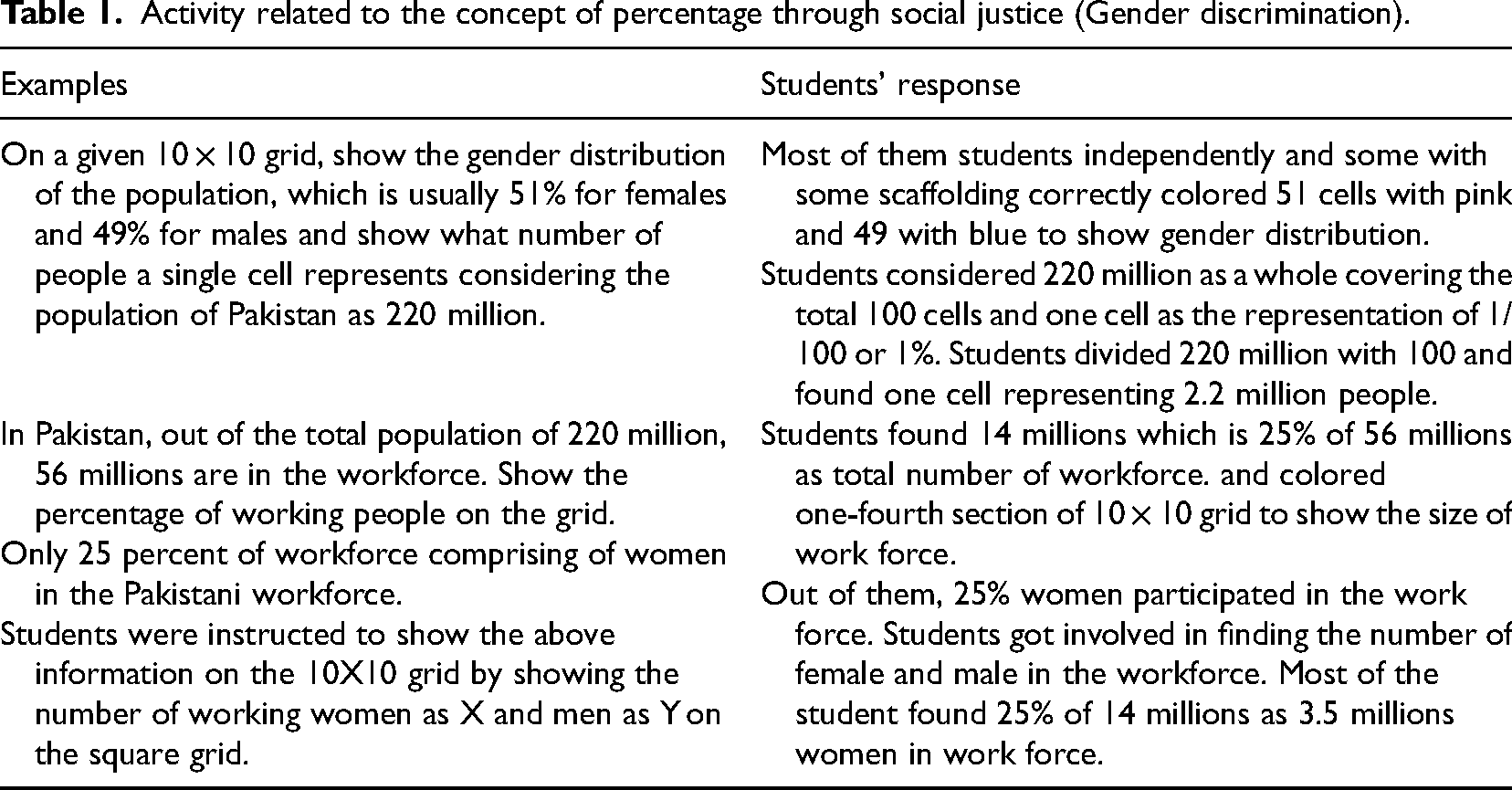
But still, the students were facing problems in understanding the concept of percentages. Therefore, the researchers decided to give them the concept of a 10 × 10 grid to give them a clear understanding of the concept. The students were given the data (see Table 1).
In this data, students understood the concept of percentage as part of 100 as a whole and found the number of females and males in the workforce. Furthermore, the students got involved in the discussion of why there are fewer women in the workforce, even though they are slightly more in number population-wise. Also, why are these women not counted in the workforce? Moreover, what are those women doing instead who are not included in the workforce? The students discussed the data in groups and shared several reasons in class. One of the students made a connection with the earlier shared data on women in higher education. If the women population is 51% and out of 10 only 2 women go for higher education, it means that from 51%, only 20% of women go for higher education. If we show that in numbers like taking out 51% of 220 million, then we can see how many women are getting an education from the 220 million population. (Reflective diary) Moreover, another student shared that the lessons that you have taught helped us to use mathematics to examine inequality in the broader social world. It also gave us the tools to understand and mathematically find the patterns of inequality in our society. (Seema, July 15, 2019)
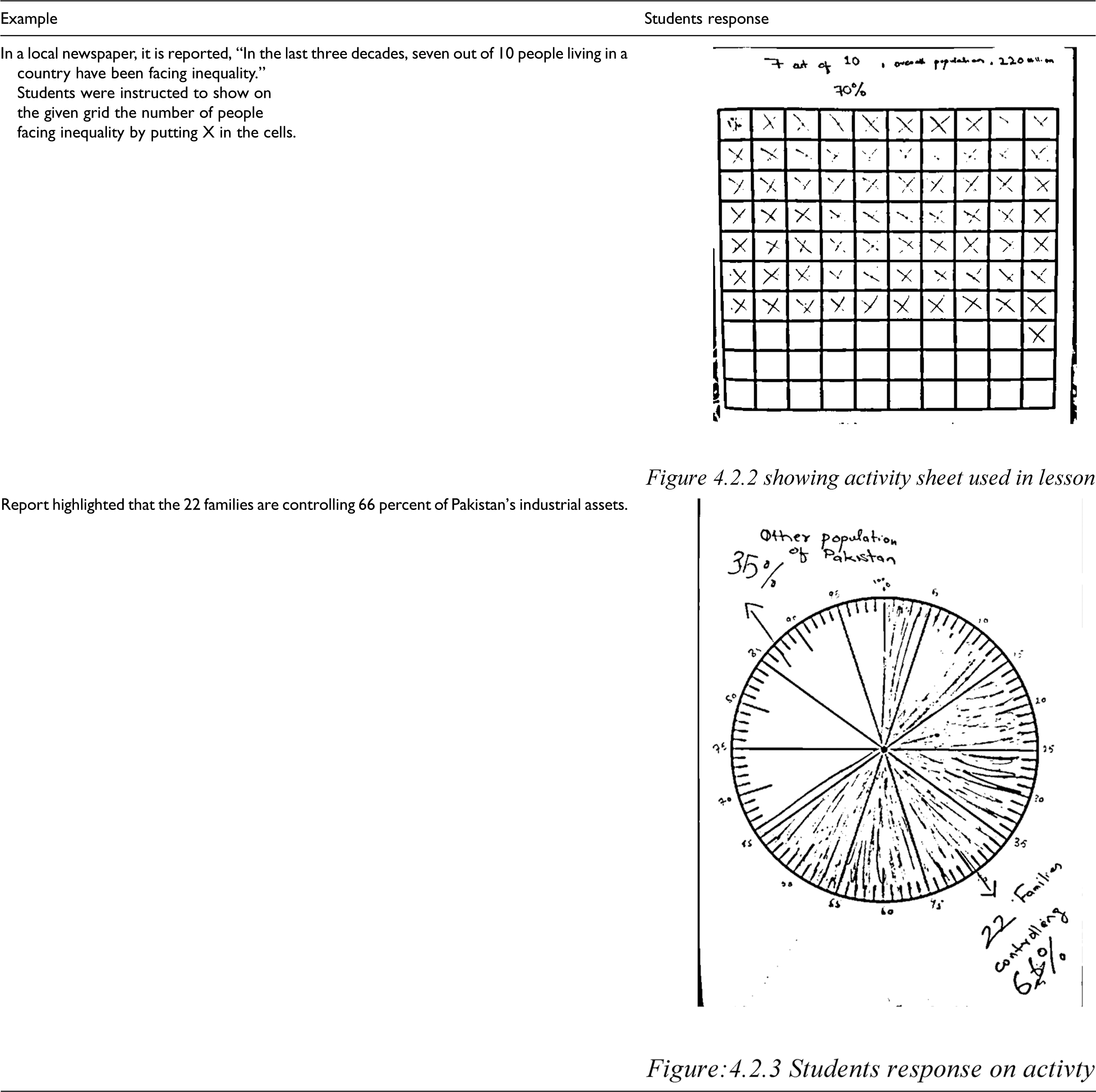
While discussing gender disparities, the students got a chance to connect gender disparity with the concept of disparity among social classes by sharing the data on inequality (see Table 2).
So, such examples helped students in doing calculations with the 220 million population and then taking 70% from 220 million, which gave them the number of 154 million population that faces inequality. After that student connected the data with social inequality and discussed the reason behind this inequality and shared examples such as, “The former rulers have lots of money. If they return that money to Pakistan, the country will come out of the financial crisis” (classroom discussion, reflective diary).
Hence, the students felt connected with the topic and started discussing issues in mathematics terms. For more understanding, the students were shared with more examples of inequality in data in percentages like, “A report found that around 79.8 percent of families lack access to clean cooking fuel, while a quarter is deprived of sanitation services with 7% living more than 30 min from the closest water source.”
Pakistan is the second highest in the world in terms of out-of-school children. Out of 50.8 million children, 24 million are out of school. Two out of every three children out of school belong to poor families. Likewise, “35% of the people live below the poverty line, and around 22.4 million children are out of school.”
After these data students started discussing social class issues and reading the world with mathematics playing with these data made them able to realize the inequality in Pakistan. Then the students were suggested to start working on developing a sense of responsibility while designing some action plan to overcome issues of gender disparity and inequity.
Mostly, the students started giving suggestions and writing down their action plans which they intend to implement in future. However, students were still juggling the tension between mathematics and connecting to social justice; therefore, the researchers gave them two cases in which the students were given a chance to not only solve the data but think wisely and rationally. The cases were as follows:
Case 1. There is a project in which a company hires 5 workers, they are a doctor, manager, clerk, maid, and driver. Every person spends the same number of hours on the project. The company allocated Rs.5 lacs and 50 thousand for the salaries of the five workers. How will the owner of the company distribute that amount among these people to compensate for their contribution to the project? (see Figure 2 the sample of students work).
Case 2. “In the second case, the researchers gave 2 circles; each was divided into hundredth circles. And asked them to show how much time each parent spends on different activities such as personal work, paid work, and domestic work.”
Thus, in dealing with such data, the students were involved in a deep discussion of resource distribution among different stakeholders. These activities help students change the notion of mathematics, for example, in pre-teaching FGD, they shared with the researchers that they considered mathematics as a boring subject, in which every individual had to play with numbers and practice mathematics problems and exercises. Later on, their understanding of mathematics changed due to the intervention, and they started considering mathematics to be everywhere.
Moreover, they started to perceive that mathematics provides such type of data that can be analysed further to see societal practices. They also started showing love for learning mathematics and using it in the world to bring about a change in society. Before the intervention, they had very little confidence in reading mathematical data, but afterwards, they were ready to use mathematical data for social change. Furthermore, TMSJ has improved students’ views about mathematics, as the students shared with the researchers that mathematics enables them to use their reasoning skills to solve problems in society.
Development of a sense of social agency among students
Developing a sense of social agency is defined as “seeing oneself capable of making change” (Gutstein, 2006, p. 27). After the study, the students of class 8 seemed to be more inclined to working towards the betterment of society. A student shared the following examples during Post teaching FGD, The activity that we did in the third cycle on wage distribution has changed my thinking. We learned about how poor people were becoming poorer day by day. It is bad and we should do something to change the situation. (Post-teaching FGD, July 29, 2019)
Similarly, during teaching, the students highlighted that educational inequalities exist in our society and expressed their desire to address them. Moreover, the information they acquired about real situations provided them with self-awareness about what was more appropriate and good for them, as well as for the larger society. Consequently, this understanding would enable them to bring positive changes in society.
Throughout the action research process, the students demonstrated interest in the activities of TMSJ and shared mathematical data related to injustice in the communities. Through the discussion, they were able to realize what kind of problems exist in their society and what measures they could take to resolve them. For example, they shared in the class that garbage piling up was a problem being faced by the city. To counter the issue, the students suggested that the Government should impose a fine on people who were throwing garbage on roads or in the streets. Similarly, they also expressed the resolve to write a letter to the Prime Minister against the people who would throw garbage in the streets. They were also looking towards other alternatives. For instance, they informed the researchers that their school director (who adopted this school) had good relations with government officials, so they would share the letter with the director and will, in turn, ask him to share it with the concerned government officials. Similarly, they were thinking of sending letters to magazines and newspapers to create awareness about the said issue Thus, the students seemed excited about bringing change into society and wanting to solve the social issues.
The students’ responses revealed their awareness of their ability and power to understand societal problems and take subsequent actions to improve the situation. The researchers noticed that the students had an awareness of some of the issues prevalent in society, and they were using mathematics to criticize the prevalent inequality in their society.
It shows that students started “reading the world” with mathematics and developing an understanding of the issues prevalent in society because of the intervention. They were also using mathematics to support their arguments in the discussion. Moreover, during the post-teaching FGD, the students shared with the researchers that the school did not provide them opportunities to discuss such topics in the classrooms, though they considered these discussions to be very healthy, which would raise students’ awareness about society and mathematics concepts.
Furthermore, the students were connecting “female issues” to their daily lives and felt that they could do something to resolve those issues. For example, they said that “we [girls] have to start raising awareness for our rights and highlight the injustice in society against females.”
Likewise, the students also shared with the researchers that to play their part in lessening the social disparities, they would help their domestic workers or the underprivileged ones in their neighborhood by providing them with things like clothes, food, books, toys for their children, and money.
However, in some classes, the students shared their feelings of helplessness that they could not do something about the other kinds of injustices prevalent in society. Specifically, during the FGD, the students expressed the need for the government to increase the wages of workers or reduce inflation and resolve the poverty issue to eradicate the existing inequality in the society. One student rightly commented, “One person could not make a difference. Individuals need to work together to bring a change to eliminate the inequalities or at least start raising awareness on these topics” (Semi, July 29, 2019).
Besides, the students felt that they lacked the power and resources to make a significant difference in the bigger issues such as income distribution and education provision. On the other hand, many students considered it the responsibility of their parents, siblings, or adults to bring change or awareness regarding the aforementioned social issues, as they considered themselves too young to do so.
Discussion
This study highlighted the female students’ development of socio-political consciousness and social agency, as they had “read and written the world” with mathematics through the intervention. Many earlier studies explored this issue with homogeneous students of low socio-cultural backgrounds (Brantlinger, 2007; Frankenstein, 1995; Gutstein, 2006; Tate, 1995). Also, there were studies conducted in grades 7 and 8 (Brantlinger, 2007; Frankenstein, 1995; Gutstein, 2006). Likewise, Wonnacott (2011) studied the implementation of TMSJ in an affluent middle classroom, and Naz (2017) did it with a single-sex girls’ classroom in grade 10. Meanwhile, this article attempted to explore how female students from low socio-economic groups experience teaching mathematics for social justice in a single-sex female classroom.
Moreover, researchers found that there was hardly any social justice teaching material in mathematics available for grade 8 students, specifically in the Pakistani context. On the other hand, the material available in the US, Canada, and the UK is more related to topics like immigrant people, race, HIV/Aids, etc., which do not have a strong connection with the background of Pakistani children. Also, some of these topics are considered taboos in the Pakistani context, which is why they could not be included in the curriculum for teaching Pakistani children. This issue has already been identified by researchers such as Brantlinger (2007) and Gutstein (2006) that the scope to teach social justice is very limited, and thus, the researchers and teachers need to adapt and generate material that is relevant to the local context to meet the curriculum objectives. Therefore, the researchers used data and documents that are publicly available on the internet as a springboard for two of the three activities to provide an impetus to develop more material.
However, the selection of the topics from the structured curriculum to integrate concepts of social justice issues was a challenge, as the researchers could not find enough teaching material or relevant activities to teach some of the social justice topics suggested by the students. This challenge has also been faced by many earlier researchers. There have been several considerations in the selection of the topics. For instance, Freire (1970, p. 96) elaborated that teachers should not only include the present situations but also help students foresee the future and discuss issues that have long-term consequences. Also, Freire (1974) states that teachers should not select social topics in which students have little or no interest. Also, some topics that trigger fear among students should not be included. Despite all the considerations, the issues need to be discussed in the class which is close to students’ hearts and minds, as he suggests “It is not our role to speak to the people about our view of the world, nor to attempt to impose that view on them, but rather to dialogue with the people about their view and ours” (Freire, 1970, 2003, p. 96).
Thus, literature shows that teaching concepts related to students’ interests, concerns, and background increase students’ level of engagement in the classroom to understand mathematics as well as social justice issues.
Thus, the findings of this research suggest that incorporating social justice issues in mathematics education ultimately supports students’ engagement and learning, though there were some glitches in the beginning like students might have not understood the integration of social issues topics in teaching mathematics. Moreover, the pedagogy allows students to explore mathematics beyond the classroom, develop specific mathematical skills in analysing and interpreting real data, and acquire the knowledge to become critical individuals. During the research, the students demonstrated an understanding of mathematics by working with decimals, fractions, and percentages in classroom activities. The students were able to use activities related to mathematics data to develop a mathematical understanding which was to help them later in applying their understanding to the case studies given in the third cycle. For example, evidence shows that at the beginning of the unit, when the students were required to convert fractions to percentages, many students were confused as to whether the numerator had to be divided by the denominator and vice versa, and whether to multiply or divide the answer by one hundred. Thus, to help the students develop the skills to convert fractions to percentages, the students were given the task of completing mathematical problems or data related to mathematical knowledge.
Moreover, during planning the activities, the researchers experienced a certain degree of stress in creating a balance between critical and traditional mathematics. For instance, the researchers had to decide how to be critical towards teaching the traditional mathematics curriculum and, at the same time, to understand how they were supposed to compromise their worldviews and accommodate the students’ points of view that were embedded in their cultural context. Thus, this kind of improvization on the researchers’ part might have hindered the students in developing their sense of agency.
Furthermore, the studies conducted on homogeneous classrooms of low socioeconomic status found several outcomes that stretched from the students’ feeling a sense of helplessness, developing an awareness of social justice issues, changing their perceptions of the usefulness of mathematics, and making them feel empowered enough to take social and political action eventually (Gutstein, 2006; Frankenstein, 1987; Tate, 1995). Thus, this study showed similar outcomes such as the incorporation of social justice issues in mathematics which could not sensitize the students towards the topics related to inequalities based on social class. However, the students were found to be more engaged with issues related to gender inequalities. It might be so that the students could relate to the said topic more because they were females themselves.
Additionally, the data revealed that seeing mathematics as a gatekeeper toward a prosperous career and economic advancement makes teachers and students stick to the prescribed textbooks and examination trends (Cobb, 2004; Moses et al., 1989; Wonnacott, 2011). However, after taking part in this research, the regular mathematics teacher argued that there was a need to provide students with opportunities to discuss social justice issues relating to power, resources, inequities, and the disparity in opportunities between different social groups. Moreover, Gutstein (2006) also discussed and revealed that such social issues help students understand explicit discrimination based on race, class, gender, language, and other differences.
The researchers found that a teacher can help students make connections between lived experiences relating to social justice issues and mathematics. Gutstein (2006) observed that these connections have the potential to deepen students’ understanding of the socio-political context through the lens of their lived experience. Therefore, when students start “reading and writing the world with mathematics,” they increase their conceptual understanding and procedural proficiencies in mathematics.
The findings of this study indicated that teaching students’ traditional mathematics was not a compromise by the incorporation of social justice issues in mathematics classrooms. Although many of them initially could not solve the traditional exercise sums on the related mathematics topic, they were still able to complete the activities related to gender and wage distribution activity through using appropriate mathematical knowledge and understanding. A reason for students’ improved performance could be that they got the opportunities of working in groups which helped them understand the concepts through peer interaction. This finding is similar to Wonnacott (2011) who reported that the incorporation of social justice issues helped students understand mathematical concepts. At the same time, the researchers agree with Guststein's view that traditional mathematics knowledge is a prerequisite to using mathematics critically to unpack real-life issues. In general, the findings suggest that in teaching mathematics for social justice, there should be an equal emphasis on mathematical knowledge and knowledge of social issues (Gutstein, 2006).
Lastly, the researchers attempted to understand the process that may affect the development of the social agency of female students. Researchers found that the pressure of end of the year examination hindered the students in using creativity in the classroom and thus restricted their learning of social justice issues. Although the examinations were internal, students still felt anxiety. Moreover, the study found that at the beginning, the students were not given opportunities to use mathematics to understand the world/social issues, as the students declared that their teachers’ focus was usually on solving mathematics exercise sums in the classroom, and they would not bring an example from outside the classroom. However, the results showed that after the research cycles, although most of the students were sensitized towards some of the social justice issues prevalent in society, they thought that they were not in a position to make any change in society. In their opinion, it was the responsibility of the government to improve the situation. Furthermore, I also found most of the students were inclined to discuss the stories telecasted on television channels.
Conclusion
Based on this study, it can be argued that TMSJ is challenging in Pakistani classrooms, but it can be incorporated with a lot of preparation. Moreover, all the challenges can be reduced by integrating different strategies in the classroom. Still, a lot of work needs to be done in this area, specifically the development of curriculum and material for teaching mathematics for social justice. Moreover, the mathematics coordinator and the teacher at AGG School appreciated critical pedagogy and teaching mathematics for social justice. They particularly liked the idea of TMSJ, as it was a new idea for the teaching content of mathematics. Moreover, while learning about teaching mathematics for social justice, the students and the teachers realized that TMSJ is a desirable and viable alternative to bring change to society. Moreover, the students got an awareness of some of the social issues and understood some of the societal practices, even though they could not fully identify their role in society. Conclusively, the findings from this research strongly suggest that if we want to make students critical and responsive human beings, we should include topics of social justice across the curriculum.
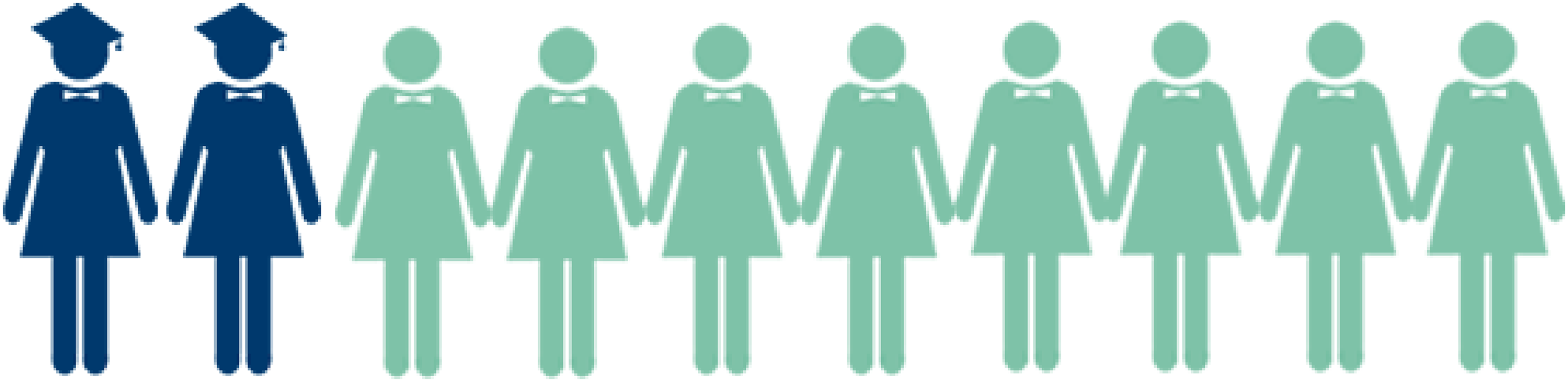
Activity sheet used in the first lesson.
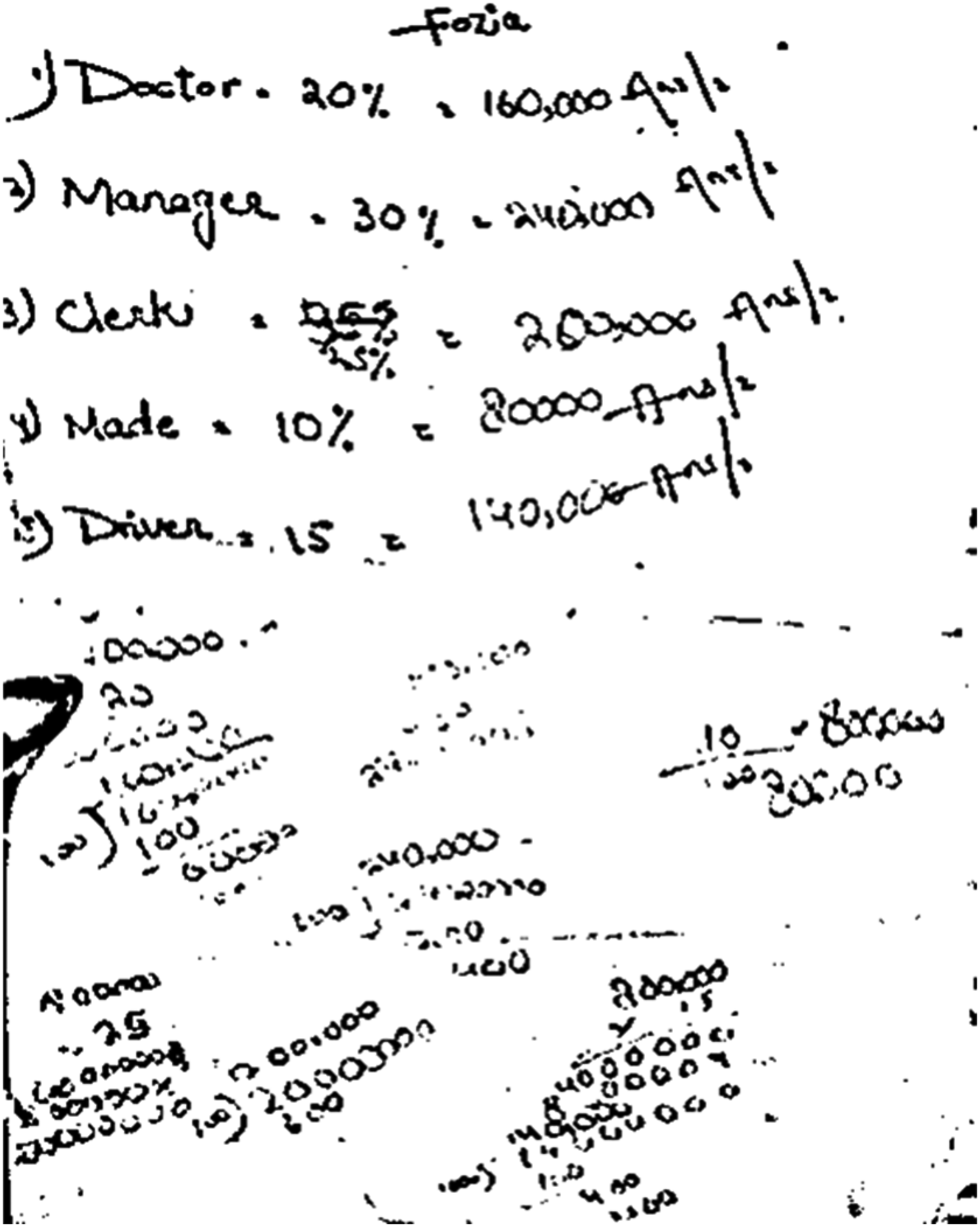
Activity sheet used in the lesson.
Activity related to the concept of percentage through social justice (Gender discrimination).
Activity and students’ work related to social class and representation of numbers in 100th desk.
Footnotes
Contributorship
The first author conducted this research, as part of her master's study at Aga Khan University, Institute for Educational Development, Karachi, under the supervision of the second author. First author drafted the manuscript. Second author provided important ideas for the research and publication. Both authors read and approved the final manuscript.
Declaration of conflicting interests
The authors declared no potential conflicts of interest with respect to the research, authorship, and/or publication of this article.
Funding
The authors received no financial support for the research, authorship, and/or publication of this article.
Informed consent
The study sought ethical approval from Aga Khan University Ethics Review Committee. For that the authors sought informed written consent from the head of the schools, the concerned teachers and the parents of the participating students. Students were also informed about the study and their assent will also be sought.
